
Extra Challenge Maze Puzzles Worksheets Activities With Answers for Ages 3-8
7 filtered results
Difficulty Level
Grade
Age
-
From - To
Subject
Activity
Standards
Discover our engaging "Extra Challenge Maze Puzzles Worksheets" designed specifically for children ages 3-8! These interactive activities are perfect for enhancing problem-solving skills and promoting cognitive development in a fun way. Each maze puzzle offers varying levels of difficulty, ensuring that children can challenge themselves while developing focus and fine motor skills. With easy-to-follow answer keys included, educators and parents can effectively guide young learners as they navigate through colorful and imaginative mazes. Use these worksheets as an excellent addition to at-home learning or classroom activities, making studying a stimulating adventure for your little ones! Explore and enjoy educational excitement today!
Favorites
With answer key
Interactive
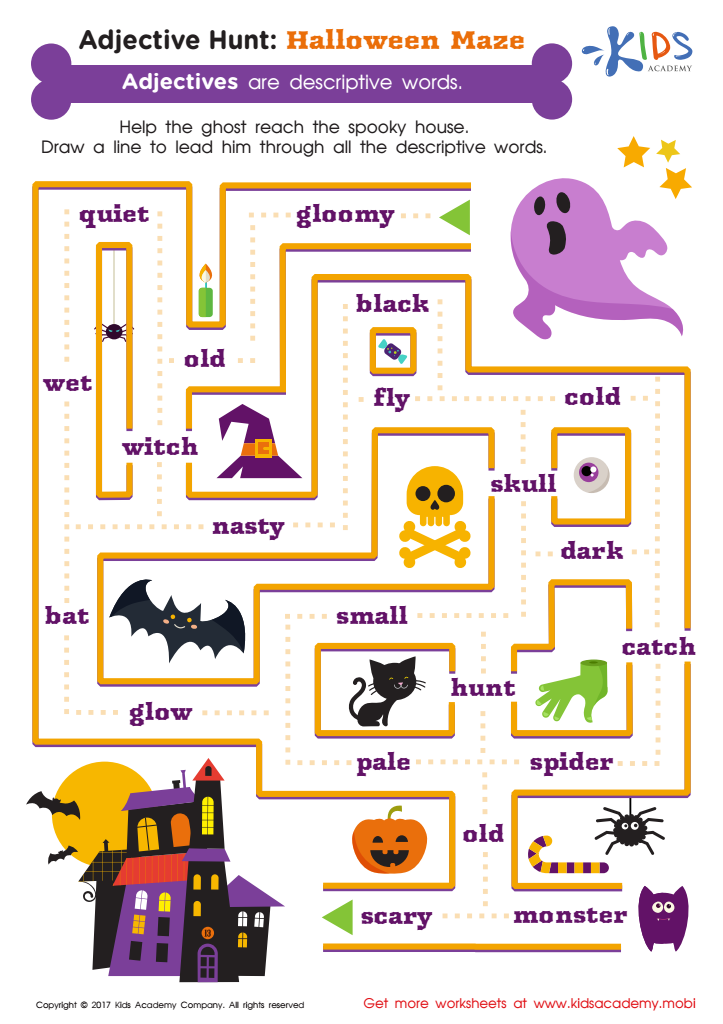
Adjective Hunt Printable
This spooky maze is perfect for Halloween! Kids will be both haunted and delighted while they figure out which words are descriptive or not. Get them excited for learning grammar with this fun and frightful worksheet!
 Assign to My Students
Adjective Hunt Printable
Worksheet
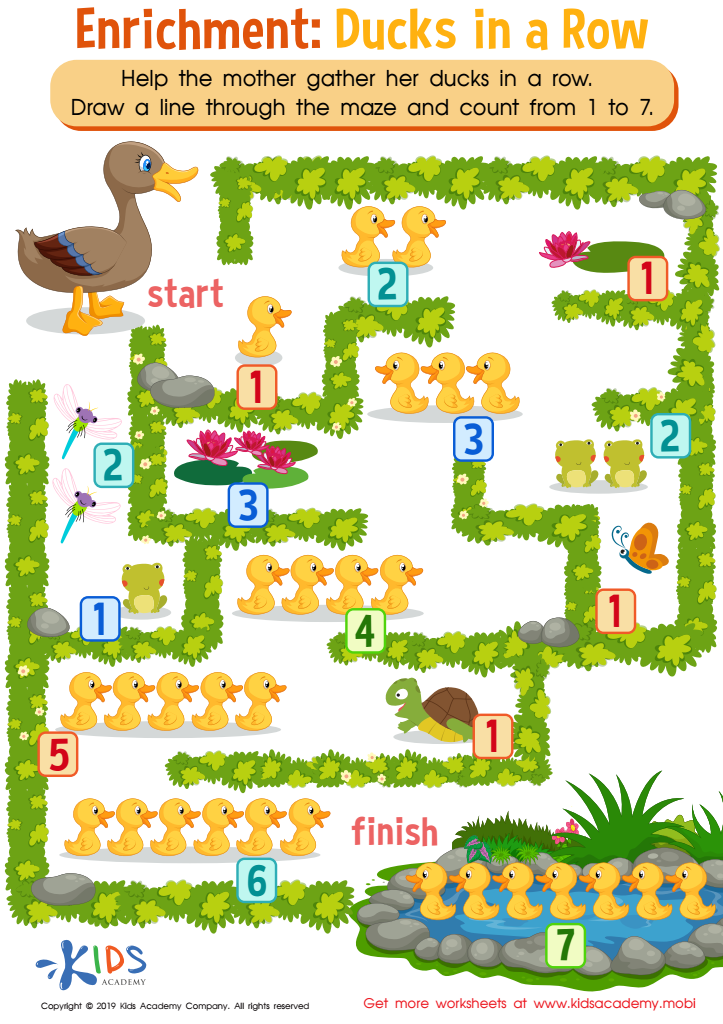
Ducks in a Row Worksheet
Are you looking for a fun and free math enrichment activity for your young one? Get Sweet Mama Duck and her ducks to the pond by helping your child navigate through this colorful maze! They'll use their fine motor skills and hone their number sense as they count ducks, turtles and frogs. Plus, they'll learn one-to-one representation. A great educational way to have fun!
Ducks in a Row Worksheet
Worksheet
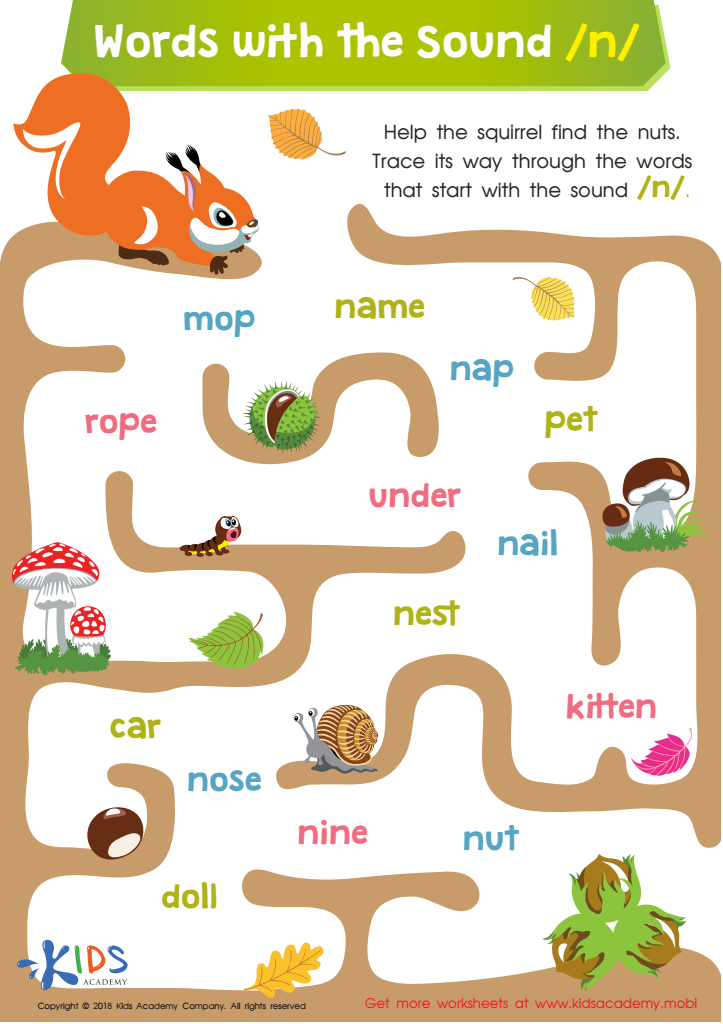
Words with Sound N Reading Worksheet
Young readers will love the colourful pictures and simple sight words on this download worksheet. They can trace their way through the maze as they help the cute squirrel reach his acorns, finding words with the sound "n" as they go. It's a fun way to work on reading skills - they won't even realise they're learning!
Words with Sound N Reading Worksheet
Worksheet
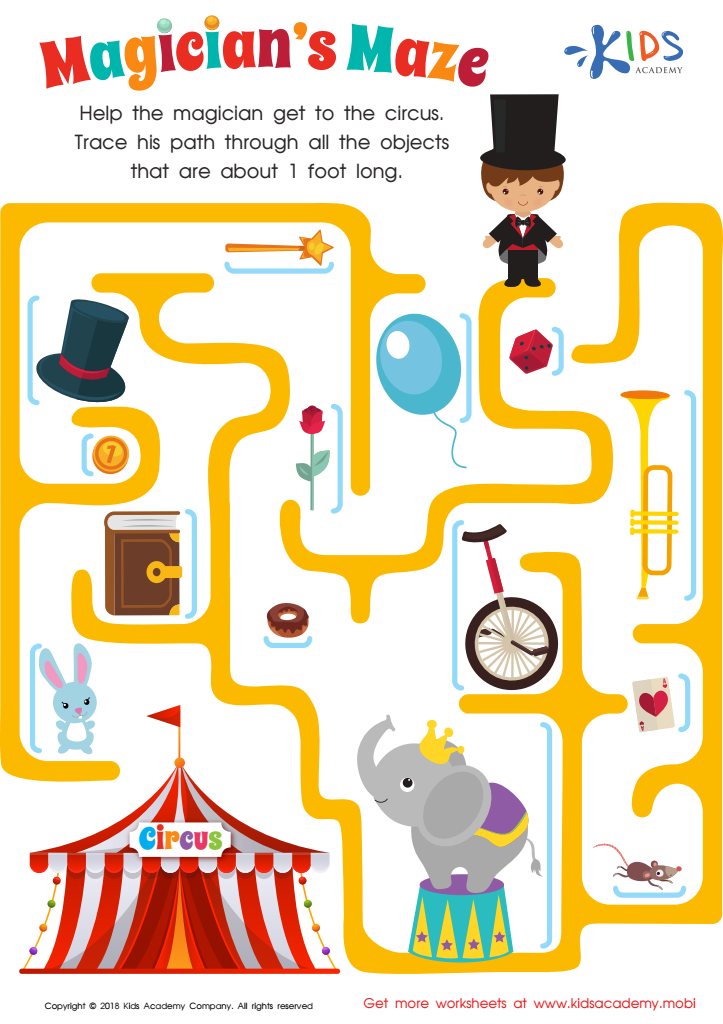
Estimating Length: Magician's Maze Worksheet
Does your kid want to practice magic and have a blast? This exercise will be a great way to help them do so! In the worksheet, they'll need to guide the magician to the circus. How? By tracing his path through the 1-foot long obstacles in the maze. Once they help him get through the objects, the circus will be just a few steps away!
Estimating Length: Magician's Maze Worksheet
Worksheet
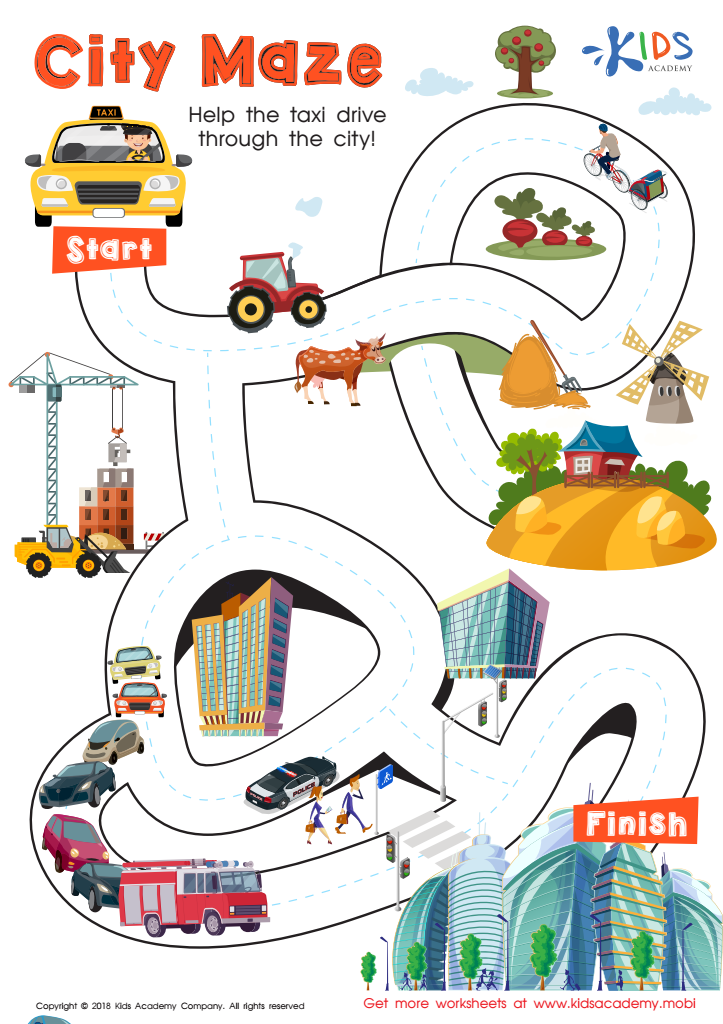
City Maze Worksheet
Kids love mazes! This free PDF city maze worksheet is sure to be a hit. Help your friend the taxi driver get through the maze, following traceable lines through different communities to the big city. It's a fun and challenging way to practice fine motor skills and succeed!
City Maze Worksheet
Worksheet
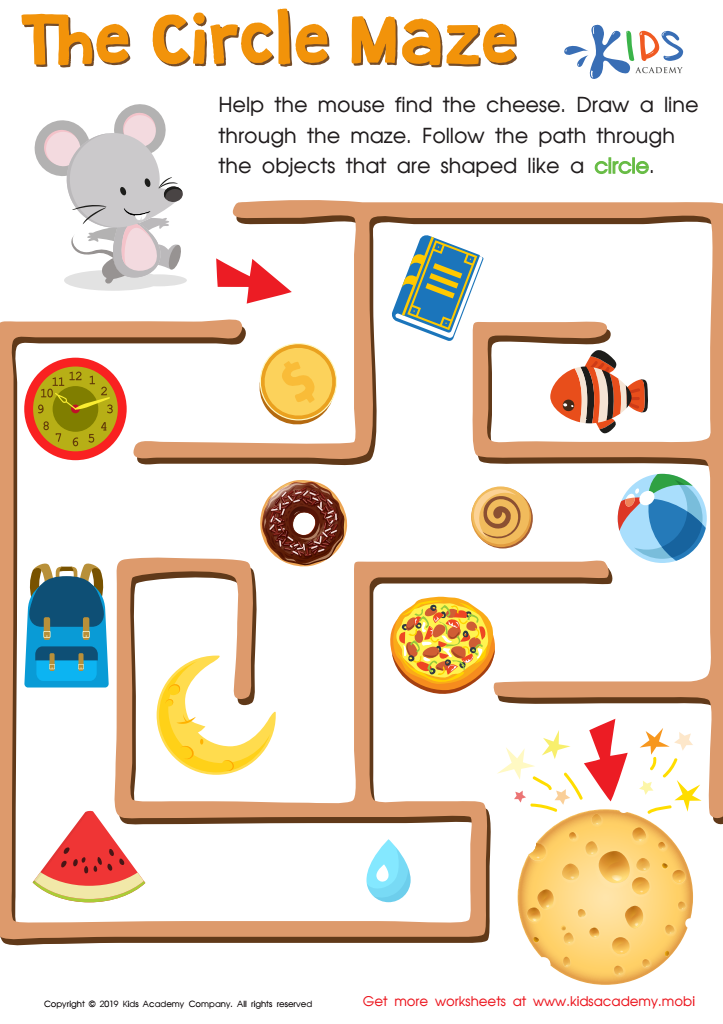
The Circle Maze Worksheet
Kids can have fun learning shapes with this maze worksheet. They can help the mouse find its cheese by tracing the path of a circle through the maze. This printable is great for classroom learning or as an activity at home.
The Circle Maze Worksheet
Worksheet
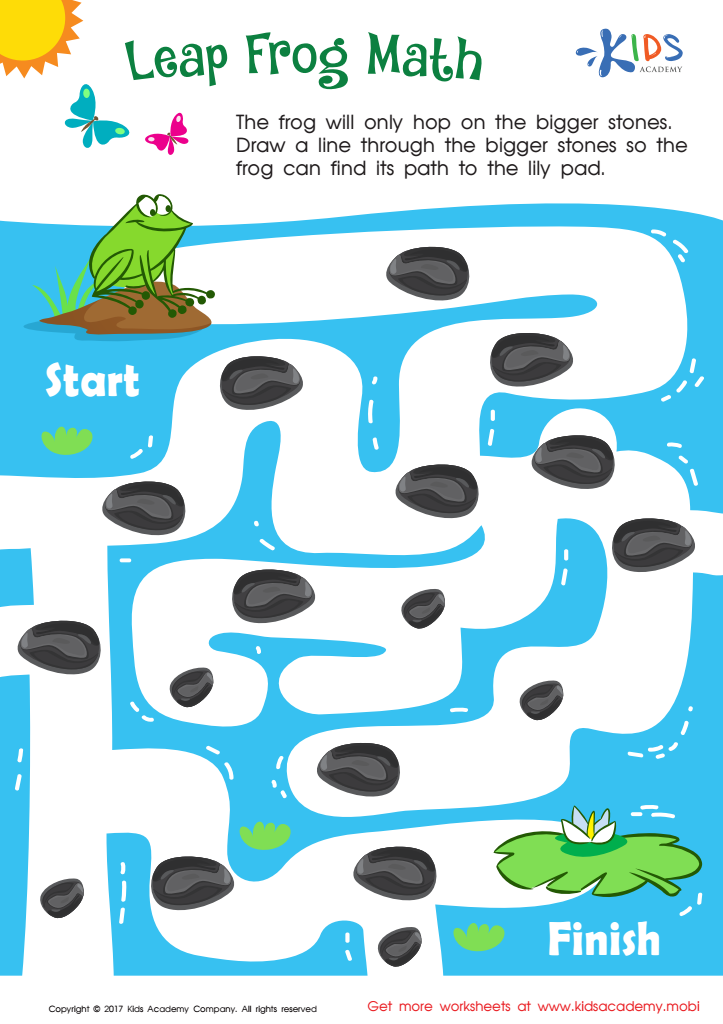
Math Puzzle Worksheet
Kids will use their math skills to help the frog get through the maze by selecting the larger stones. Perfect for kindergarteners, it develops the ability to identify size differences.
Math Puzzle Worksheet
Worksheet
Join Kids Academy for Free
Who is primarily going to use this learning content?






.jpg)

Parents and teachers should care about Extra Challenge Maze Puzzles Activities for Ages 3-8 because these activities offer numerous developmental benefits for young children. First and foremost, maze puzzles promote critical thinking and problem-solving skills. As children navigate through mazes, they learn to analyze their path, make decisions, and adjust their strategies—all foundational skills for academic success.
Moreover, engaging with these puzzles enhances fine motor skills, as kids utilize tools like crayons or pencils while maneuvering through mazes. This practice not only improves their hand-eye coordination but also prepares them for writing tasks in the future. Furthermore, maze puzzles have the potential to enhance focus and concentration. Children are encouraged to remain attentive to the task at hand, fostering patience and perseverance.
Beyond cognitive and physical development, these puzzles can serve as enjoyable bonding experiences for parents and teachers. With engaging themes and illustrations, children dive into imaginative worlds while sharing quality time with loved ones or educators, making learning more enjoyable.
In a nutshell, Extra Challenge Maze Puzzles offer multifaceted benefits for young children—building essential skills, encouraging creativity, and fostering closeness—making them a vital resource in early childhood education and parenting.








