Normal Tracing Letters Worksheets Activities With Answers for Ages 3-9 - Page 2
32 filtered results
-
From - To
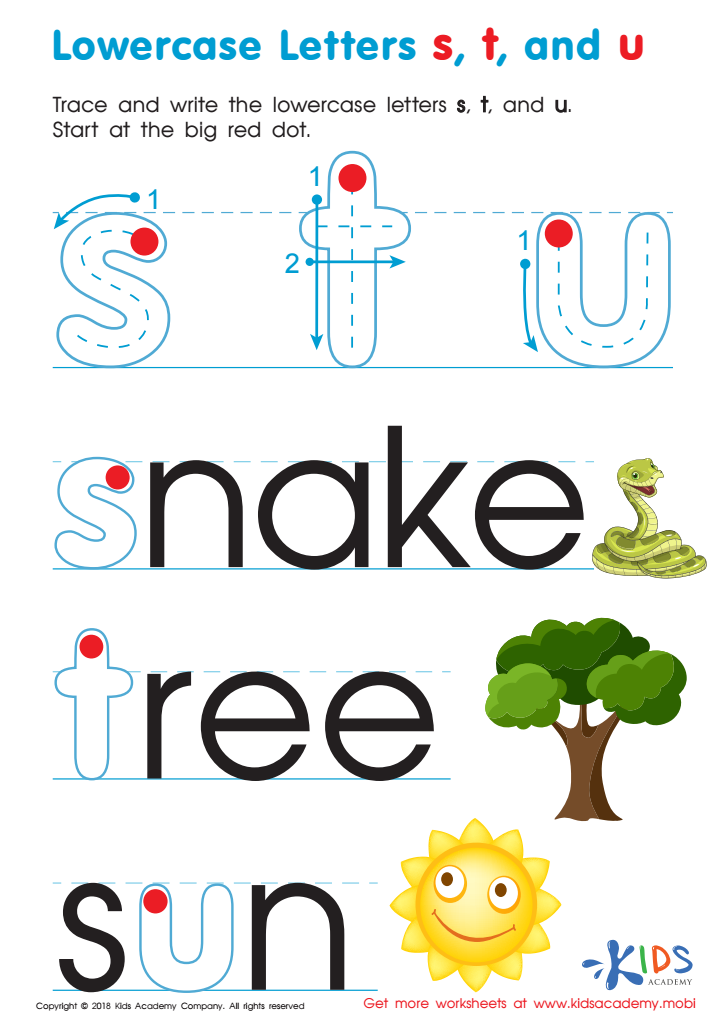
Lowercase Letters s t u Worksheet
 Assign to My Students
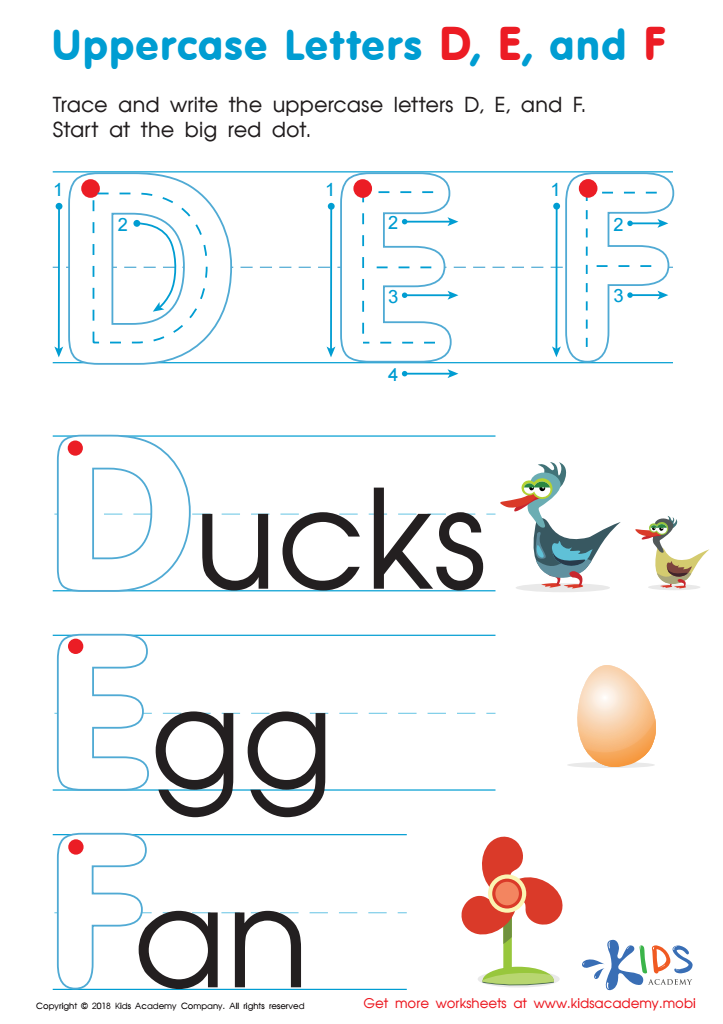
Uppercase Letters D, E, and F Worksheet
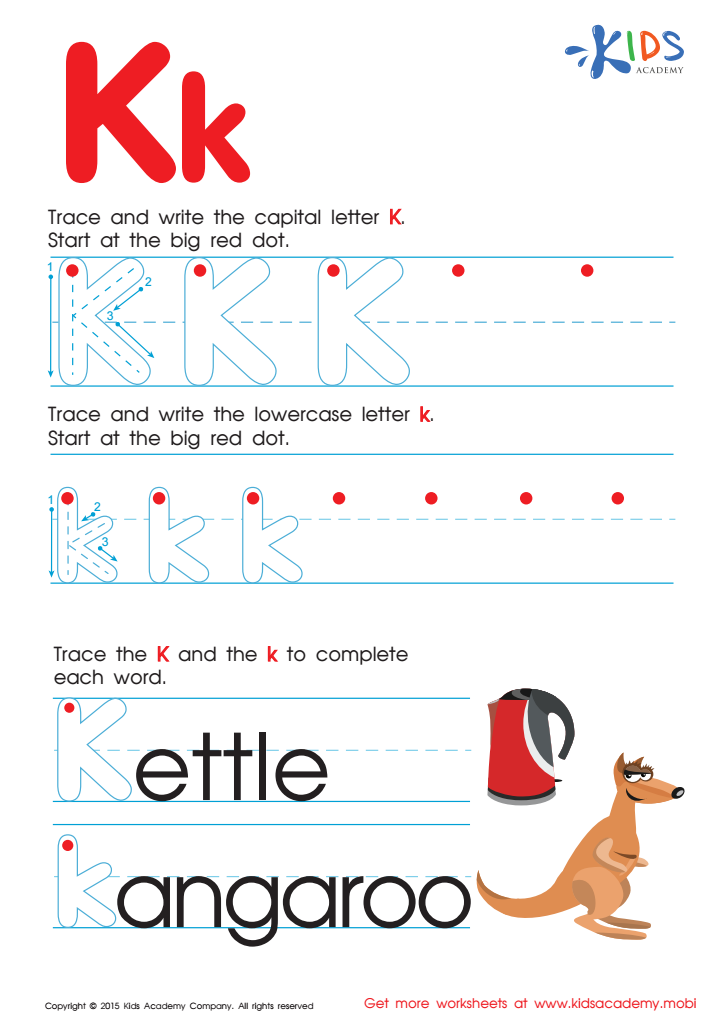
Letter K Tracing Page
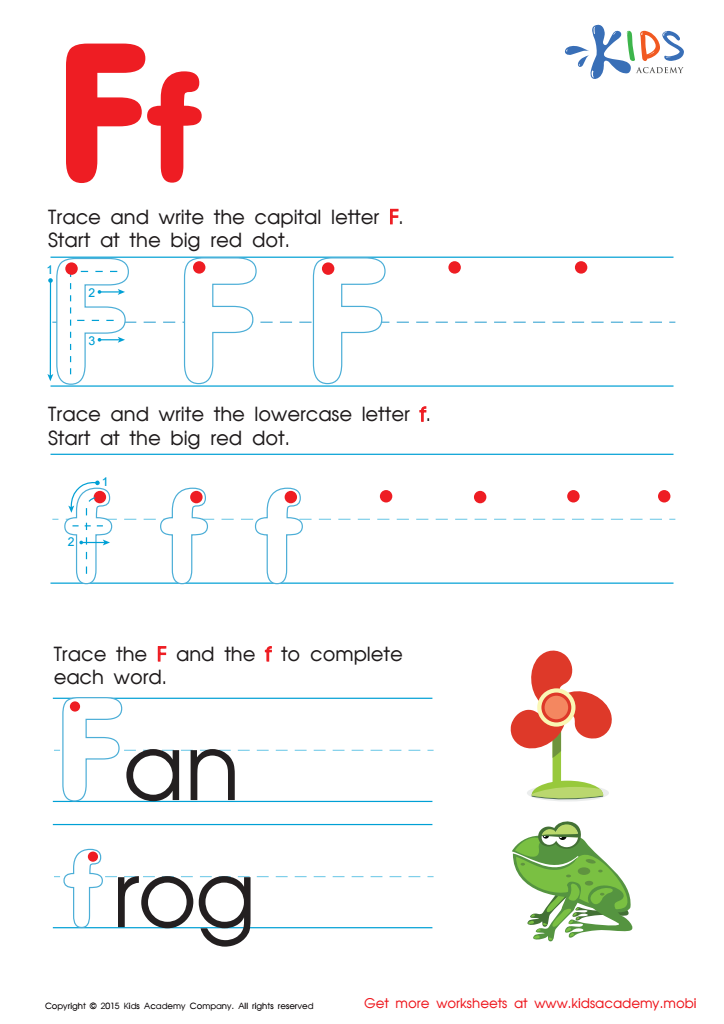
Letter F Tracing Page
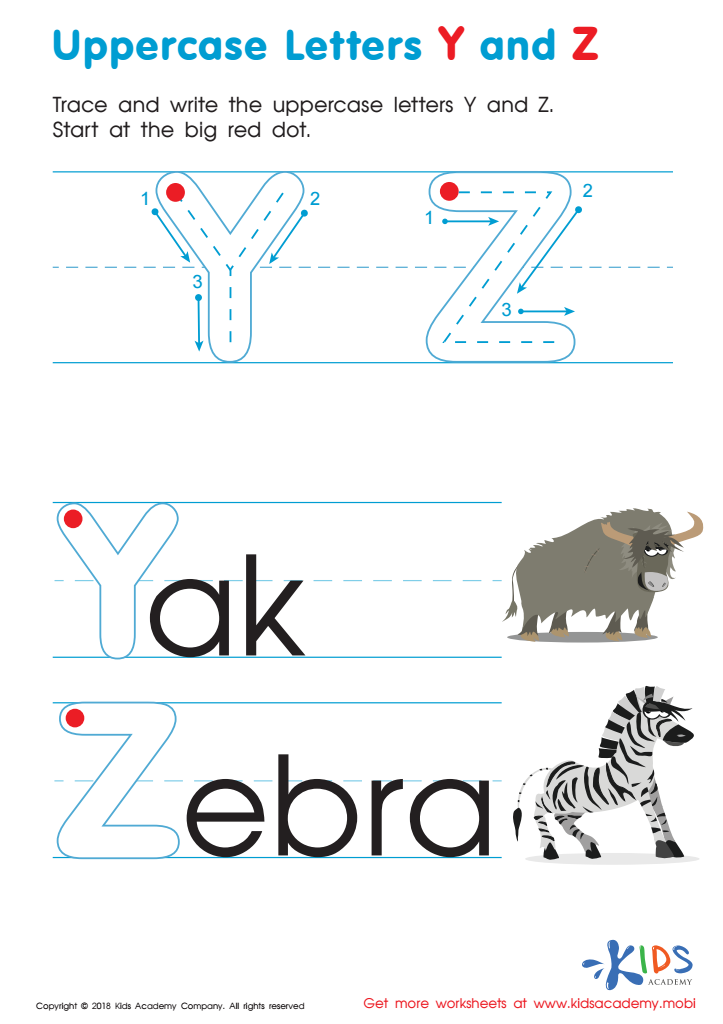
Uppercase Letters Y Z Worksheet
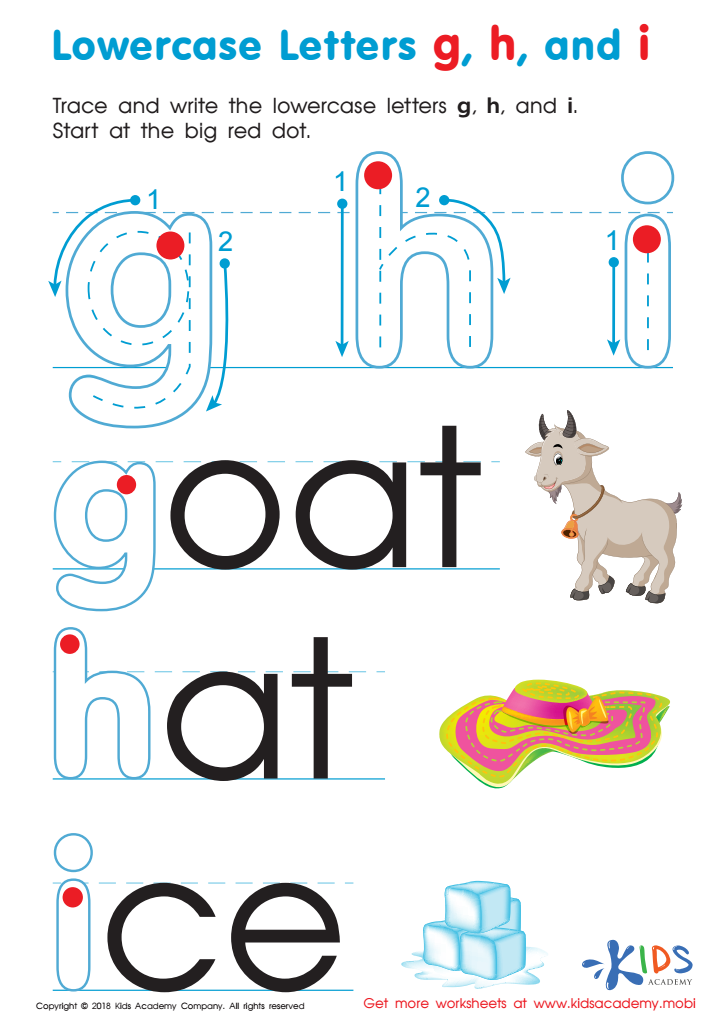
Lowercase Letters g h i Worksheet
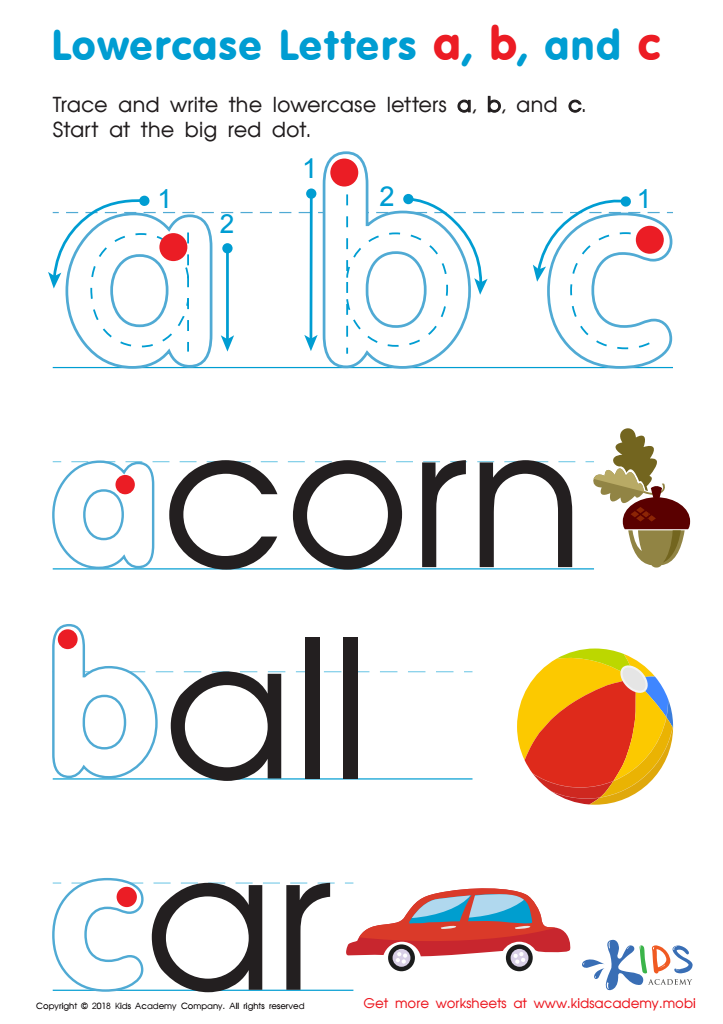
Lowercase Letters a b c Worksheet

Letter D Tracing Page







Parents and teachers should prioritize Normal Tracing Letters activities for children aged 3-9 because these activities are foundational for developing essential literacy skills. Tracing letters helps young learners build fine motor skills, important for handwriting and other tasks requiring hand-eye coordination.
Moreover, engaging in tracing activities enhances letter recognition, an essential component of early reading proficiency. When children repeatedly trace letters, they not only memorize their shapes but also begin to understand the different sounds associated with each letter, laying the groundwork for future phonics instruction.
Additionally, tracing letters at home or in the classroom can serve as an effective bonding activity between parents, teachers, and children. It offers a structured yet playful way to interact and share moments of learning, making education a holistic experience.
Incorporating answer keys can help guide parents and teachers to offer feedback, ensuring that children are tracing letters correctly and gaining confidence in their writing skills. Overall, Normal Tracing Letters activities provide a blend of developmental, educational, and relational benefits, making them a powerful tool for supporting children’s early literacy journey.








