Normal Tracing Letters Worksheets Activities With Answers for Ages 6-9 - Page 2
31 filtered results
-
From - To
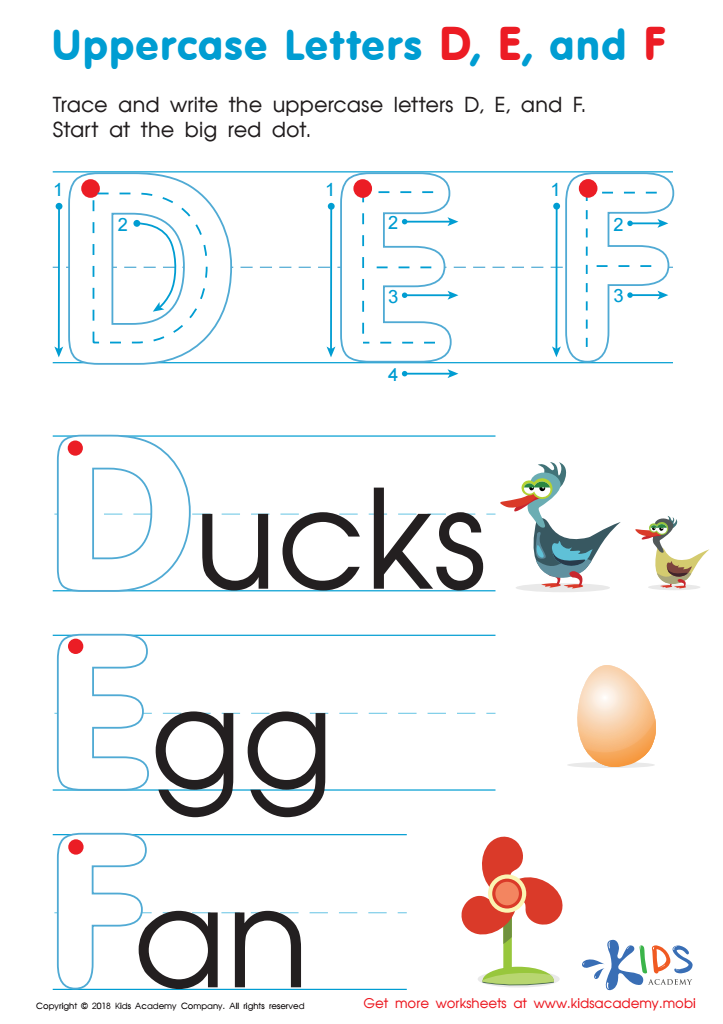
Uppercase Letters D, E, and F Worksheet
 Assign to My Students
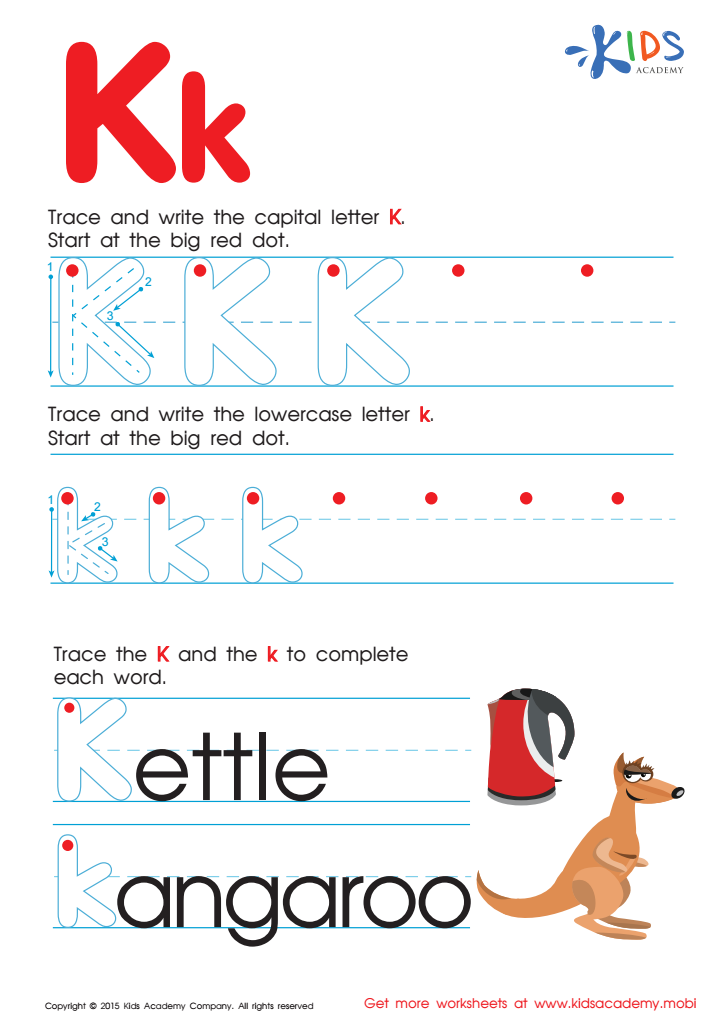
Letter K Tracing Page
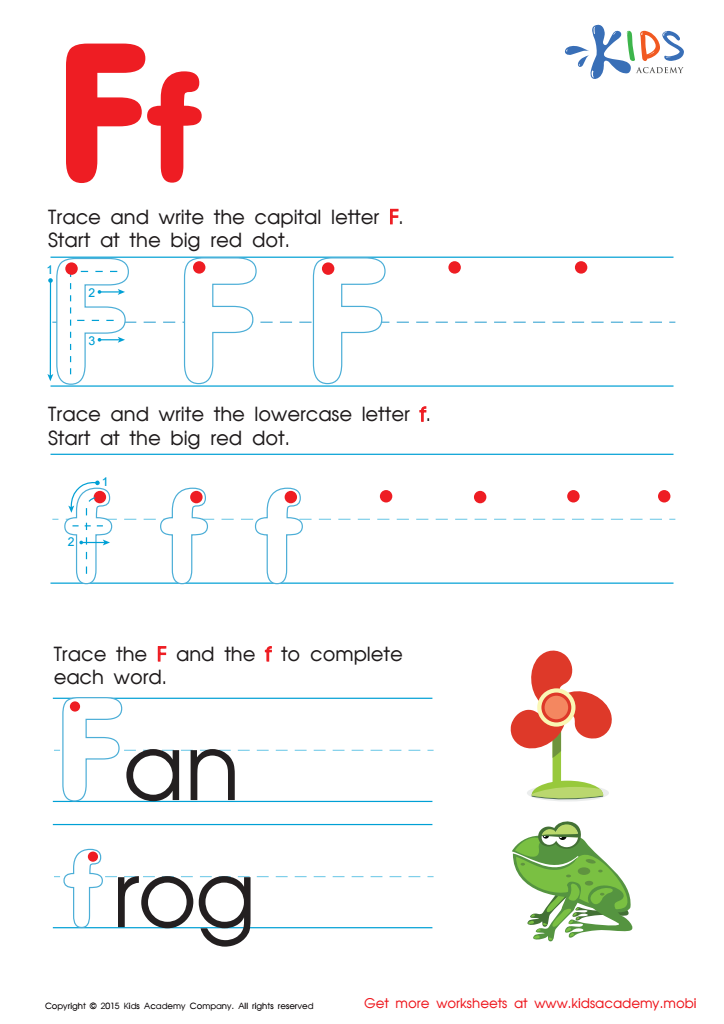
Letter F Tracing Page
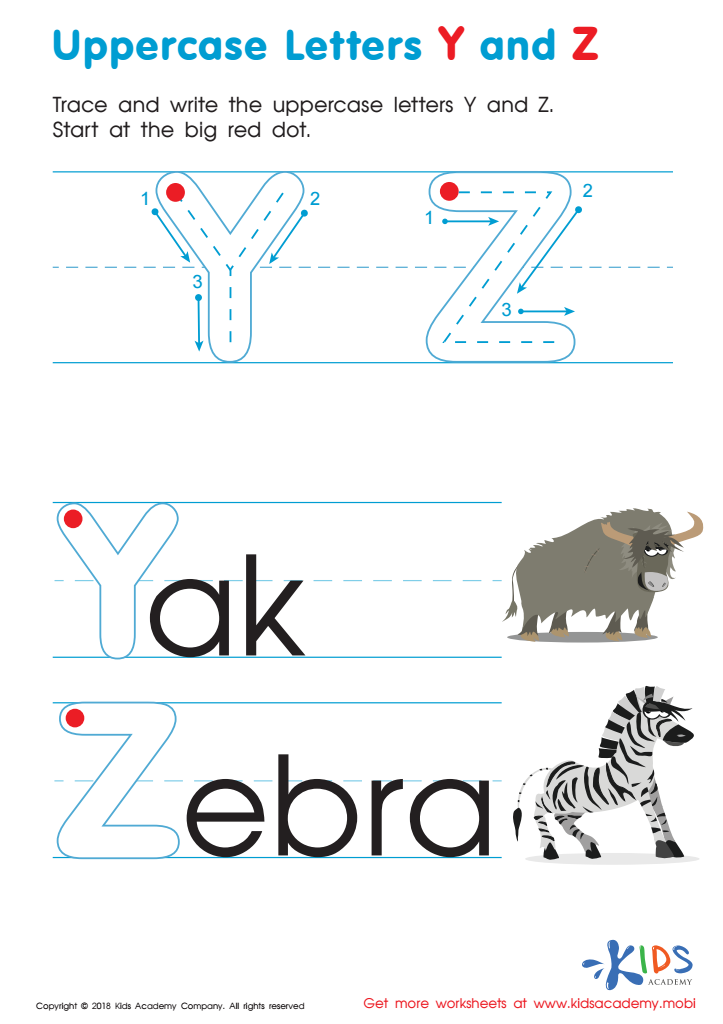
Uppercase Letters Y Z Worksheet
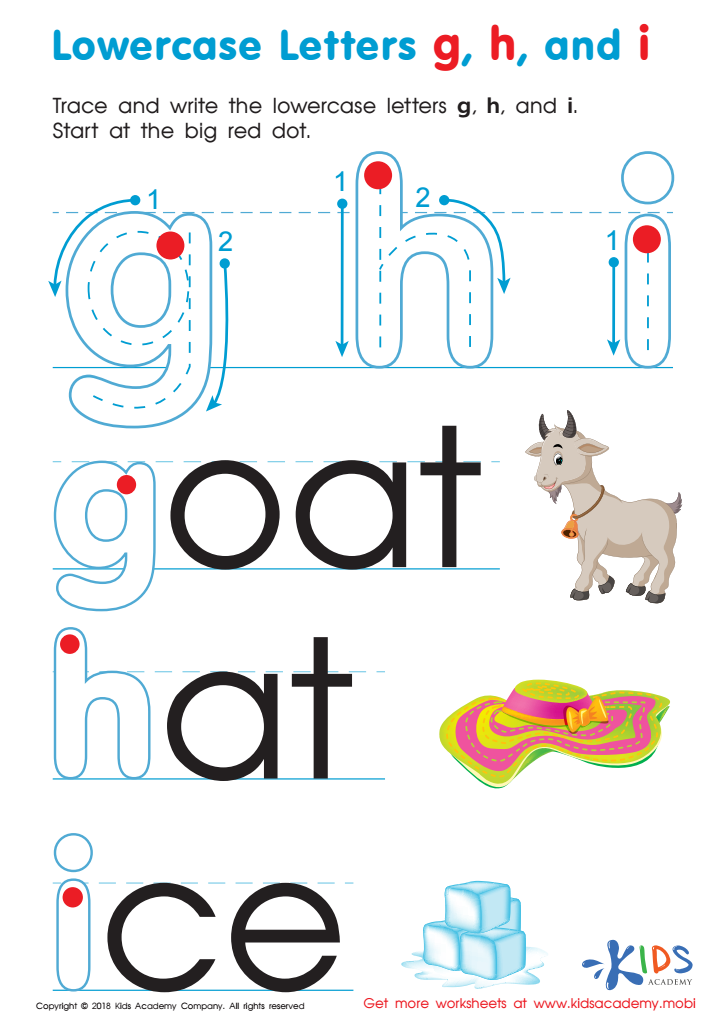
Lowercase Letters g h i Worksheet
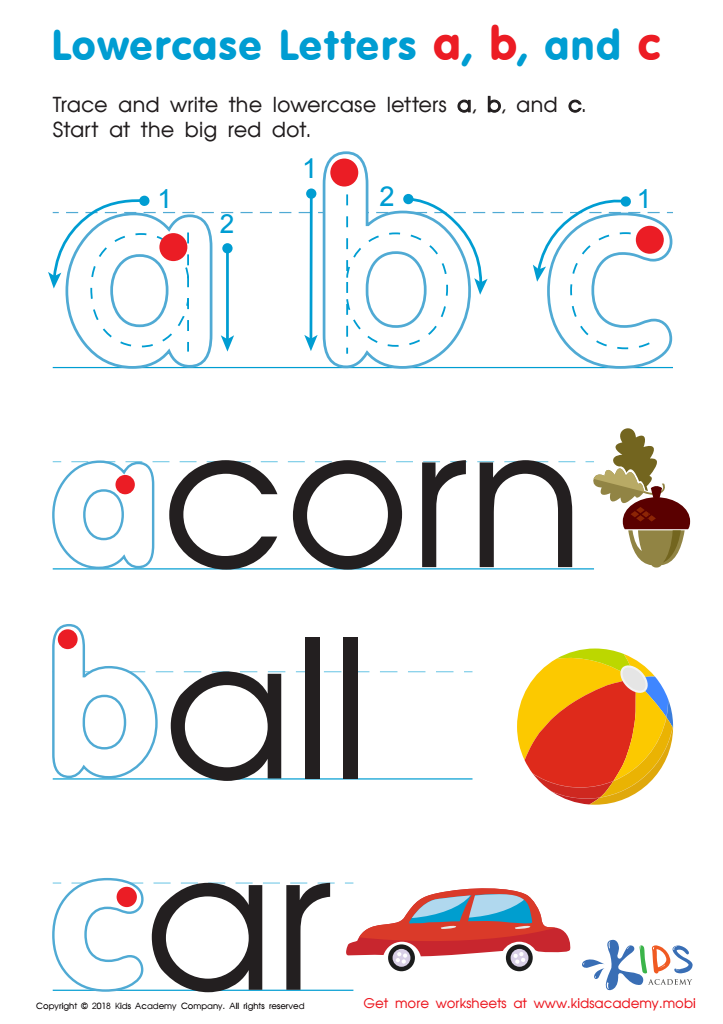
Lowercase Letters a b c Worksheet

Letter D Tracing Page







Parents and teachers should prioritize Normal Tracing Letters activities for children ages 6-9, as they are foundational for early literacy development and foster essential skills. During this crucial stage, children refine their fine motor abilities, enhance hand-eye coordination, and develop writing skills by tracing letters. These activities encourage correct letter formation, which is pivotal for their future writing proficiency.
Moreover, tracing letters helps reinforce letter recognition, an integral component of reading fluency. As students trace each letter, they engage visually and kinesthetically, allowing them to internalize the shapes and strokes of the alphabet. This dual approach not only aids memorization but also builds confidence in their ability to write independently.
Normal tracing activities can be modified to suit various learning styles; they can be fun and interactive, motivating children to engage with their learning. When parents and teachers provide structured tracing exercises, they also facilitate a smoother transition to creative writing and journaling as children grow older. Ultimately, by investing time in normal tracing activities, adults can lay the groundwork for successful literacy skills, fostering a lifelong love of learning and communication.








