Worksheets for Ages 3-8 - Page 4
2848 filtered results
-
From - To
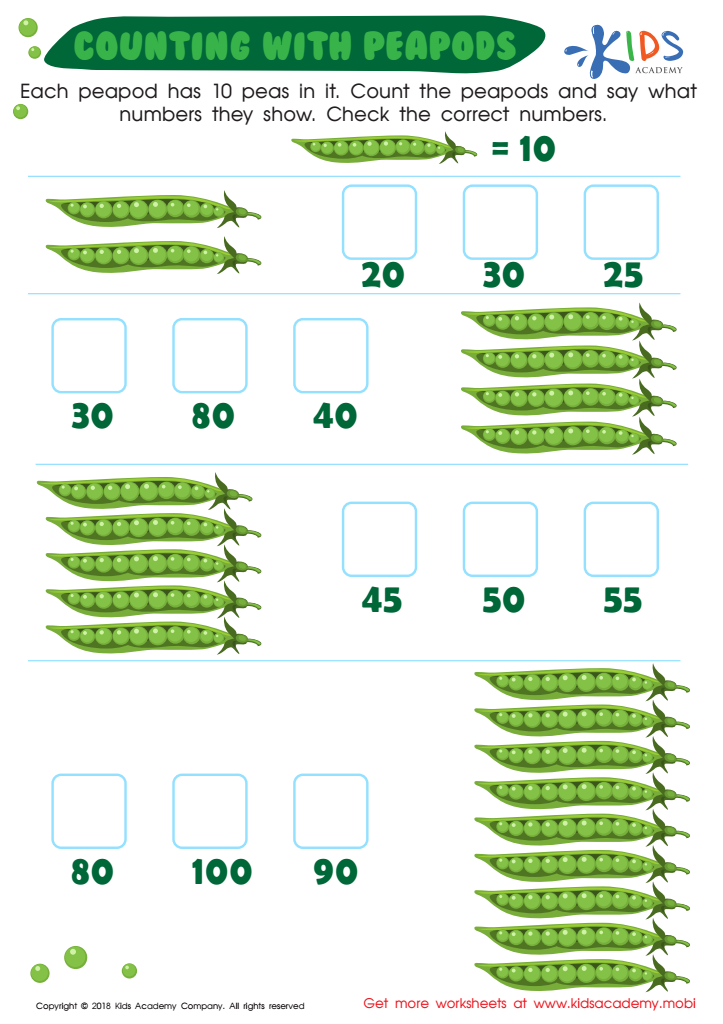
Number Worksheet: Counting With Peapods
 Assign to My Students
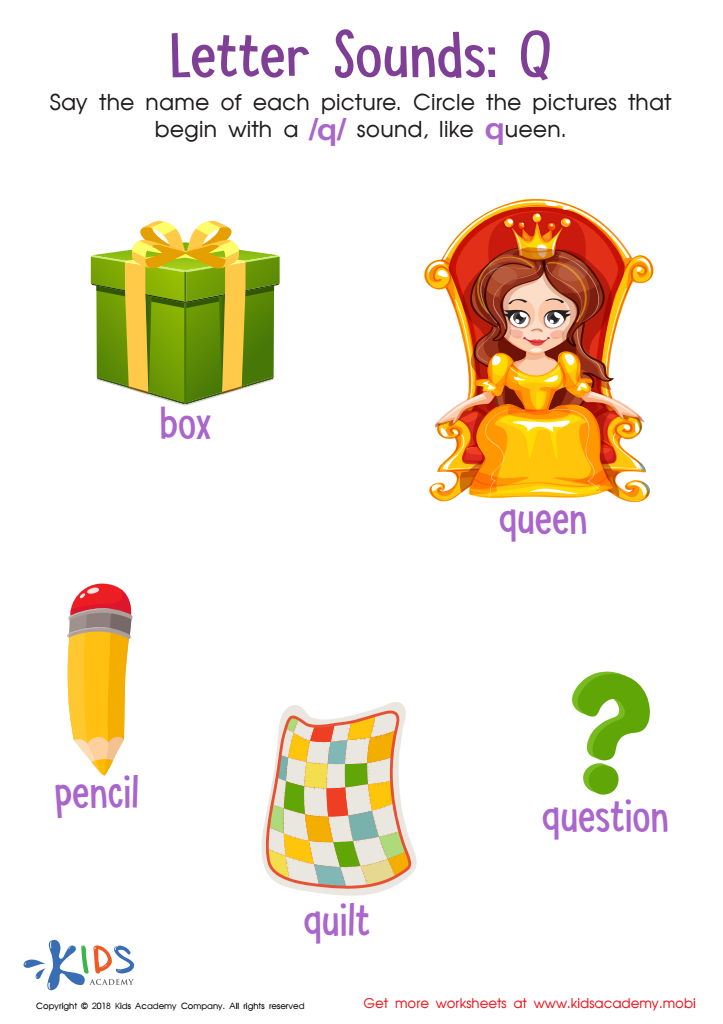
Letter Q Sounds Worksheet
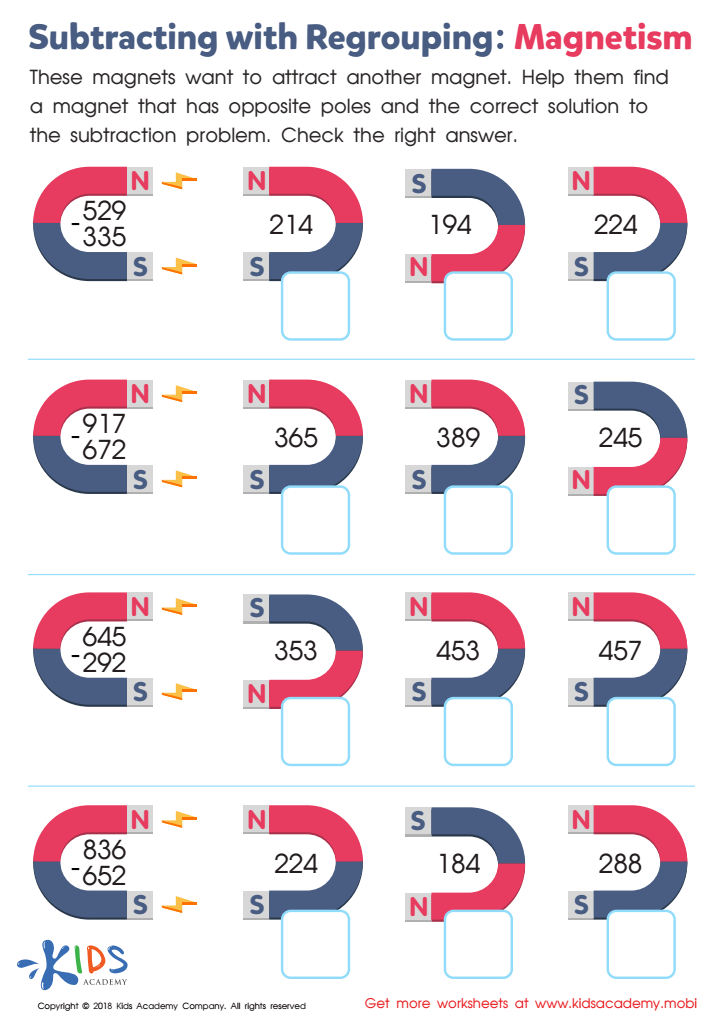
Subtracting with Regrouping: Magnetism Worksheet
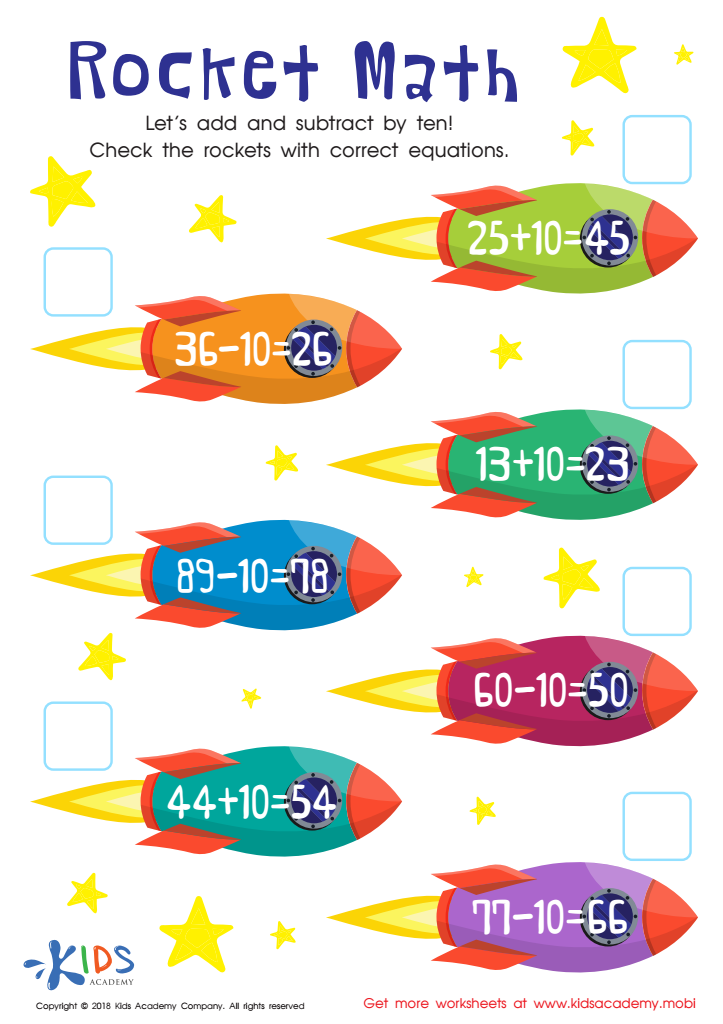
Rocket Math Worksheet
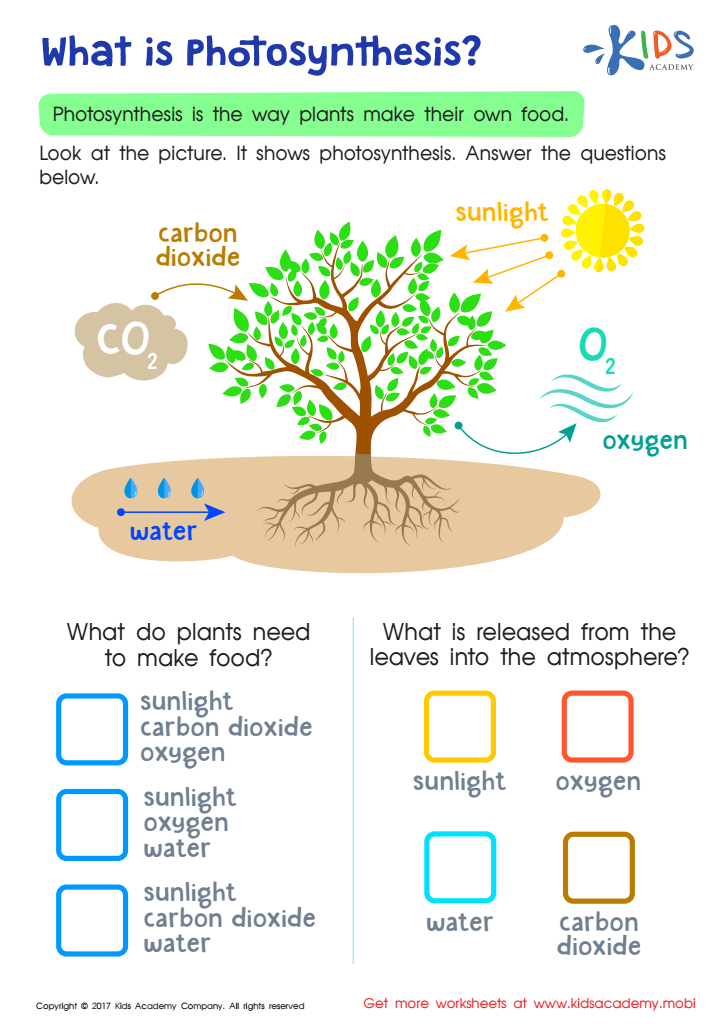
What is Photosynthesis Printable
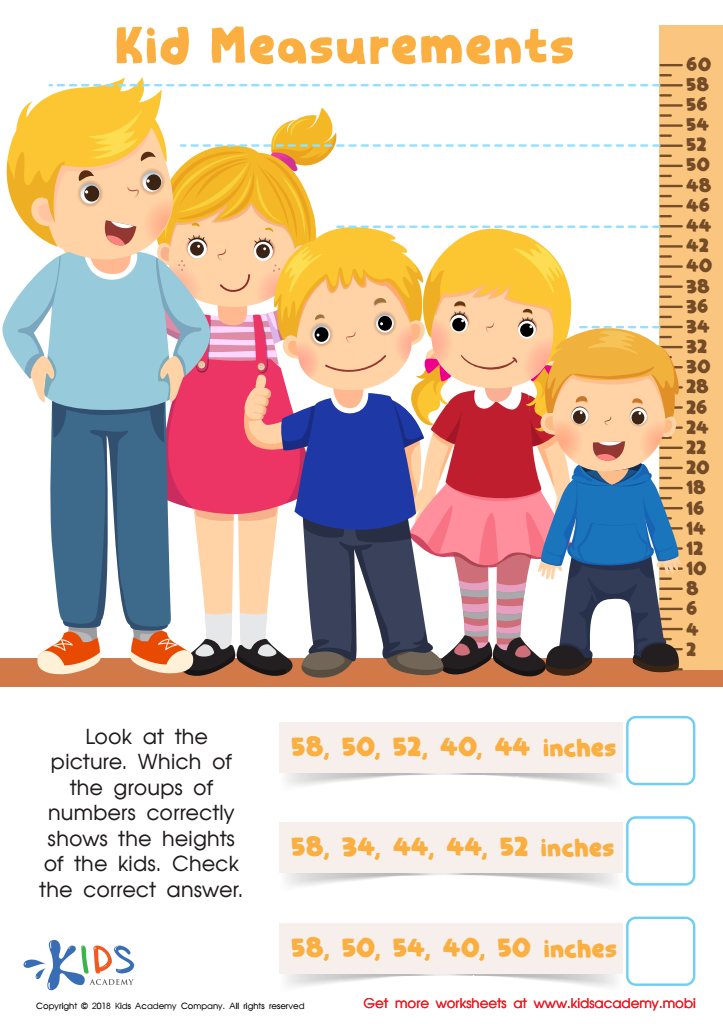
Kids Measurements Worksheet
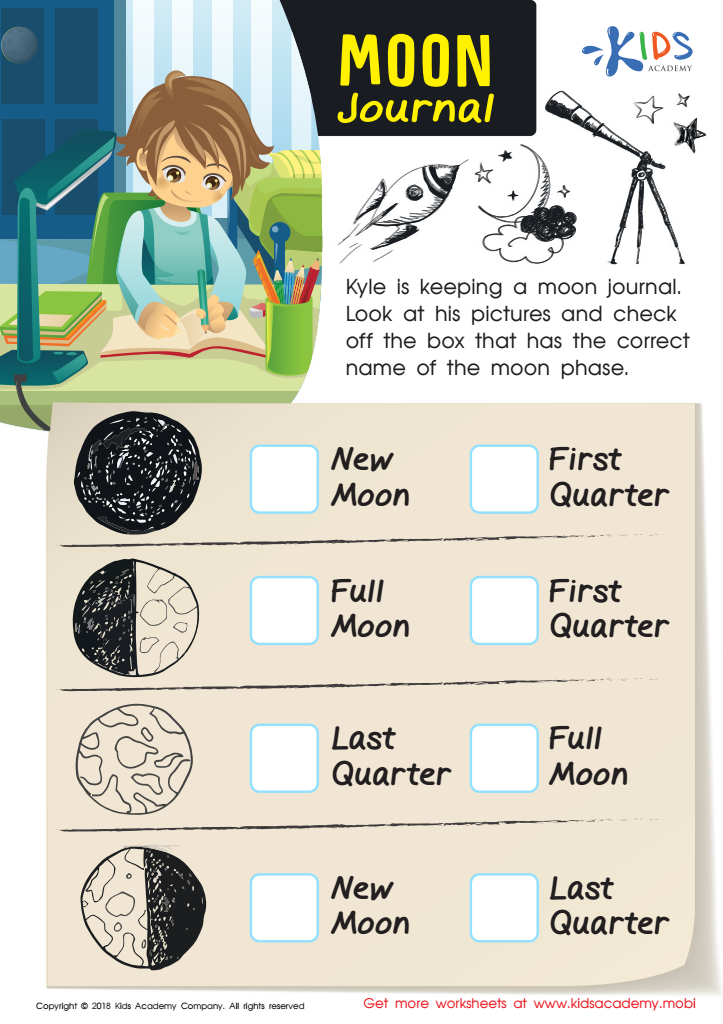
Moon Journal Worksheet
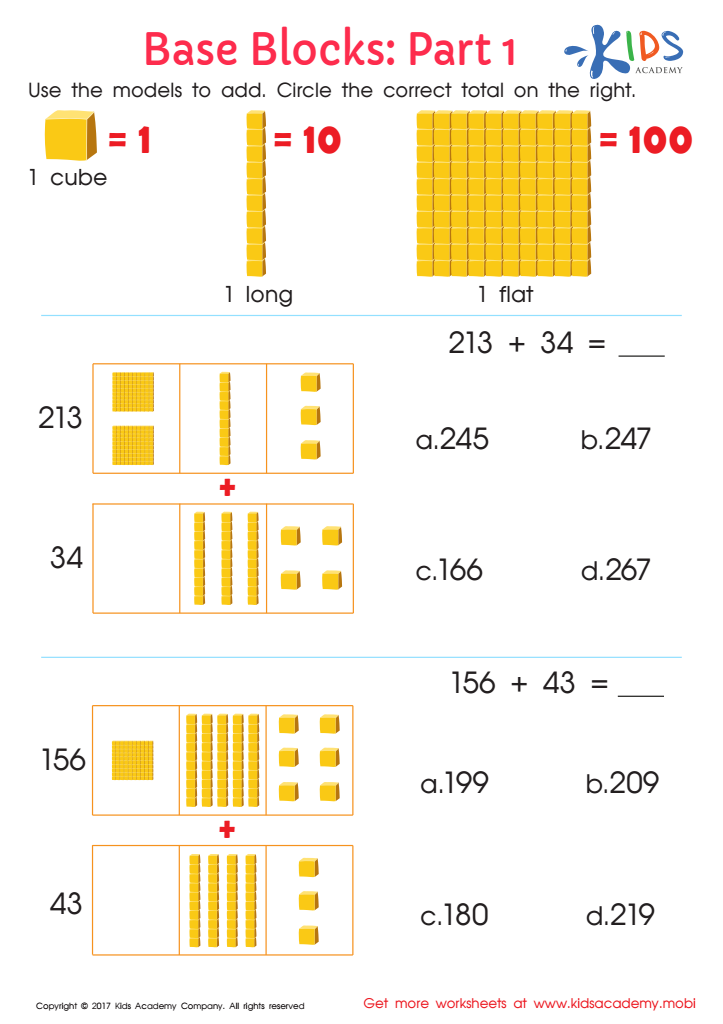
Base Ten Blocks Worksheet: Part 1
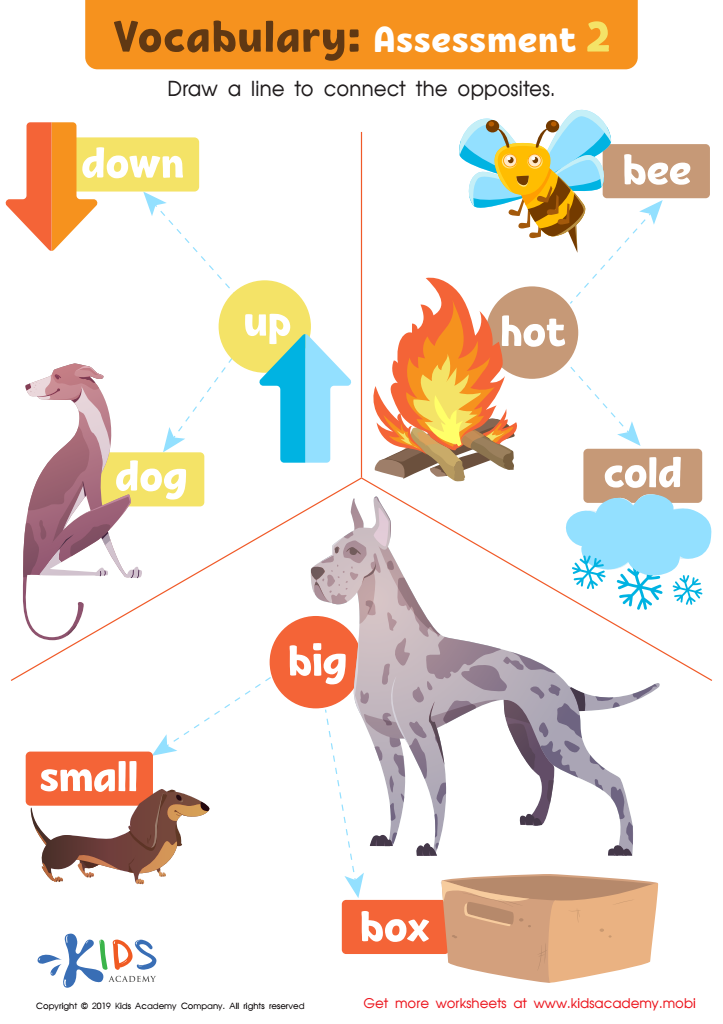
Vocabulary: Assessment 2 Worksheet
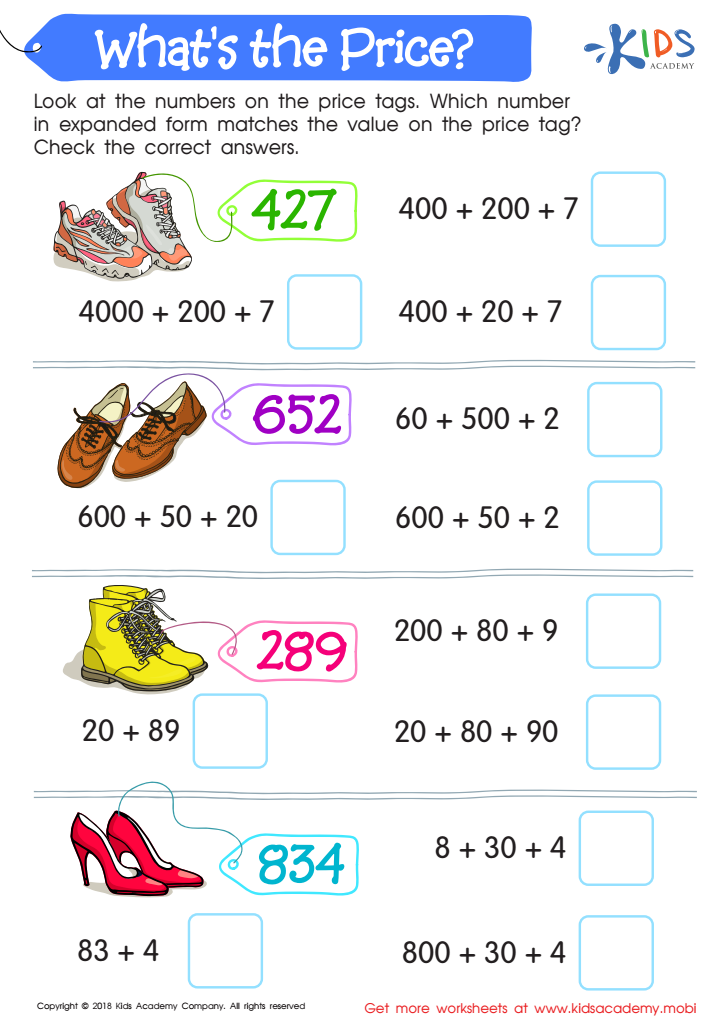
What's the Price? Worksheet
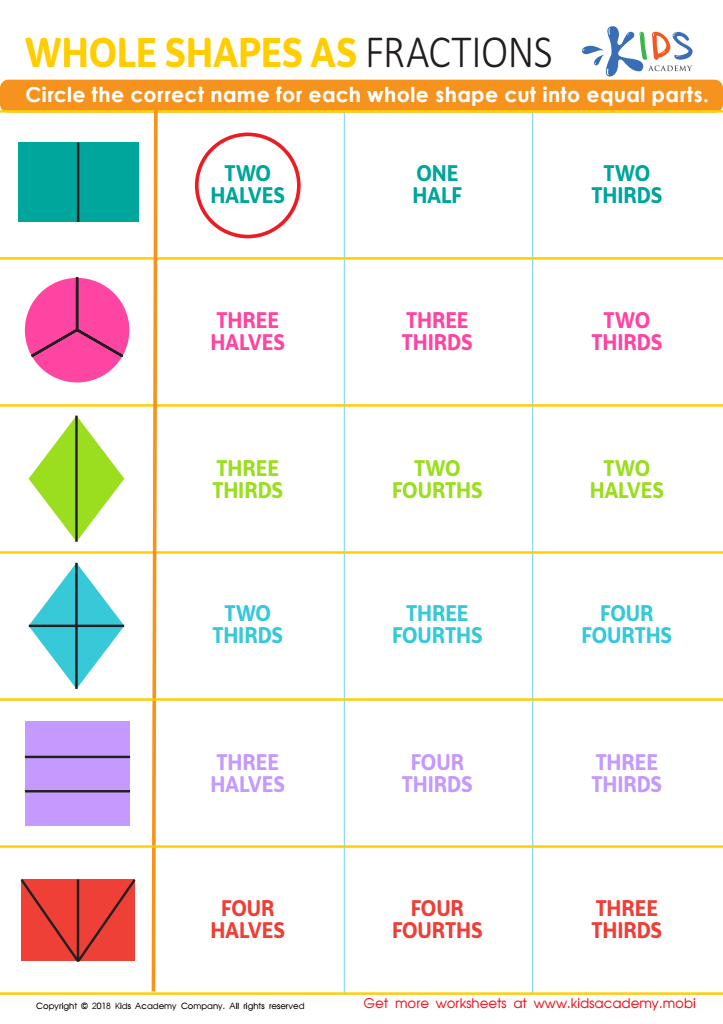
Whole Shapes as Fractions Worksheet
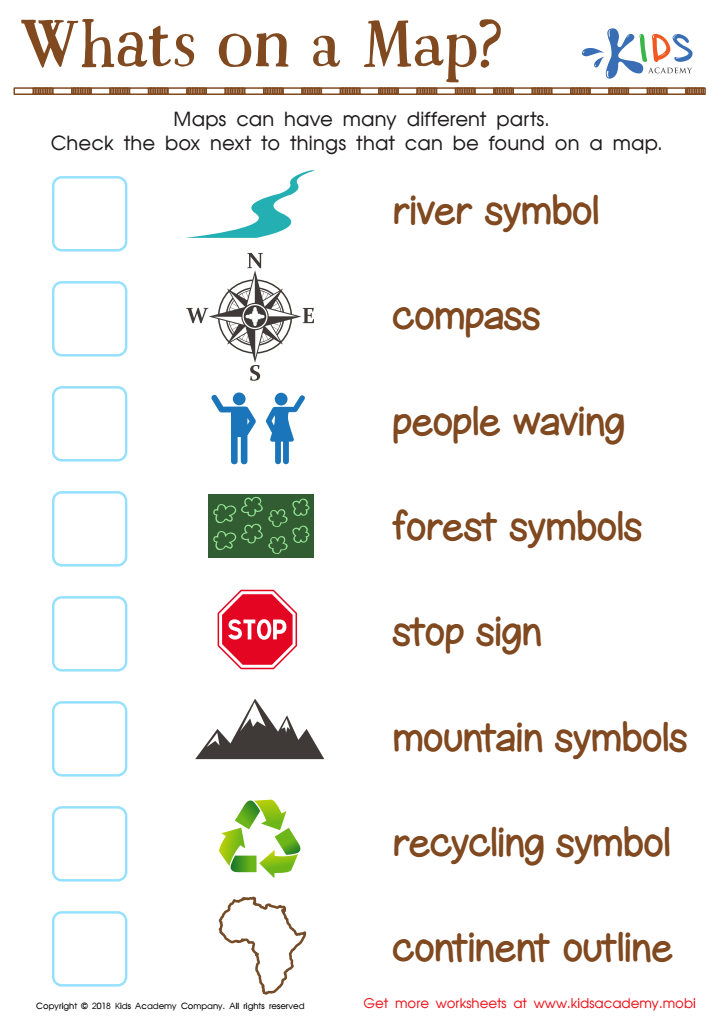
Whats on a Map? Worksheet
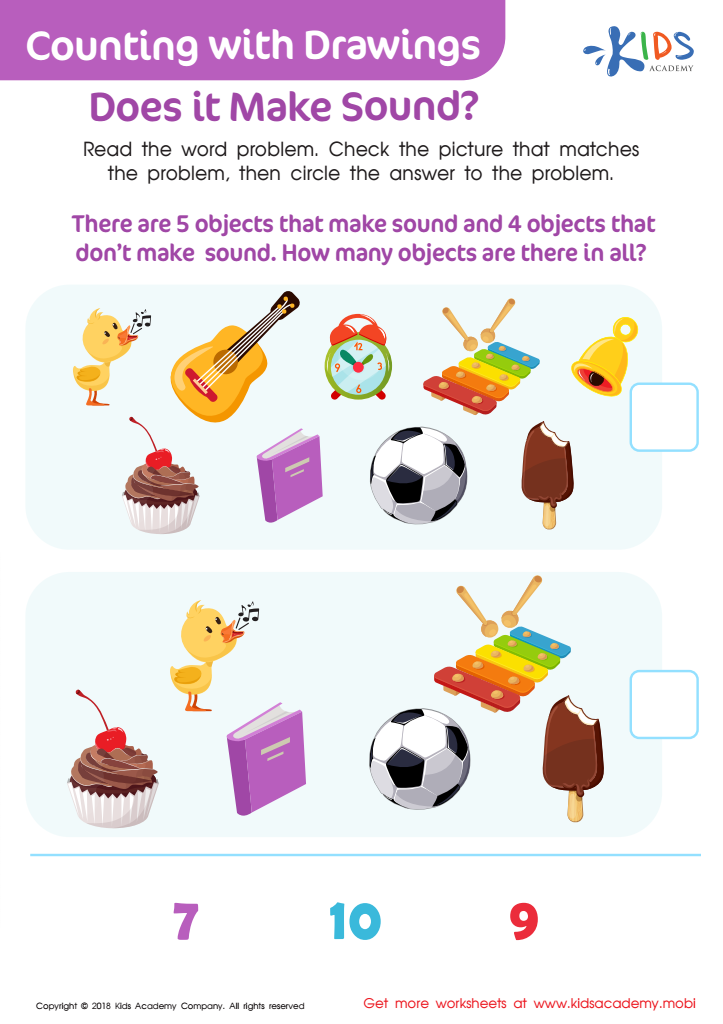
Counting With Drawings. Does It Make Sound? Worksheet
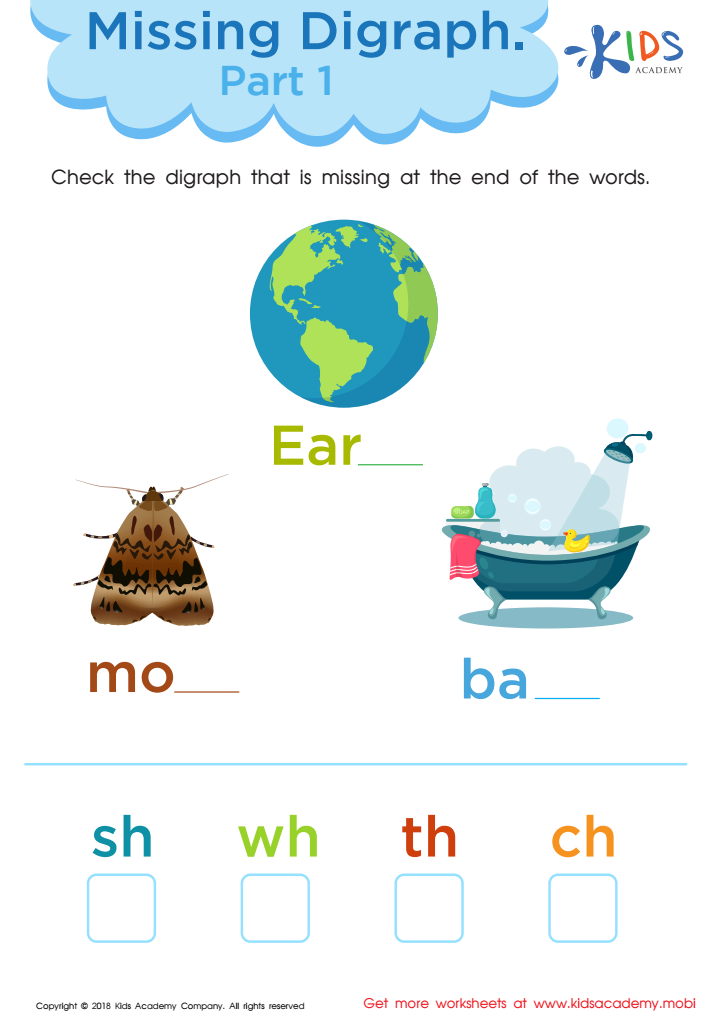
Missing Digraph: Part 1 Worksheet
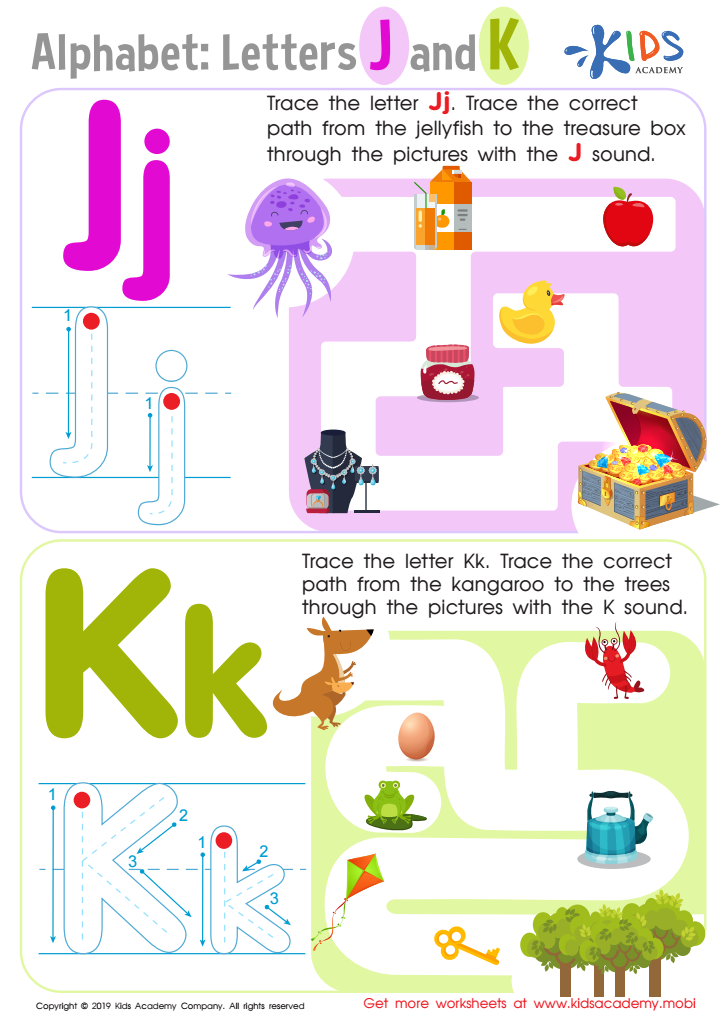
Letters J and K Tracing Worksheet
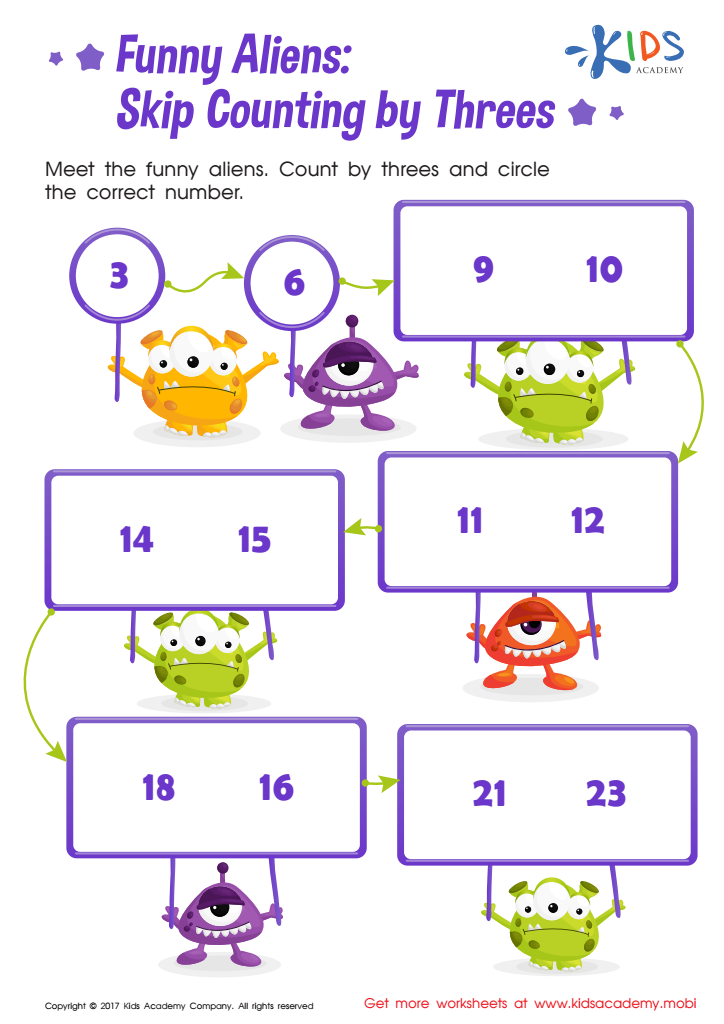
Skip Counting by 3s: Funny Aliens Printable
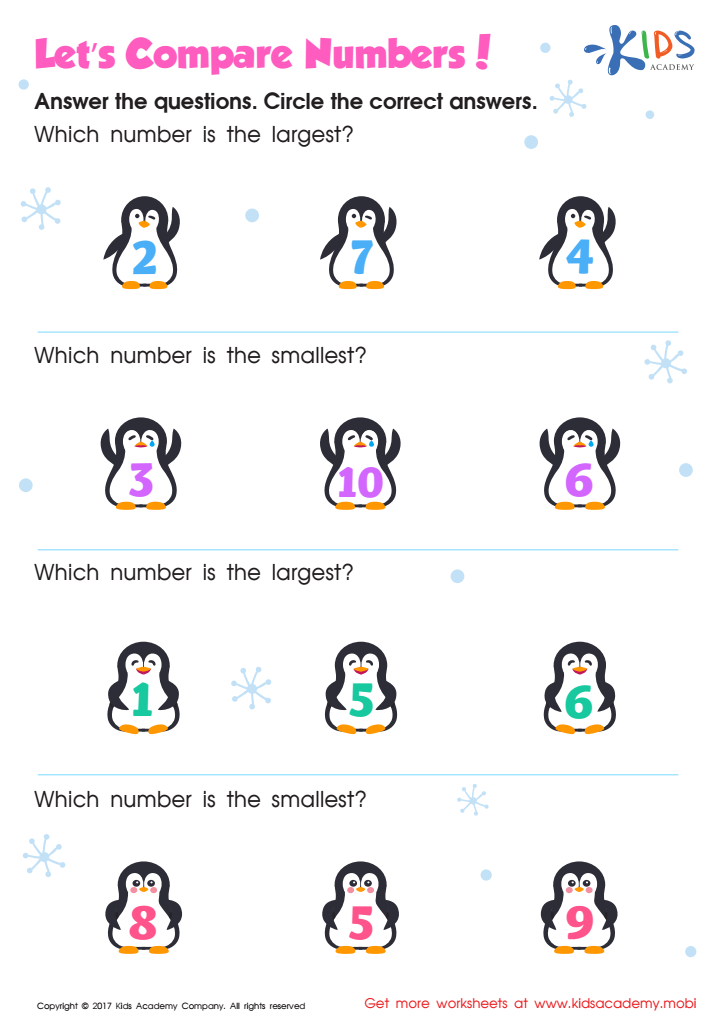
Comparing Numbers 1–10 Worksheet Kindergarten
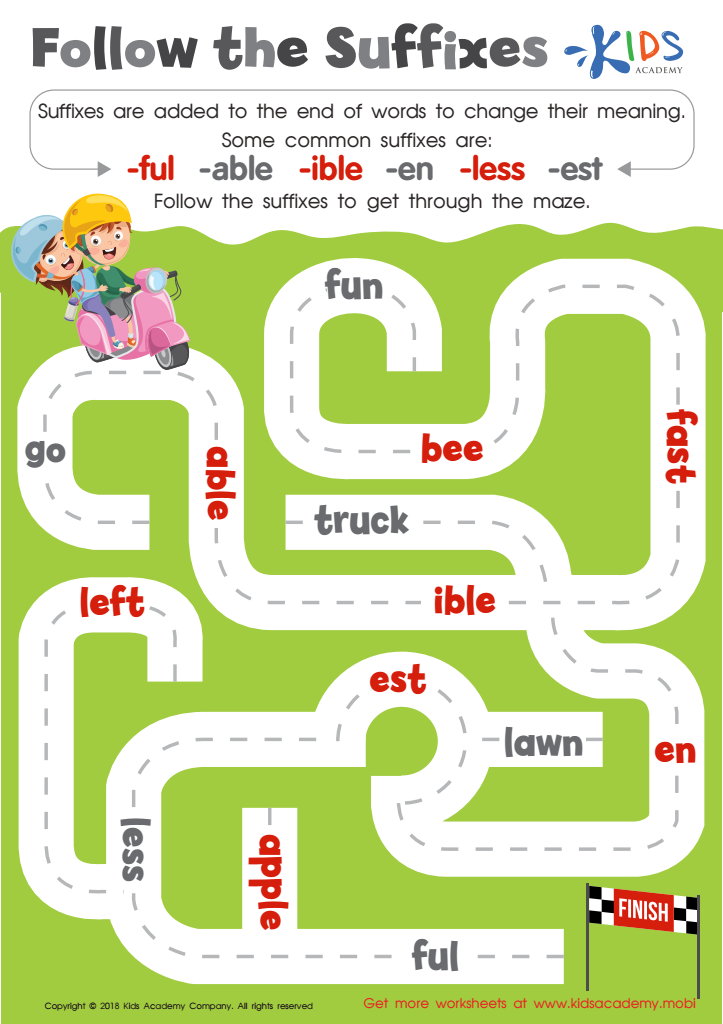
Reading: Follow the Suffixes Worksheet
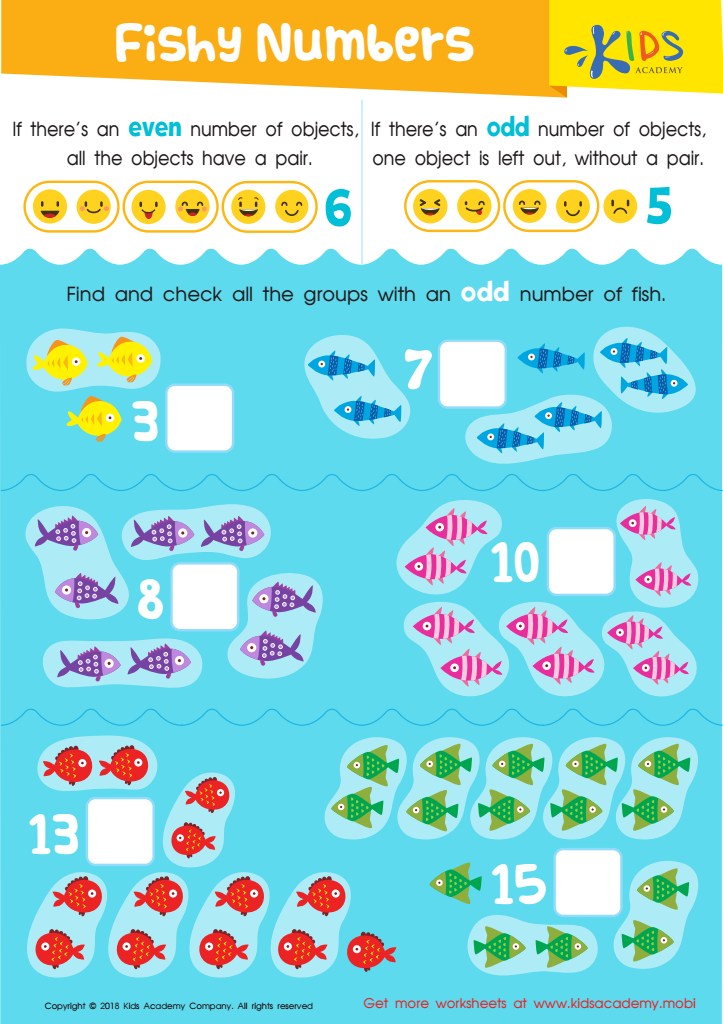
Fishy Numbers Worksheet
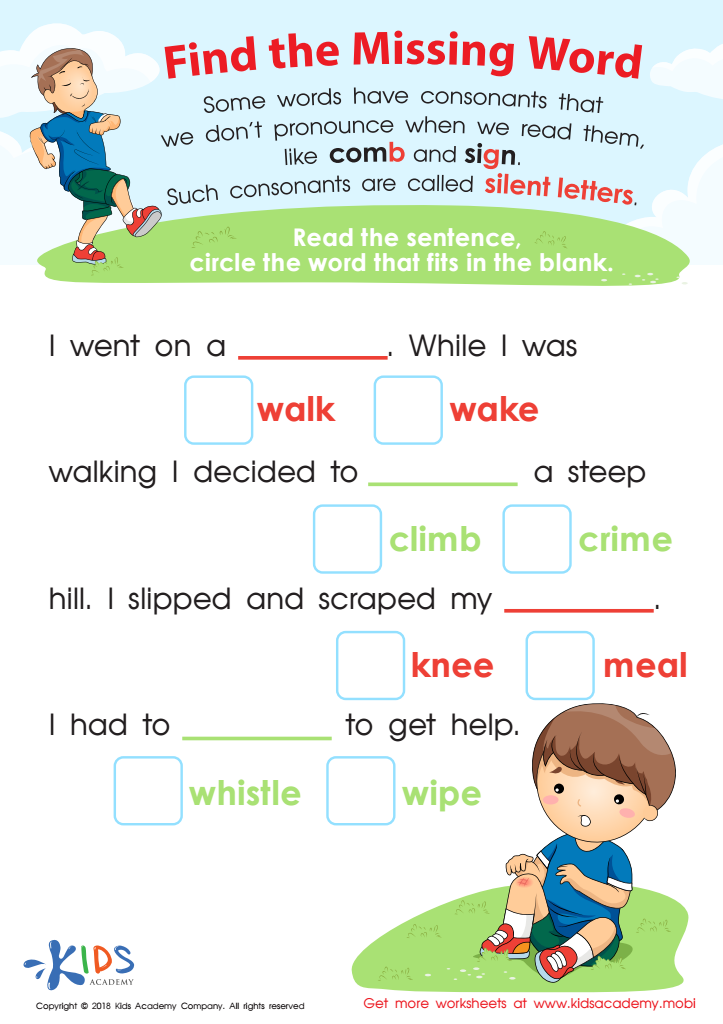
Find The Missing Word Worksheet
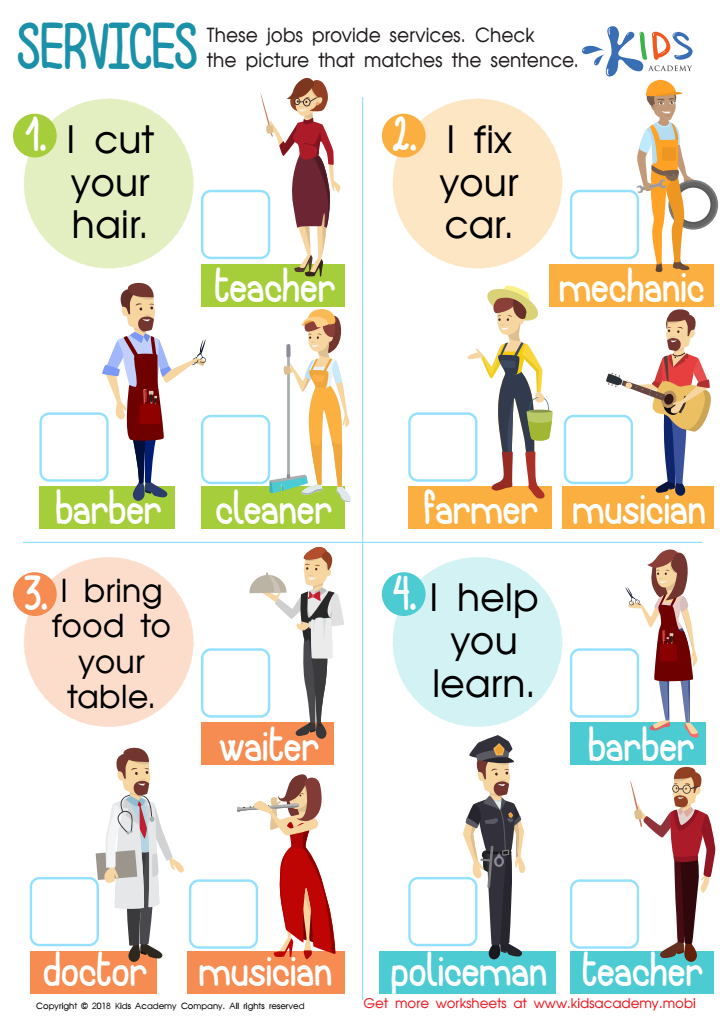
Services Worksheet
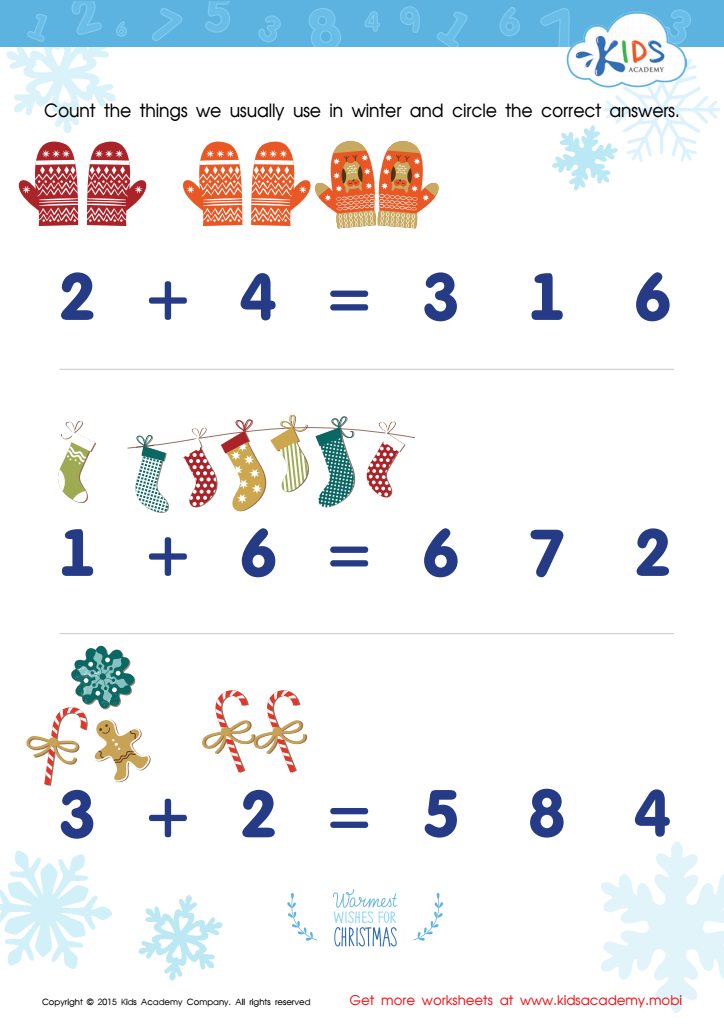
Count Winter Things Worksheet
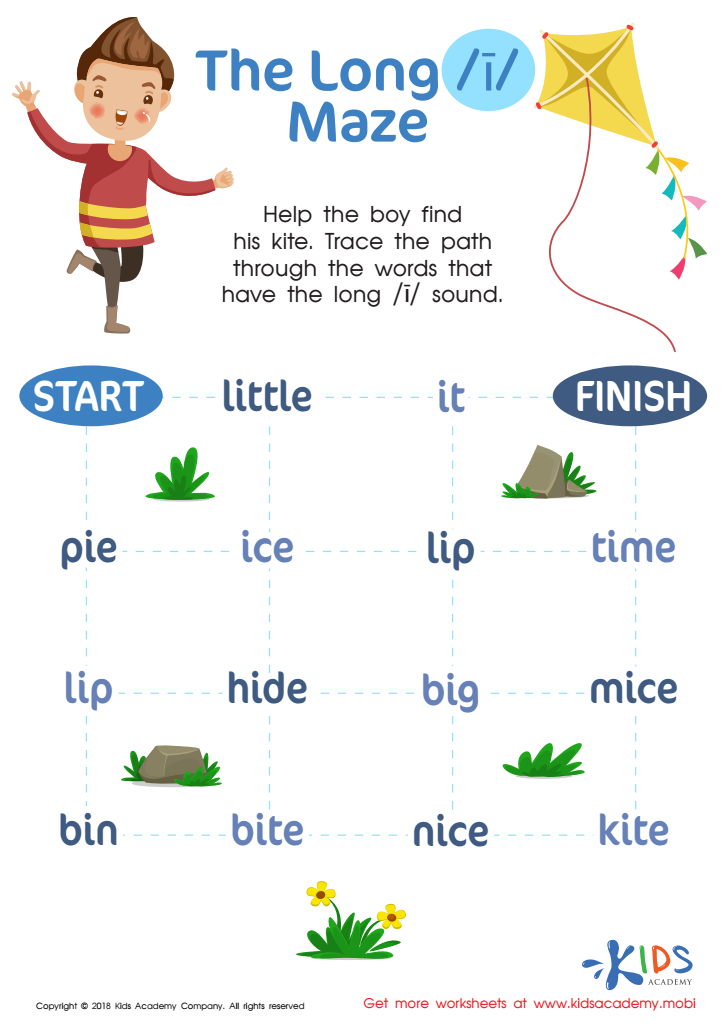
The Long I Maze Reading Worksheet
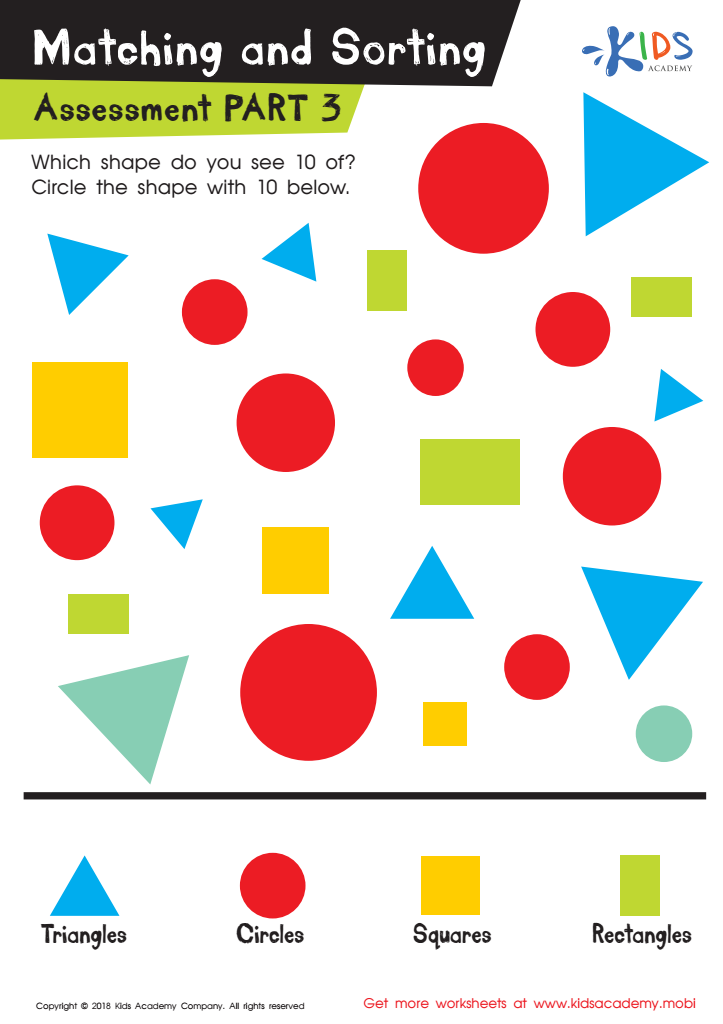
Matching and Sorting for Kindergarten: Assessment 3 Worksheet






Parents and teachers play an essential role in the development of children aged 3-8, as these years are a critical period for growth across various domains. During this time, children's brains undergo rapid development, creating a foundation for cognitive, social, emotional, and physical skills. Positive interactions and nurturing environments provided by parents and teachers help cultivate a love for learning and build self-confidence.
Early education promotes cognitive abilities through age-appropriate curricula that focus on literacy, numeracy, and problem-solving. For example, reading stories enhances language skills and imagination, while simple math games develop numerical understanding. High-quality early education lays the groundwork for future academic success, reducing the risk of falling behind later in school.
Socially, children learn how to interact with peers, share, cooperate, and resolve conflicts. Guidance from parents and teachers helps them understand and manage their emotions, fostering emotional intelligence and resilience. This is important for forming healthy relationships and developing empathy.
Moreover, motor skills improve through activities like drawing, cutting with scissors, and playing, which are fundamental for later tasks such as writing. Physical coordination and health are enhanced through active play, establishing habits that contribute to lifelong well-being.
In sum, investing in children during these formative years sets the stage for positive academic outcomes, emotional health, and overall development, making the effort worthwhile for parents and teachers alike.








