Sorting Worksheets for Ages 3-8 - Page 2
27 filtered results
-
From - To
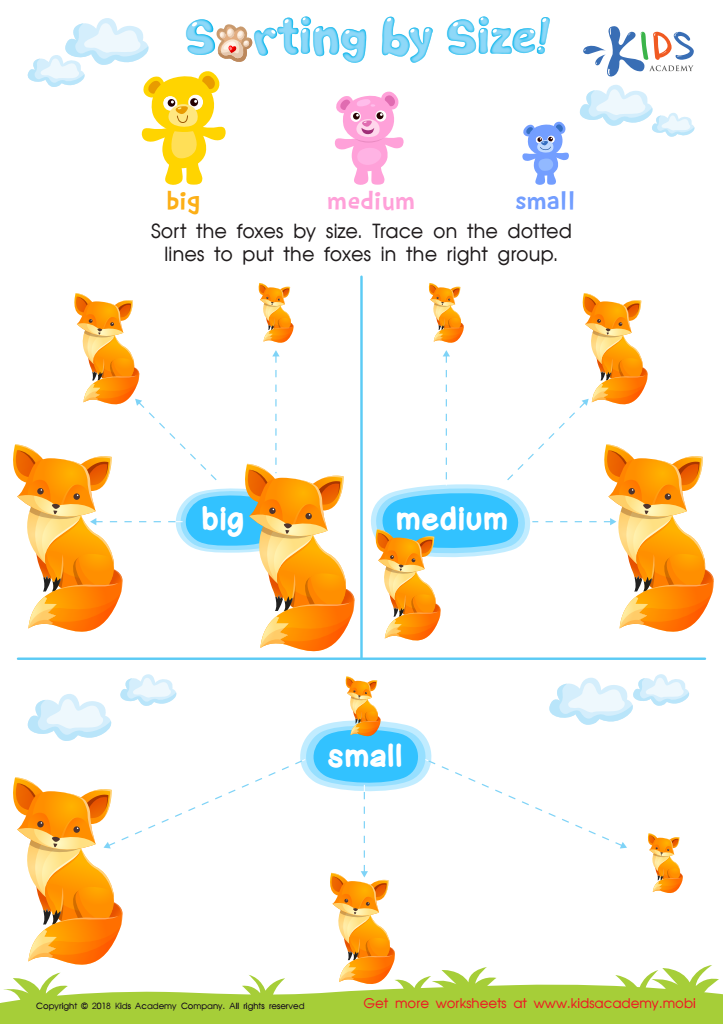
Sorting by Size Worksheet
 Assign to My Students
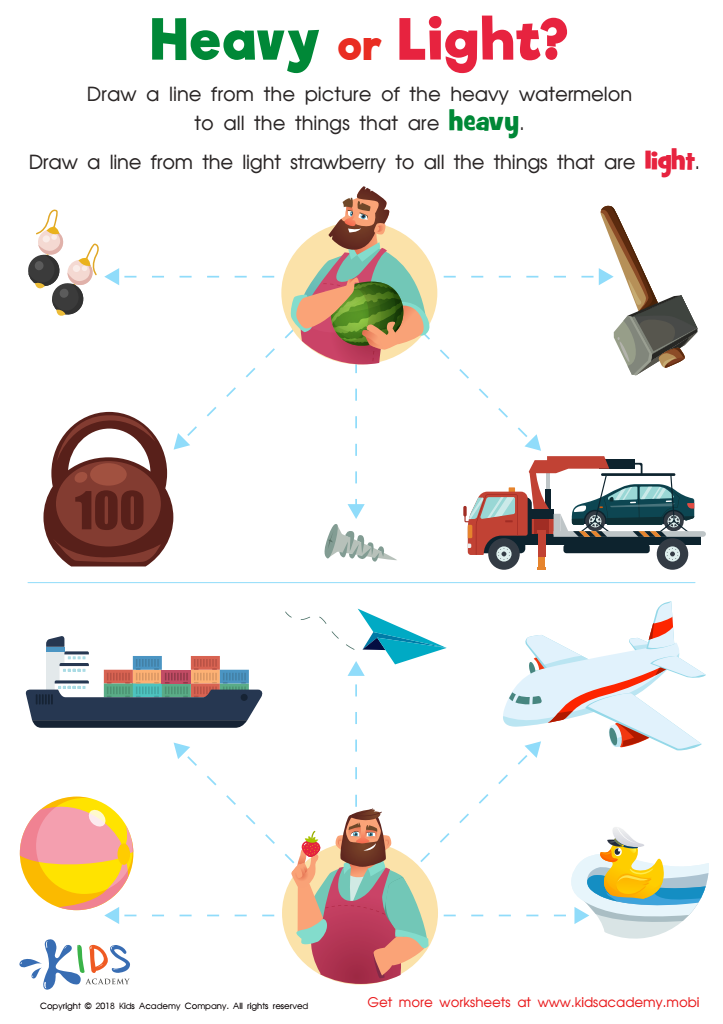
Heavy or Light? Worksheet
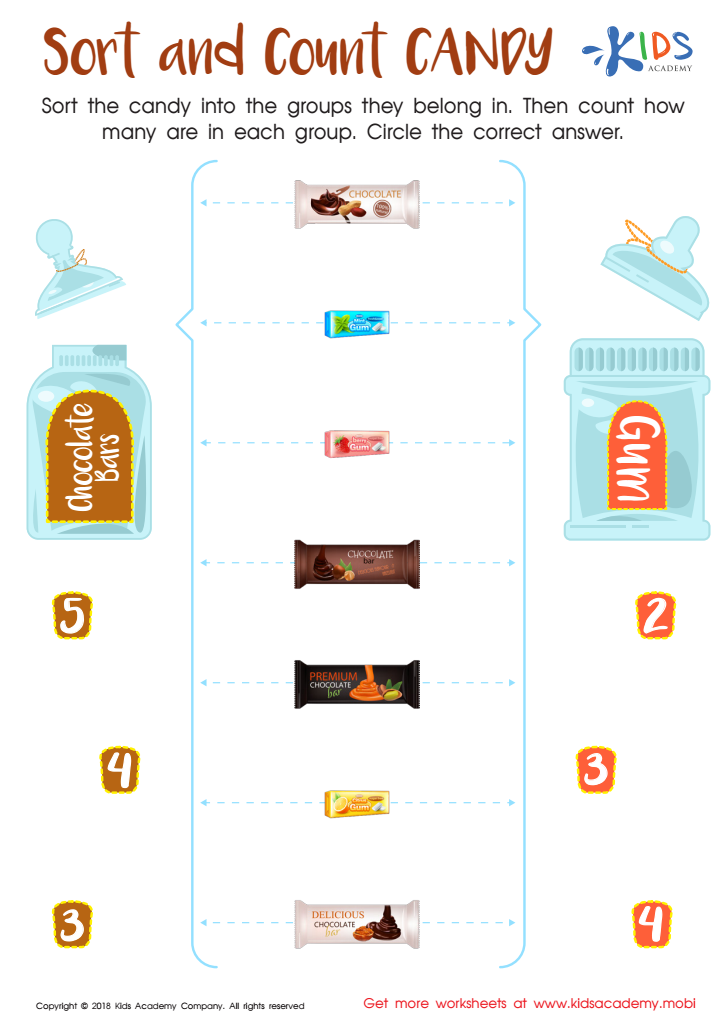
Sort and Count Candy Worksheet








Sorting is a fundamental cognitive skill that children aged 3-8 are naturally drawn to and can significantly influence their development. It engages critical thinking, enhances problem-solving abilities, and lays the groundwork for more complex mathematical concepts. By sorting, children learn to categorize objects based on characteristics such as size, shape, color, or function. This seemingly simple activity fosters observational skills as they identify differences and similarities, promoting their ability to reason and make decisions.
In early childhood education, sorting activities also encourage language development, as children describe the criteria they use to sort objects. This enhances vocabulary and boosts communication skills. Moreover, sorting supports fine motor skills and hand-eye coordination, as children manipulate various materials.
Parents and teachers should care about sorting because it’s not just a playful activity but a key educational tool. It can be integrated into daily routines and obfuscated within games, making learning enjoyable. Emphasizing sorting activities helps children build a strong foundation in organizing information and facing more complex challenges later in school. Overall, supporting sorting skills from an early age empowers children to become independent learners, setting the stage for future academic success.








