Place Value Worksheets for Ages 3-9 - Page 4
74 filtered results
-
From - To
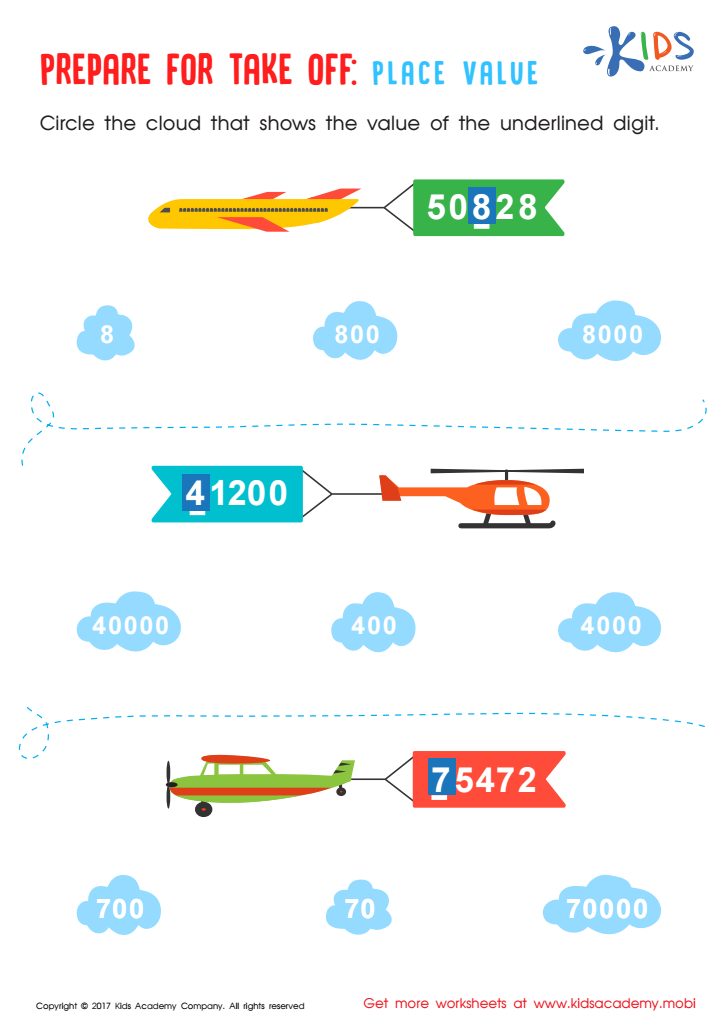
Free Place Value Worksheet for 3rd Grade
 Assign to My Students
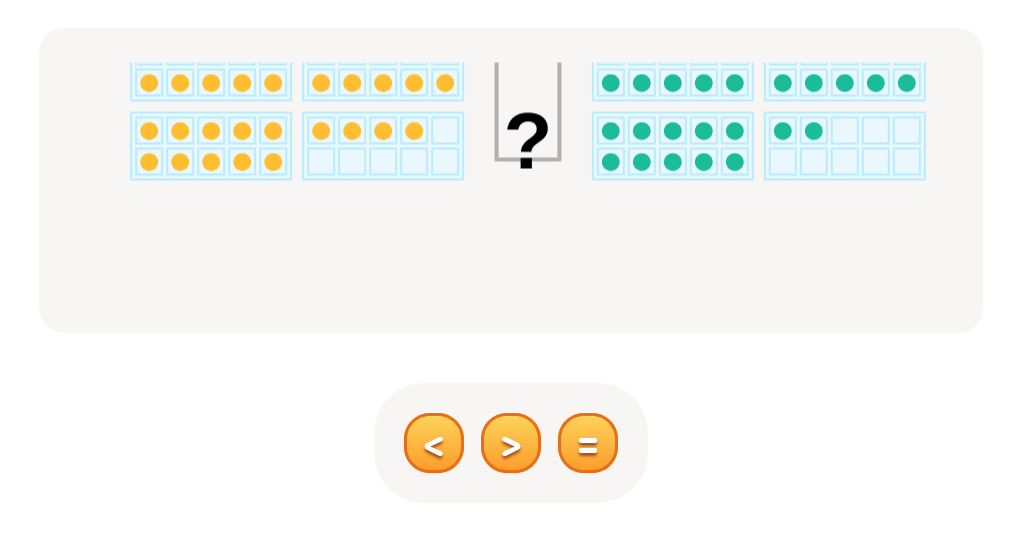

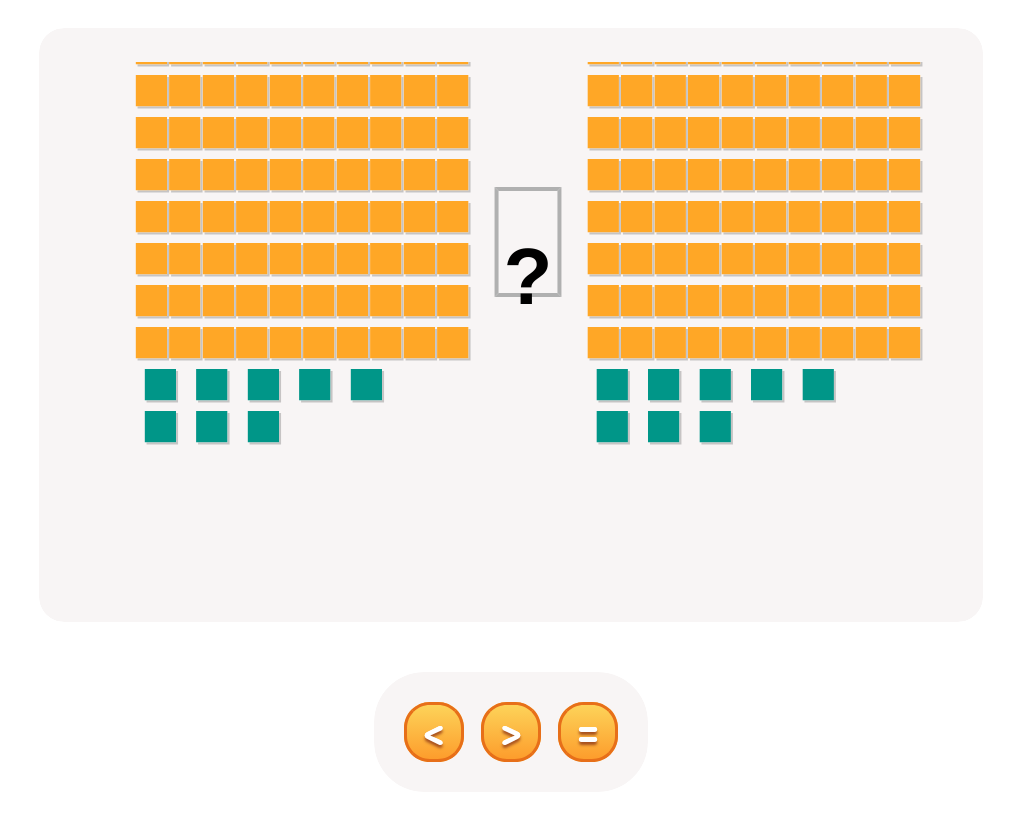
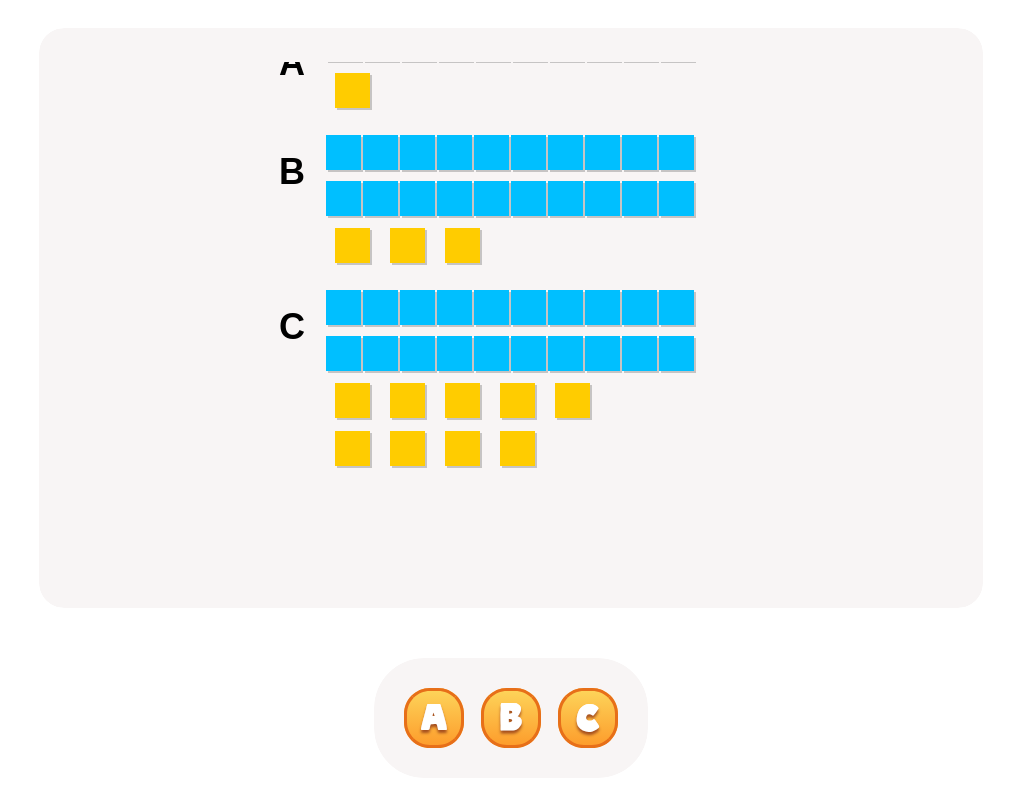
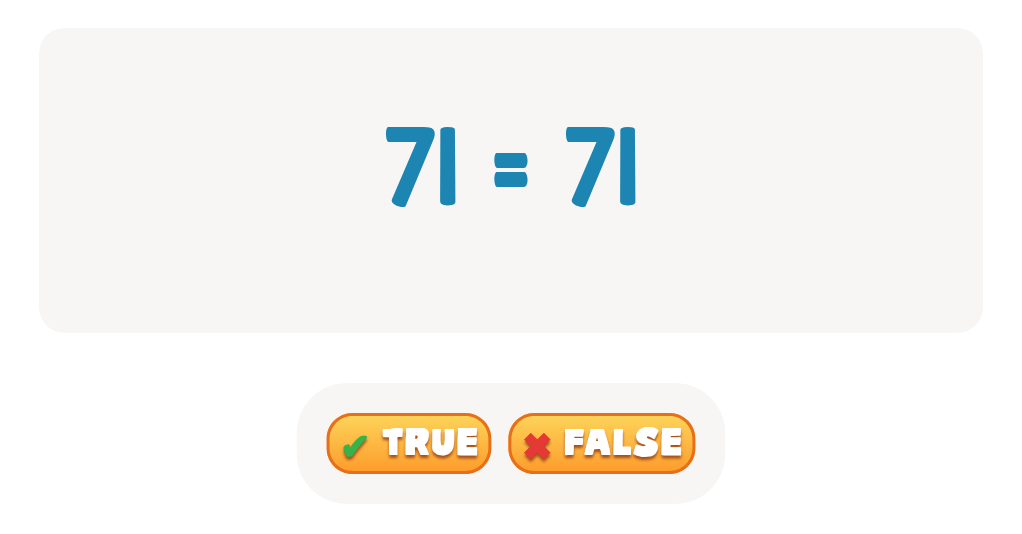
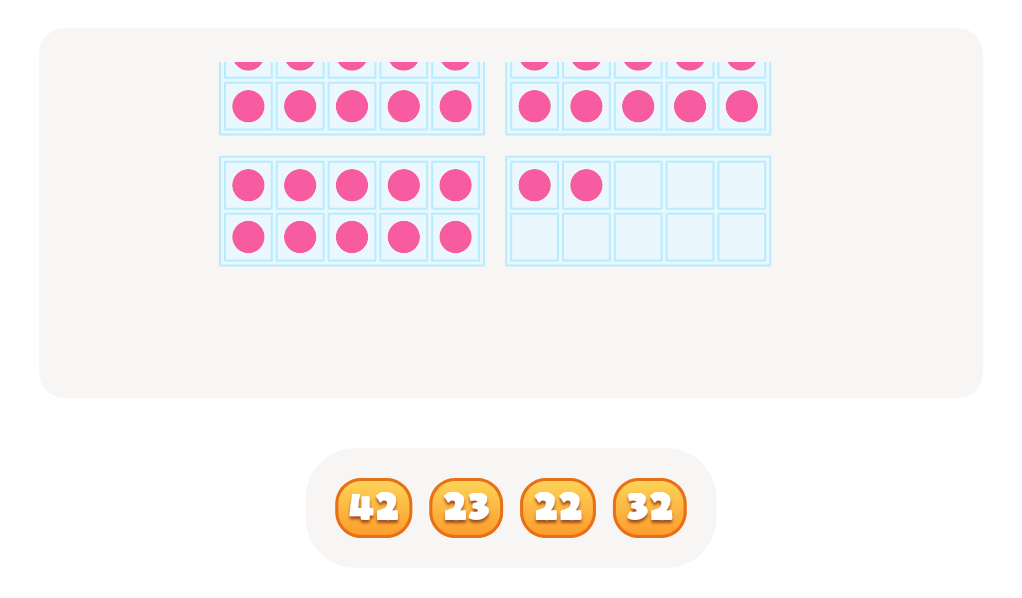
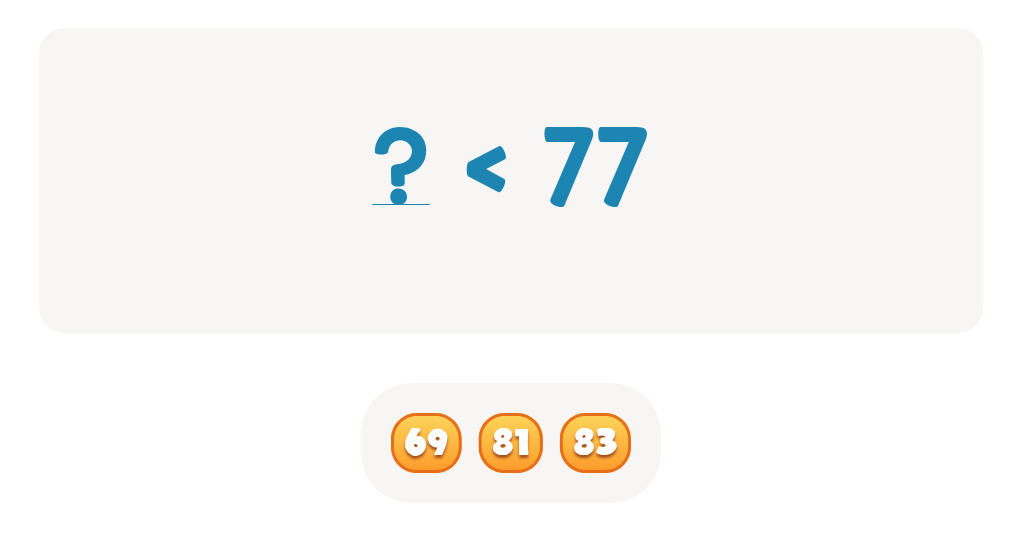
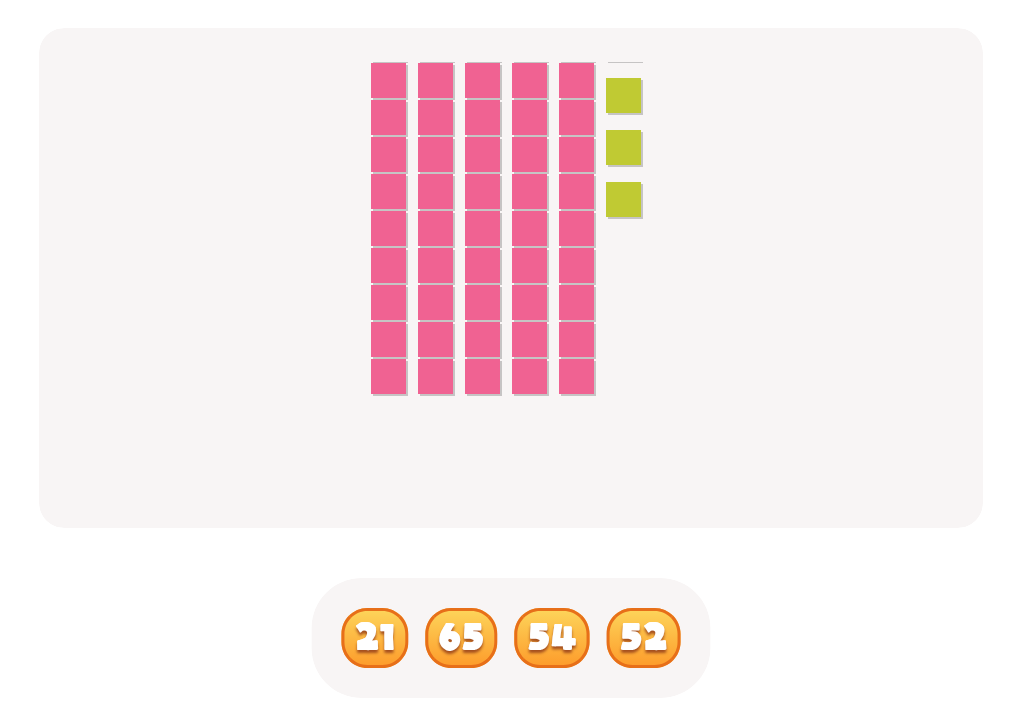
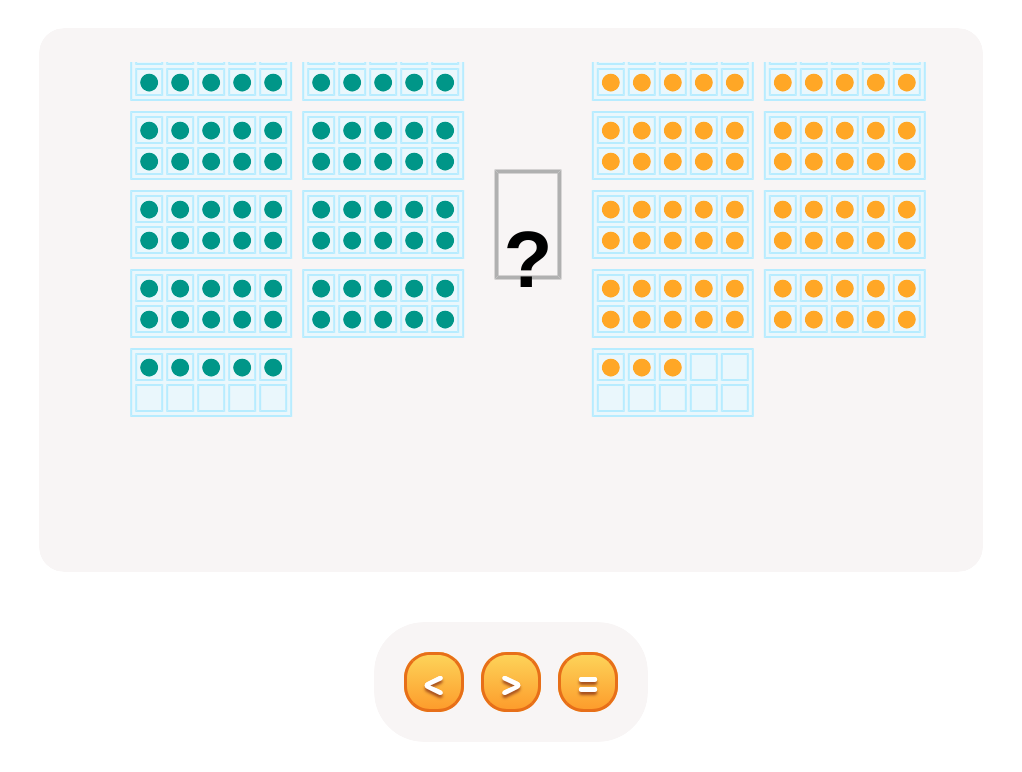
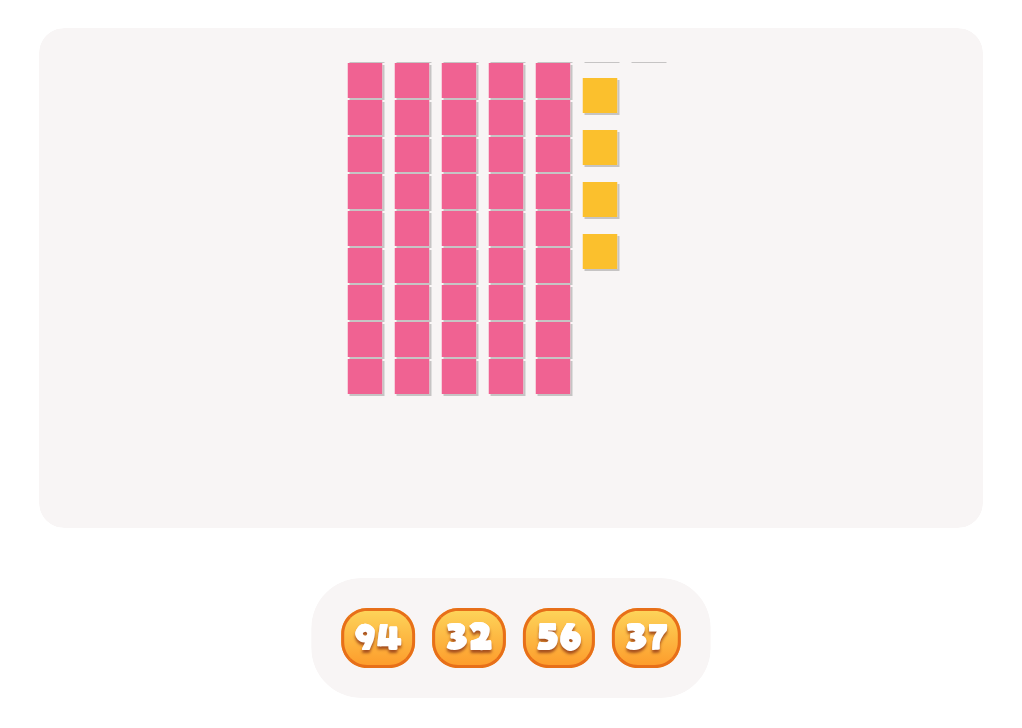
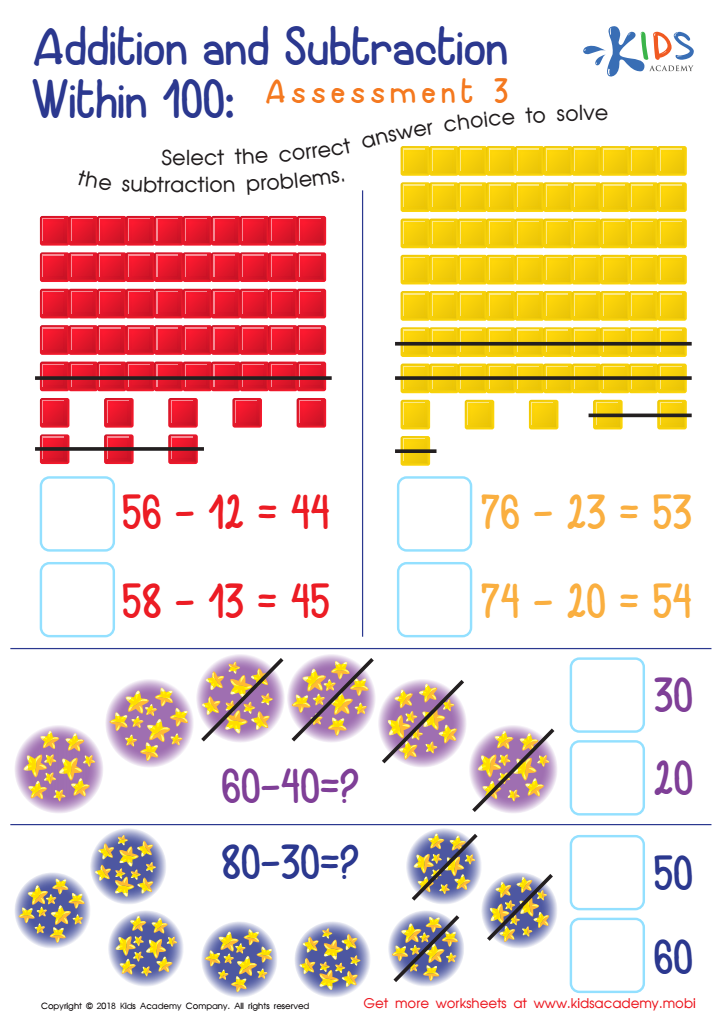
Addition and Subtraction Within 1: Assessment 3 Worksheet








Place value is a foundational concept in mathematics, essential for children aged 3-9. Understanding place value helps children recognize the importance of position in representing numbers, which is crucial as they progress through learning arithmetic and more complex math skills. When children learn that the digit '5' can represent five ones, fifty, or five hundred depending on its position, they begin to grasp how numbers are structured in our number system.
Parents and teachers should focus on place value because it directly affects students’ ability to perform operations such as addition, subtraction, multiplication, and division. Without a solid grasp of this concept, children may struggle later with fractions, decimals, and algebra. Furthermore, engaging young learners in place value activities promotes critical thinking and problem-solving skills.
In addition, a strong understanding of place value lays the groundwork for confidence in math, making children more likely to enjoy and excel in the subject. By using everyday materials and experiences—like grouping objects, counting, or using number lines—parents and teachers can foster this understanding and help build a positive relationship with mathematics from an early age. This early support is vital for long-term academic success.