English for Beginners Worksheets for Ages 4-8 - Page 5
101 filtered results
-
From - To
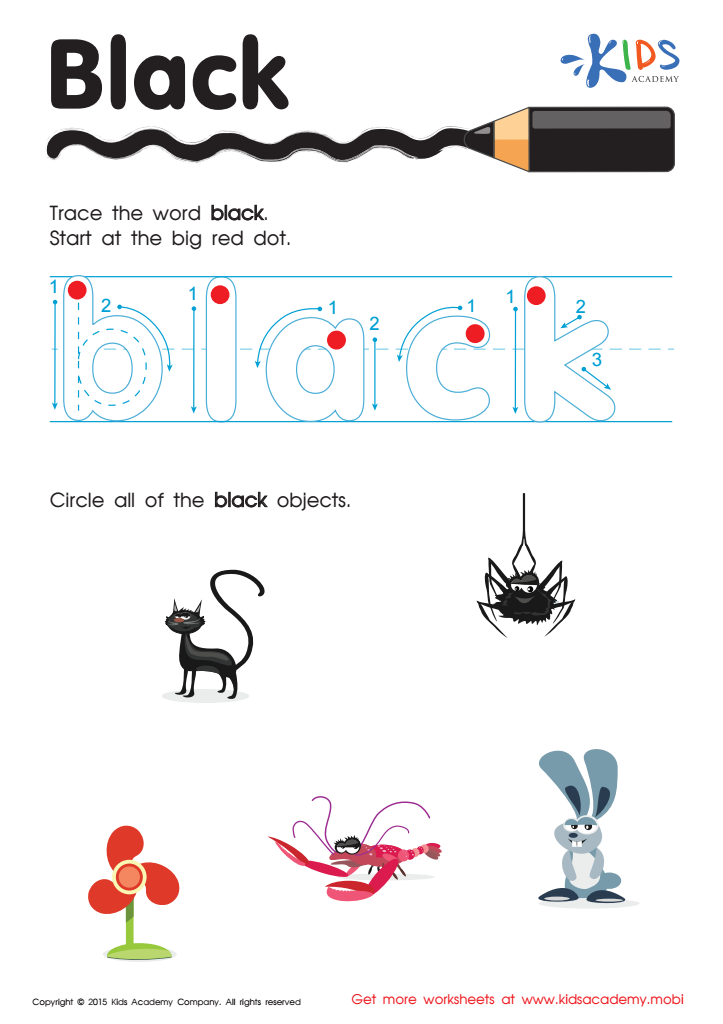
Black Tracing Color Words Printable
 Assign to My Students
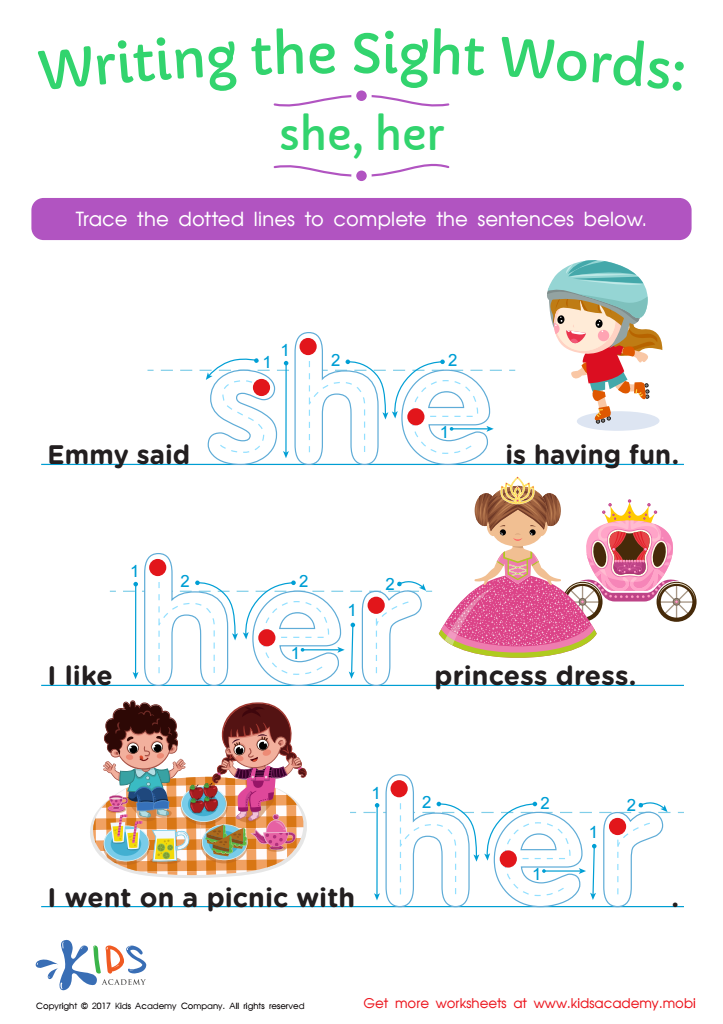
She, Her Printable Sight Words Worksheet
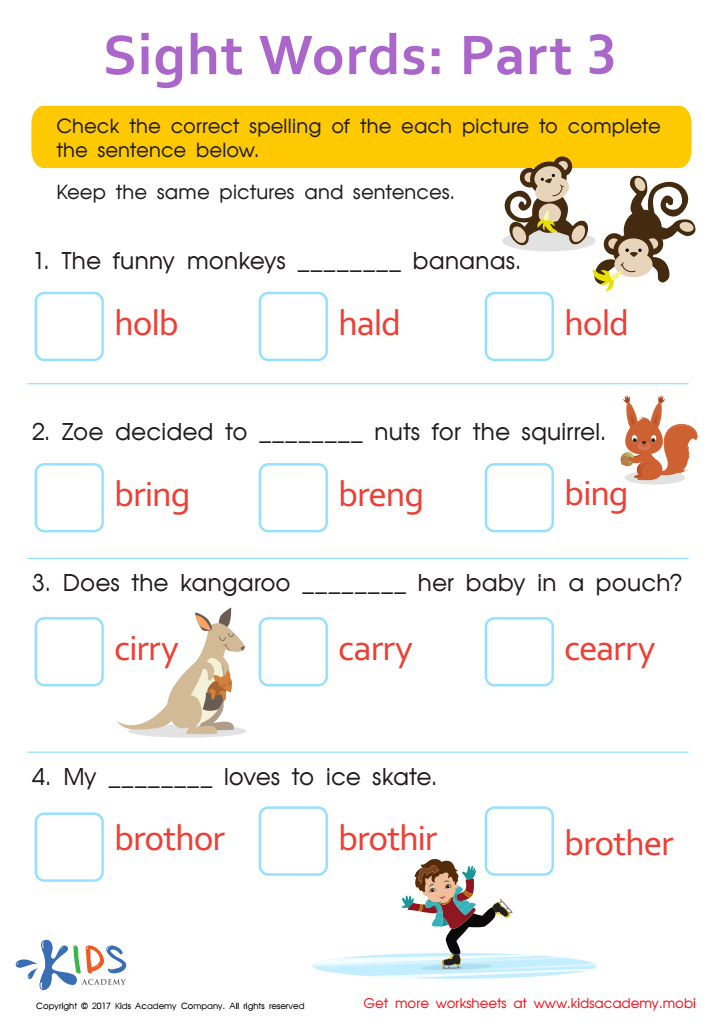
Hold, Bring, Carry, Brother Sight Words Worksheet
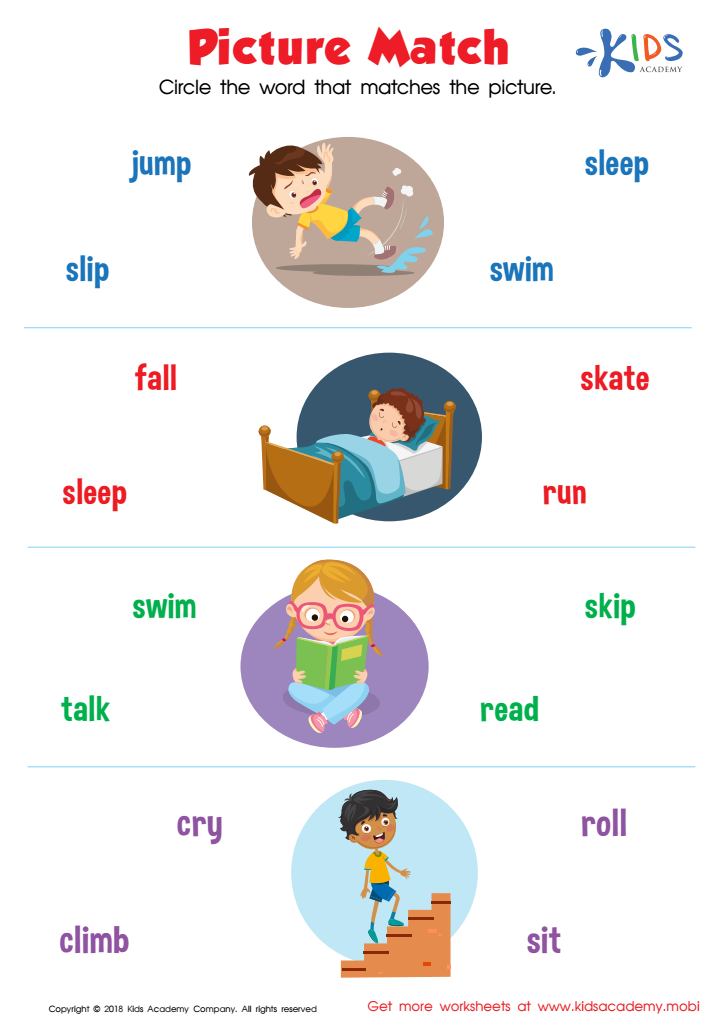
Picture Match Worksheet
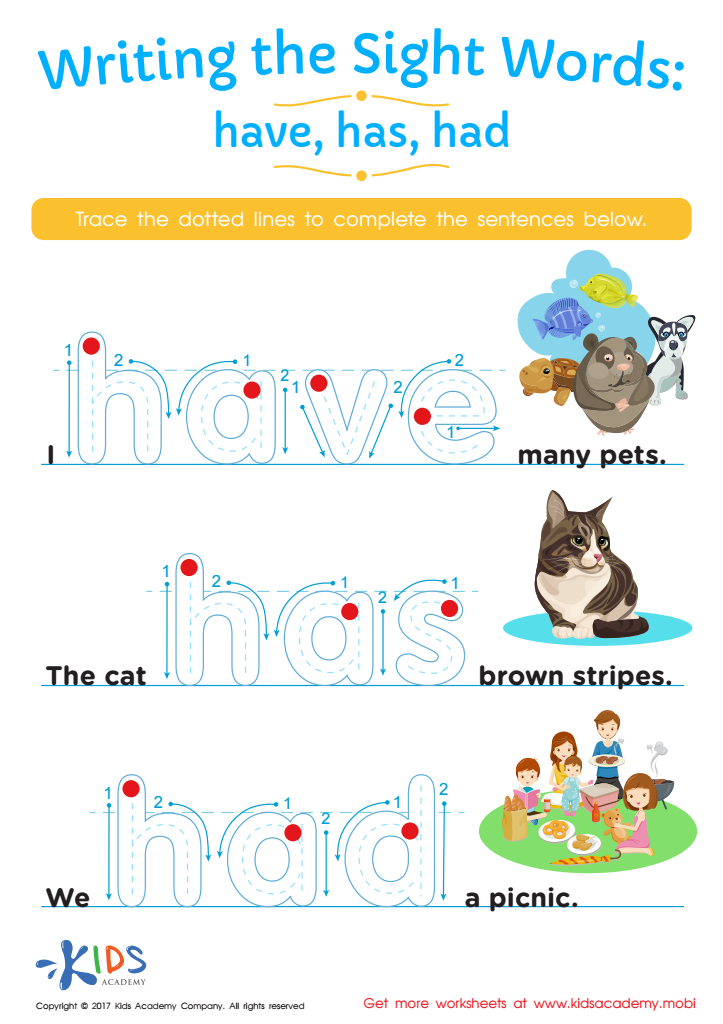
Have, Has, Had Worksheet Sight Words Worksheet





Parents and teachers should care deeply about English for Beginners for ages 4-8 because this formative stage lays the foundation for children's future language skills, cognitive development, and academic success. At this age, children are incredibly receptive to language acquisition; their brains are primed to absorb new vocabulary and grammatical structures. Early exposure to English not only equips them with essential communication skills but also boosts their confidence in engaging with a diverse world.
Additionally, learning English at an early age enhances cognitive abilities such as problem-solving and critical thinking, elements crucial for overall intellectual growth. In our increasingly globalized society, proficiency in English opens doors to educational opportunities and career prospects. Ensuring that children grasp basic English can foster inclusivity among peers, allowing for stronger social connections and friendships.
Incorporating engaging, age-appropriate resources and methods in teaching English can make learning enjoyable and effective. By emphasizing English language skills during early childhood, parents and teachers play a pivotal role in helping children become lifelong learners who are better prepared to navigate and succeed in an interconnected world. Supporting beginners in English also cultivates cultural awareness, empathy, and understanding, which are crucial skills for thriving in a diverse society.