Physical Science Worksheets for Ages 4-9 - Page 4
85 filtered results
-
From - To
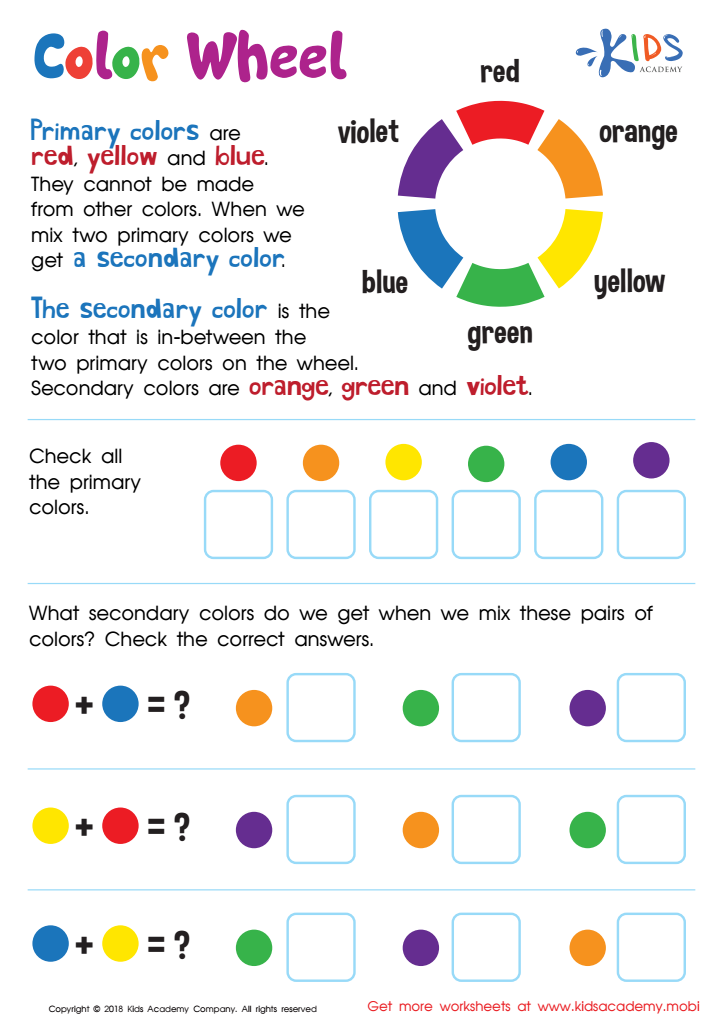
Primary and Secondary Colors Worksheet
 Assign to My Students
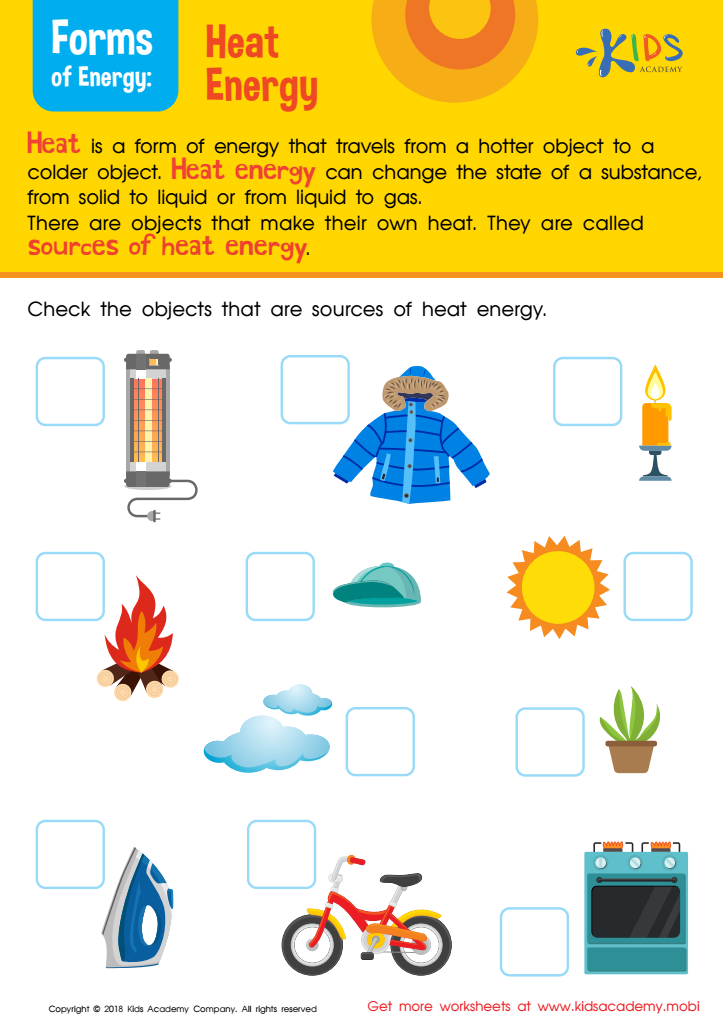
Sources of Heat Energy Worksheet
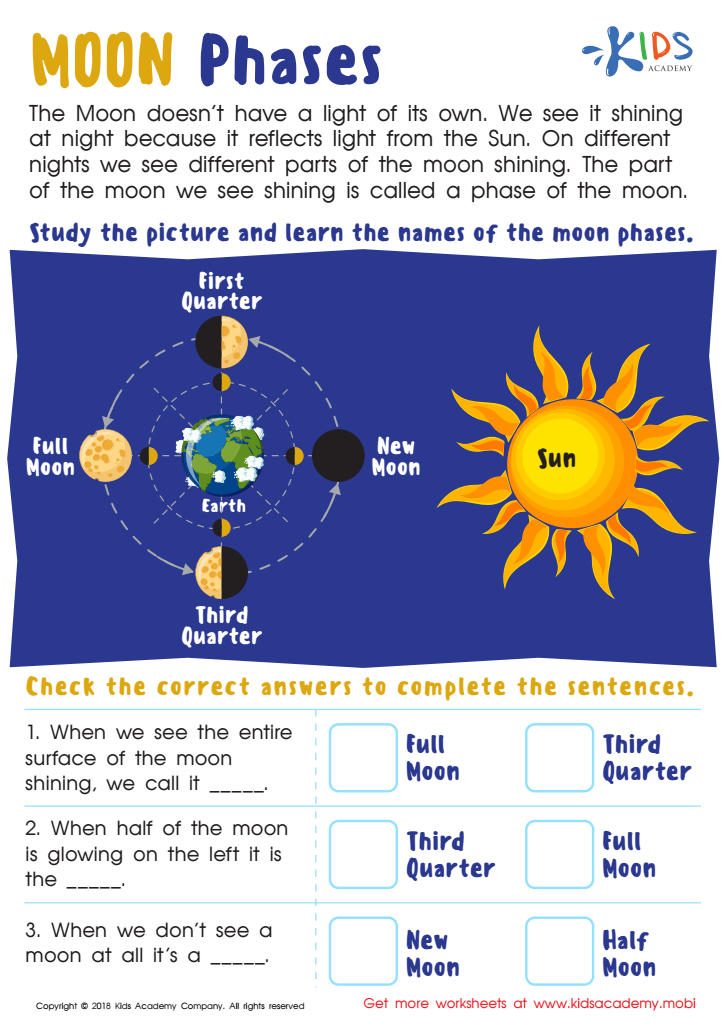
Moon Phases Worksheet
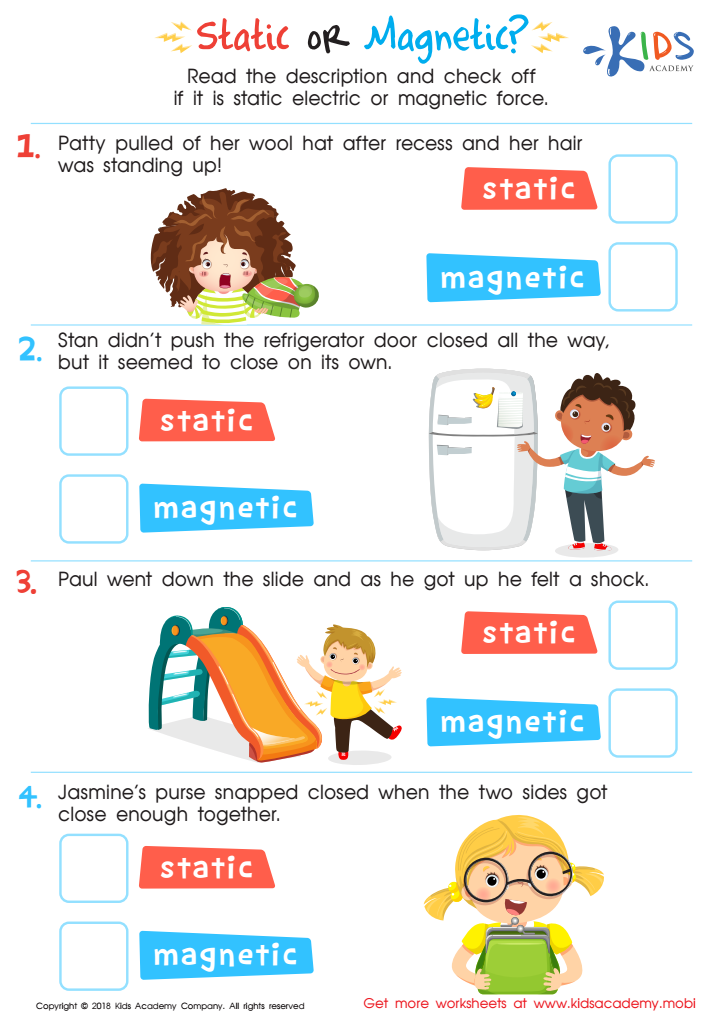
Static or Magnetic Printable Worksheet
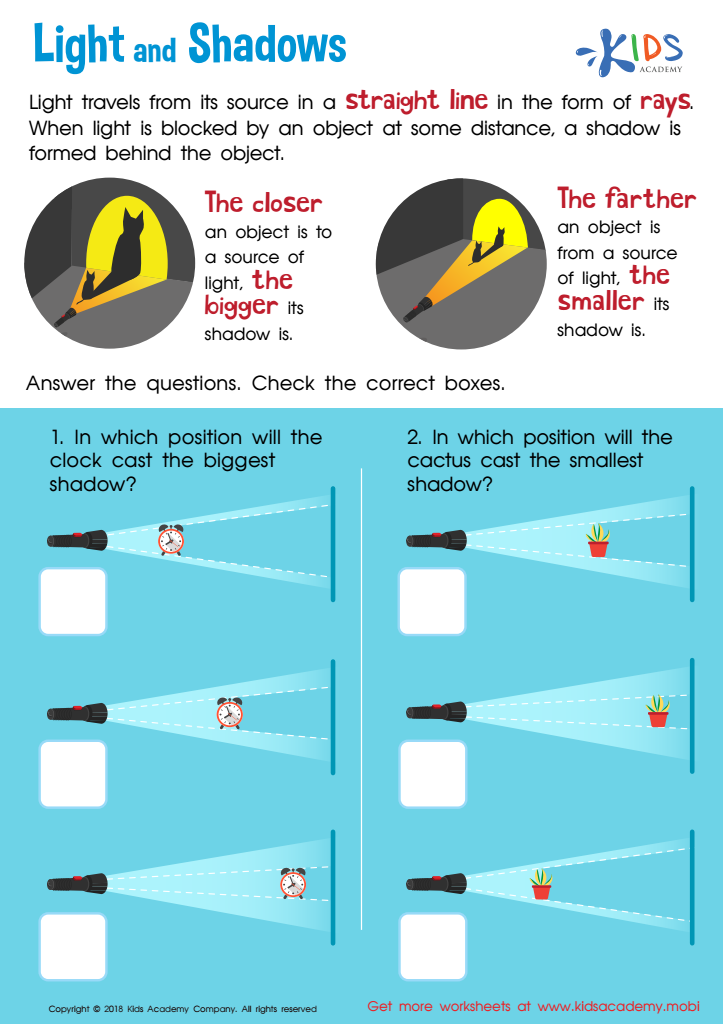
Light and Shadow Worksheet for Grade 3
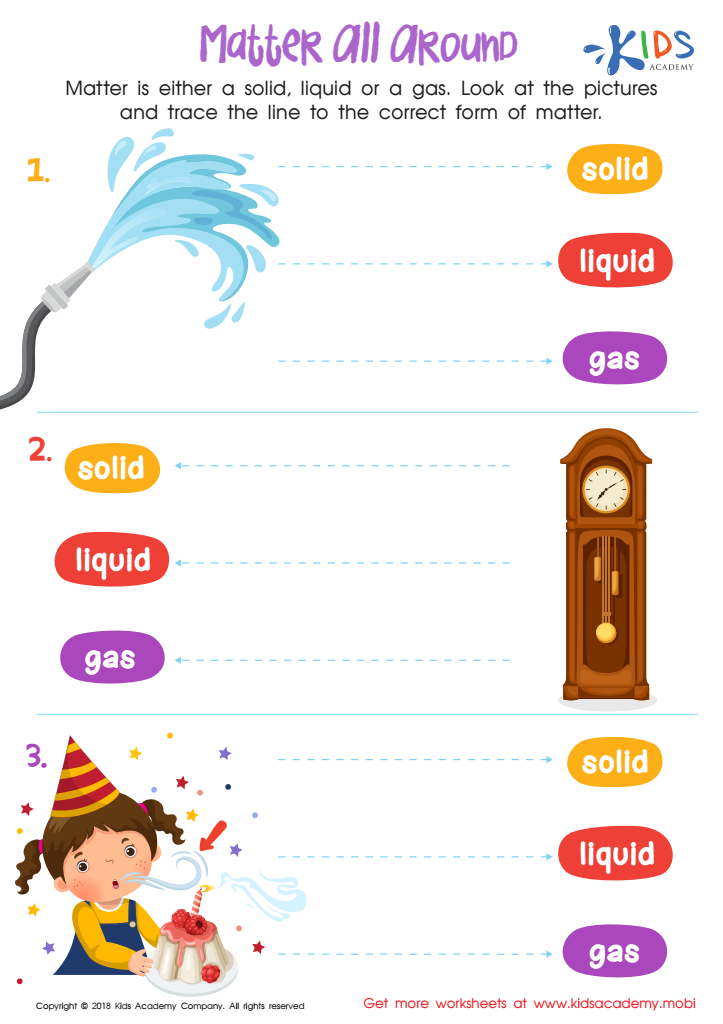
Matter all Around Worksheet
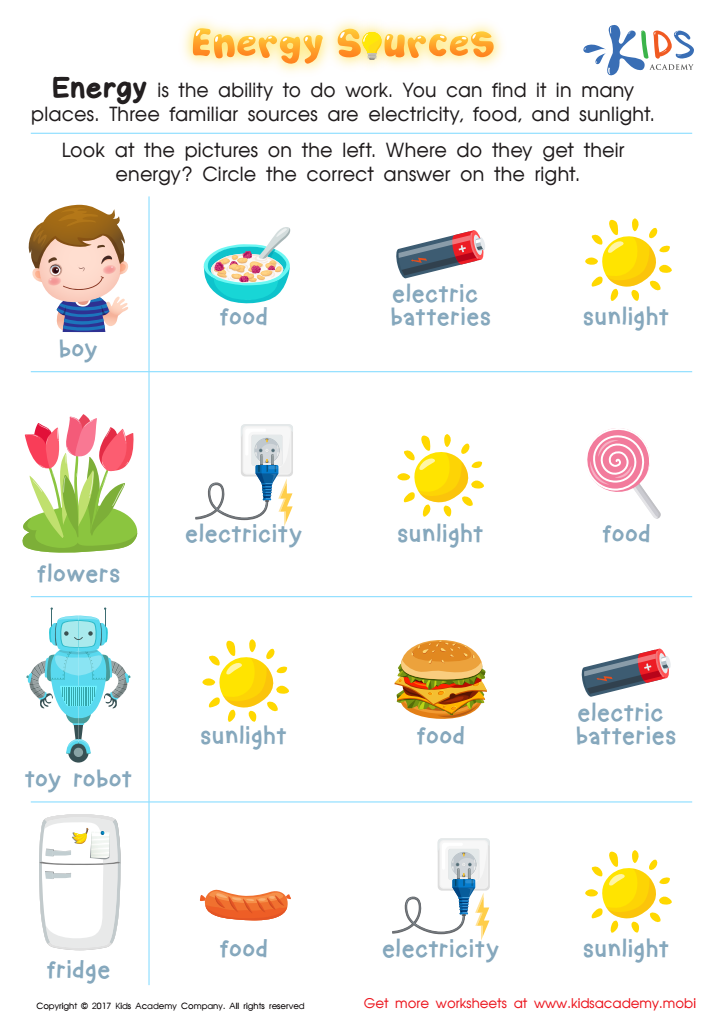
Energy Sources Printable
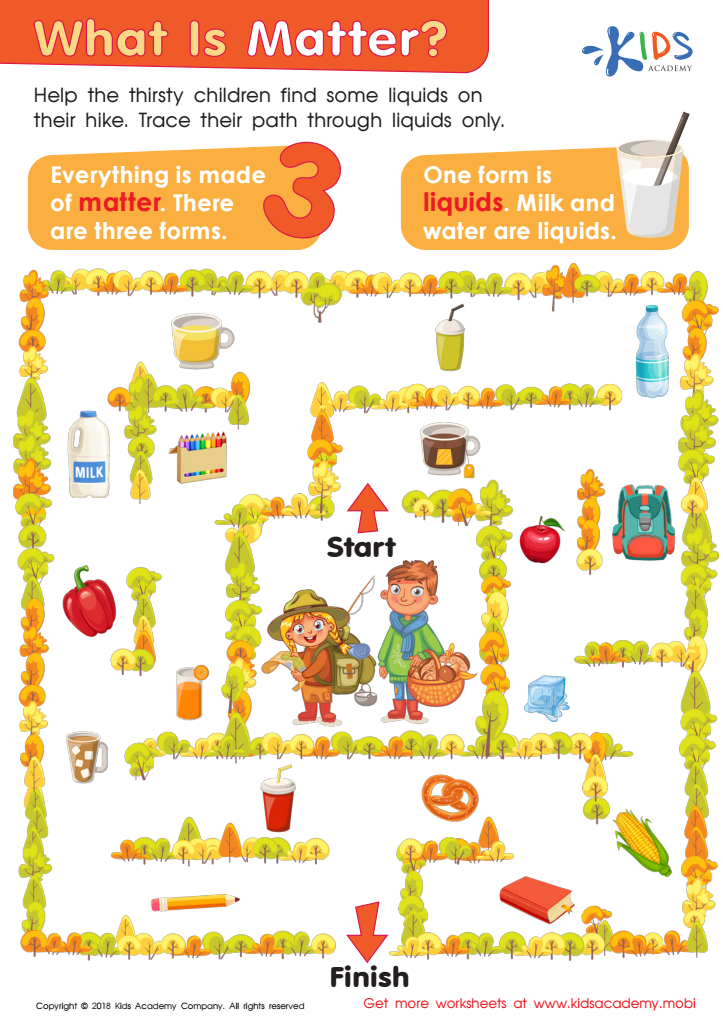
What Is Matter? Worksheet
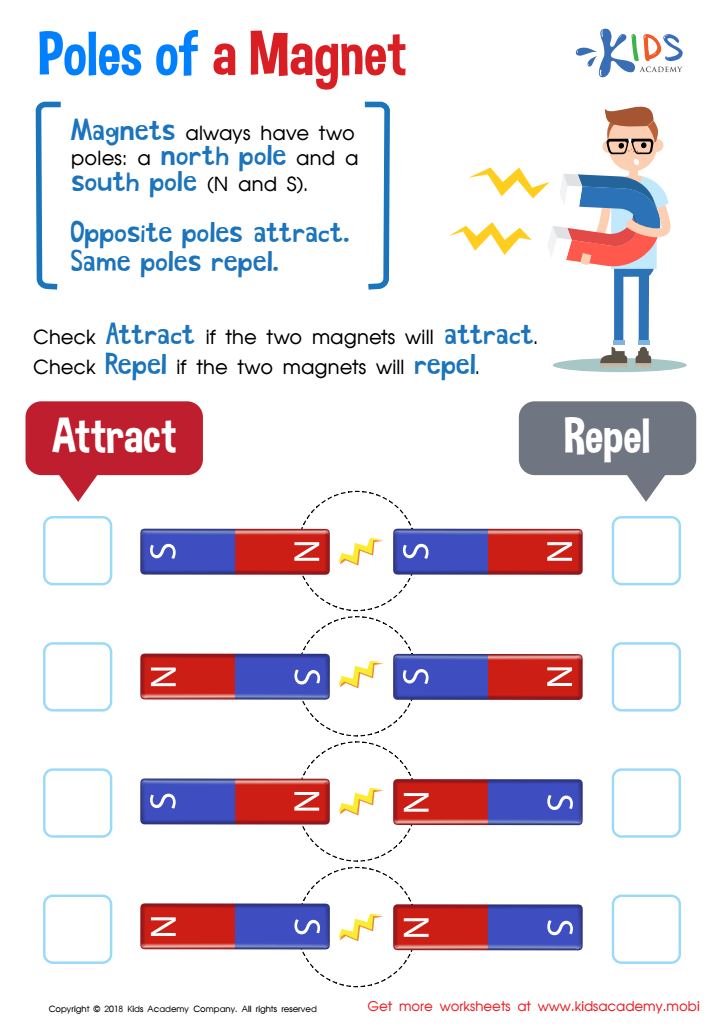
Magnet Poles Attract or Repel Worksheet
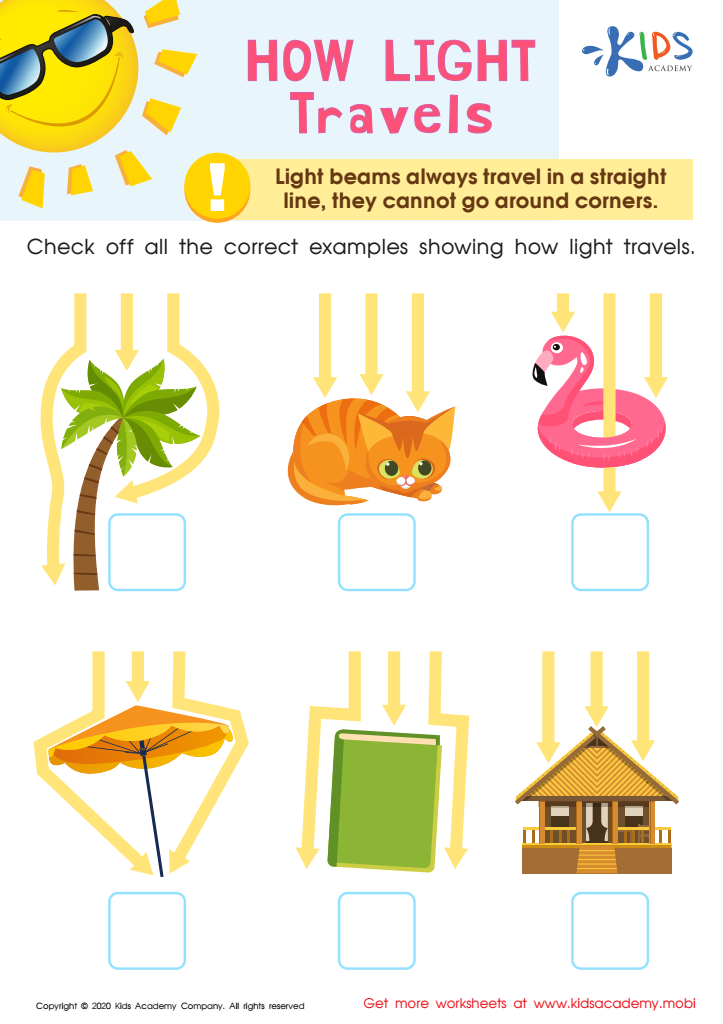
How Light Travels Worksheet
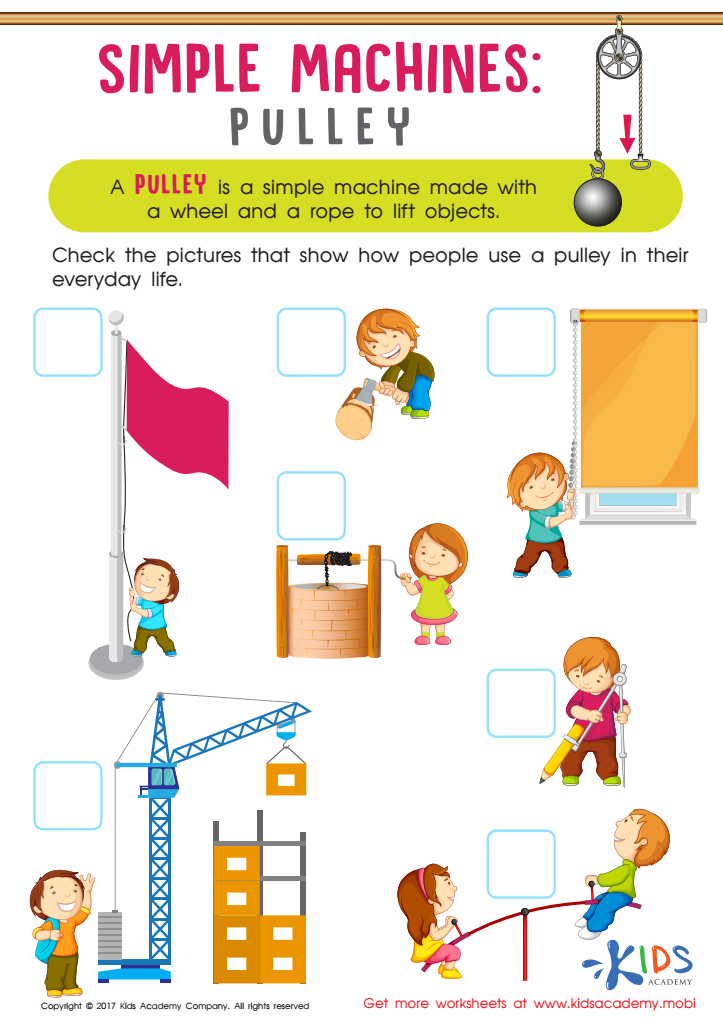
Simple Machines Pulley Worksheet
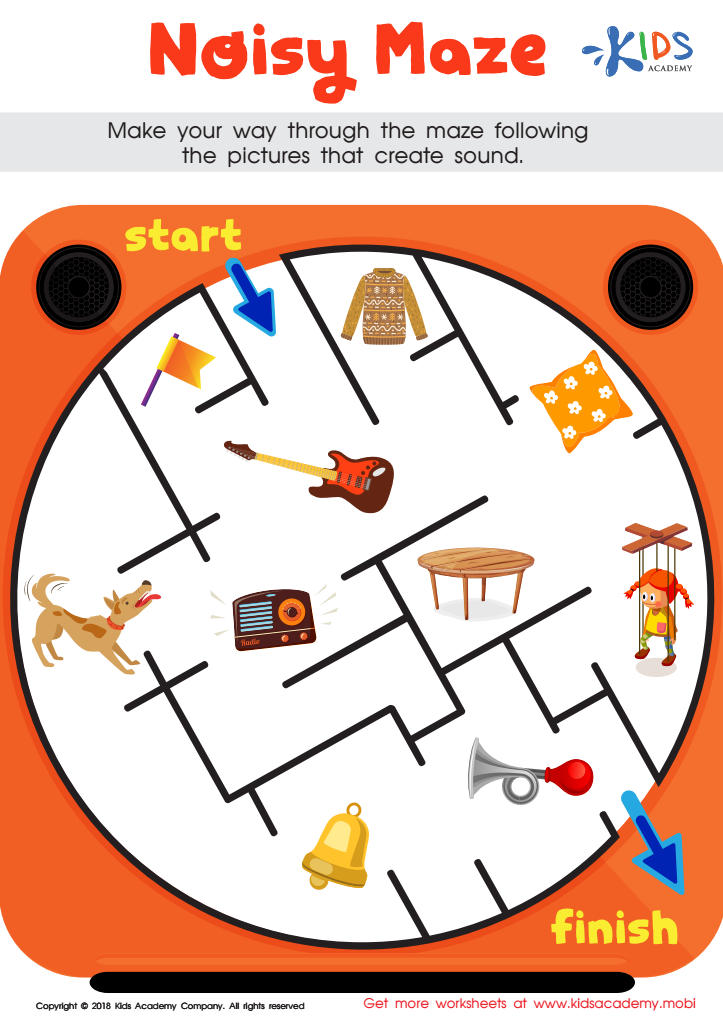
Noisy Maze Worksheet
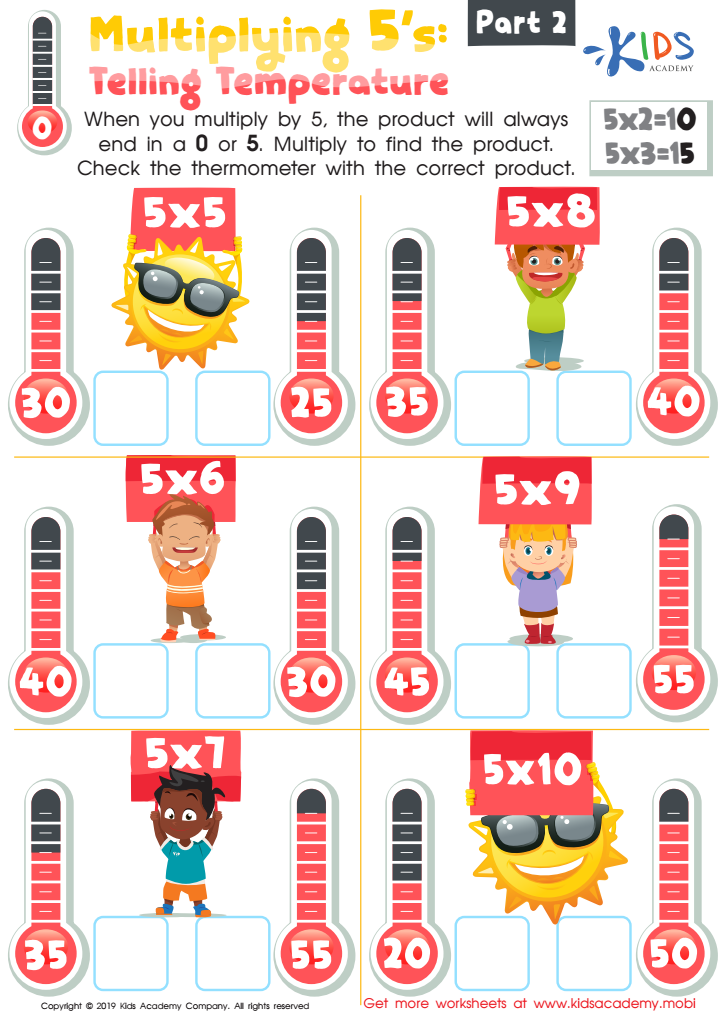
Multiplying 5’s: Telling Temperature Part 2 Worksheet








Physical science is a fundamental part of young children's education, especially for ages 4-9, as it lays the groundwork for their understanding of the natural world and fosters critical thinking skills. At this stage, children's innate curiosity drives their desire to explore and discover, making it an ideal time to introduce them to concepts such as matter, energy, forces, and simple machines.
Engaging with physical science encourages hands-on learning, which is crucial for developmental growth. By conducting experiments, observing natural phenomena, and participating in interactive activities, children develop problem-solving skills, enhance their ability to ask questions, and learn how to communicate their findings. This experiential approach also nurtures creativity and innovation.
Furthermore, early exposure to physical science promotes scientific literacy, which is essential in today’s technology-driven society. As children grow, this foundational knowledge will help them navigate more complex scientific ideas and contribute to informed decision-making in their lives.
Parents and teachers who prioritize physical science foster an environment where logical reasoning, enthusiasm for learning, and the pursuit of knowledge flourish. Ultimately, investing in children’s early science education has long-lasting benefits, preparing them for academic success and active citizenship in the future.







