Community Worksheets for Ages 4-9 - Page 2
30 filtered results
-
From - To
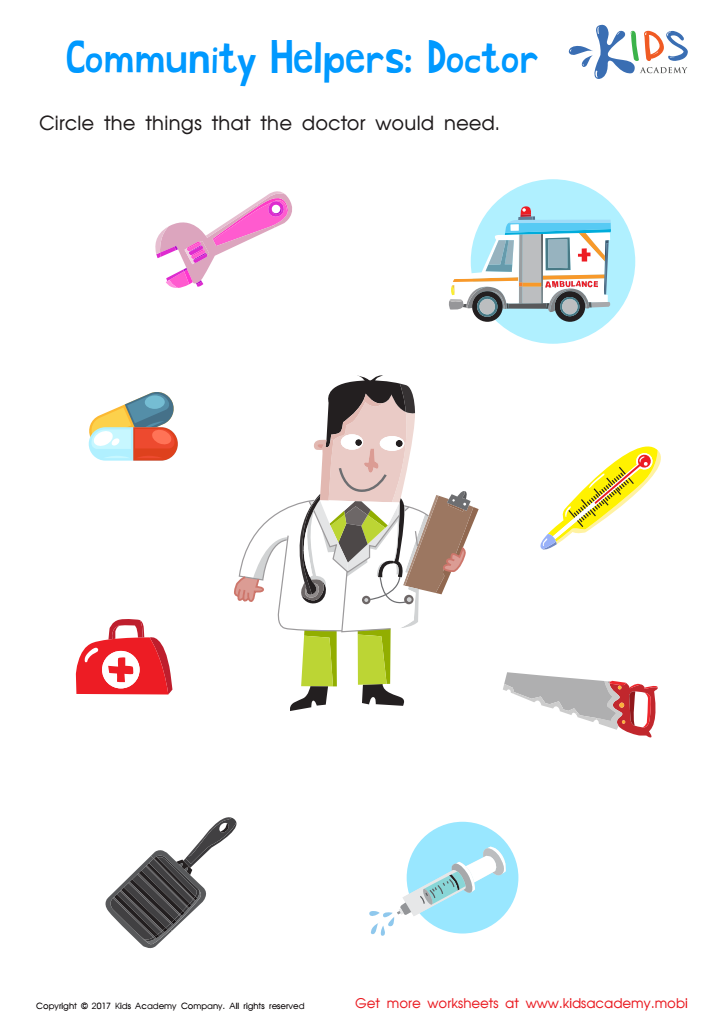
 Assign to My Students
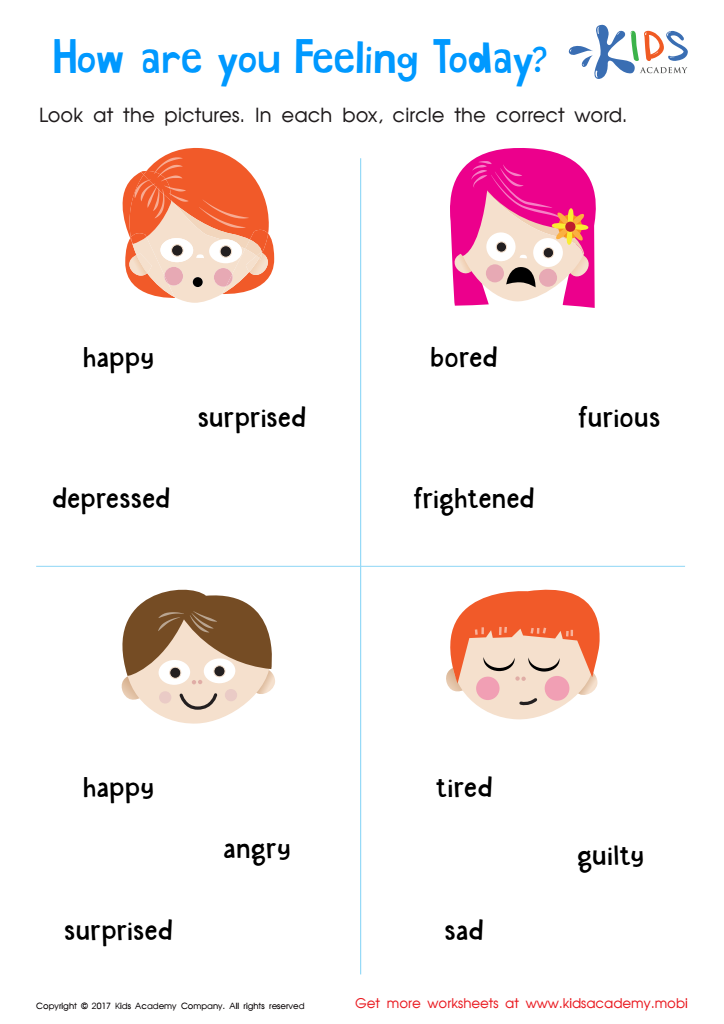
Understanding Feelings Worksheet
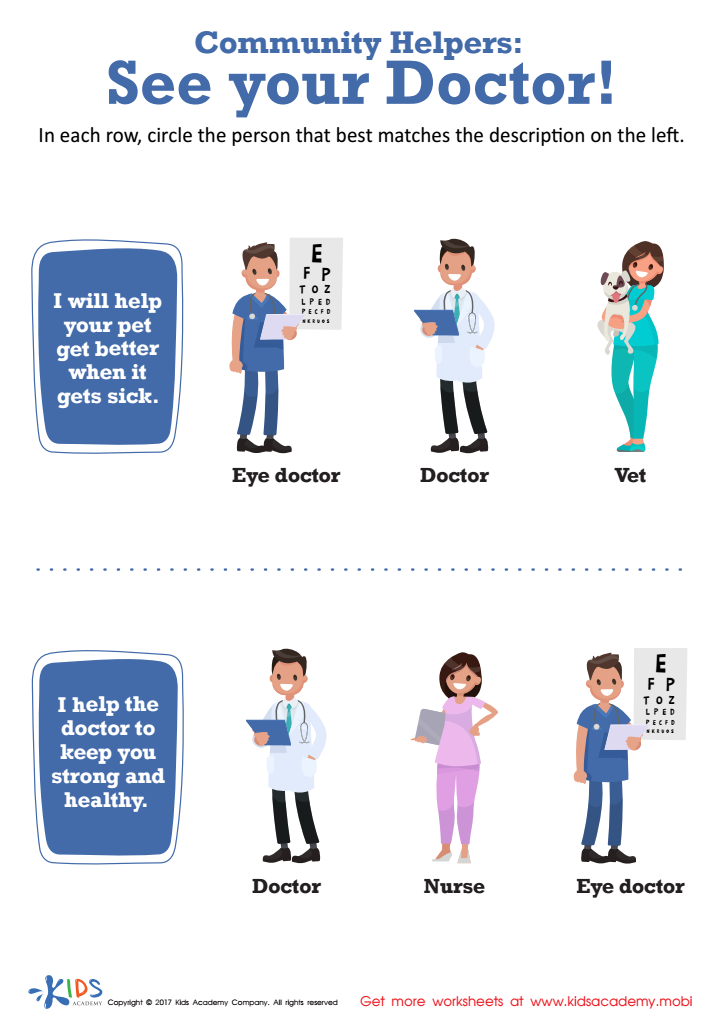
See Your Doctor (Part 2) Printable
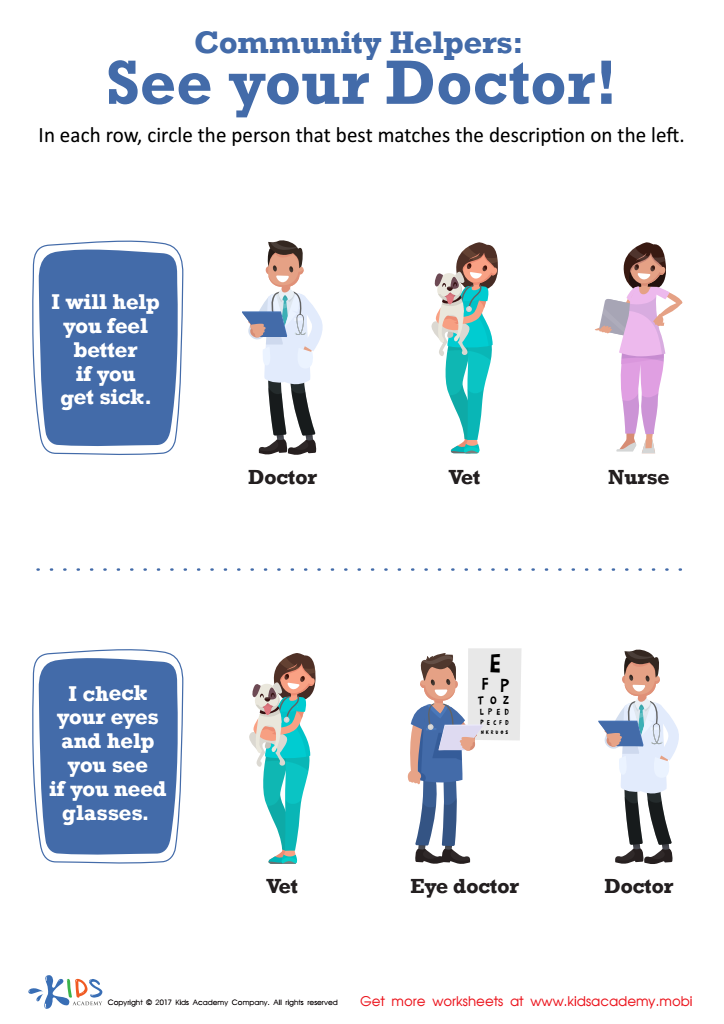
See Your Doctor (Part 1) Printable
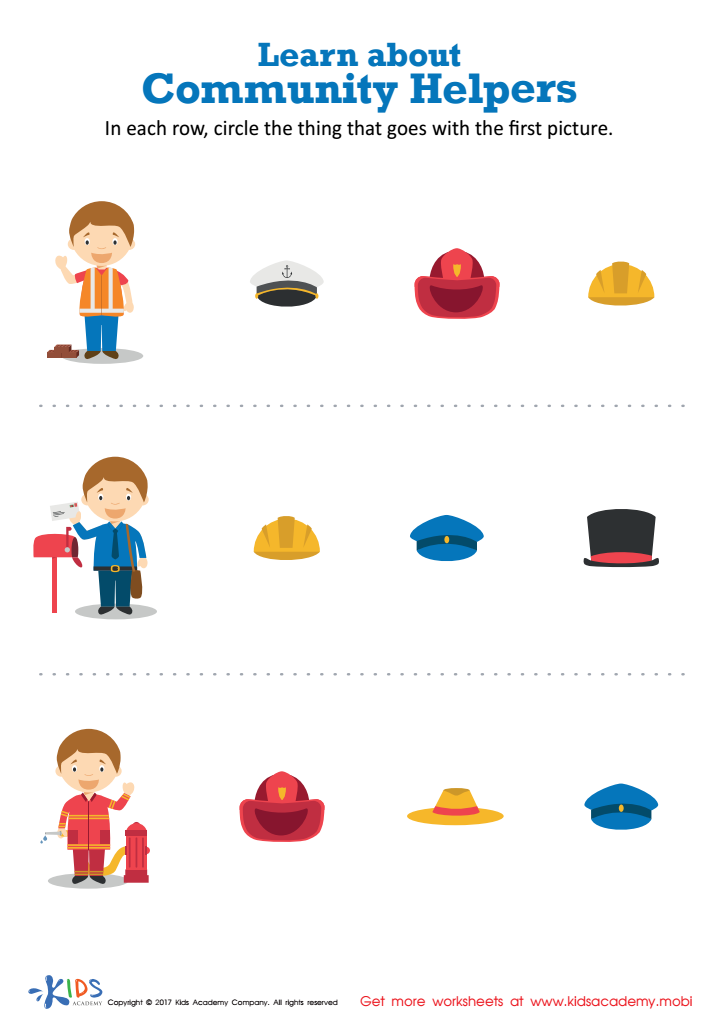
Learn about Community Helpers Printable
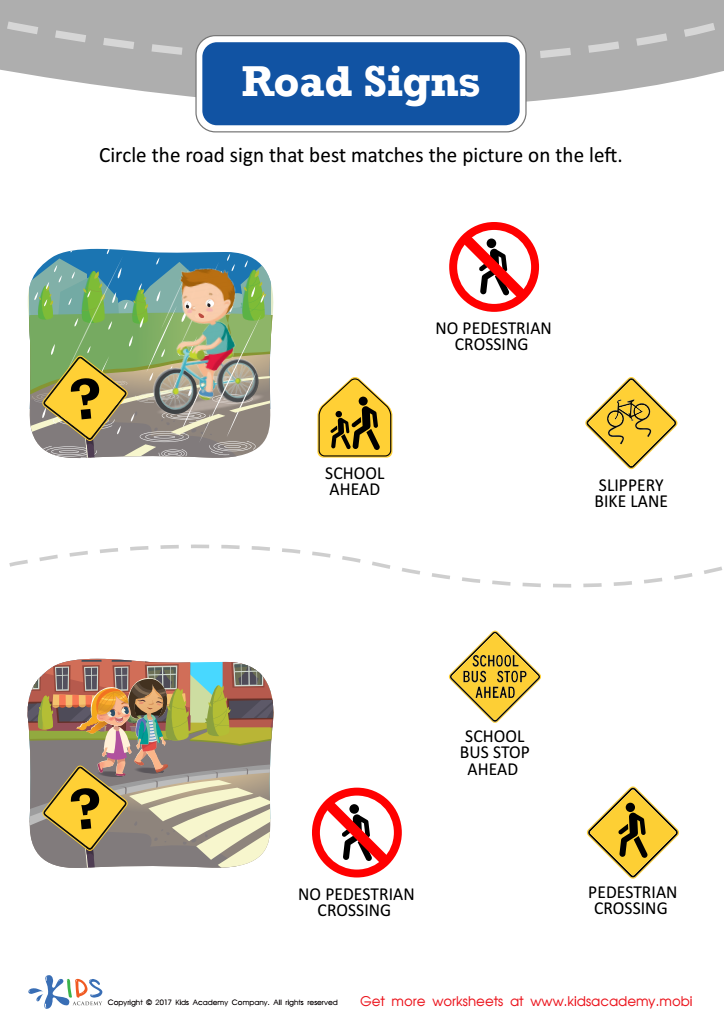
Road Signs (Part 2) Printable








Parents and teachers should deeply value the concept of community for children aged 4-9 because it plays a crucial role in their overall development. During these formative years, children are shaping their understanding of the world, their place in it, and how to interact with others. A strong sense of community provides them with a sense of belonging and security, which are essential for healthy emotional and social development.
In a community setting, children learn important social skills, such as sharing, cooperation, and empathy. These skills are fundamental for building positive relationships and function as the foundation for future interpersonal interactions. Furthermore, being part of a community exposes children to diverse perspectives and backgrounds, fostering an appreciation for diversity and inclusivity.
For parents and teachers, a robust community network offers support and resources to better nurture the child’s growth. Collaborative efforts within a community can lead to enriched educational experiences, where learning extends beyond the classroom into real-world applications. Community involvement also encourages active family engagement in the child’s learning journey, creating a supportive environment that promotes academic and personal success.
Overall, valuing community for young children sets the groundwork for well-rounded, confident, and socially competent individuals, ready to contribute positively to society.