Short Vowels Worksheets for Ages 5-7
16 filtered results
-
From - To
Discover engaging Short Vowels Worksheets tailored for young learners aged 5-7 at Kids Academy. Our expertly crafted resources focus on nurturing foundational reading skills by highlighting short vowel sounds through fun and interactive exercises. Each worksheet is designed to captivate young minds with colorful illustrations and simple practices that enhance phonemic awareness and early literacy. Whether used at home or in the classroom, these worksheets enable kids to build confidence as they practice recognizing, pronouncing, and writing short vowel sounds. Unlock your child’s reading potential today with our comprehensive and entertaining short vowel worksheets!
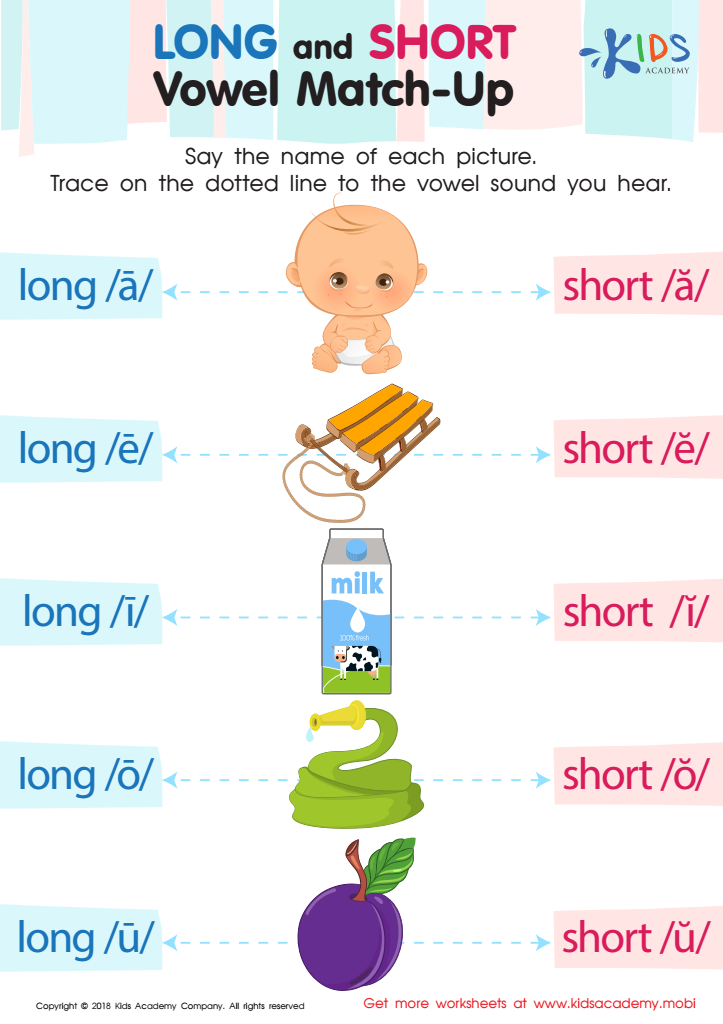
Long and Short Vowel Match up Reading Worksheet
 Assign to My Students
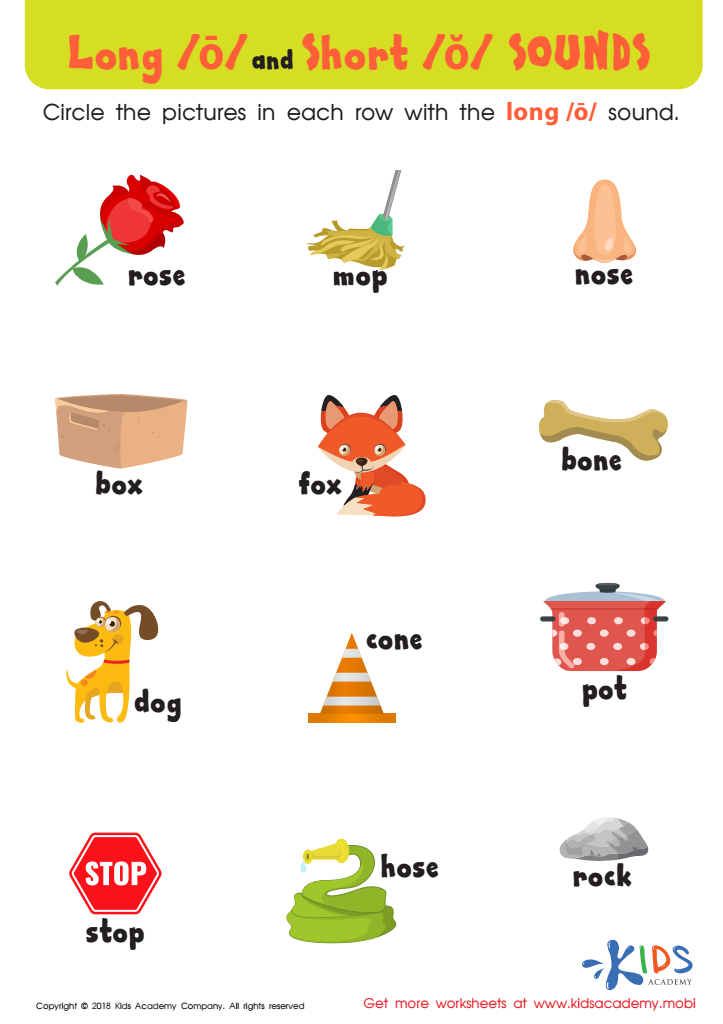
Reading: Long O and Short O Sounds Worksheet
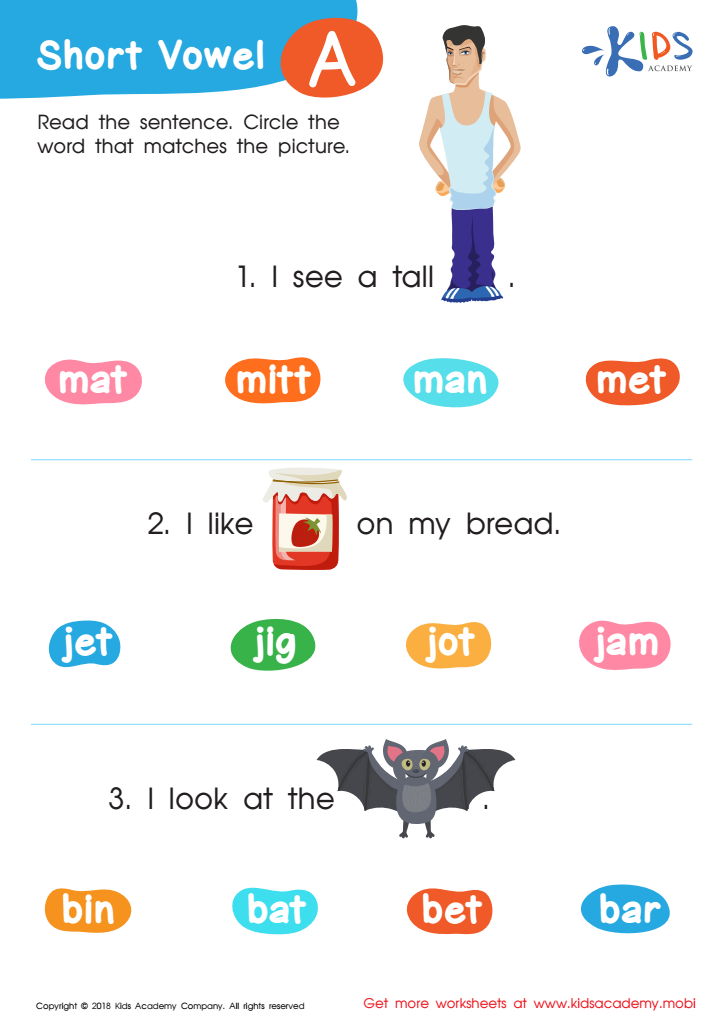
Short Vowel /a/ Worksheet
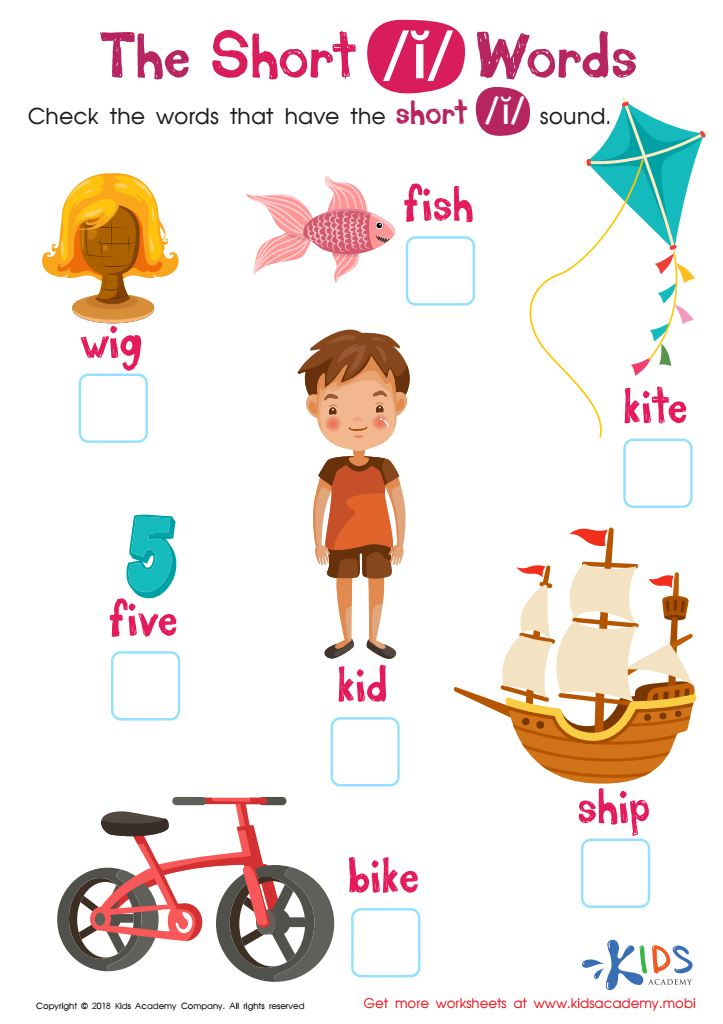
The Short I Words Reading Worksheet
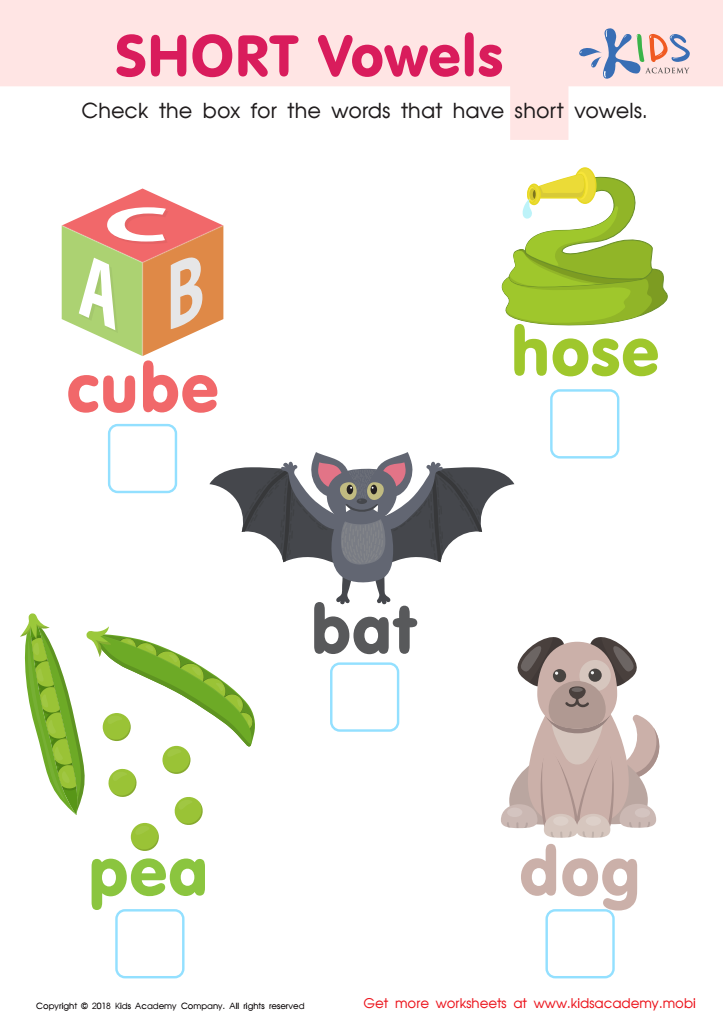
short vowels Worksheet
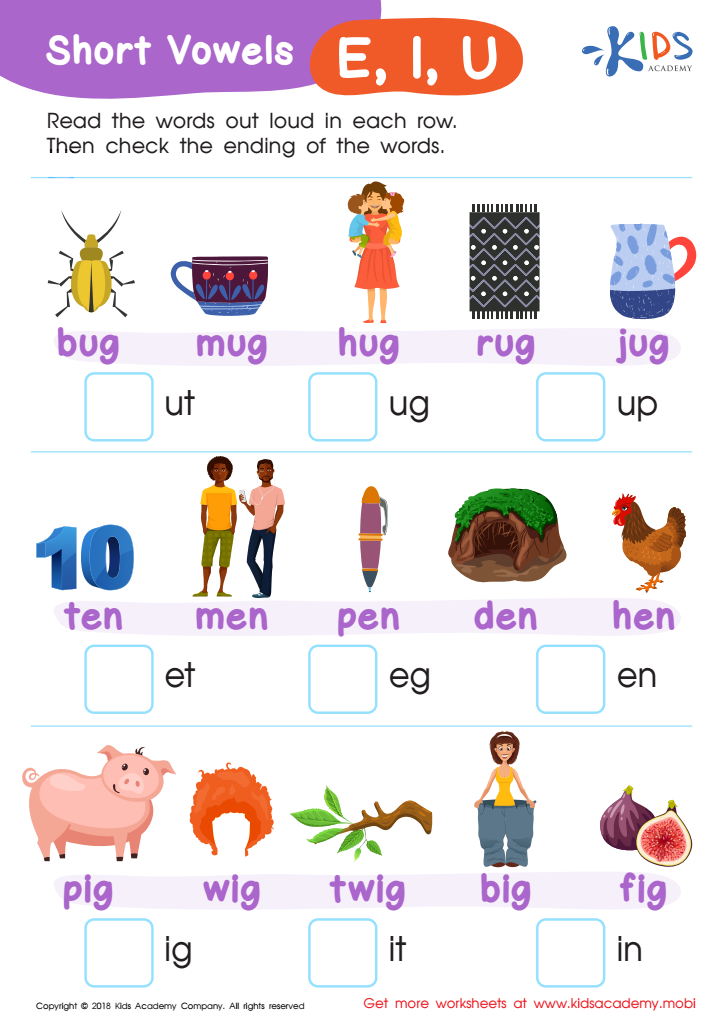
Short Vowels /e/, /i/, and /u/ Worksheet
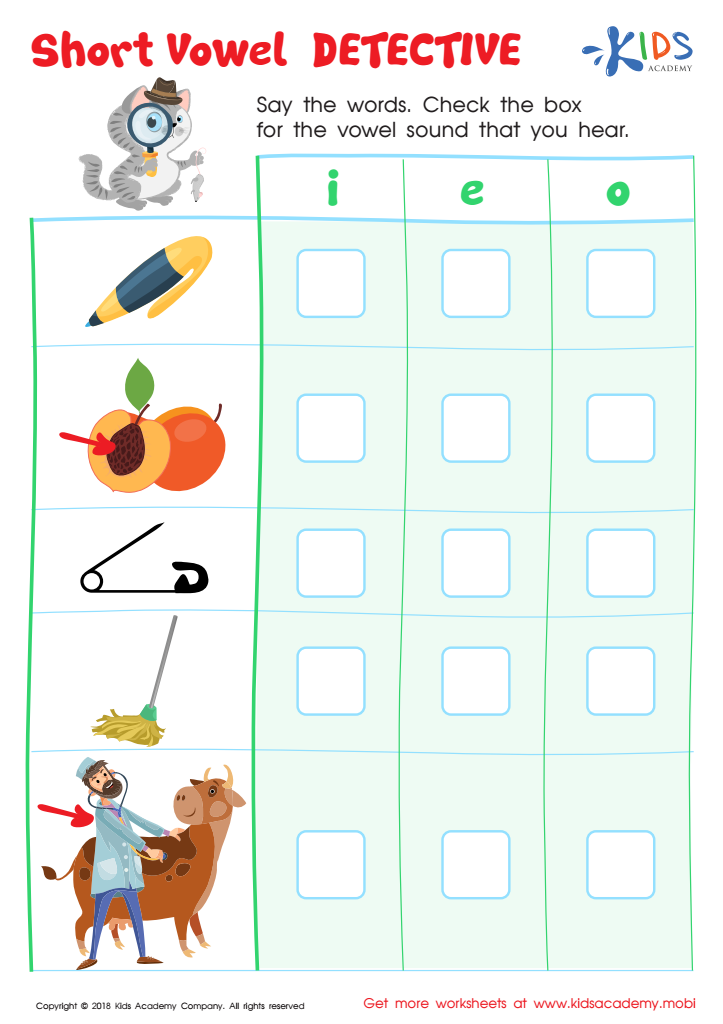
Short Vowel Detective Worksheet
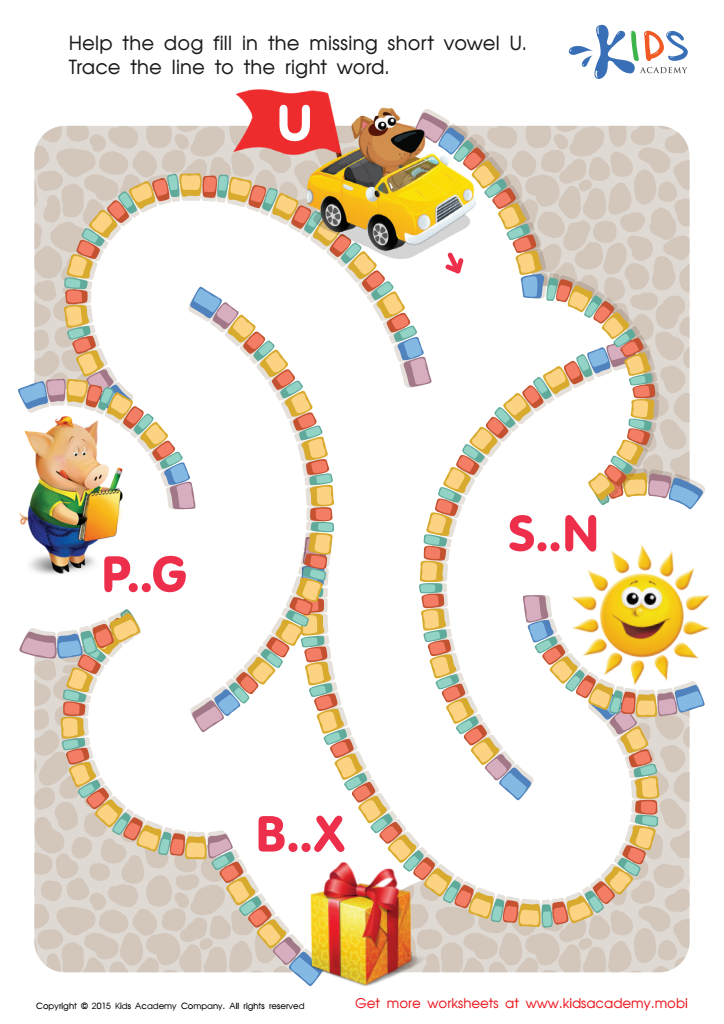
Short Vowel Sound U Worksheet
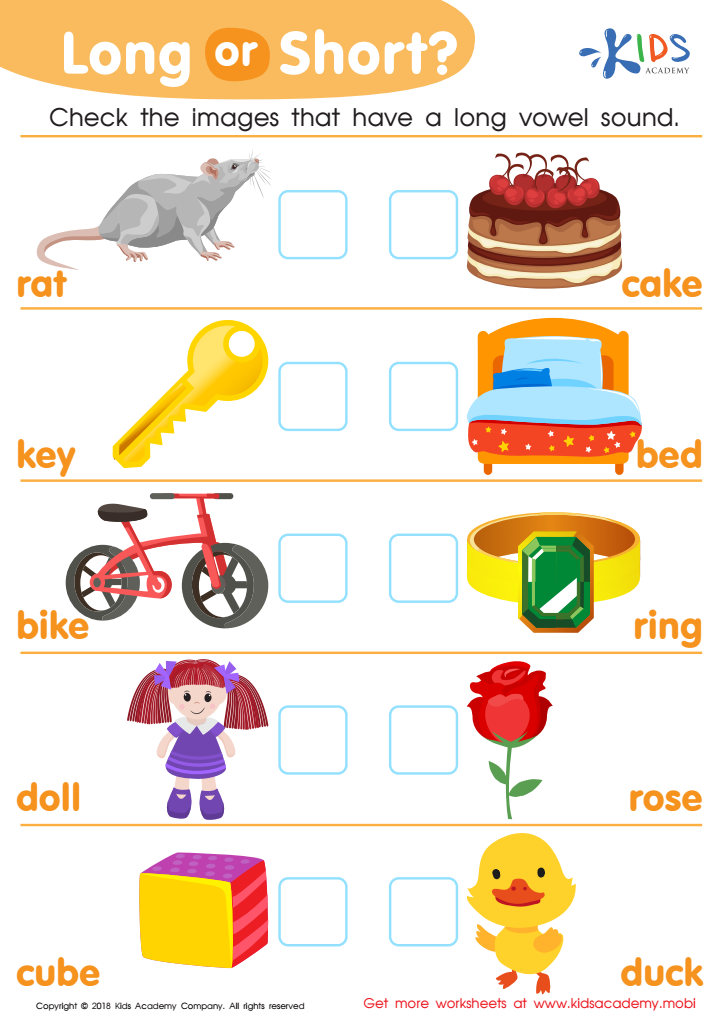
Long or Short Reading Worksheet
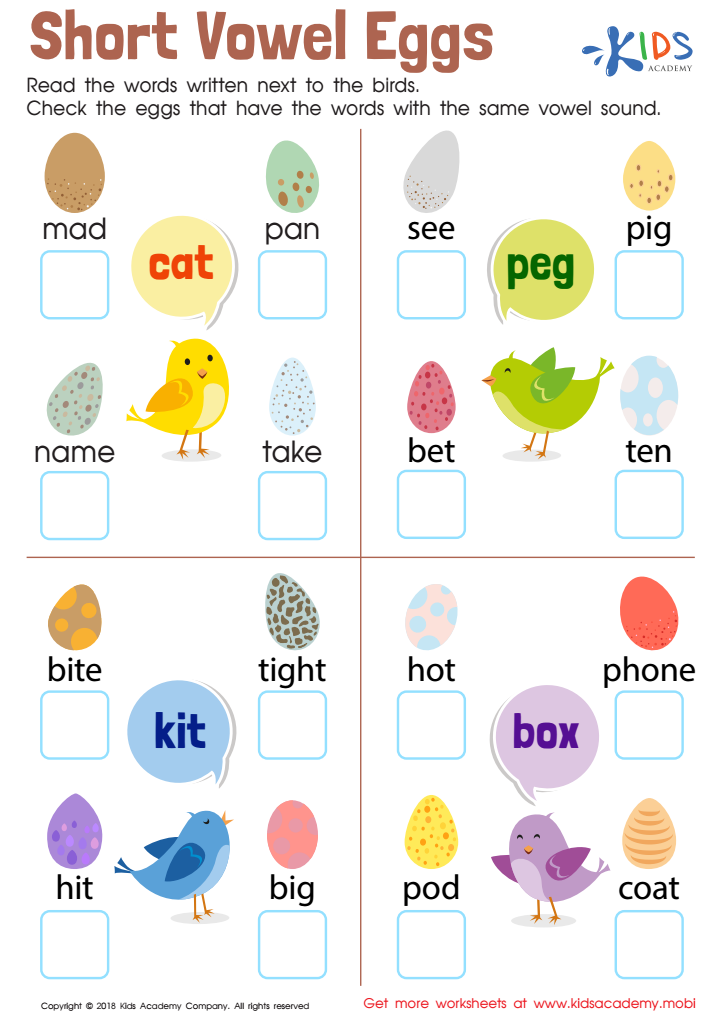
Short Vowel Eggs Worksheet
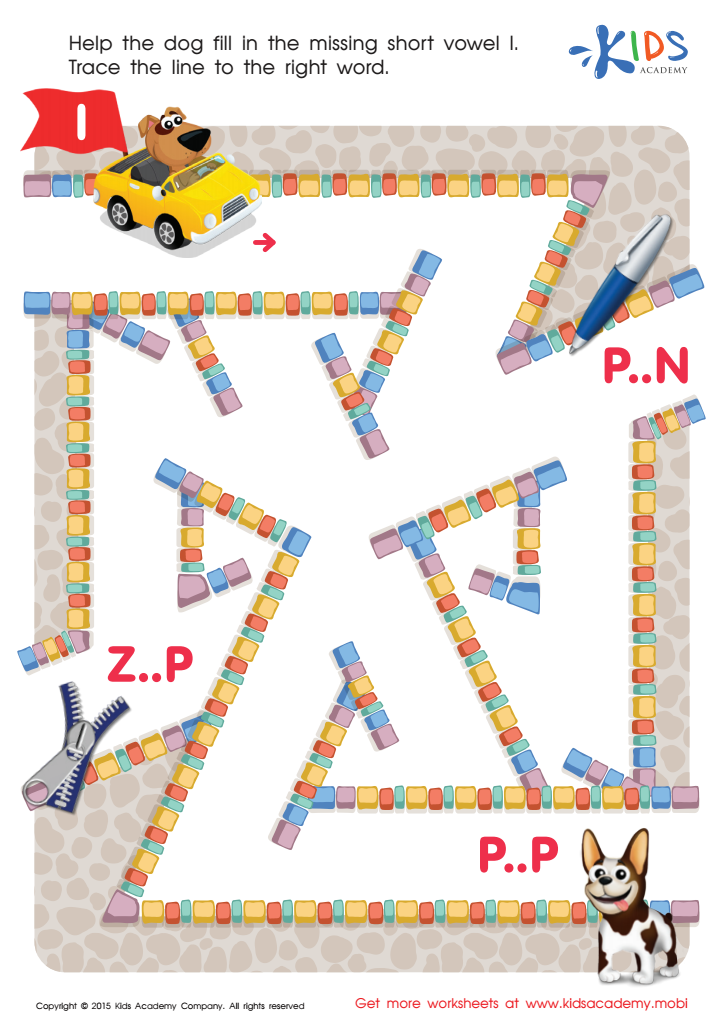
Short Vowel Sound I Worksheet
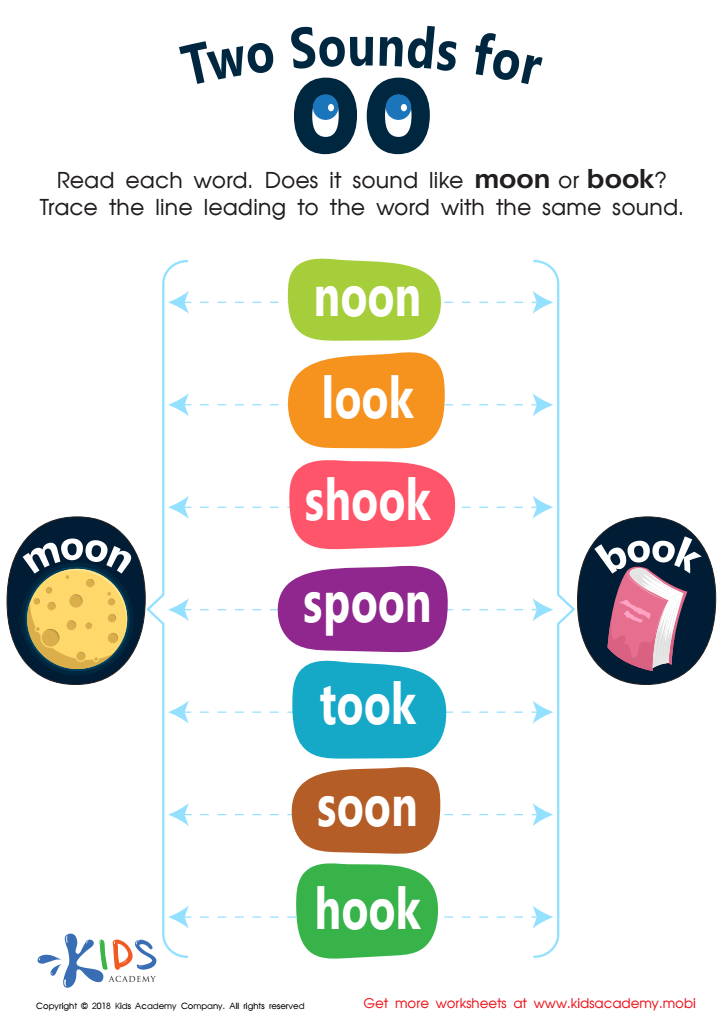
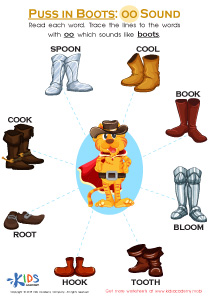
Two Sounds for OO Worksheet
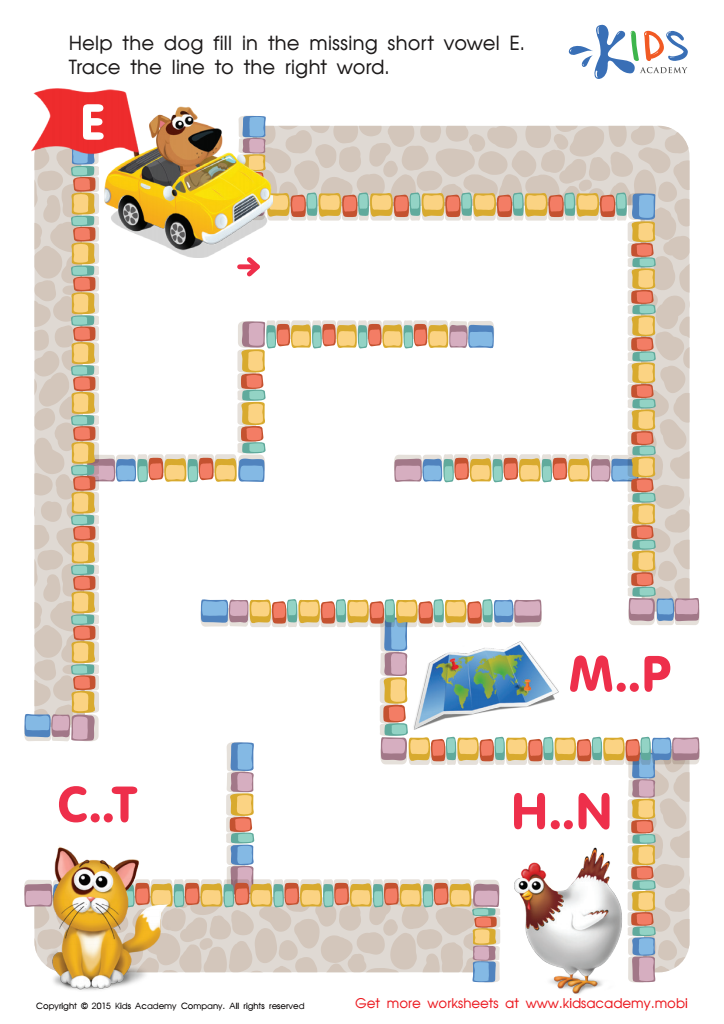
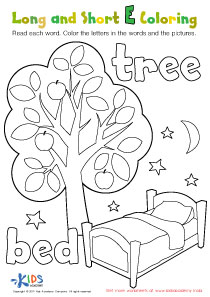
Short Vowel Sound E Worksheet
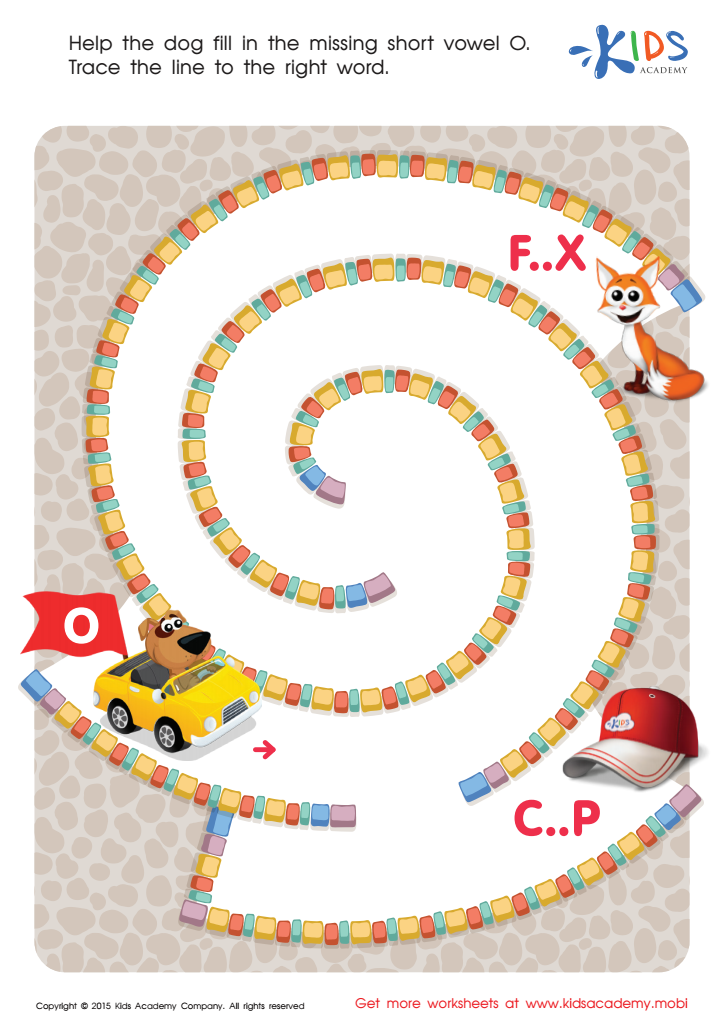
Short Vowel Sound O Worksheet
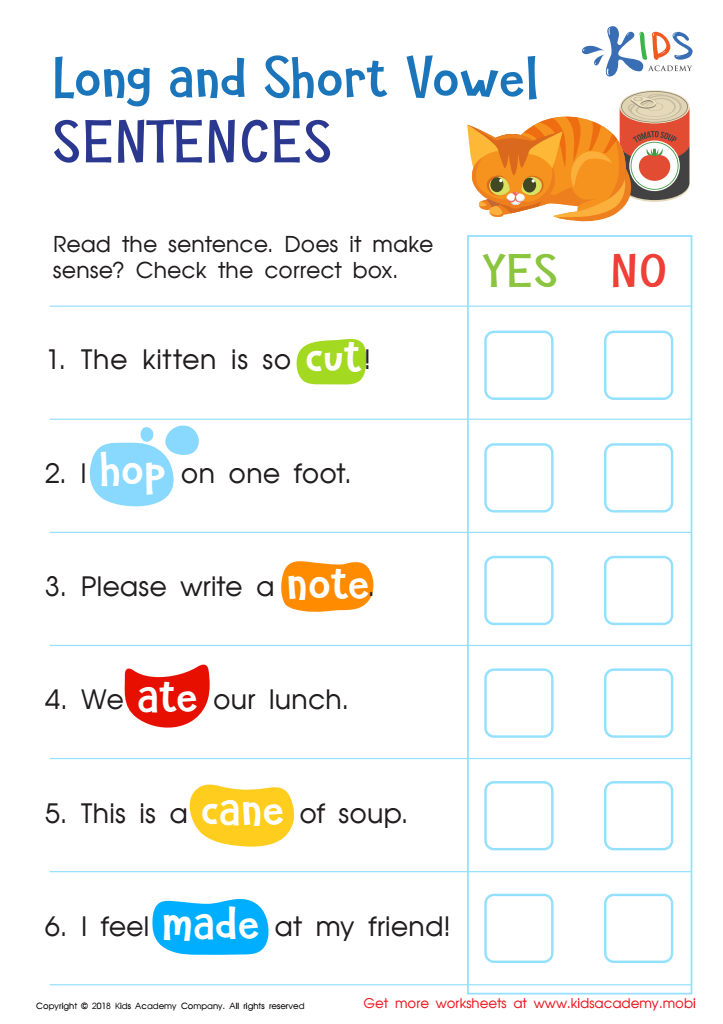
Long and Short Vowel Sentences: Assessment Worksheet
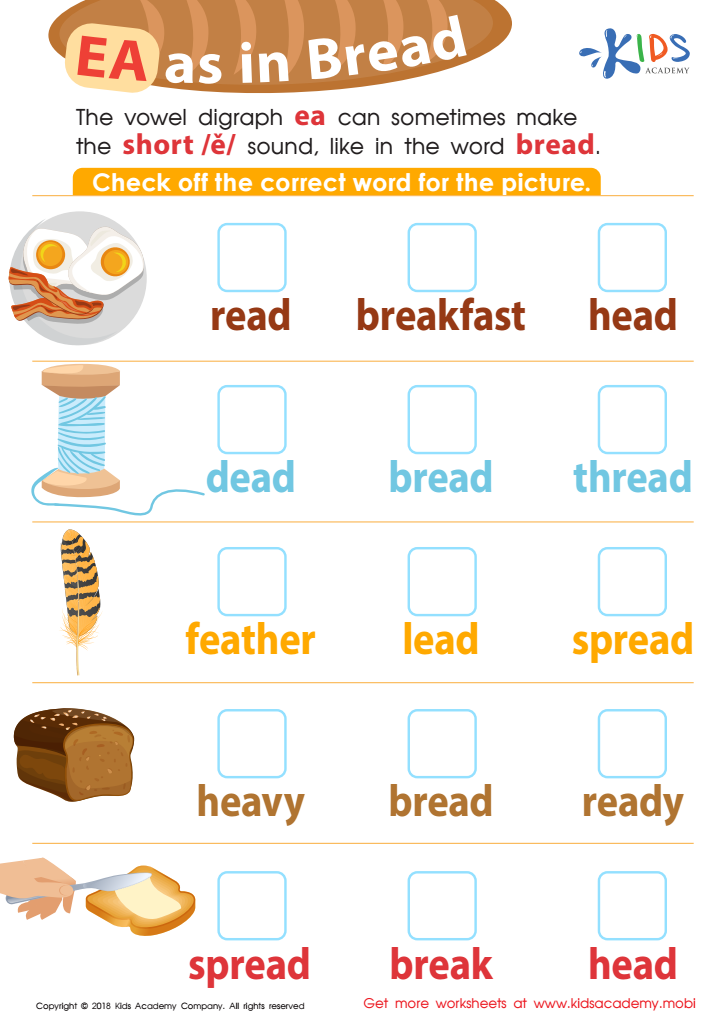
Reading: EA as in Bread Worksheet



Understanding short vowels is crucial for young learners, especially those in the 5-7 age range, as it lays the foundation for fluent reading and effective communication. Short vowels are the building blocks of many simple words that children first encounter while learning to read. These include words like "cat," "bed," "pig," "pot," and "cup." Mastery of these sounds helps children decode words more easily, fostering their reading skills and boosting their confidence.
For parents and teachers, emphasizing short vowels can be a game-changer in a child's educational journey. It enhances their phonemic awareness, which is essential for distinguishing between similar-sounding words. This skill is critical not only for reading but also for spelling. Children who can recognize and properly use short vowel sounds can spell simple words correctly, enabling them to communicate more effectively in writing.
Moreover, strengthening this foundational skill paves the way for tackling more complex aspects of language, such as long vowels and multisyllabic words. By prioritizing short vowels in early education, parents and teachers give children a key tool in their linguistic toolkit, setting them on a path toward literacy and academic success. Ultimately, robust early literacy skills empower children, opening doors to a world of learning and opportunity.