English for Beginners Worksheets for Ages 5-7 - Page 2
97 filtered results
-
From - To
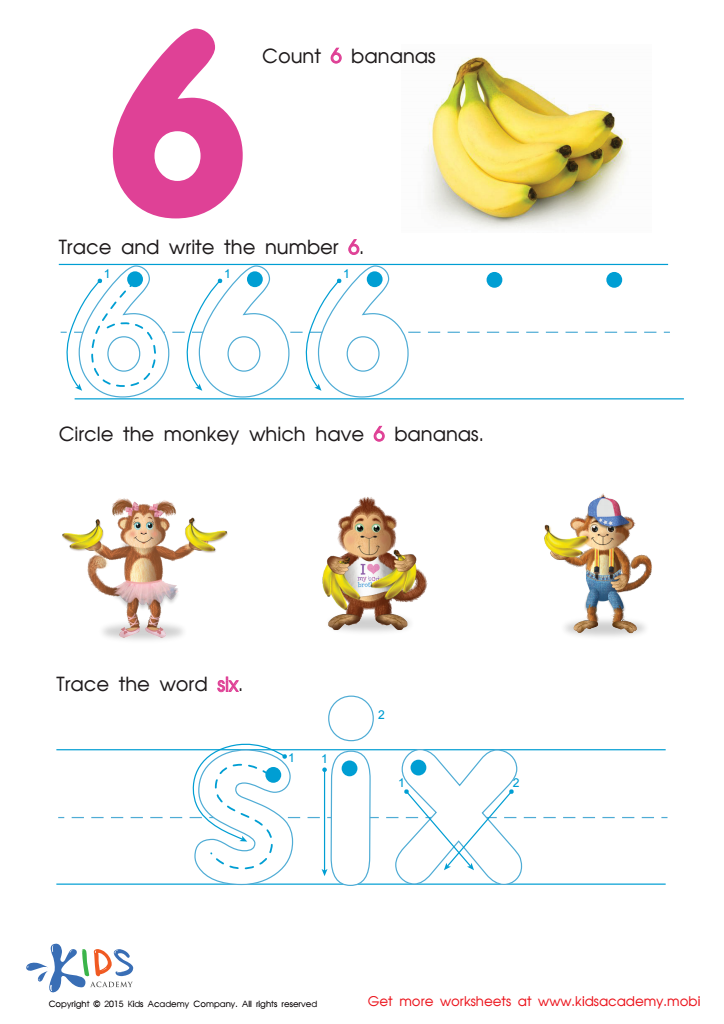
Tracing And Writing Number 6 Worksheet
 Assign to My Students
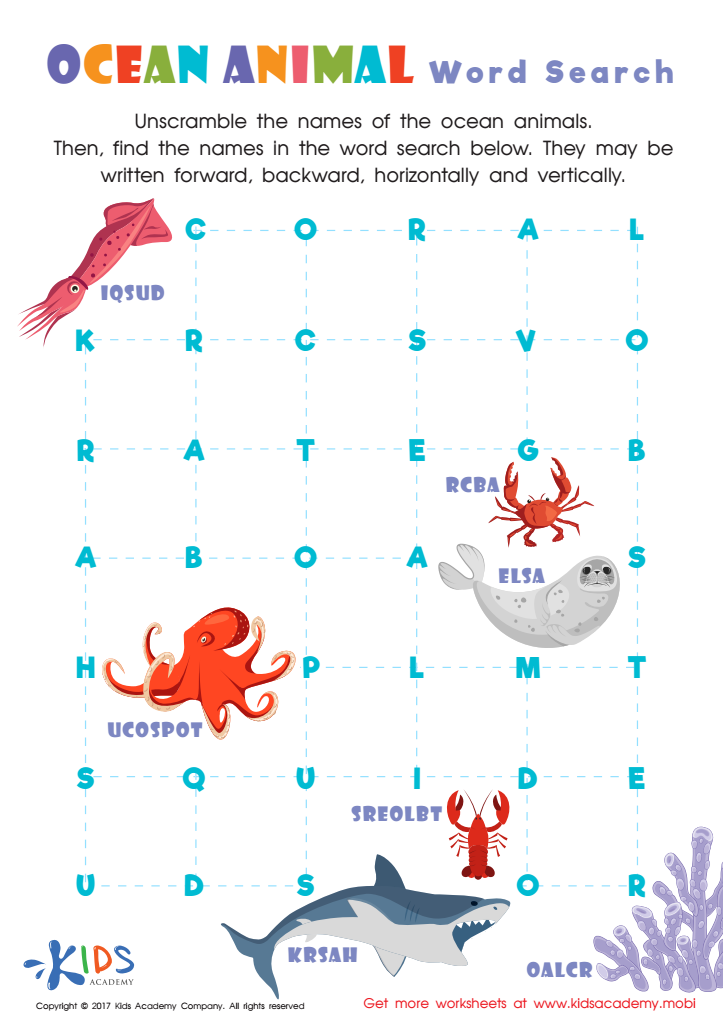
Ocean Animals Word Search Printable
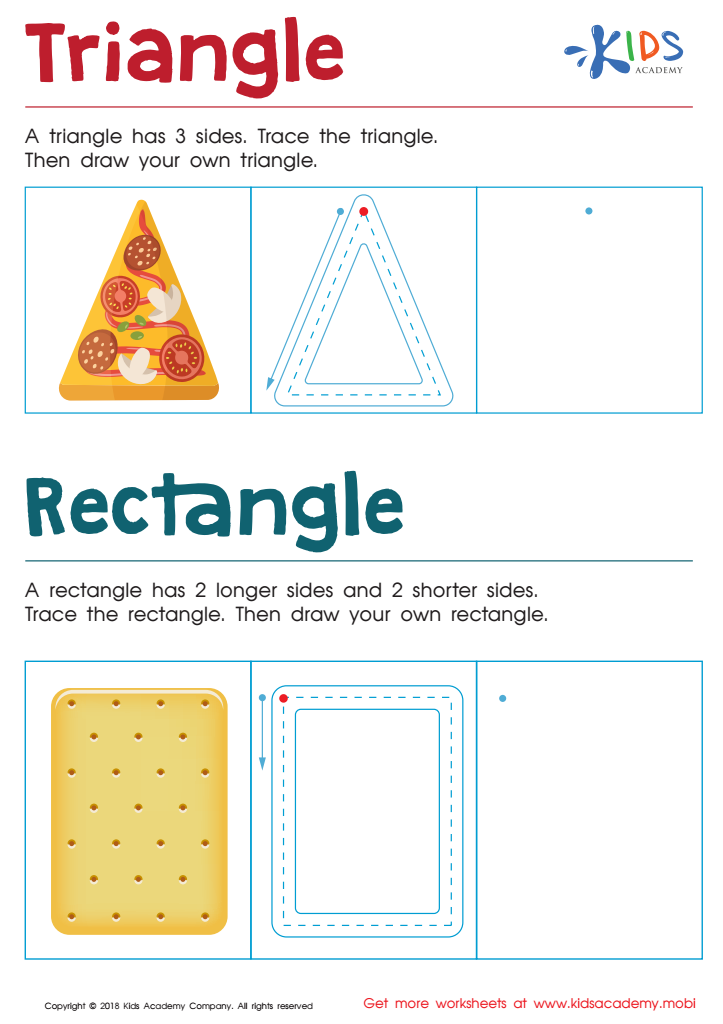
Triangle Rectangle Worksheet
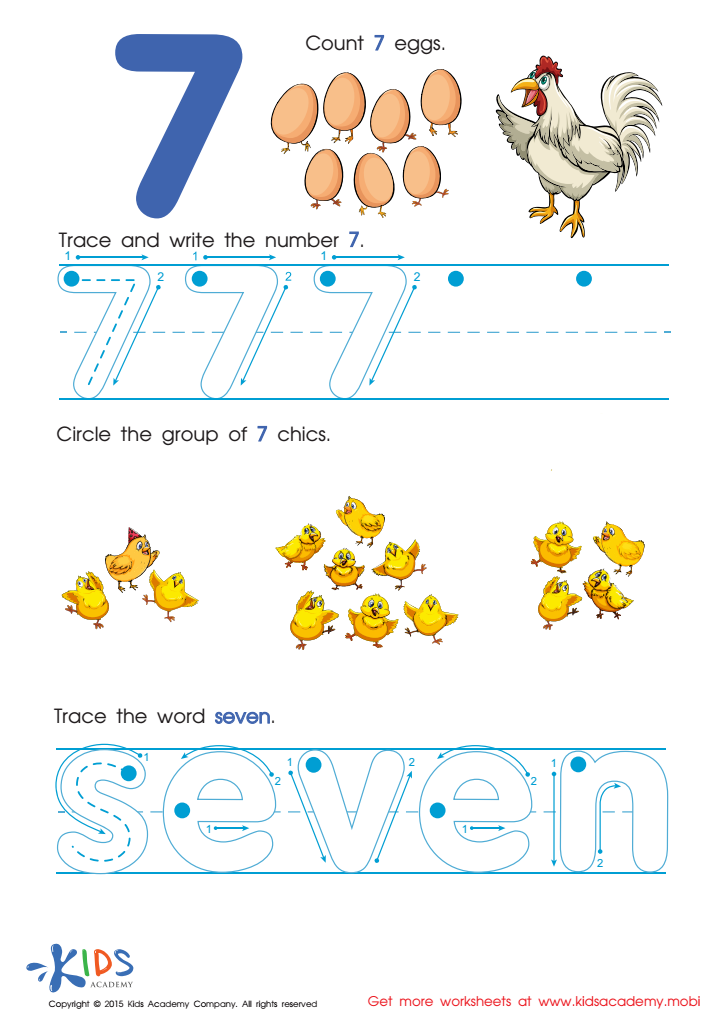
Trace And Write Number 7 with Fun Worksheet

Letter H Tracing Page
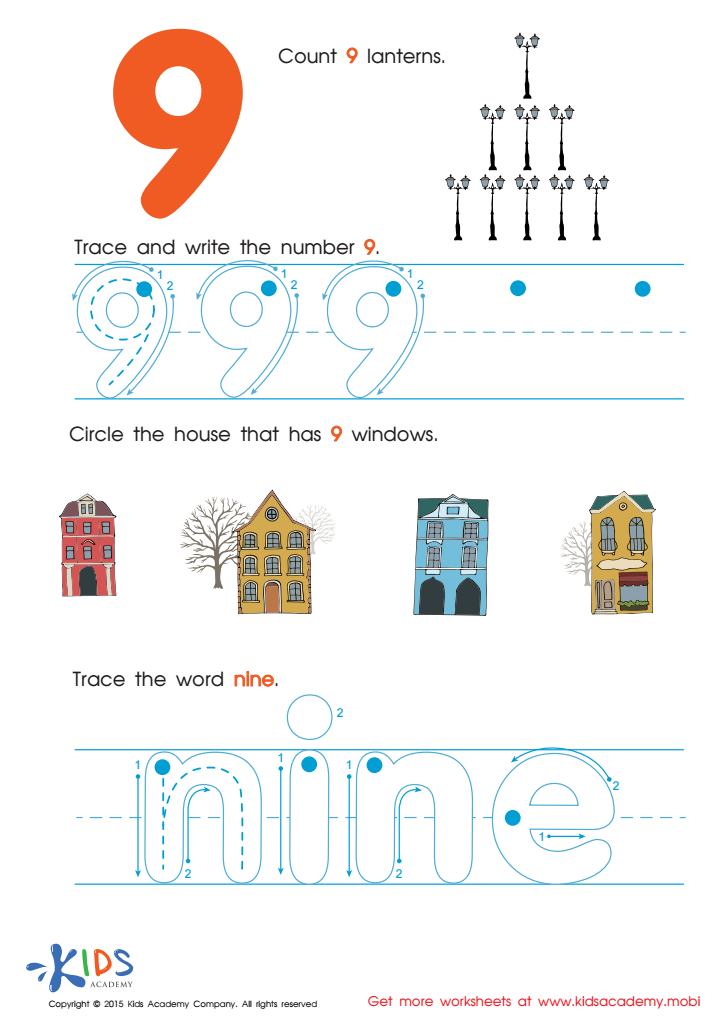
Tracing And Learning to Write Number 9 Worksheet
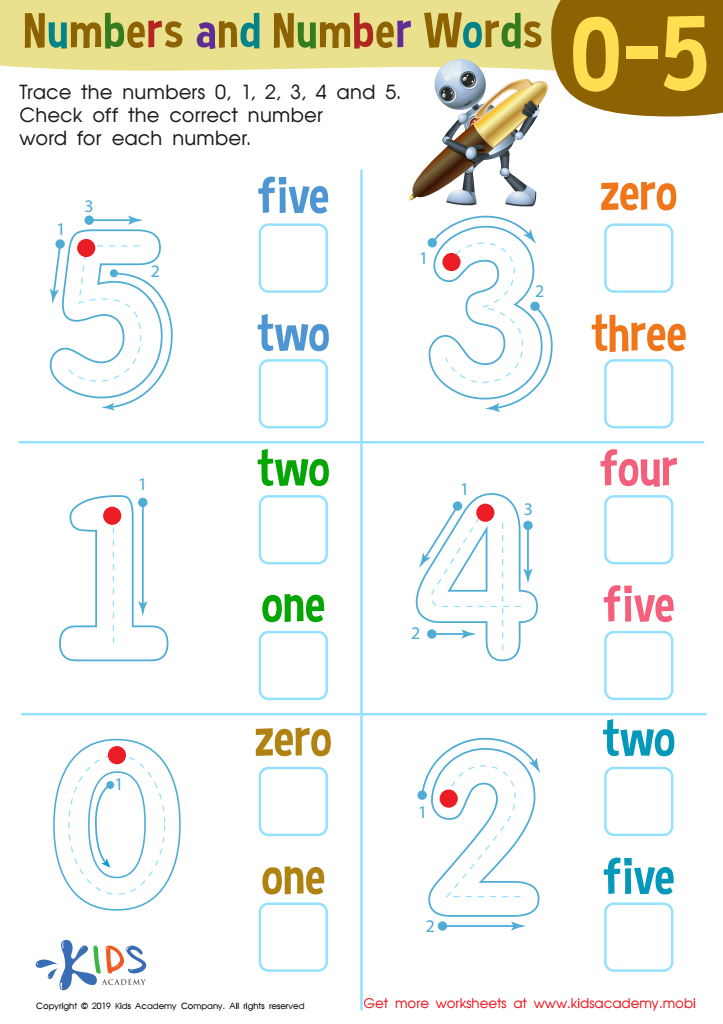
Numbers and Number Words Worksheet
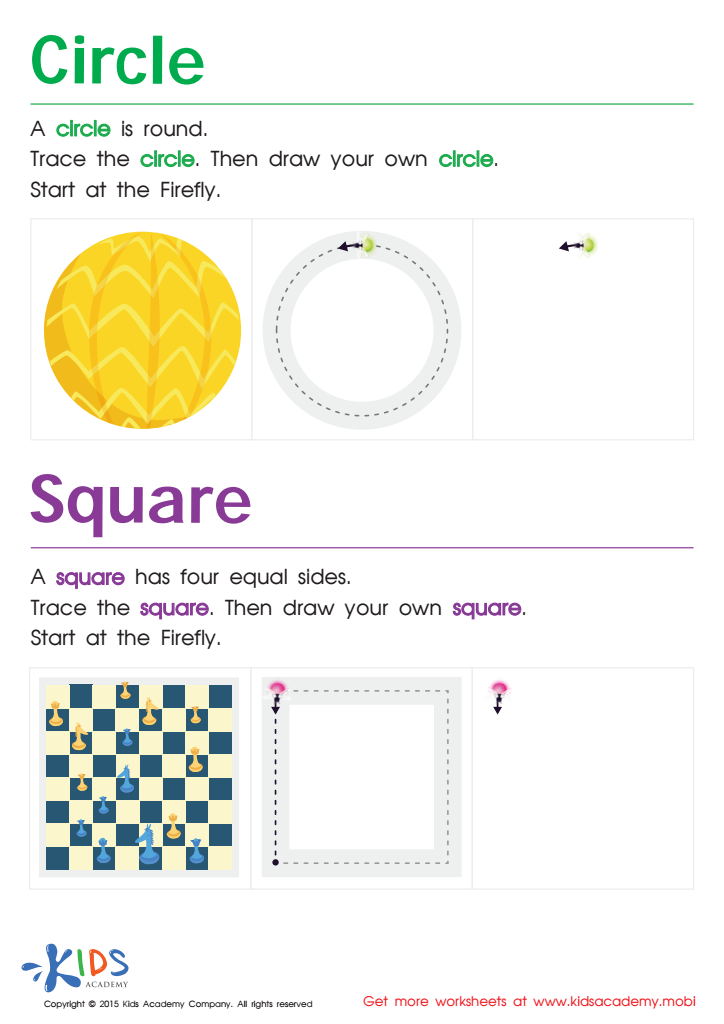
Trace And Draw a Circle And a Square Worksheet
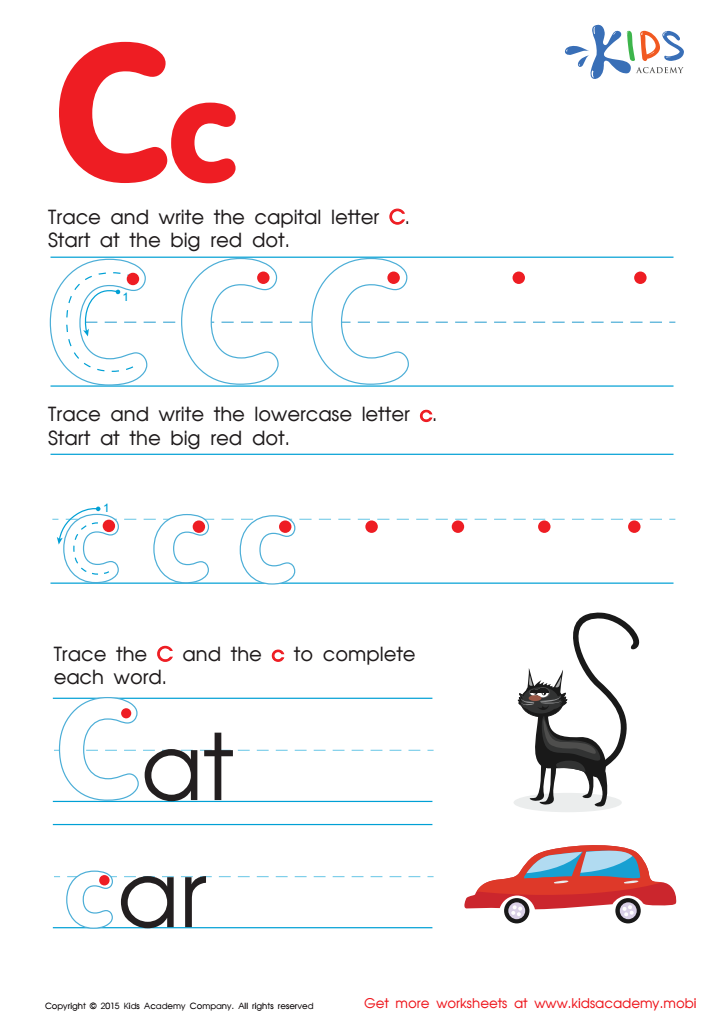
Letter C Tracing Page
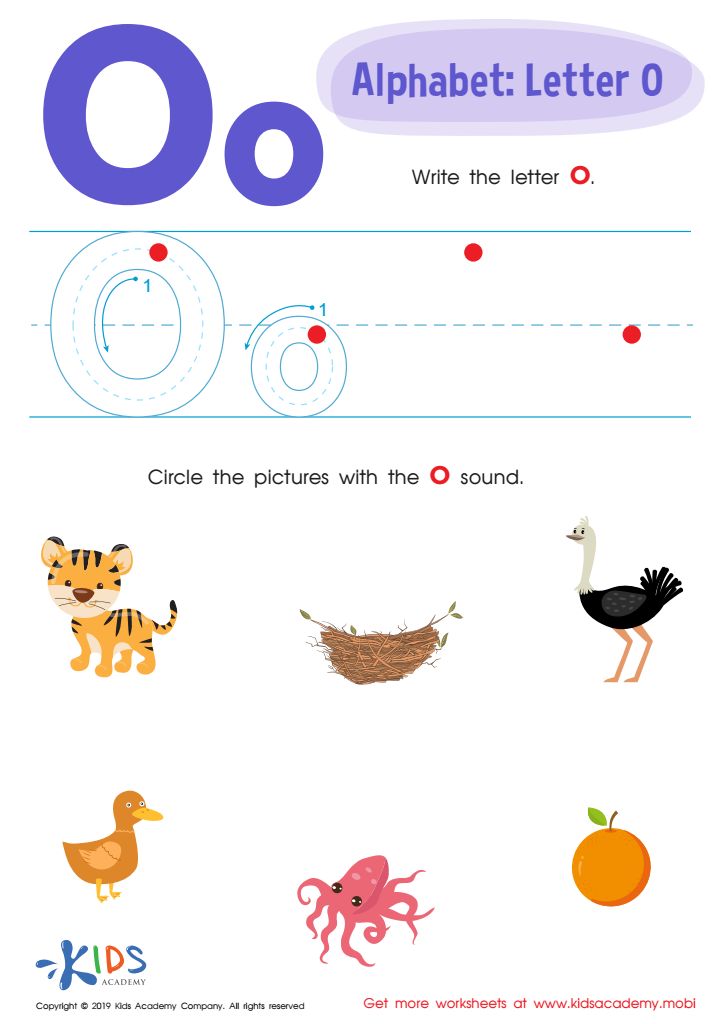
Letter O Tracing Worksheet
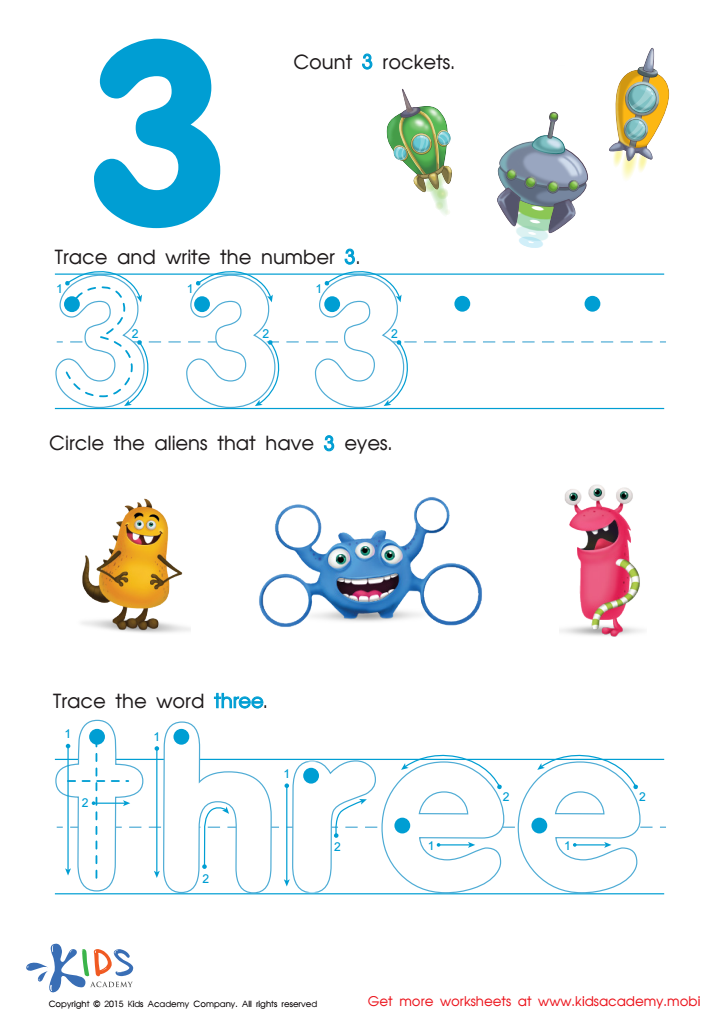
Learning Number Three Worksheet
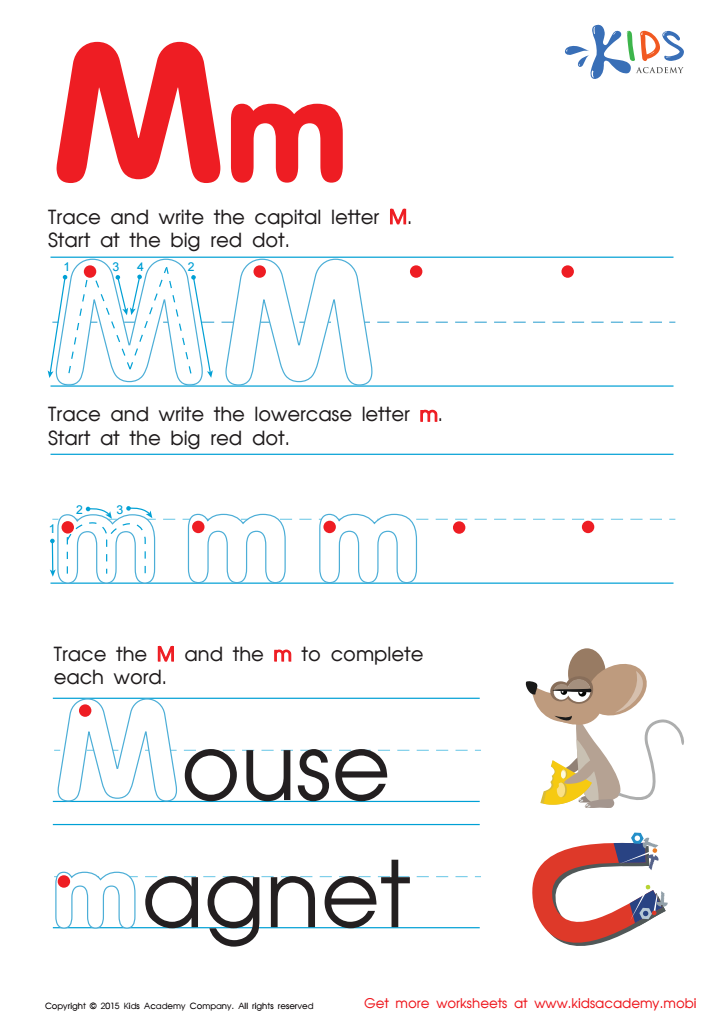
Letter M Tracing Page
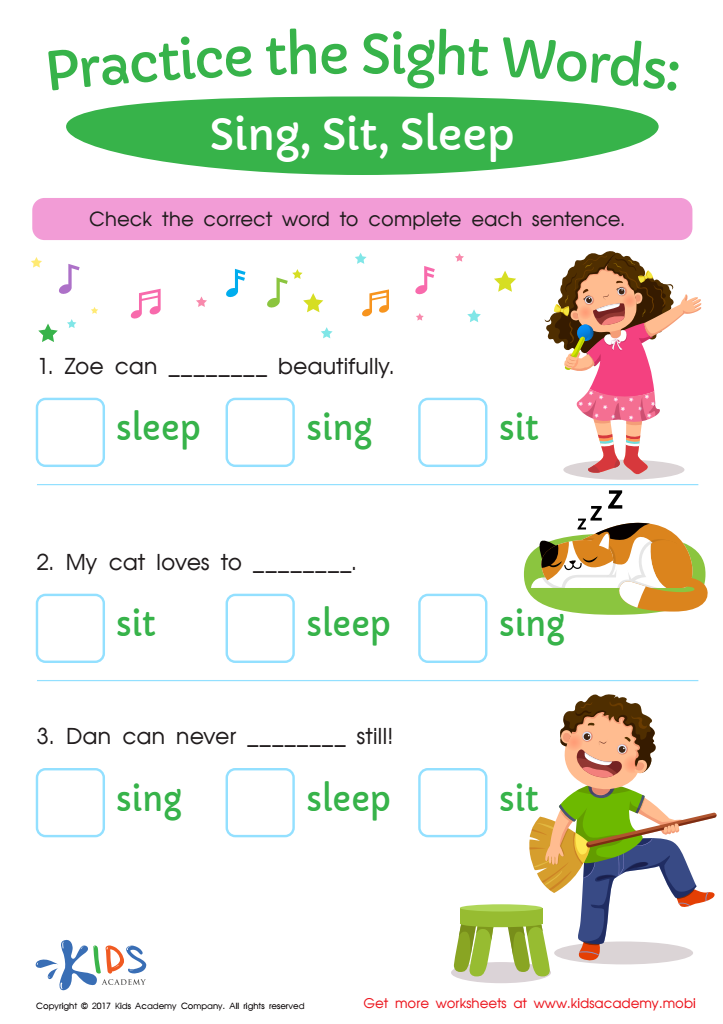
Sing, Sit, Sleep Sight Words Worksheet
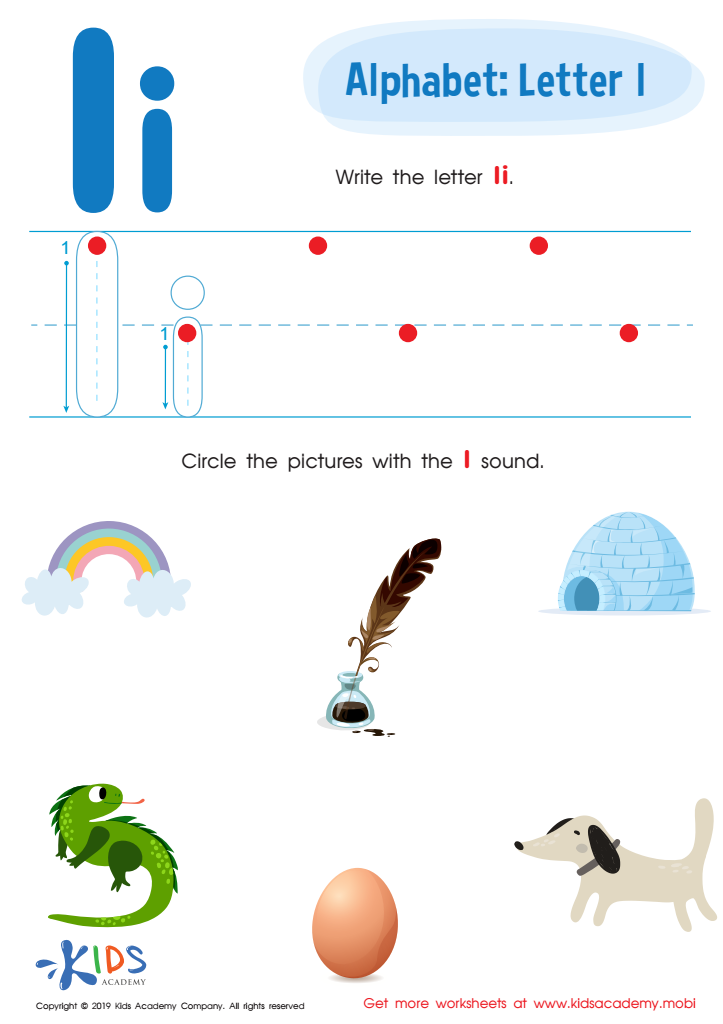
Letter I Tracing Worksheet
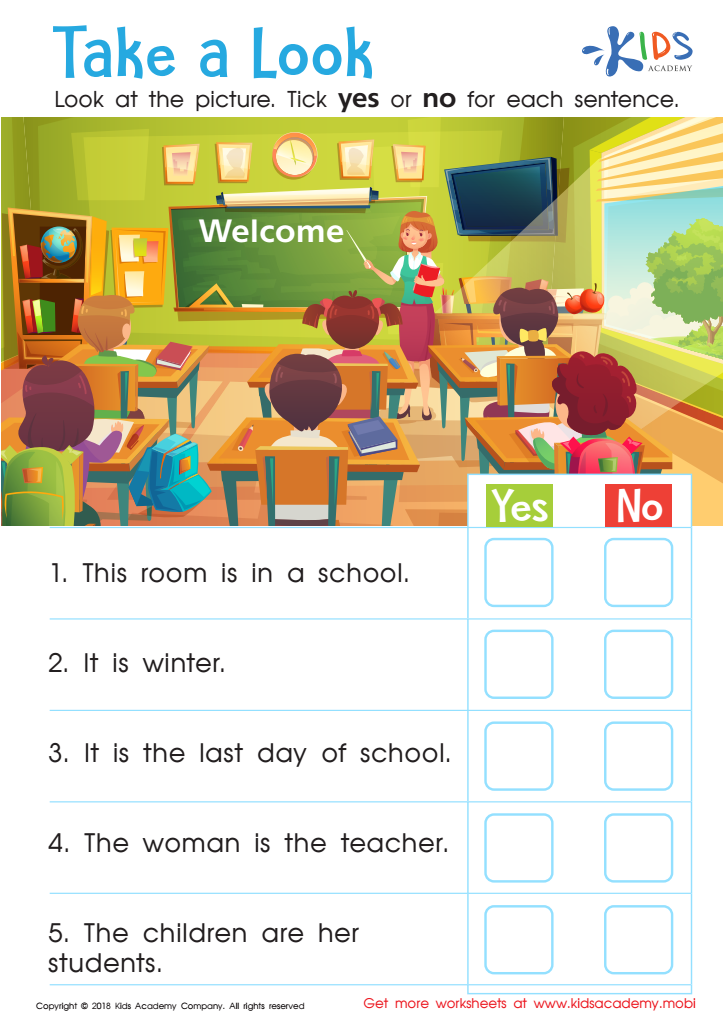
Take a Look - Part 2 Worksheet
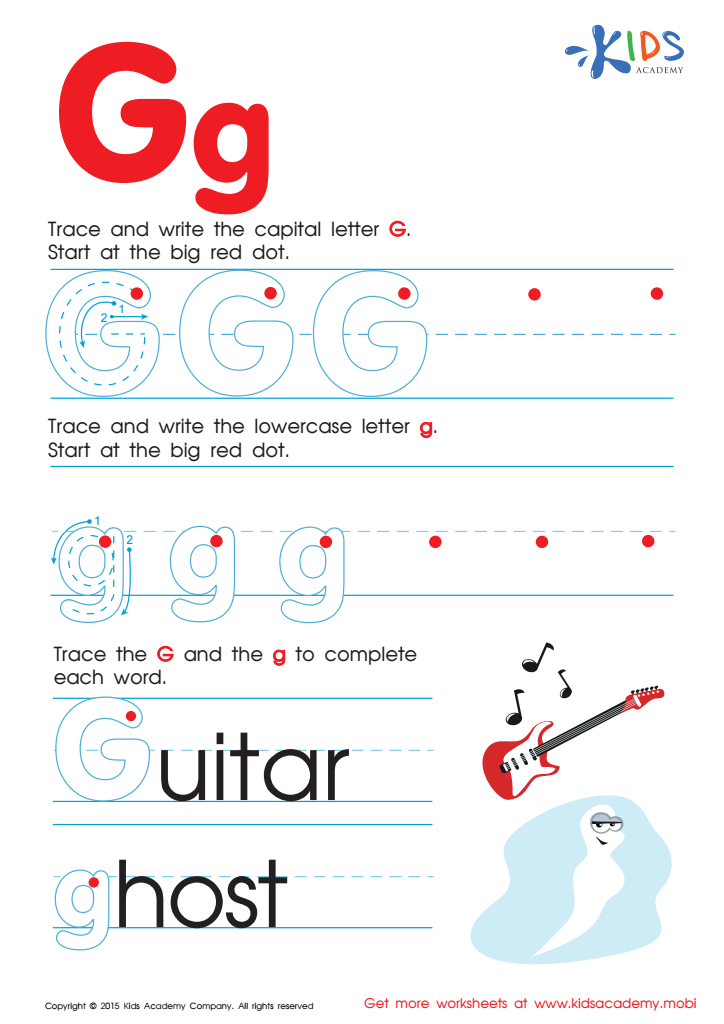
Letter G Tracing Page
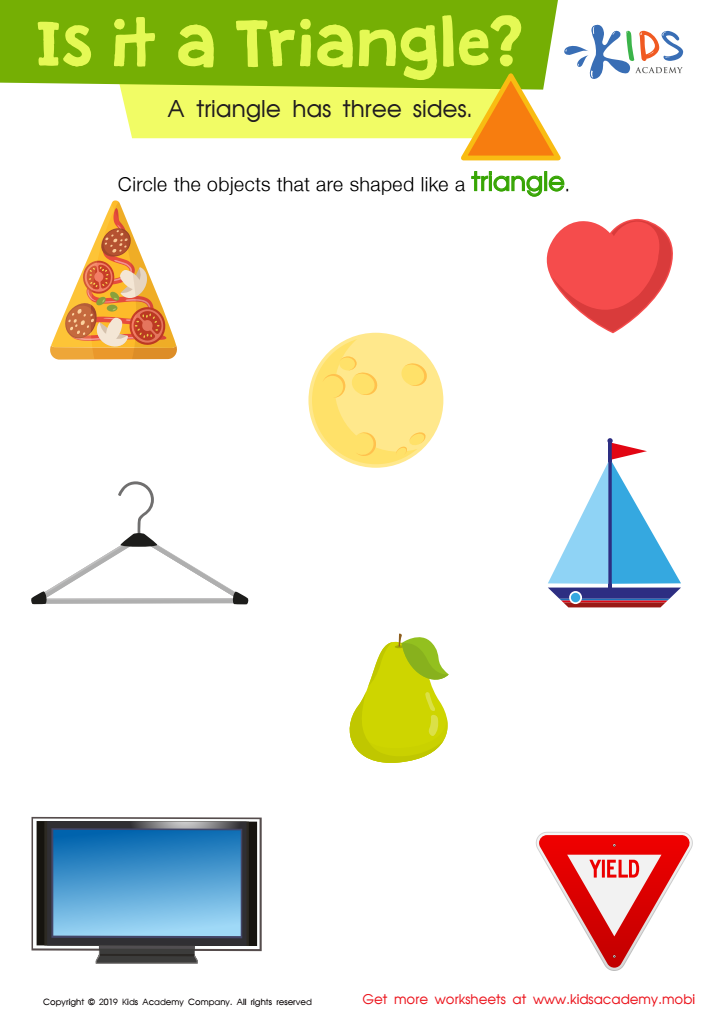
Is It a Triangle? Worksheet
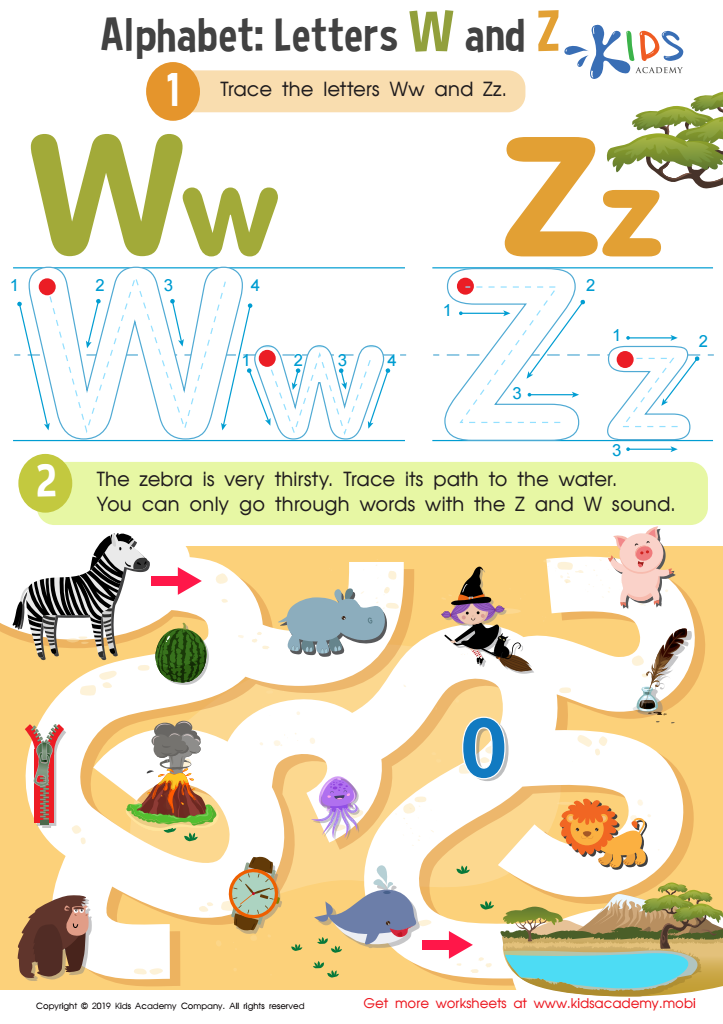
Letters W and Z Tracing Worksheet
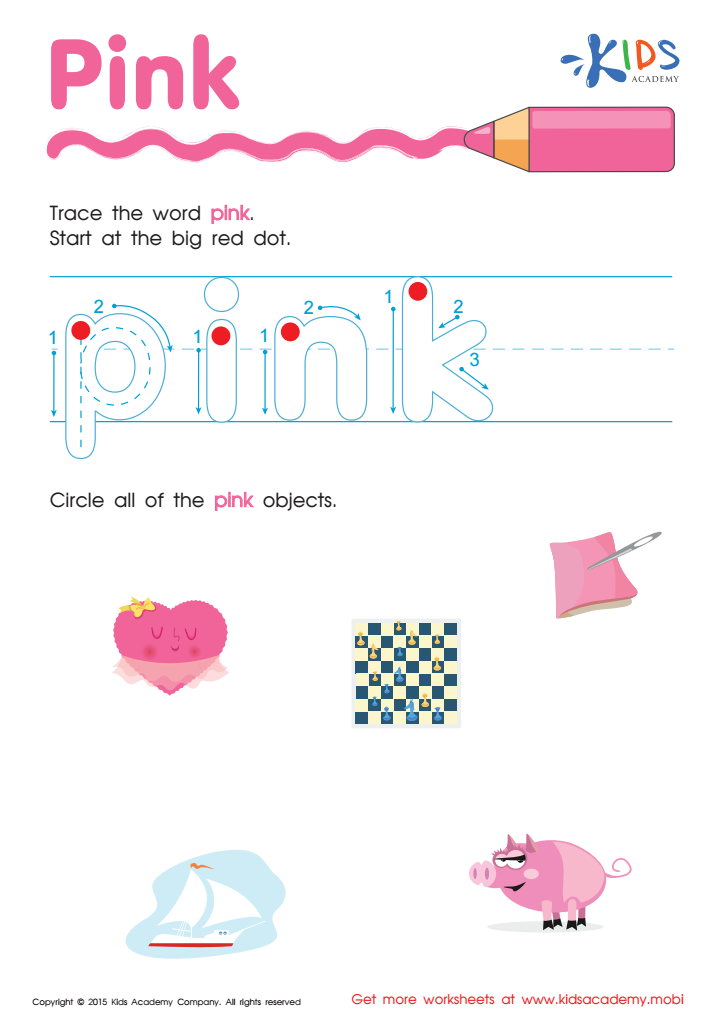
Pink Tracing Color Words Worksheet
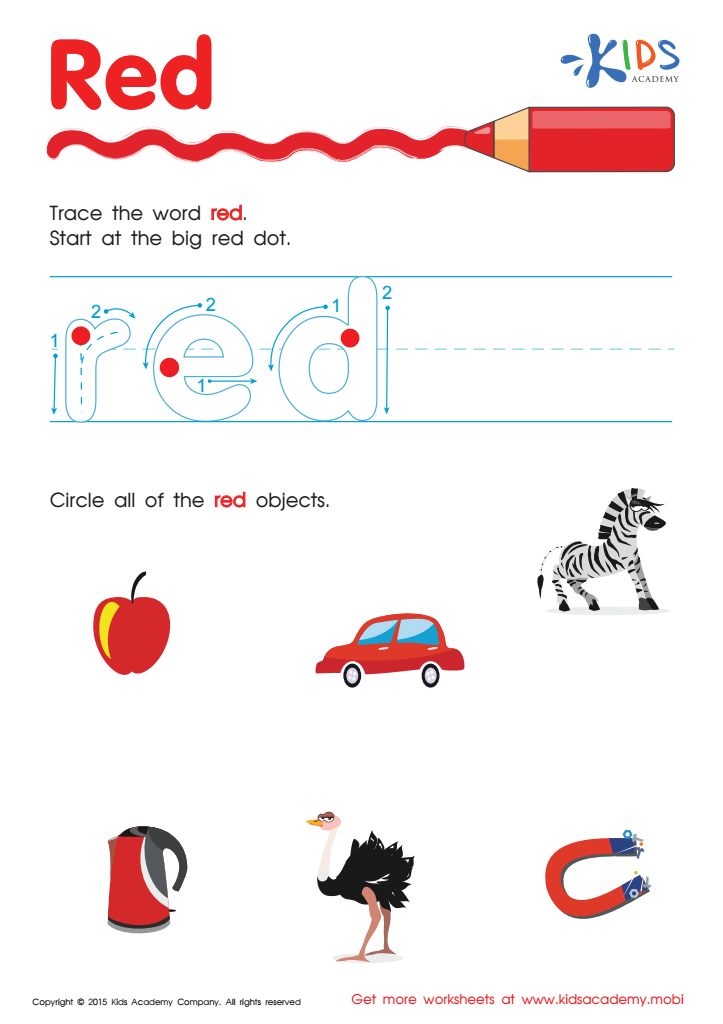
Red Tracing Color Words Printable
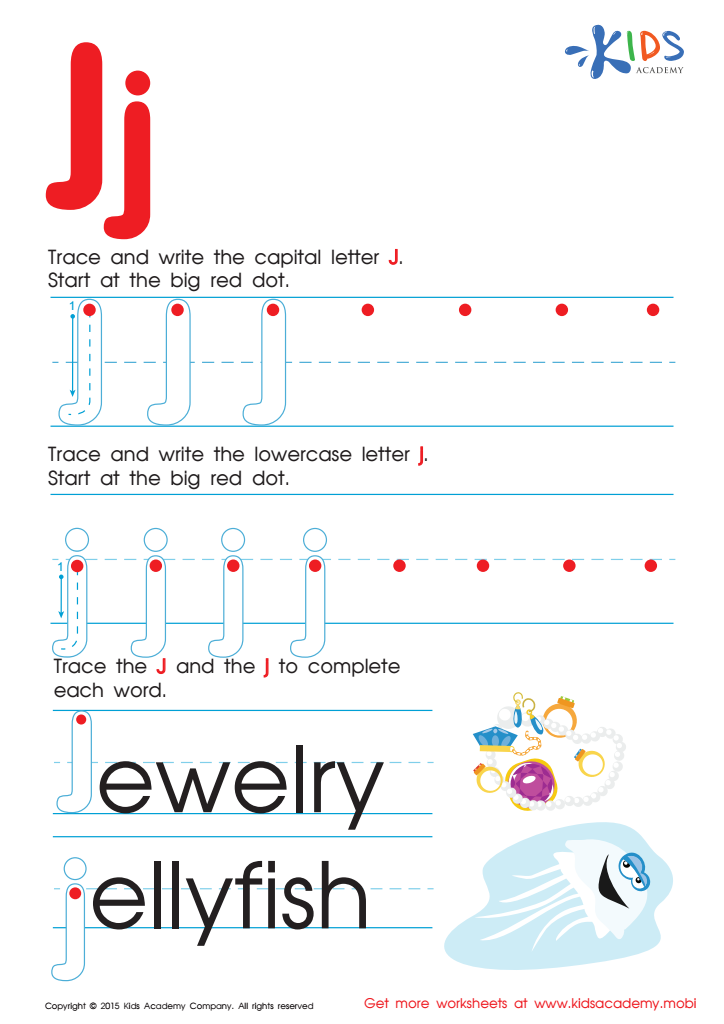
Letter J Tracing Page
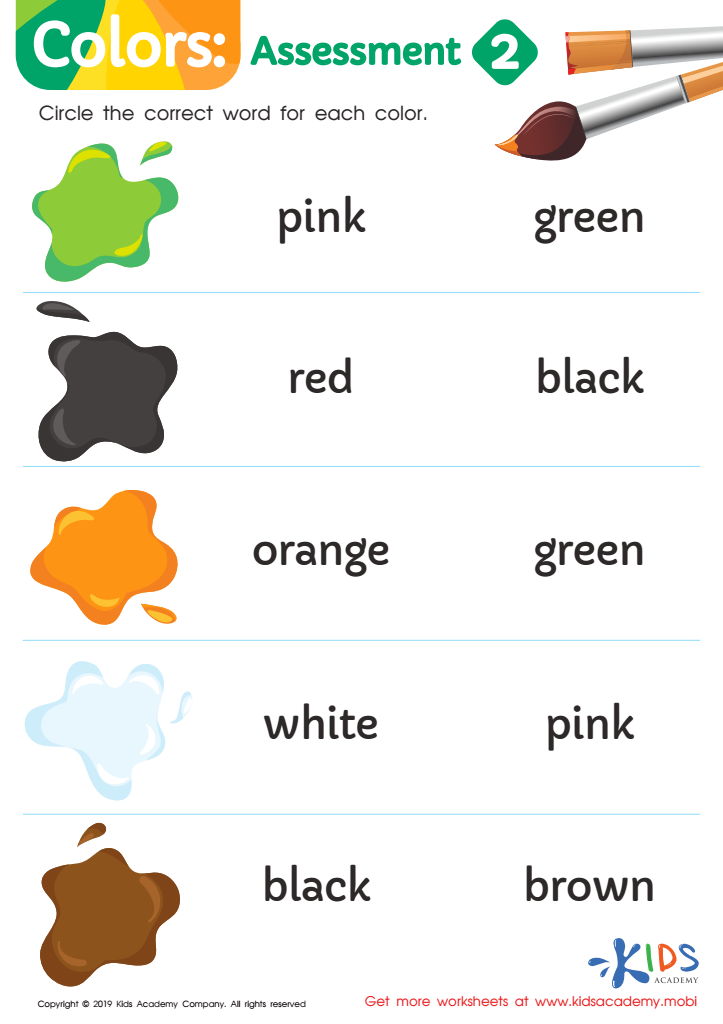
Colors: Assessment 2 Worksheet
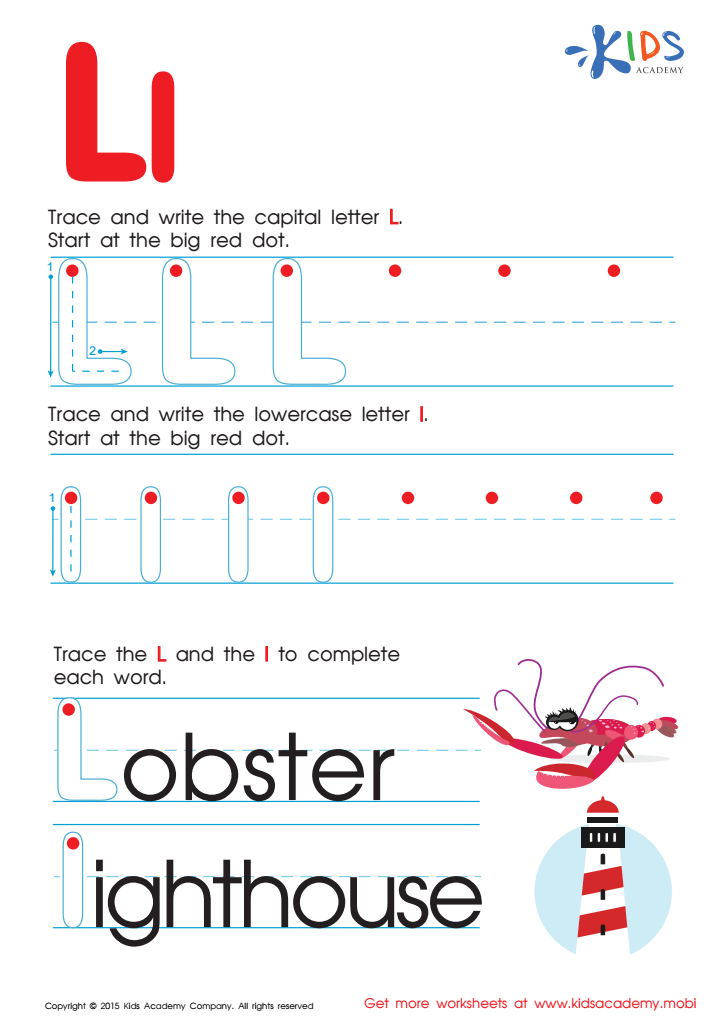
Letter L Tracing Page
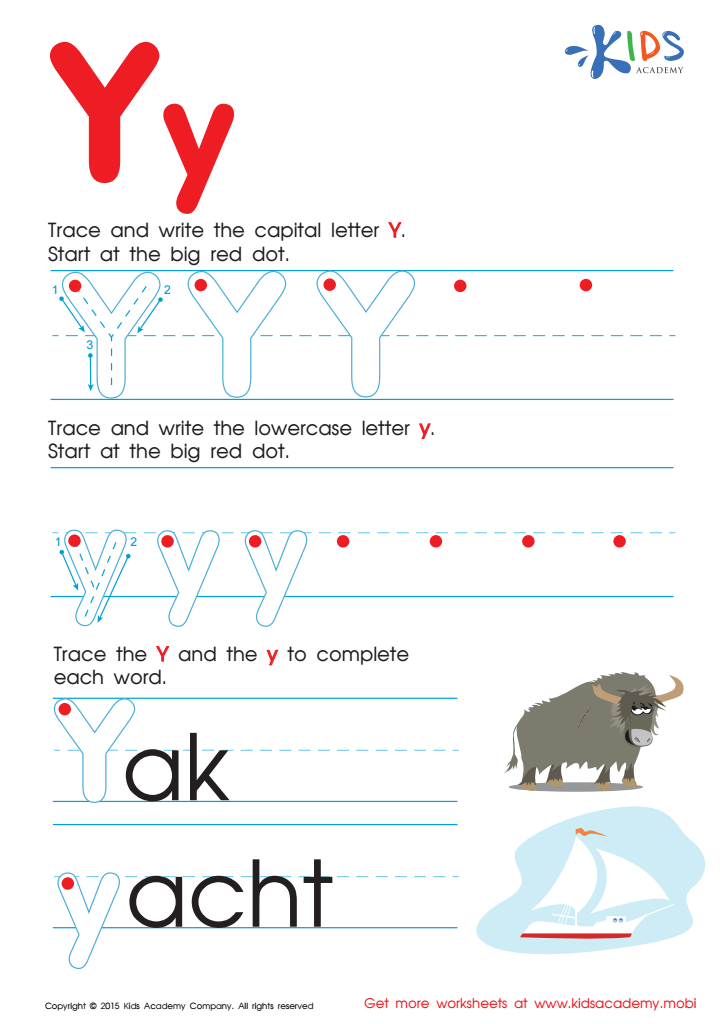
Letter Y Tracing Page





Parents and teachers should prioritize English language learning for beginners aged 5-7 for several compelling reasons. Firstly, this developmental stage is a critical period for language acquisition, as children are naturally inclined to absorb new languages quickly and effectively. By introducing English at this age, learners build a strong foundation that enhances their communication skills, both verbally and in writing, which is essential for academic success later on.
Secondly, proficiency in English opens doors to broader opportunities in the global landscape. As one of the most widely spoken languages, English provides children with access to an enormous wealth of information, culture, and education. This global connectivity is vital in an increasingly interconnected world where English often serves as a common medium.
Moreover, early engagement with the language fosters cognitive development. Learning English at a young age aids in problem-solving and critical thinking skills. It encourages creativity, as children express themselves in a new language, broadening their horizons.
Finally, instilling a love for English can cultivate confidence and social skills, empowering children to interact with diverse peers and appreciate different cultures. In essence, strong English skills early on lay the foundation for a lifetime of opportunities, learning, and connection.