Time Worksheets for Ages 5-7 - Page 2
25 filtered results
-
From - To
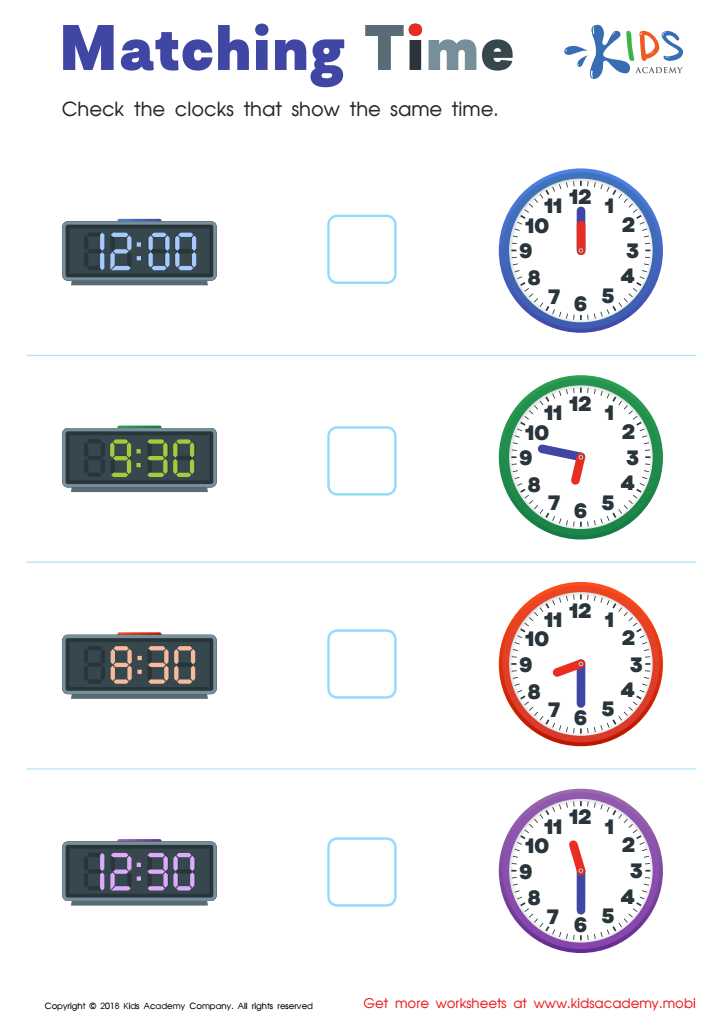
Matching Time Worksheet
 Assign to My Students



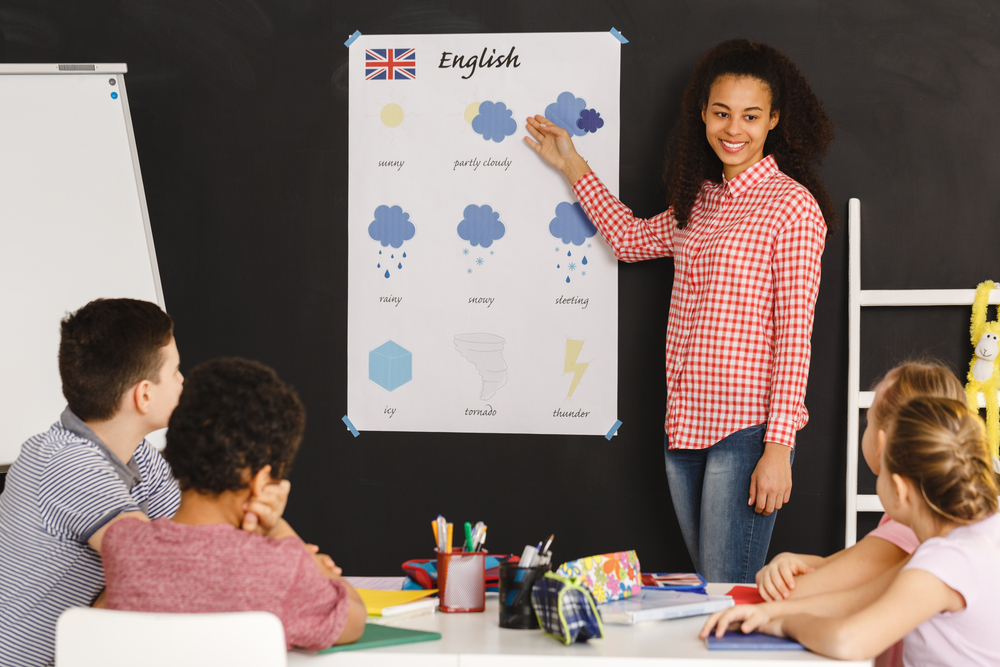




Time is a fundamental concept that greatly impacts a child's development, especially between ages 5 and 7. During this critical stage, children begin to grasp the importance of routines and schedules, which helps them feel secure and organized. Understanding time aids in cognitive development, enhancing reasoning and problem-solving skills as they learn to manage different activities throughout the day.
Moreover, teaching children about time fosters their ability to plan and prioritize, essential skills for their academic journey and everyday life. By recognizing time frames, such as hour and half-hour increments, children can better navigate daily schedules and understand the sequence of events.
Socially, learning about time also encourages punctuality and responsibility, which are vital attributes in school settings and future interactions. When parents or teachers engage with children about time—using clocks, timelines, and calendars—they integrate real-life applications that make the lesson relevant and relatable.
Finally, an awareness of time nurtures independence. Children learn to manage their time, whether preparing for school, finishing homework, or playing with friends, setting them up for success as they grow. By valuing the concept of time, parents and teachers equip children with skills necessary for lifelong learning and personal responsibility.








