Worksheets for Ages 5-8 - Page 2
2848 filtered results
-
From - To
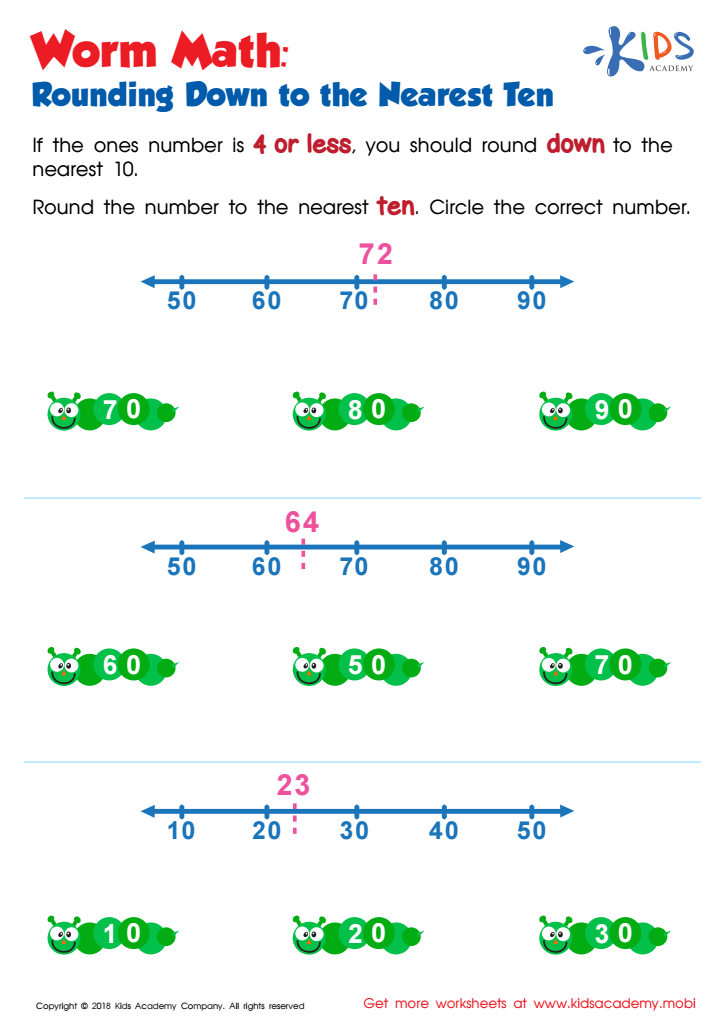
Worm Math Rounding Down to the Nearest Ten Worksheet
 Assign to My Students
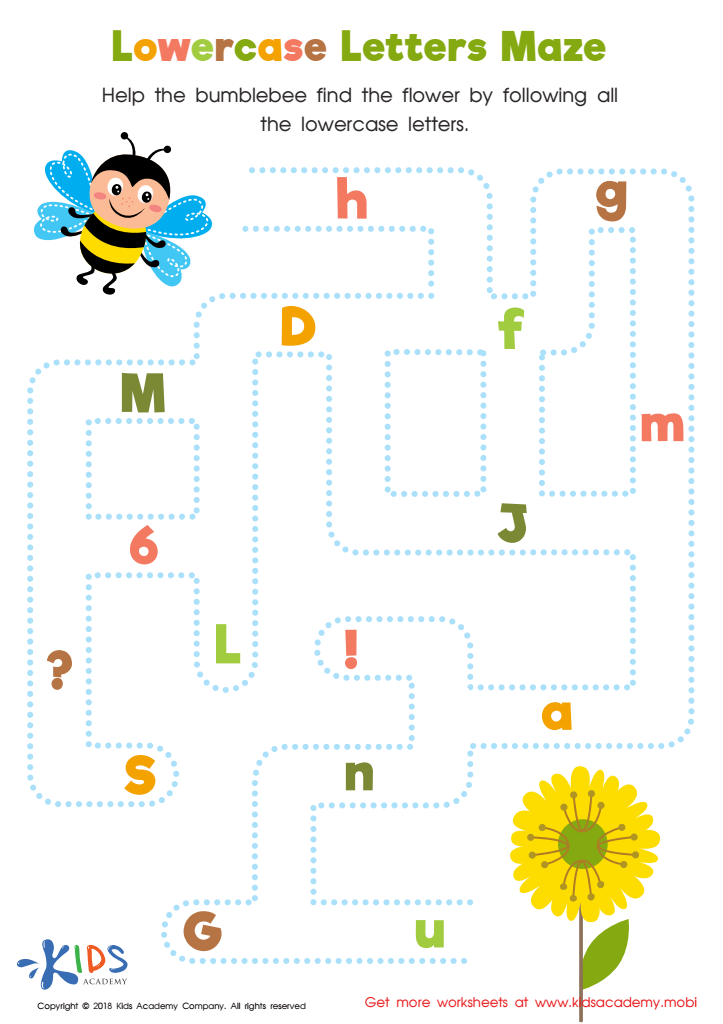
Lowercase Letters Maze Worksheet
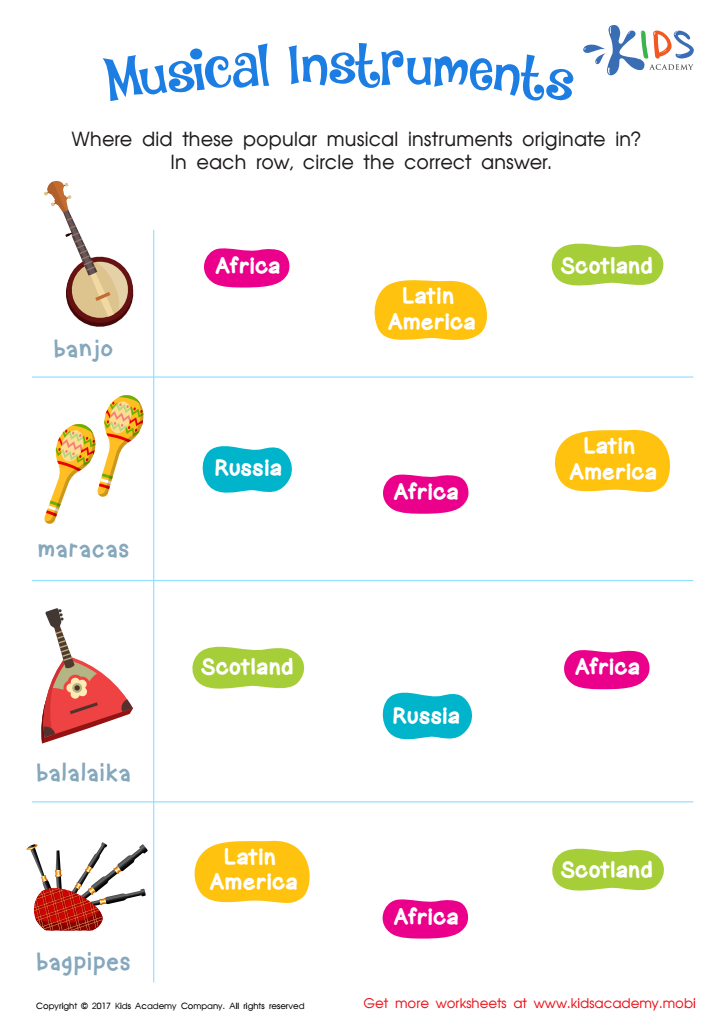
Musical Instruments Printable
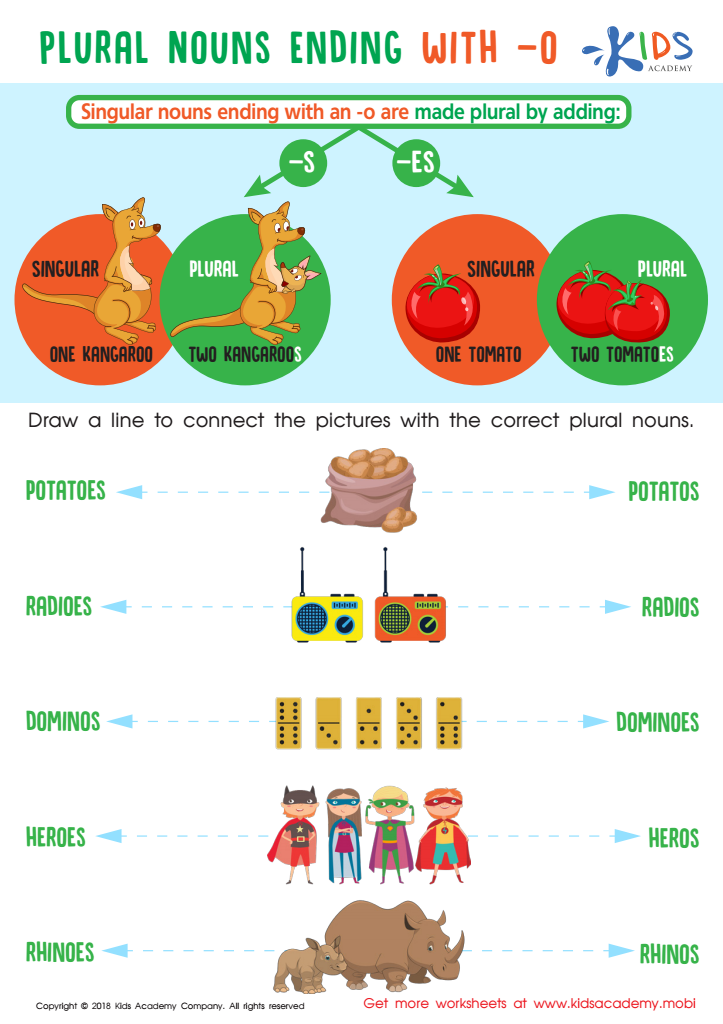
Plural Nouns Ending with -o Worksheet
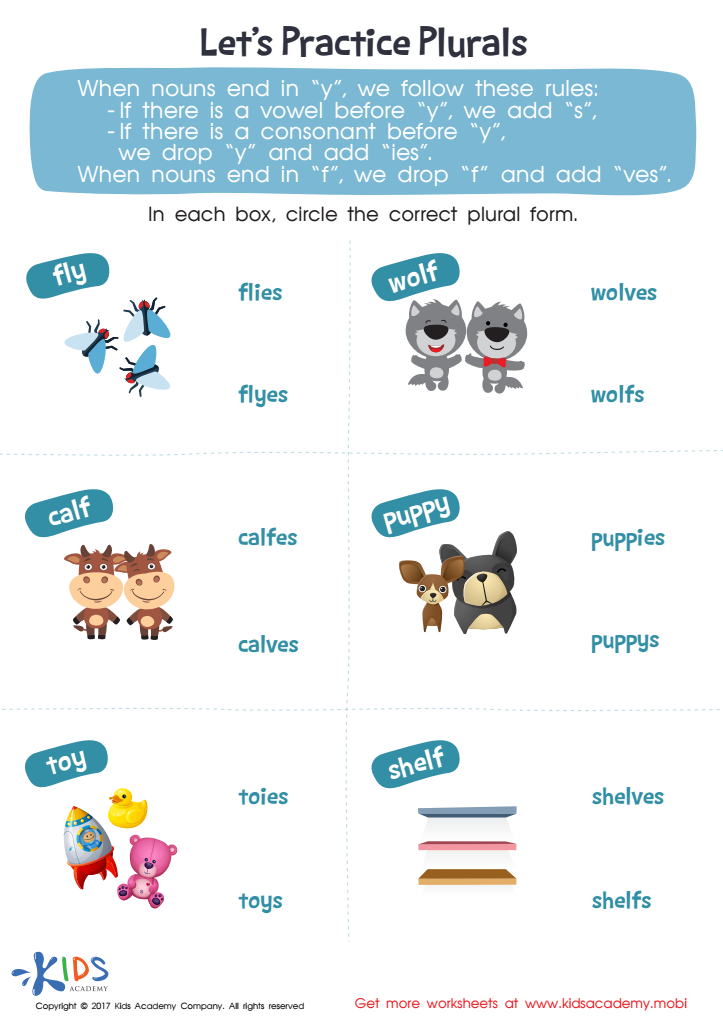
Let's Practice Plurals Word Structure Worksheet
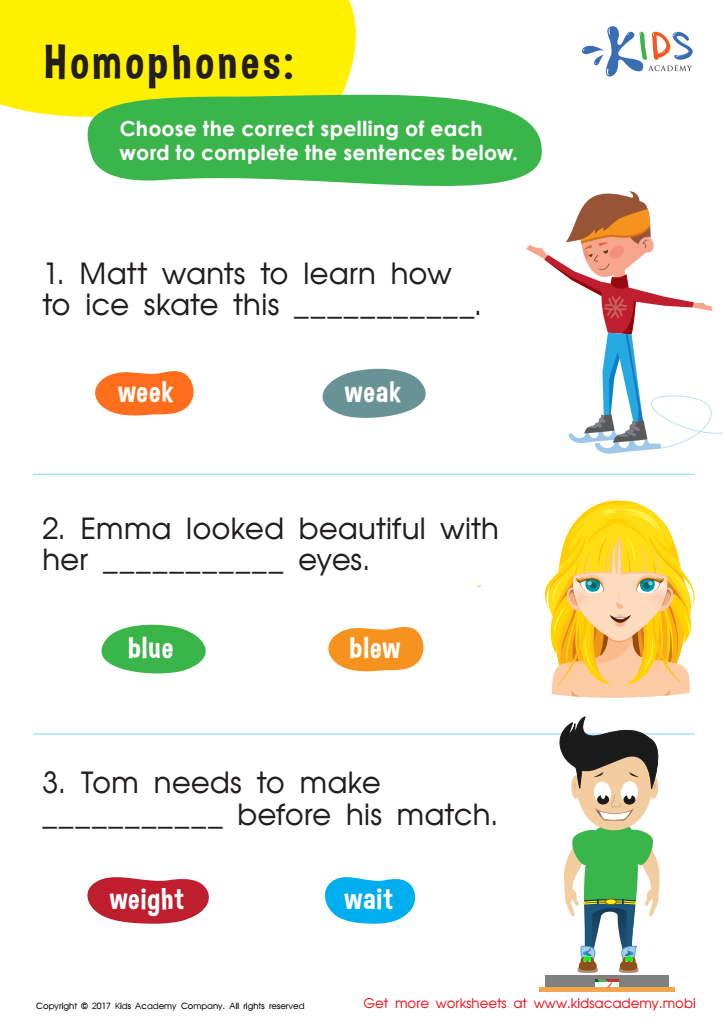
Homophones Ate/Eight Spelling Worksheet
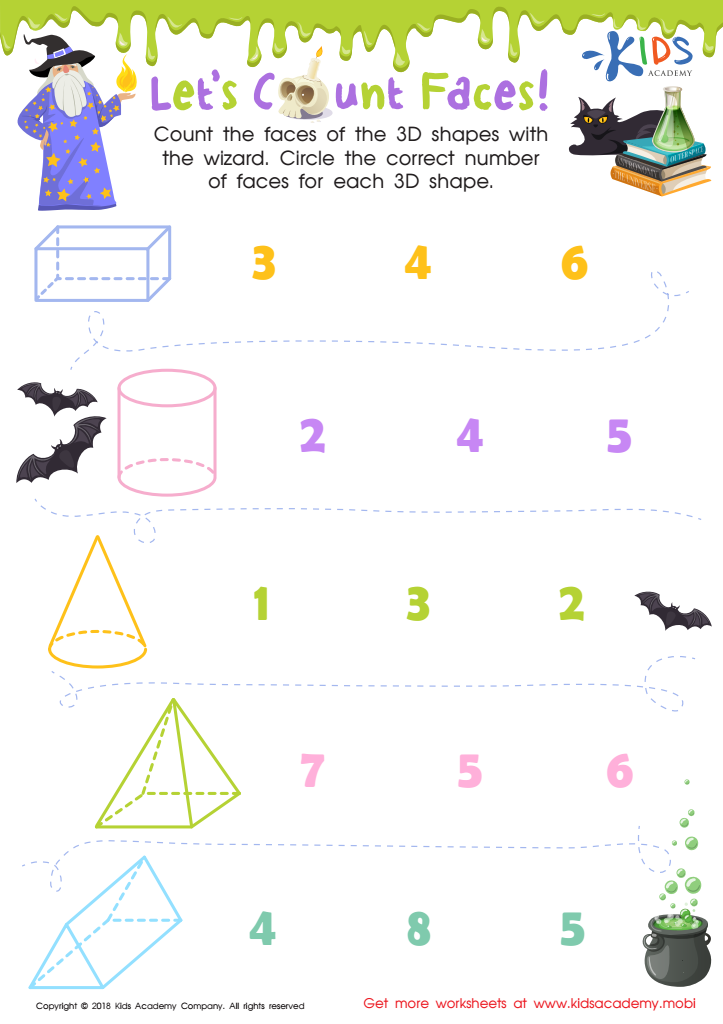
Let's Count Faces! Worksheet
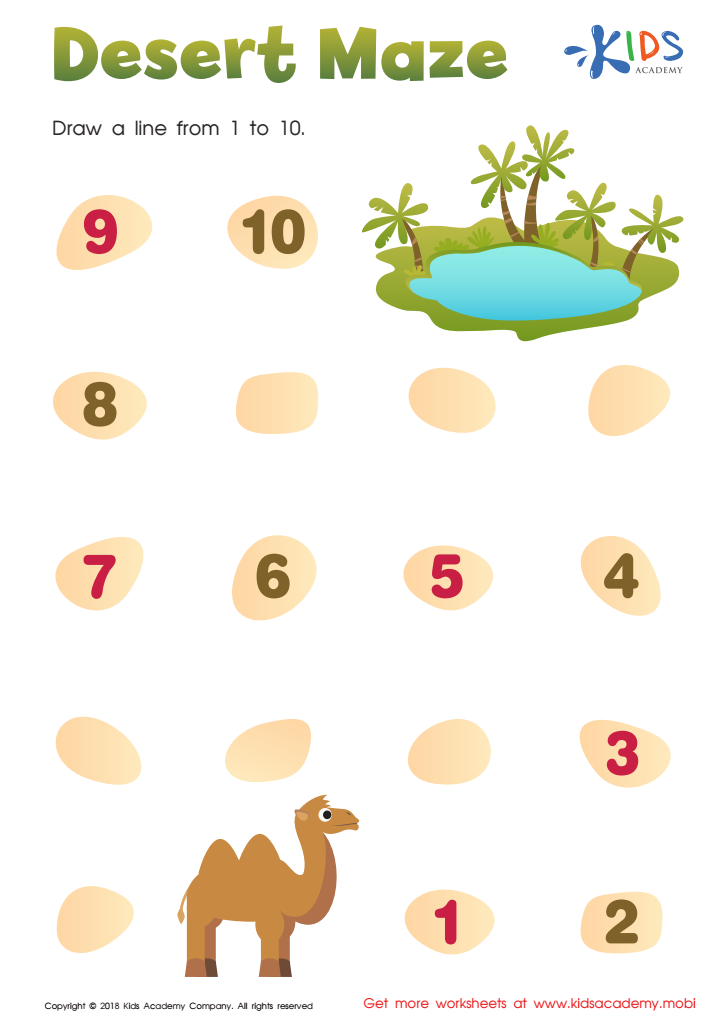
Desert Maze Worksheet
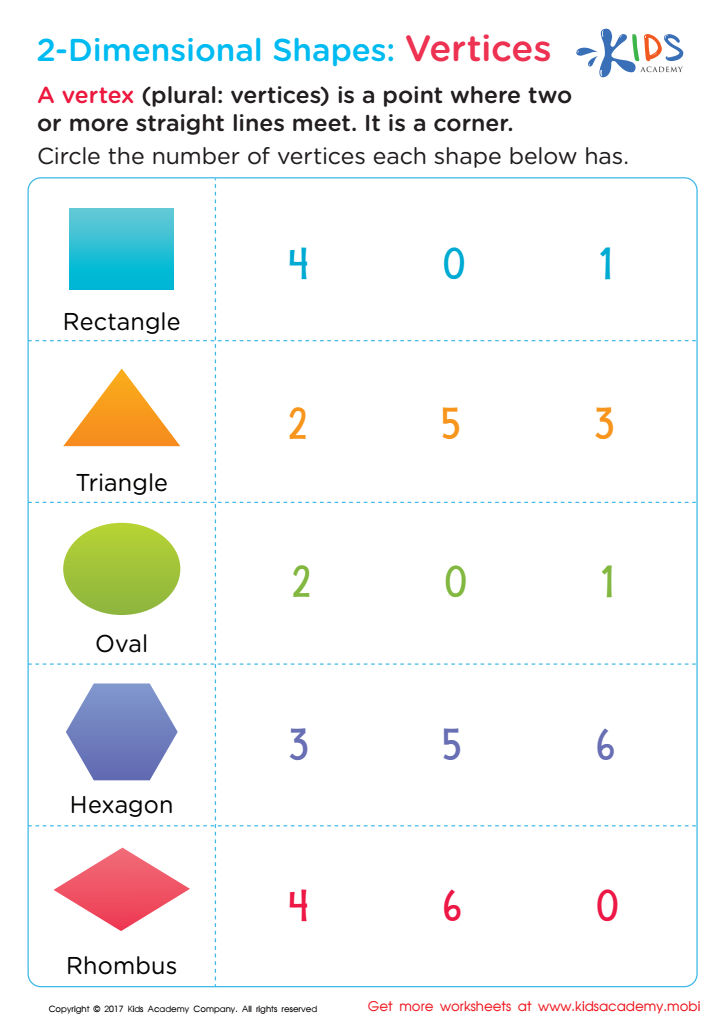
Two–Dimensional Shapes: Vertices Printable
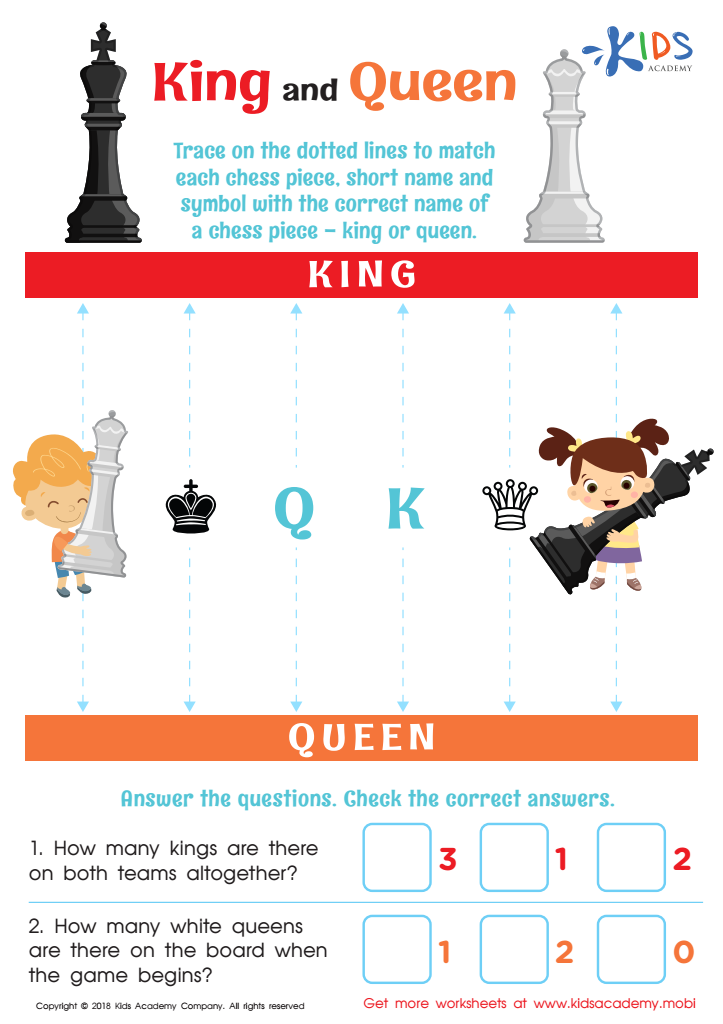
King and Queen Worksheet
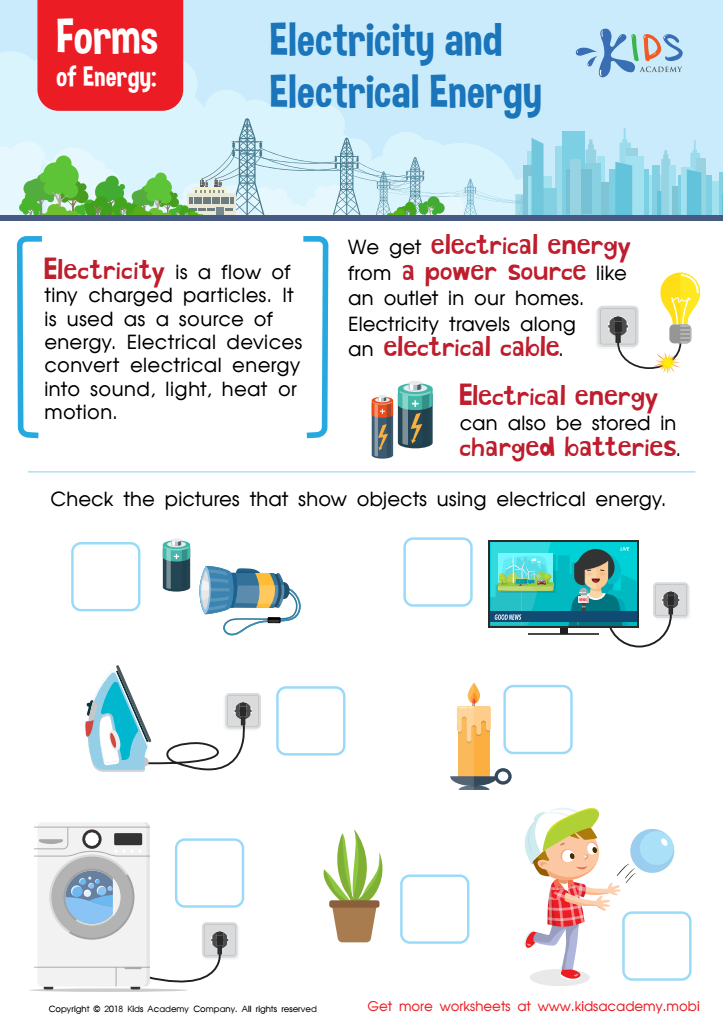
Forms of Energy Worksheet
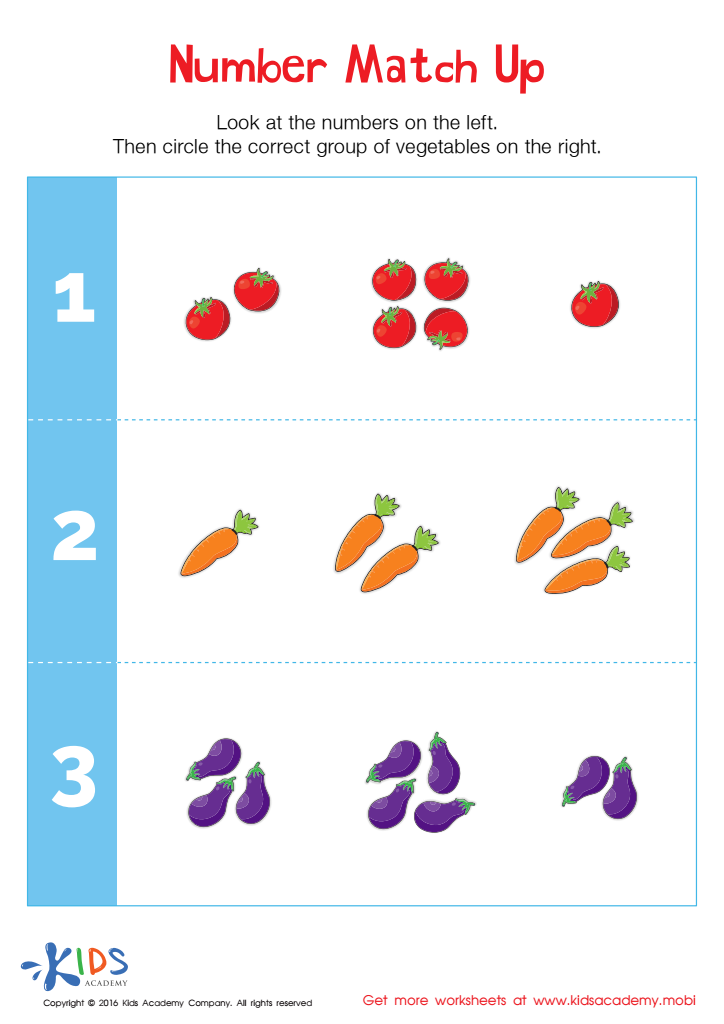
Number Match Up Worksheet
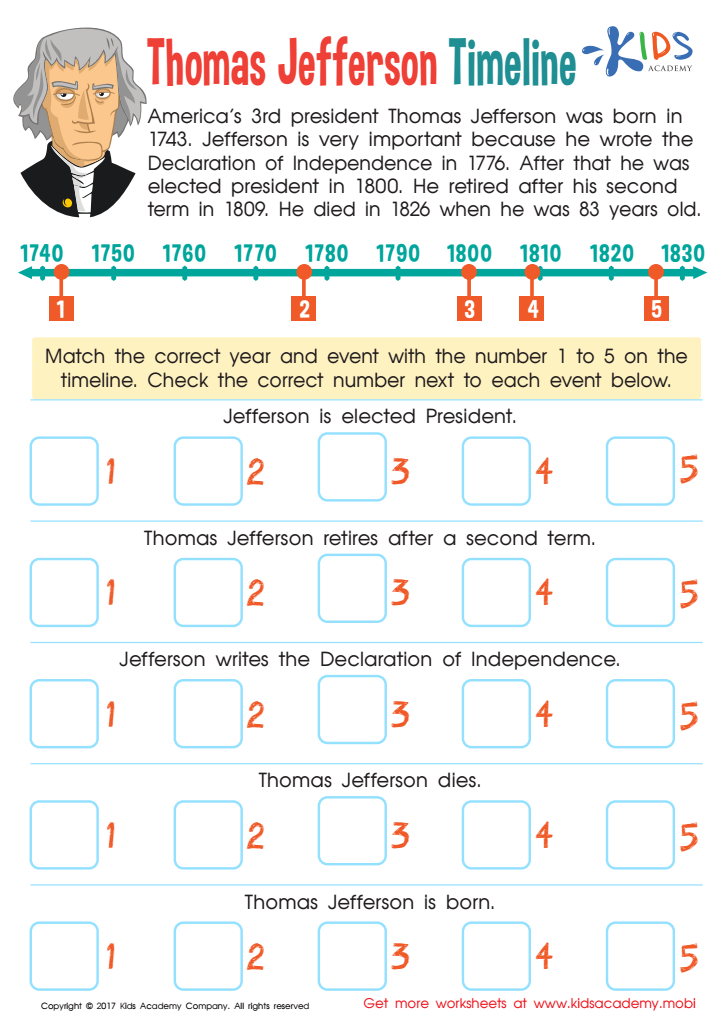
Thomas Jefferson Timeline Worksheet
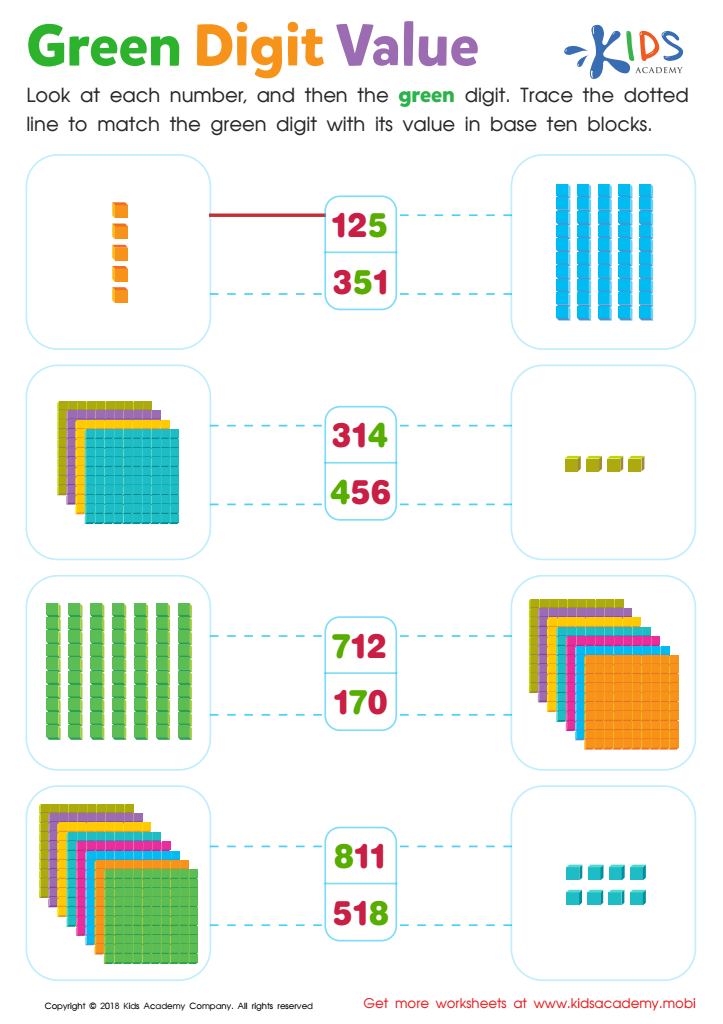
Green Digit Value Worksheet
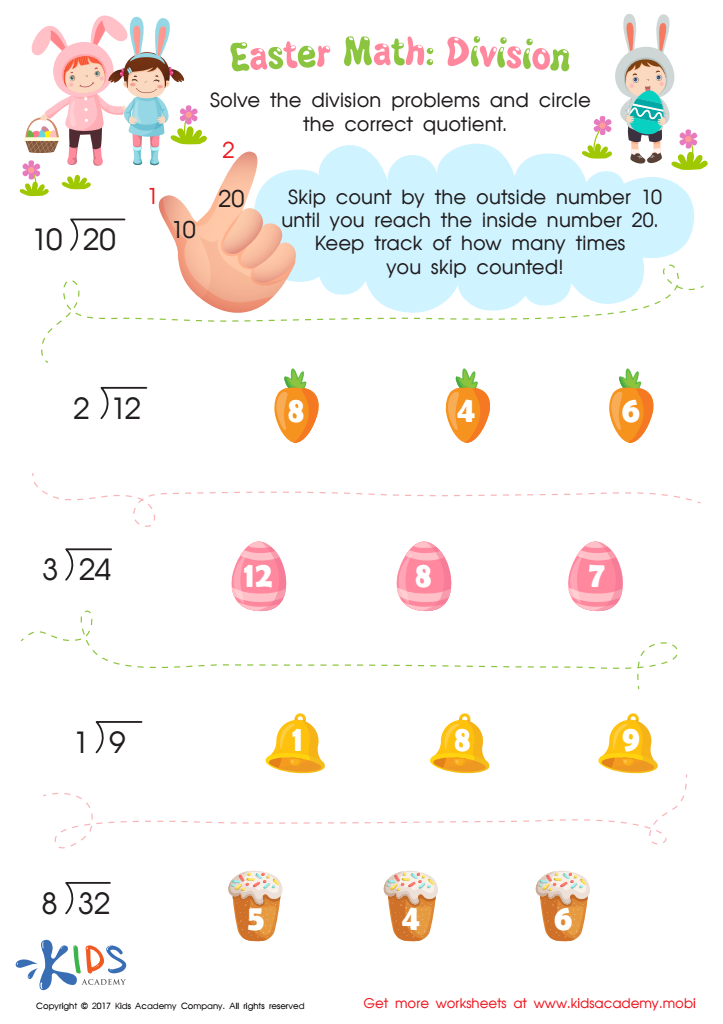
Division Worksheet
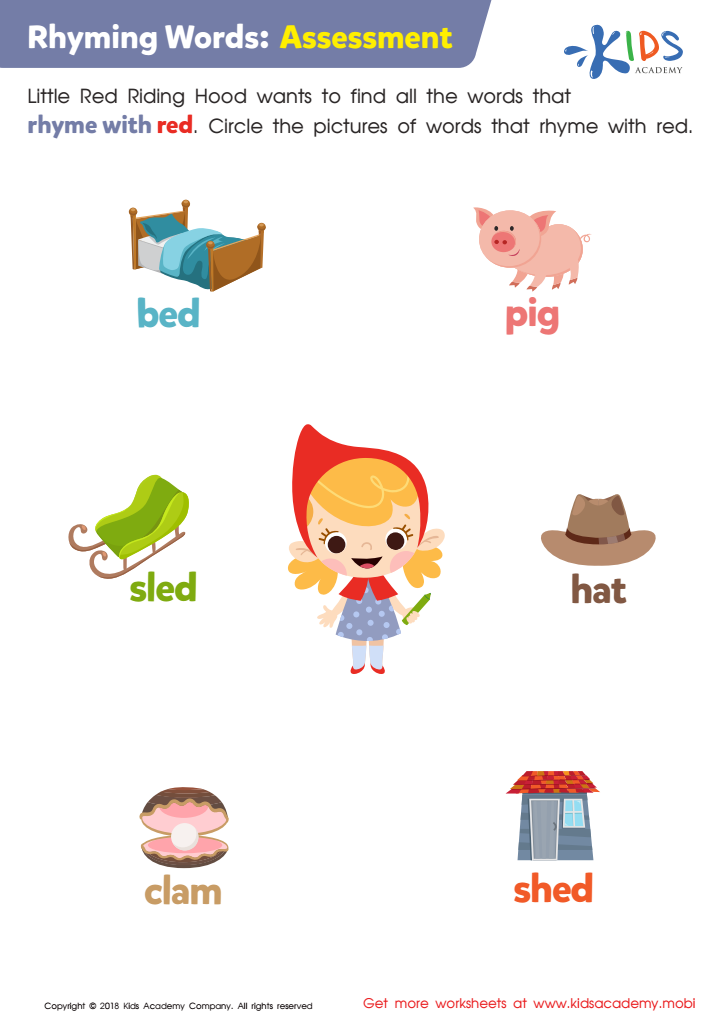
Rhyming Words: Assessment Worksheet
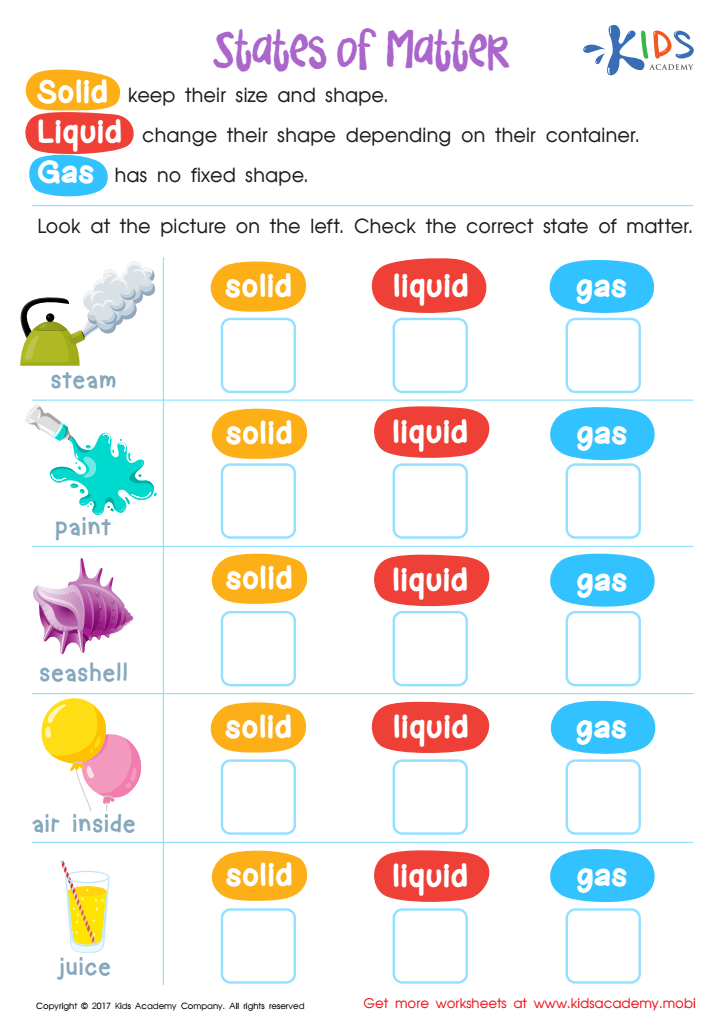
Physical Science: States of Matter Worksheet
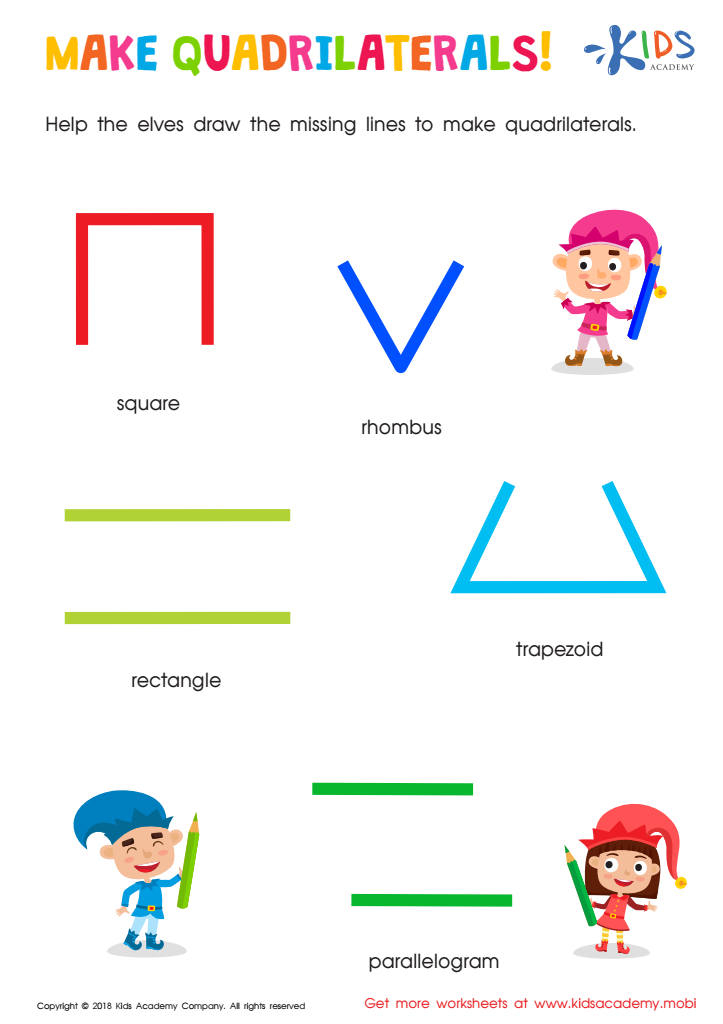
Make Quadrilaterals Worksheet
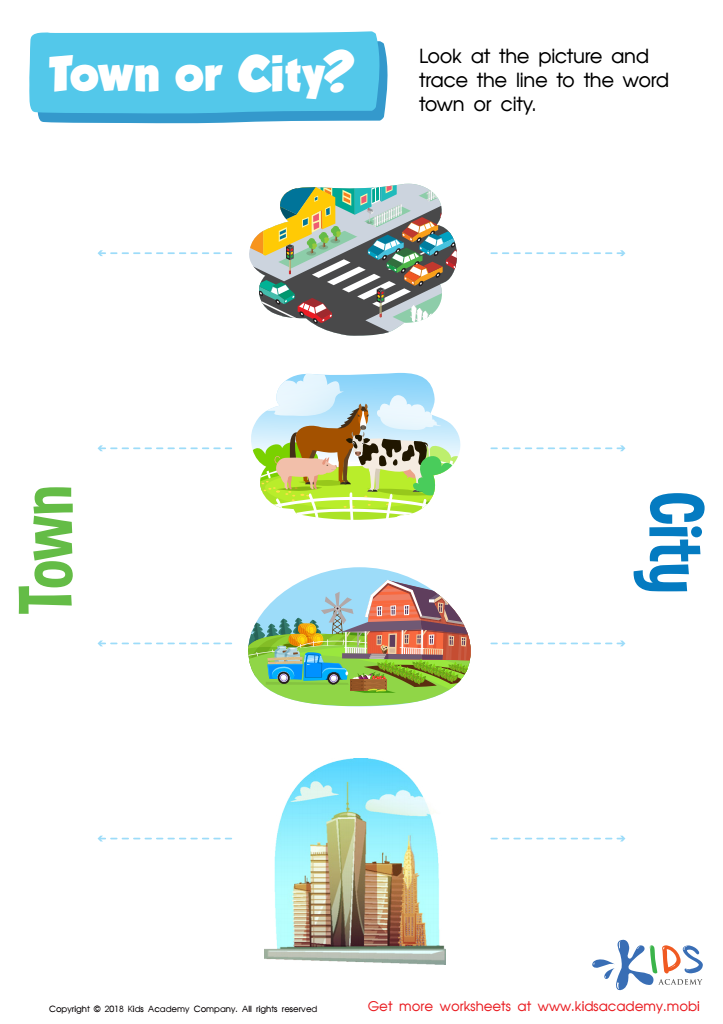
Town or City? Worksheet
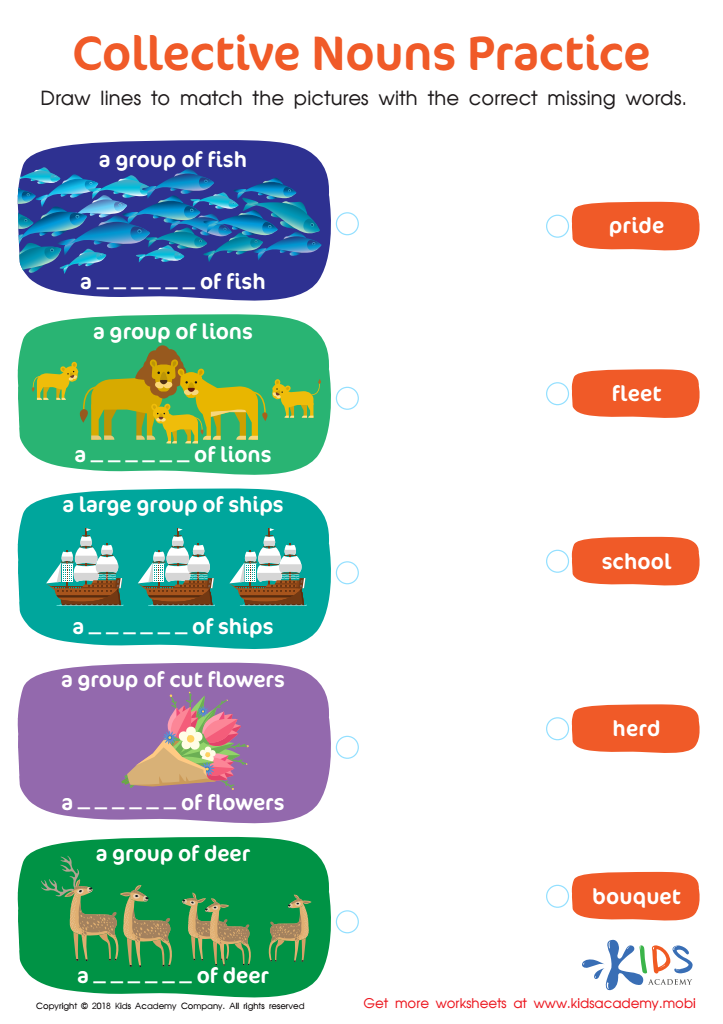
Collective Nouns Practice Worksheet
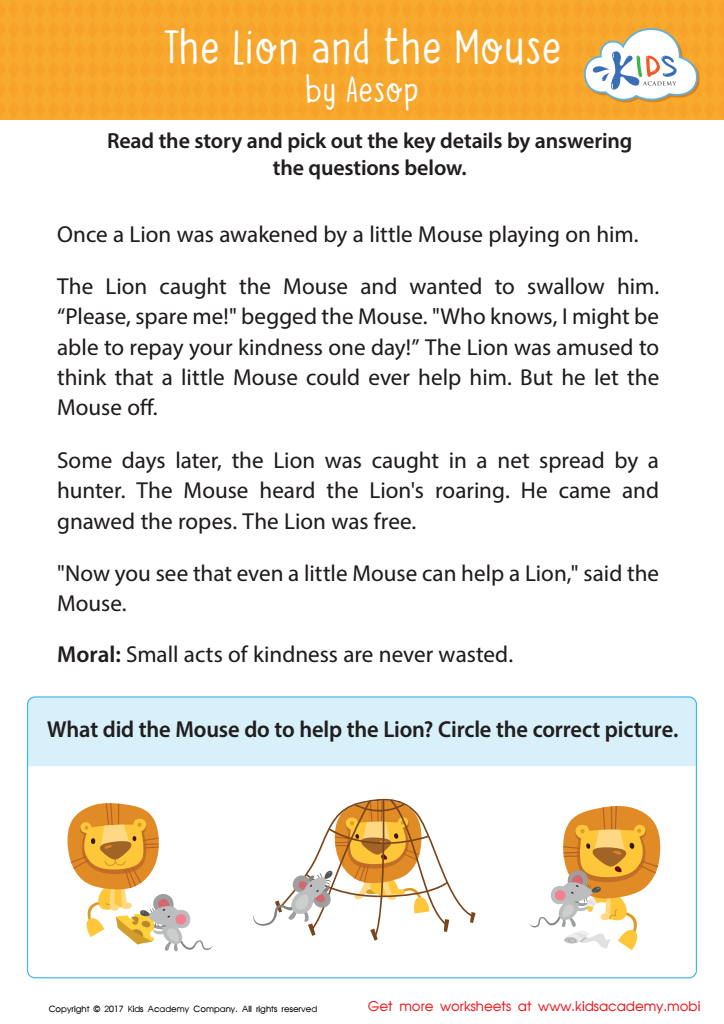
The Lion and The Mouse Sequencing Worksheet
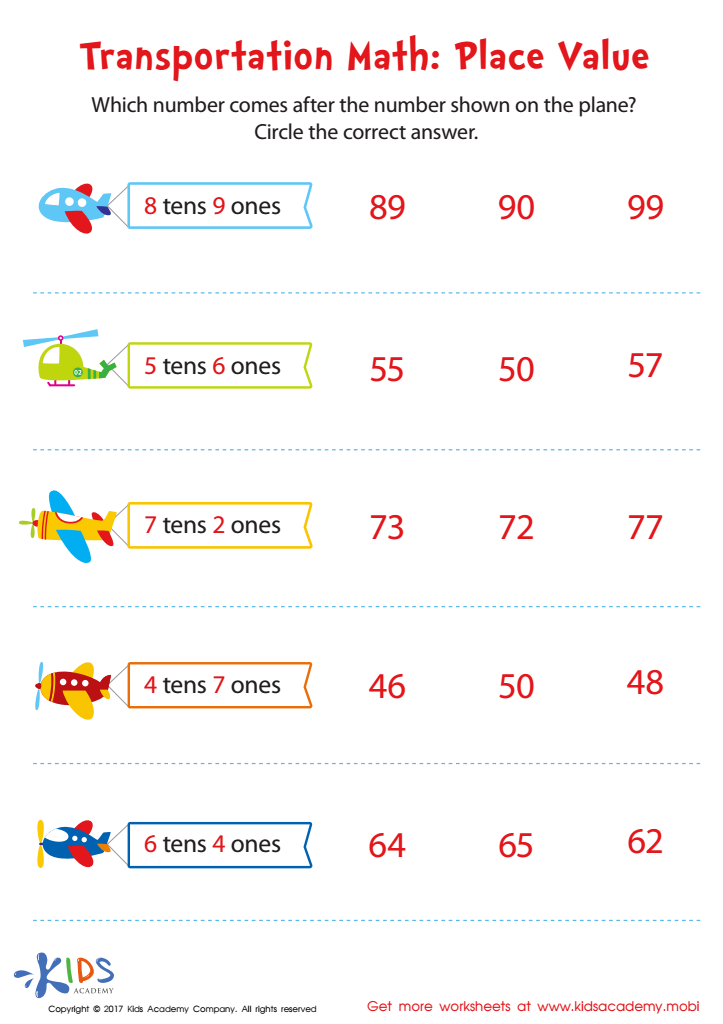
Transportation Math Printable
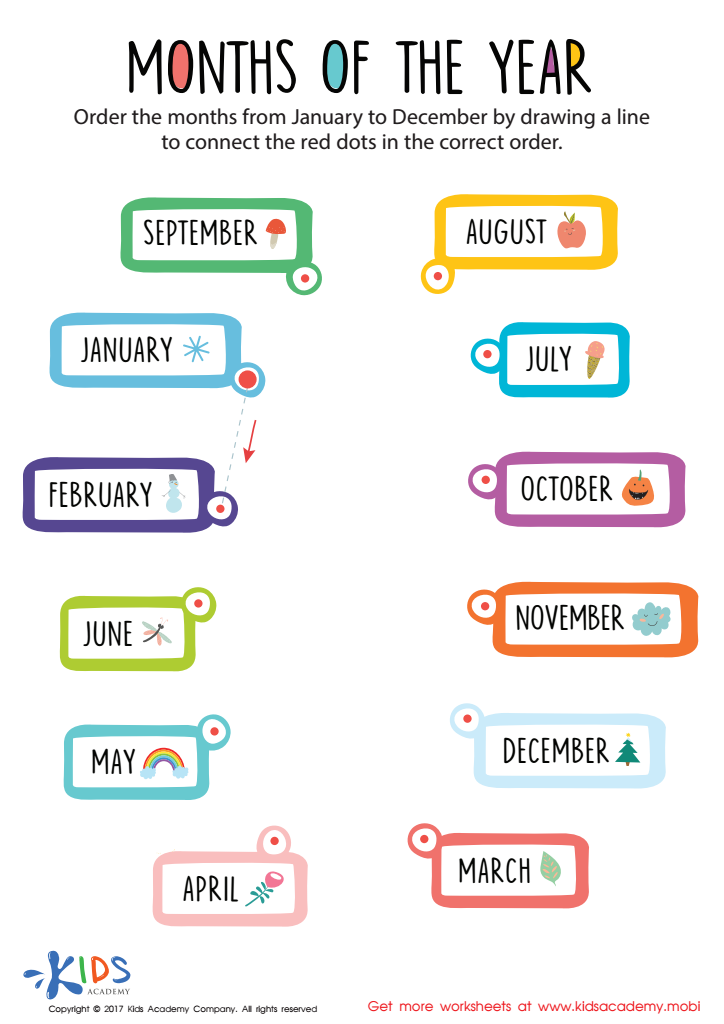
Months of the Year Worksheet
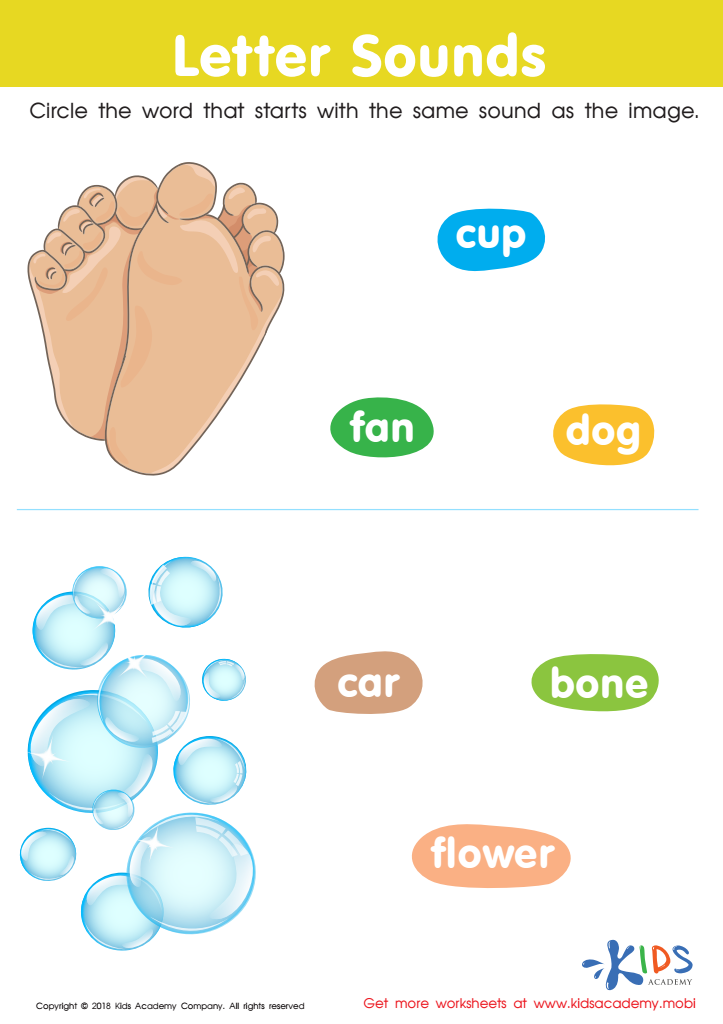
letter sounds Worksheet








Parents and teachers should care about engaging children aged 5-8 because this developmental stage is critical for laying the foundation for lifelong learning and social skills. At this age, children experience rapid cognitive, emotional, and social growth. Effective early learning supports their blossoming curiosity, helping them to explore the world around them.
Research shows that high-quality early education can lead to improved academic performance, better social skills, and even increased income later in life. Engaging them in age-appropriate learning activities nurtures their problem-solving skills, boosts creativity, and enhances language development. Furthermore, positive relationships with caregivers build their confidence, emotional regulation, and interpersonal skills, setting the stage for healthy interactions in the future.
Moreover, fostering a love for learning during these years can spark enthusiasm for school, encouraging children to seek knowledge independently. Parents and teachers should collaborate to provide a supportive, enriching environment that cultivates children's potential while recognizing the diverse needs of each child.
In summary, caring about the developmental needs of children aged 5-8 ensures that they are not only prepared for the next stage in their education but are also empowered to become well-rounded individuals and informed citizens.








