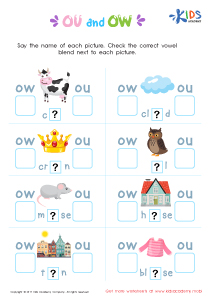
Long And Short Vowel Worksheets for Ages 5-8
19 filtered results
-
From - To
Explore our engaging Long and Short Vowel Worksheets, specifically designed for children aged 5-8. These fun and educational resources help young learners recognize and differentiate between long and short vowel sounds, crucial for developing their reading skills. Each worksheet includes colorful illustrations and interactive activities that make learning enjoyable and effective. Perfect for classroom or home use, our worksheets also feature answer keys, ensuring you can easily track progress and comprehension. Foster a love of learning in your child while mastering essential phonics skills with our tailored activities that make vowels exciting and accessible for early readers.
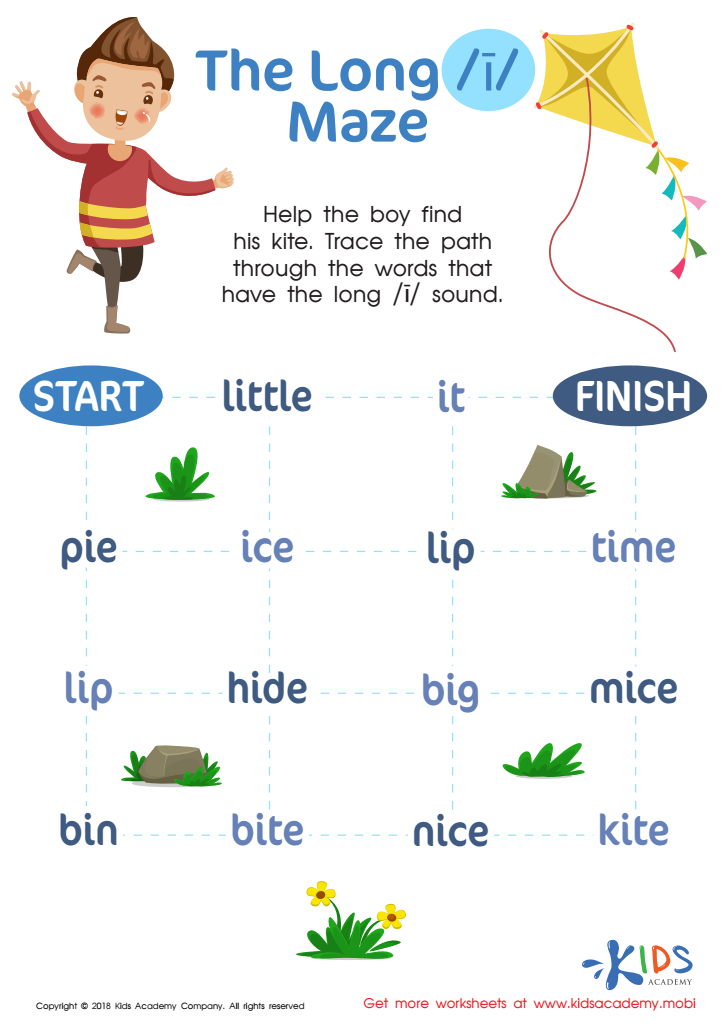
The Long I Maze Reading Worksheet
 Assign to My Students
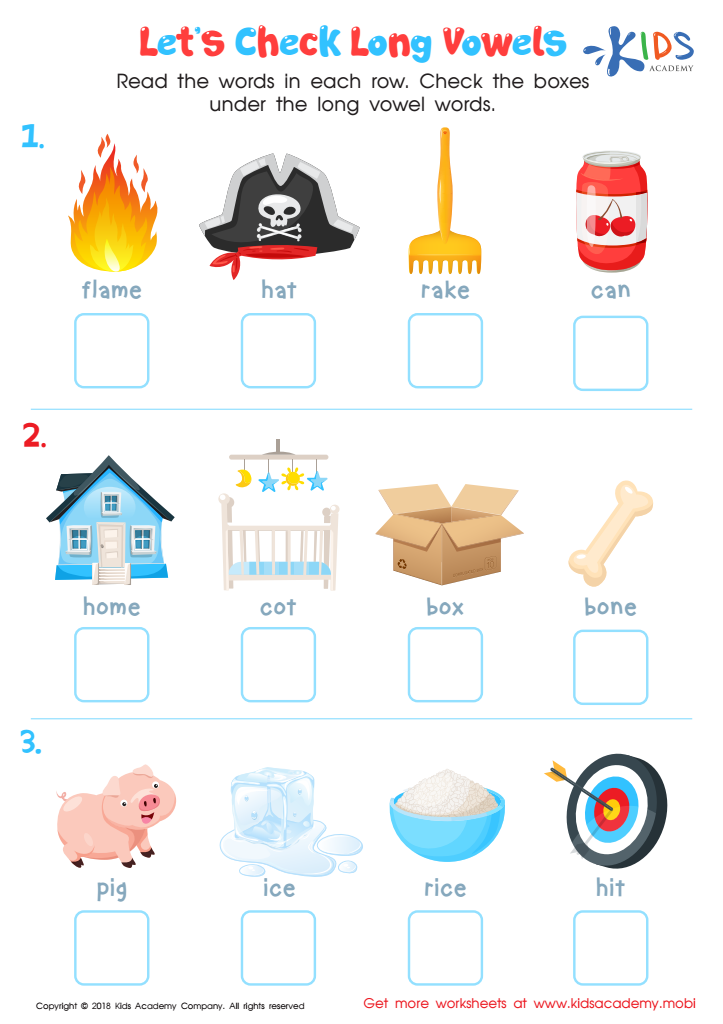
Let's Check Long Vowels: Assessment Worksheet
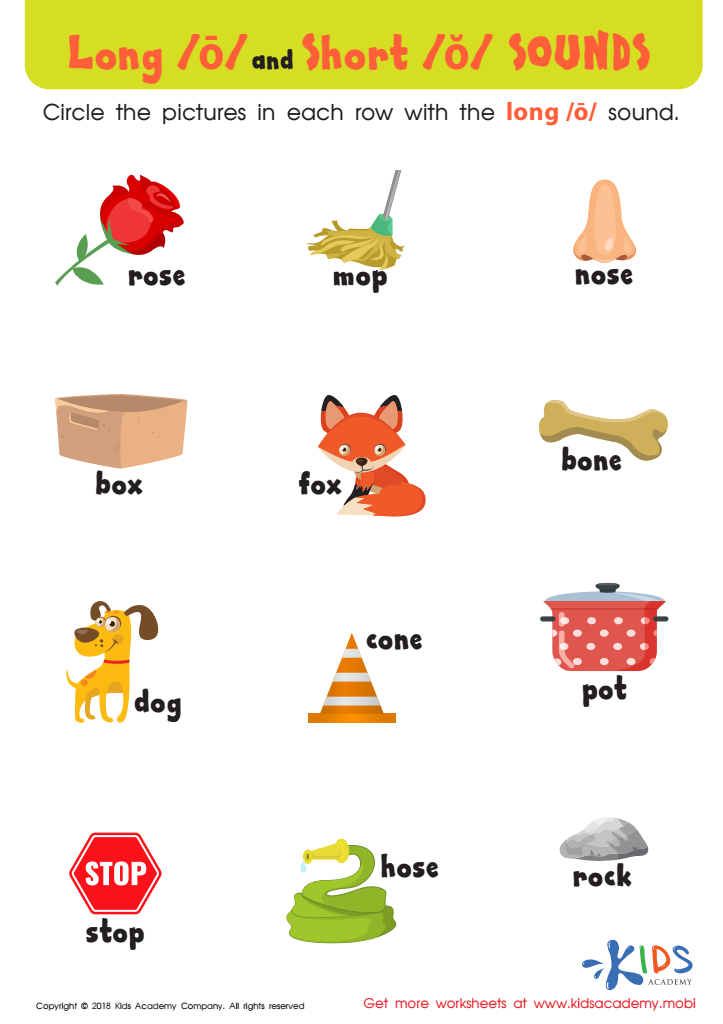
Reading: Long O and Short O Sounds Worksheet
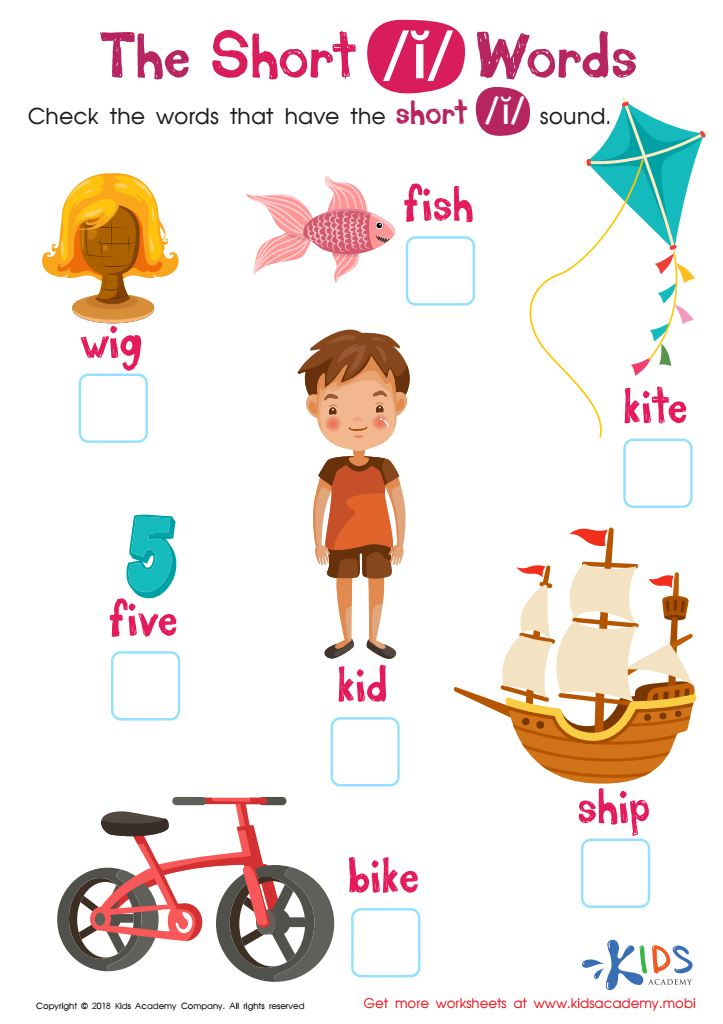
The Short I Words Reading Worksheet
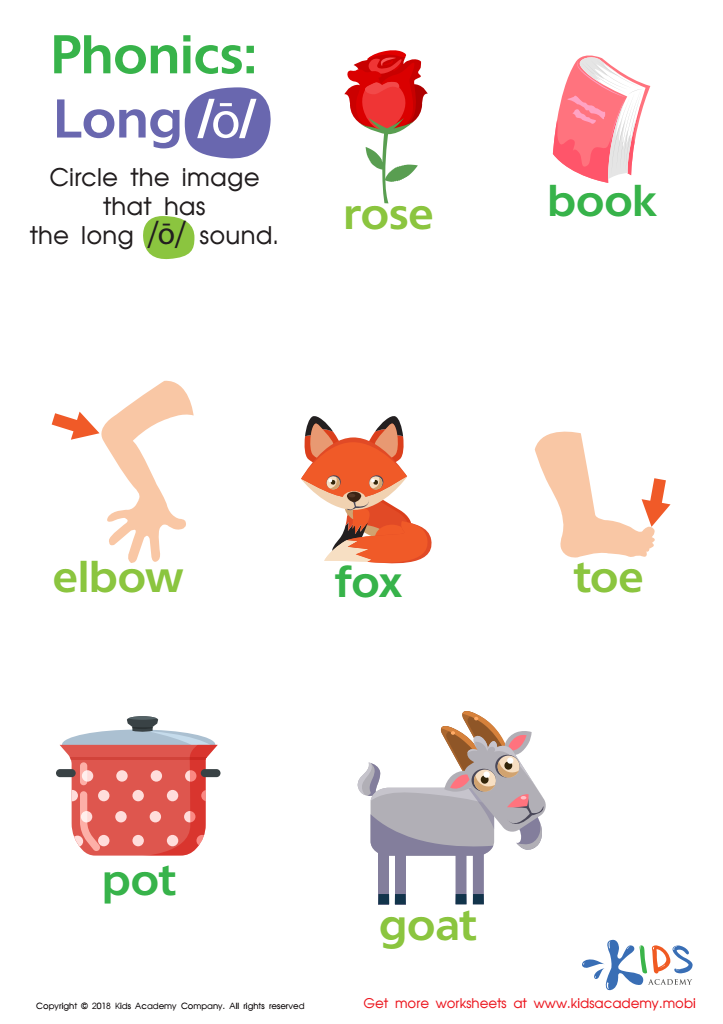
Phonics Long O Reading Worksheet
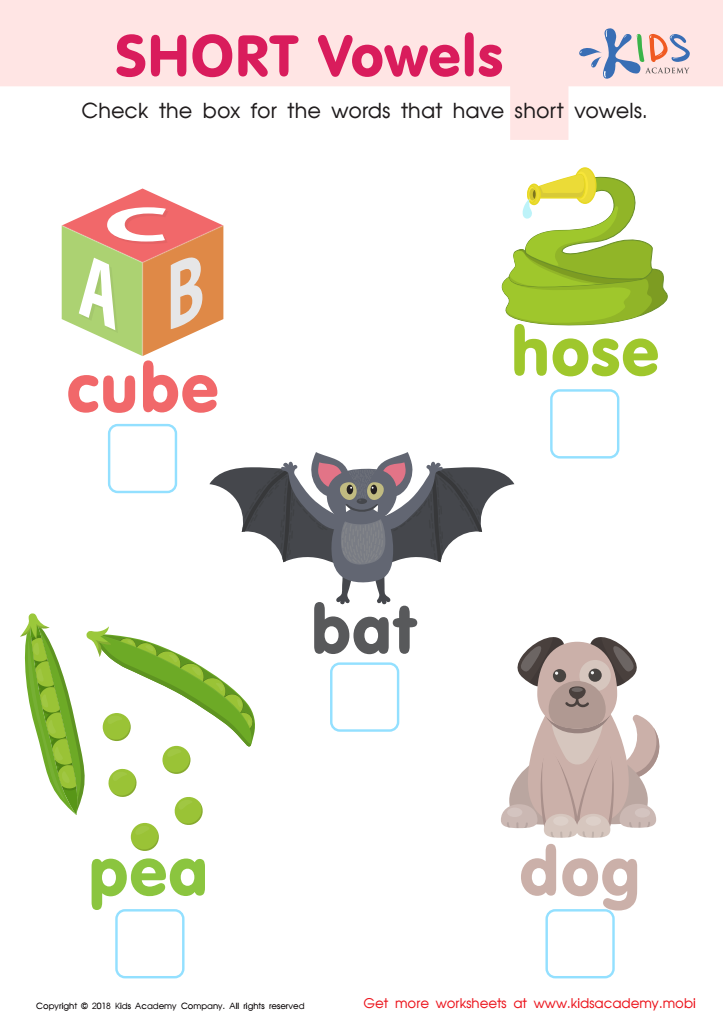
short vowels Worksheet
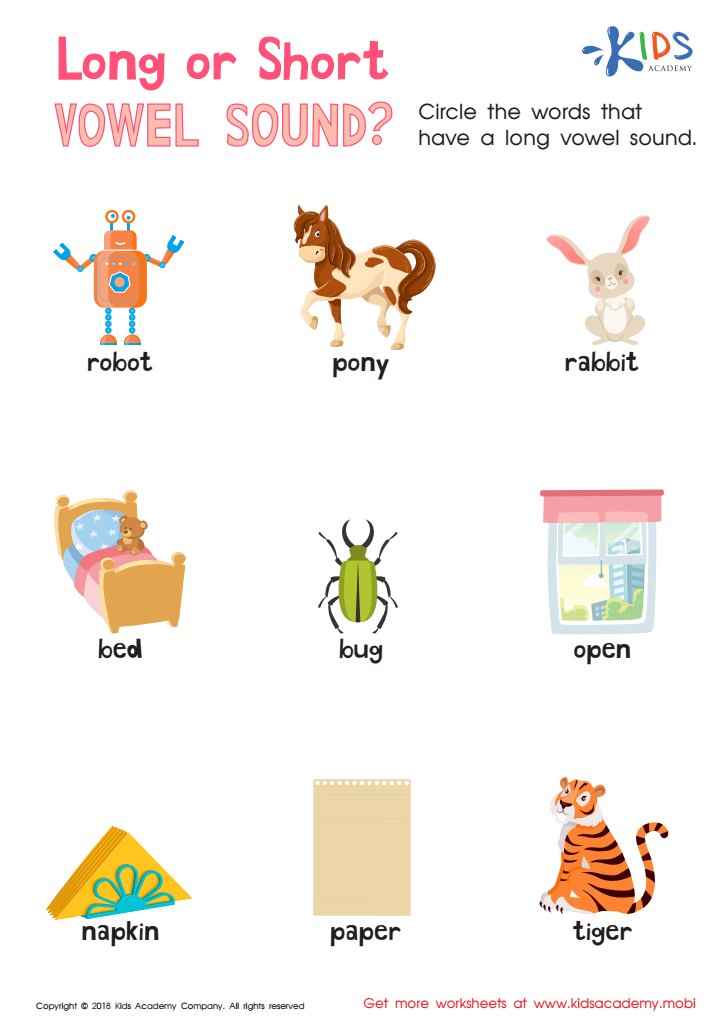
Long or Short Vowel Sound? Worksheet
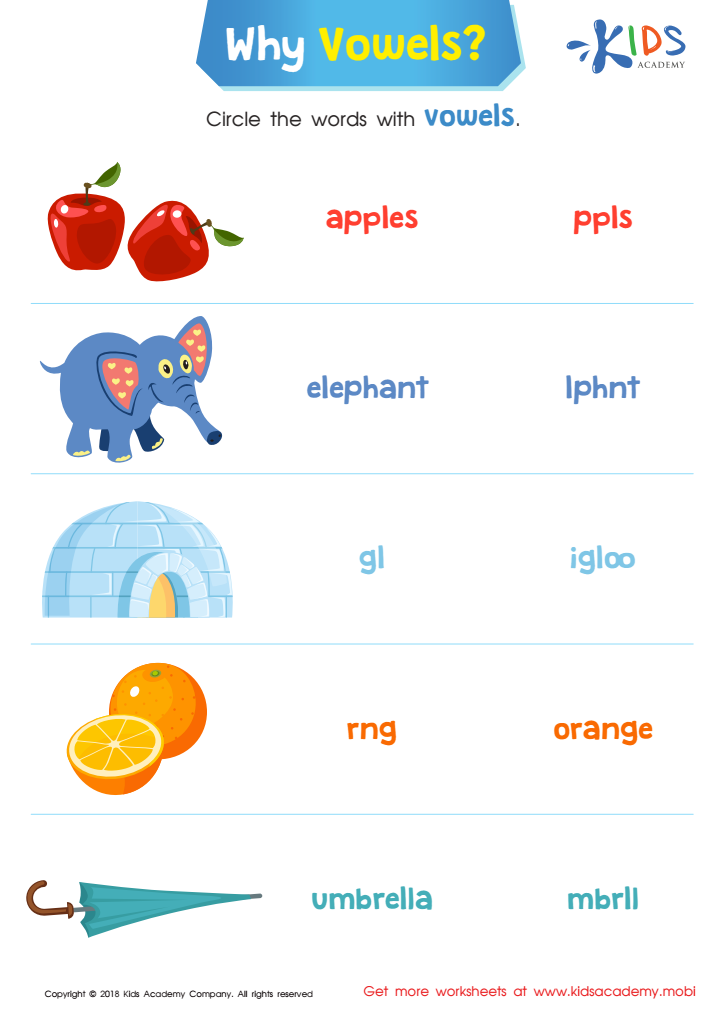
Why Vowels? Reading Worksheet
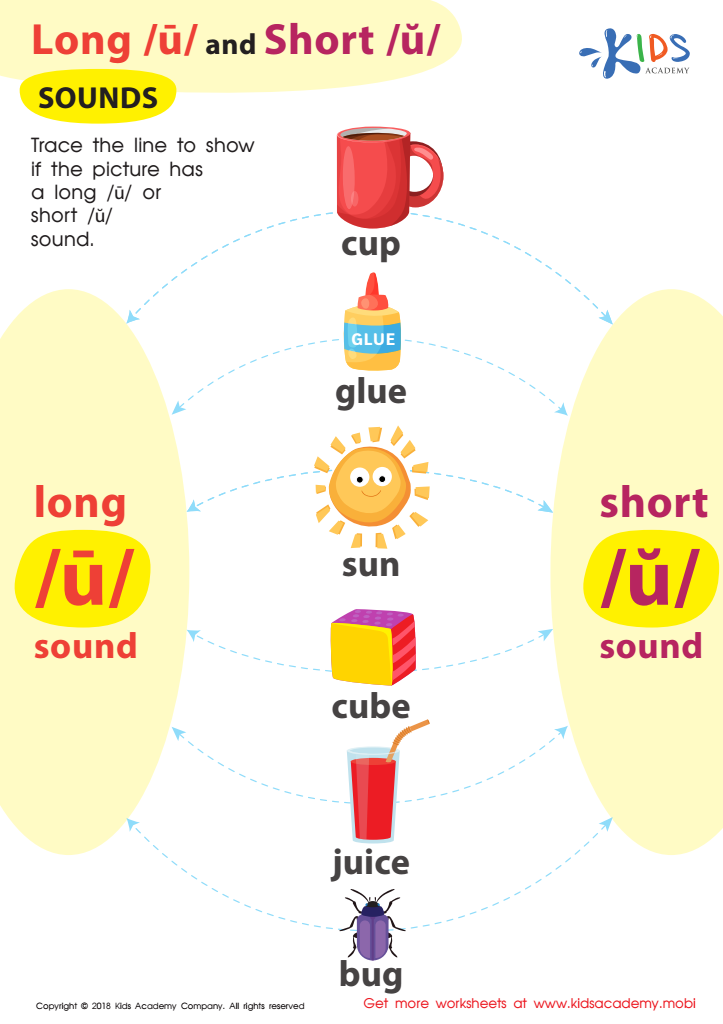
Reading: Long U and Short U Sounds Worksheet
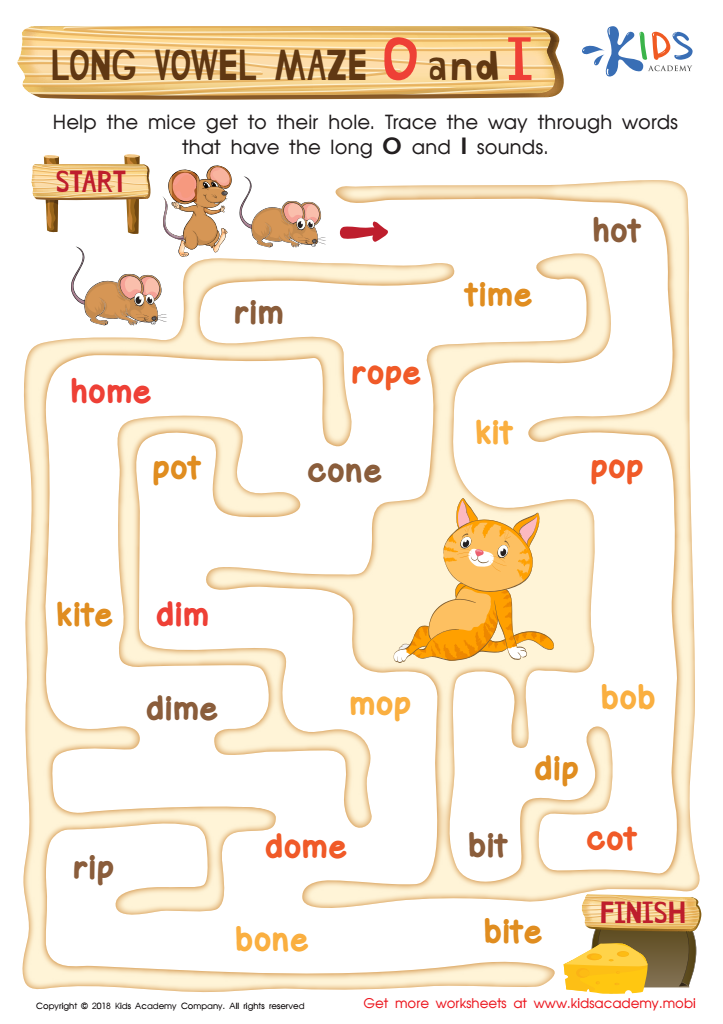
Long Vowel Maze /o/ and /i/ Worksheet
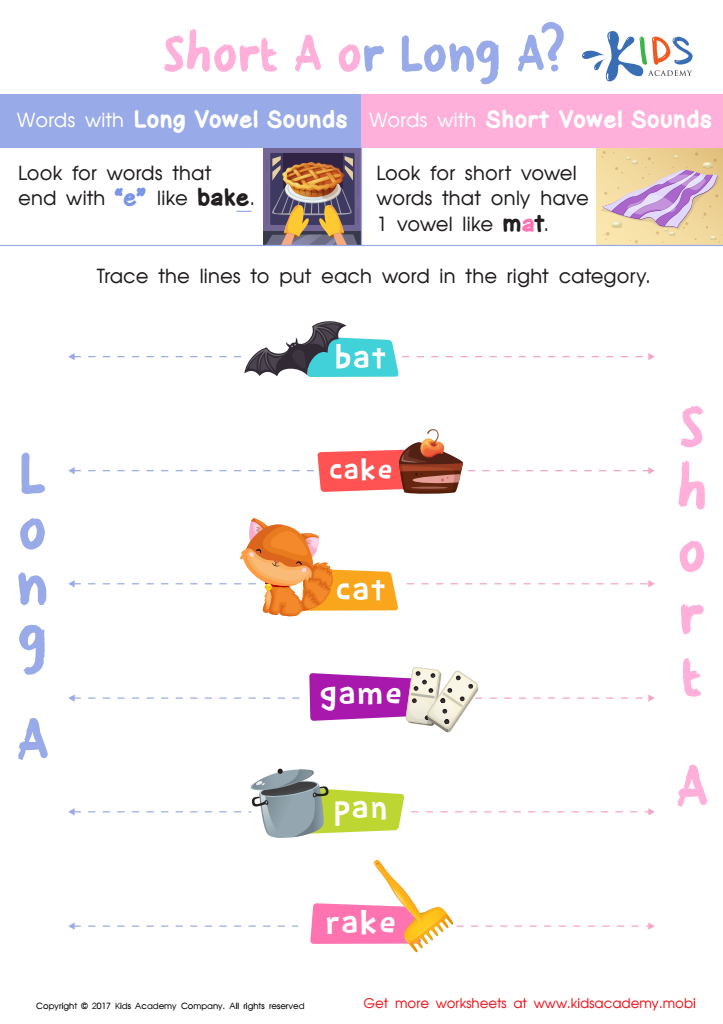
Short /a/ or Long /a/? Worksheet
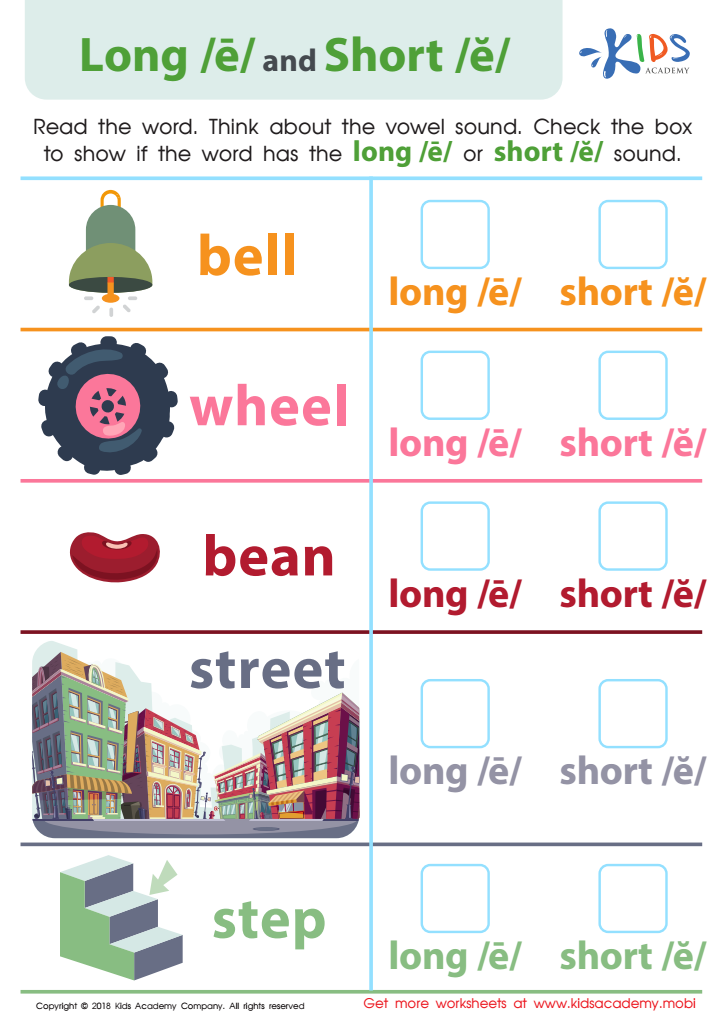
Reading: Long E and Short E Worksheet
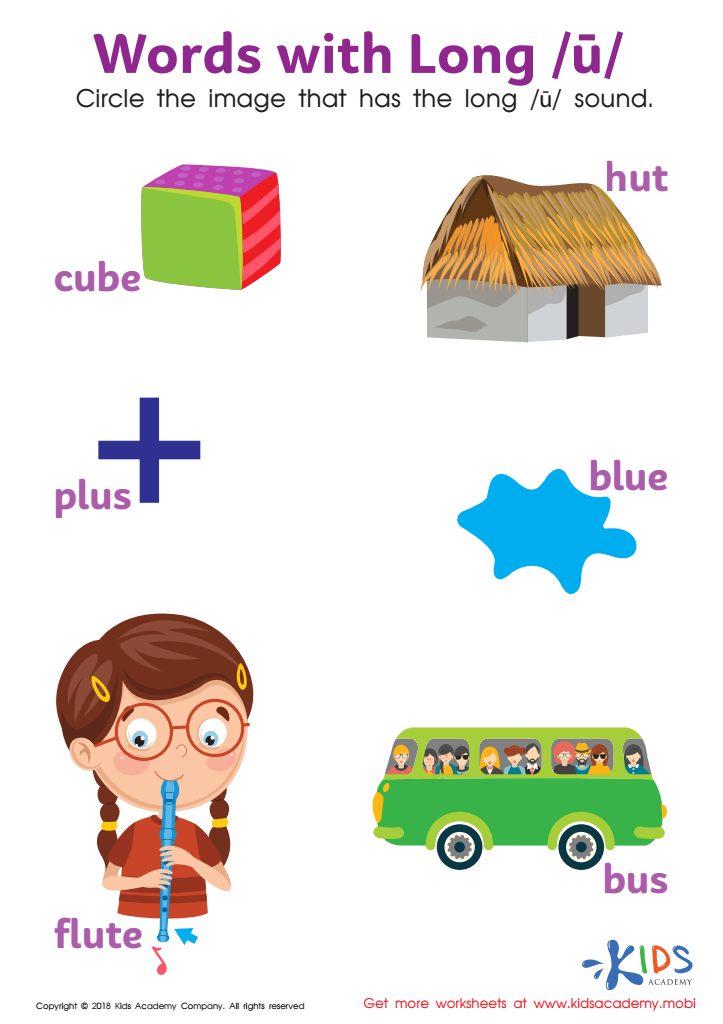
Words with Long U Reading Worksheet
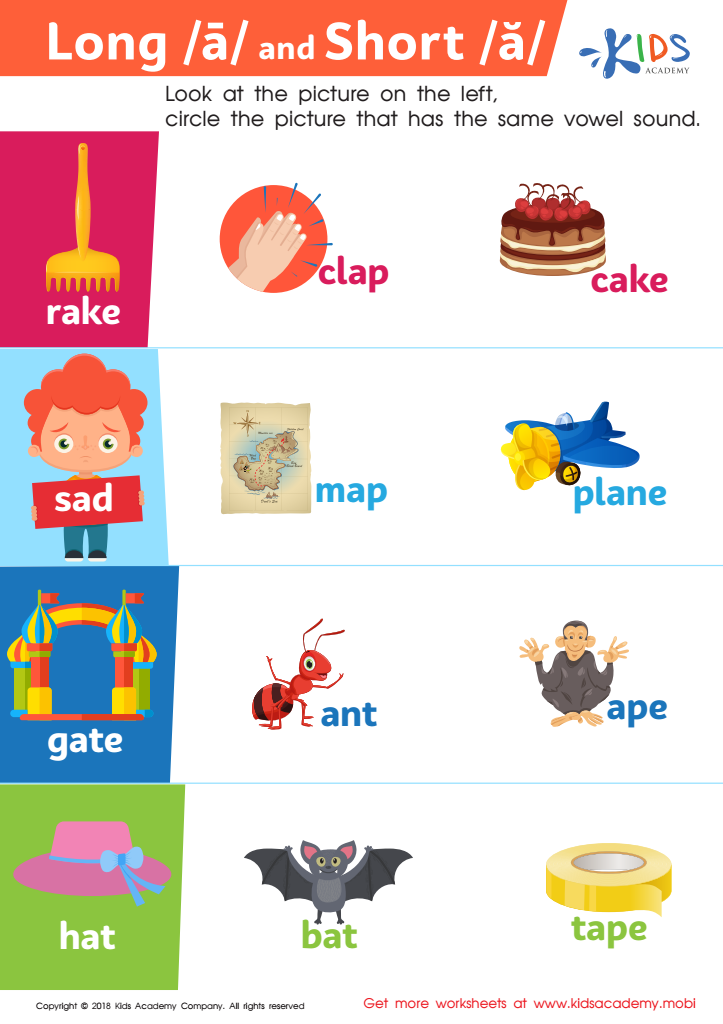
Reading: Long a and Short a Worksheet
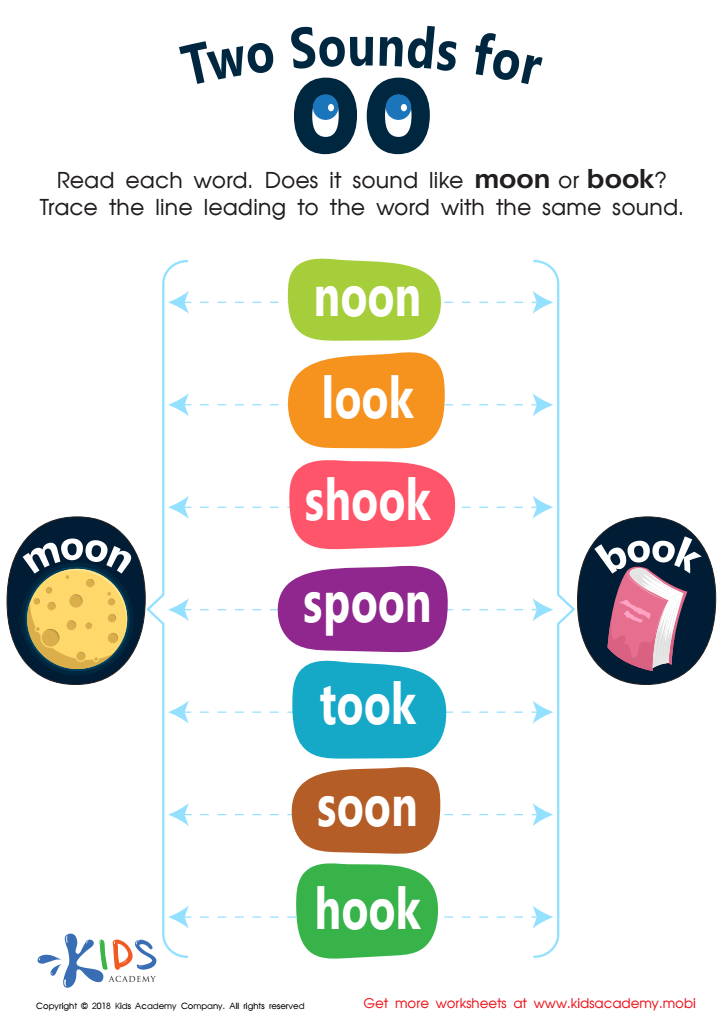
Two Sounds for OO Worksheet
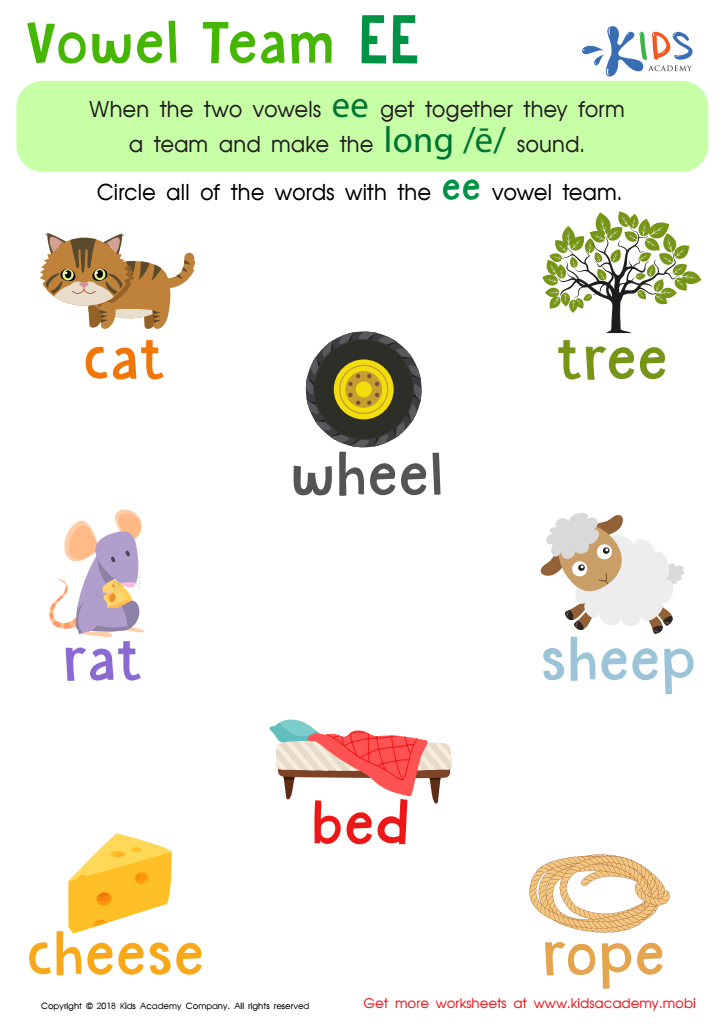
Reading: Vowel Team EE Worksheet
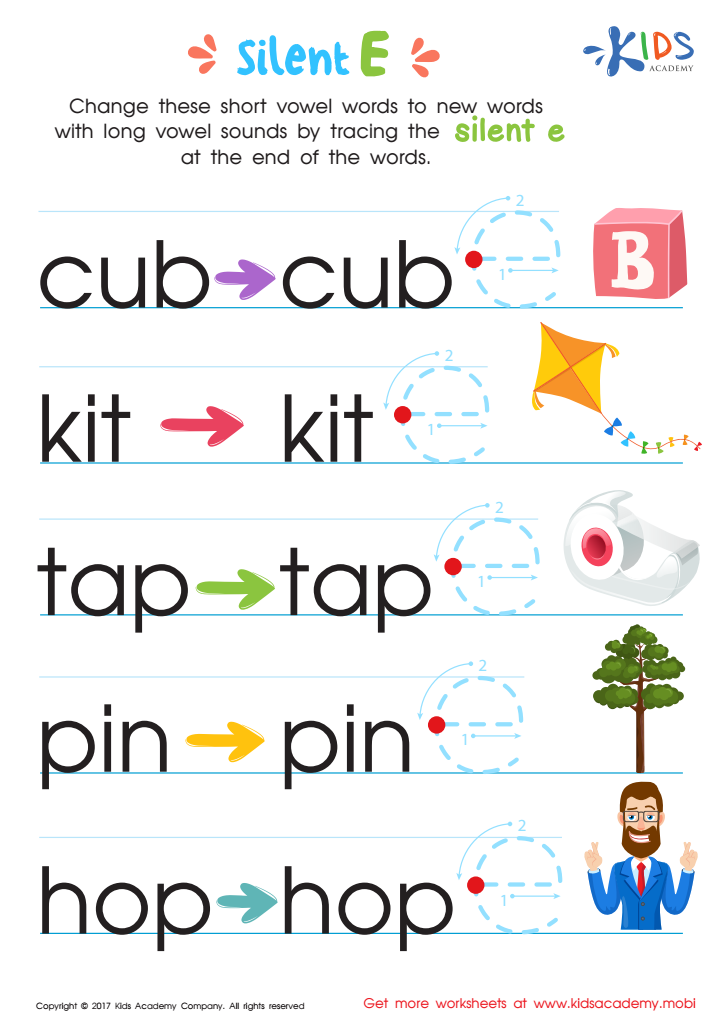
Silent E Words Worksheet
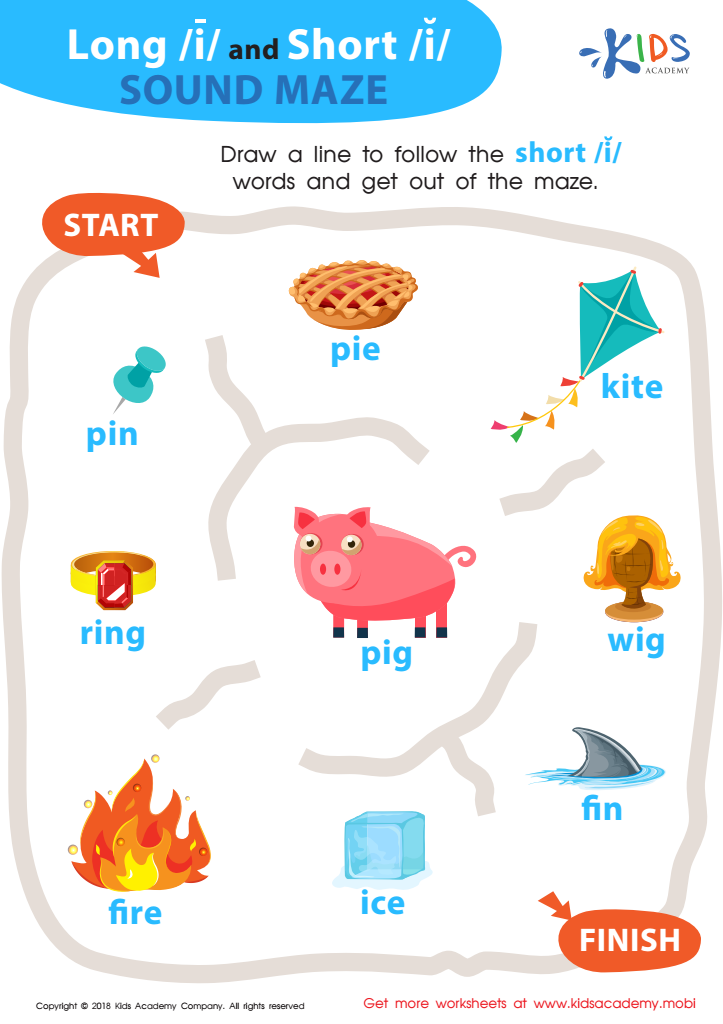
Reading: Long I and Short I Sound Maze Worksheet
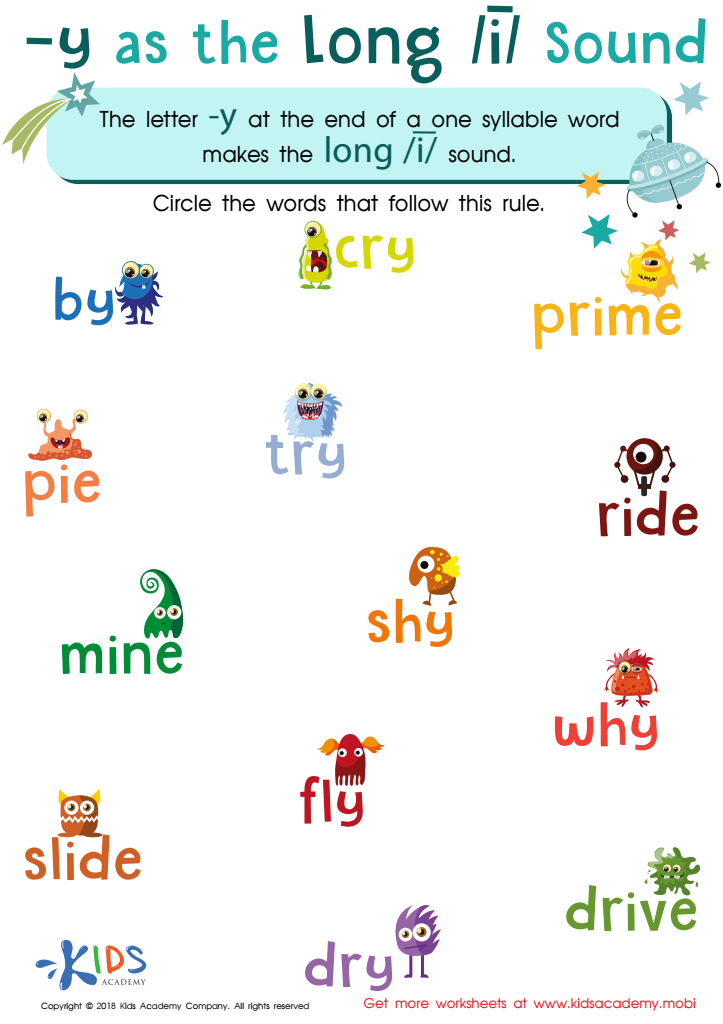
Reading: Y as Long I Worksheet




Understanding long and short vowels is crucial for early readers aged 5 to 8. Vowel sounds form the foundation of phonics, which is integral to reading and writing proficiency. Long vowels say their name, like in "cake," while short vowels do not, as in "cat." Mastering these distinctions helps children decode words, leading to increased literacy skills.
Parents and teachers should care about long and short vowels because they serve as a gateway to more complex language concepts. When children recognize vowel sounds, they enhance their ability to read unfamiliar words, improving reading fluency and comprehension. This skill fosters confidence in young learners, encouraging them to tackle more advanced texts.
Additionally, understanding vowel patterns supports spelling and vocabulary development. Children who grasp these concepts are better equipped to understand the structure of language, recognize patterns, and apply this knowledge in their writing.
Furthermore, early mastery of these sounds is correlated with academic success in later years. By focusing on long and short vowels, caregivers can help build a strong literacy base that promotes a lifelong love of reading and learning, ultimately setting children up for future academic and personal achievements.