Place Value Worksheets for Ages 5-8 - Page 4
74 filtered results
-
From - To
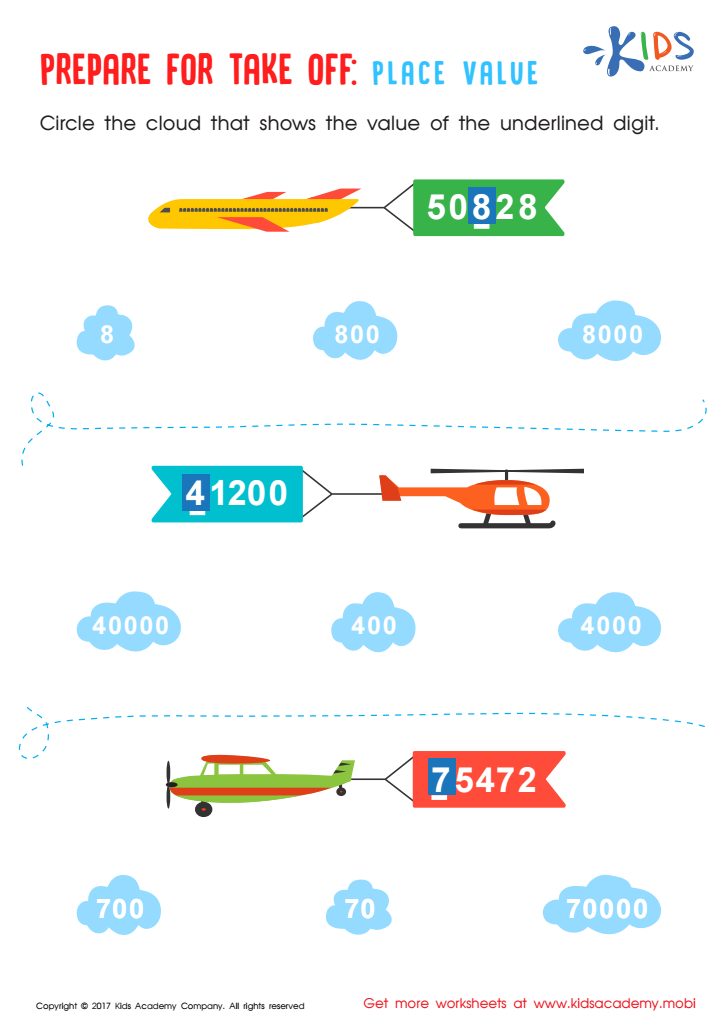
Free Place Value Worksheet for 3rd Grade
 Assign to My Students
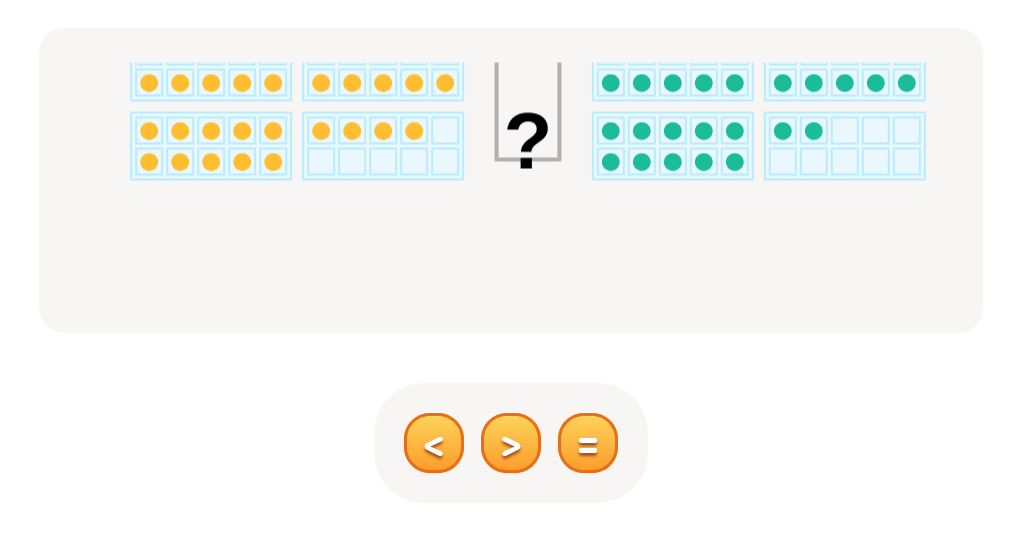

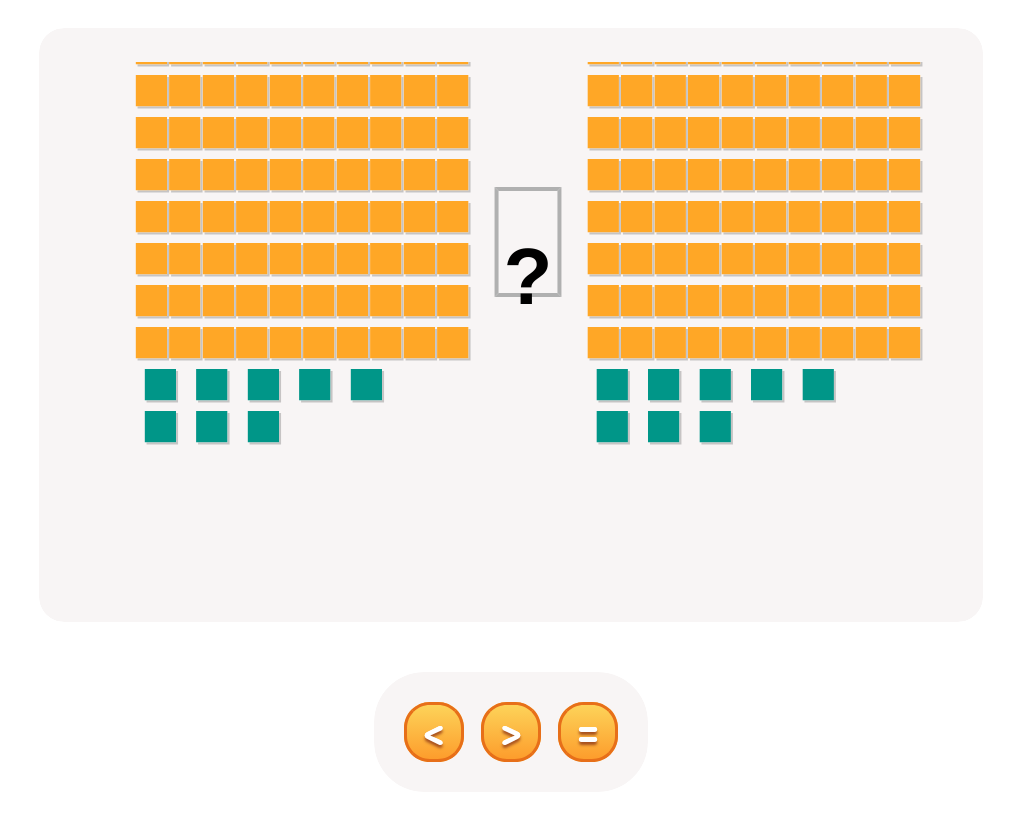
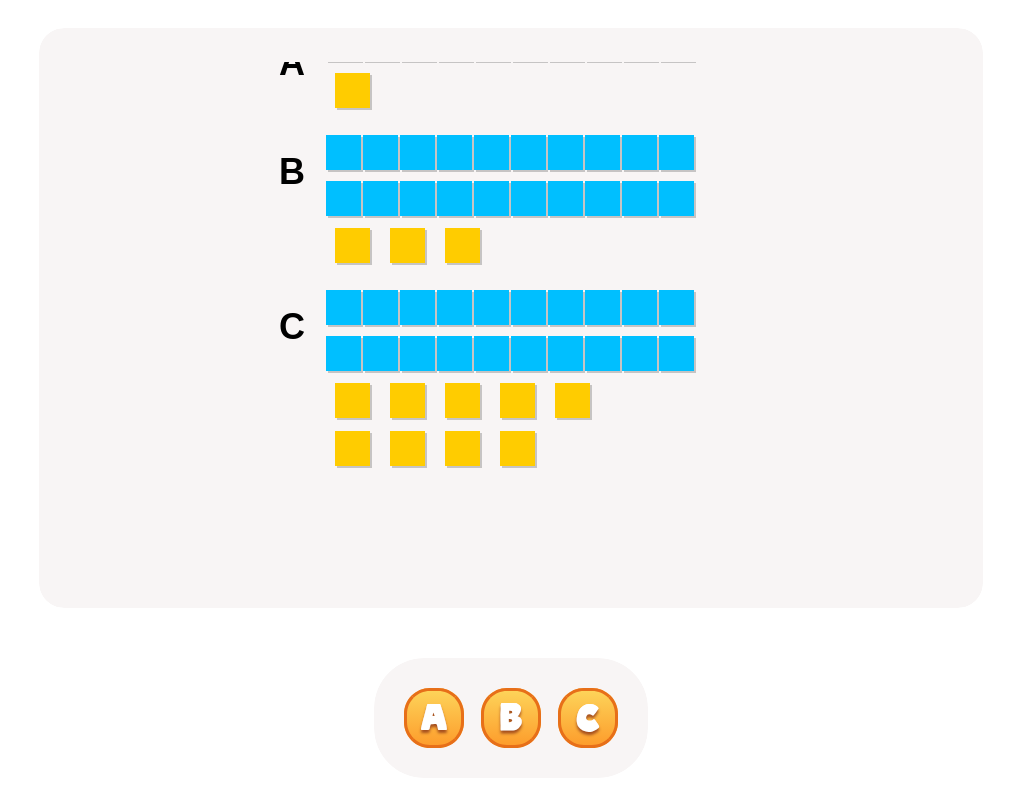
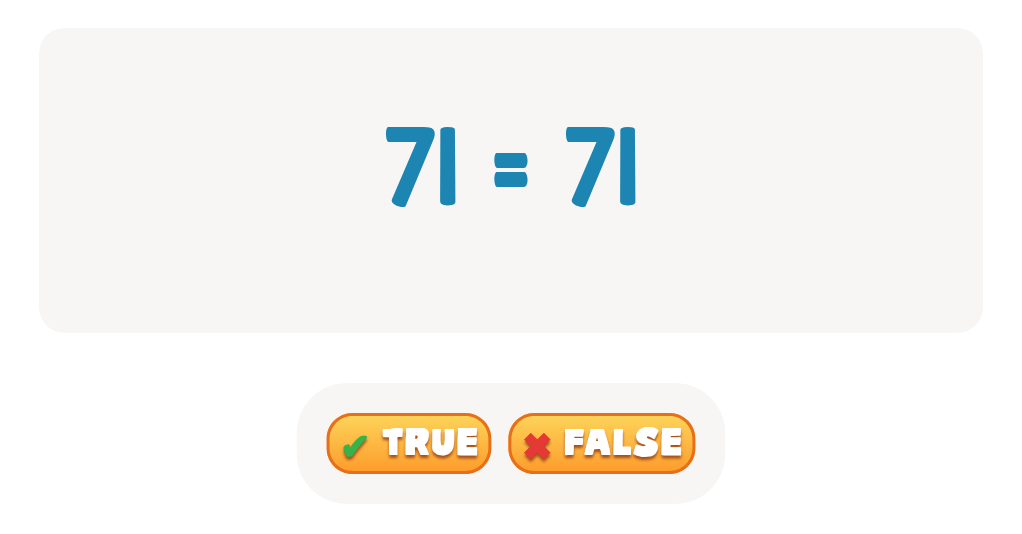
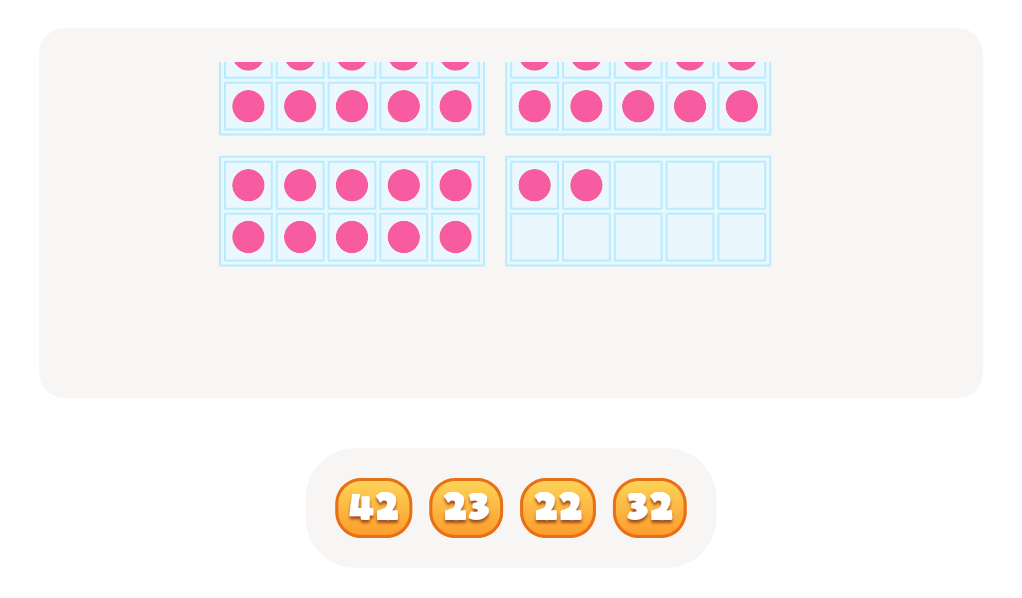
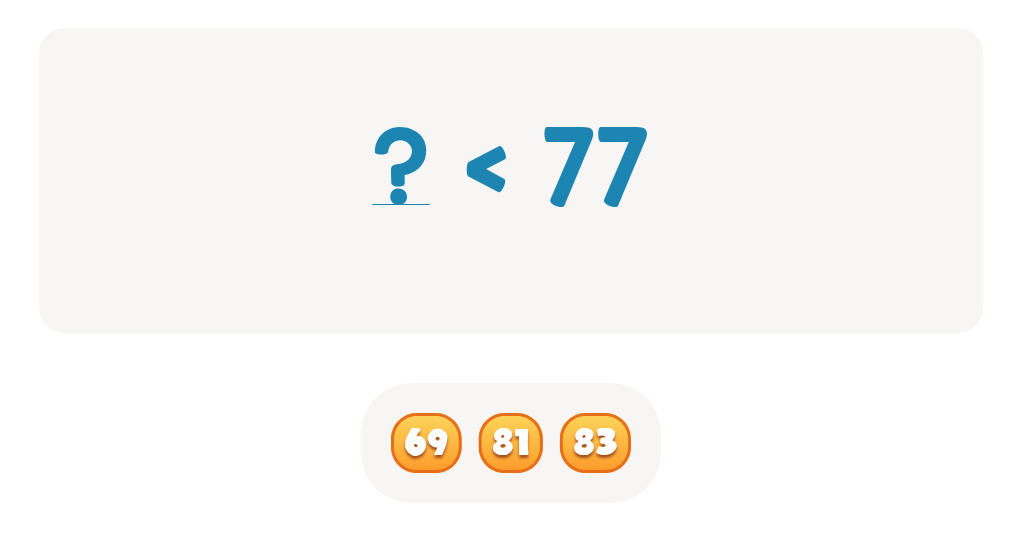
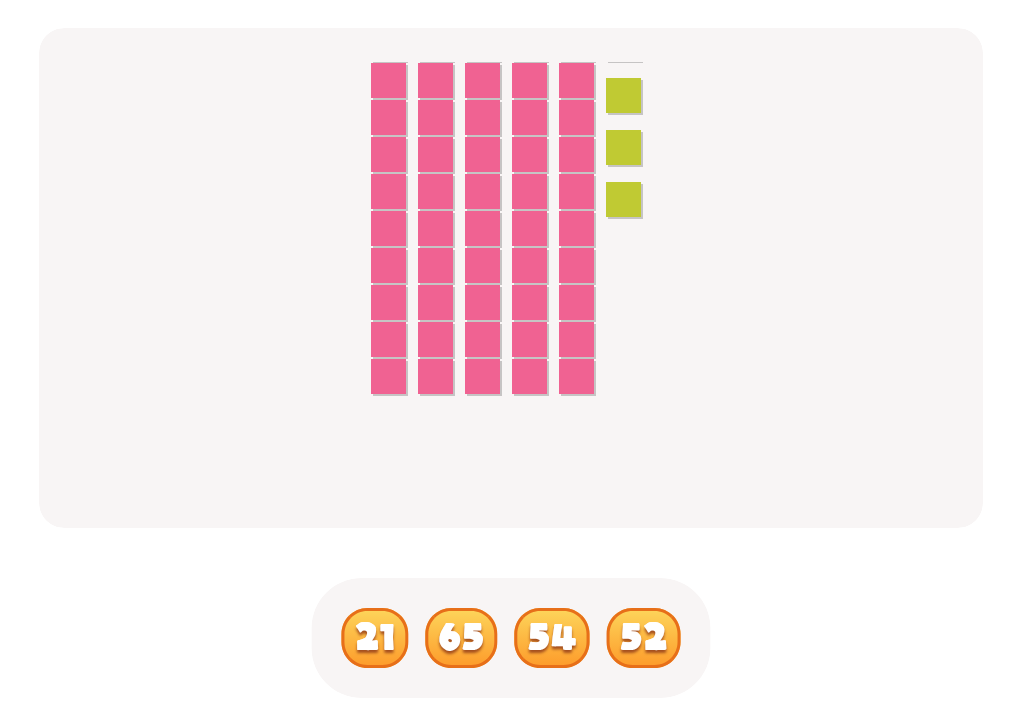
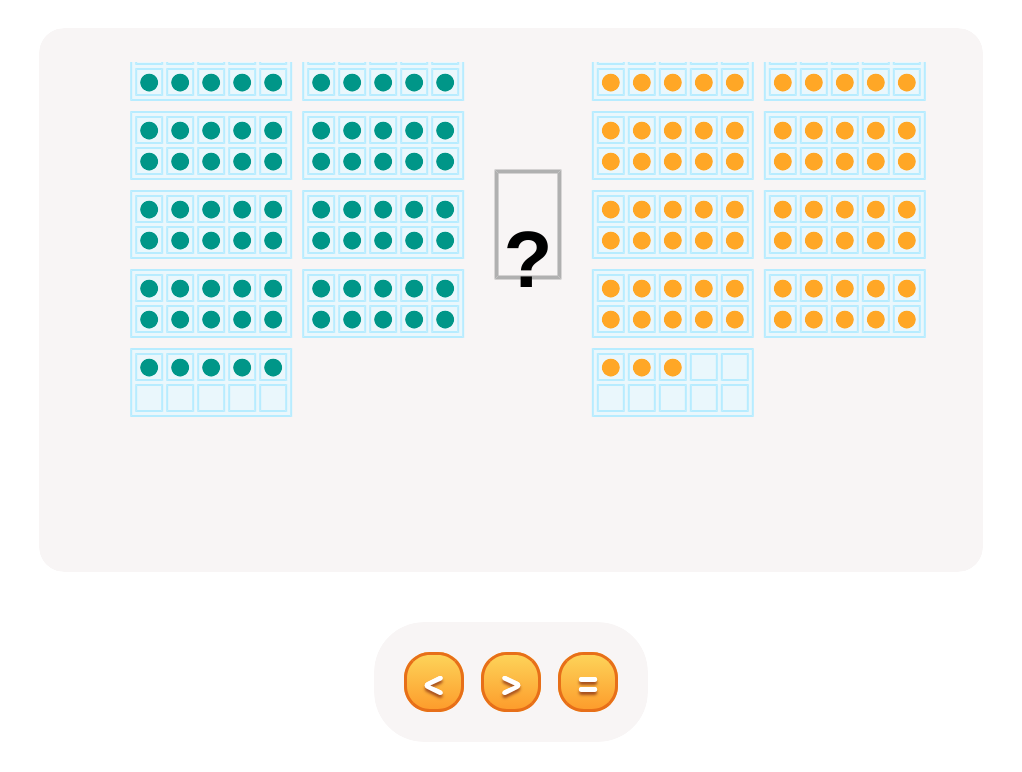
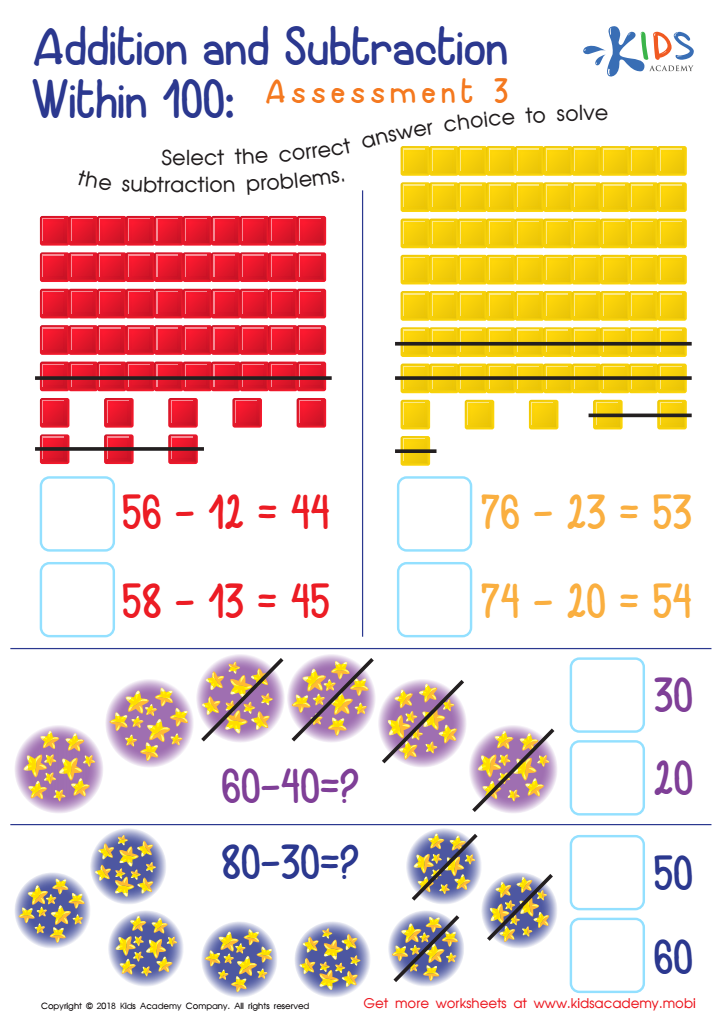
Addition and Subtraction Within 1: Assessment 3 Worksheet


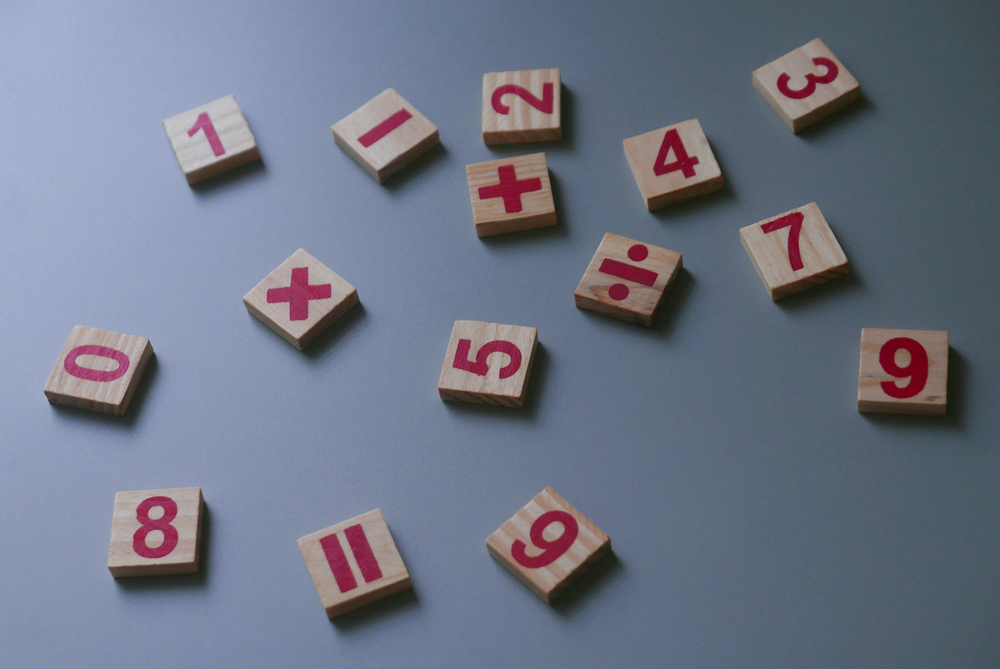




Place value is a fundamental mathematical concept that serves as the foundation for a child’s understanding of numbers and their relationships. For children aged 5-8, learning place value is essential because it helps them comprehend how our number system works. Understanding that the position of a digit affects its value allows children to engage with larger numbers, making more complex arithmetic possible—such as addition, subtraction, and eventually multiplication and division.
Parents and teachers should care about place value because it enhances critical thinking and problem-solving skills. As children explore place value, they develop a sense of numerical magnitude, which is crucial for estimating and making calculations in everyday life. This understanding also fosters confidence in handling numbers, reducing math anxiety as children progress through their education.
Additionally, a solid grasp of place value aids in configuring mental math strategies and provides a gateway to more advanced topics like fractions and decimals. Parents and teachers who emphasize place value principles create a strong mathematical foundation that benefits children throughout their academic careers and beyond. Overall, prioritizing place value in early education equips children with the necessary skills for success in mathematics and merges learning with fundamental life skills.