Consonants Worksheets for Ages 6-9 - Page 2
34 filtered results
-
From - To
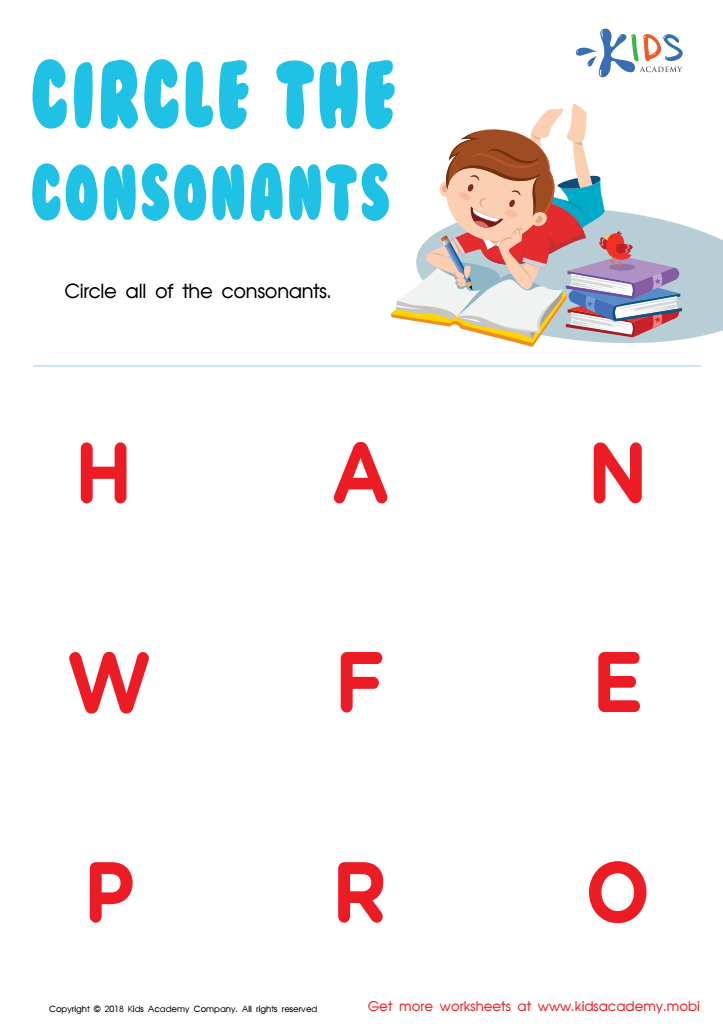
Circle the Consonants Worksheet
 Assign to My Students
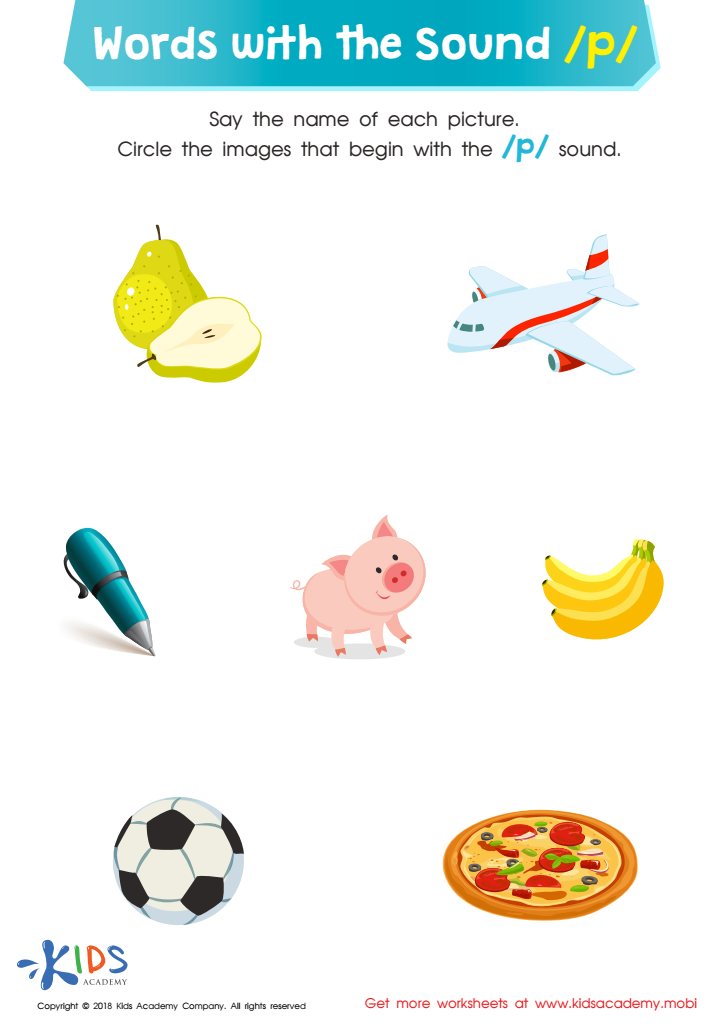
Words with sound p Reading Worksheet
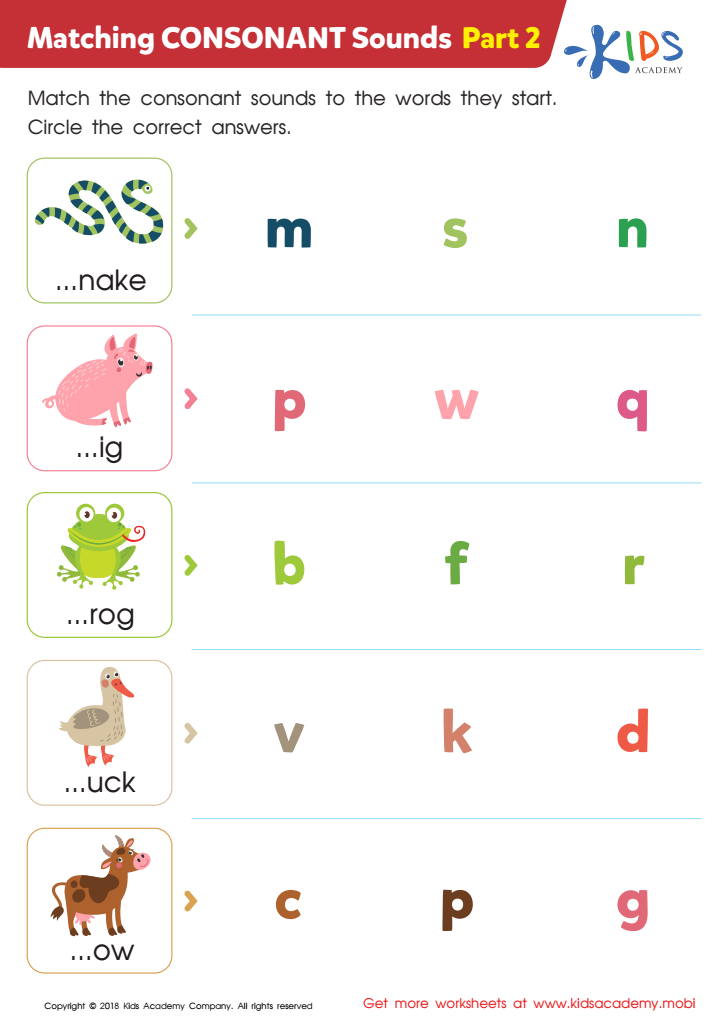
Matching Consonant Sounds: Part 2 Worksheet
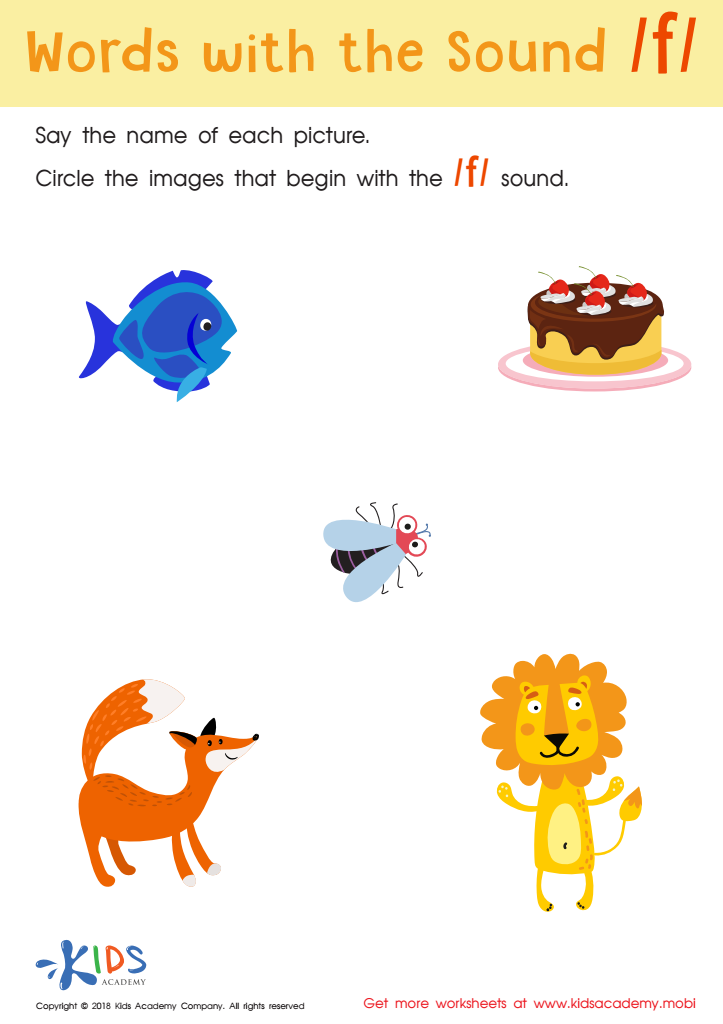
Words with sound f Reading Worksheet
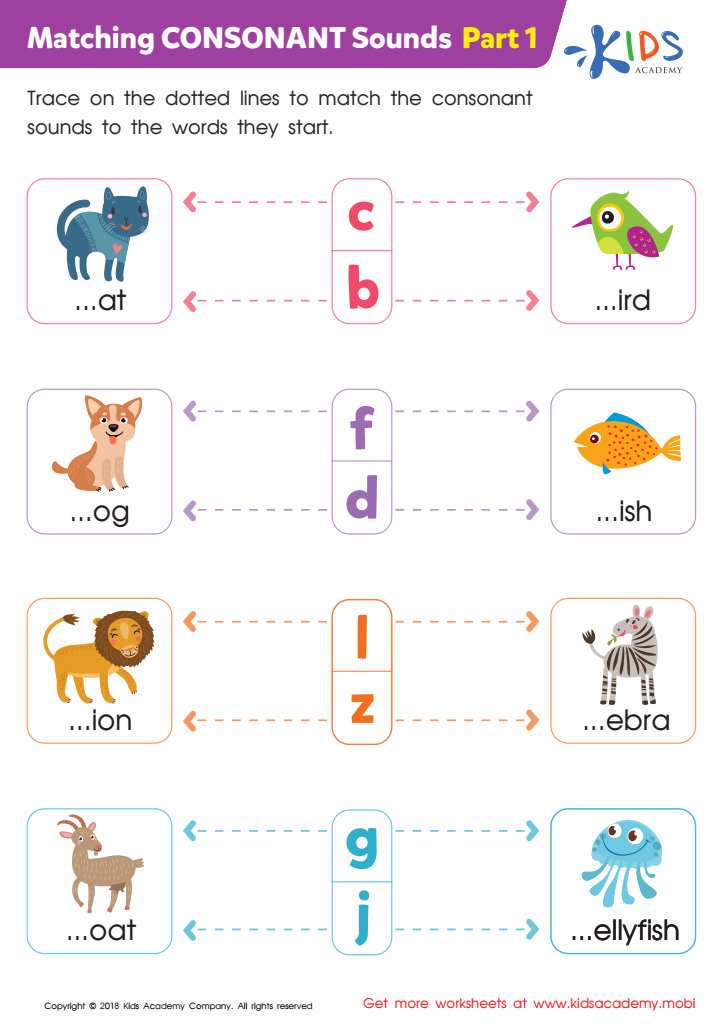
Matching Consonant Sounds: Part 1 Worksheet
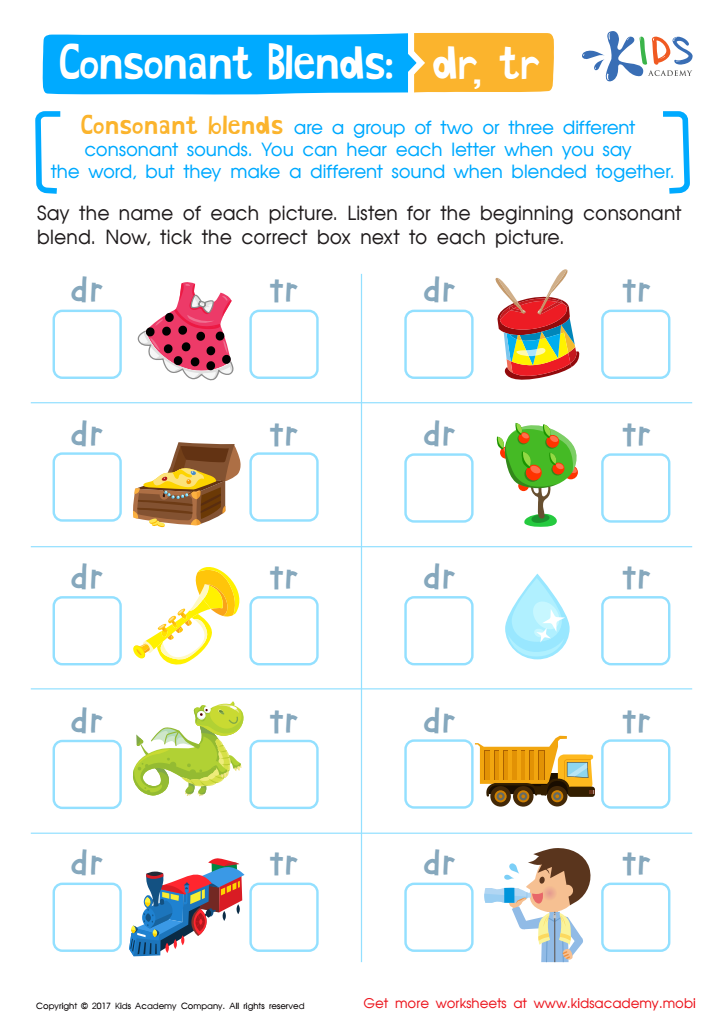
Consonant Blends: "Dr" and "Tr" Printable
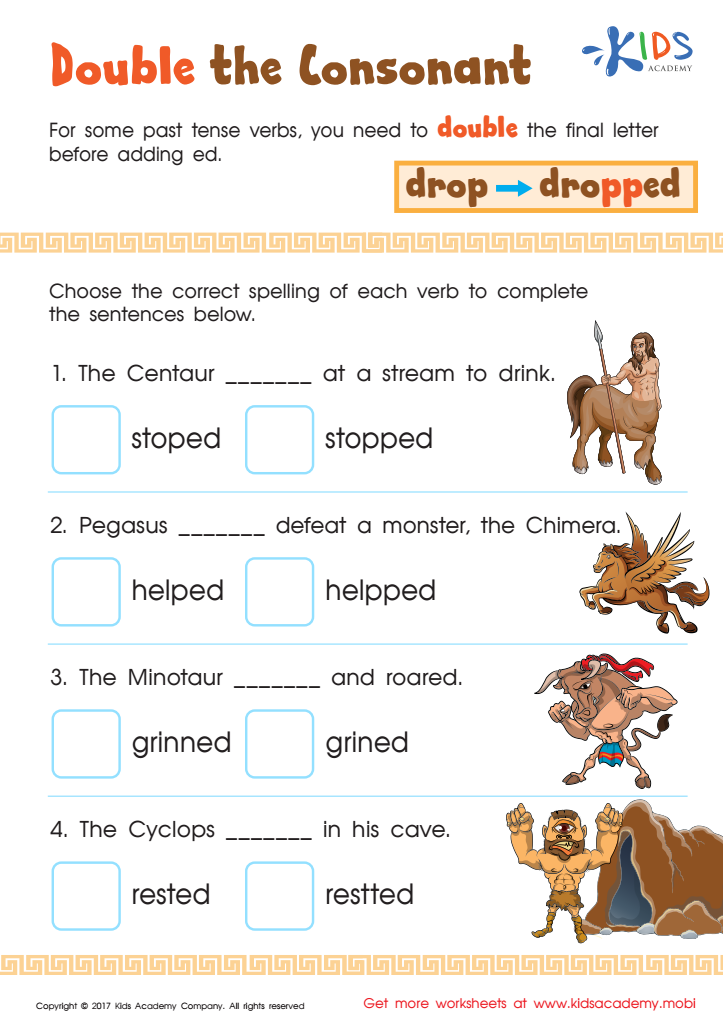
Double Consonant Spelling Worksheet
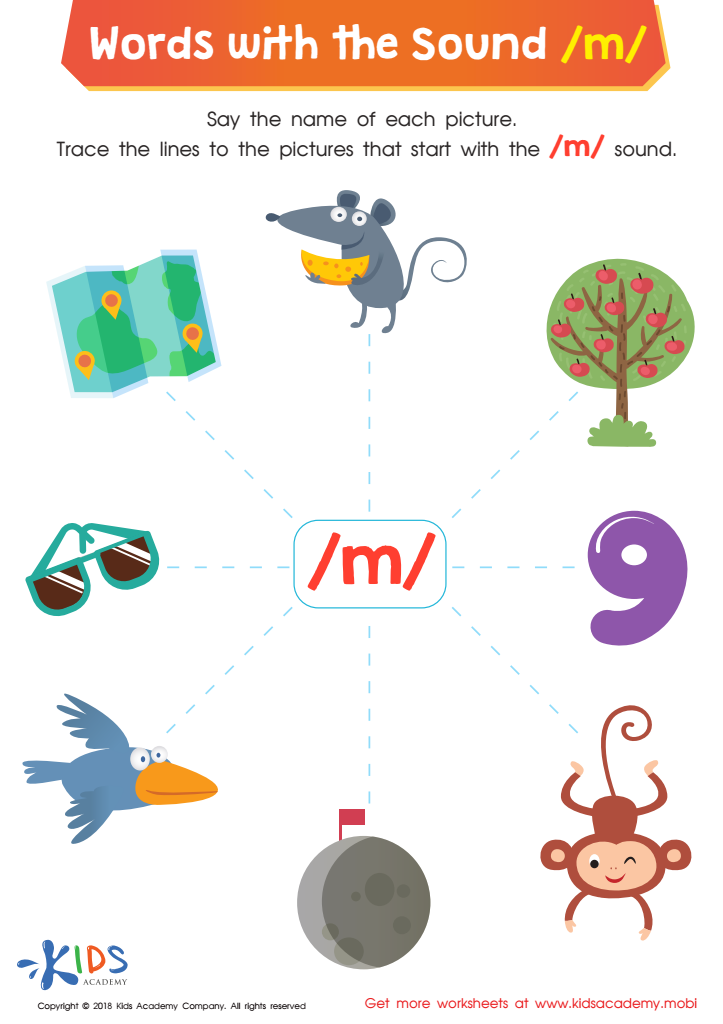
Words with Sound M Reading Worksheet
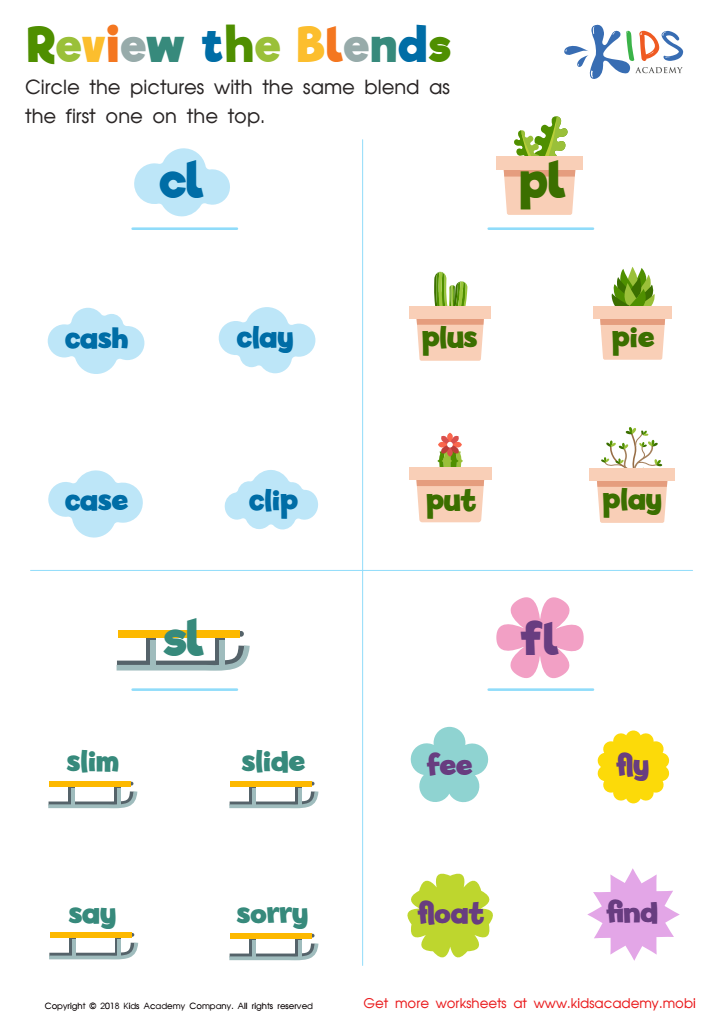
Review the Blends Worksheet
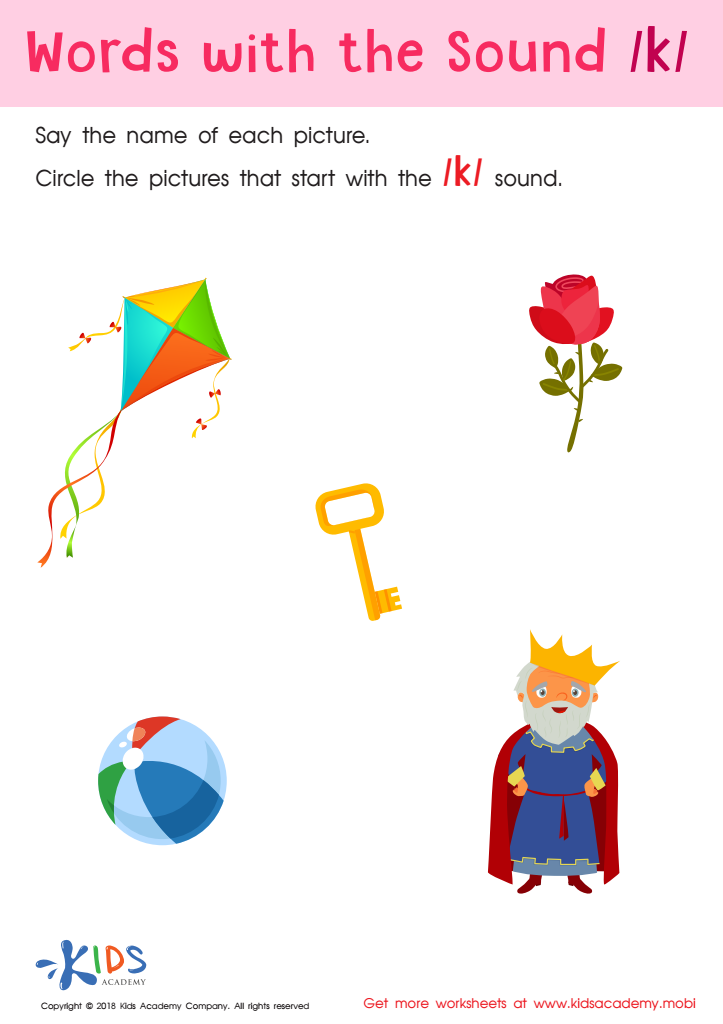
Words with sound k Reading Worksheet



Understanding consonants is crucial for children aged 6-9 as it forms the foundation for their reading and writing skills. At this stage, learners transition from basic phonics to more complex language patterns, making it vital for them to grasp the role consonants play in word formation. Consonants are essential in decoding unfamiliar words, a skill necessary for developing reading fluency and comprehension.
Parents and teachers should emphasize consonant recognition and pronunciation because these elements help children understand how words are structured and the sounds they convey. Mastery of consonants facilitates better spelling habits and strength in vocabulary acquisition, enabling kids to express their thoughts more clearly and effectively.
Moreover, consonants often shape the meaning of words; subtle changes in sound can lead to entirely different definitions. Engaging activities that promote consonant awareness, such as games and songs, not only improve literacy skills but also make learning enjoyable.
Supporting children in this area enhances their confidence as learners, fosters a love for reading and writing, and sets them on a path for academic success. Ultimately, understanding consonants is a stepping stone to effective communication, critical thinking, and overall literacy development.