Vowels Worksheets for Ages 6-9 - Page 4
87 filtered results
-
From - To
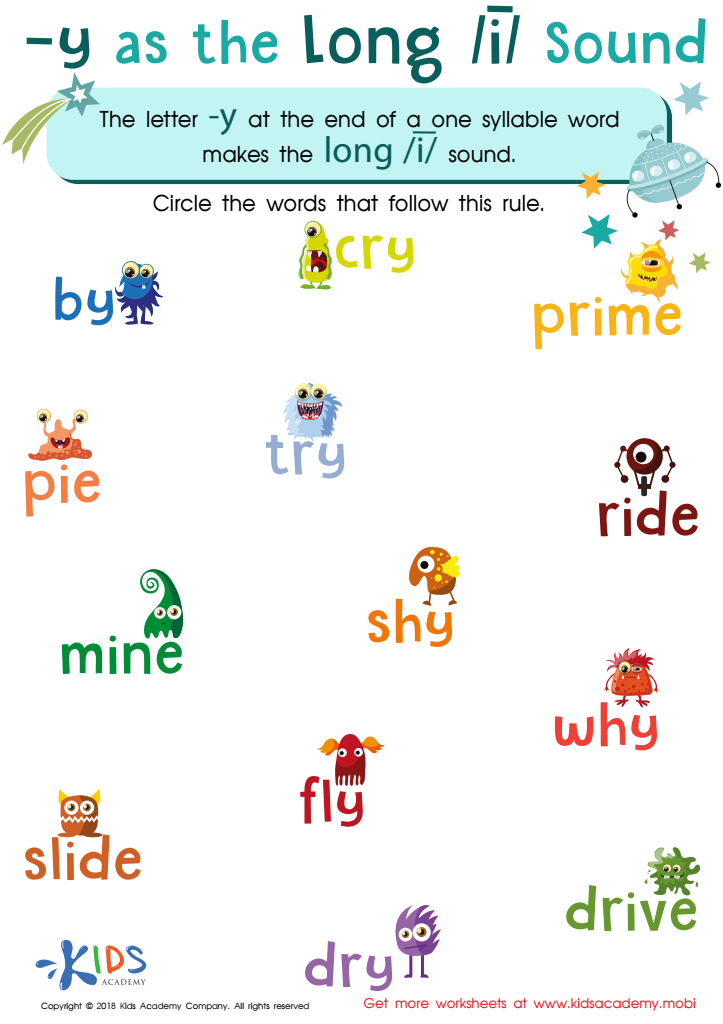
Reading: Y as Long I Worksheet
 Assign to My Students
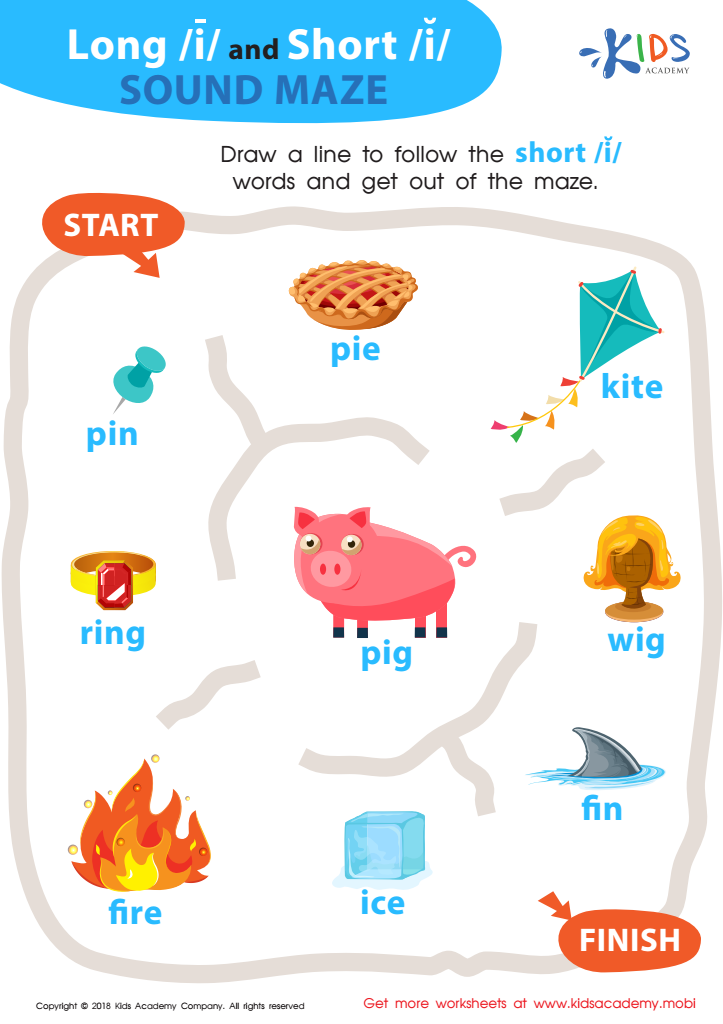
Reading: Long I and Short I Sound Maze Worksheet
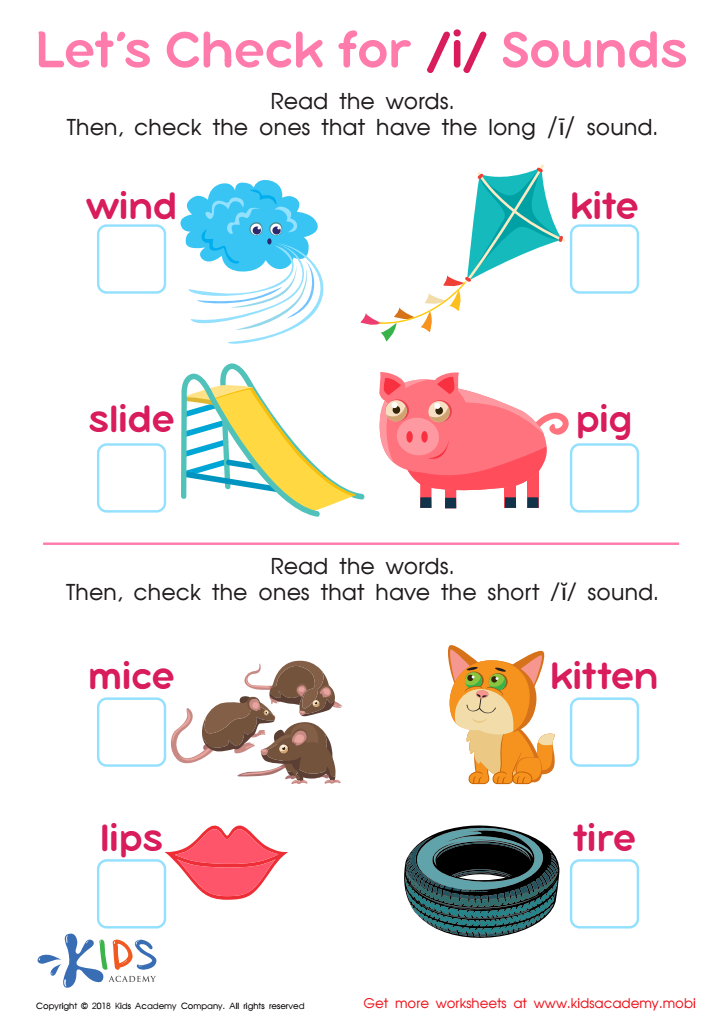
Let's Check for «i» Sounds Worksheet
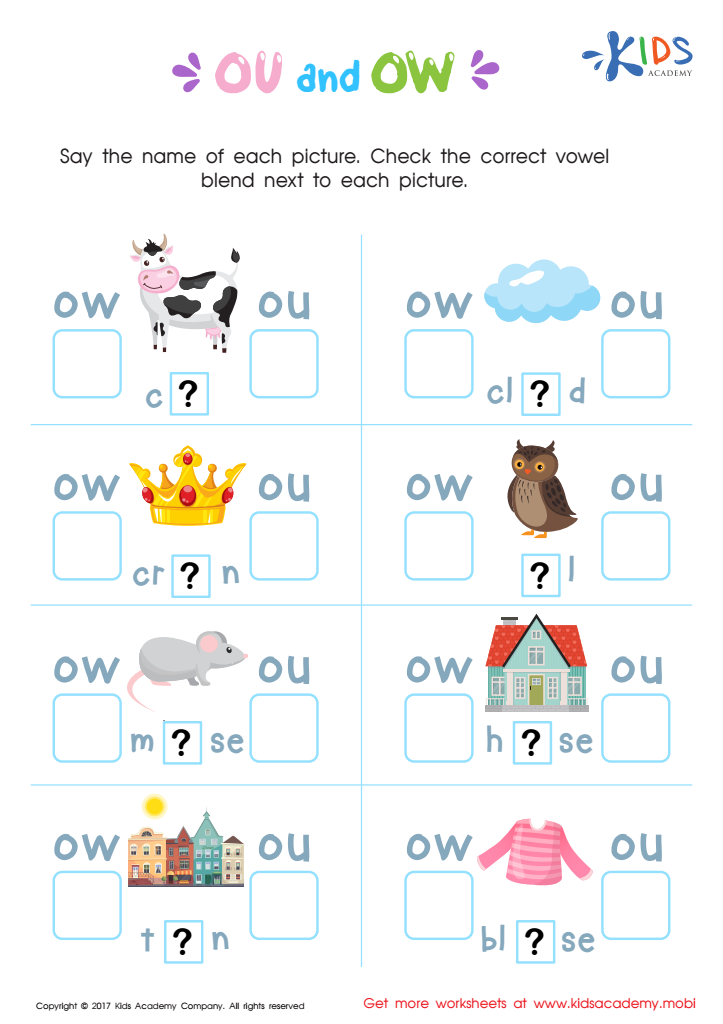
OU and OW Words Worksheet
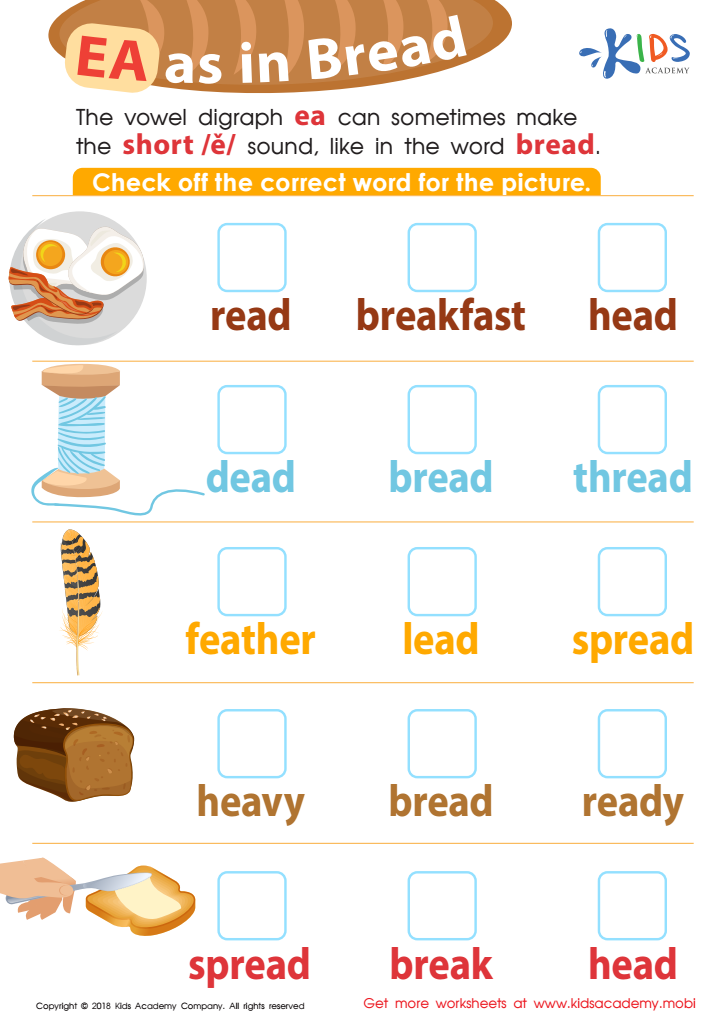
Reading: EA as in Bread Worksheet
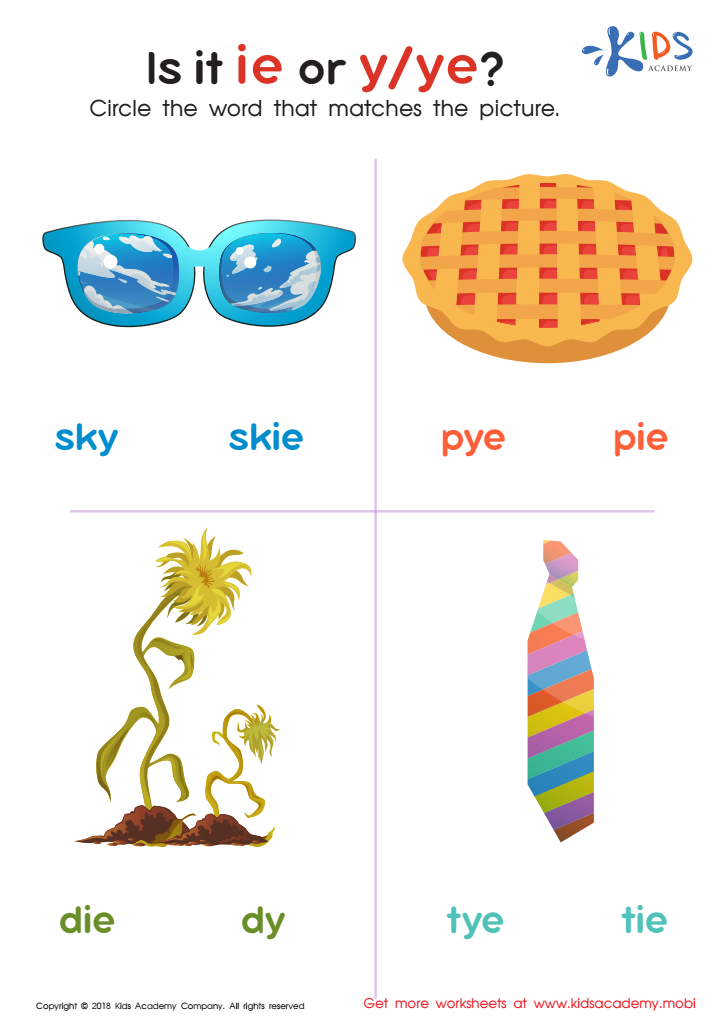
Is It IE or Y/Ye? Worksheet
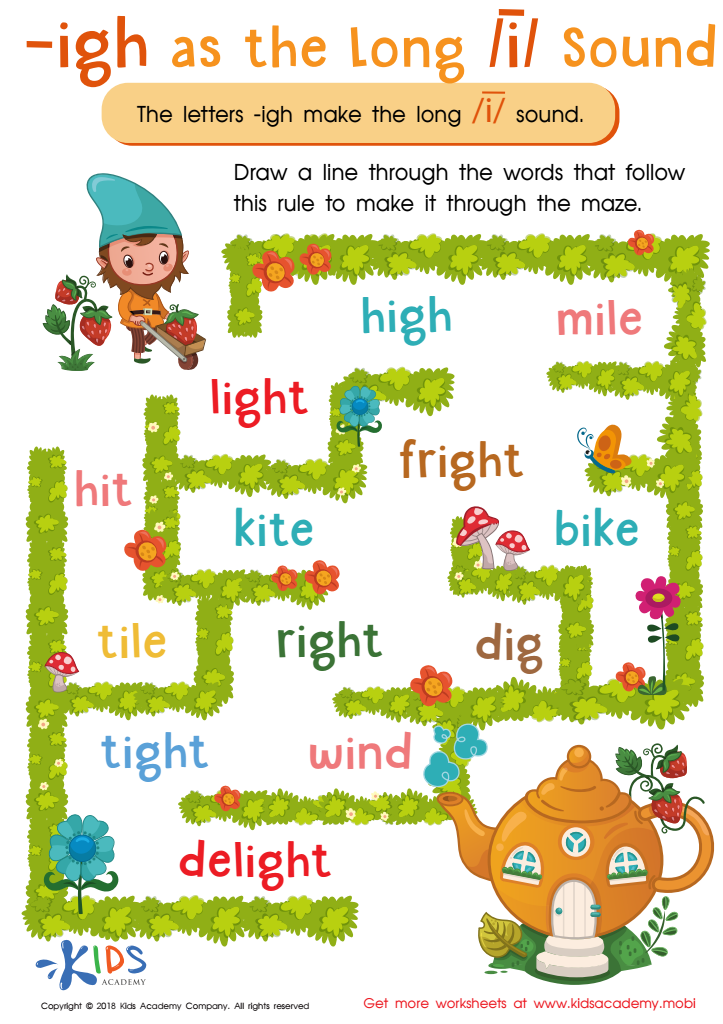
Reading: IGH as Long I Worksheet
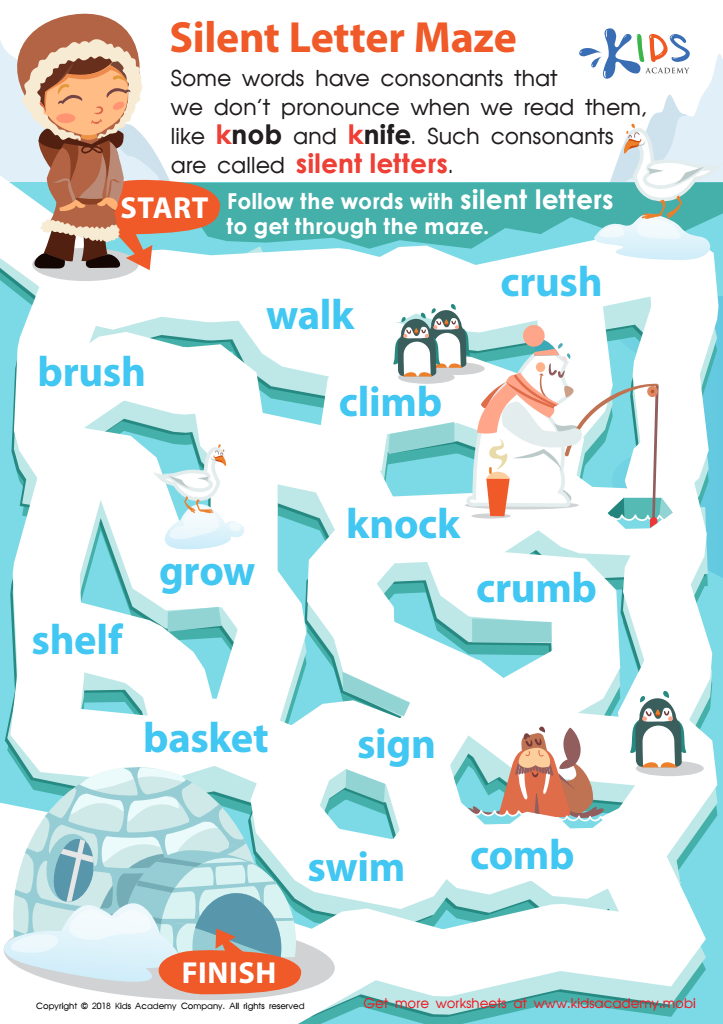
Silent Letter Maze Worksheet
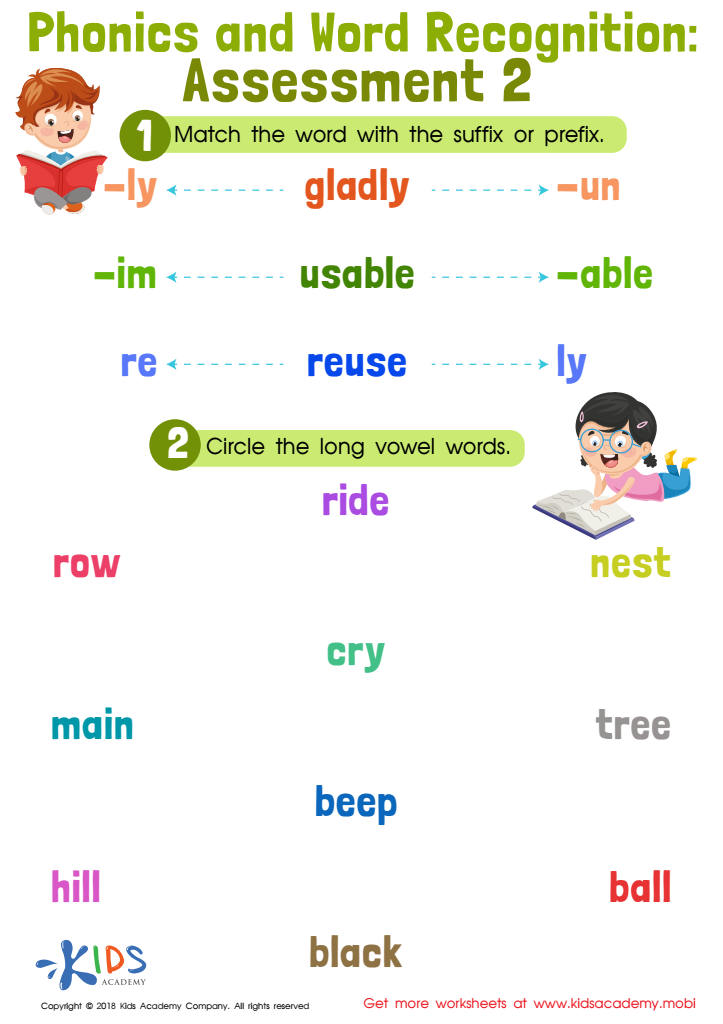
Phonics and Word Recognition: Assessment 2
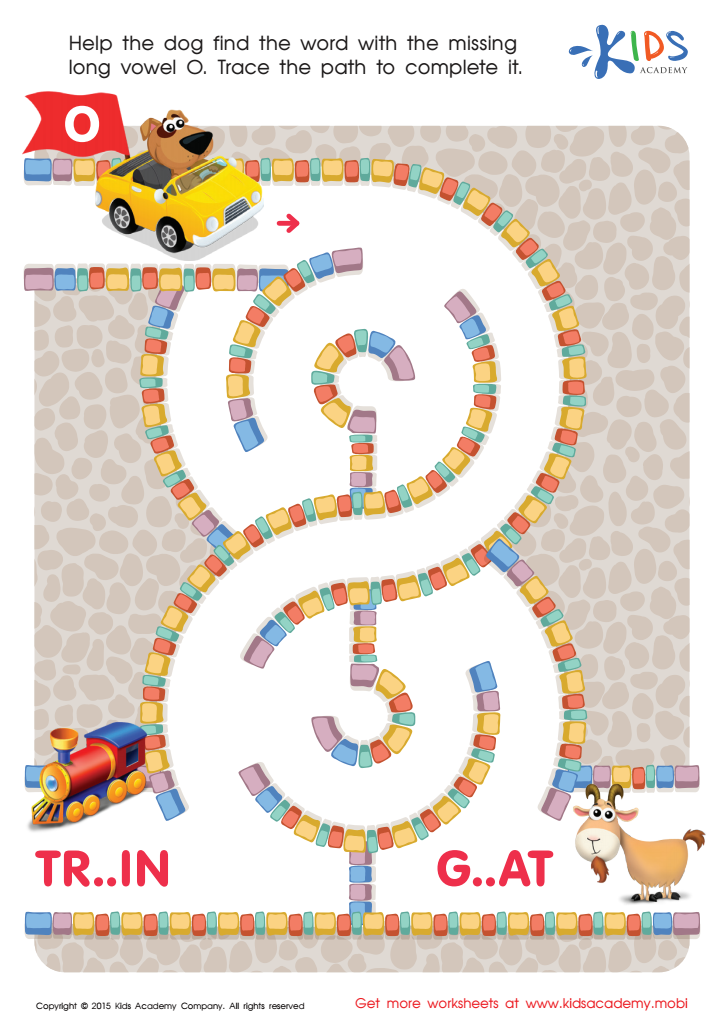
Long Vowel Sound O Worksheet
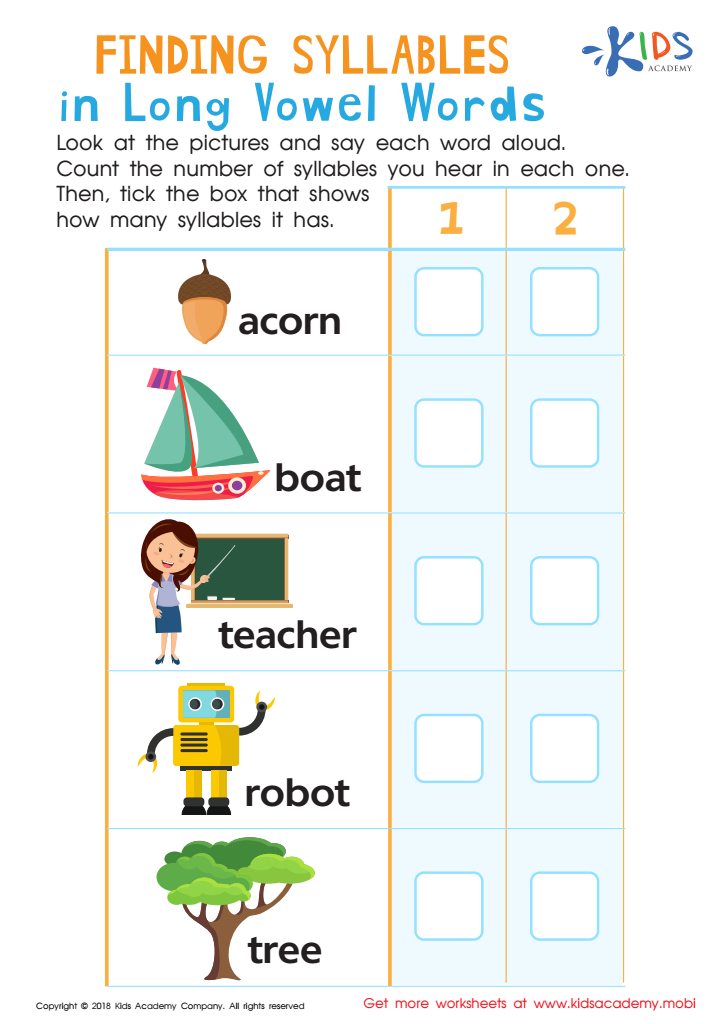
Finding Syllables in Long Vowel Words Worksheet
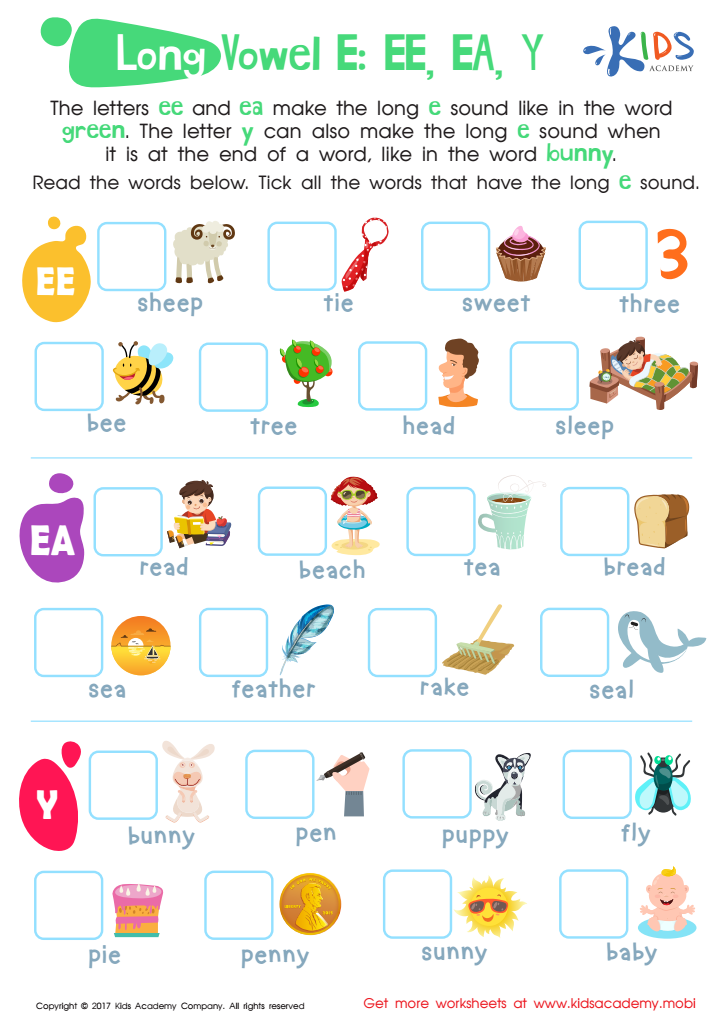
Long Vowel E Printable
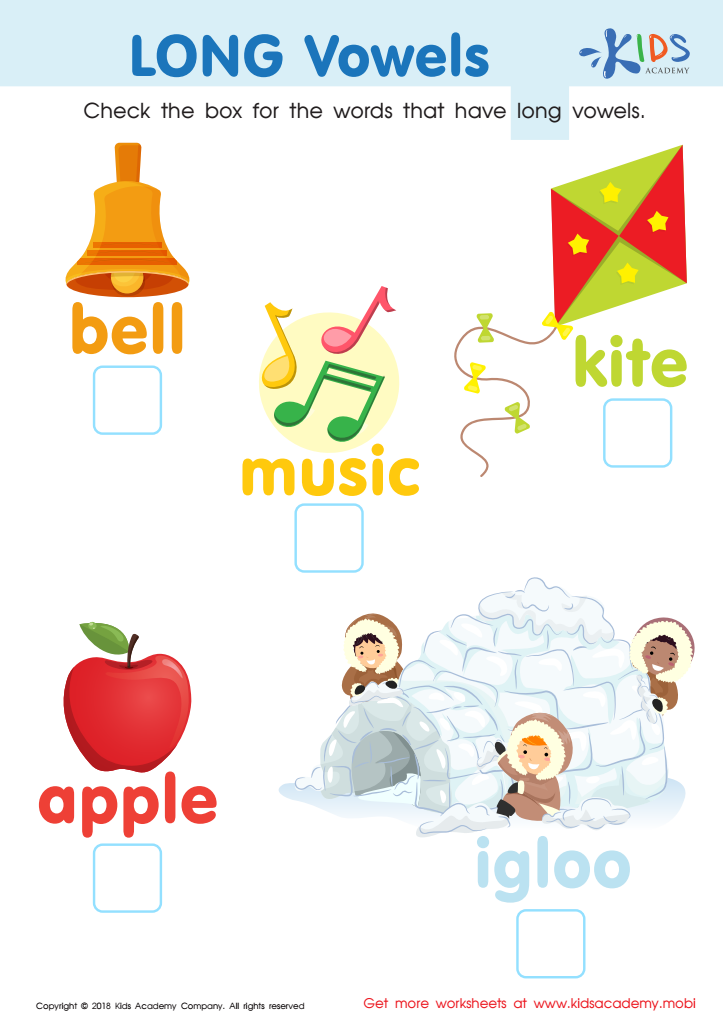
long vowels Worksheet
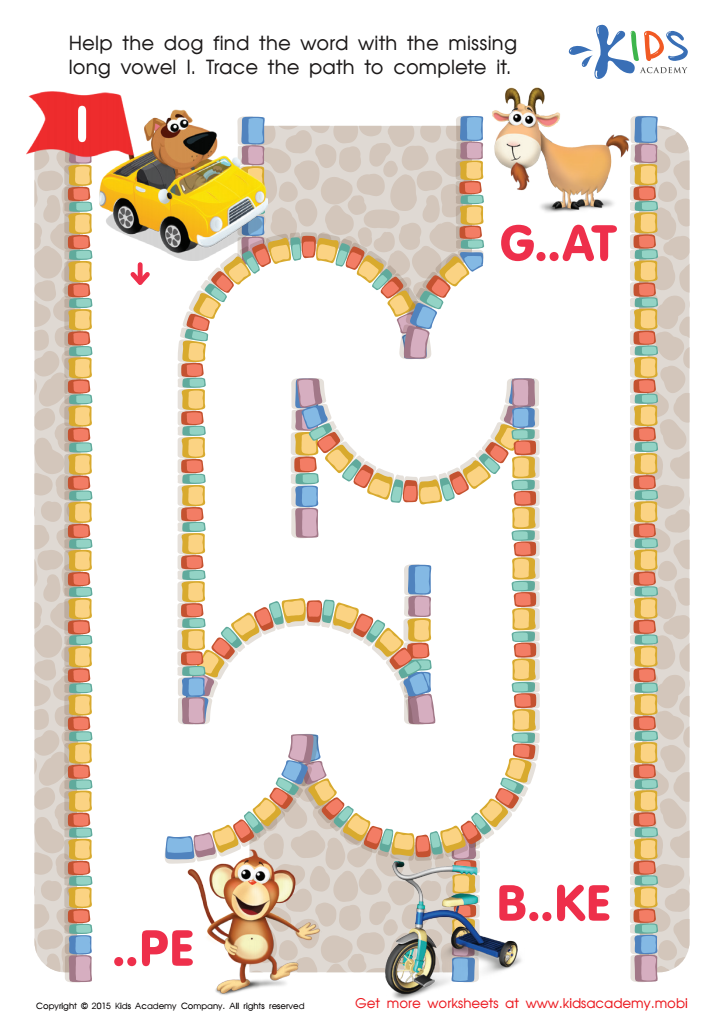
Long Vowel Sound I Worksheet





Vowels are a foundational element of language and literacy, making them crucial for children aged 6-9, who are typically in the early stages of reading and writing development. Understanding vowels—A, E, I, O, U (and sometimes Y)—is essential for decoding words and developing phonemic awareness. When children learn about vowels, they grasp how different sounds form syllables and words, ultimately enhancing their reading fluency and comprehension.
Teachers and parents should take note that a strong foundation in vowel recognition aids in spelling, as many words rely heavily on vowel sounds for their proper rendition. Additionally, understanding short and long vowels can bolster vocabulary growth, enabling children to express themselves more effectively.
Fostering a love for vowels can also lead to greater curiosity in language. Games, songs, and activities centered around vowel sounds can transform learning into an engaging experience, developing not only literacy skills but also a positive association with reading.
Encouraging proficiency in vowels prepares children for future academic success in all subjects, as language skills are interconnected across the curriculum. Thus, focusing on vowels is fundamental to nurturing confident readers and effective communicators, empowering children in their educational journey.







