English for Beginners Worksheets for Ages 6-9 - Page 3
101 filtered results
-
From - To
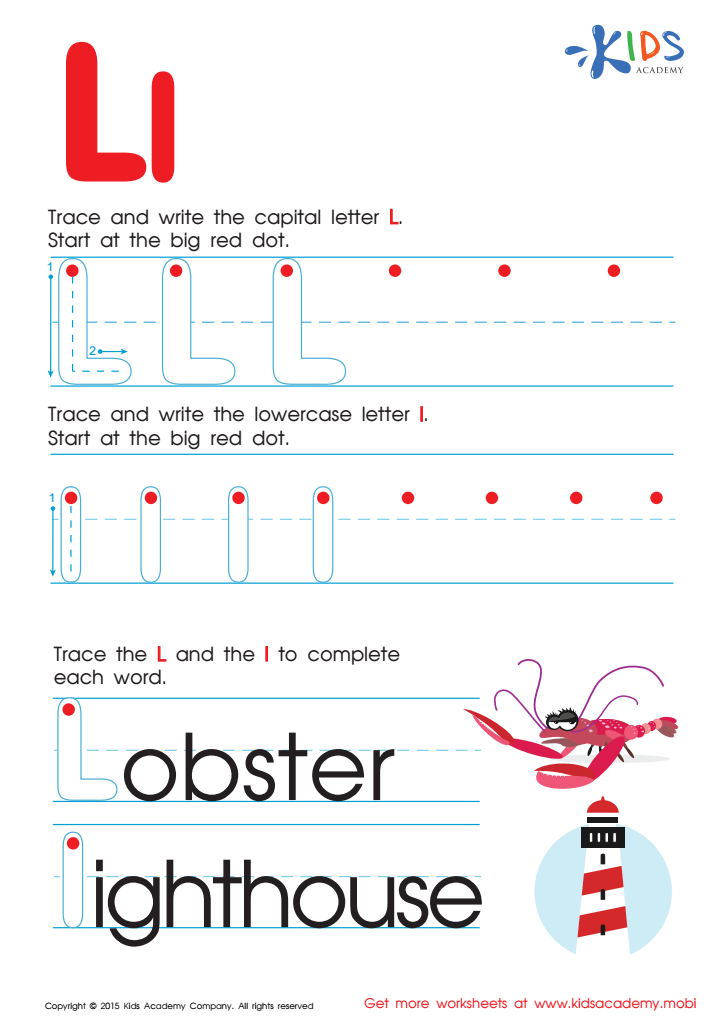
Letter L Tracing Page
 Assign to My Students
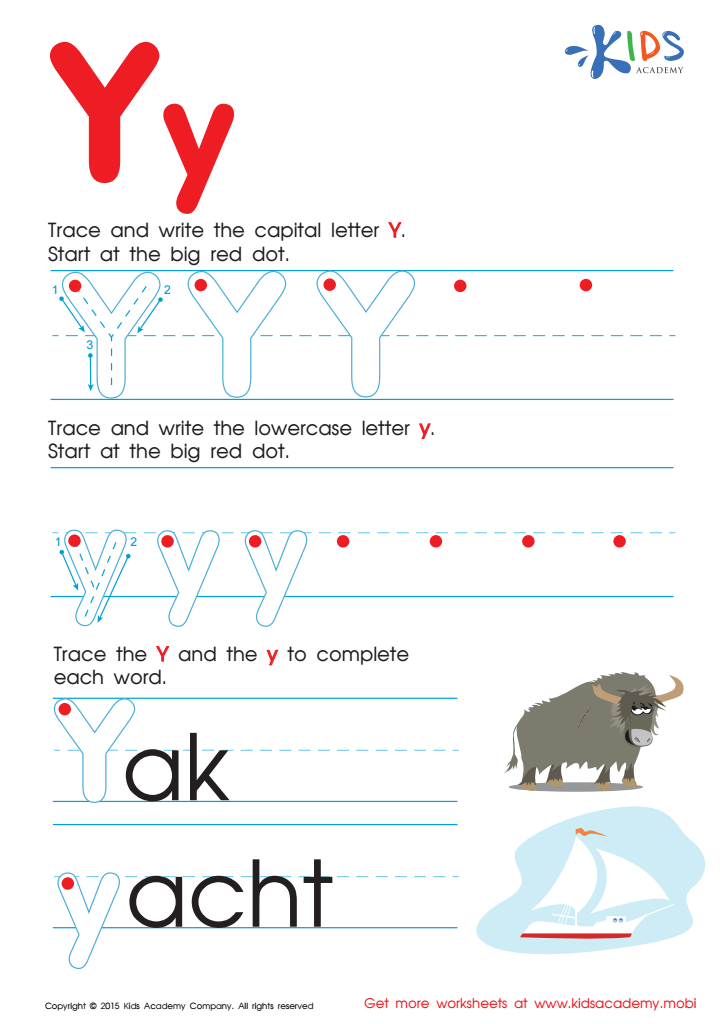
Letter Y Tracing Page
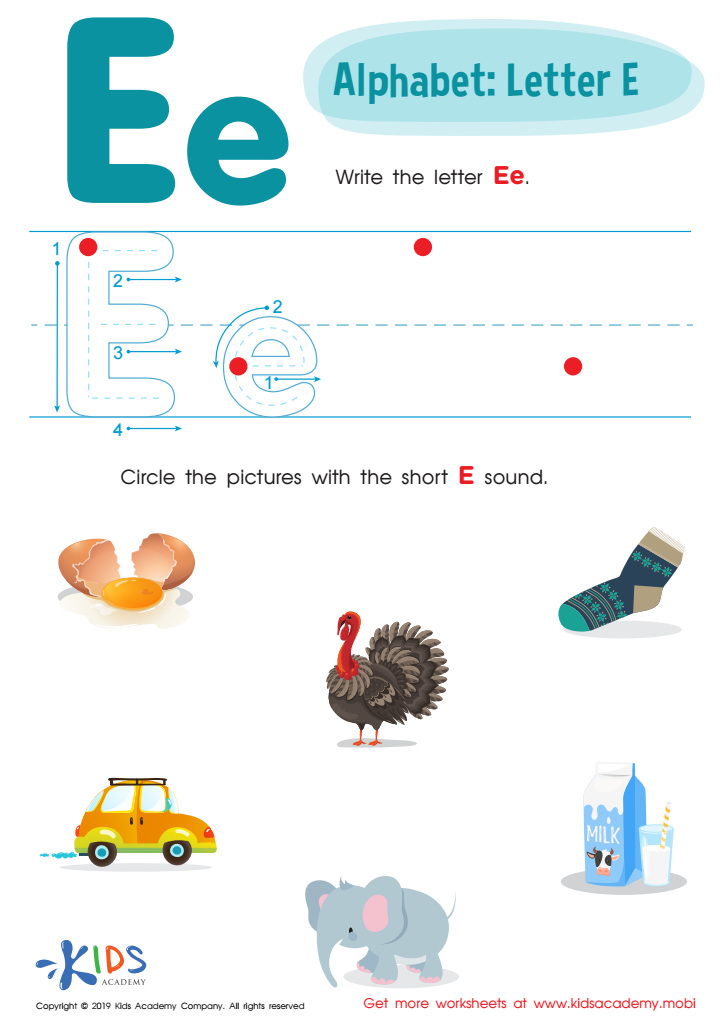
Letter E Tracing Worksheet
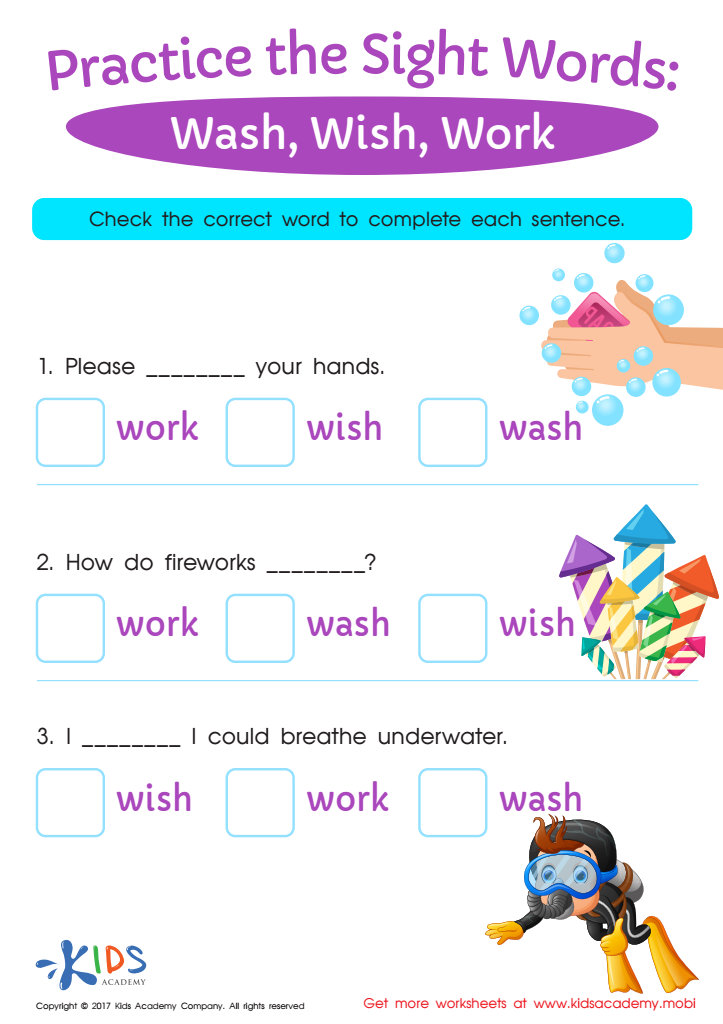
Wash, Wish, Work Sight Words Worksheet
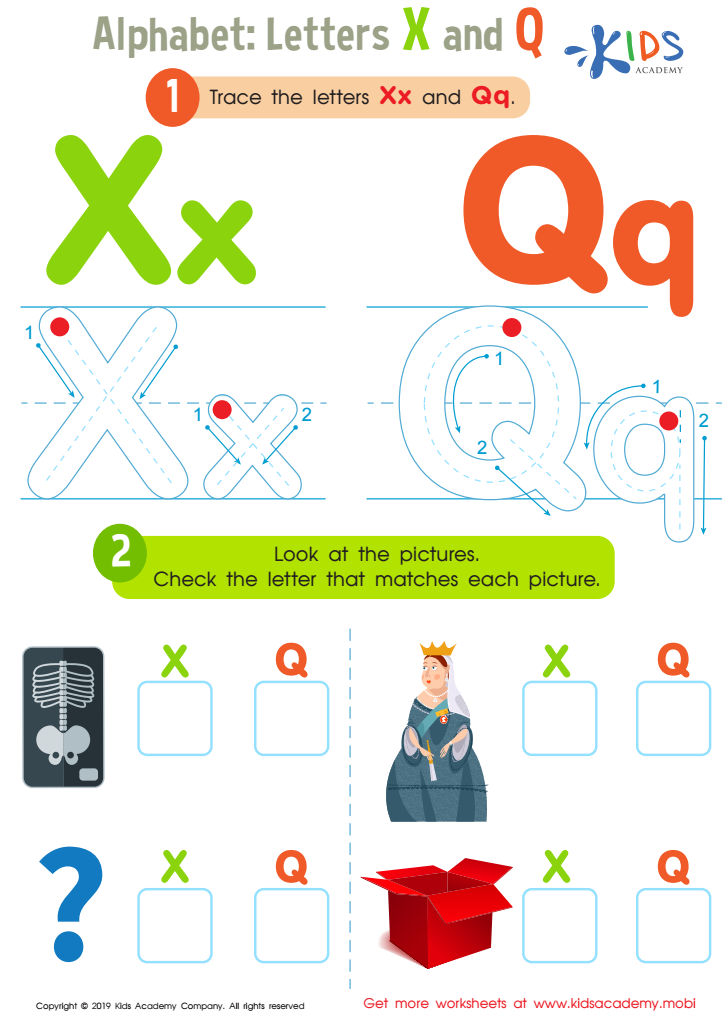
Letters X and Q Tracing Worksheet
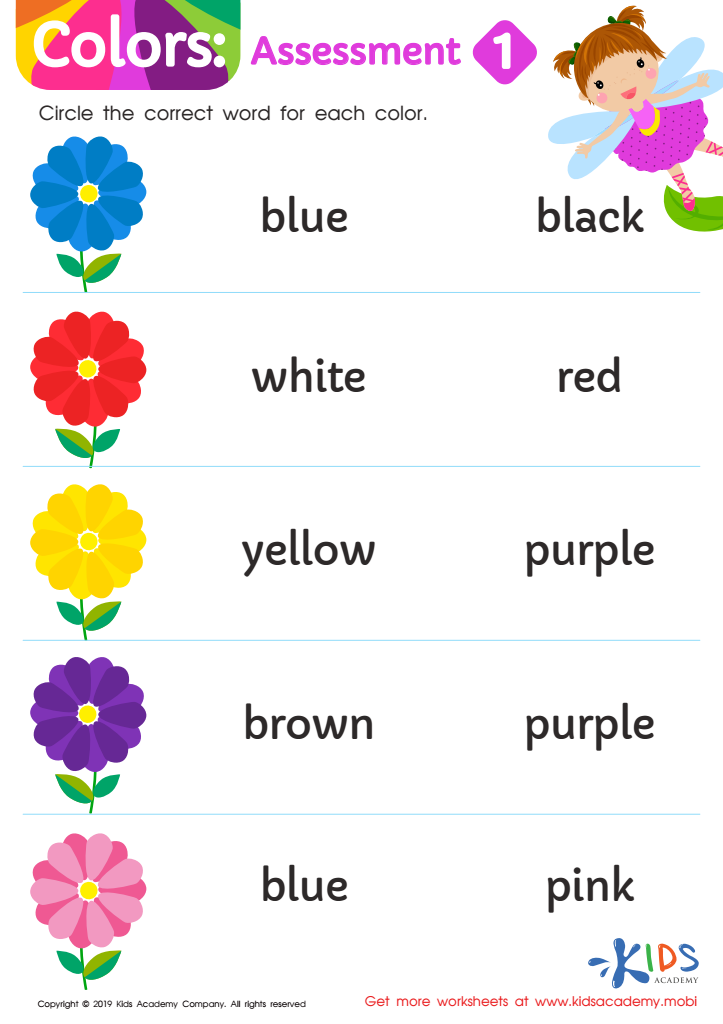
Colors: Assessment 1 Worksheet
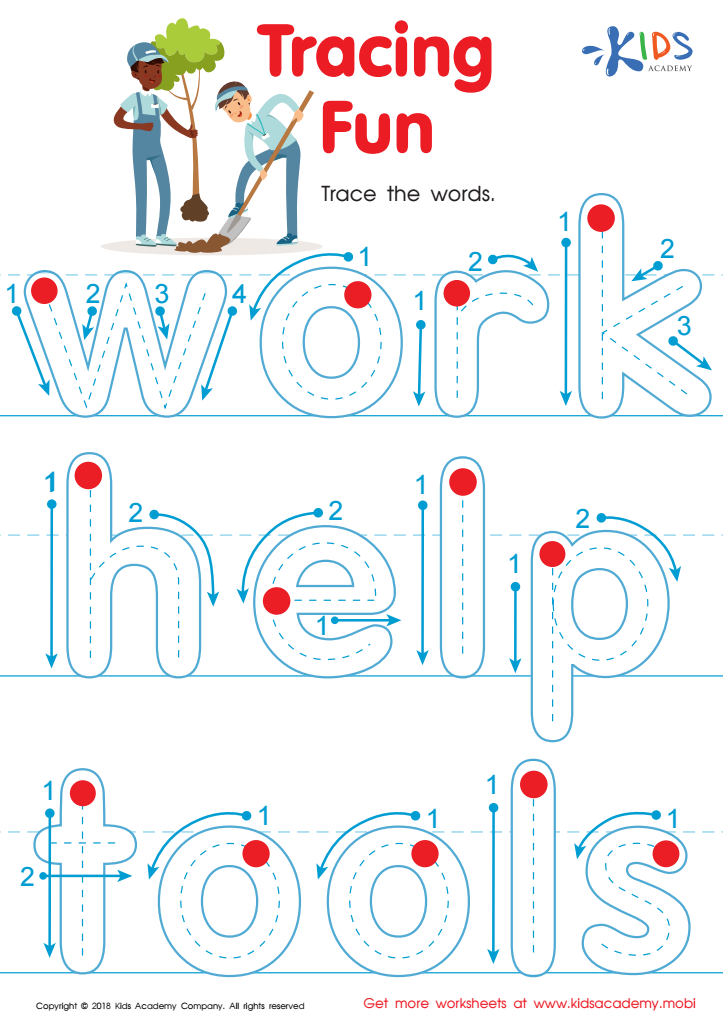
Tracing Fun Worksheet
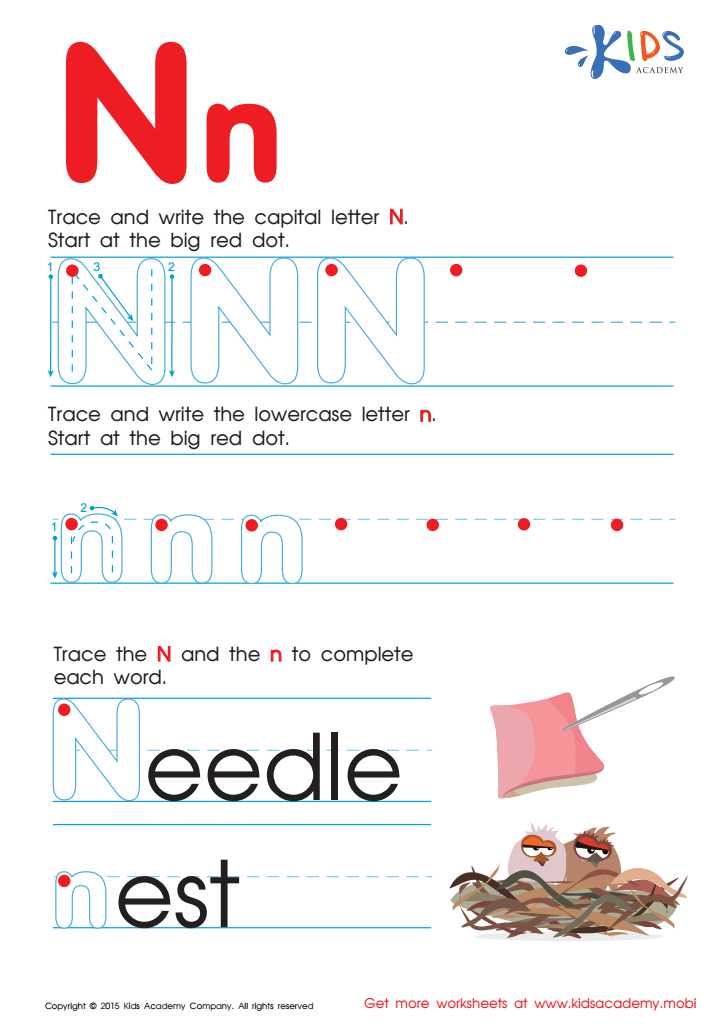
Letter N Tracing Page
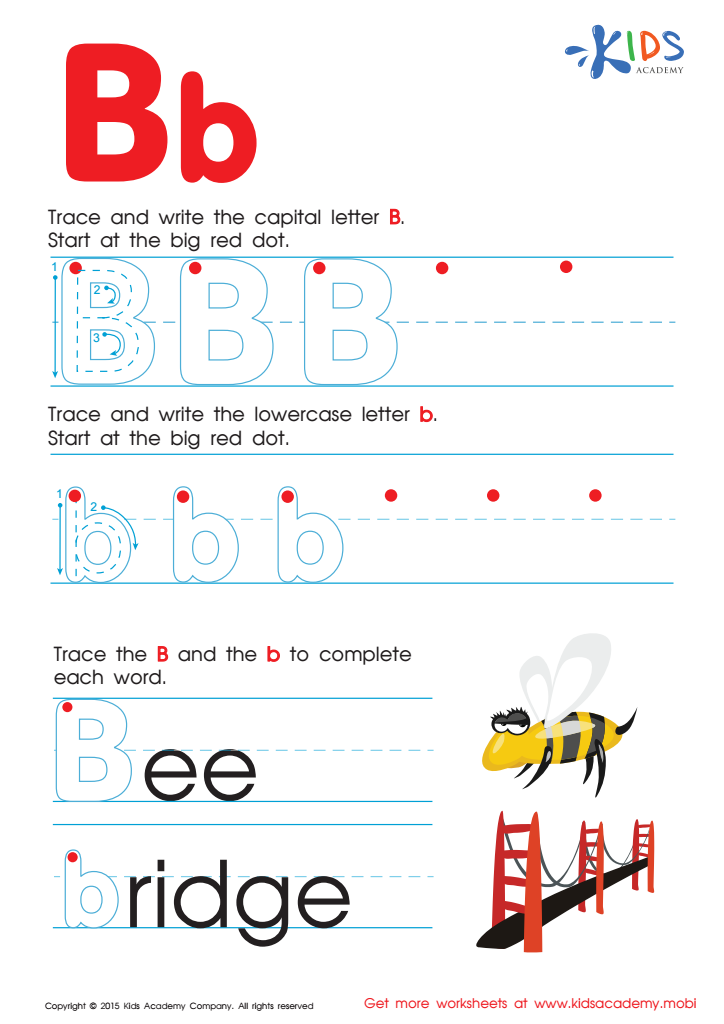
Letter B Tracing Page
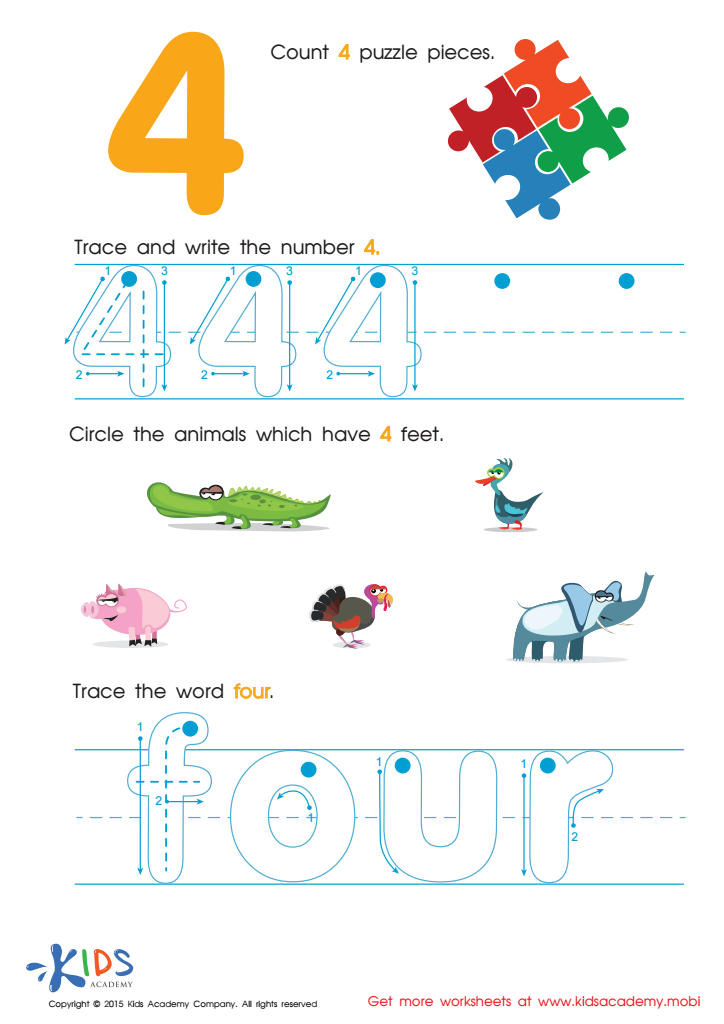
Teaching Children to Write Number 4 Worksheet
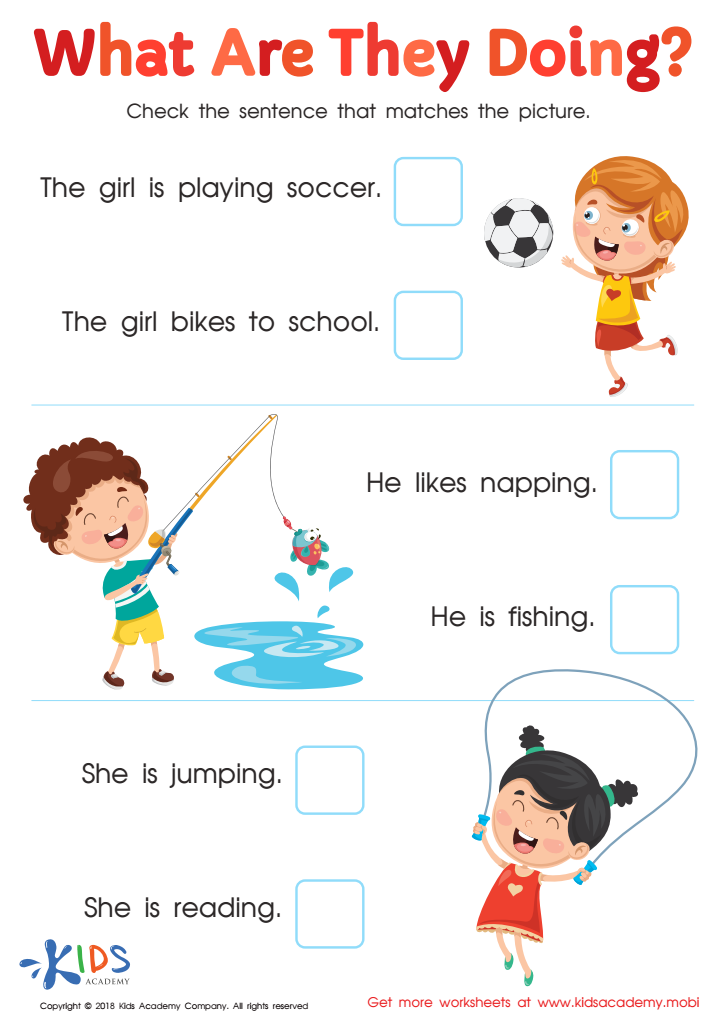
What Are They Doing? Worksheet
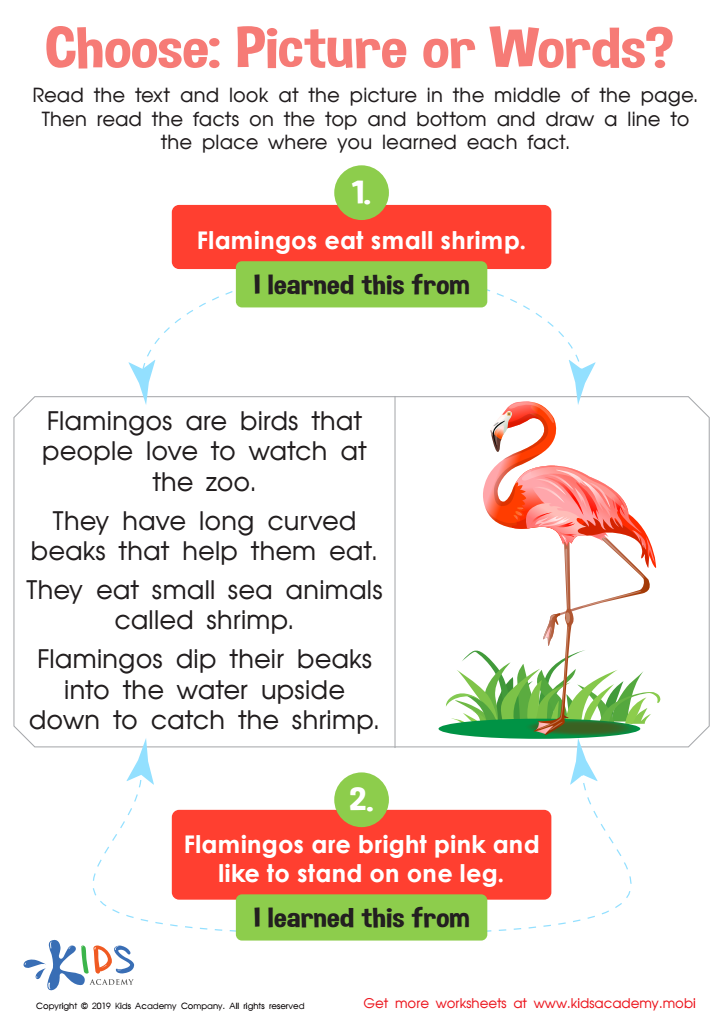
Choose Picture Words Worksheet
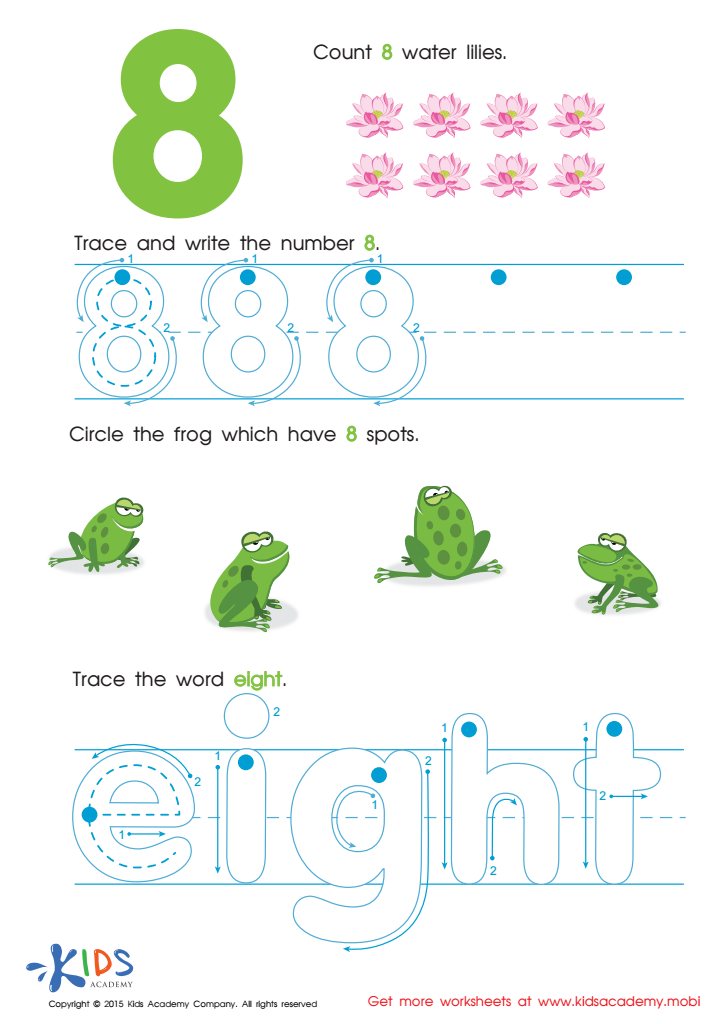
Learn Number 8 Easily Worksheet
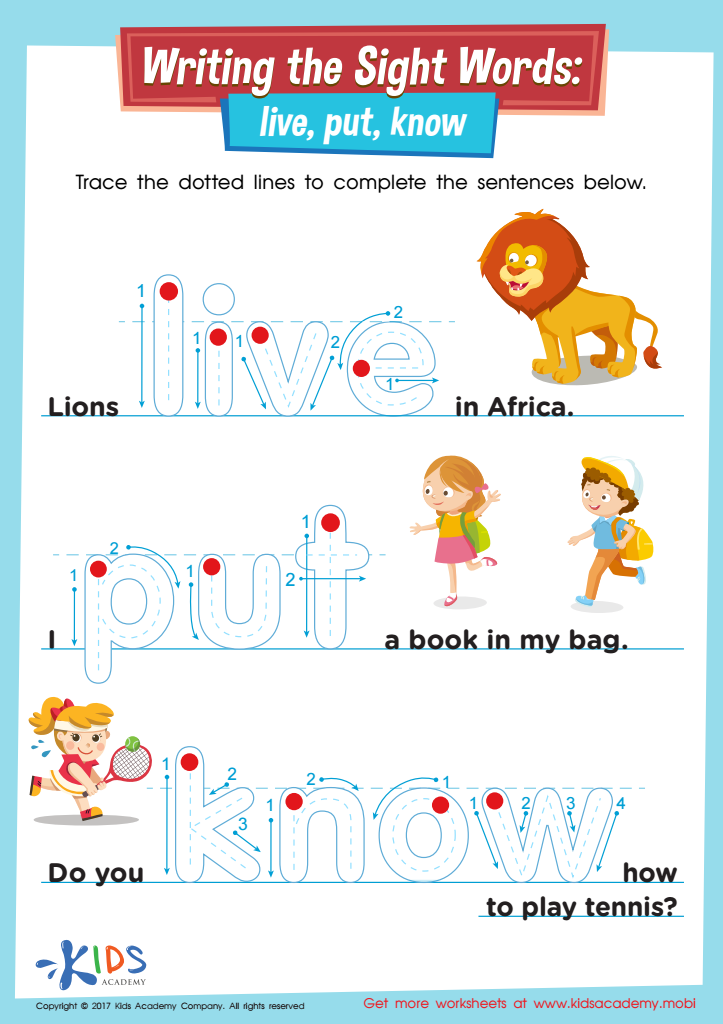
Live, Put, Know Printable Sight Words Worksheet
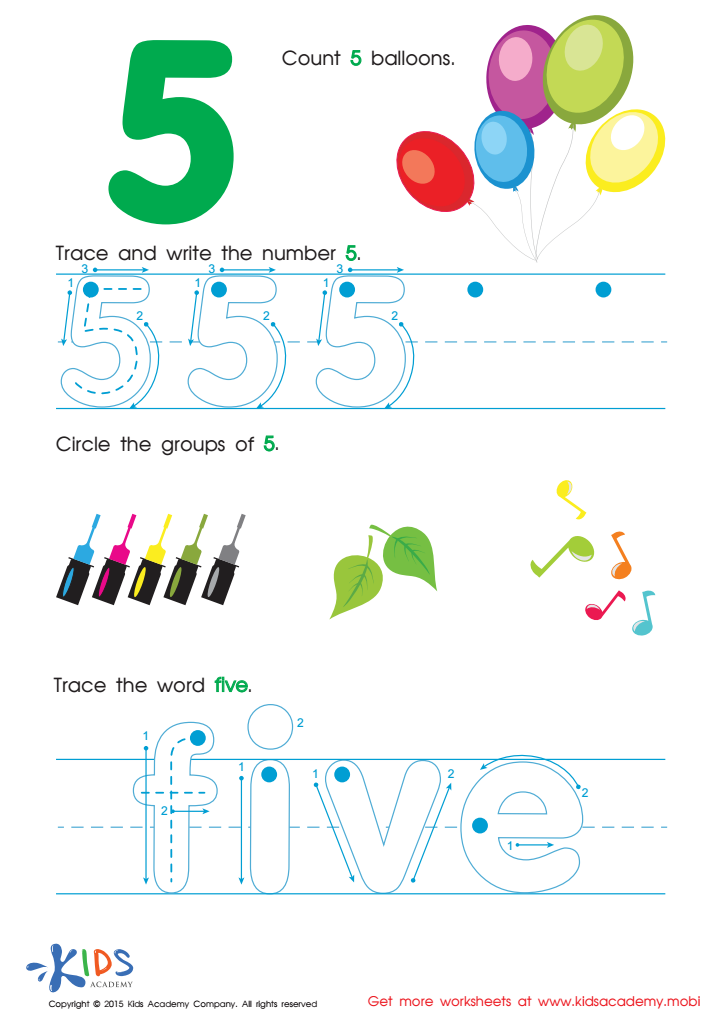
Practice Writing Number 5 Worksheet
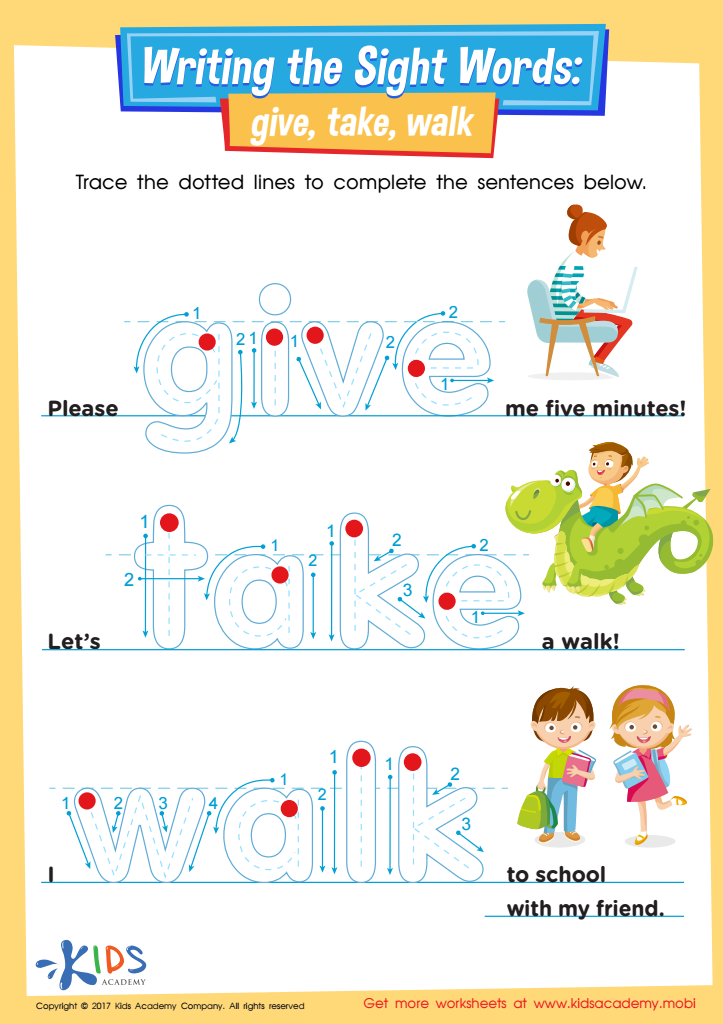
Give, Take, Walk Printable Sight Words Worksheet
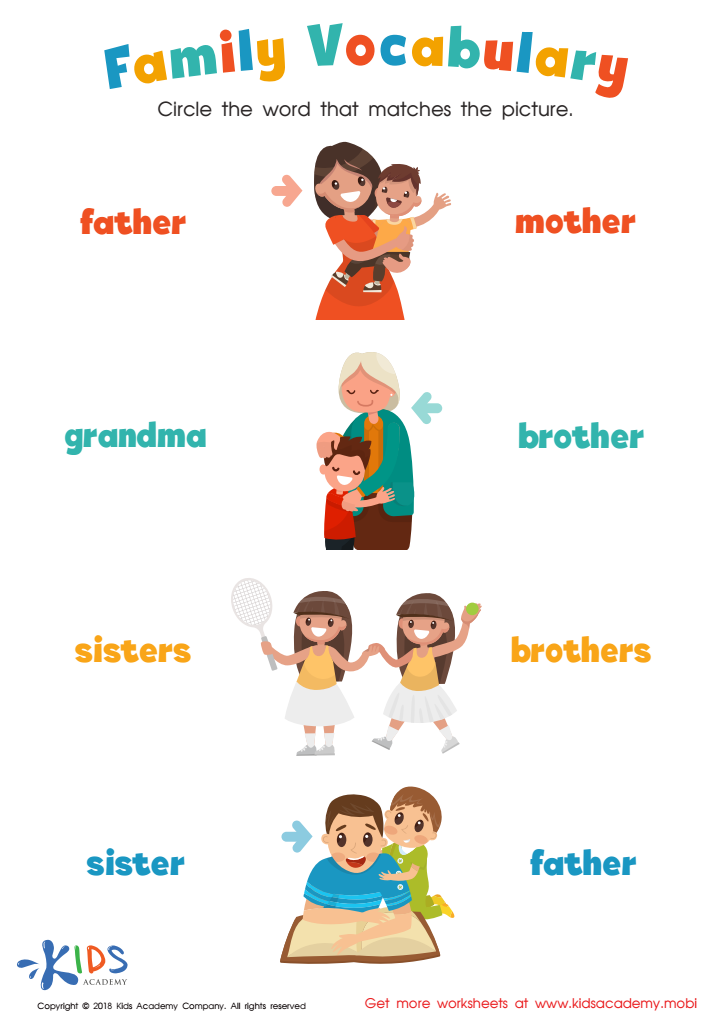
Family Vocabulary Worksheet
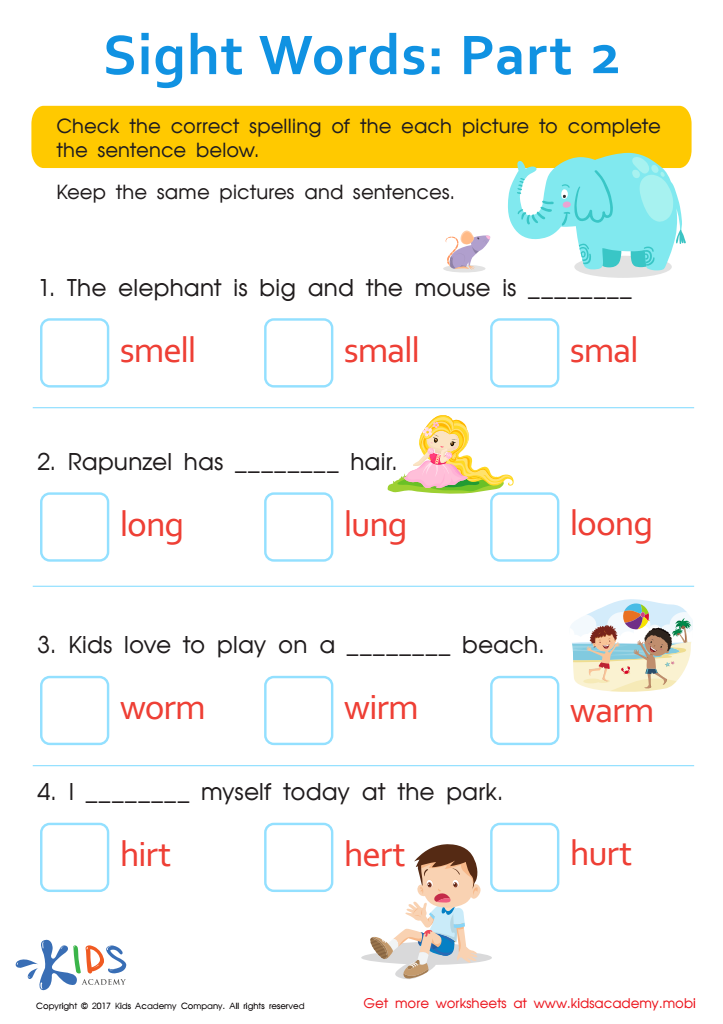
Sight Words Worksheet
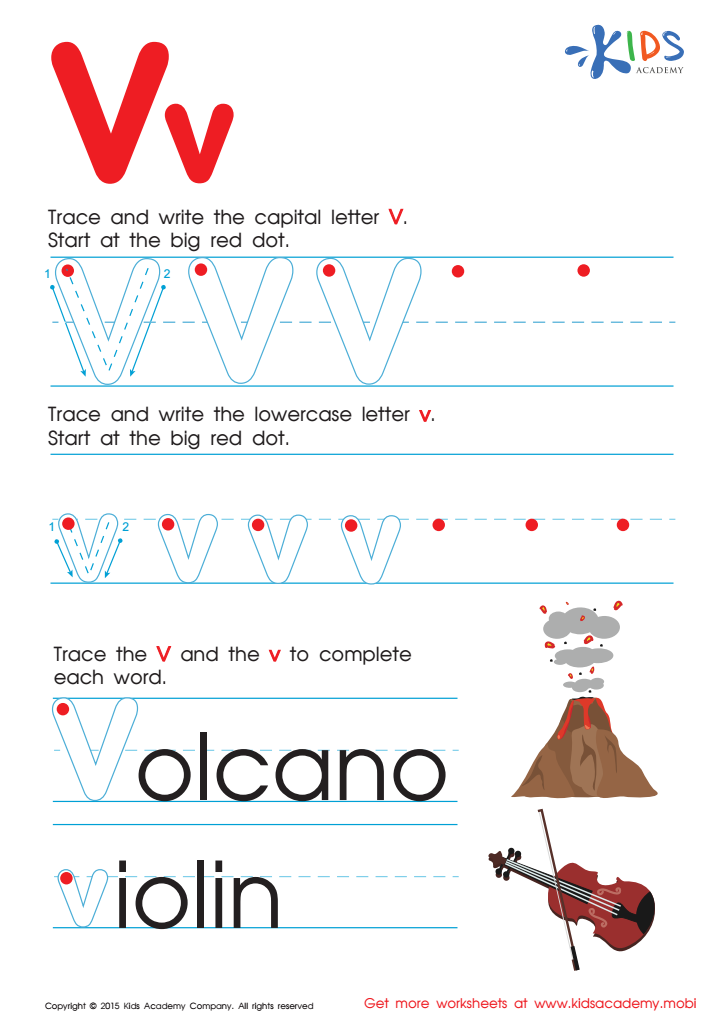
Letter V Tracing Page
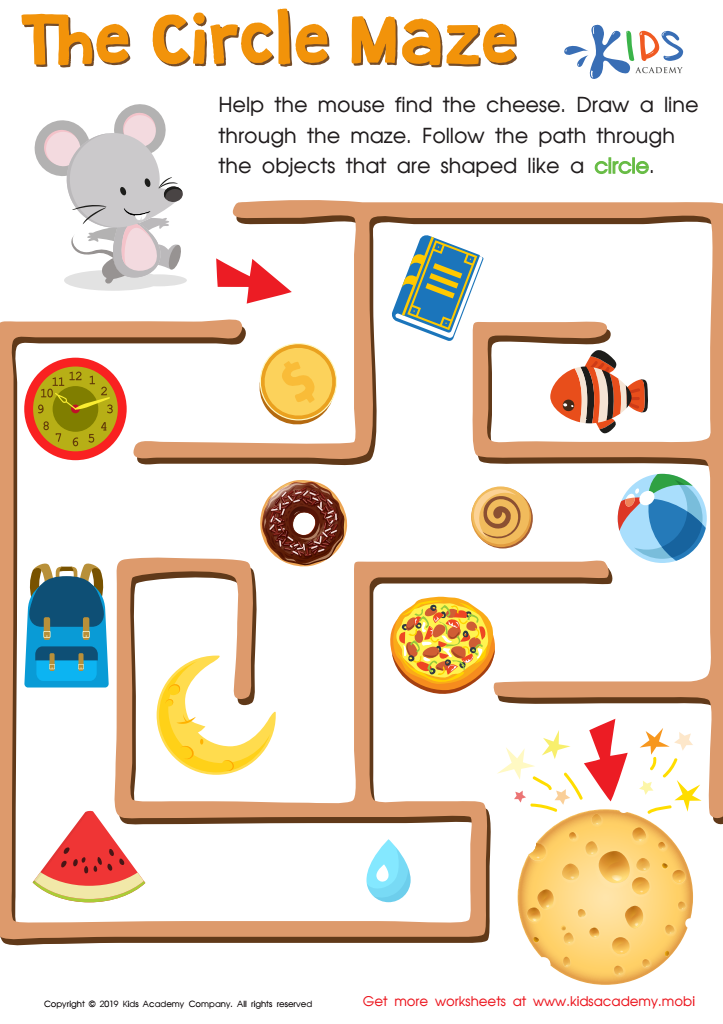
The Circle Maze Worksheet
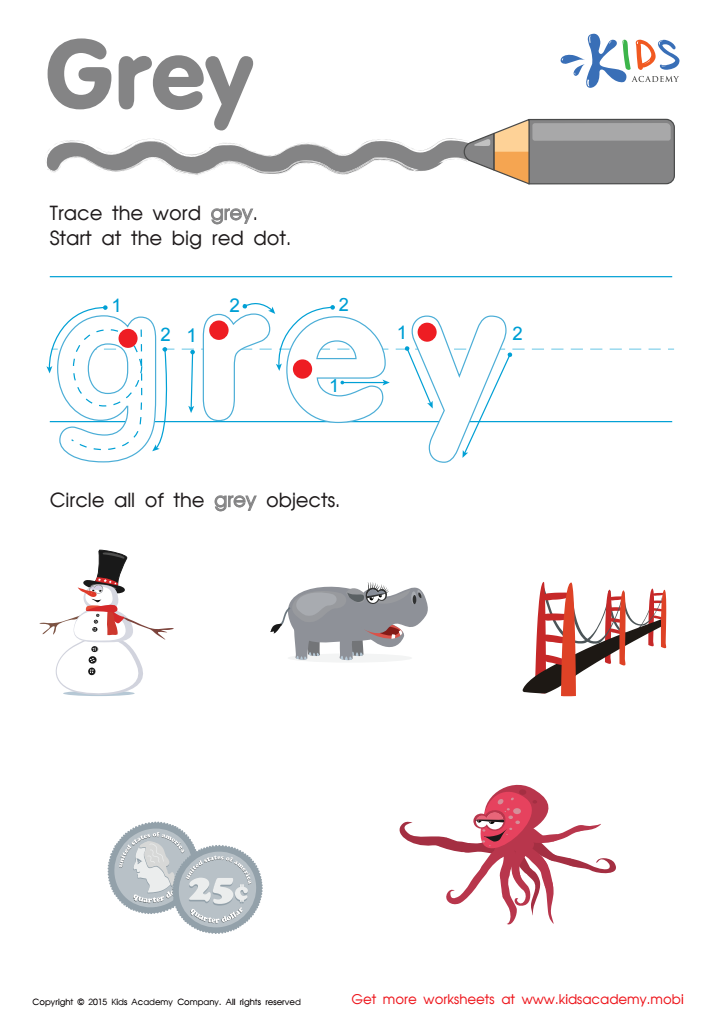
Grey Tracing Color Words Worksheet
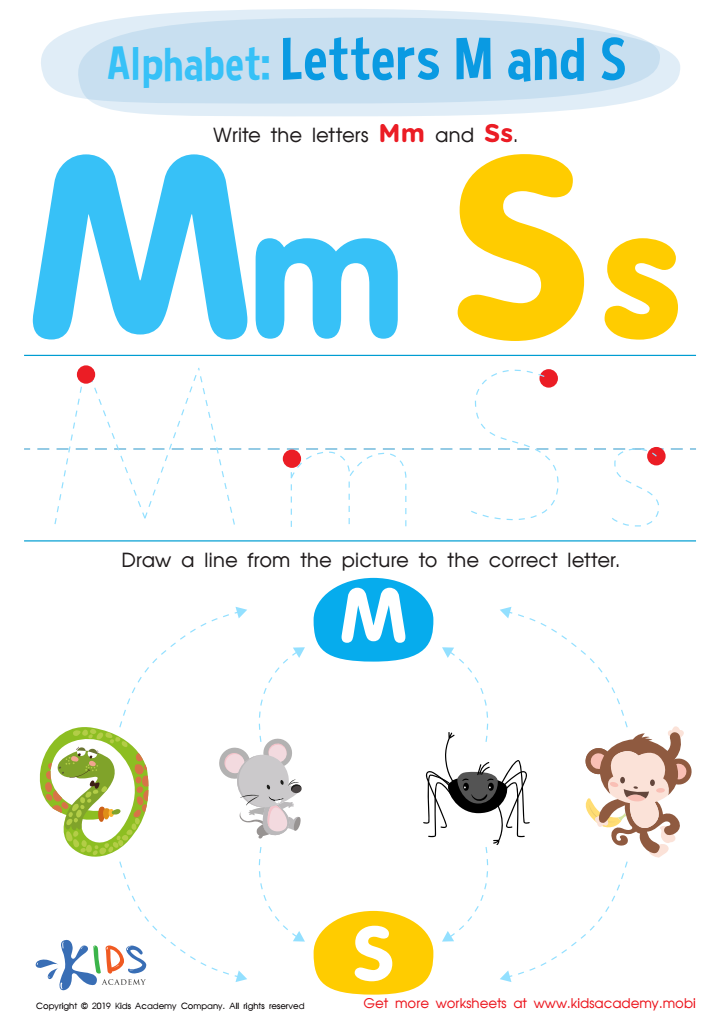
Letters M and S Tracing Worksheet
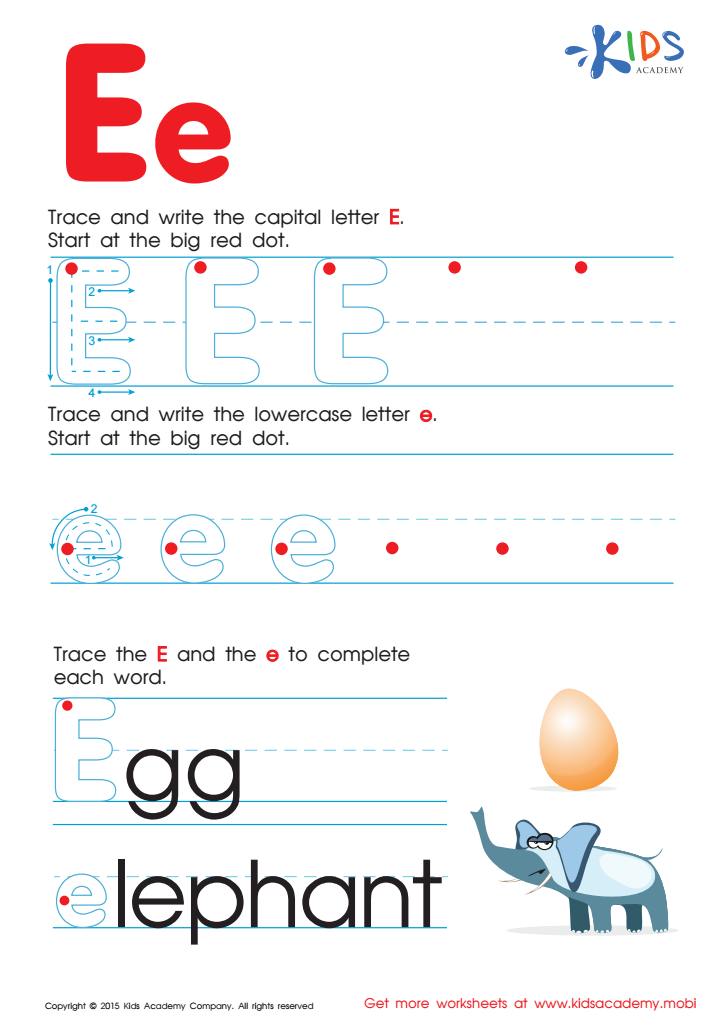
Letter E Tracing Page
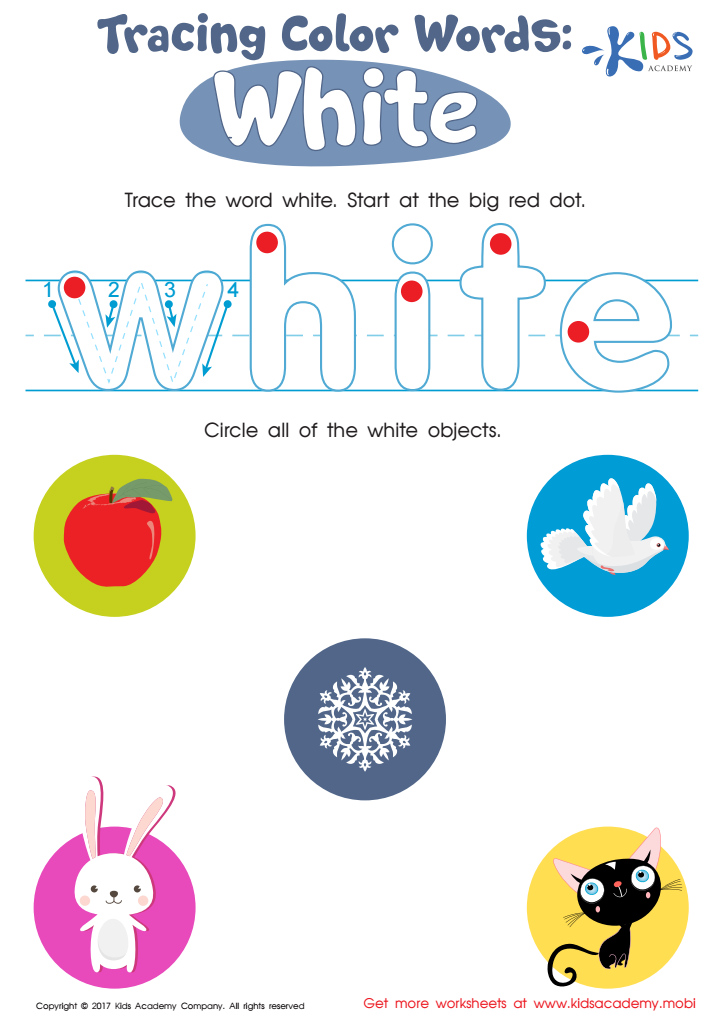
White Tracing Color Words Worksheet





Parents and teachers should prioritize English for beginners aged 6-9 because early literacy lays a critical foundation for a child's future academic success and lifelong learning. At this stage, children's brains are most receptive to language acquisition, enabling them to grasp new vocabulary, pronunciation, and grammatical structures with greater ease.
Engaging with English at a young age enhances cognitive development, boosts confidence, and fosters positive communication skills. For children in diverse linguistic environments, building a solid foundation in English can improve their social interactions, facilitating better relationships with peers and educators.
Moreover, English proficiency is increasingly vital in a globalized world, opening doors to higher education and career opportunities. By equipping children with these skills early on, parents and teachers promote a love for reading and storytelling, helping them to engage with diverse cultures and ideas.
Additionally, integrating fun and interactive methods in language instruction, such as games and storytelling, makes learning enjoyable, encouraging children to express themselves creatively. Prioritizing English for beginners nurtures curiosity, develops critical thinking, and prepares children to navigate various contexts confidently throughout their lives. In essence, fostering English skills at this developmental stage offers lifelong benefits that extend beyond the classroom.