Fractions of Shapes Worksheets for Ages 6-9 - Page 2
38 filtered results
-
From - To
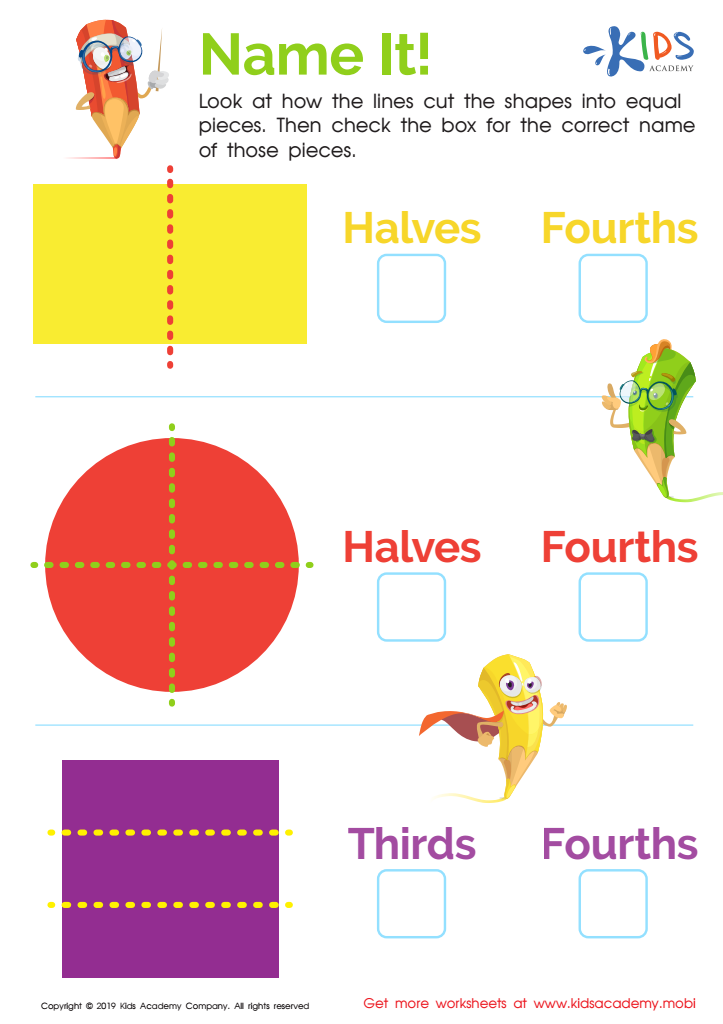
Name It! Worksheet
 Assign to My Students
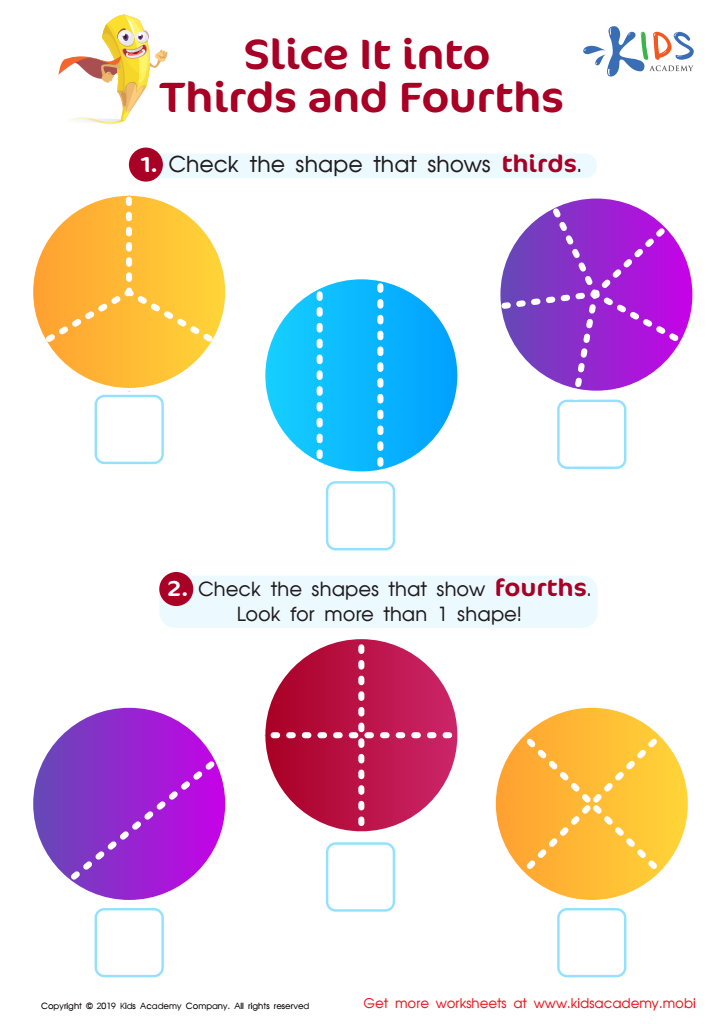
Slice in Thirds Fourths Worksheet
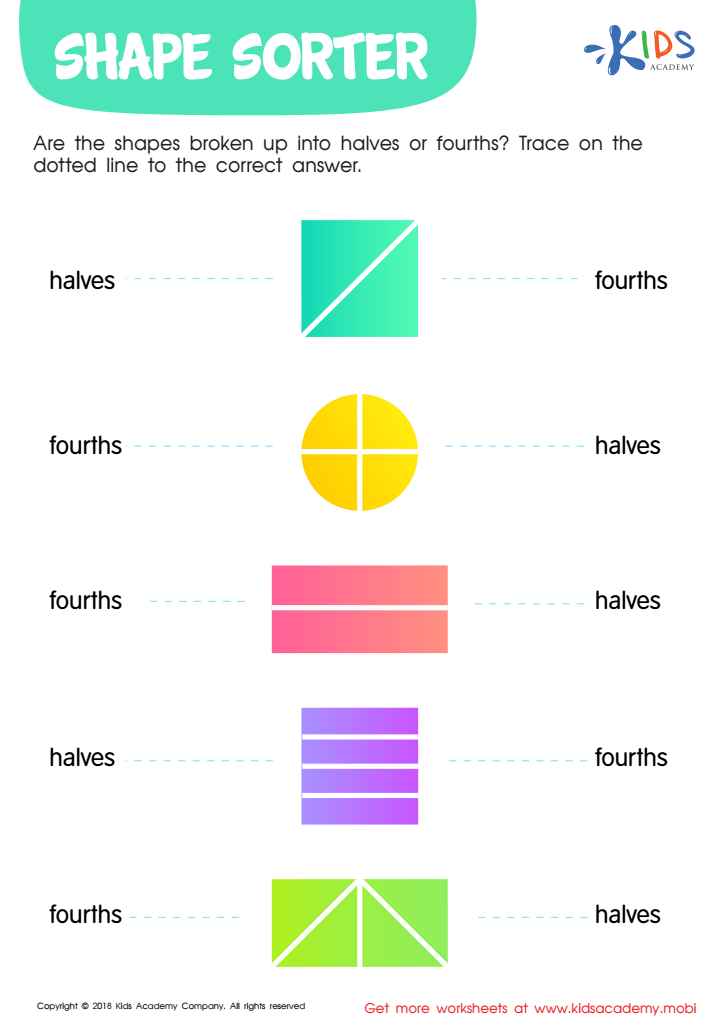
Shape Sorter Worksheet
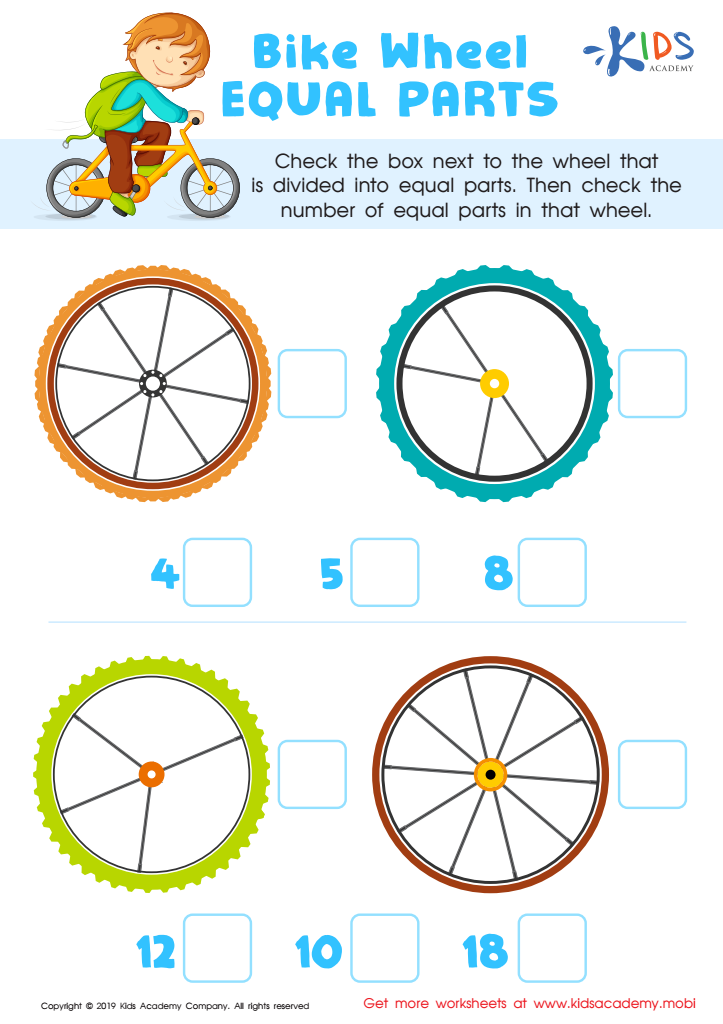
Bike Wheel Equal Parts Worksheet
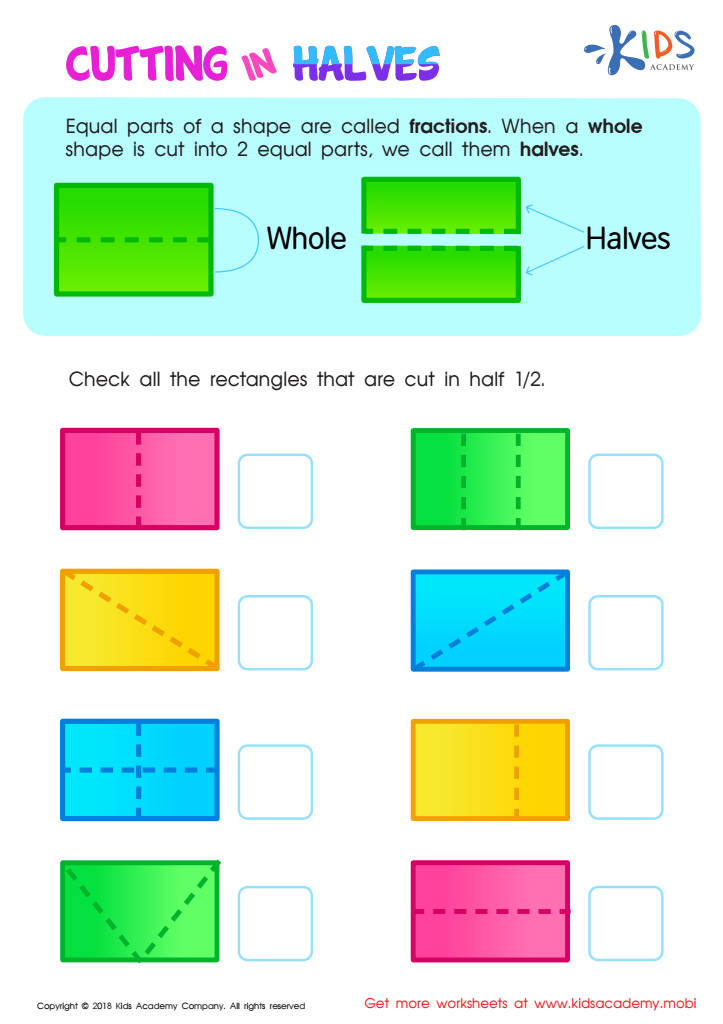
Cutting in Halves Worksheet
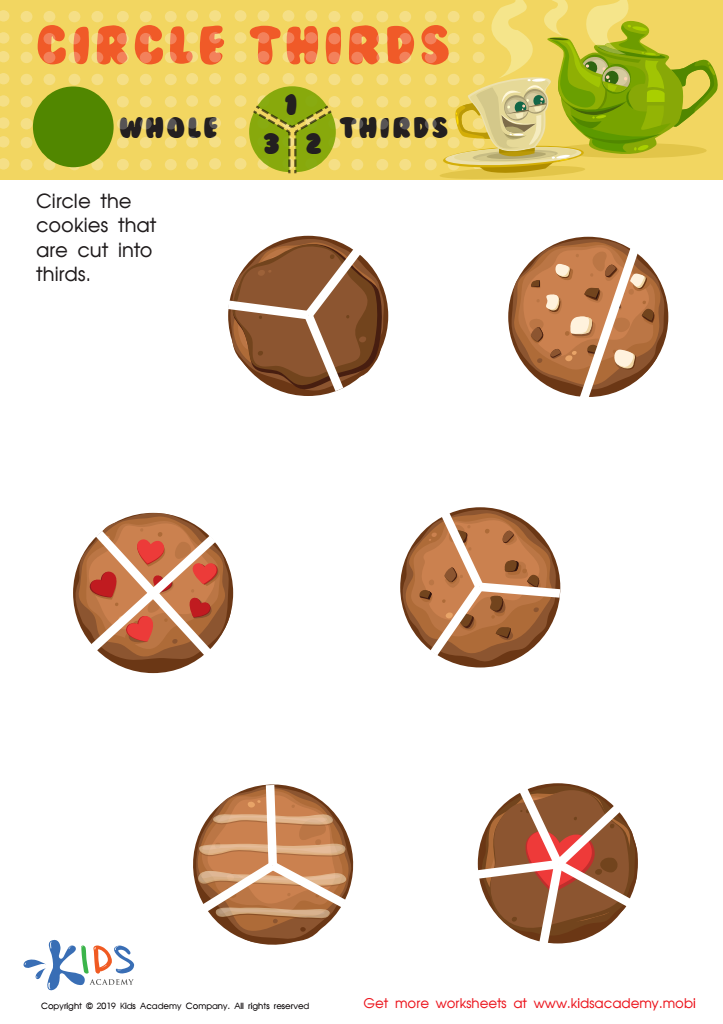
Circle Thirds Worksheet
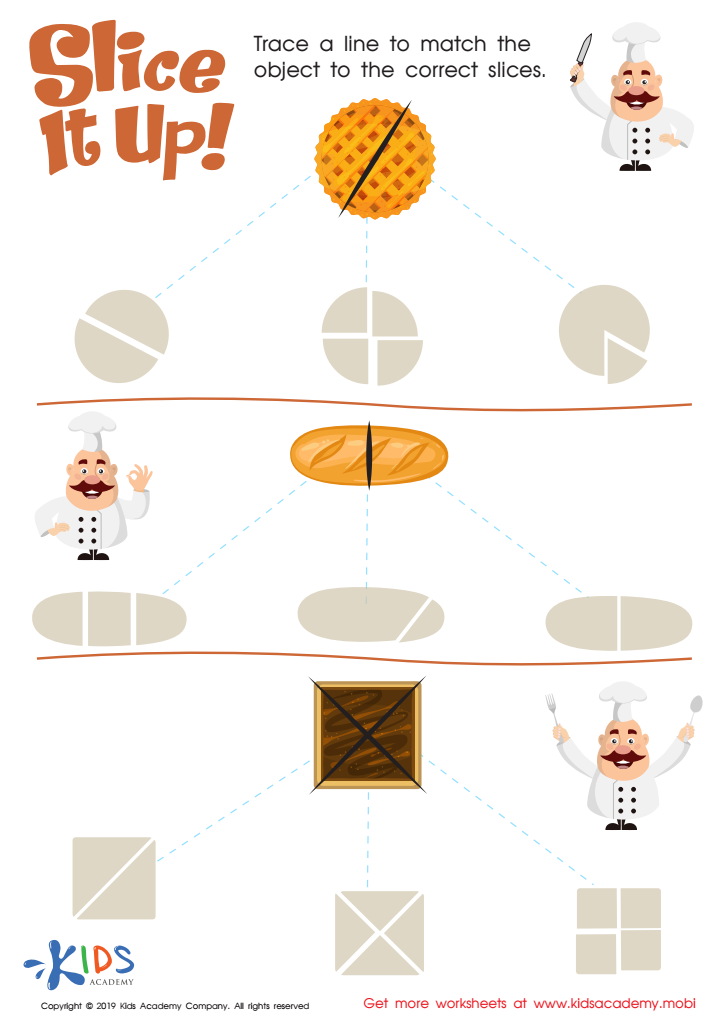
Slice It Up Worksheet
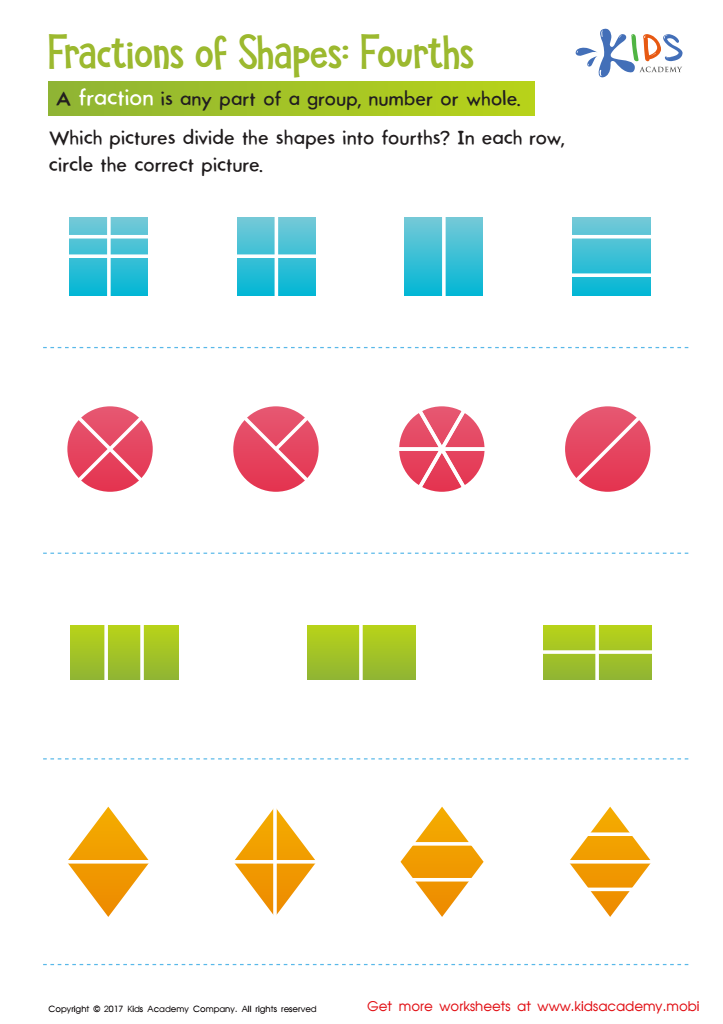
Fractions of Shapes Worksheet
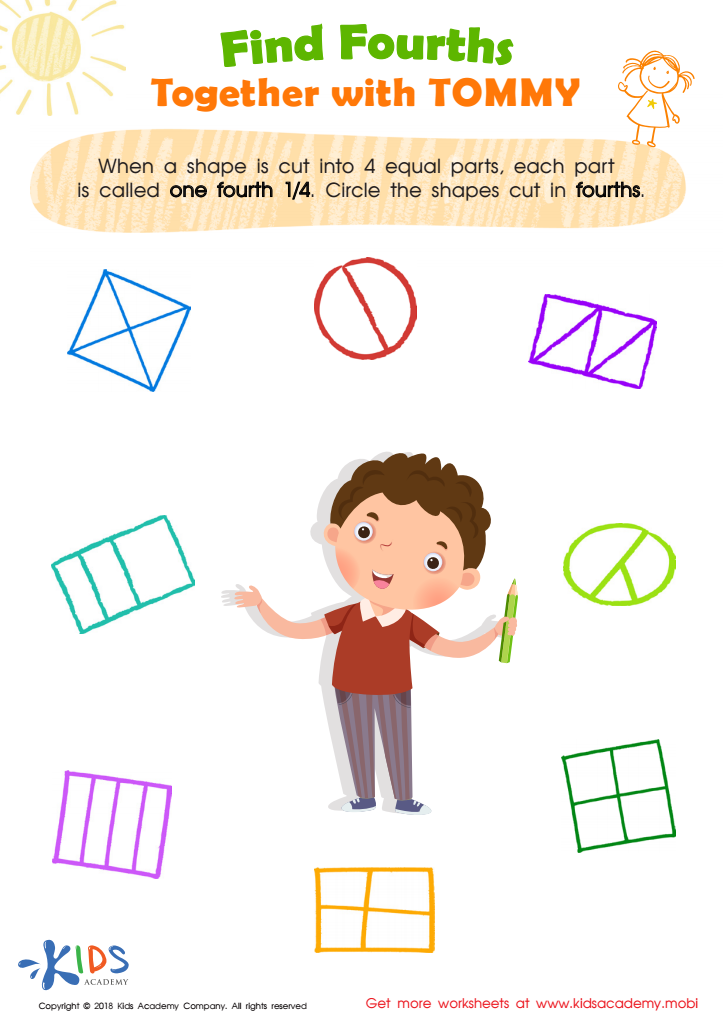
Find Fourths Together with Tommy Worksheet
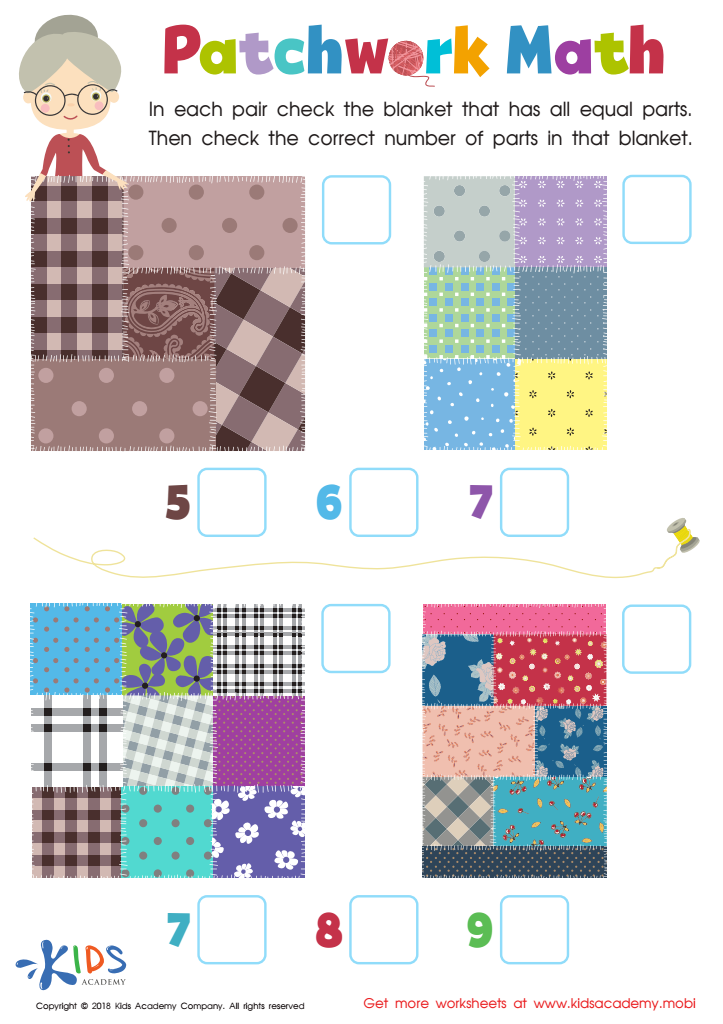
Patchwork Math Worksheet
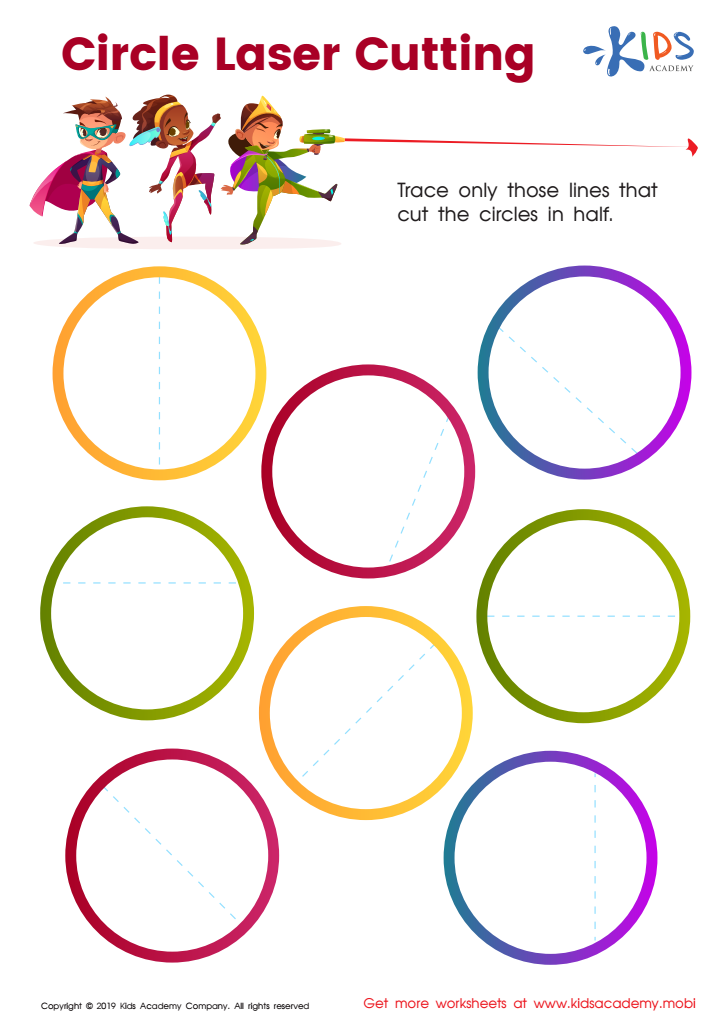
Circle Laser Cutting Worksheet
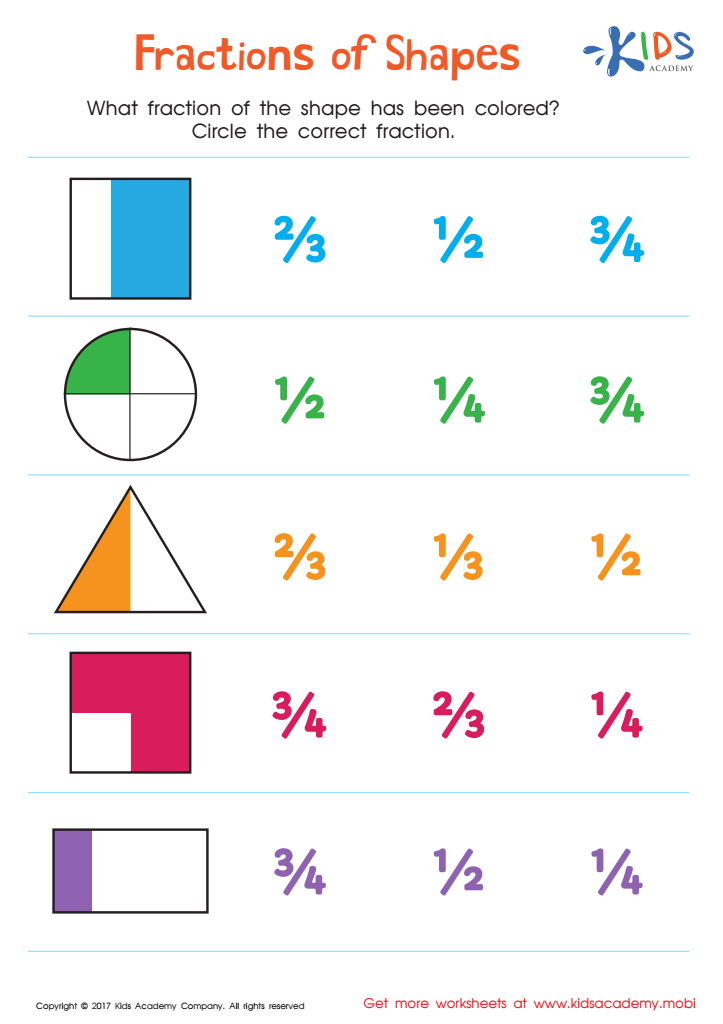
Fractions of Shapes: Math Concept Worksheet
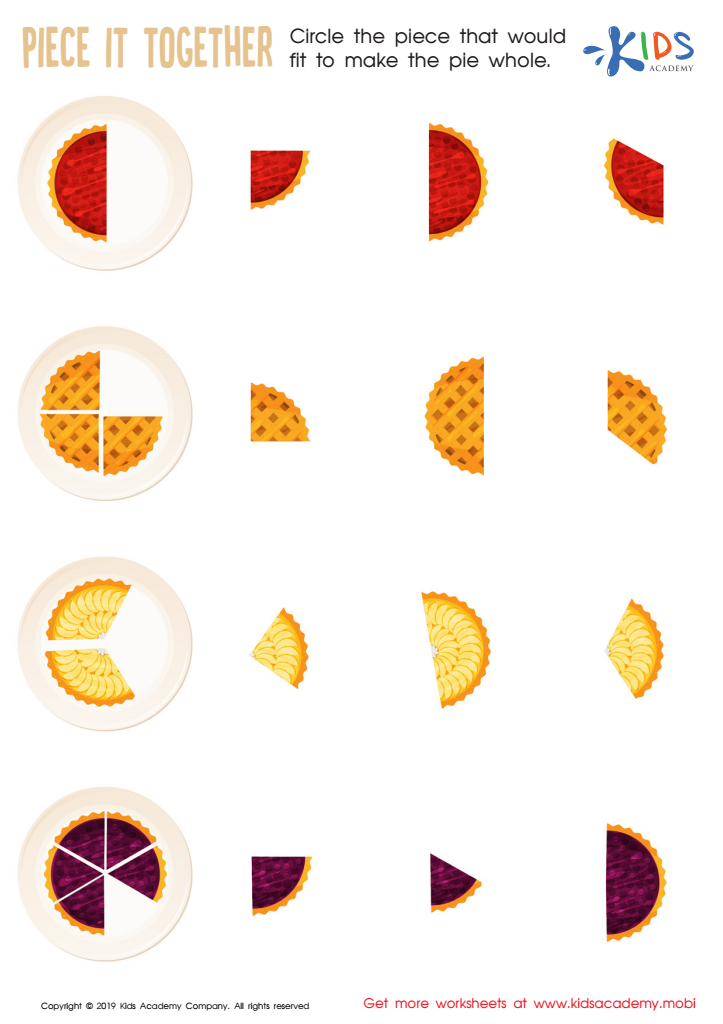
Piece it together Worksheet
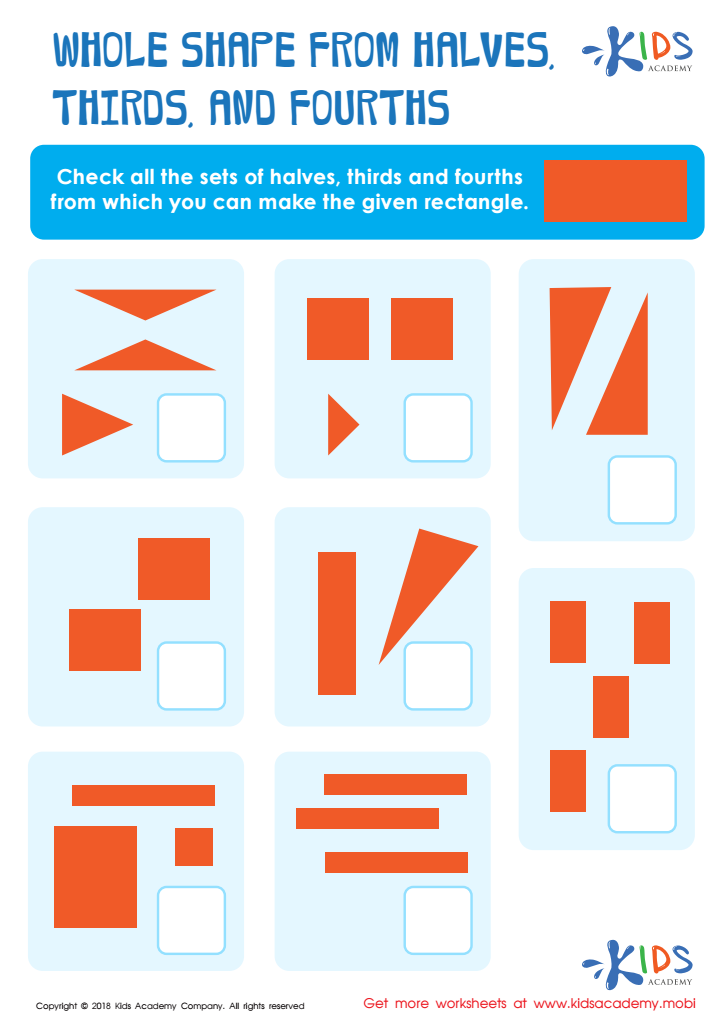
Whole Shape from Halves, Thirds and Fourths Worksheet








Parents and teachers play a crucial role in fostering a child's understanding of fractions of shapes, particularly between ages 6-9. Introducing fractions through shapes is an effective, visual approach that lays the foundation for more complex mathematical concepts. At this developmental stage, children are typically more visually oriented, so they can grasp the concept of parts making up a whole more readily through shapes like circles, squares, and rectangles.
First, foundational fraction skills are vital for mathematical proficiency. Understanding fractions is not only necessary for later math topics, such as division or algebra, but also for real-life situations like cooking, telling time, and budgeting. Through shapes, children realize that fractions represent equal parts of a whole, which helps them later split objects, quantities, and sets mathematically sound.
Moreover, learning fractions through shapes doesn't just enhance mathematical thinking; it promotes cognitive skills like problem-solving, critical analysis, and logical reasoning. All these skills are integral across academic subjects.
Unlocking the understanding of fractions early equips students with confidence and enthusiasm, dispelling future fears or frustrations related to mathematics. Consequently, caring about fractions of shapes equips children with key life skills, academic durability, and makes the transition to advanced math concepts smoother and less intimidating.