Animals Worksheets for Ages 6-9 - Page 3
64 filtered results
-
From - To
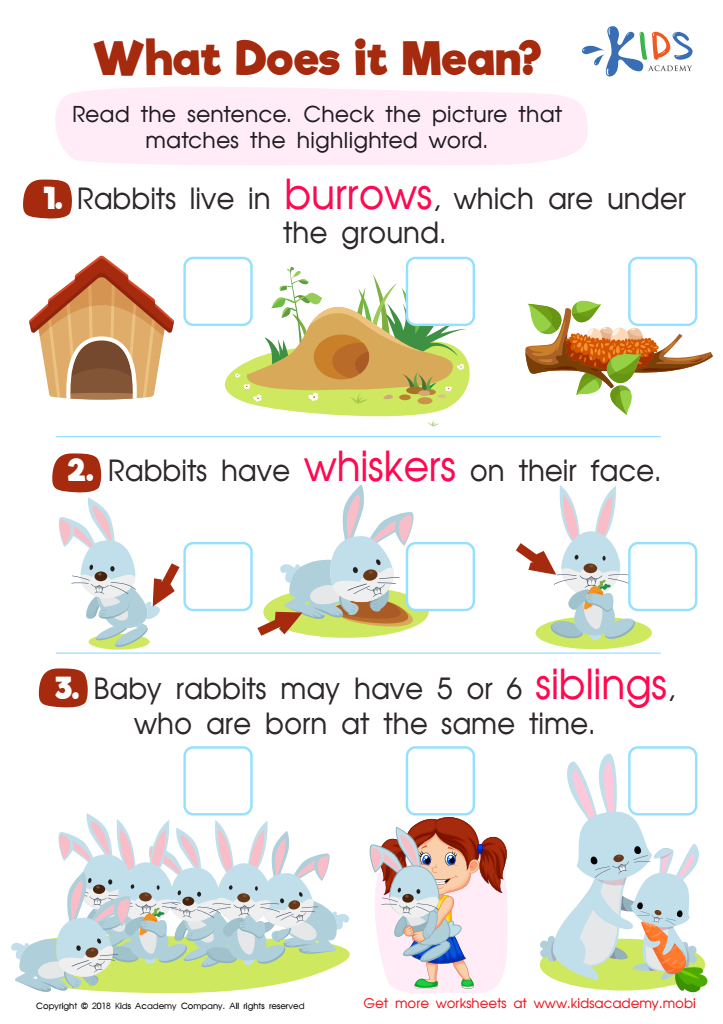
What Does It Mean? Worksheet
 Assign to My Students
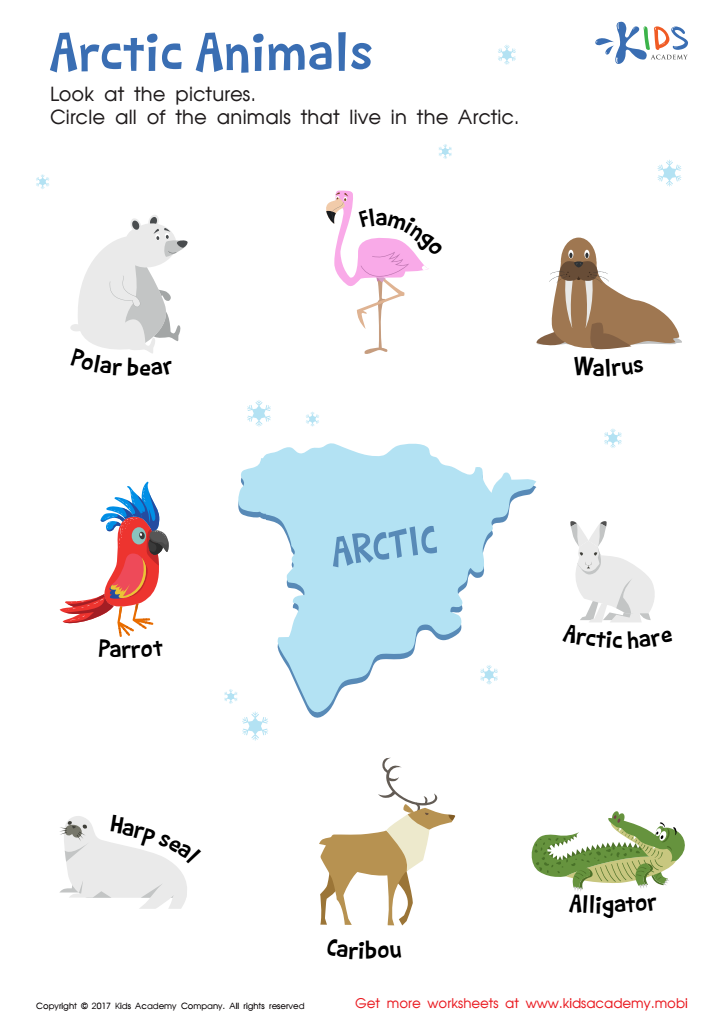
Arctic Animals Worksheet
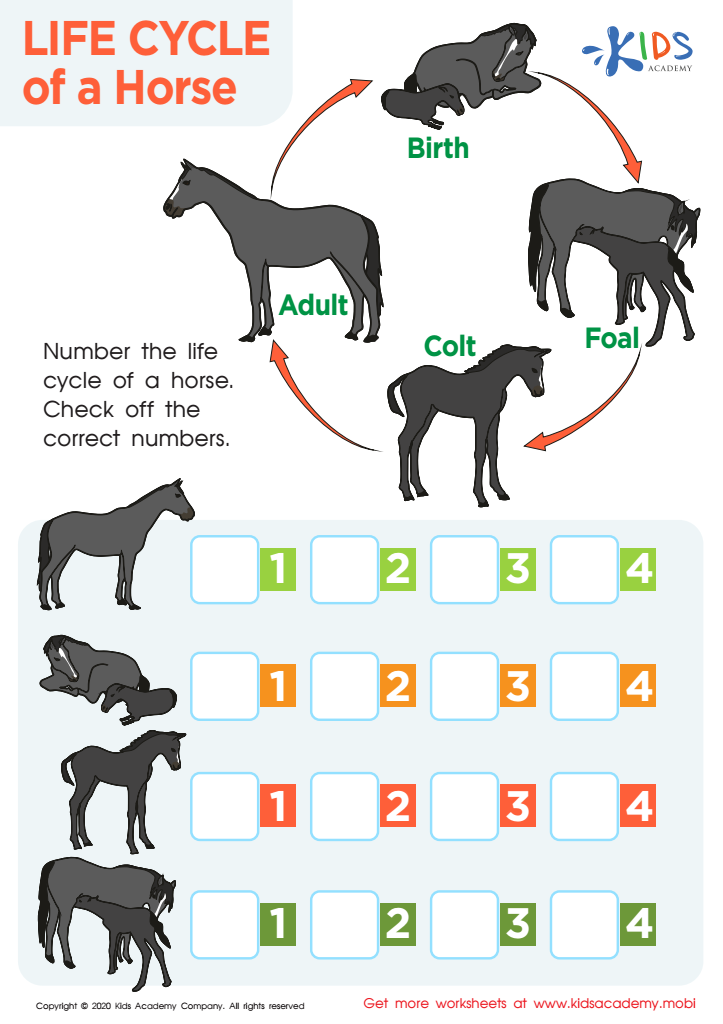
Life Cycle of a Horse Worksheet
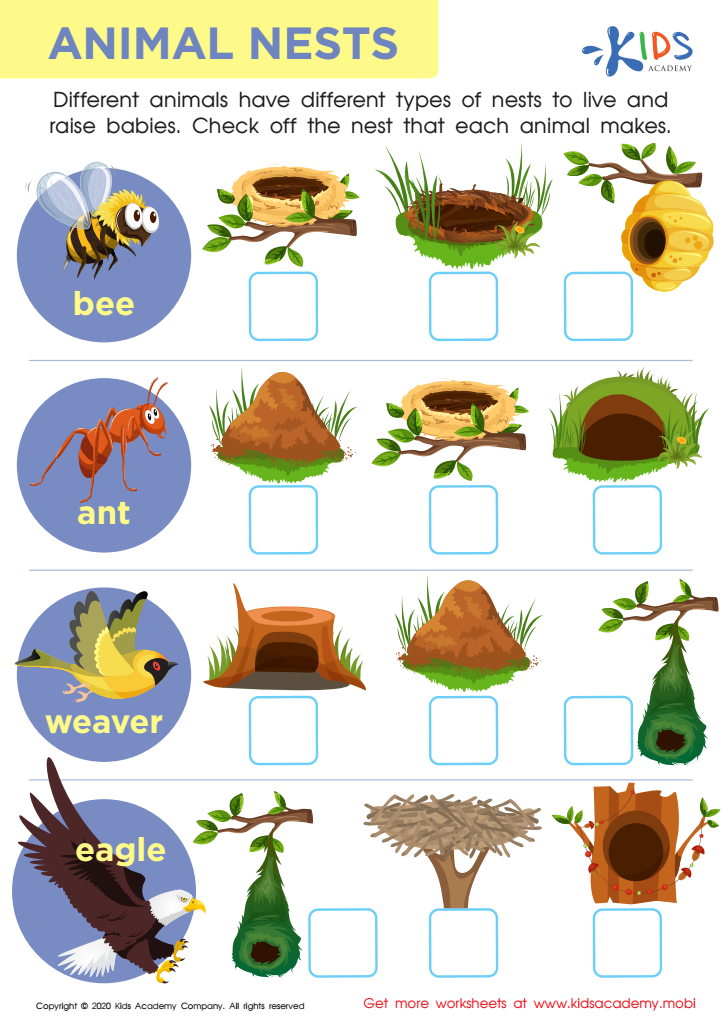
Animal Nests Worksheet
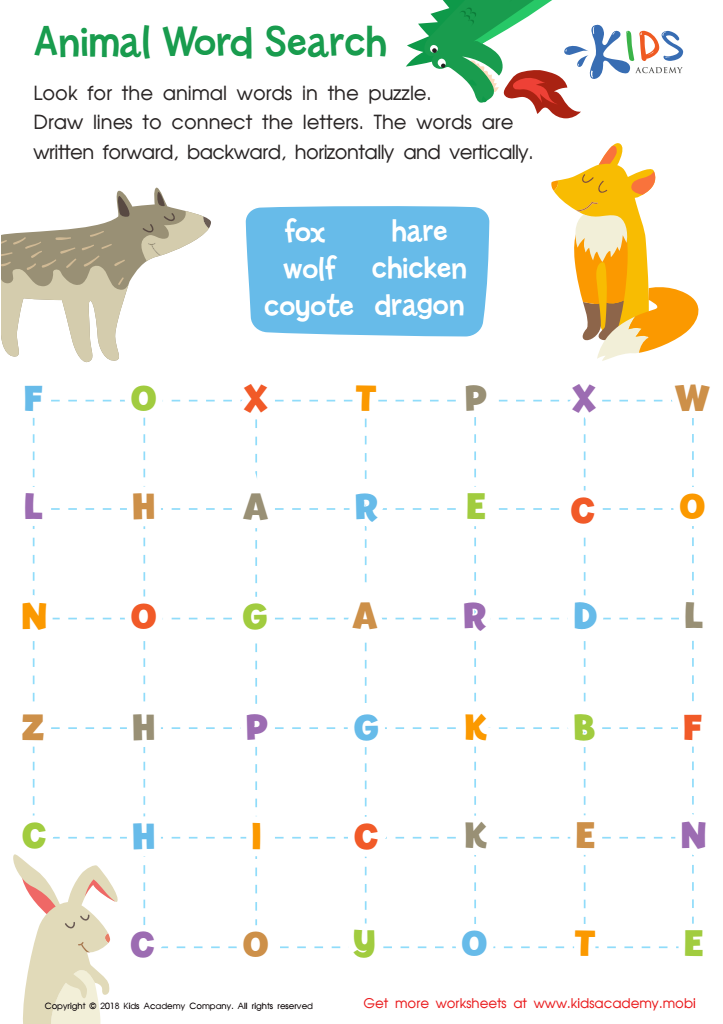
Animal Word Search Worksheet
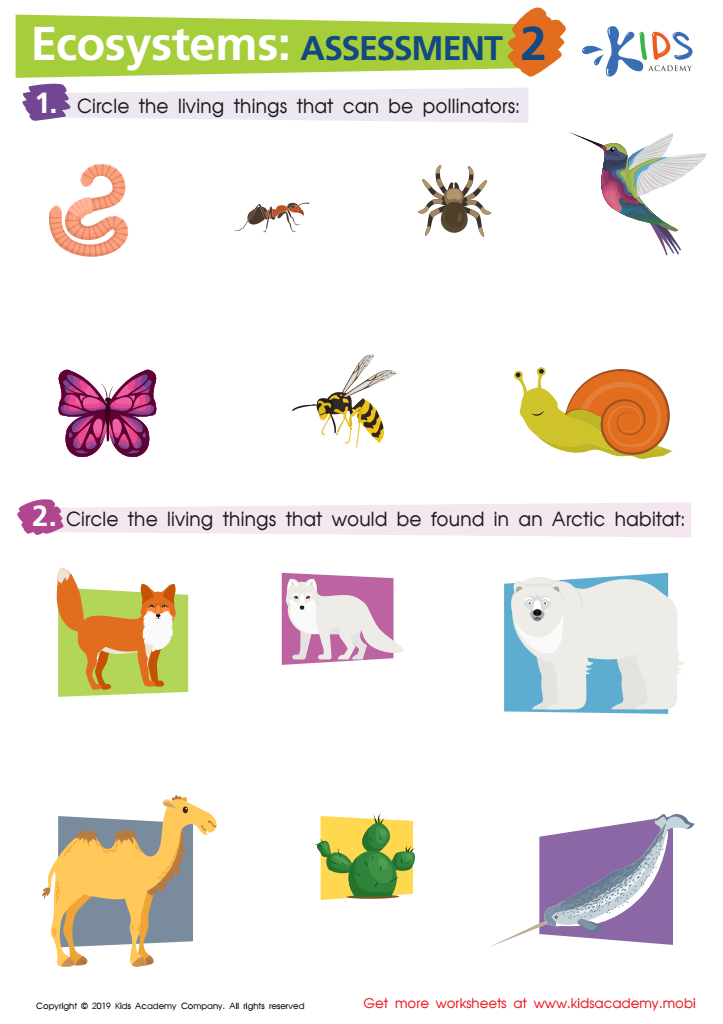
Ecosystems: Assessment 2 Worksheet
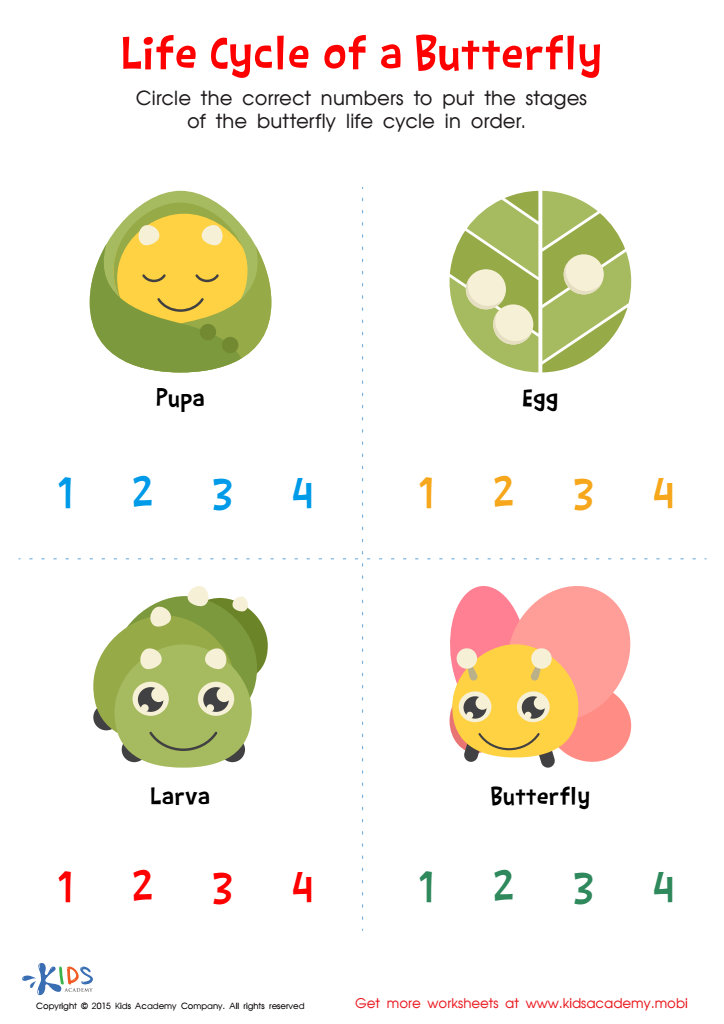
Life Cycle of Butterfly Printable
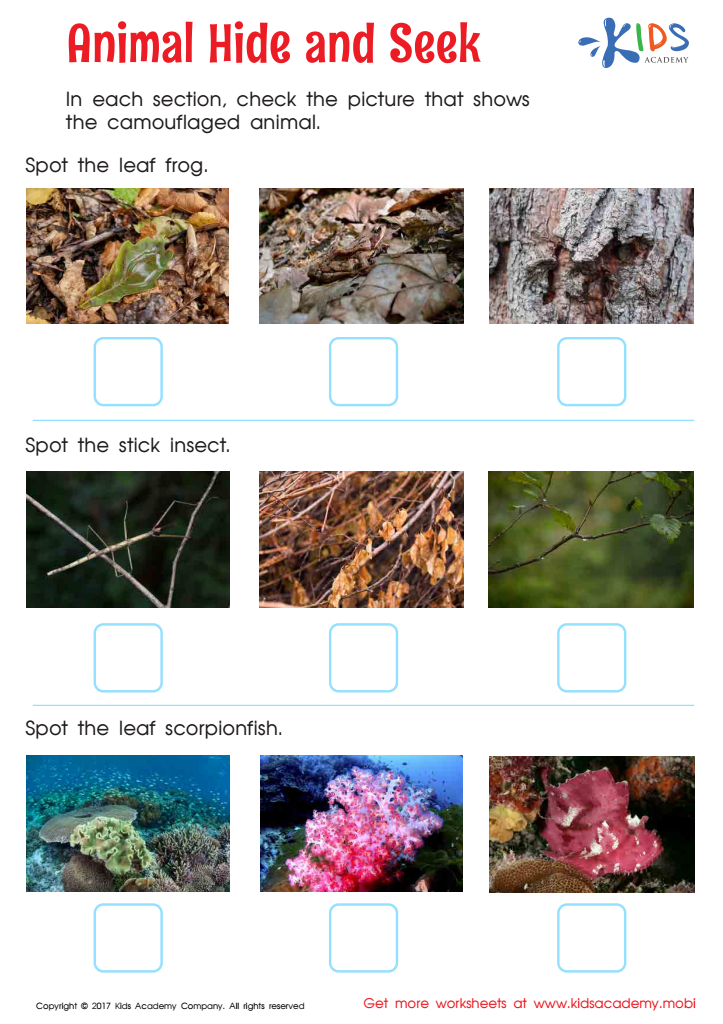
Animal Hide and Seek Worksheet
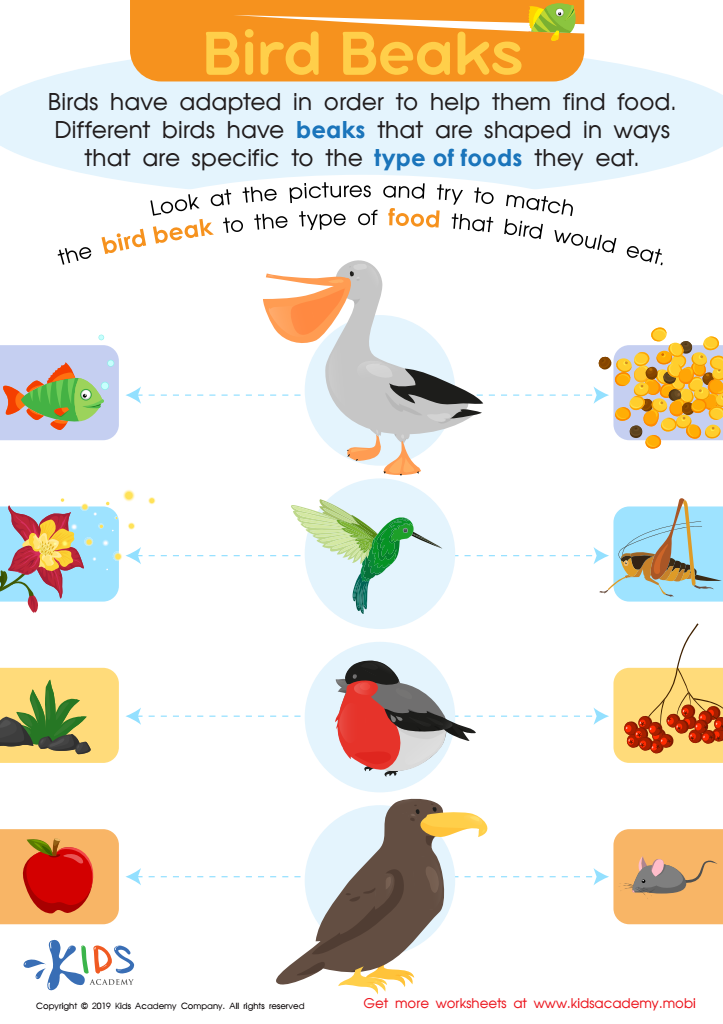
Bird Beaks Worksheet
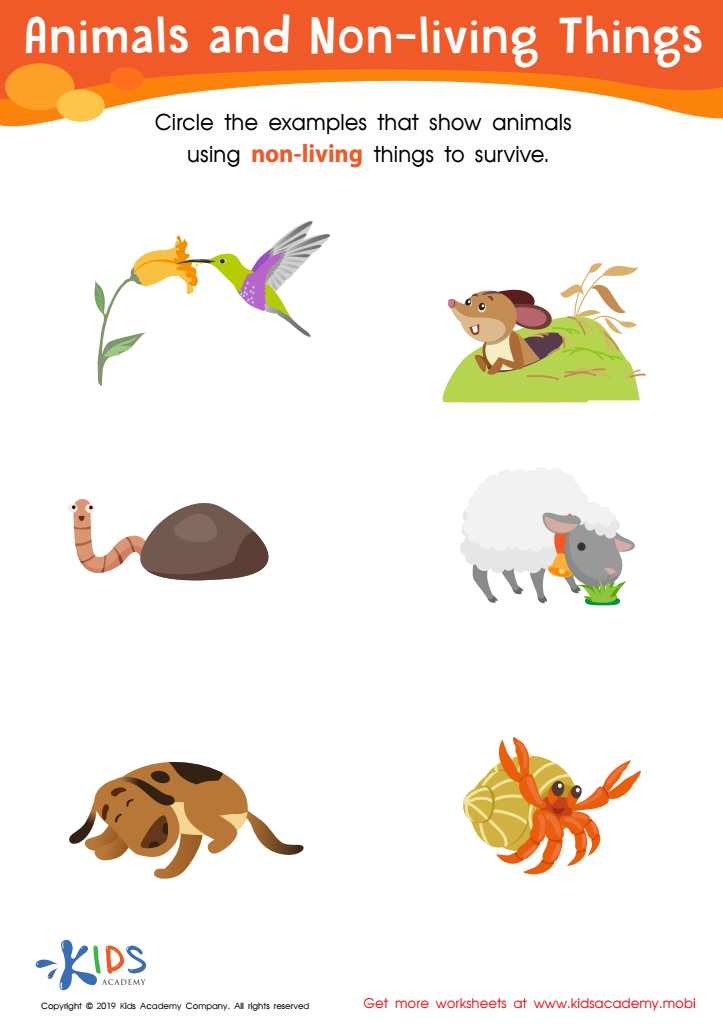
Animals and Non-Living Things Worksheet
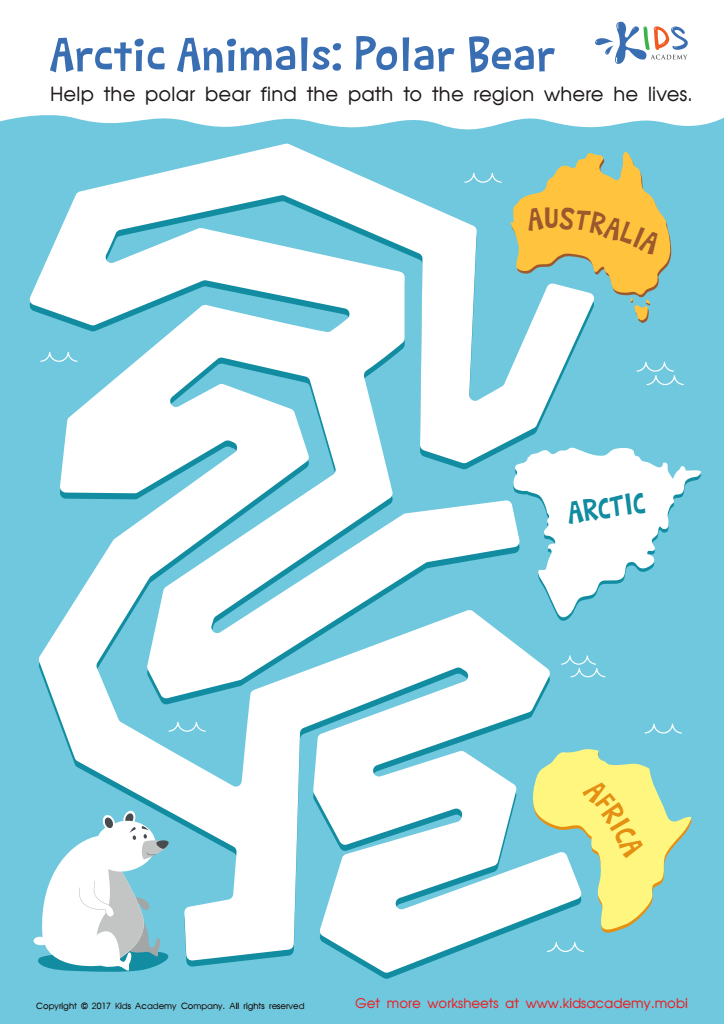
Arctic Animals: Polar Bear Worksheet
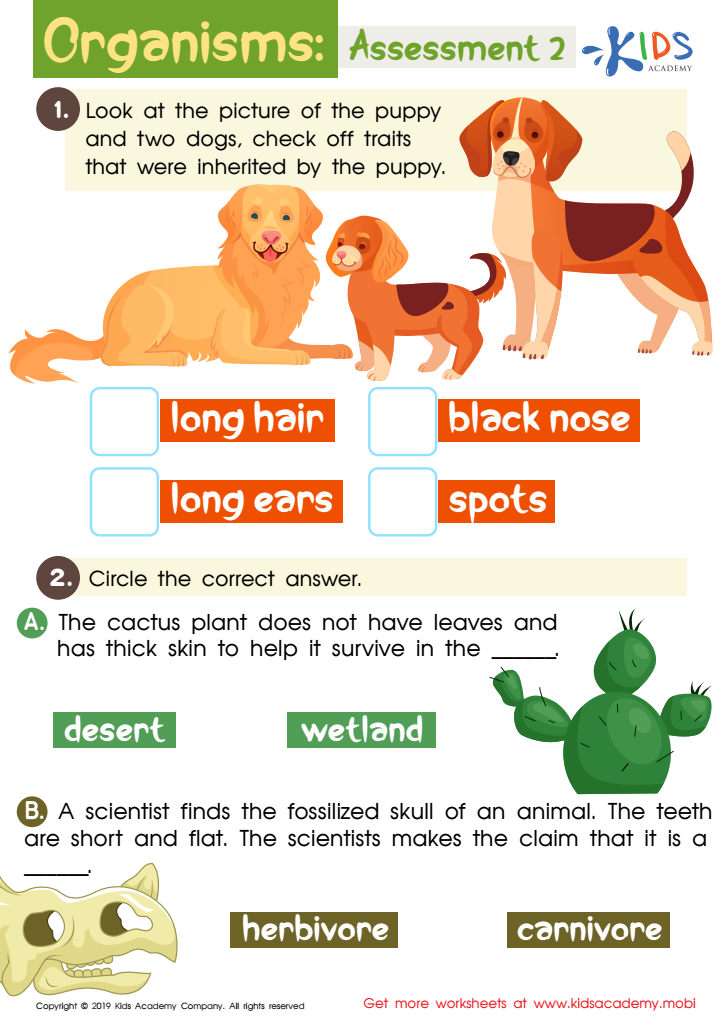
Organisms: Assessment 2 Worksheet
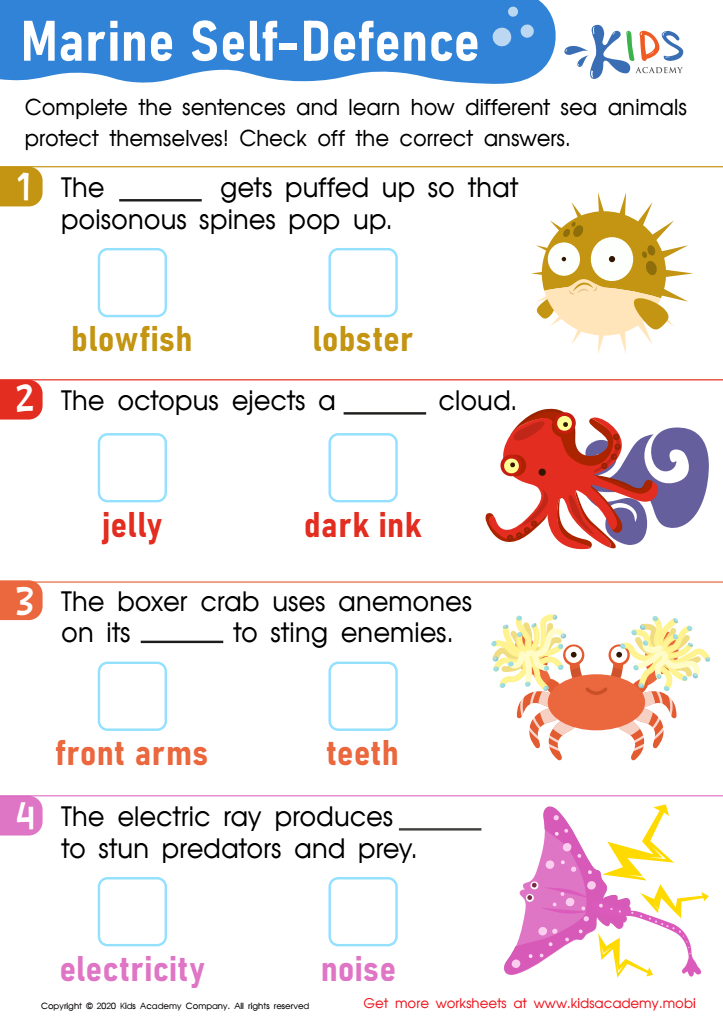
Marine Self-Defence Worksheet
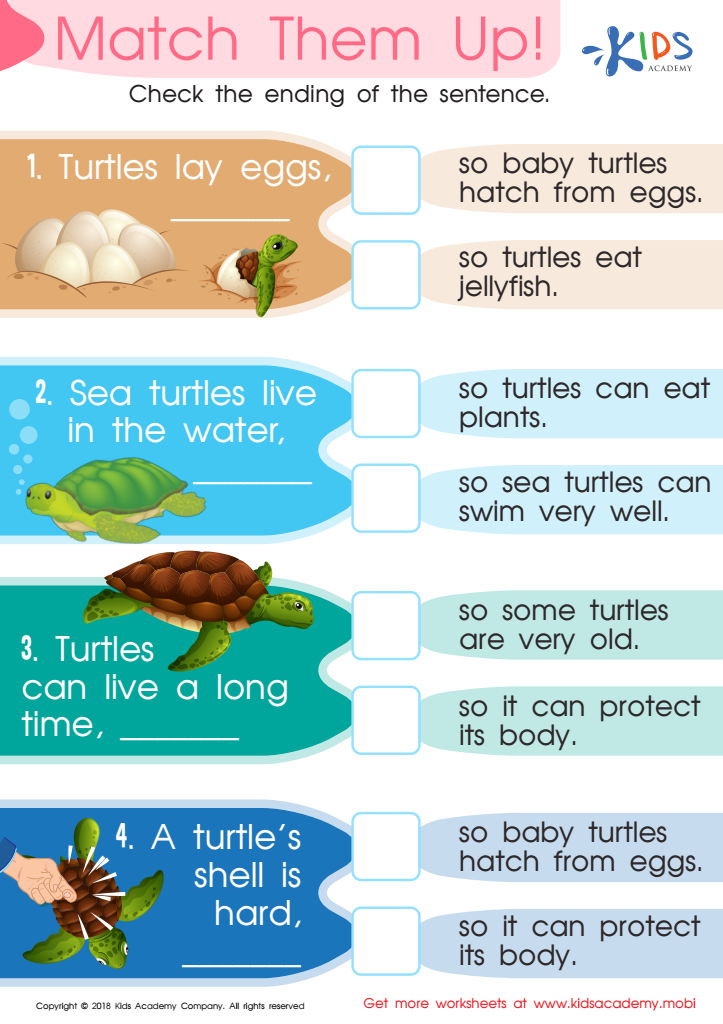
Match Them Up Worksheet
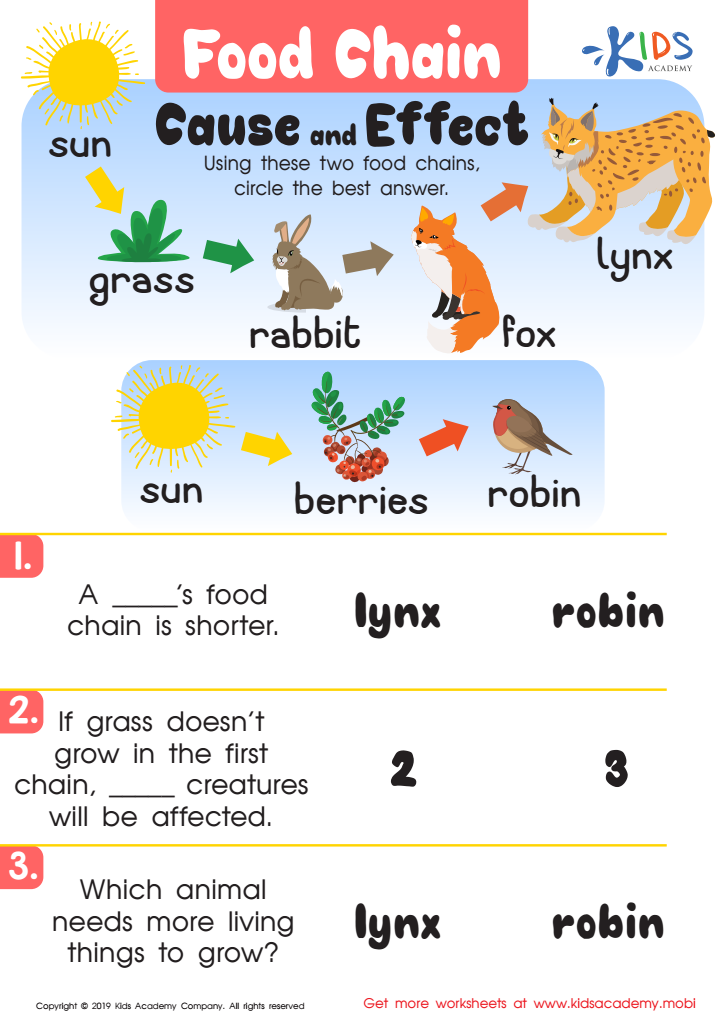
Food Chain Cause Worksheet
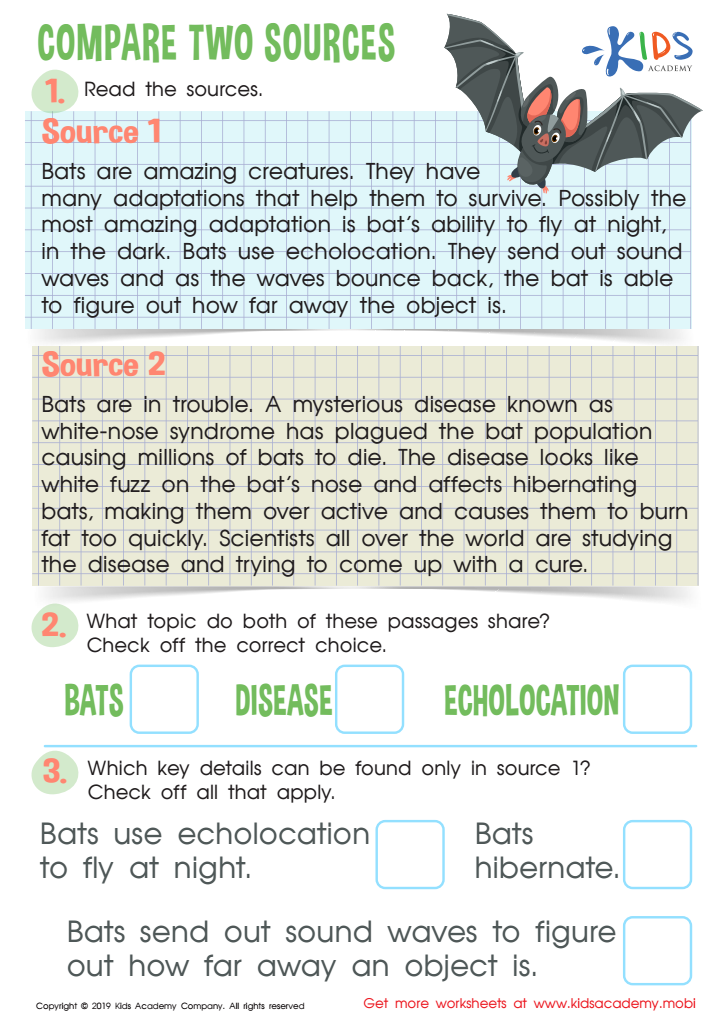
Compare Two Sources Worksheet








Parents and teachers should care about introducing animals to children aged 6-9 for several essential reasons. Firstly, learning about animals fosters curiosity and encourages a love for science and nature. When children watch a spider spin its web or learn how bees make honey, their innate sense of wonder is stimulated. This curiosity can ignite a lifelong passion for learning and discovery.
Secondly, interacting with animals, whether through reading, virtual experiences, or visits to zoos and farms, can significantly enhance children's emotional development. Caring for pets teaches empathy, responsibility, and compassion. Children learn that animals have needs and feelings, just like humans, and this understanding can make them more kind and considerate individuals.
Additionally, studying animals helps develop cognitive and linguistic skills. Reading books about different species, their habitats, and behaviors builds vocabulary and strengthens knowledge. It also reinforces observation and critical thinking skills as children compare, contrast, and understand the relationships animals have within ecosystems.
Finally, responsible environmental stewardship can be fostered through early education about animals. When children understand the importance of animals in nature, they are more likely to grow up to be environmentally conscientious adults. They learn that they have a role in protecting wildlife and preserving the planet for future generations.
In sum, focusing on animals at a young age enriches scientific understanding, emotional growth, intellectual development, and nurtures future protectors of our planet.








