Geography Worksheets for Ages 6-9 - Page 3
56 filtered results
-
From - To
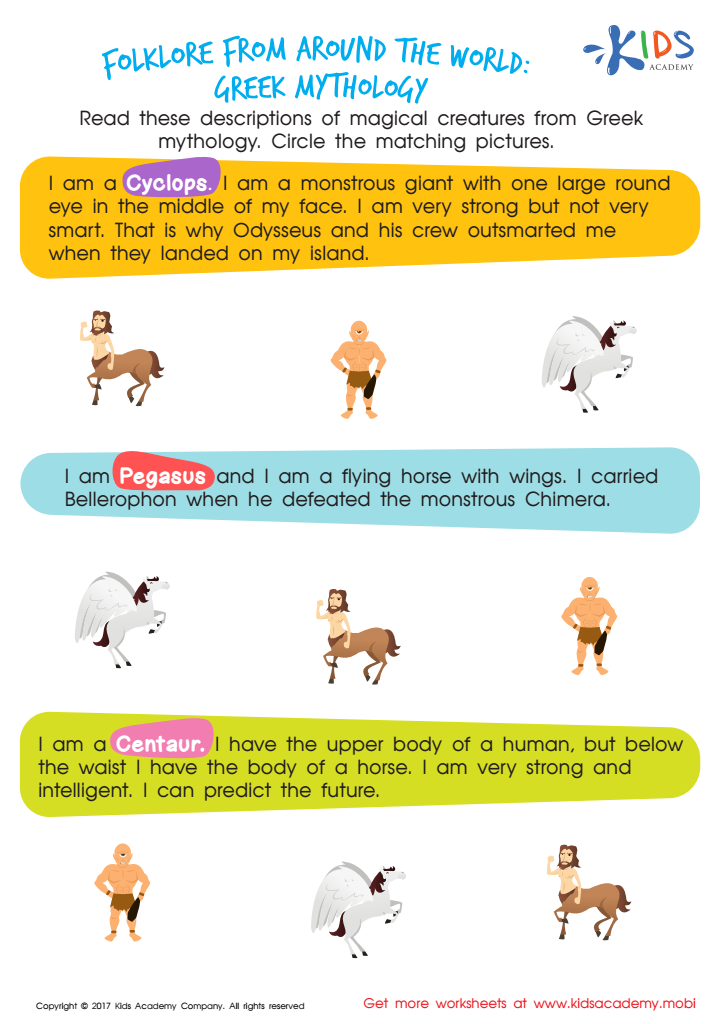
Greek Mythology Worksheet
 Assign to My Students
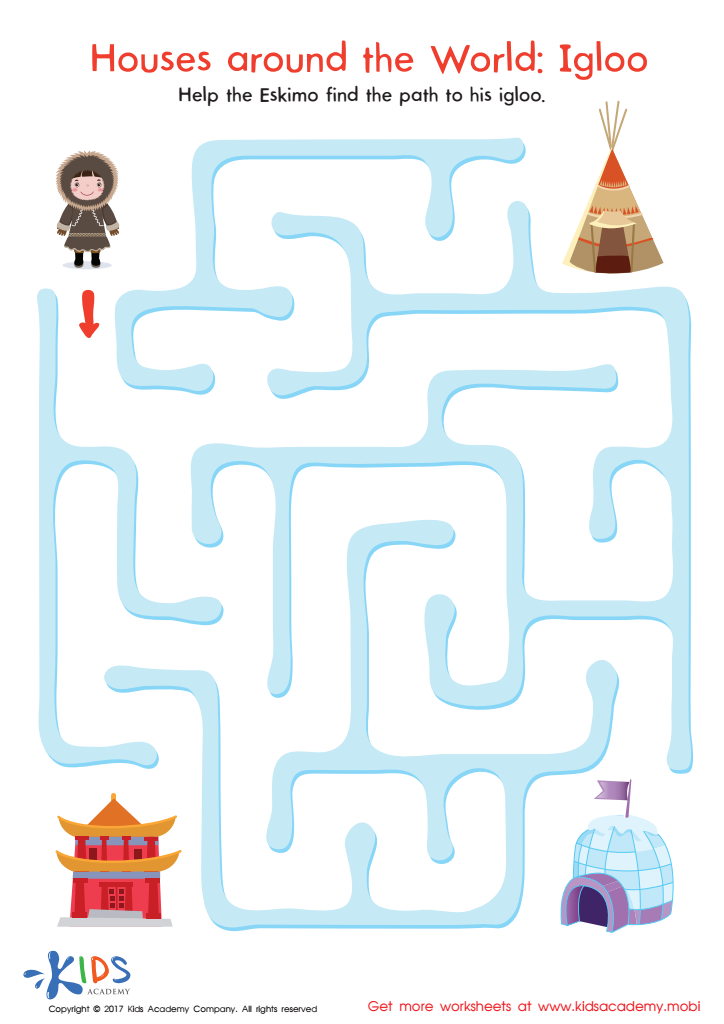
Houses Around the World: Igloo Printable
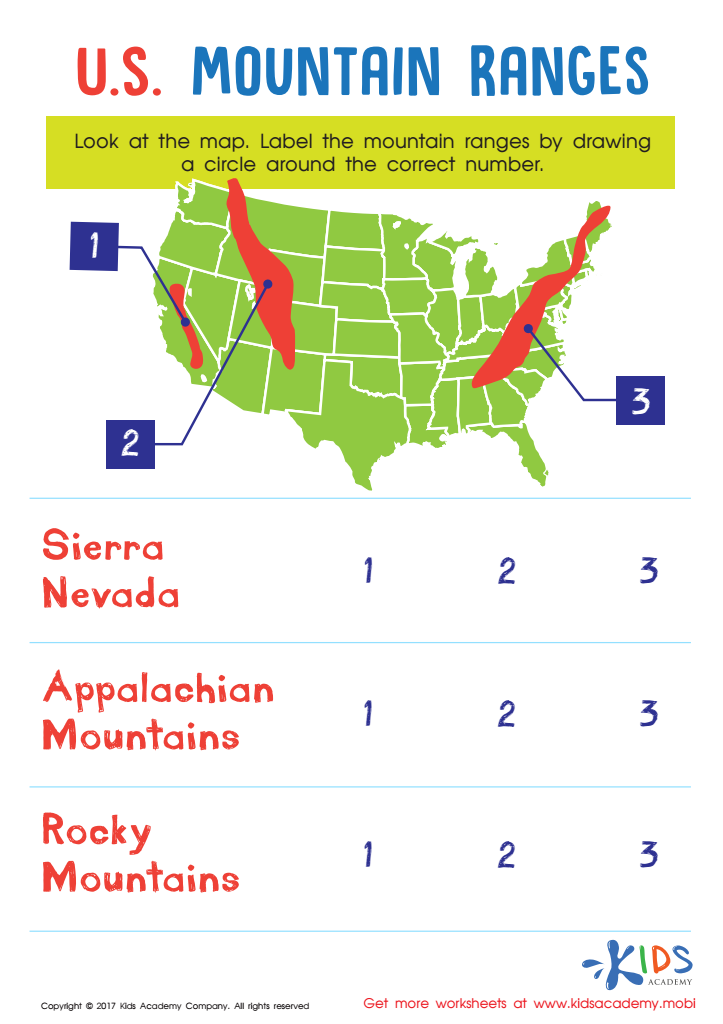
US Mountain Ranges Worksheet
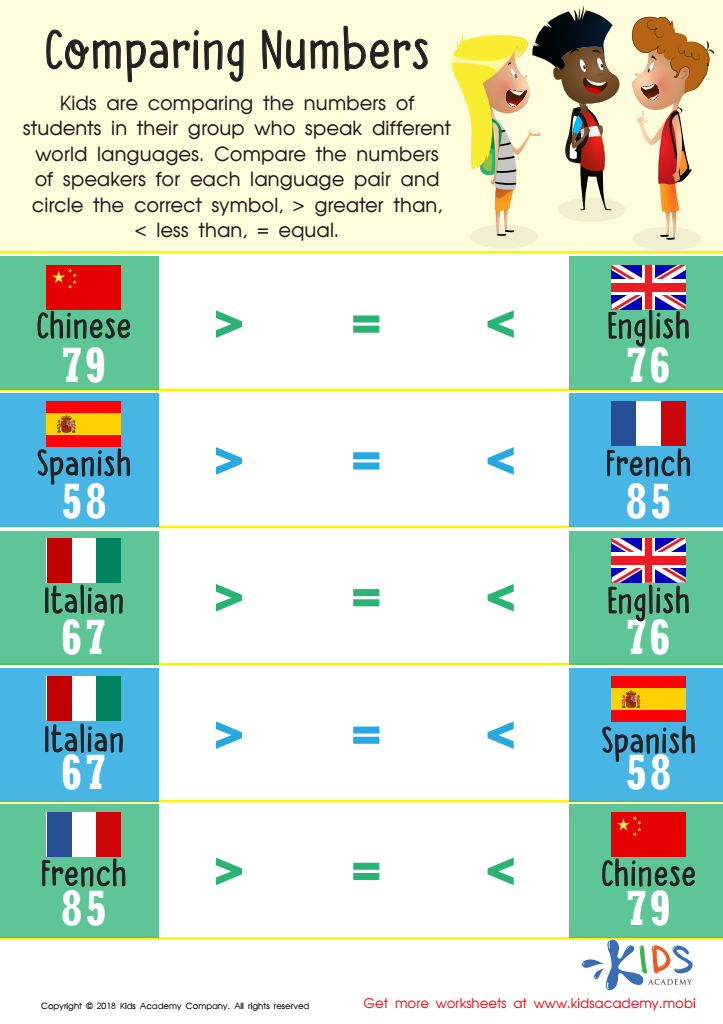
Comparing Numbers Worksheet for 1st Grade
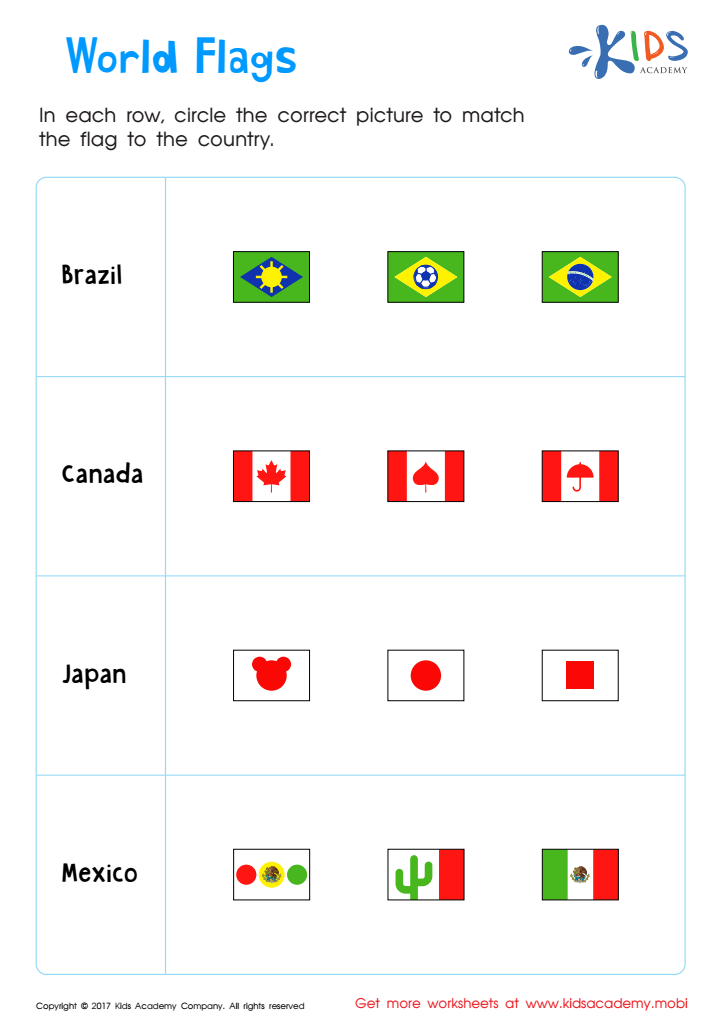
World Flags Printable
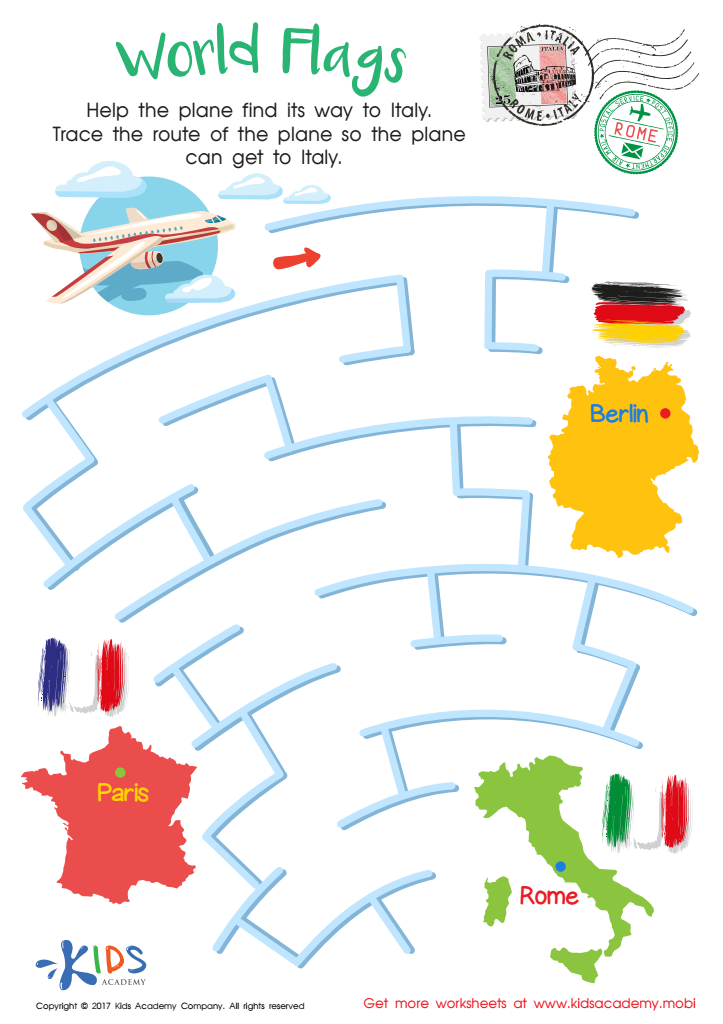
World Flags Maze Worksheet
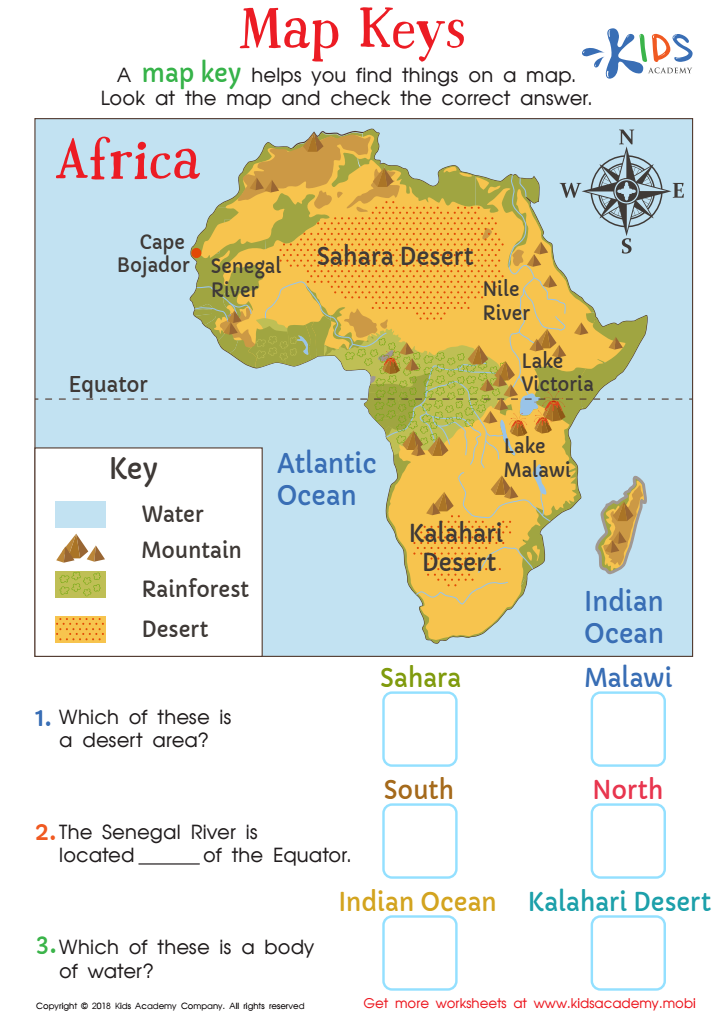
Map Keys Worksheet
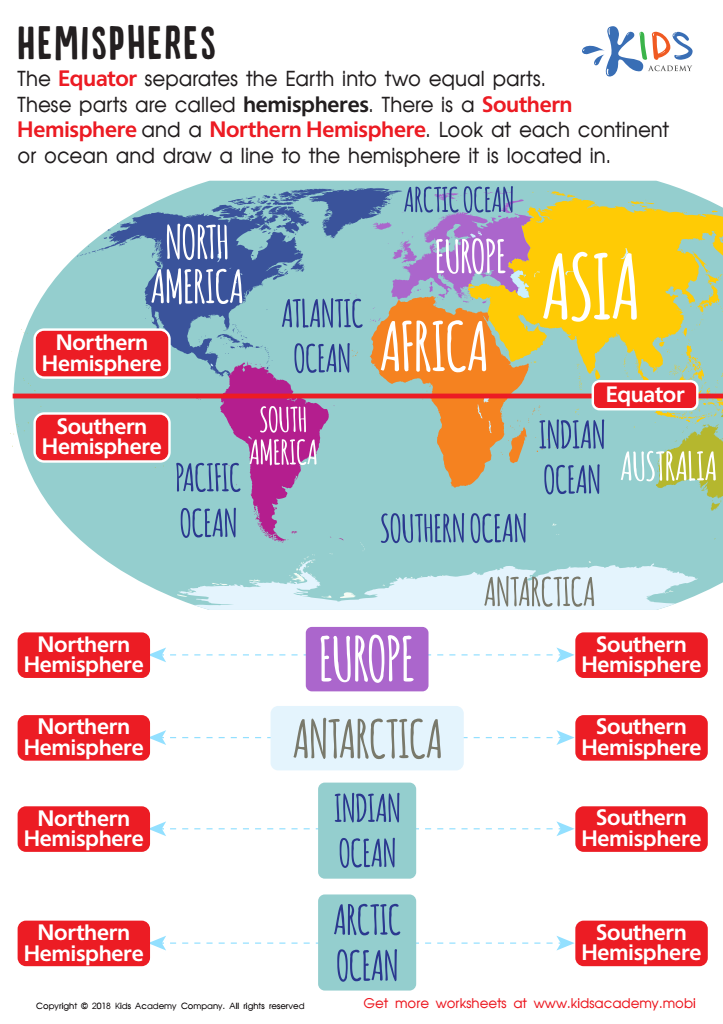
Hemispheres Worksheet




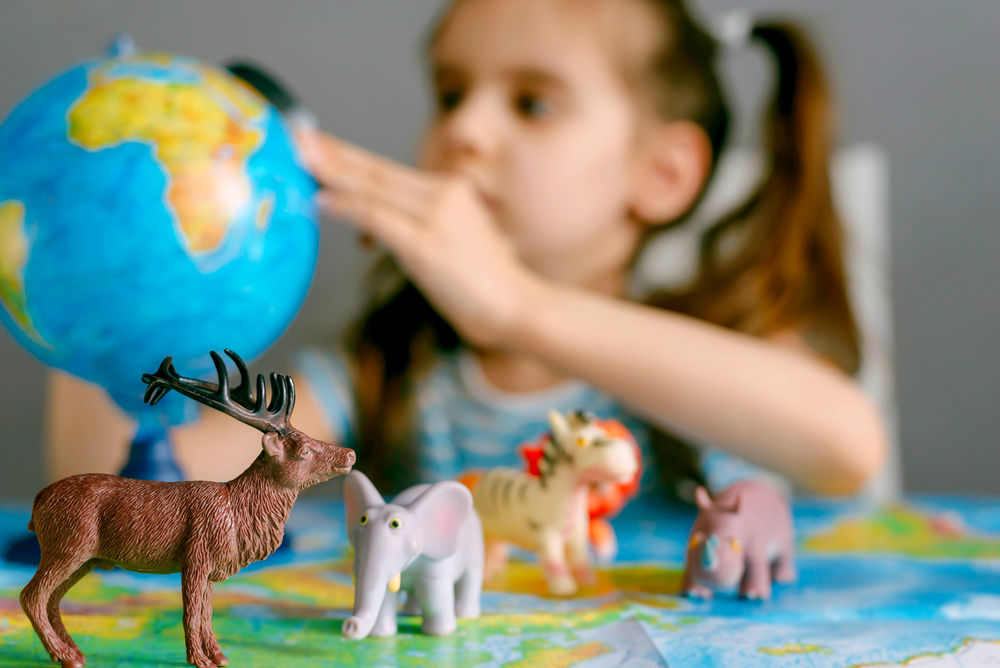


Geography is a vital subject for children aged 6-9, as it helps them understand the world around them. When parents and teachers prioritize geography, they lay a foundation for global awareness and cultural appreciation. Children learn about different countries, cultures, and environments, fostering respect and curiosity about diverse ways of life.
Understanding geography enhances critical thinking skills. Children explore maps, globes, and spatial relationships, developing their ability to analyze and synthesize information. This early exposure helps them grasp complex concepts like borders, ecosystems, and climate change as they grow.
Moreover, geography promotes problem-solving abilities. As kids investigate local and global issues, they learn how to identify challenges such as urbanization and resource distribution, empowering them to think about solutions. It also encourages them to connect learning to real life, reinforcing the relevance of education.
Finally, geography nurtures social skills and teamwork through collaborative projects. By engaging in discussions about their findings, children hone their communication abilities and develop a sense of community. Overall, promoting geography in early education ensures children become informed, empathetic global citizens ready to navigate and address the challenges of an interconnected world.