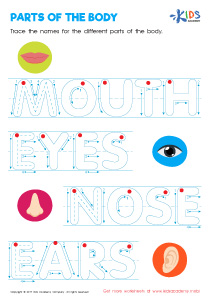
Life Science Worksheets for Ages 7-9
3 filtered results
-
From - To
Explore our engaging Life Science Worksheets Designed for Ages 7-9! Ideal for young learners, these interactive worksheets cover essential topics such as ecosystems, plants, animals, and more, fostering curiosity about the natural world. Each worksheet encourages critical thinking and hands-on activities, enhancing students' understanding of living organisms and their environments. Parents and educators will appreciate the structured layout, answer keys, and supplemental resources that promote effective learning. Perfect for classrooms or home study, our worksheets make Life Science approachable and fun. Let’s inspire the next generation of scientists by diving into the wonders of life science today!
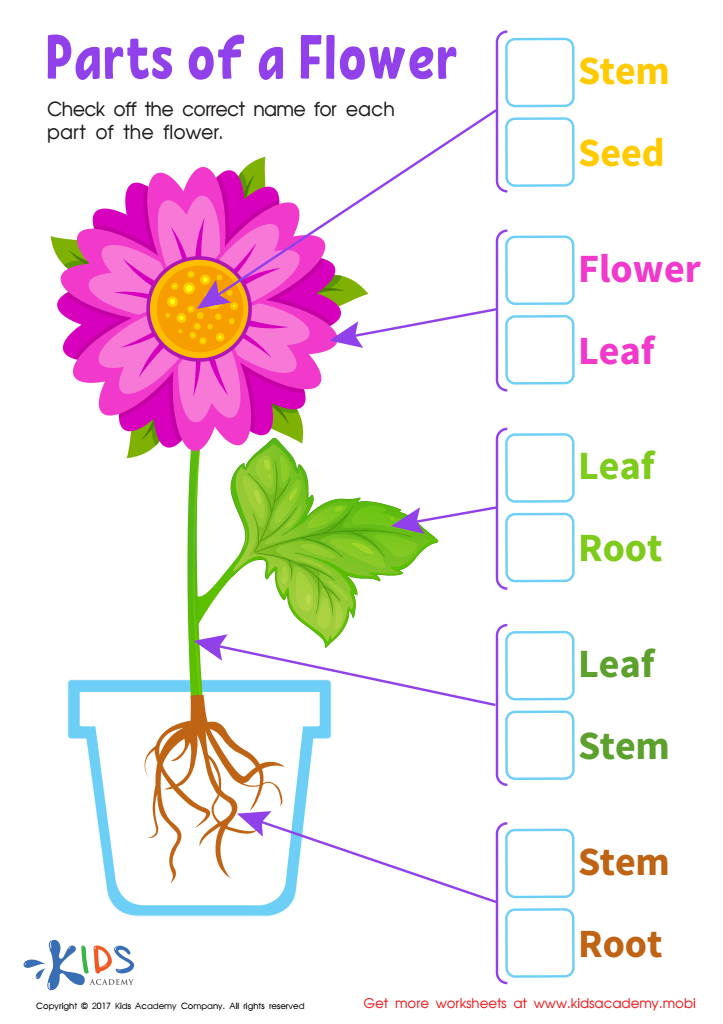
Parts Flower Printable
 Assign to My Students
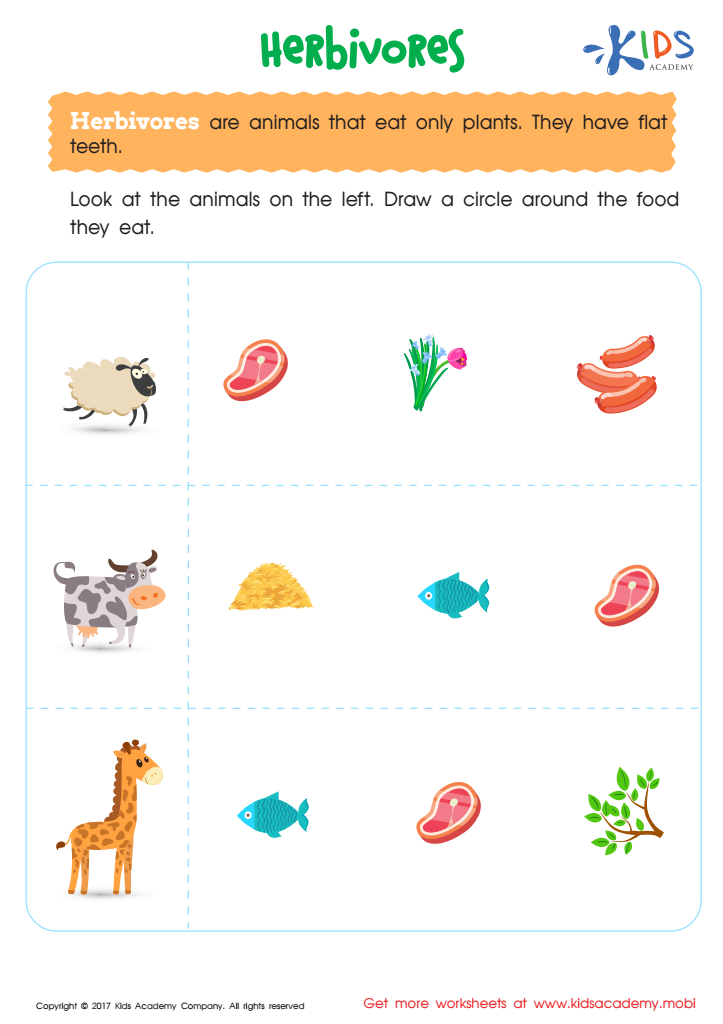
Herbivores Printable
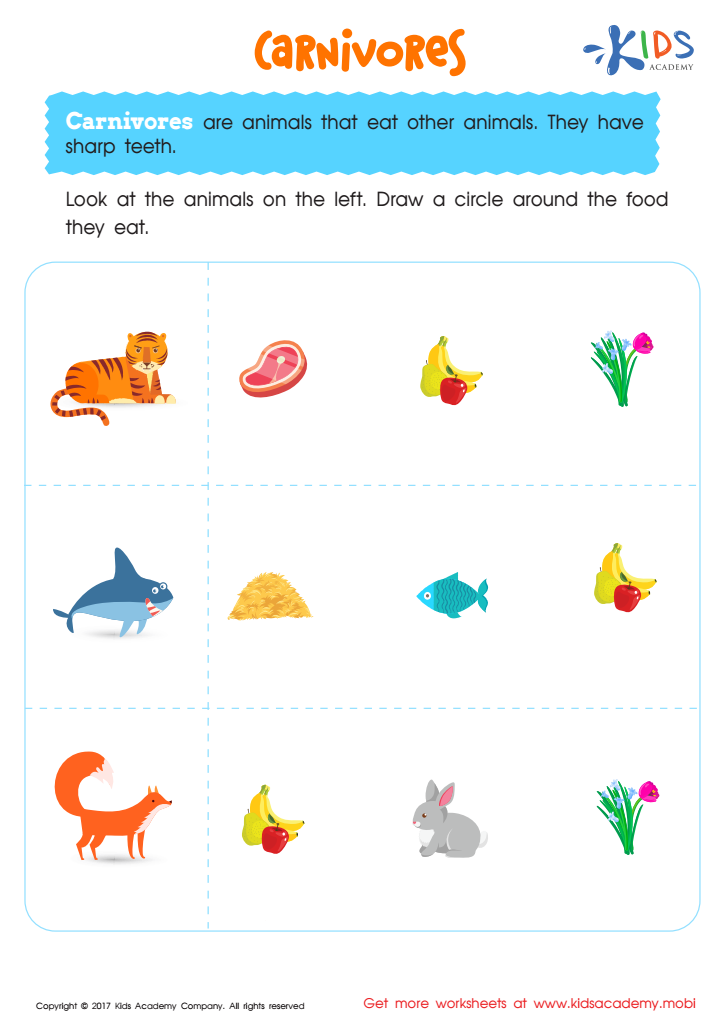
Carnivores Worksheet







.jpg)
Parents and teachers should care about Life Science for Ages 7-9 because it lays a crucial foundation for children's understanding of the natural world and their place within it. During these formative years, children are naturally curious about living things, including plants, animals, and human biology. Engaging with Life Science nurtures this curiosity and fosters critical thinking as children explore topics such as ecosystems, life cycles, and the interdependence of organisms.
Furthermore, Life Science cultivates essential skills, such as observation, experimentation, and reasoning. It encourages children to ask questions, seek solutions, and communicate their findings, fostering a sense of inquiry that supports lifelong learning. Understanding life processes is also essential in developing responsible citizens who appreciate biodiversity and are aware of environmental stewardship.
Additionally, as science education becomes increasingly emphasized in curriculums worldwide, early exposure to Life Science prepares children for more advanced topics in the future. It promotes respect for diversity, health awareness, and empathy for living beings, creating informed individuals who will contribute positively to society. By investing in Life Science for young learners, parents and teachers help shape a generation that values and understands the complexities of life on Earth.