Fun and Easy Printable Life Science Worksheets for Kids Ages 4-5 – Explore the World Around Us!
1 filtered results
Difficulty Level
Grade
Age
-
From - To
Subject
Activity
Standards
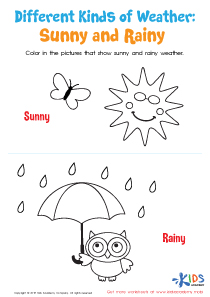
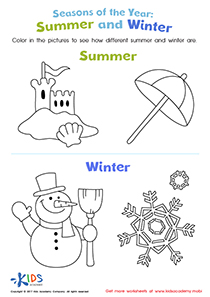
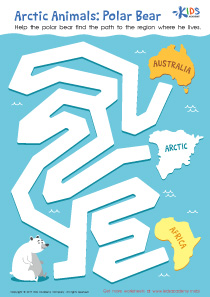
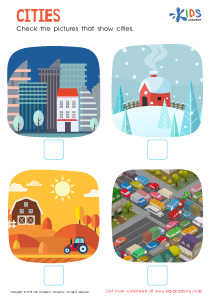
Introducing our "Easy Life Science for Ages 4-5" worksheets, designed to spark curiosity and foster a love of learning in young minds! These engaging worksheets are the perfect blend of education and fun, tailored specifically for preschoolers and kindergarteners. Each sheet is filled with vibrant illustrations and simple, age-appropriate activities that cover fundamental life science topics. From exploring the wonders of plants and animals to understanding the human body and our environment, our Easy Life Science worksheets make learning an adventure. Give your child a head start in science with this captivating collection that promises hours of educational enjoyment. Ideal for both classroom and home use.
Favorites
With answer key
Interactive
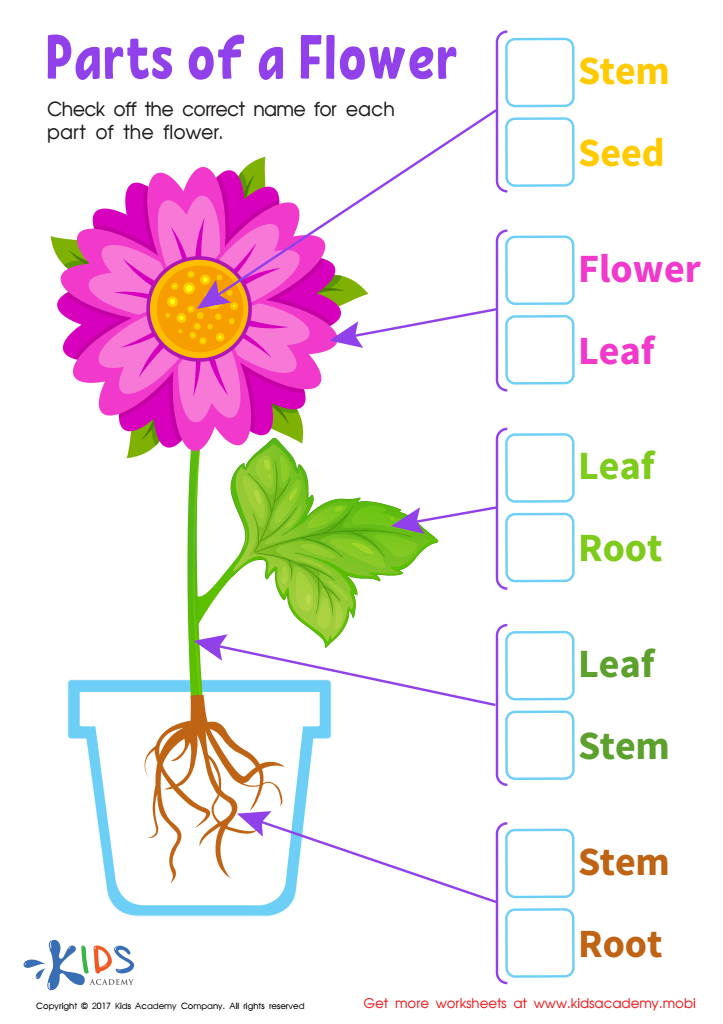
Parts Flower Printable
Introduce your child to life science with this vivid parts of a flower worksheet! They'll learn basic flower structures while building biology vocabulary and discovering plants are living creatures too! Perfect for budding little scientists!
 Assign to My Students
Parts Flower Printable
Worksheet
Join Kids Academy for Free
Who is primarily going to use this learning content?








Easy Life Science worksheets for Ages 4-5 are an invaluable resource for introducing young learners to the wonders of the natural world. At this critical stage of development, children are naturally curious and eager to explore the environment around them. These worksheets provide a structured yet engaging way to channel their curiosity towards understanding basic life science concepts.
One of the key advantages of Easy Life Science worksheets is their ability to simplify complex ideas into manageable, bite-sized information that is easy for young minds to grasp. For children aged 4 to 5, learning through tactile experiences and visual aids is crucial, and these worksheets often incorporate colorful illustrations and interactive activities that make learning not just educational but also fun.
Another reason these worksheets are so useful is that they lay a strong foundation for future scientific learning. By familiarizing children with the basics of life science at an early age, we are setting the stage for a lifelong interest and understanding of the natural world. This early exposure can also enhance critical thinking and observation skills, as children learn to notice patterns, ask questions, and explore the answers.
Easy Life Science worksheets for Ages 4-5 are, therefore, more than just educational tools; they are gateways to discovery that encourage curiosity, foster learning, and nurture a young child's innate love for the wonders of life science.