Easy Addition and Subtraction Word Problems Worksheets for Ages 4-7 - Page 2
37 filtered results
-
From - To
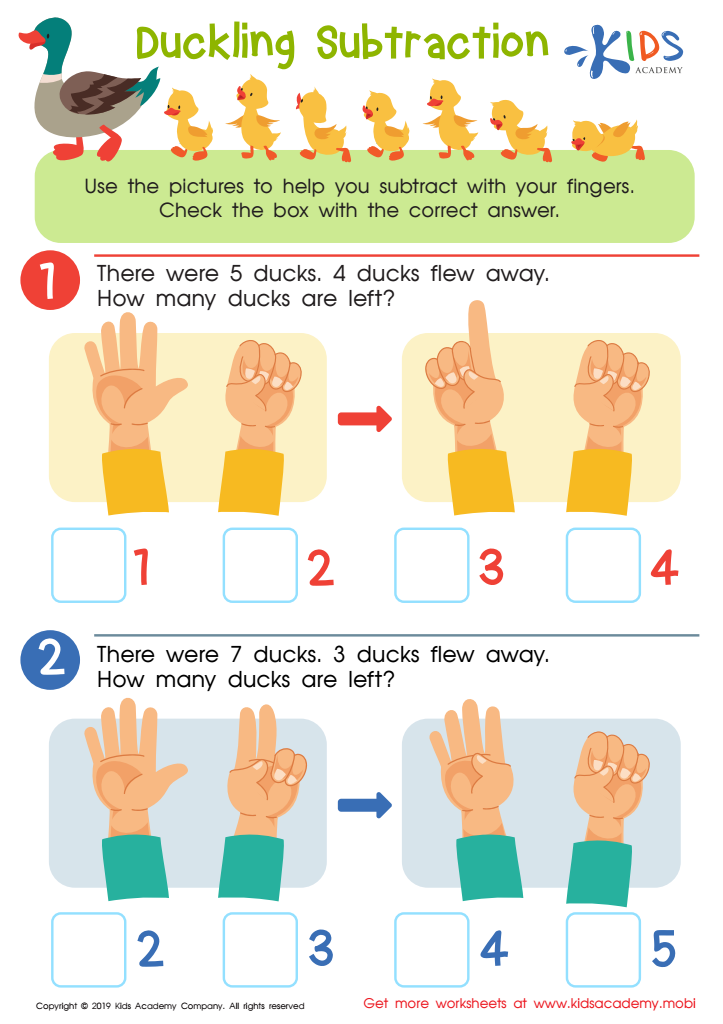
Duckling Subtraction Worksheet
 Assign to My Students
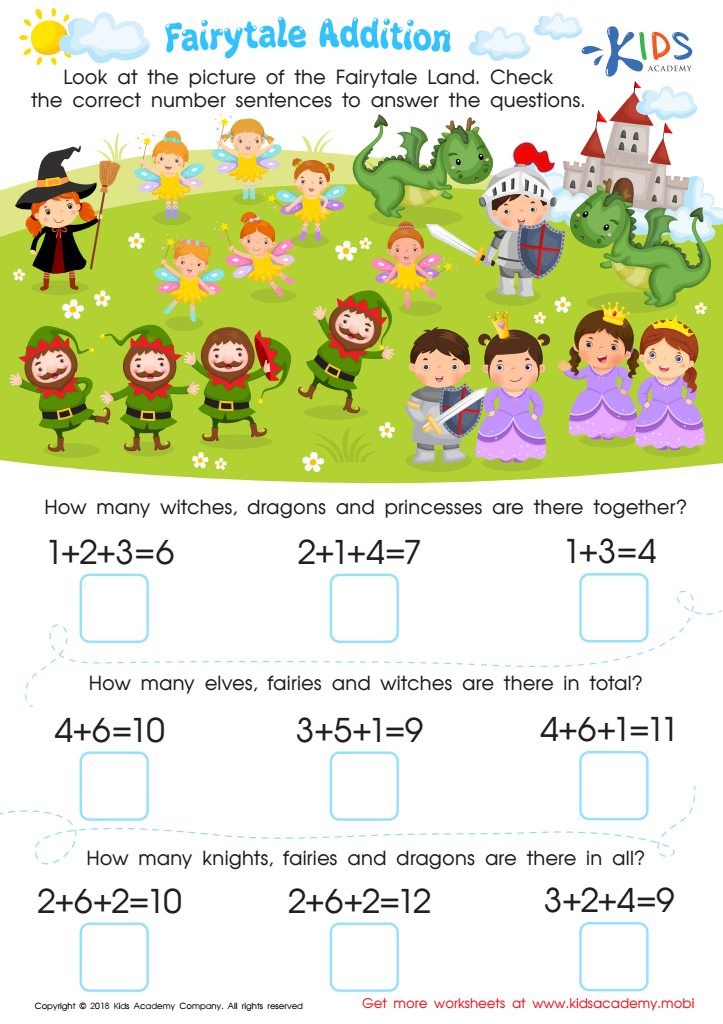
Fairytale Addition Worksheet
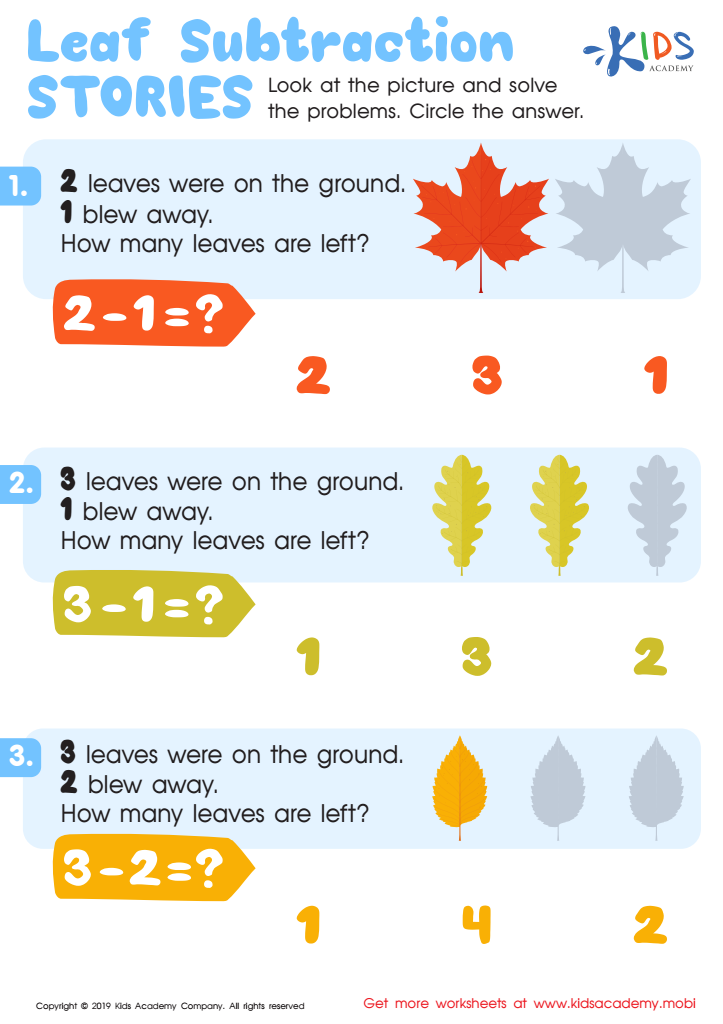
Leaf Subtraction Stories Worksheet
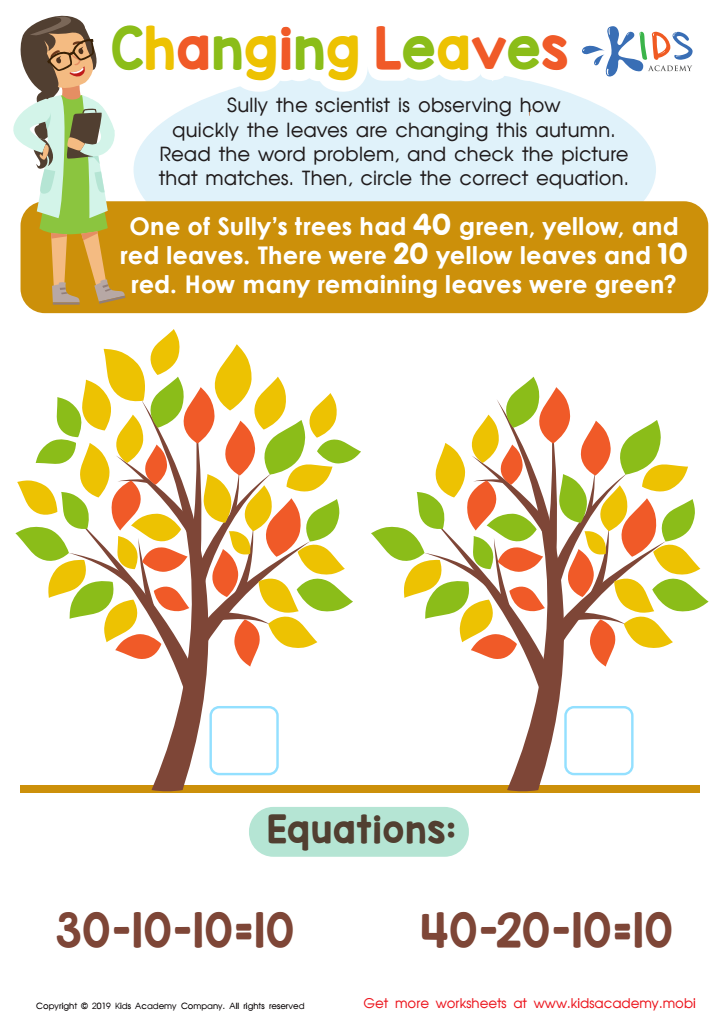
Changing Leaves Worksheet
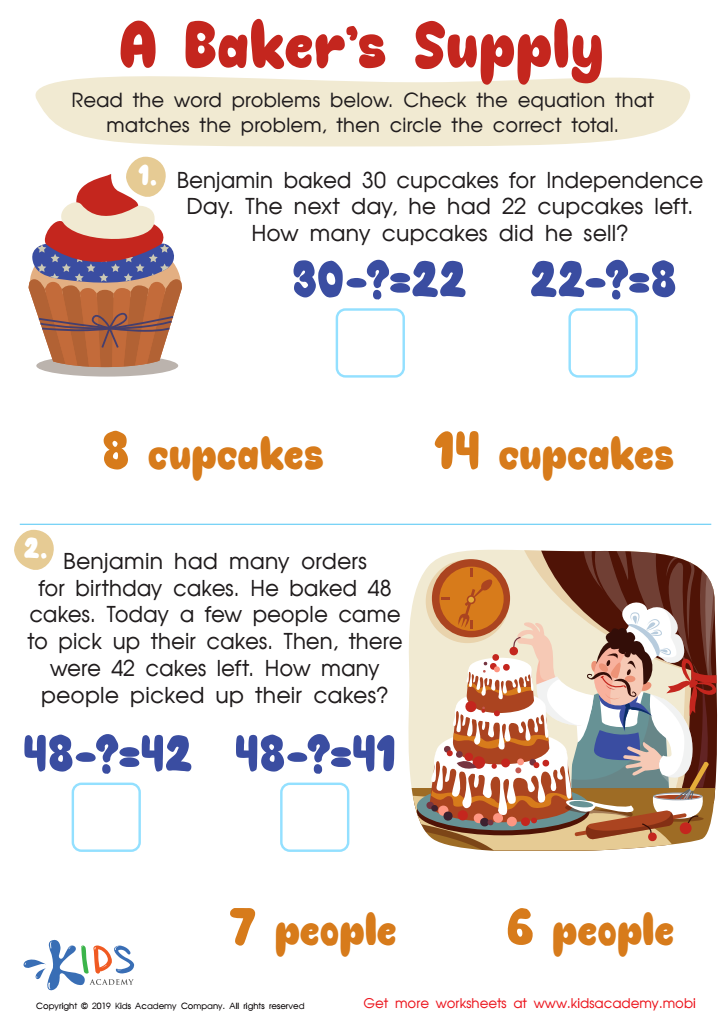
A Baker's Supply Worksheet
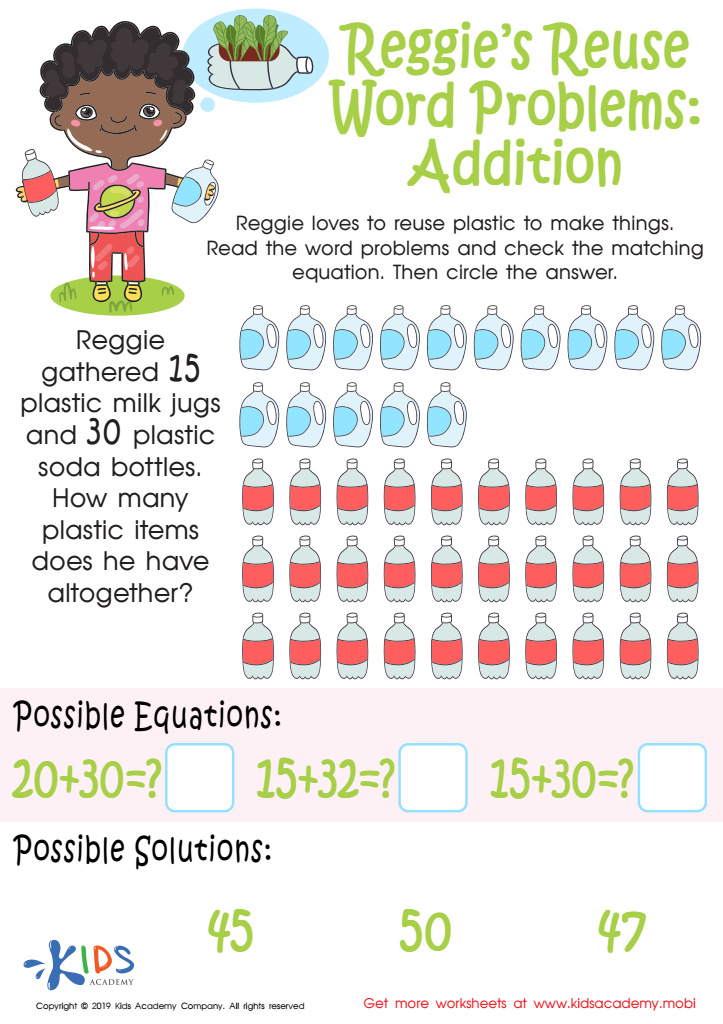
Reggie's Reuse Word Problems: Addition Worksheet
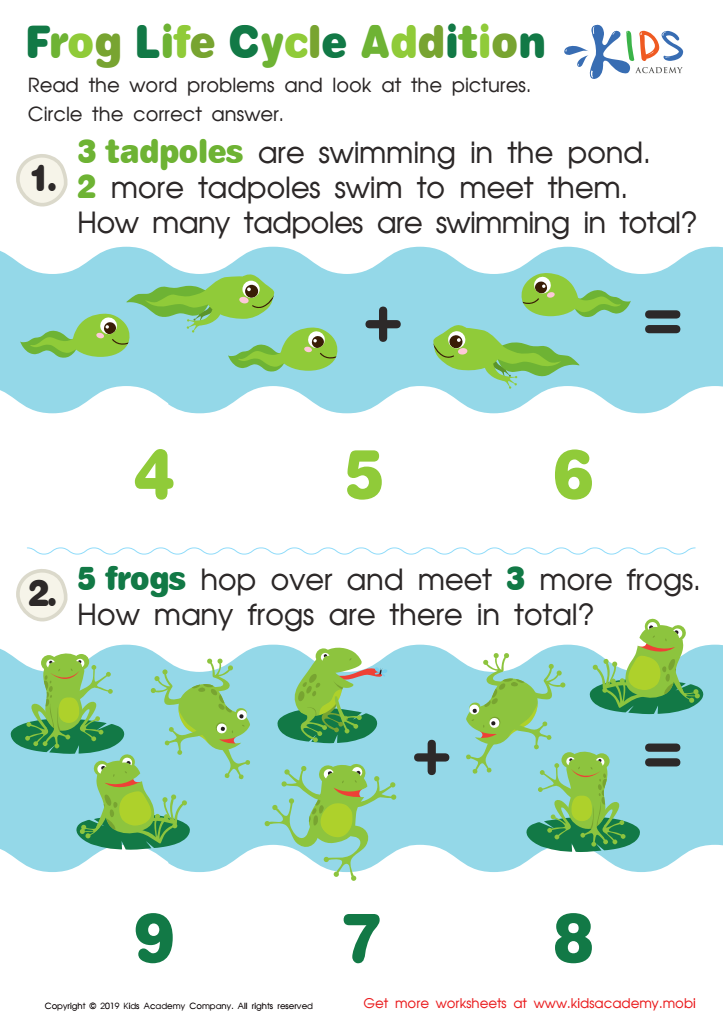
Frog Life Cycle Addition Worksheet
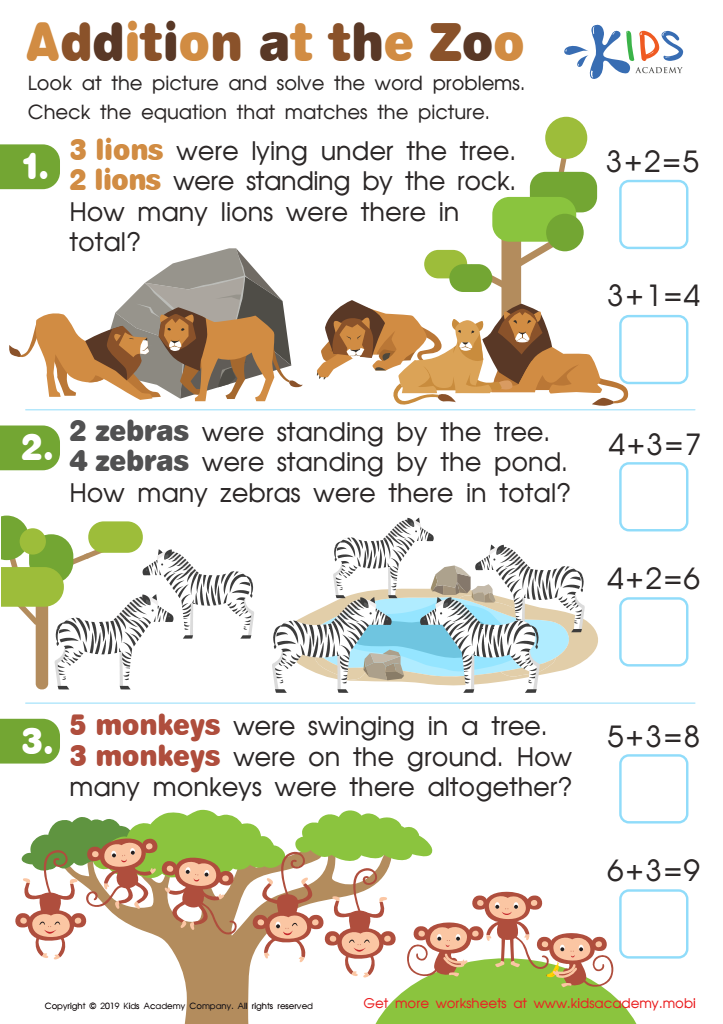
Addition at the Zoo Worksheet
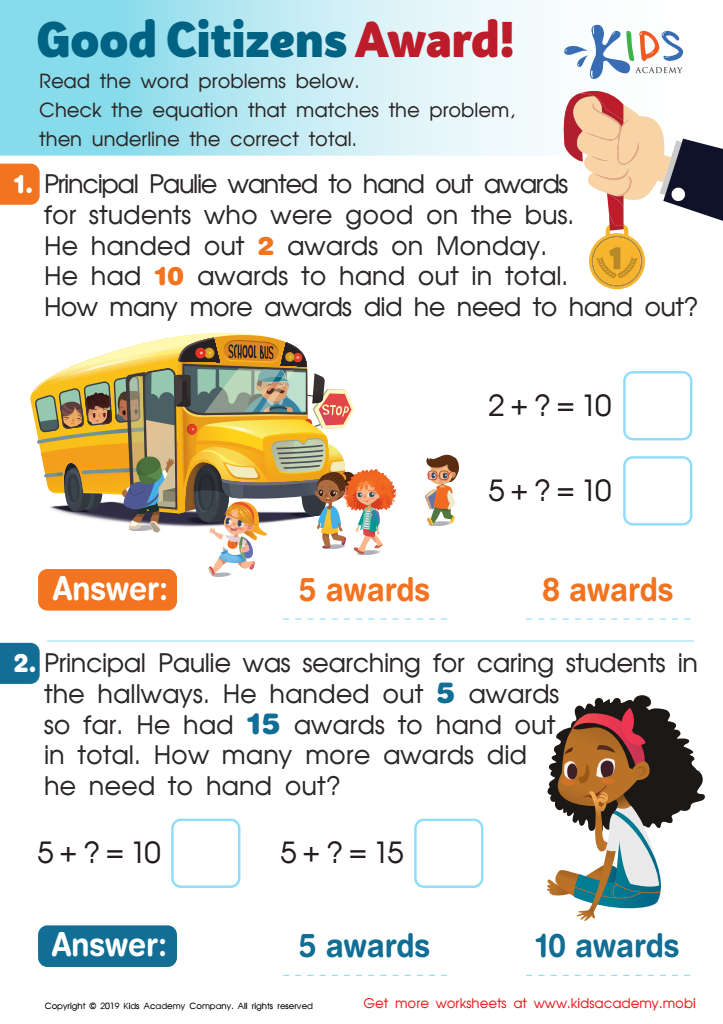
Good Citizens Award! Worksheet
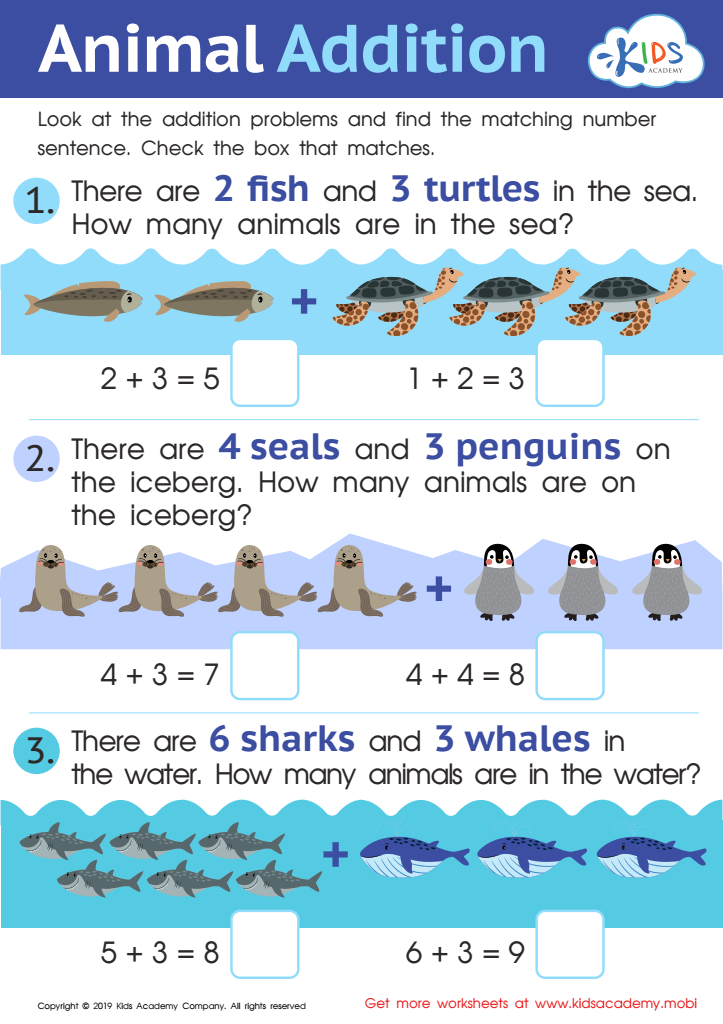
Animal Addition Worksheet
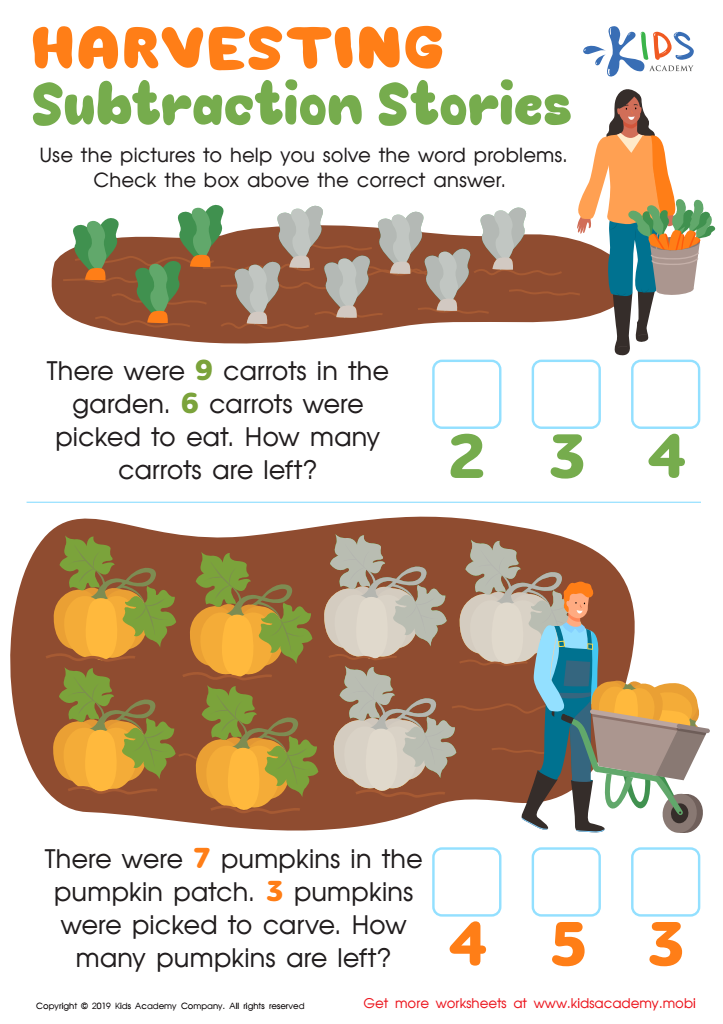
Harvesting Subtraction Stories Worksheet
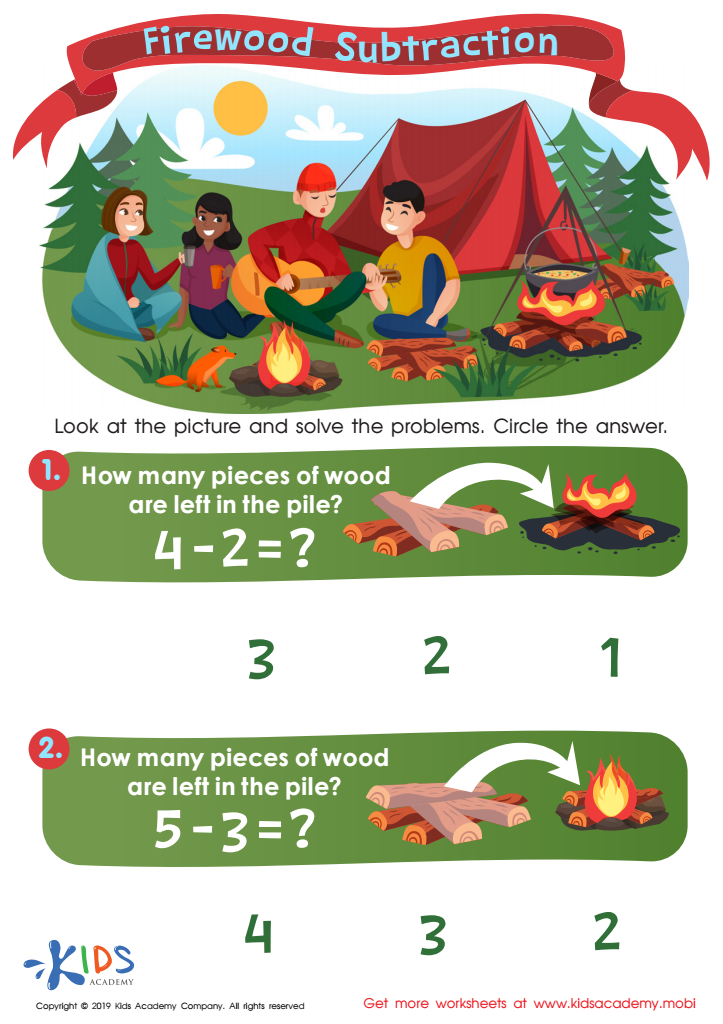
Firewood Subtraction Worksheet
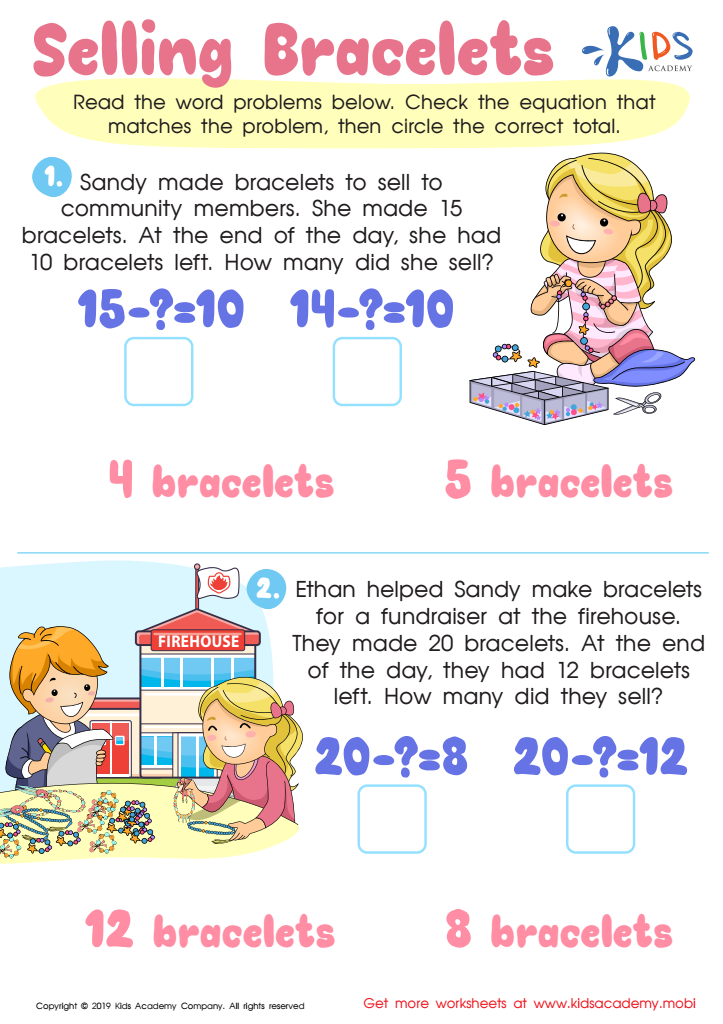
Selling the Bracelets Worksheet








Providing young children, ages 4-7, with easy addition and subtraction word problems is crucial for their early mathematical development. These word problems serve as foundational building blocks that foster critical thinking and problem-solving skills. They allow children to understand the practical application of mathematics in real-life scenarios, making abstract numbers more concrete and accessible.
Engaging children with word problems at an early age promotes comprehension skills as they learn to decipher text and determine the relevant mathematical operation needed to solve a problem. This reinforces their reading abilities while acquainting them with mathematical vocabulary, nurturing dual skill sets simultaneously.
Moreover, early exposure to mathematical challenges enhances children's confidence and reduces math-related anxiety by making learning gradual and enjoyable. It encourages a positive attitude toward mathematics that can last a lifetime. For parents and teachers alike, monitoring progress in solving these problems can help identify strengths and areas needing additional support early on, allowing for timely intervention.
In summary, investing time in easy addition and subtraction word problems for children aged 4-7 lays a strong academic foundation, intertwines literacy with numerical understanding, encourages a love for learning, and builds long-lasting, essential cognitive skills.