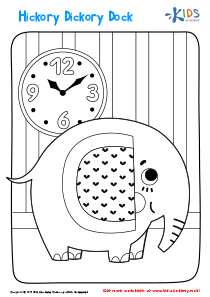
Easy Nursery Rhymes Worksheets for Ages 4-7
4 filtered results
-
From - To
Discover the joy of learning with our "Easy Nursery Rhymes Worksheets for Ages 4-7"! These engaging and fun worksheets are designed to foster early literacy and comprehension skills in young children. Featuring beloved nursery rhymes, each worksheet combines colorful illustrations with interactive activities to capture the imaginations of kids. Perfect for classroom or at-home use, every sheet encourages kids to sing along, recognize words, and develop fine motor skills through tracing and writing exercises. Tailored to support early childhood development, our printable worksheets are an excellent resource for parents and teachers alike.
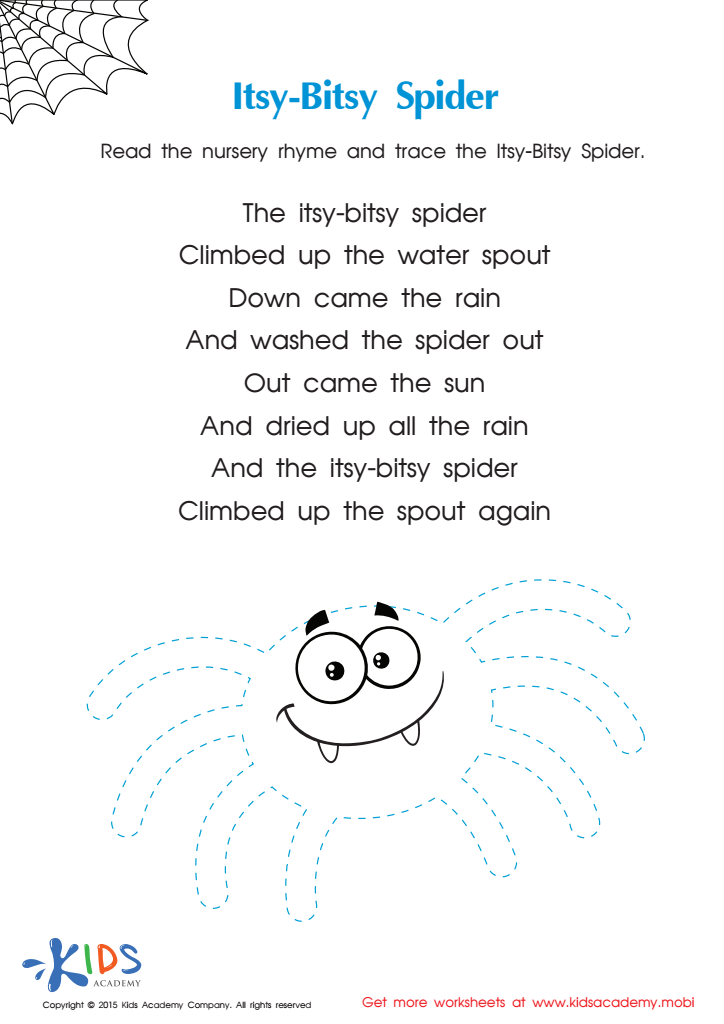
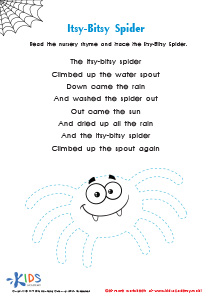
Itsy Bitsy Spider Nursery Rhyme PDF Worksheet
 Assign to My Students
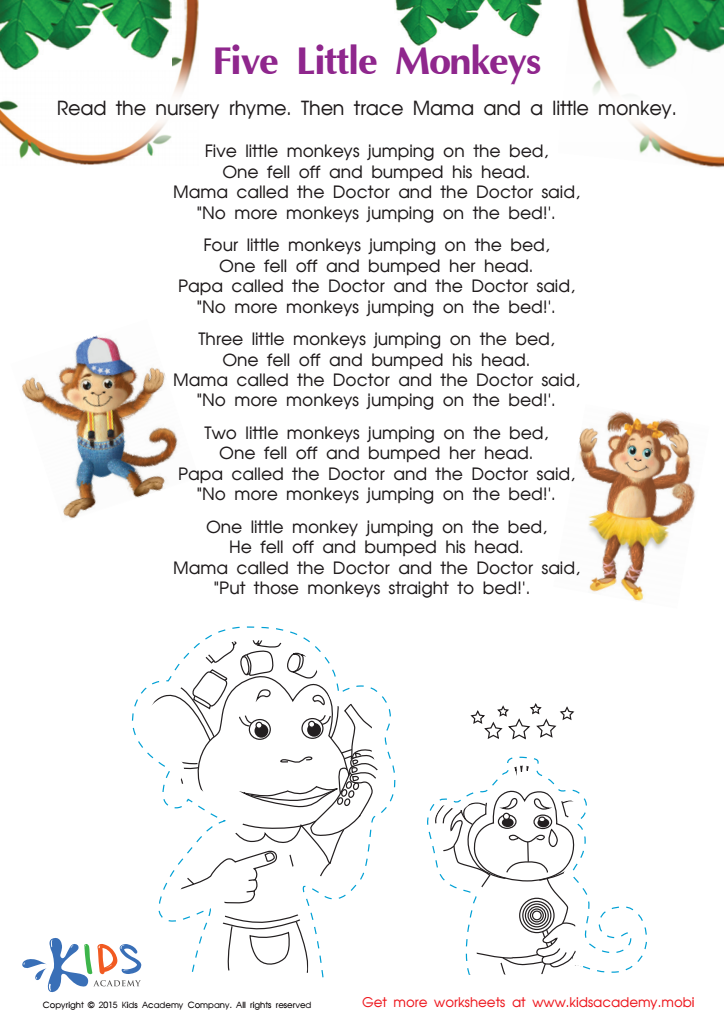
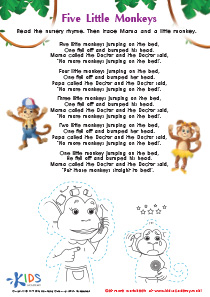
The Five Little Monkeys Nursery Rhyme Worksheet
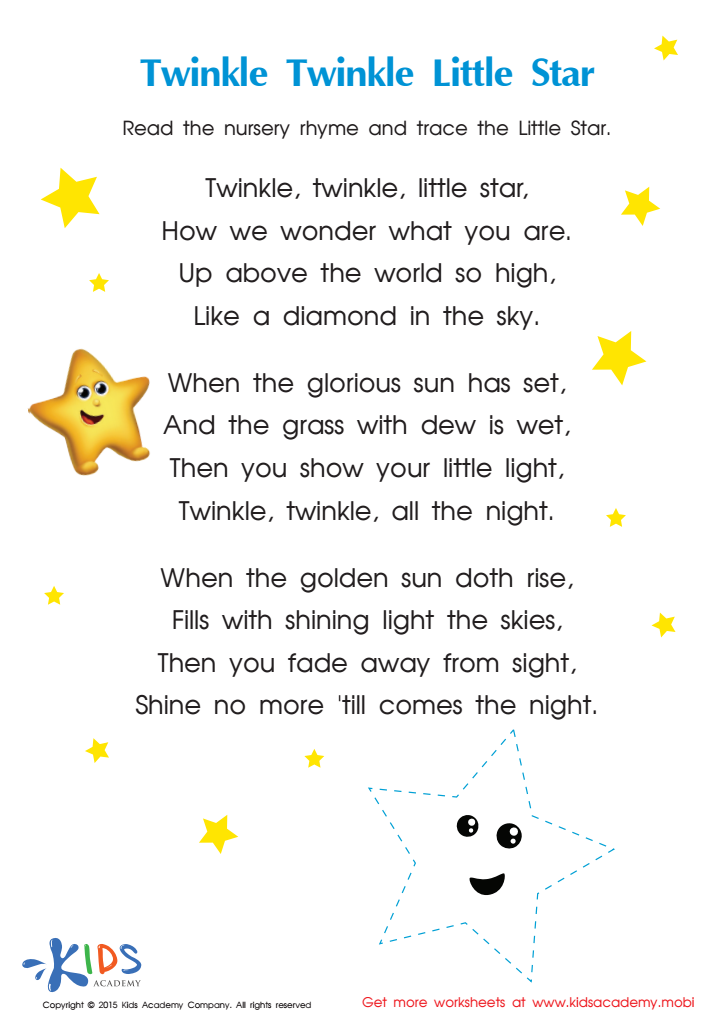
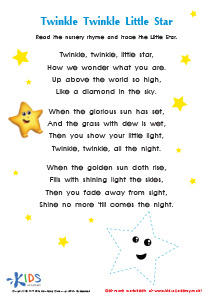
Nursery Rhymes: Twinkle Little Star Worksheet
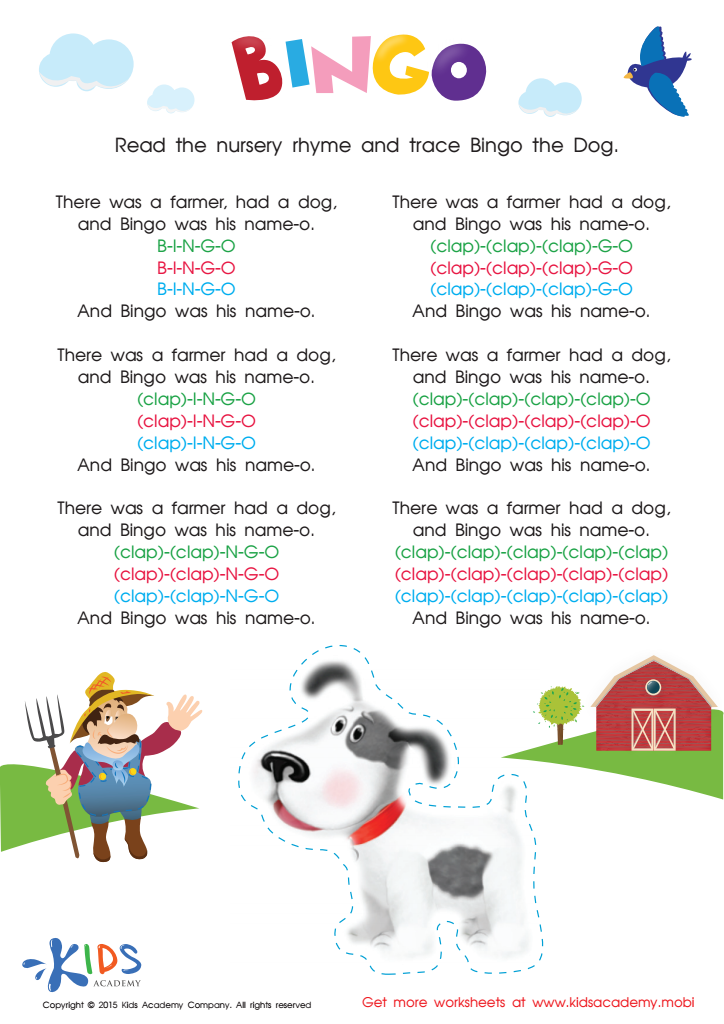
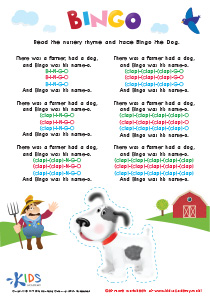
Nursery Rhymes: The Bingo Song Worksheet







Easy Nursery Rhymes for children aged 4-7 are more than just quaint verses and melodies; they play a crucial role in early childhood development. For parents and teachers, these simple poems serve as foundational tools for fostering language skills, including vocabulary, phonics, and auditory discrimination. By reciting and singing nursery rhymes, kids improve their listening abilities and learn to recognize the rhythm, patterns, and structure of language.
Moreover, nursery rhymes provide cognitive benefits such as memory enhancement. Repetitive melodies and repeatable phrases help children remember sequences, aiding in the development of better short- and long-term memory skills. Socially, participating in rhyme activities encourages interaction, teamwork, and promotes confidence. The sense of accomplishment associated with reciting a rhyme correctly can significantly boost a child’s self-esteem.
Emotionally, these rhymes also offer comfort and familiarity, creating a positive and engaging learning atmosphere that can make the transition into more formal education smoother. Topics within nursery rhymes can introduce early math concepts like counting, sequencing, and spatial relations in a fun and engaging manner.
In essence, incorporating easy nursery rhymes into a child's daily routine is not just about entertainment; it's an effective, comprehensive approach to supporting various facets of early development. Parents and teachers should leverage this powerful educational resource to enhance their children’s early learning experiences.