Easy Elementary Phonics Worksheets for Ages 4-9
8 filtered results
-
From - To
Discover a fun and engaging way to enhance your child's reading skills with our "Easy Elementary Phonics Worksheets for Ages 4-9." Tailored specifically for young learners, these worksheets focus on foundational phonics concepts, including letter recognition, sound blending, and word formation. Perfect for preschoolers to early elementary students, our printable resources make learning phonics enjoyable and effective. Each worksheet is designed to reinforce essential skills, promote confidence, and foster a love for reading. Whether at home or in the classroom, our worksheets provide the perfect interactive tool to support your child's literacy journey. Explore our collection today and watch your child thrive!
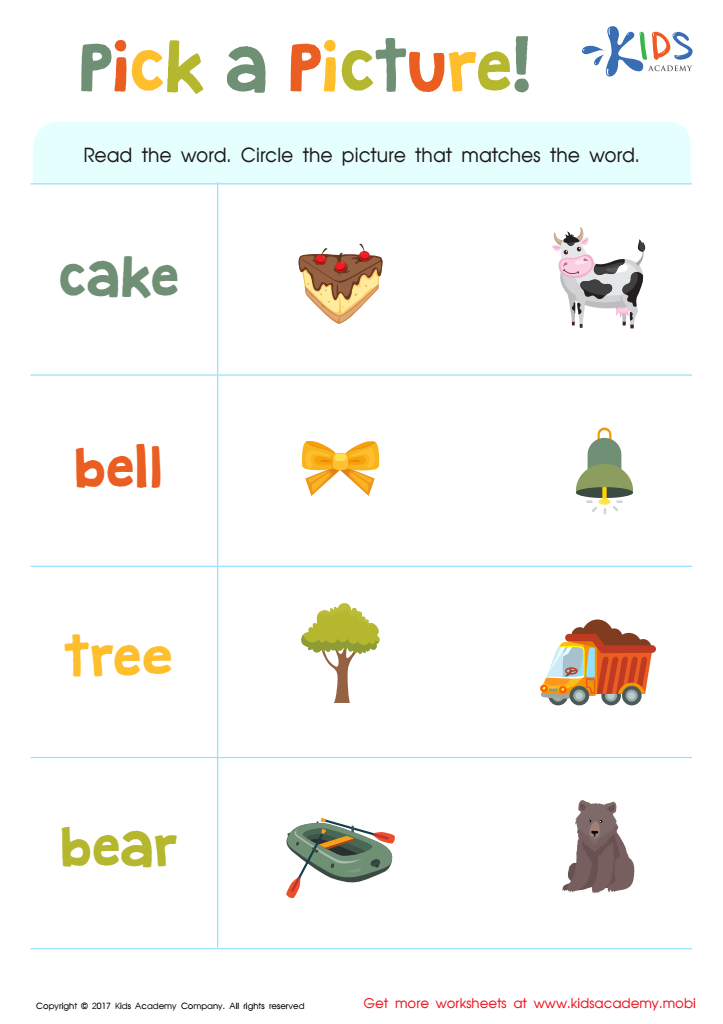
Pick a Picture Word Recognition Worksheet
 Assign to My Students
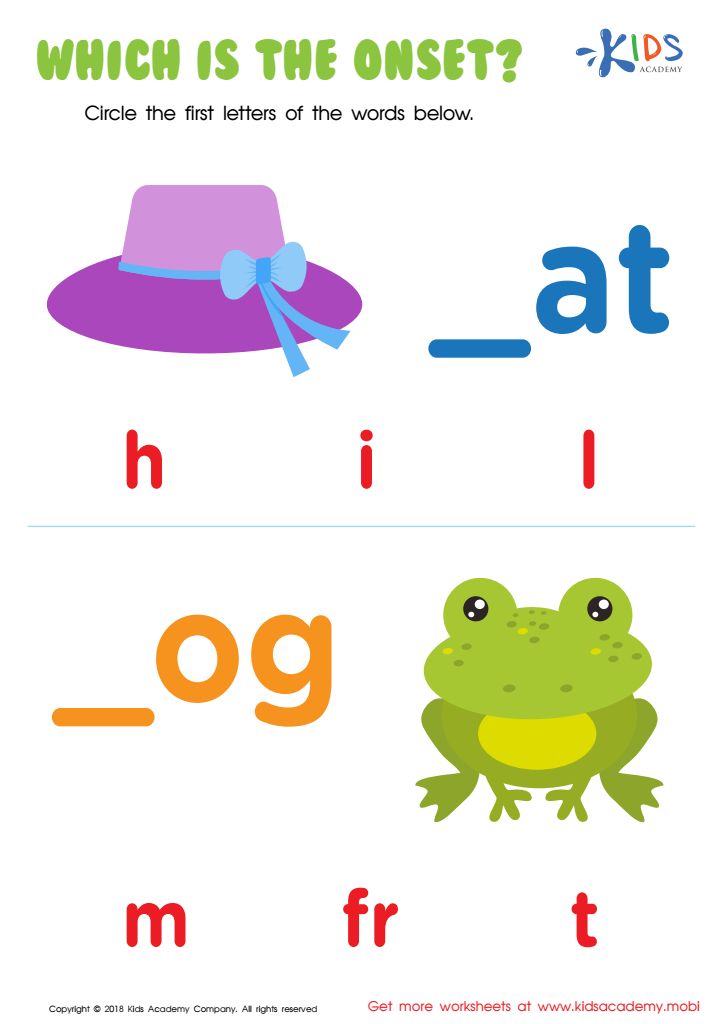
Which Is the Onset? Worksheet
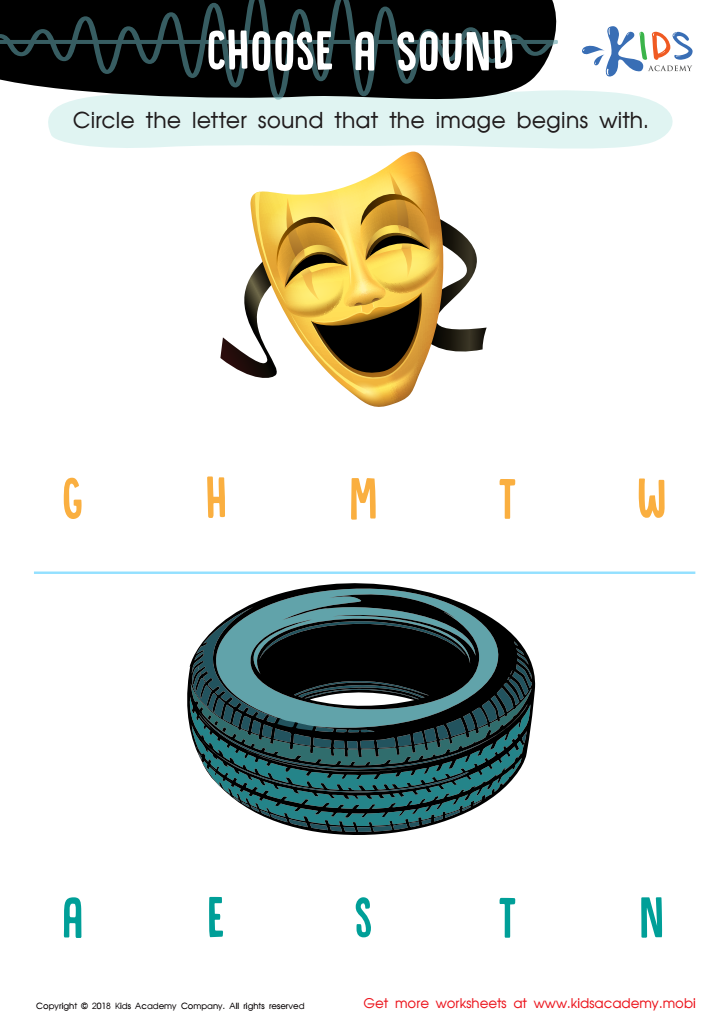
Choose a Sound Worksheet
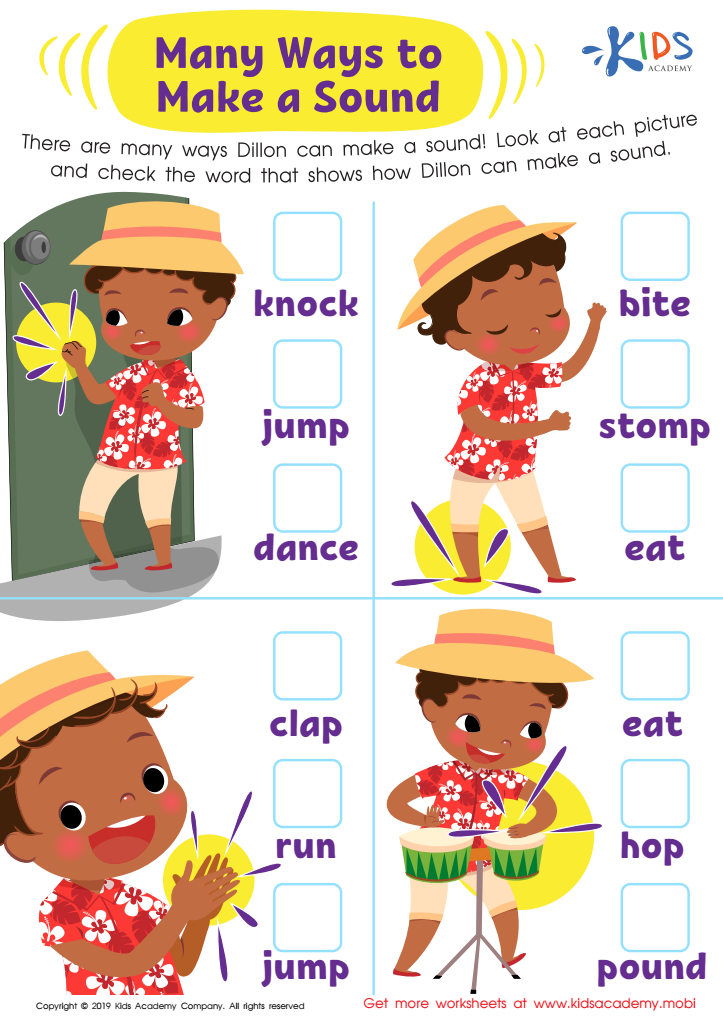
Many Ways to Make a Sound Worksheet
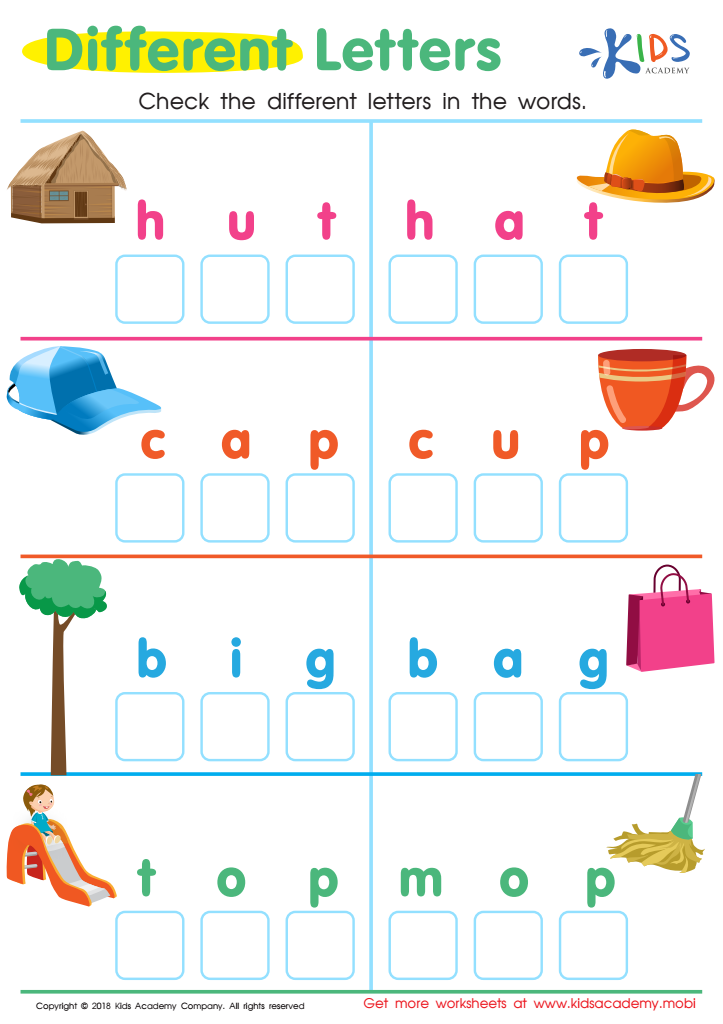
Different Letters Reading Worksheet
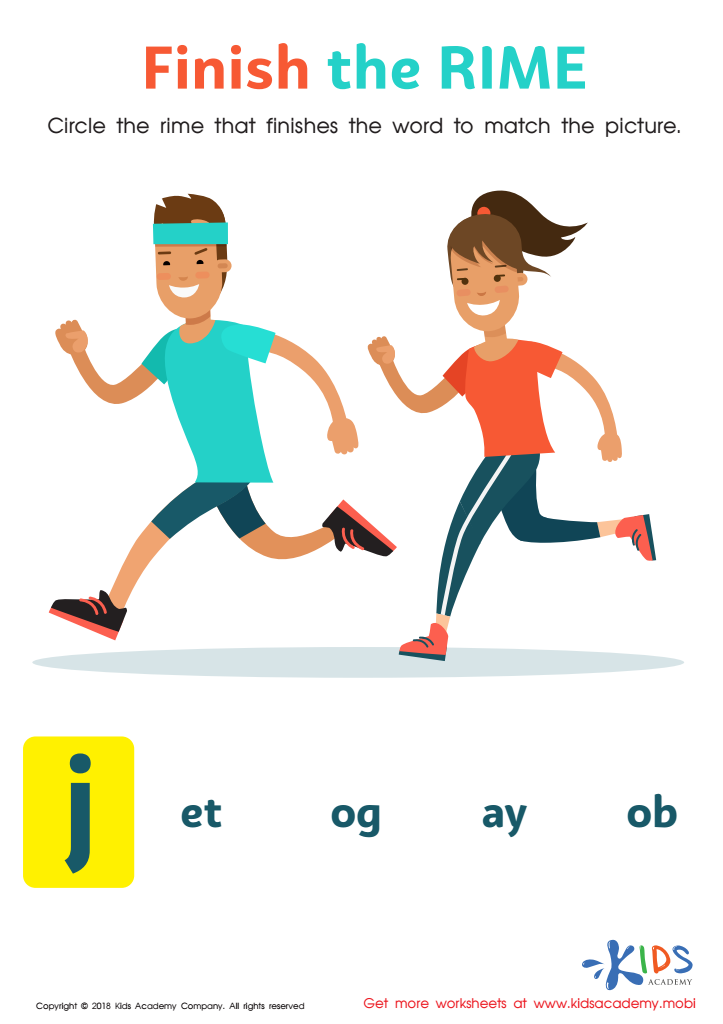
Finish the Rime Worksheet
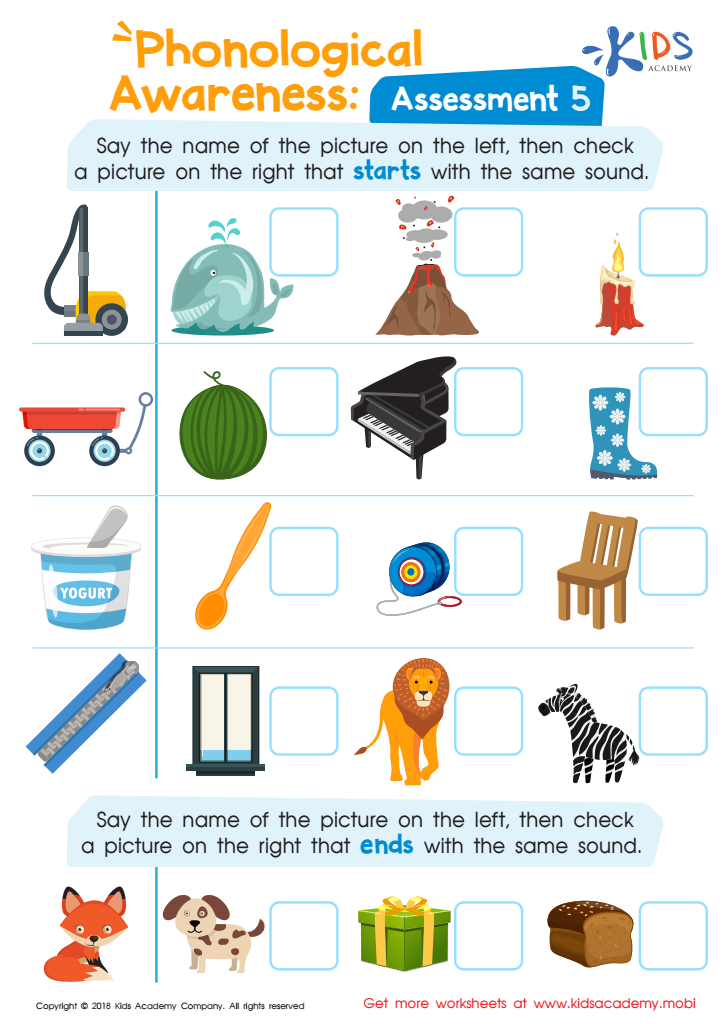
Phonological Awareness: Assessment 5 Worksheet
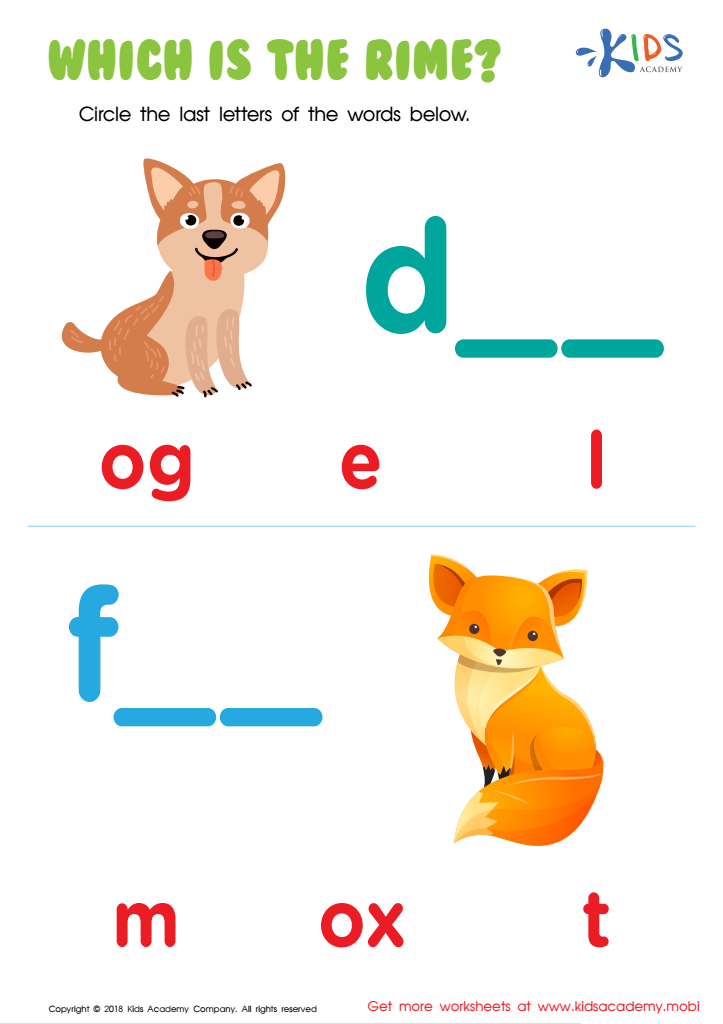
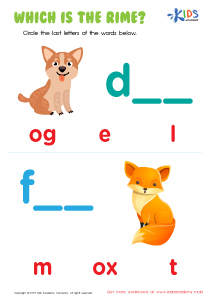
Which Is the Rime? Worksheet




Easy Elementary Phonics for Ages 4-9 is a vital resource for parents and teachers because it lays the foundation for early literacy skills. Phonics instruction teaches children the relationship between sounds and letters, enabling them to decode words independently. This is crucial at a young age, as strong reading skills are essential for overall academic success.
By nurturing phonics skills, parents and teachers can instill a love for reading and learning, fostering a lifelong habit. Easy Elementary Phonics makes learning engaging and interactive, using playful approaches that captivate young learners and accommodate various learning styles. When children grasp phonics, they gain confidence in their reading abilities, which prepares them for more complex literacy challenges in the future.
Furthermore, parents and teachers who incorporate phonics into their syllabi can help address educational disparities by equipping all students with the essential tools they need to succeed. The foundation built during these early years shapes a child’s academic trajectory, emphasizing the importance of these educational resources. Ultimately, Easy Elementary Phonics ensures that children are not only ready for school but also equipped to navigate a world increasingly dependent on effective communication and comprehension skills. In summary, fostering phonetic awareness is imperative in shaping future learners.