Easy Geometry Worksheets for Ages 4-9 - Page 3
52 filtered results
-
From - To
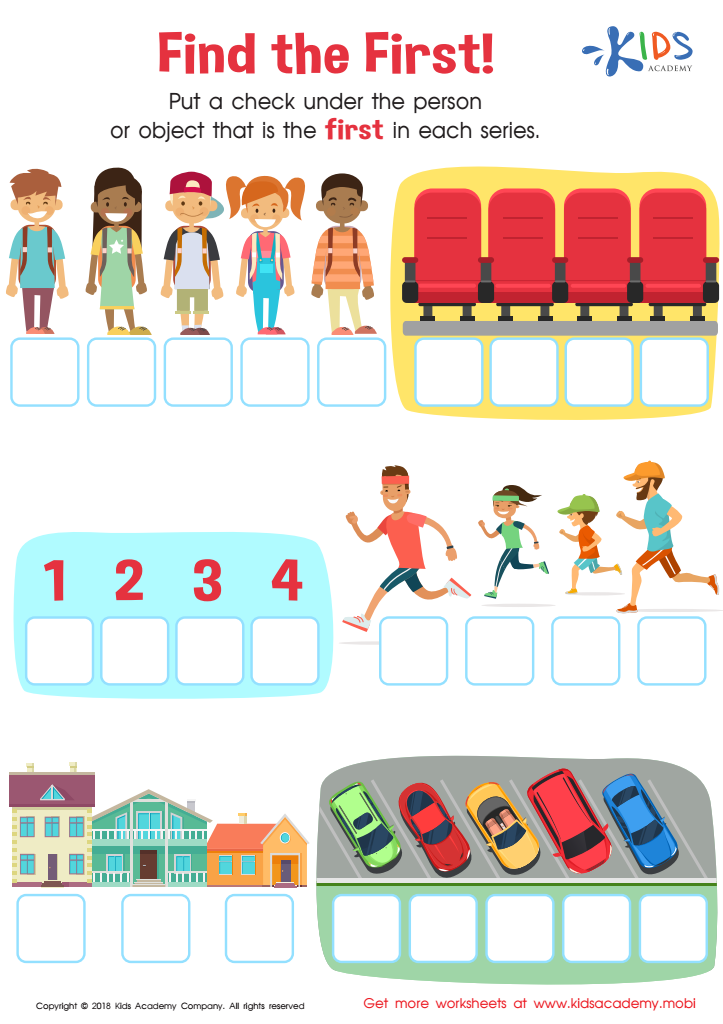
Find the First! Worksheet
 Assign to My Students











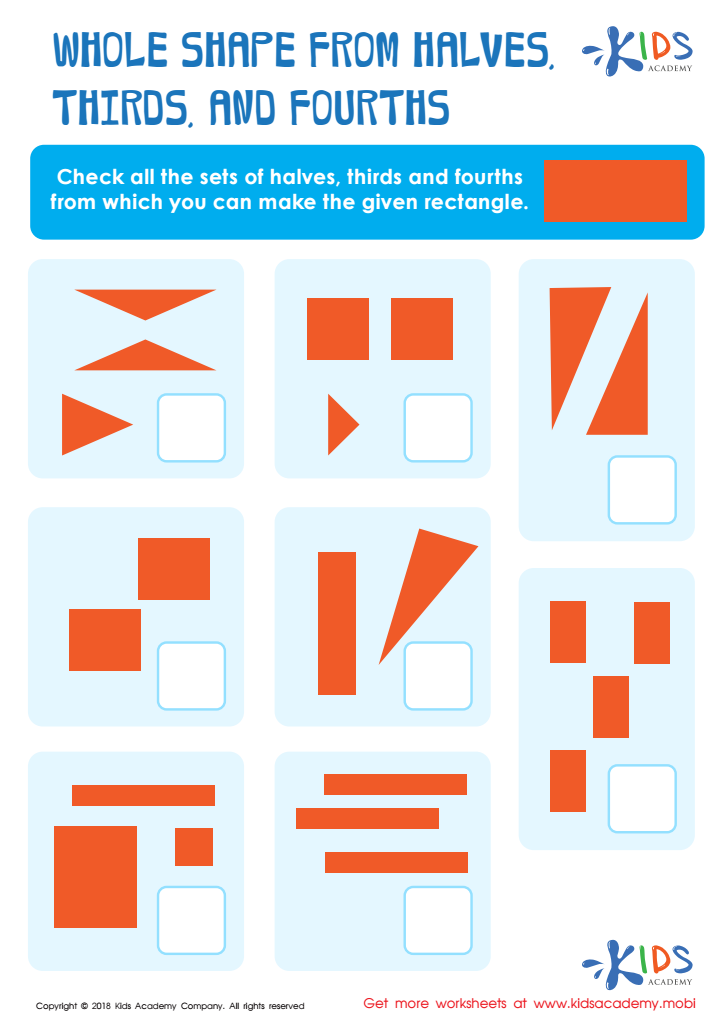
Whole Shape from Halves, Thirds and Fourths Worksheet
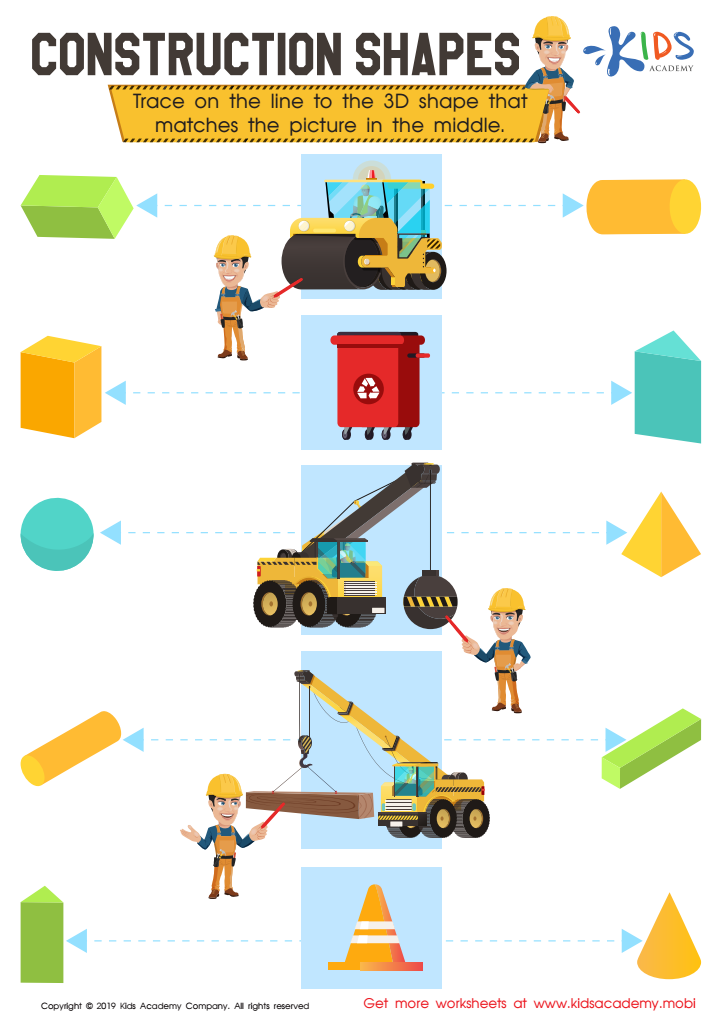
Construction Shapes Worksheet
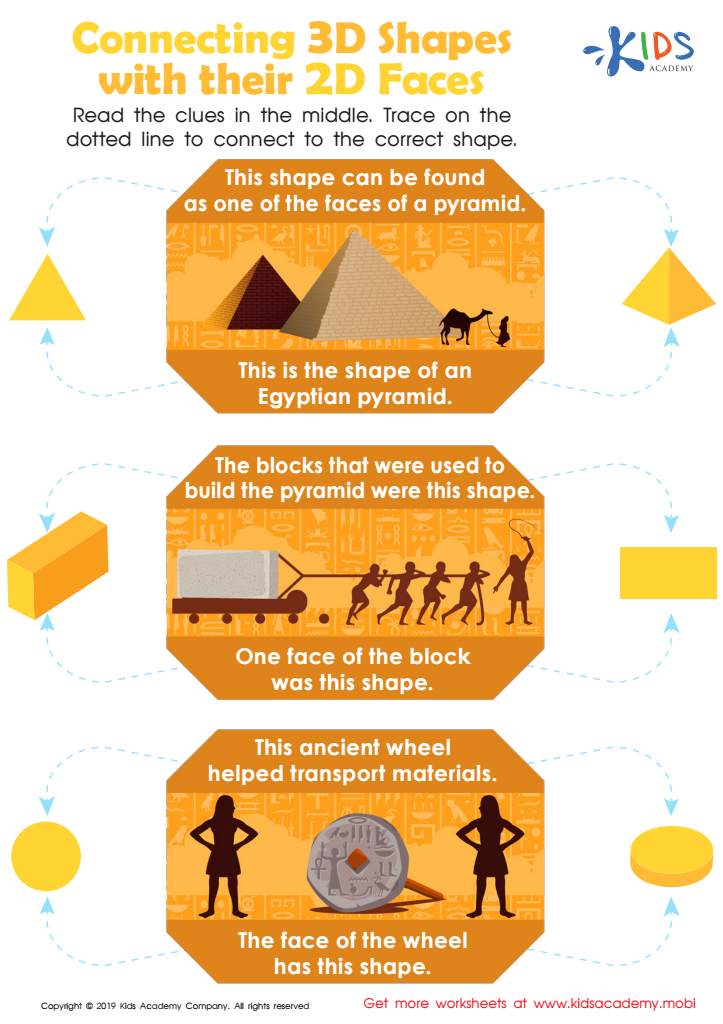
Connecting 3D Shapes with Their 2d Faces Worksheet








Parents and teachers should care about teaching Easy Geometry to children ages 4-9 because it lays a crucial foundation for future Math skills, fosters problem-solving abilities, and encourages a love for learning. Introducing geometry at an early age helps children develop spatial awareness and reasoning. Unlike abstract numbers, shapes are tangible and visually engaging, making it easier for young minds to grasp complex concepts gradually. Furthermore, geomtery is integral in understanding patterns and relationships, essential skills in both Math and everyday situations.
By nurturing these skills early, children are better prepared for more advanced topics they will encounter in later grades. Early geometry education can boost critical thinking and analytical skills. When children can describe shapes, manipulate them, and understand their properties, they are learning to observe and interact with the world around them in meaningful ways.
Moreover, learning geometry can bolster confidence in young learners. Success in tackling these easier math concepts can lead to a positive self-image and reduce math anxiety, promoting a lifelong interest in the subject. With engaging activities and visual play, parents and teachers can make learning geometry a fun, enjoyable, and beneficial experience for young children, setting them up for academic success and a lifetime of curiosity and exploration.








