Easy Matching Worksheets for Ages 6-9
7 filtered results
-
From - To
Discover our "Easy Matching Worksheets for Ages 6-9," designed to make learning fun and engaging! Our selection of worksheets helps young learners improve their matching skills, enhancing their cognitive abilities and encouraging critical thinking. Perfect for children in grades 1-3, these worksheets cover various themes, including numbers, shapes, and everyday objects. Each worksheet is user-friendly and thoughtfully crafted to promote active learning. Teachers and parents can conveniently download and print these resources for classroom or home use, making it easy to reinforce essential skills in an entertaining way. Start helping your child thrive academically with our easy matching activities today!
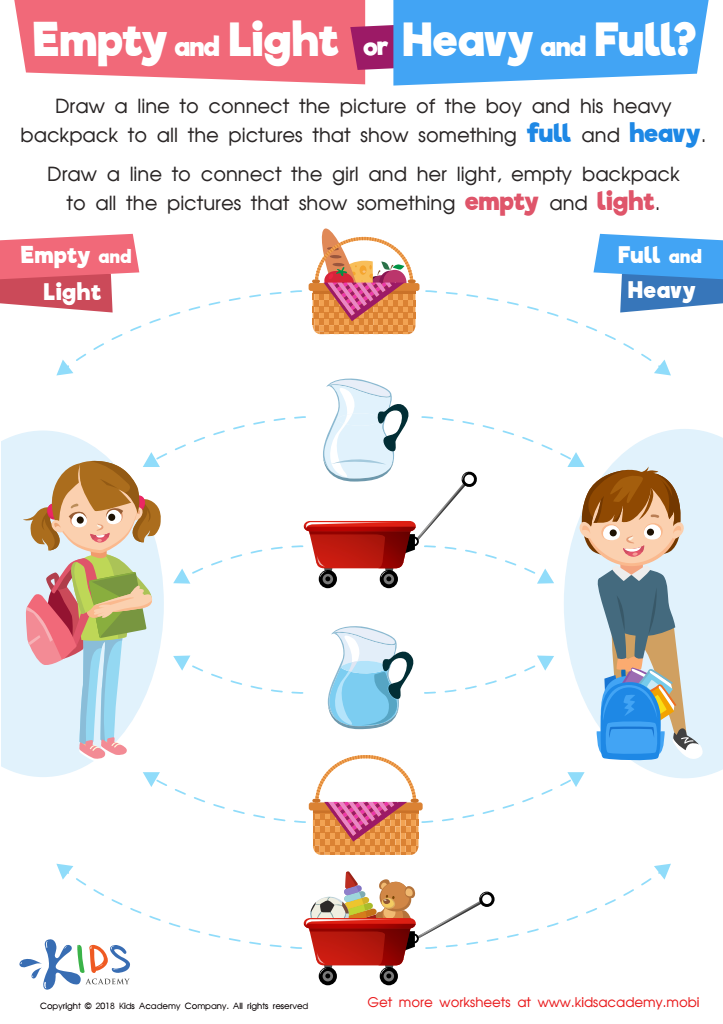
Empty and Light or Heavy and Full? Worksheet
 Assign to My Students
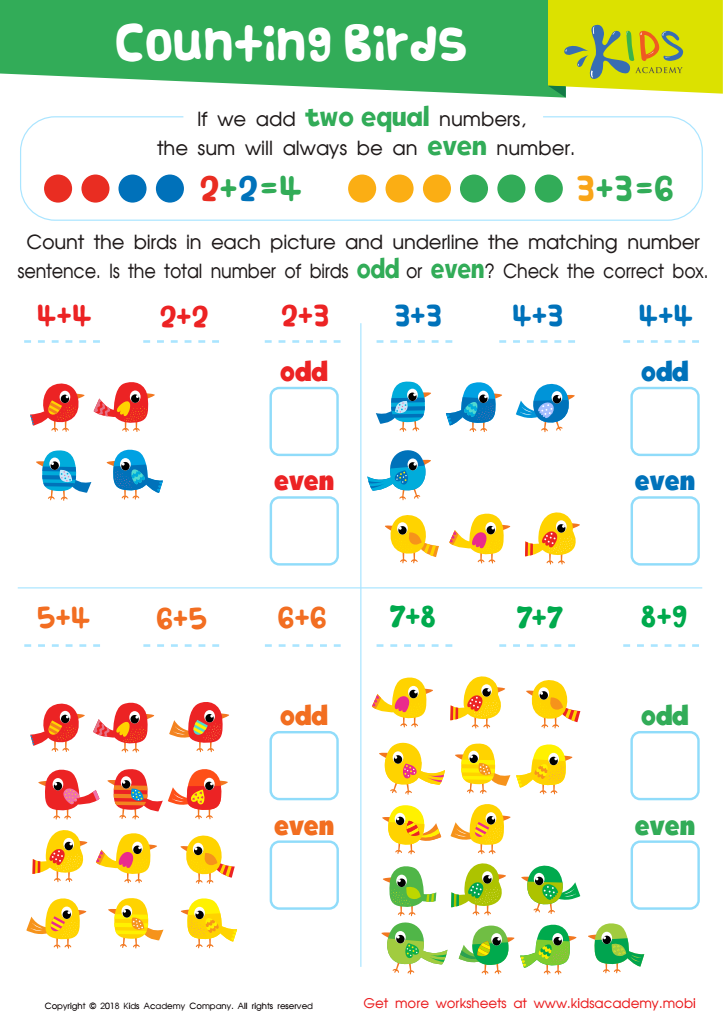
Counting Birds Worksheet
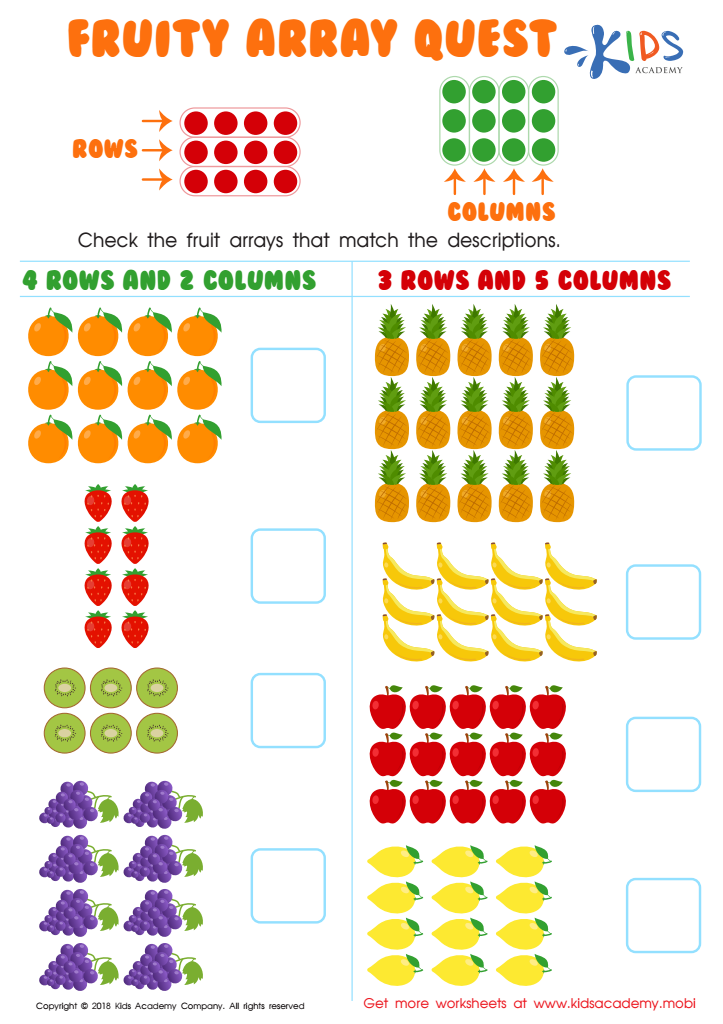
Fruity Array Quest Worksheet
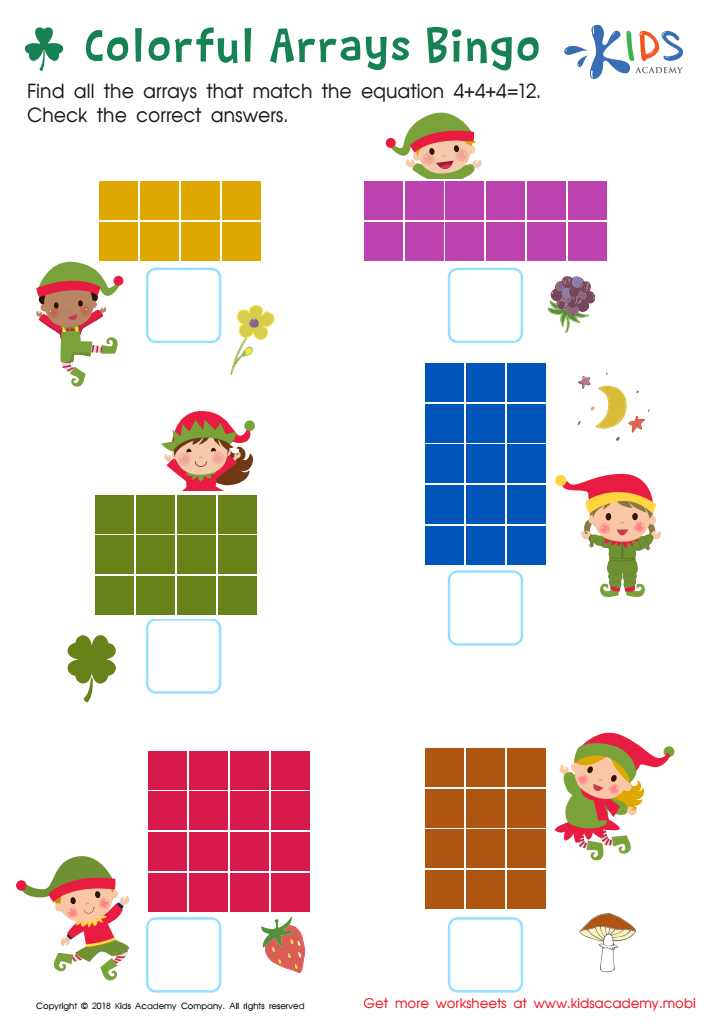
Colorful Arrays Bingo Worksheet
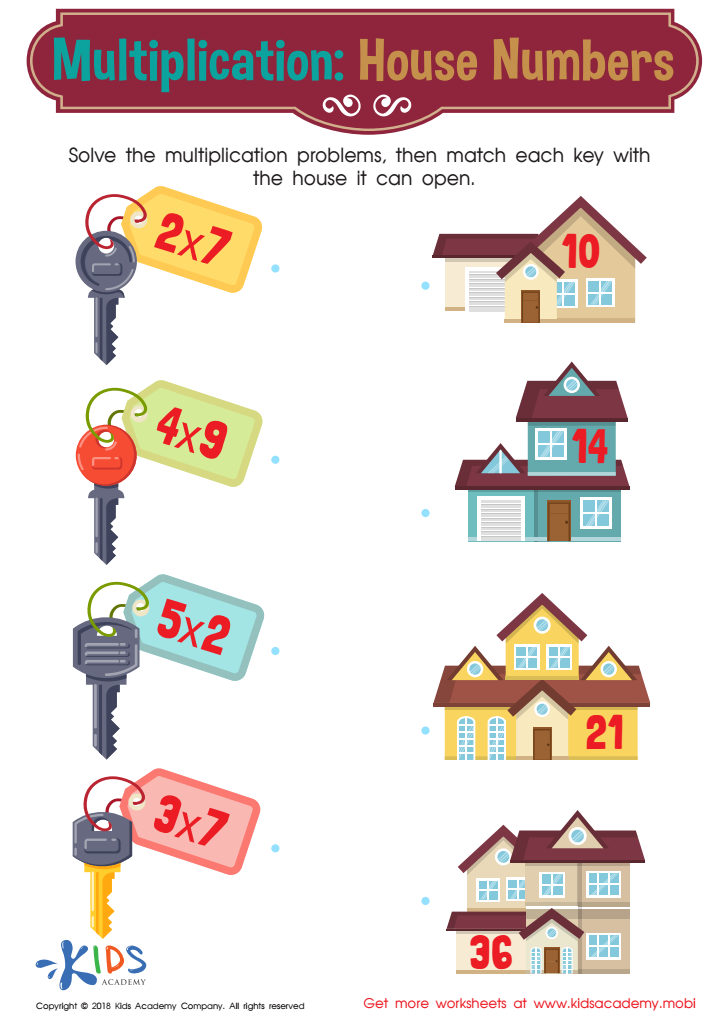
House Numbers Worksheet
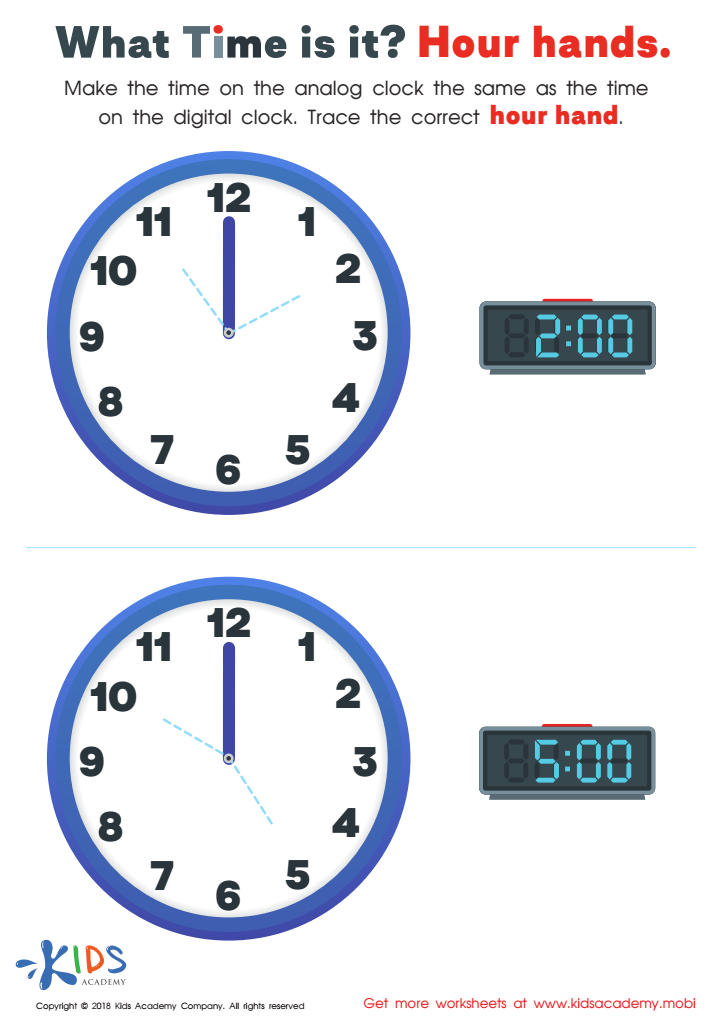
What Time Is it? Hour Hands Worksheet
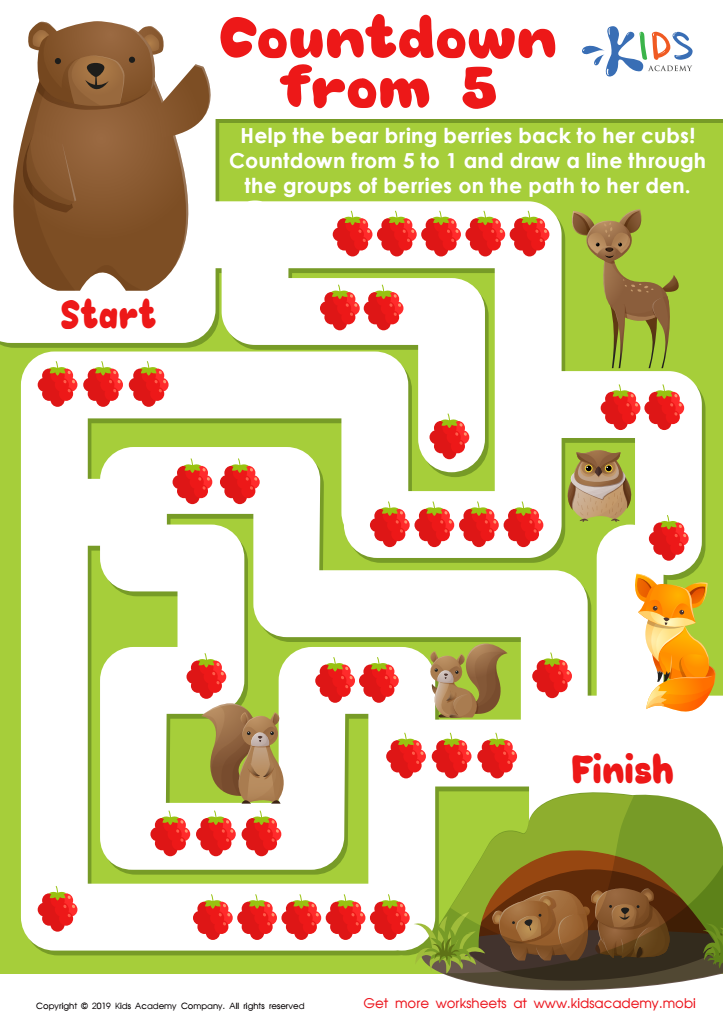
Countdown from 5 Worksheet








Easy Matching is a crucial cognitive activity for children aged 6 to 9, as it significantly contributes to their developmental milestones in learning and socialization. At this age, children are honing their problem-solving skills and improving their memory and concentration. Engaging in matching games enhances these skills while also making the learning process fun and interactive.
From a parental perspective, participating in Easy Matching activities fosters bonding through shared experiences, promoting positive interactions among family members. It encourages children to think critically and develop perseverance, as they learn to cope with mistakes and celebrate achievements.
For teachers, incorporating Easy Matching into lessons can create an effective and stimulating classroom environment. It reinforces key concepts, such as categorization and pattern recognition, which are foundational to subjects like math and language arts. Additionally, it promotes cooperation and teamwork when children participate in group activities, helping them build social skills and develop emotional intelligence.
Ultimately, Easy Matching serves as a versatile tool for both parents and teachers, helping to cultivate essential cognitive abilities while fostering engagement and joy in learning. By prioritizing these activities, adults can support children's growth and readiness for future academic challenges.








