Easy Plants Worksheets for 7-Year-Olds
2 filtered results
-
From - To
Introducing our Easy Plants worksheets, tailored specifically for 7-Year-Olds! Dive into the world of green thumbs with activities designed to engage, educate, and excite. Our worksheets demystify the life of plants, turning complex concepts into simple, fun lessons. From understanding photosynthesis with colorful diagrams to hands-on planting guides, we ensure your child's journey into botany is both educational and enjoyable. Perfect for curious minds eager to learn about the environment around them, our Easy Plants worksheets for 7-Year-Olds are the ideal blend of learning and play. Nurture your child's love for nature with this immersive educational experience!
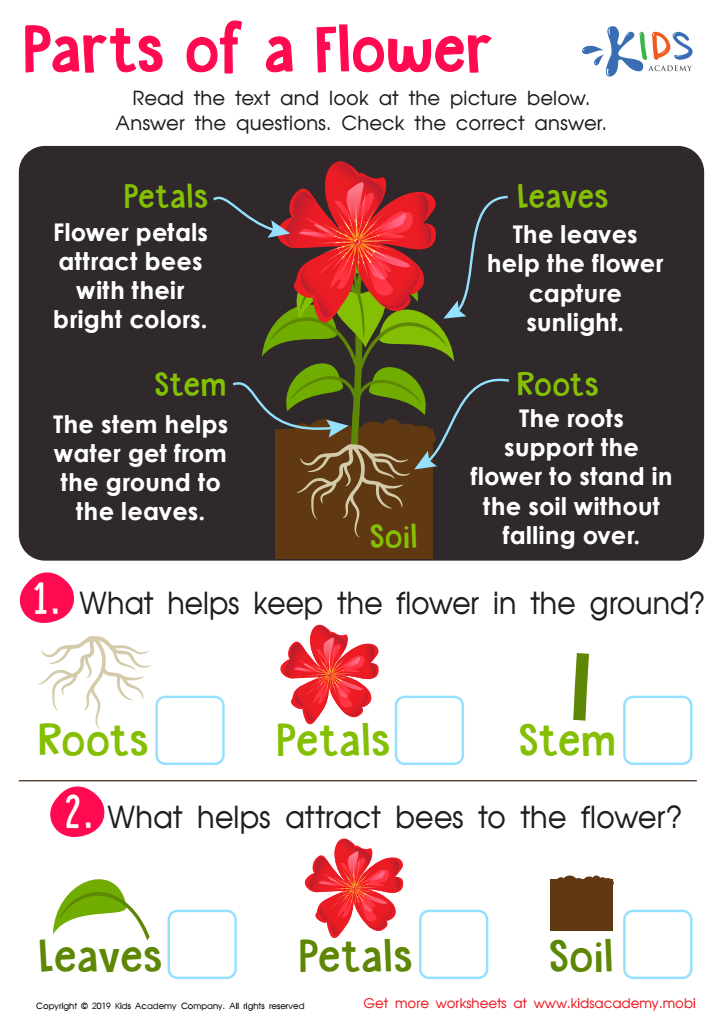
Parts of Flower Worksheet
 Assign to My Students
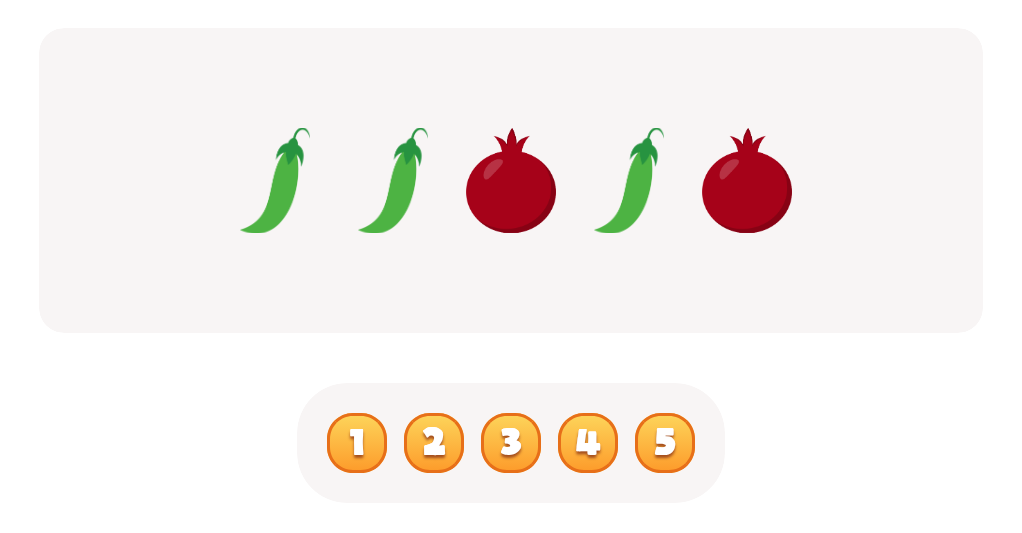

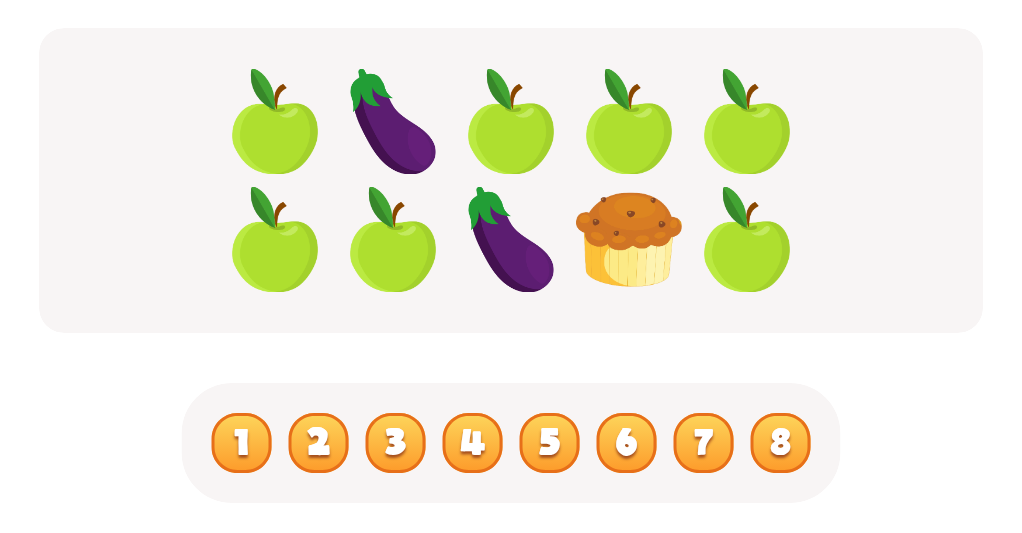
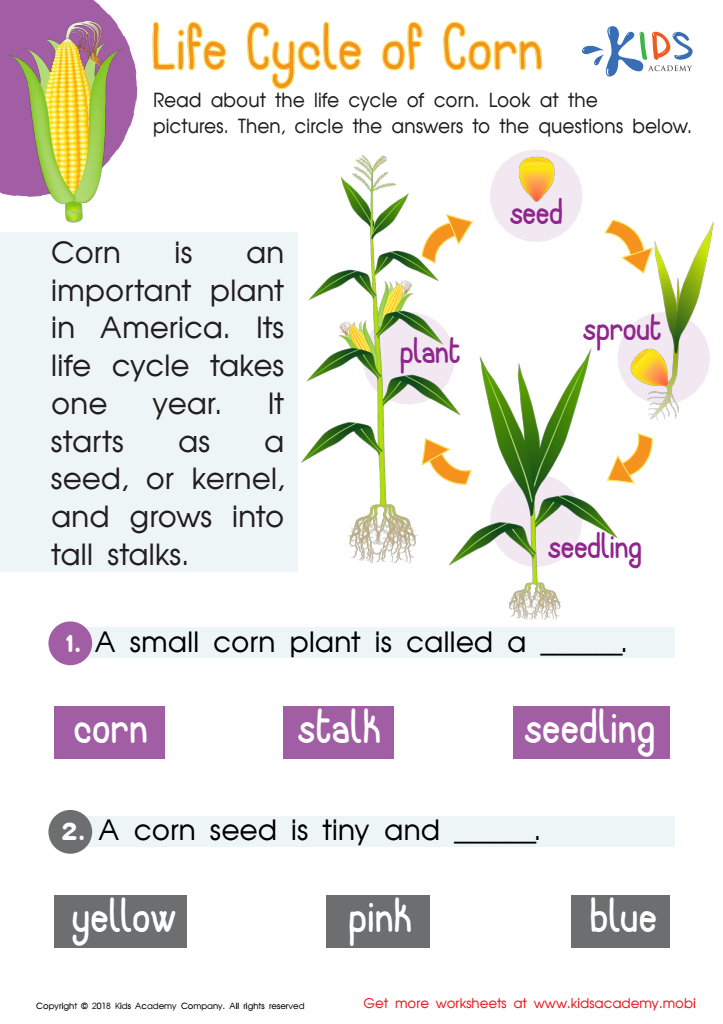
Life Cycle of Corn Worksheet








Easy Plants worksheets are a fantastic way to introduce the wonders of the plant world to 7-year-olds. At this curious age, children are naturally inquisitive and eager to learn about the environment around them. Utilizing easy-to-understand worksheets on plants caters to their learning capabilities, making the absorption of new information both enjoyable and effective.
These worksheets are designed with 7-year-olds in mind, ensuring that the content is age-appropriate, engaging, and, most importantly, educational. Through activities such as labeling parts of a plant, understanding the process of photosynthesis in simple terms, and recognizing different types of plants, children develop a foundational knowledge that sparks a lifelong interest in biology and environmental science.
Moreover, Easy Plants worksheets for 7-year-olds support the development of critical thinking and observational skills. By encouraging children to notice plants in their surroundings and understand their life cycles, worksheets make learning tangible and relevant. This hands-on approach promotes active learning, where children are not merely passive recipients of information but active participants in their educational journey.
In summary, Easy Plants worksheets for 7-year-olds are an invaluable tool in the educational toolkit, fostering a love for nature, enhancing knowledge retention, and building the groundwork for future scientific learning and exploration.