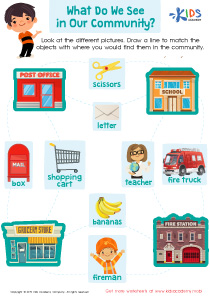
Extra Challenge Time Worksheets for Ages 3-5
4 filtered results
-
From - To
Introducing our Extra Challenge Time for Ages 3-5 worksheets, designed to spark the curiosity and challenge the bright minds of young learners. Tailored specifically for preschoolers, these worksheets offer an engaging mix of activities that promote critical thinking, fine motor skill development, and foundational learning in areas such as math, literacy, and problem-solving. Each page is crafted to captivate and stimulate young minds, ensuring that learning time is both fun and fruitful. Perfect for home or classroom use, our Extra Challenge Time worksheets are your go-to resource for keeping those eager little learners ahead of the curve. Get ready to watch your child's confidence and capabilities soar!
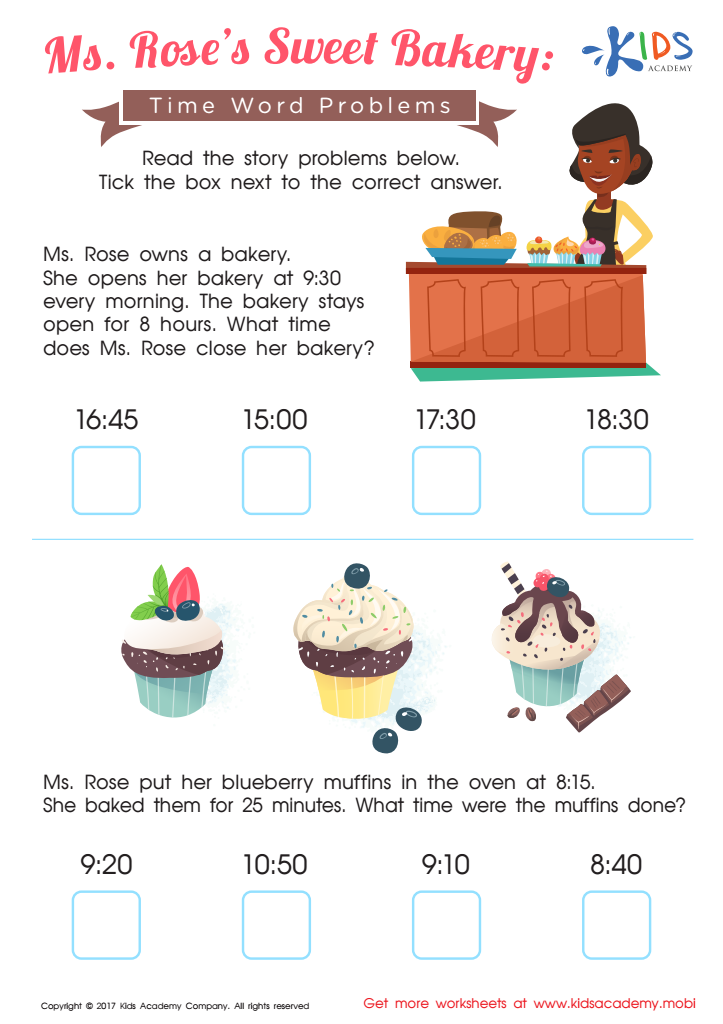
Ms. Roseв's Sweet Bakery Time Worksheet
 Assign to My Students
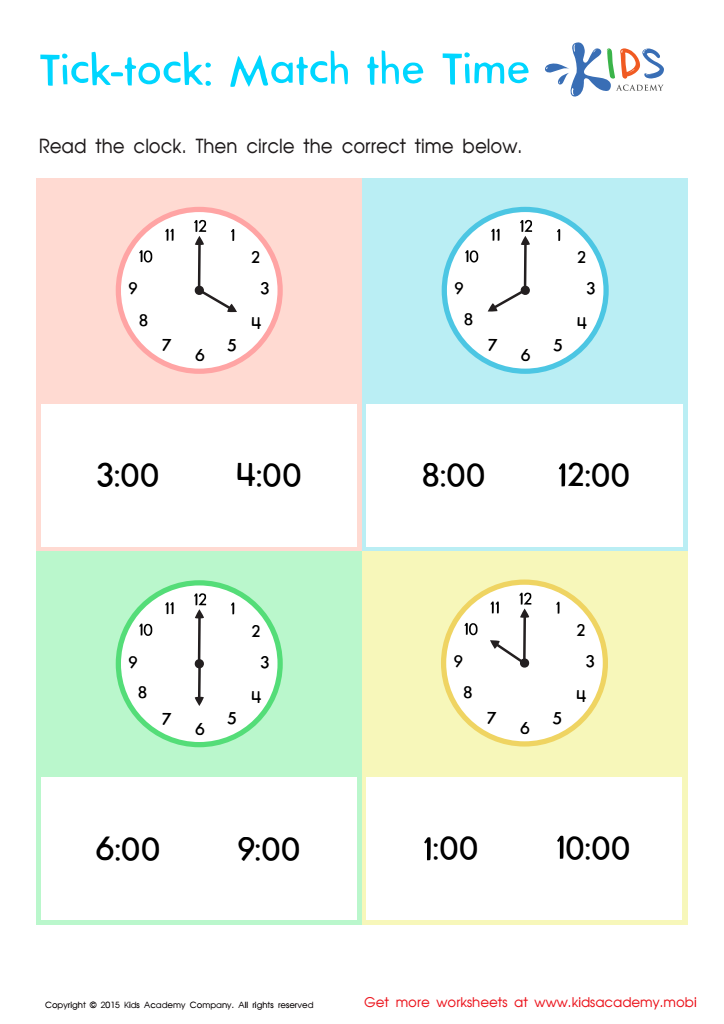
Telling The Time Worksheet: Part 4
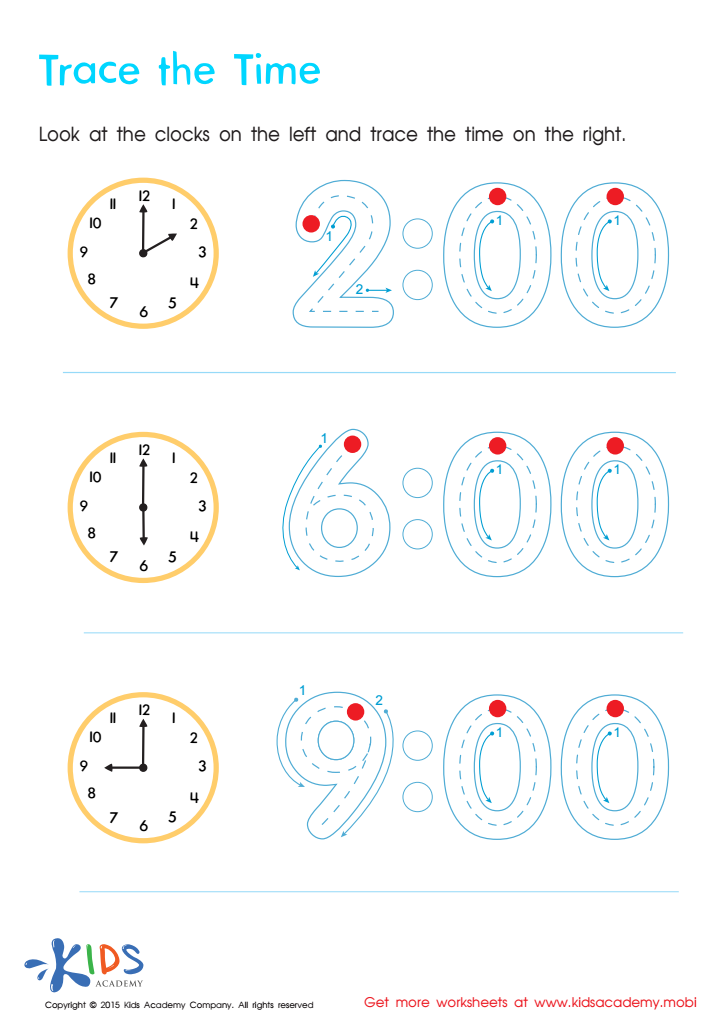
Telling The Time Worksheet: Part 2
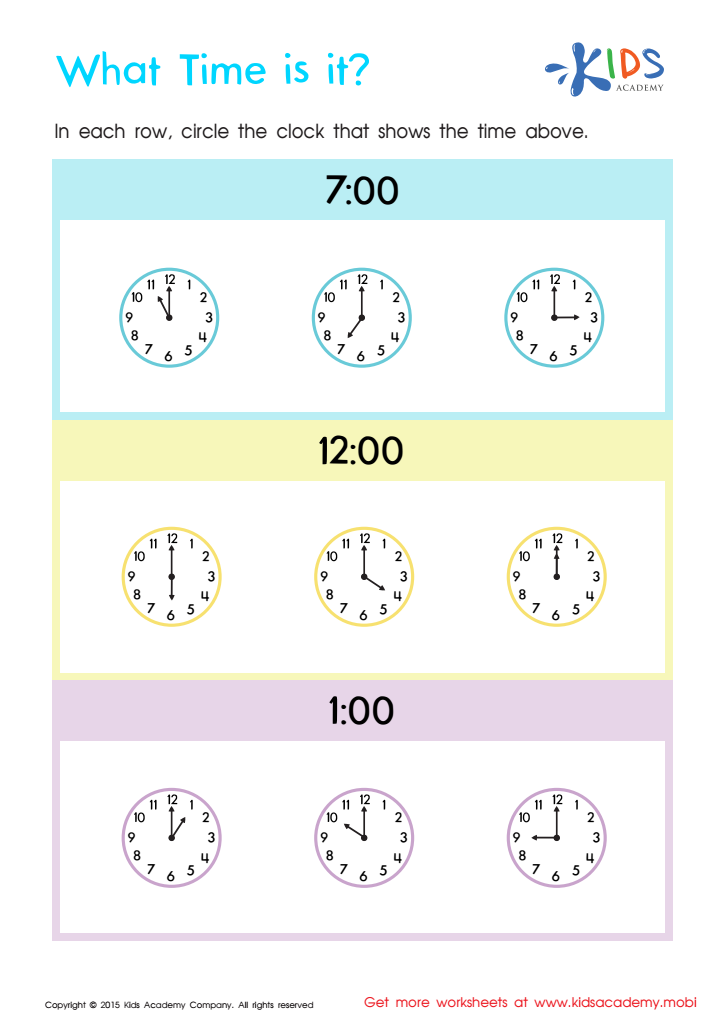
Telling The Time Worksheet: Part 3







%20(1).jpg)
Extra Challenge Time worksheets for Ages 3-5 are not just another set of activities; they are a powerful tool in the developmental journey of young learners. At an age where curiosity and the capacity for learning are at their peak, these worksheets are designed to cultivate a foundational understanding of time in a fun and engaging manner.
The importance of these worksheets lies in their ability to present the concept of time — a complex and abstract idea — in a simplified and accessible way for young minds. Through a variety of activities tailored for ages 3 to 5, children are introduced to the basics of time, including daily routines, days of the week, and the concept of earlier and later. This not only enhances their cognitive development but also encourages the development of time management skills from a tender age.
Moreover, the Extra Challenge Time worksheets are crafted to challenge the children just enough to keep them engaged without causing frustration. This balance is crucial in maintaining their interest and fostering a love for learning. By incorporating colorful illustrations and interactive tasks, these worksheets ensure that learning about time is not a tedious chore but an exciting adventure for young learners.
Ultimately, the Extra Challenge Time worksheets for Ages 3-5 serve as a building block in preparing children for more advanced concepts in time, setting a strong foundation for their future educational endeavors.