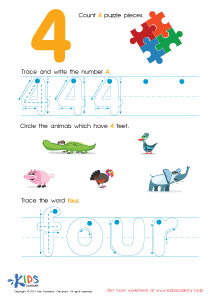
Extra Challenge Comparing Numbers Worksheets for Ages 3-6
4 filtered results
-
From - To
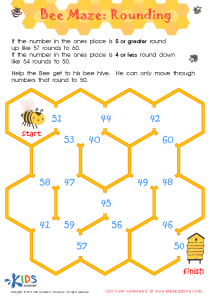
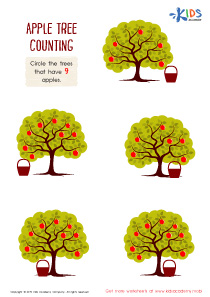
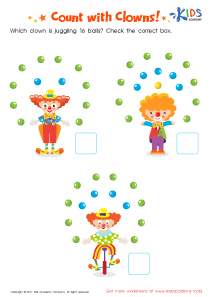
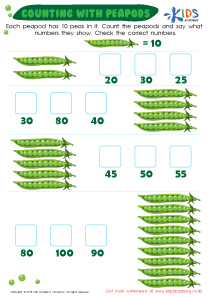
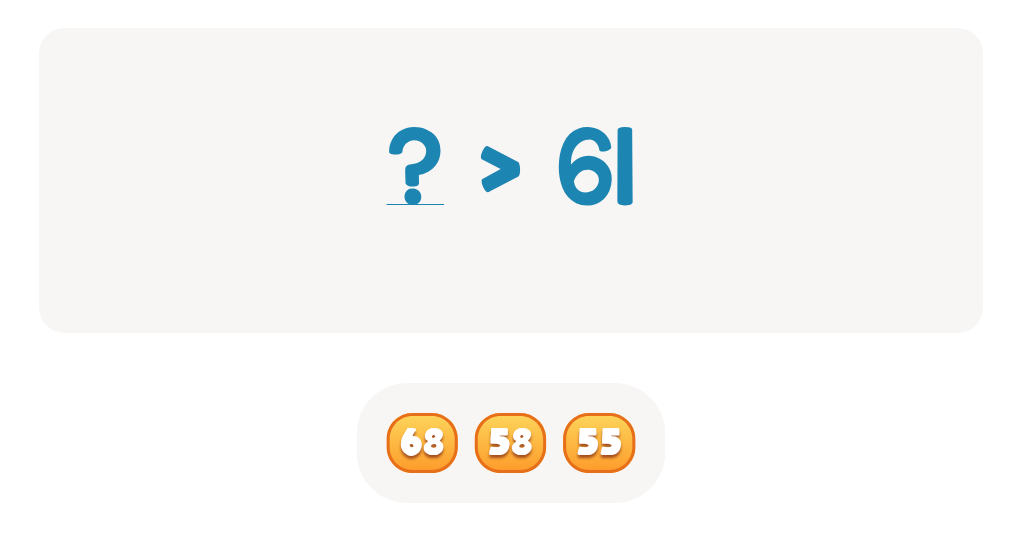
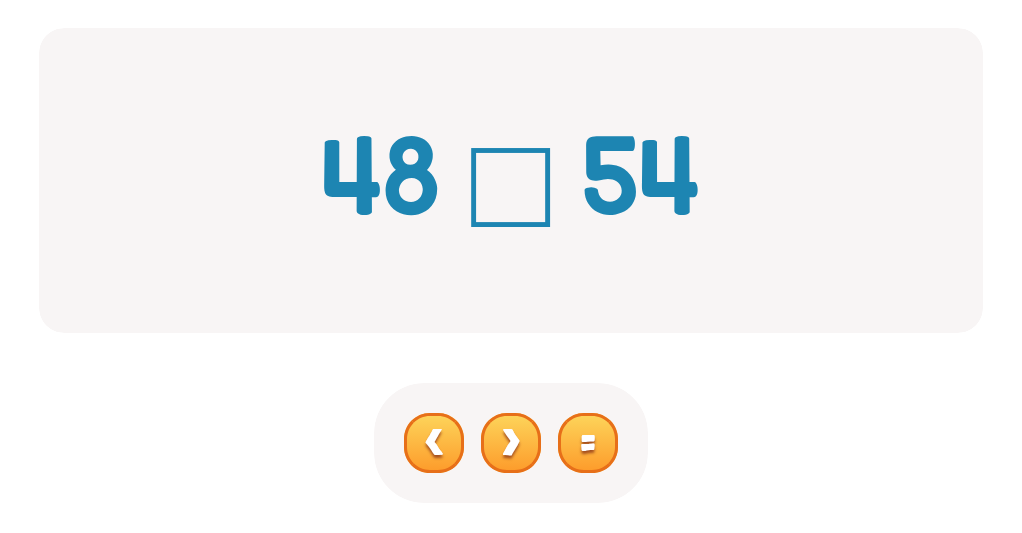
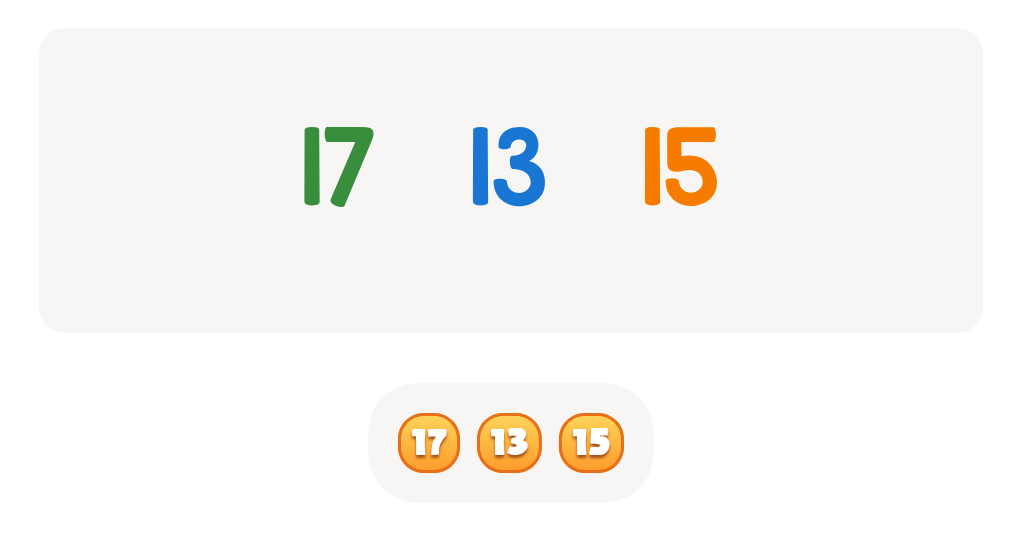
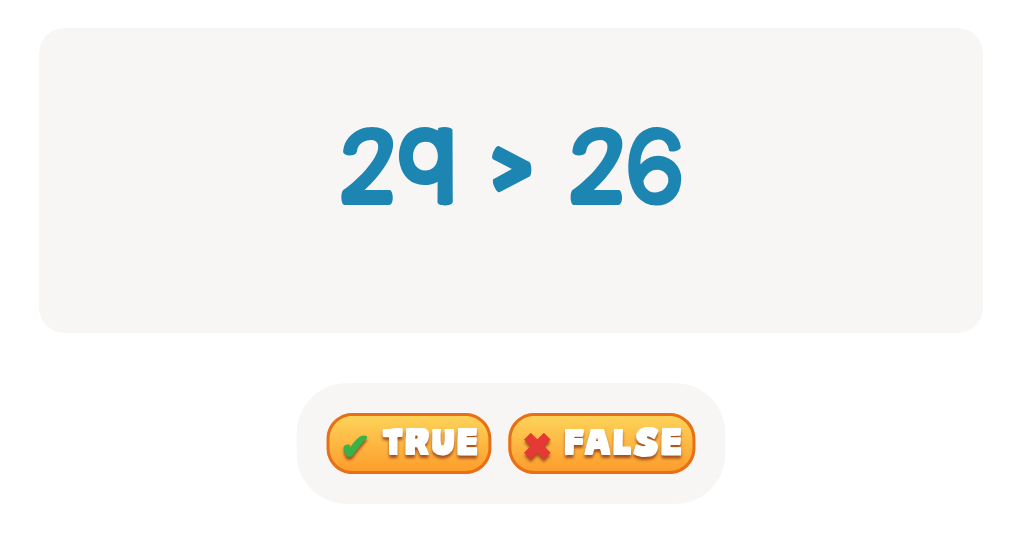
Unlock your child's mathematical potential with our "Extra Challenge Comparing Numbers Worksheets" designed for ages 3-6! These engaging worksheets offer a fun way for young learners to develop their number comparison skills. Featuring vibrant illustrations and interactive activities, children will enjoy identifying which numbers are greater or lesser while enhancing their critical thinking. Tailored to promote foundational math skills, each worksheet reinforces learning through enjoyable exercises suitable for home or classroom use. Ideal for preparing your little ones for future math challenges, our worksheets provide the perfect balance of challenge and enjoyment to keep them excited about learning!
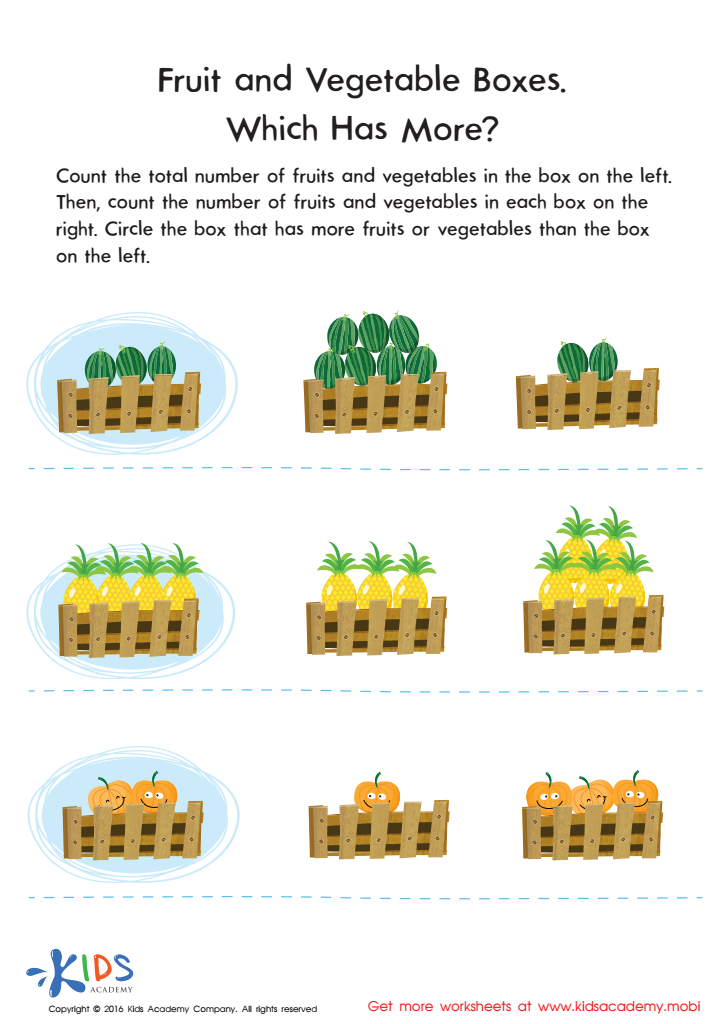
Which Has More? Size Worksheet
 Assign to My Students
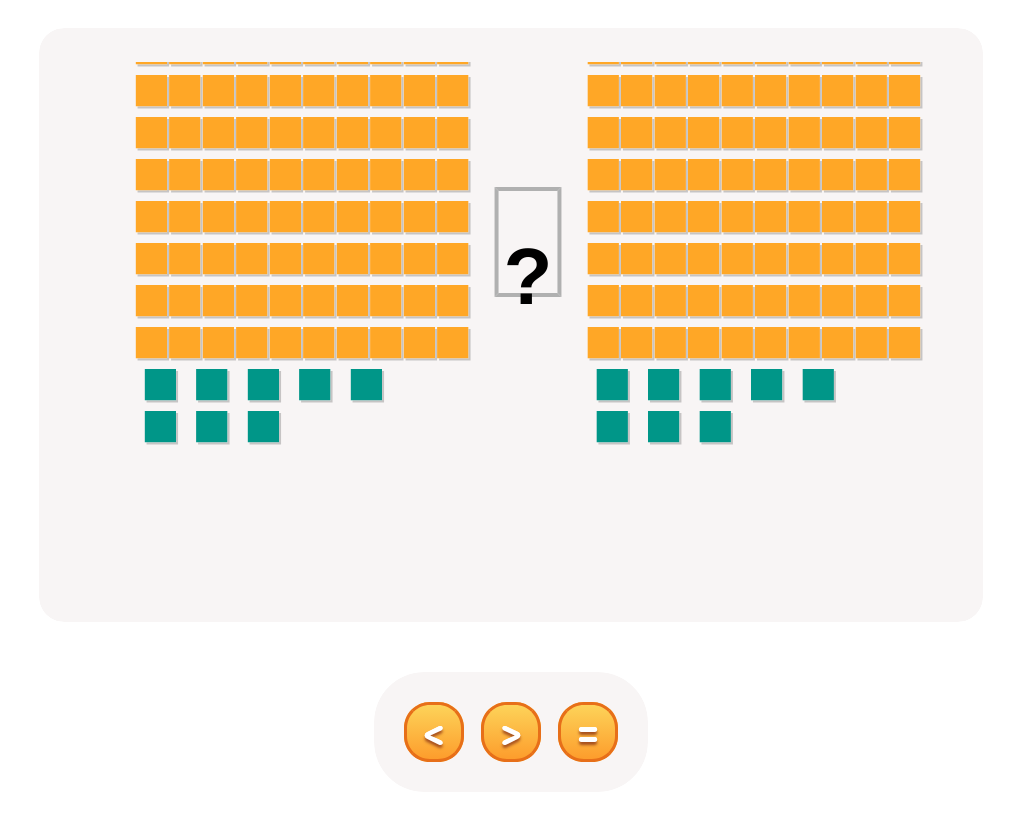

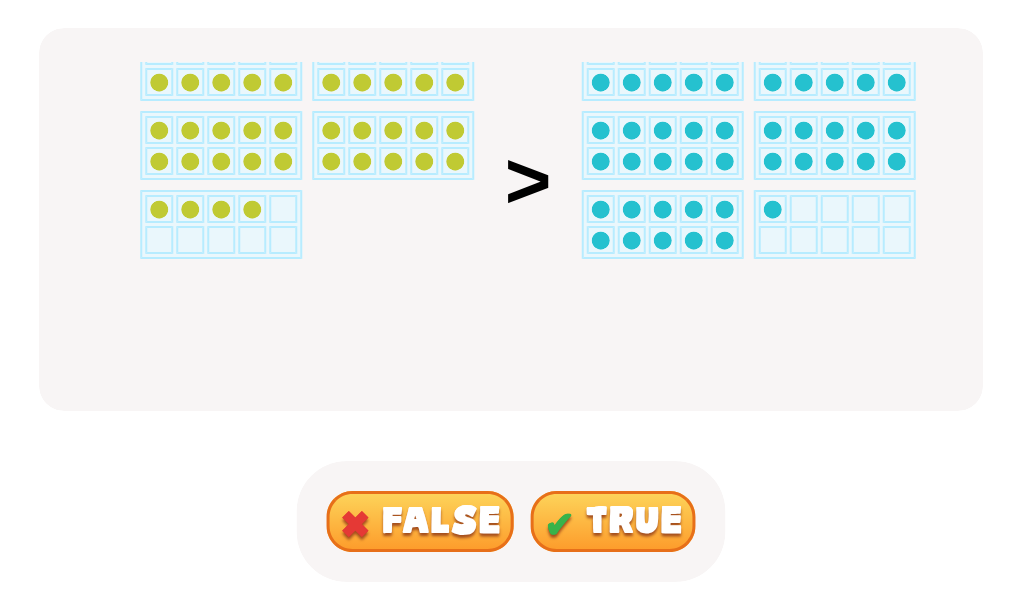
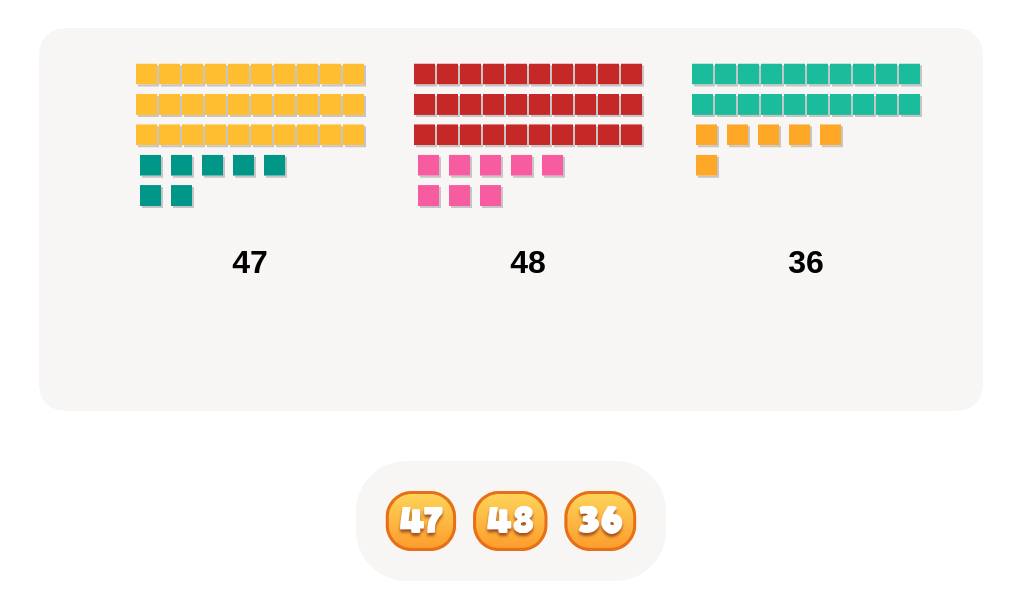
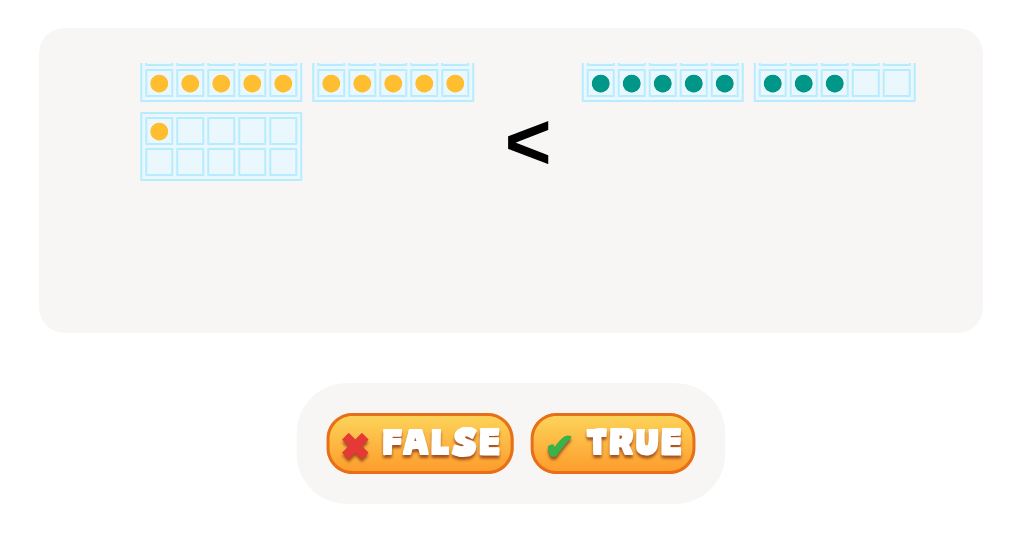
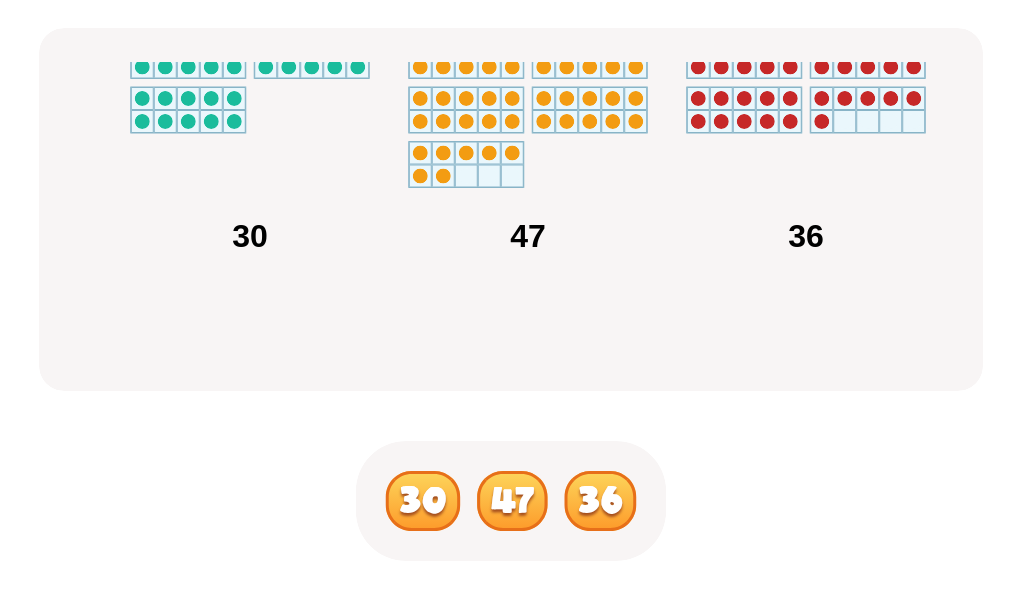
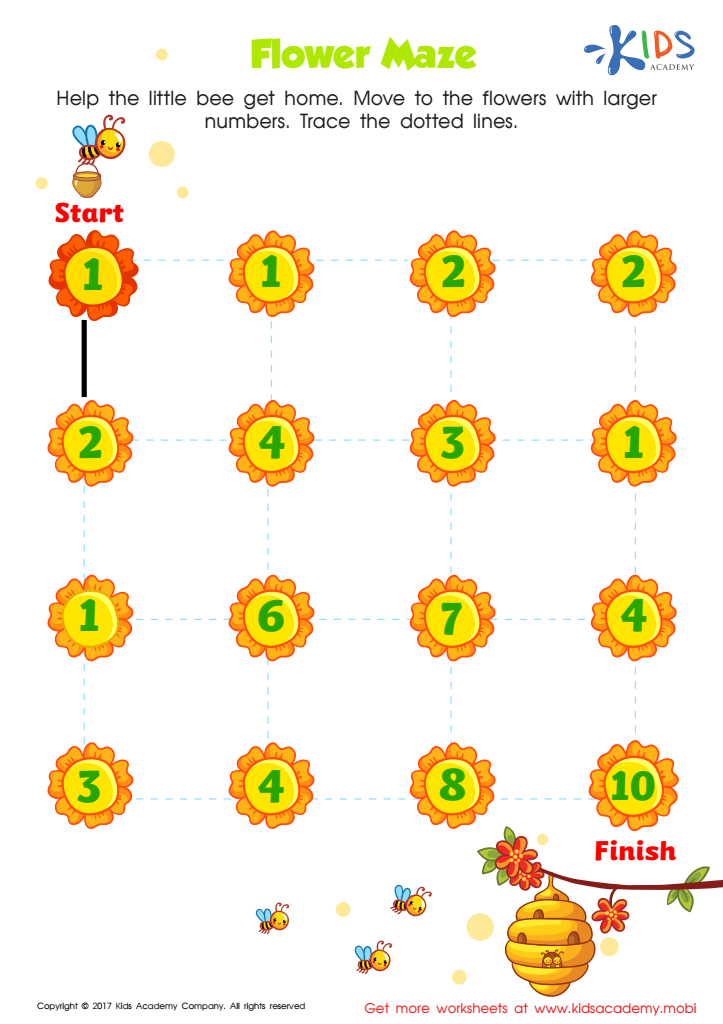
Number Maze For Kindergarten Printable
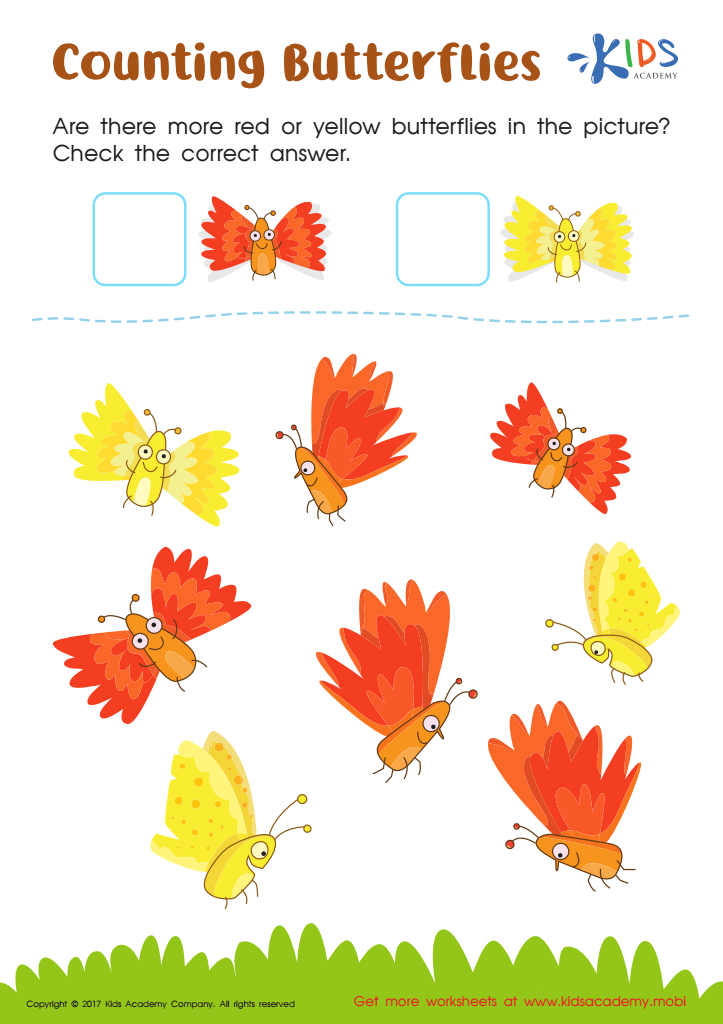
Counting Butterflies Worksheet
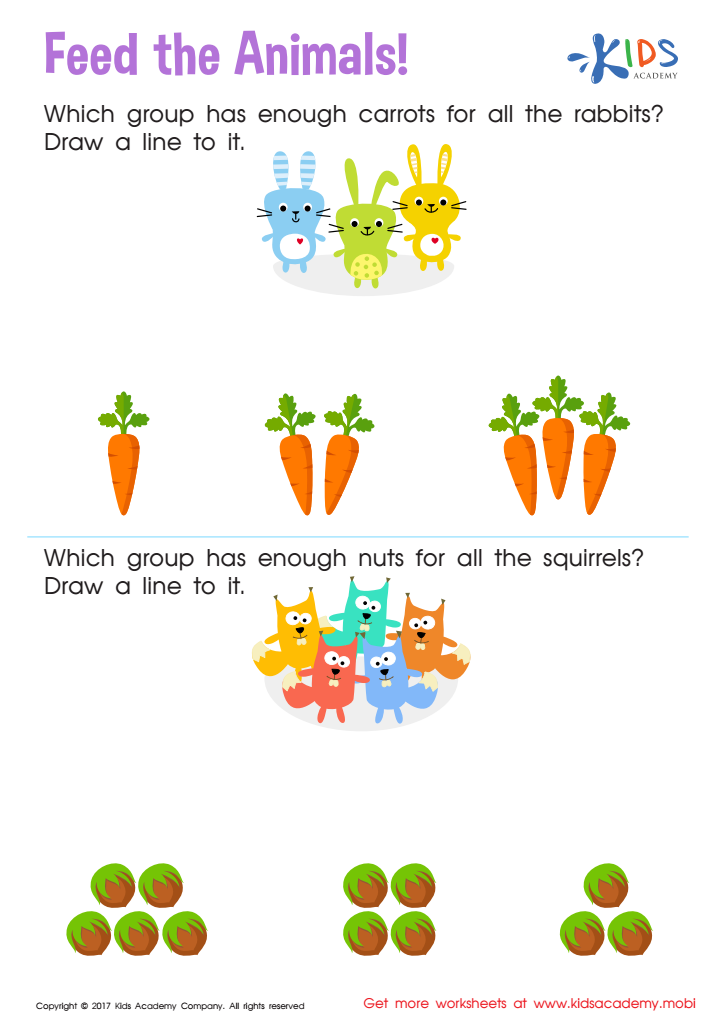
Count and Match: Feed the Animals Worksheet







Parents and teachers should care about the Extra Challenge: Comparing Numbers for Ages 3-6 because it lays a vital foundation for early mathematical understanding. At this age, children are naturally curious and eager to learn, making it an opportune time to introduce concepts such as greater than, less than, and equal to. Engaging activities that involve comparing numbers help children develop critical thinking skills as they analyze and evaluate quantities.
Furthermore, this challenge encourages number sense, which is crucial for their future success in mathematics. It promotes cognitive development by enhancing their ability to recognize patterns, organize information, and make decisions based on numerical comparisons. Additionally, these activities often incorporate play, making learning enjoyable and less daunting for young learners.
Moreover, mastering these concepts equips children with the skills needed to navigate more complex mathematical ideas later on. Involving parents in these activities fosters a collaborative learning environment, reinforcing positive attitudes toward math. Ultimately, by focusing on comparing numbers, we are not just teaching mathematics but also promoting confidence, perseverance, and a lifelong love for learning in children. Prioritizing such early learning experiences shapes proficient learners who are ready for future academic challenges.