Extra Challenge Letter Recognition Worksheets for Ages 4-7
13 filtered results
-
From - To
Boost your child's alphabet mastery with our Extra Challenge Letter Recognition Worksheets for ages 4-7! Specifically designed for young learners ready for more advanced exercises, these fun and engaging worksheets help kids confidently recognize and differentiate letters. With a variety of activities, from identifying letter shapes to matching uppercase and lowercase letters, and filling in missing letters in sequences, our printable worksheets provide an exciting way to enhance your child's reading readiness and cognitive skills. Ideal for parents and teachers looking to offer additional learning opportunities, these worksheets make alphabet learning enjoyable and effective. Start exploring today!
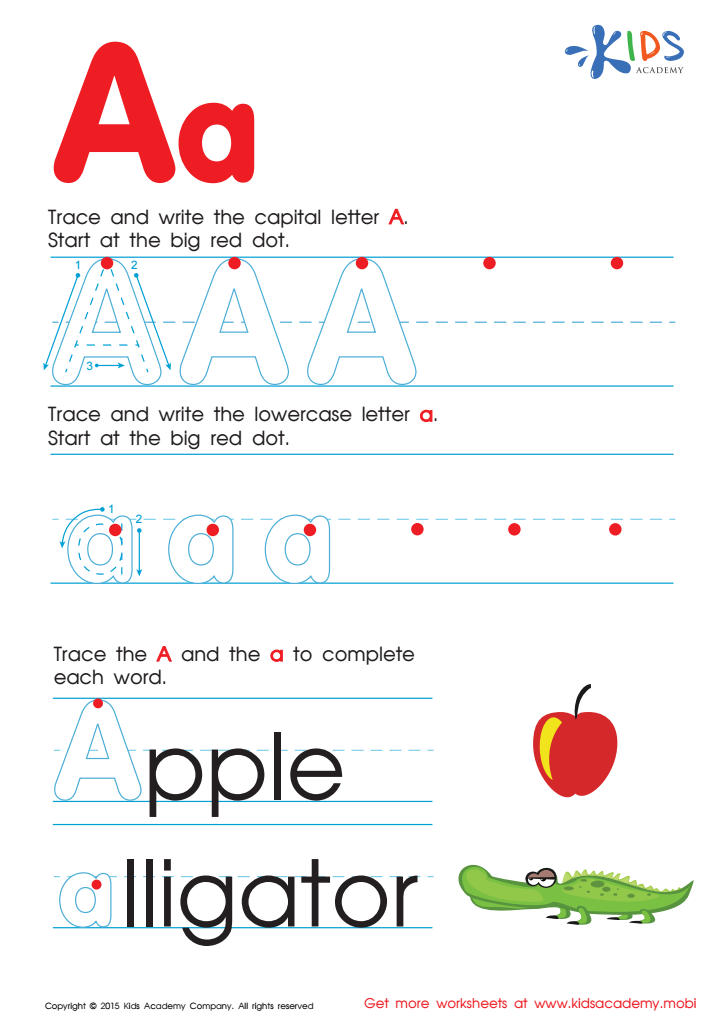
Letter A Tracing Page
 Assign to My Students
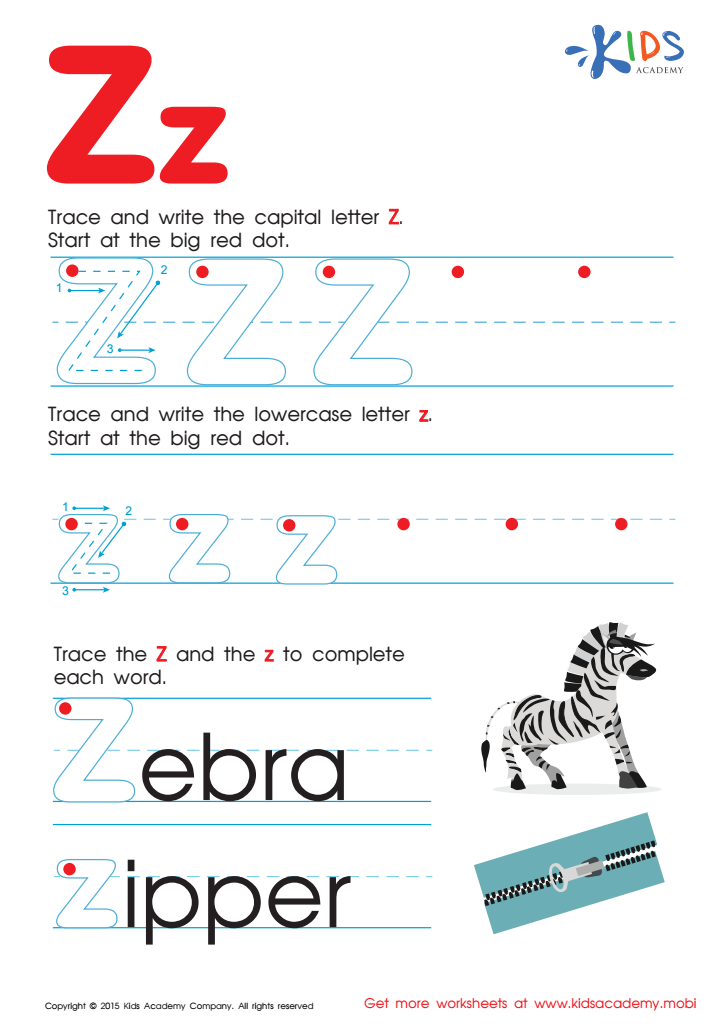
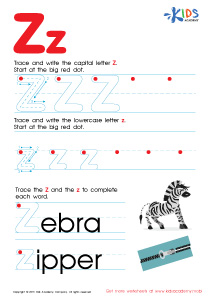
Letter Z Tracing Page
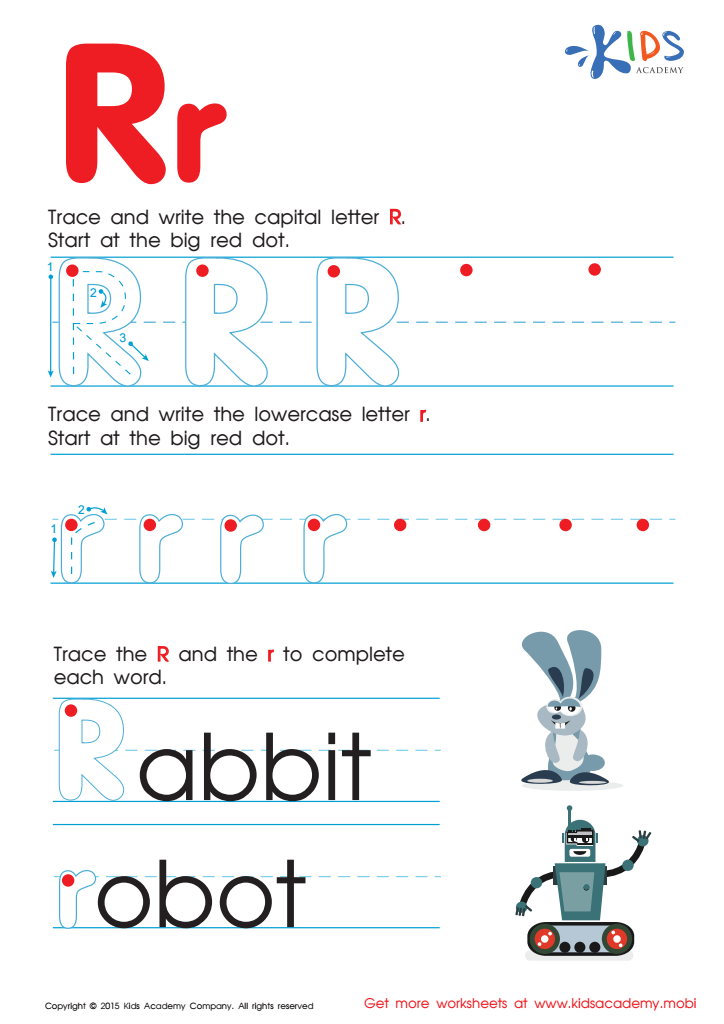
Letter R Tracing Page
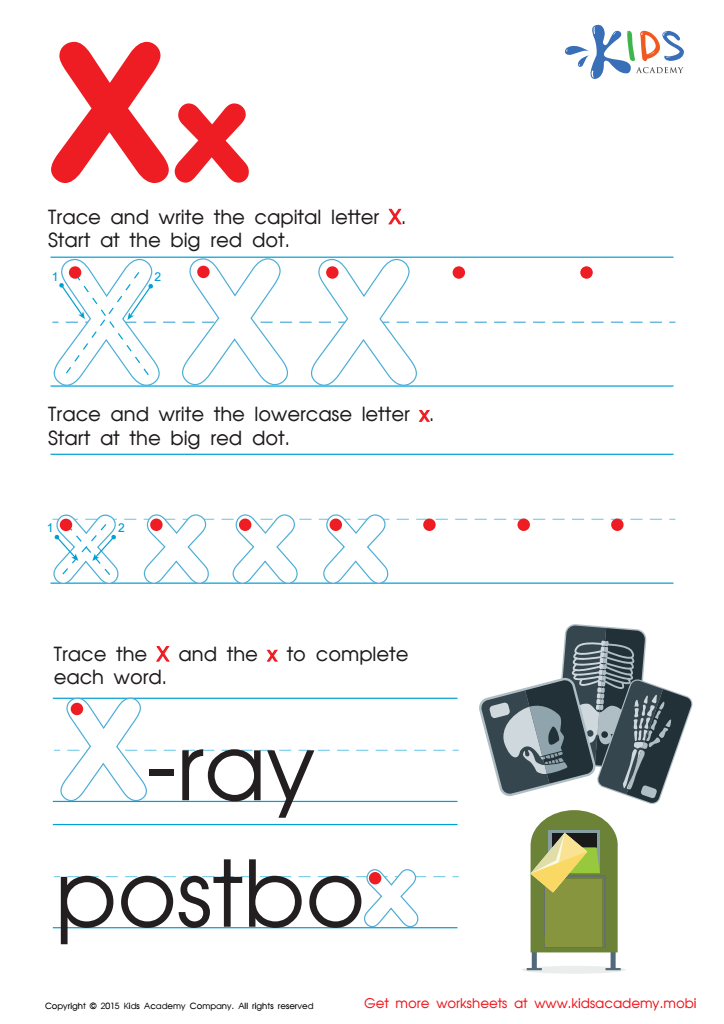
Letter X Tracing Page
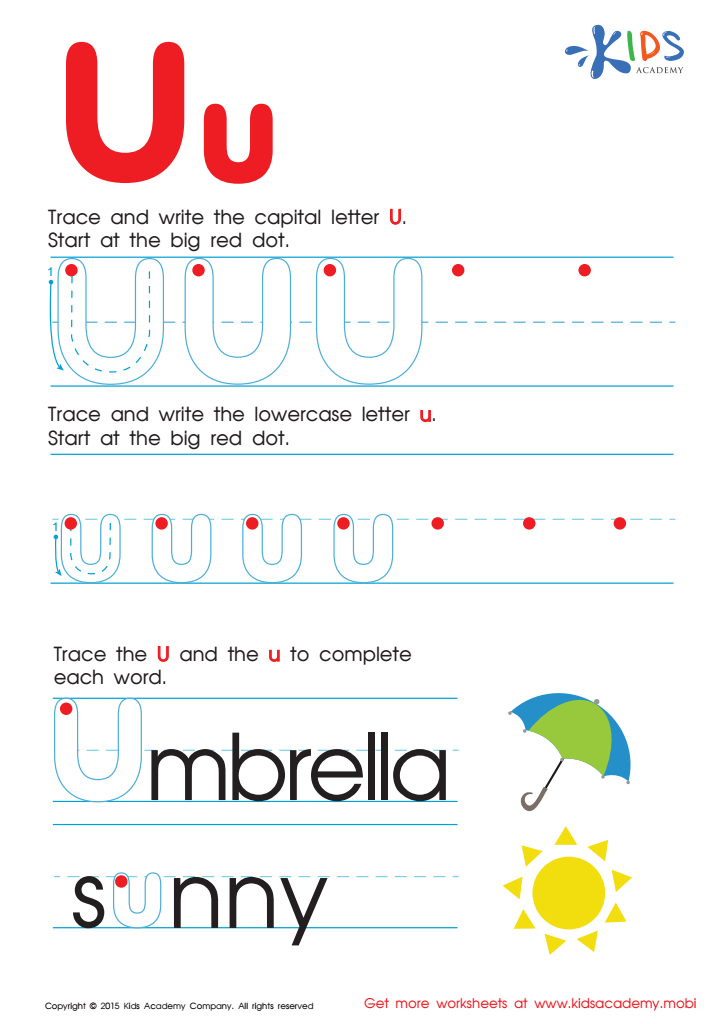
Letter U Tracing Page
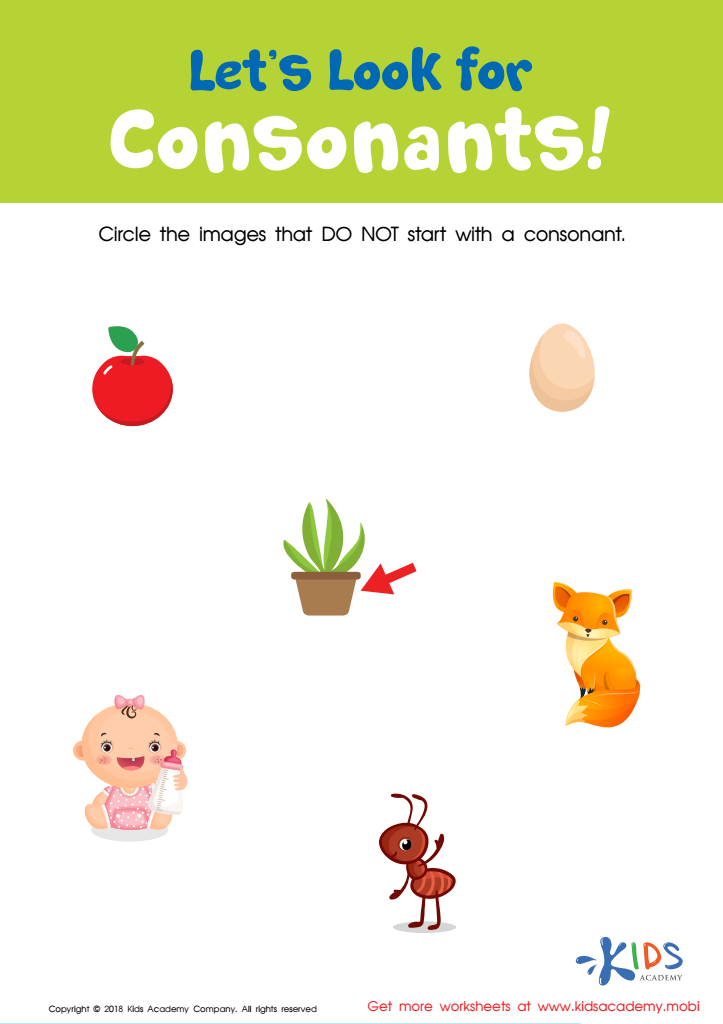
Let's Look for Consonants Worksheet
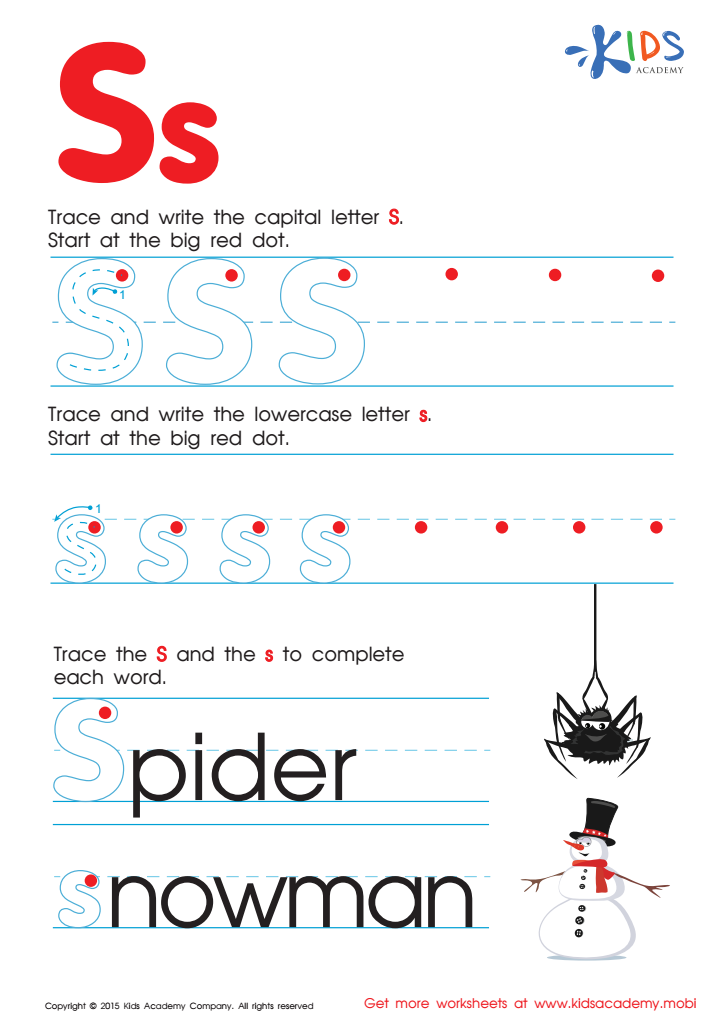
Letter S Tracing Page
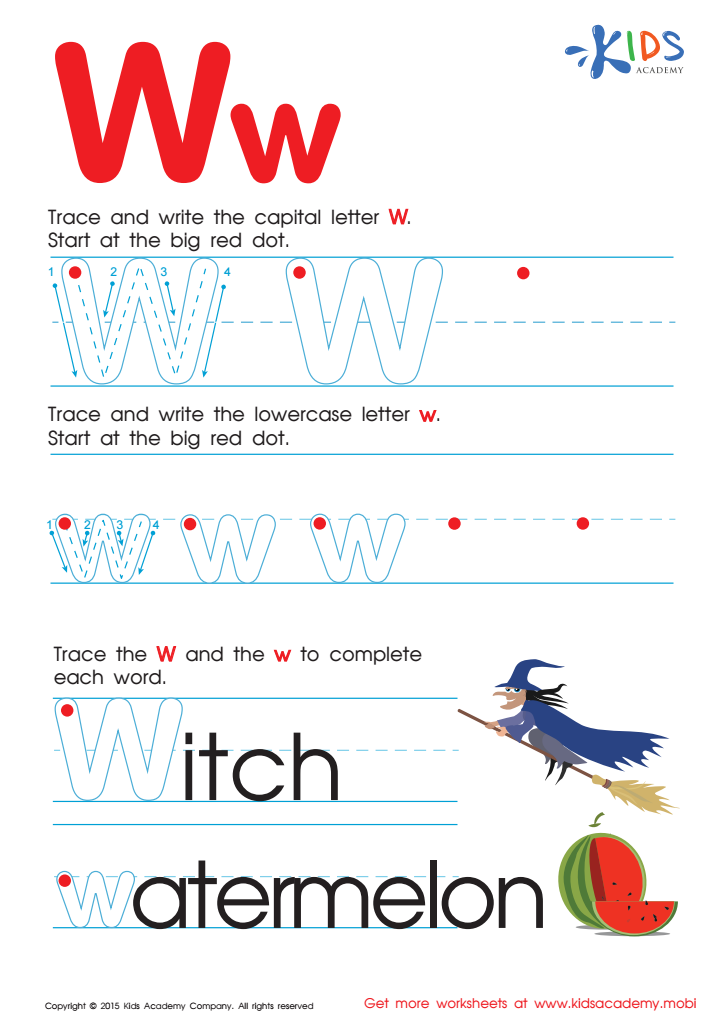
Letter W Tracing Page
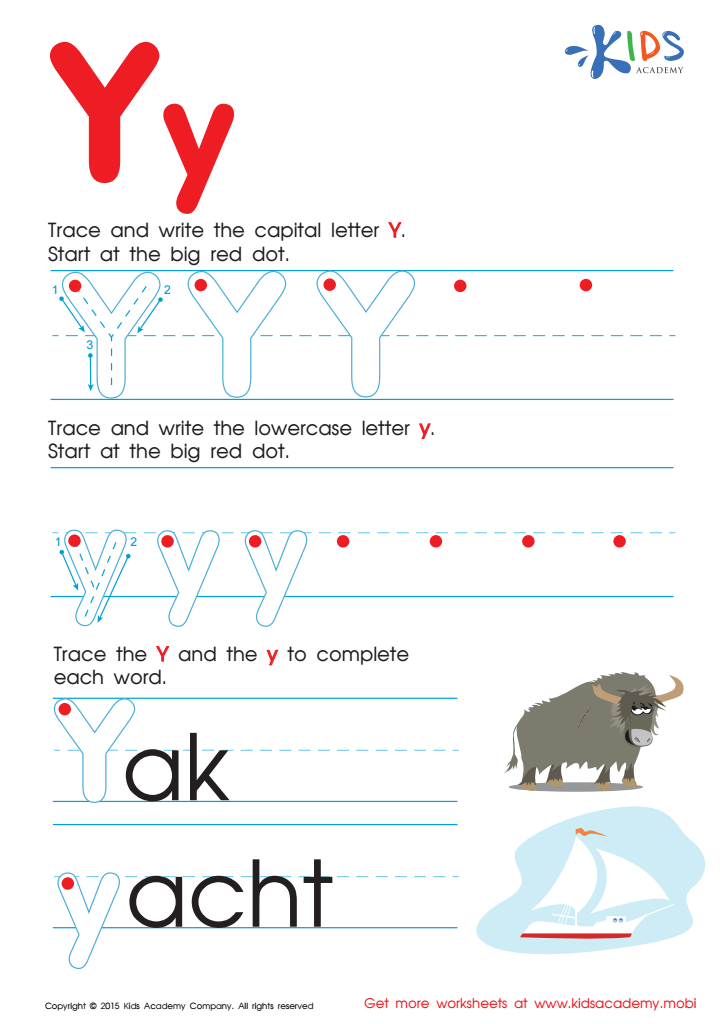
Letter Y Tracing Page
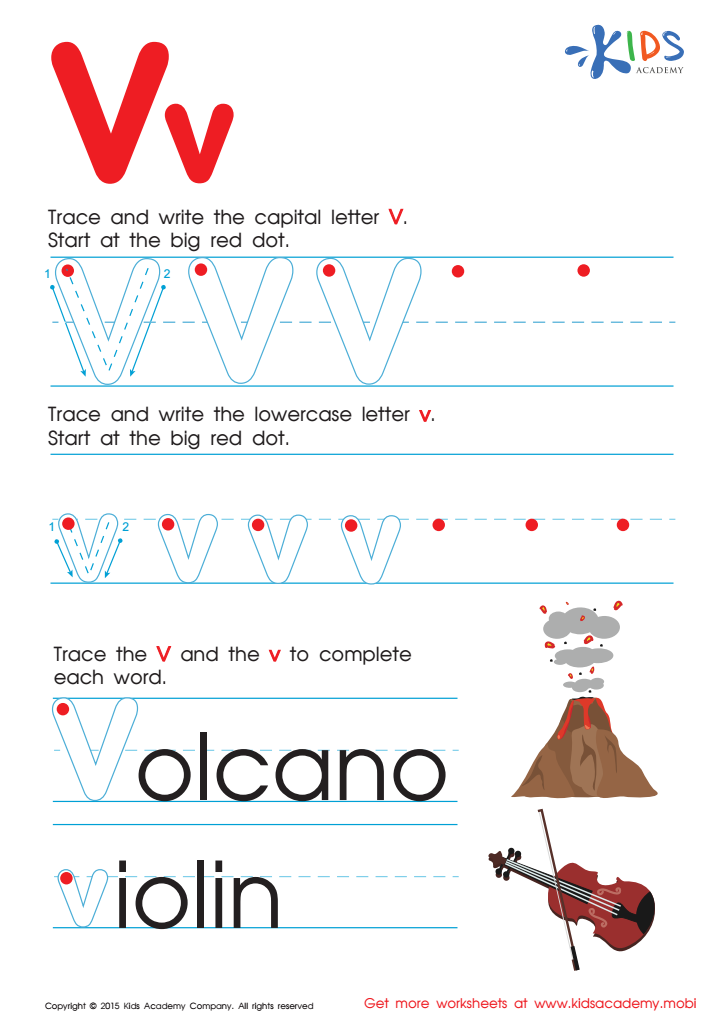
Letter V Tracing Page
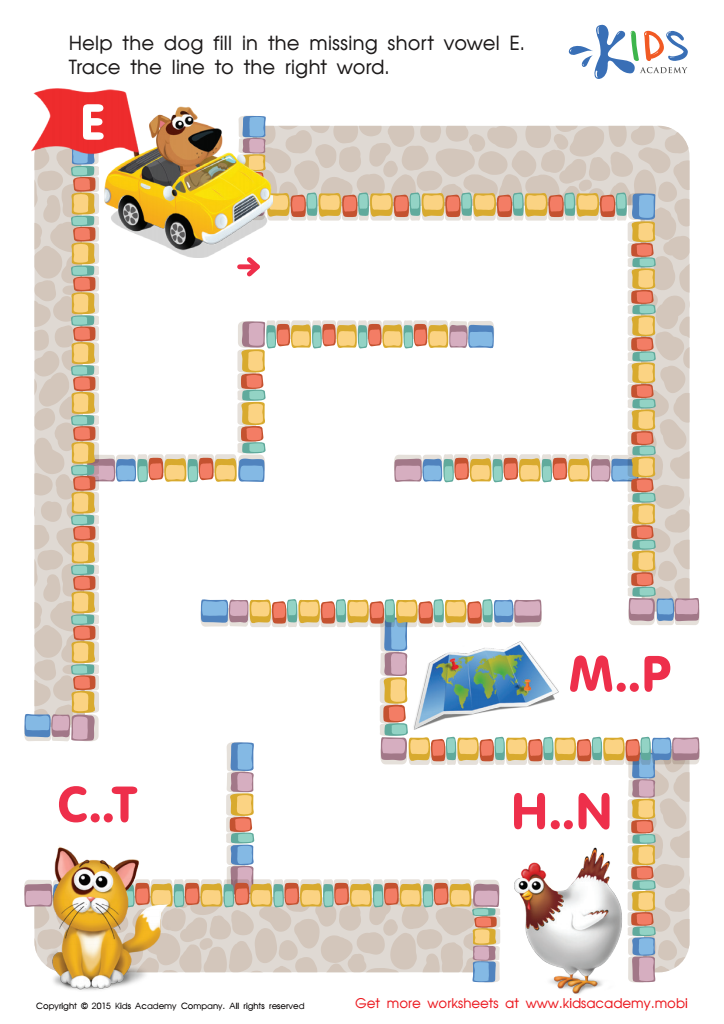
Short Vowel Sound E Worksheet
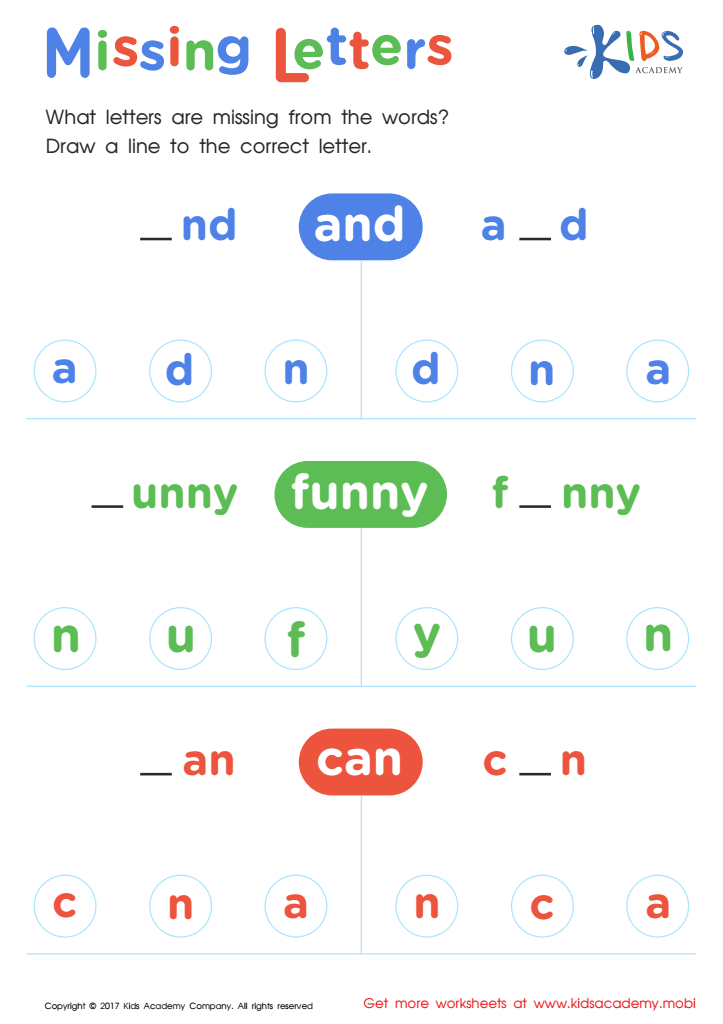
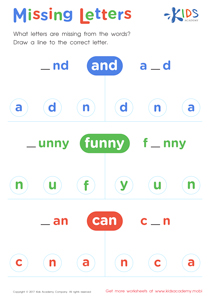
Missing Letters Worksheet
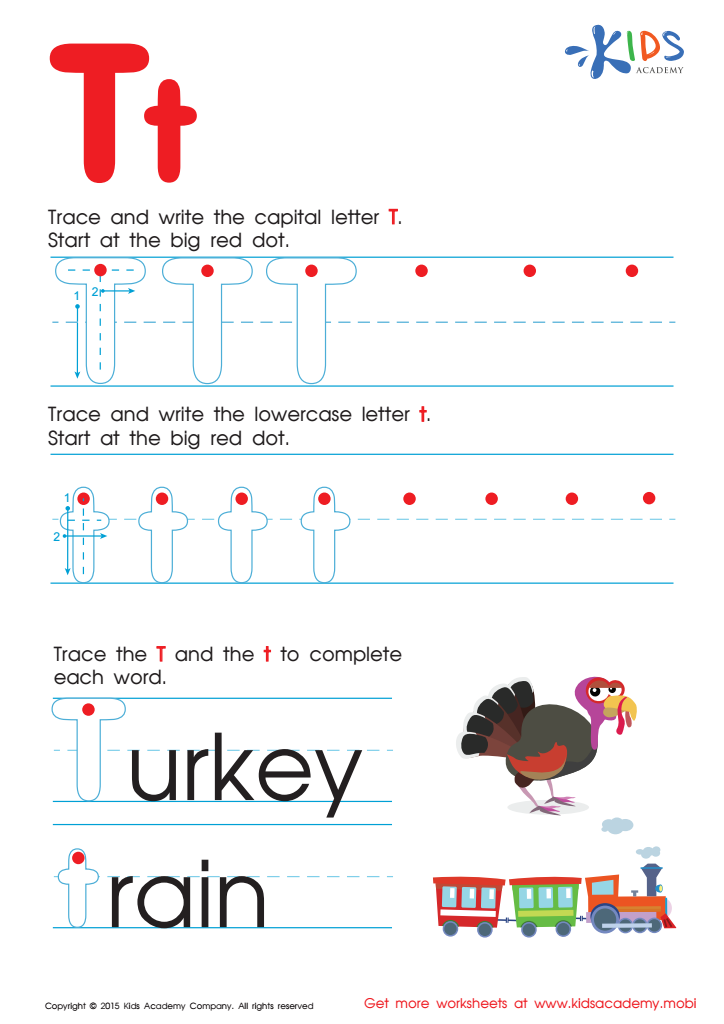
Letter T Tracing Page








Extra Challenge Letter Recognition activities for children aged 4-7 play a vital role in early literacy development, a cornerstone of long-term academic success. At this developmental stage, children are in the "learning to read" phase, where solidifying their understanding of the alphabet is crucial. By integrating extra challenges, educators and parents can engage young minds more effectively, fostering deeper cognitive processing.
These activities go beyond basic recognition, addressing multiple learning styles—visual, auditory, and kinesthetic—thus catering to a child’s unique needs. Enhanced letter recognition helps children distinguish between letters, both in isolation and within words, an essential skill for fluent reading. This advanced focus prevents future difficulties in reading comprehension and phonological awareness, paving the way for smoother transitions into more complex literacy skills such as writing and spelling.
Moreover, incorporating challenging tasks can ignite a child's curiosity and intrinsic motivation. Achieving mastery over a challenging task can boost their confidence and self-esteem, making them more enthusiastic learners. It can also instill a love for learning early on, fostering a positive relationship with education.
In essence, advanced letter recognition exercises serve as foundational tools, equipping young learners with the essential skills and emotional resilience needed for academic excellence and a lifelong love of reading.