Extra Challenge Letter Recognition Worksheets for Ages 5-8
13 filtered results
-
From - To
Discover engaging "Extra Challenge Letter Recognition Worksheets" for ages 5-8 at Kids Academy! Perfect for young learners ready to advance their skills, these printable resources offer fun and interactive ways to master the alphabet. Ideal for fostering literacy, the worksheets feature diverse activities designed to challenge and motivate. From identifying uppercase and lowercase letters to alphabet sequencing, each task is crafted to boost confidence and improve letter recognition. Our extra challenge worksheets are excellent for classroom use or home practice, ensuring that your child stays ahead while enjoying the learning journey. Unlock your child’s full potential today!

Letter A Tracing Page
 Assign to My Students
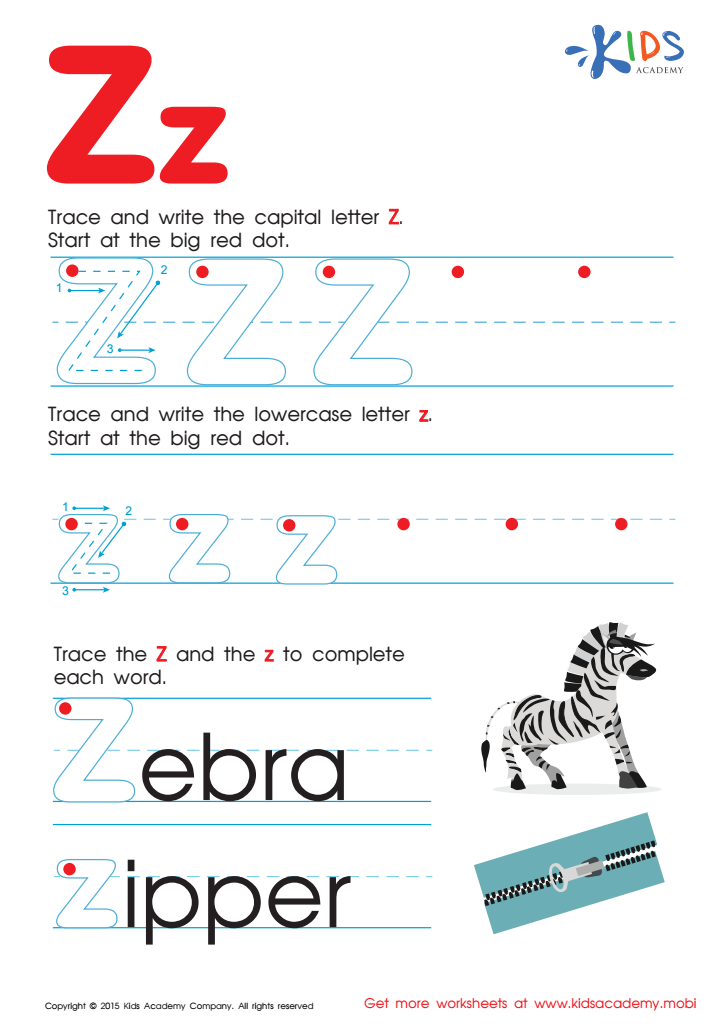
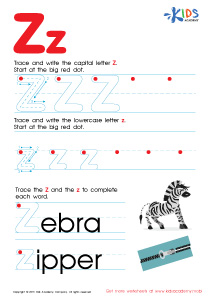
Letter Z Tracing Page
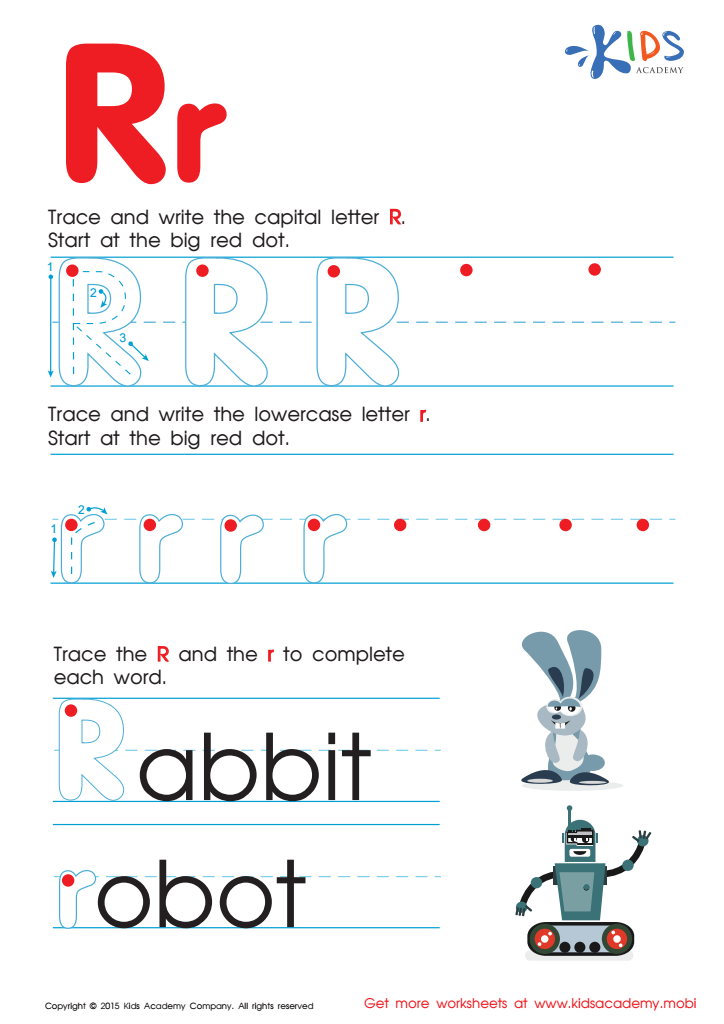
Letter R Tracing Page
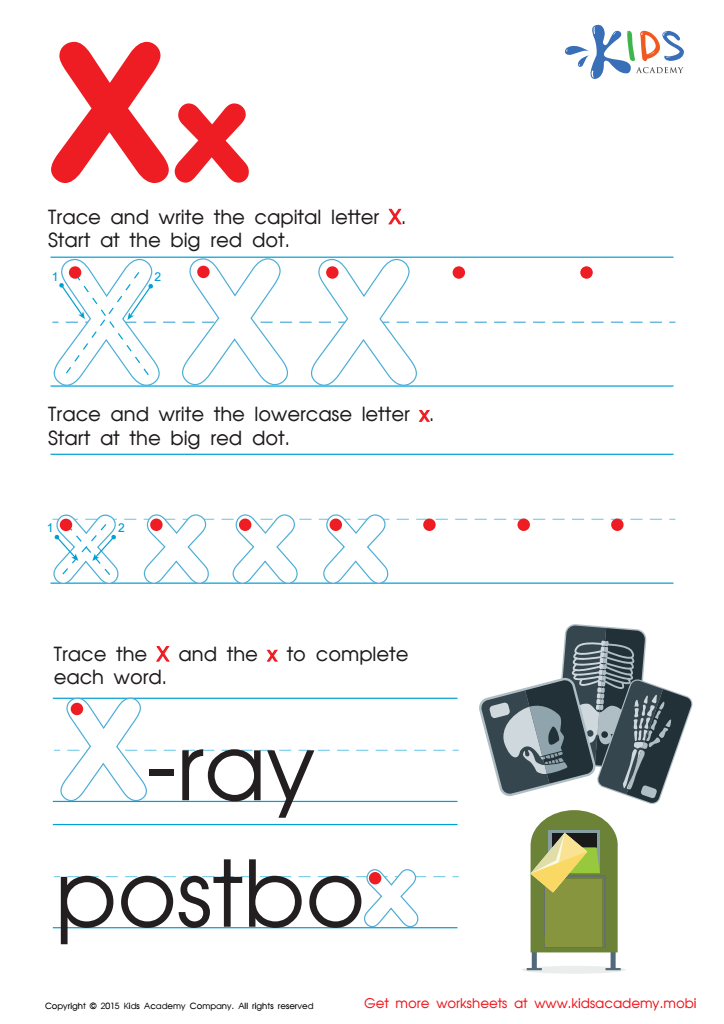
Letter X Tracing Page
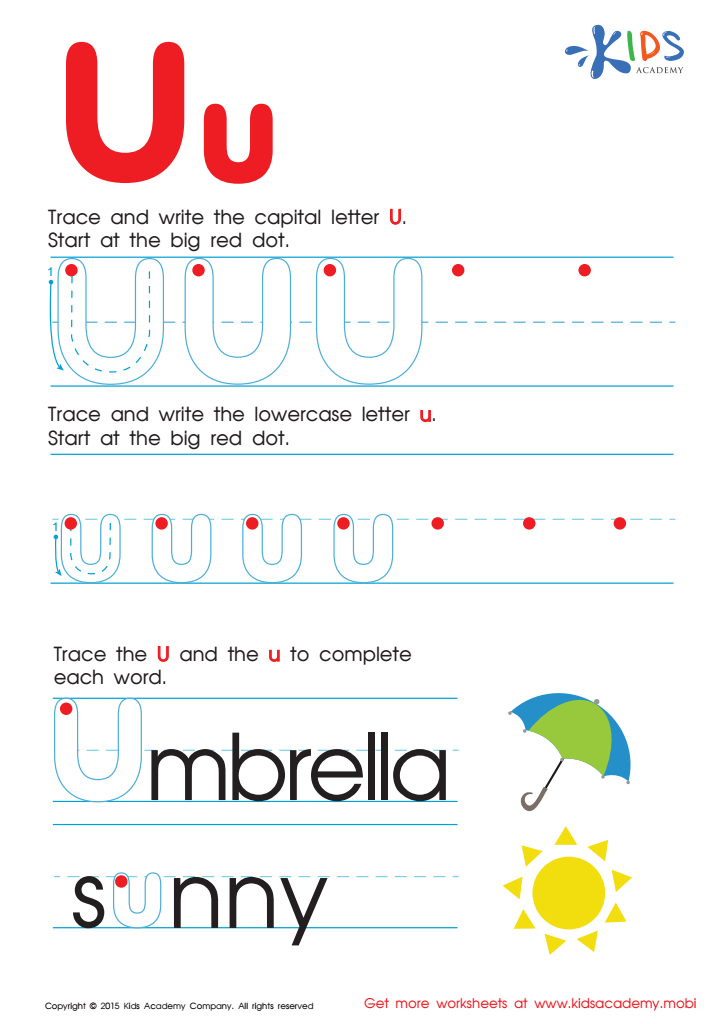
Letter U Tracing Page
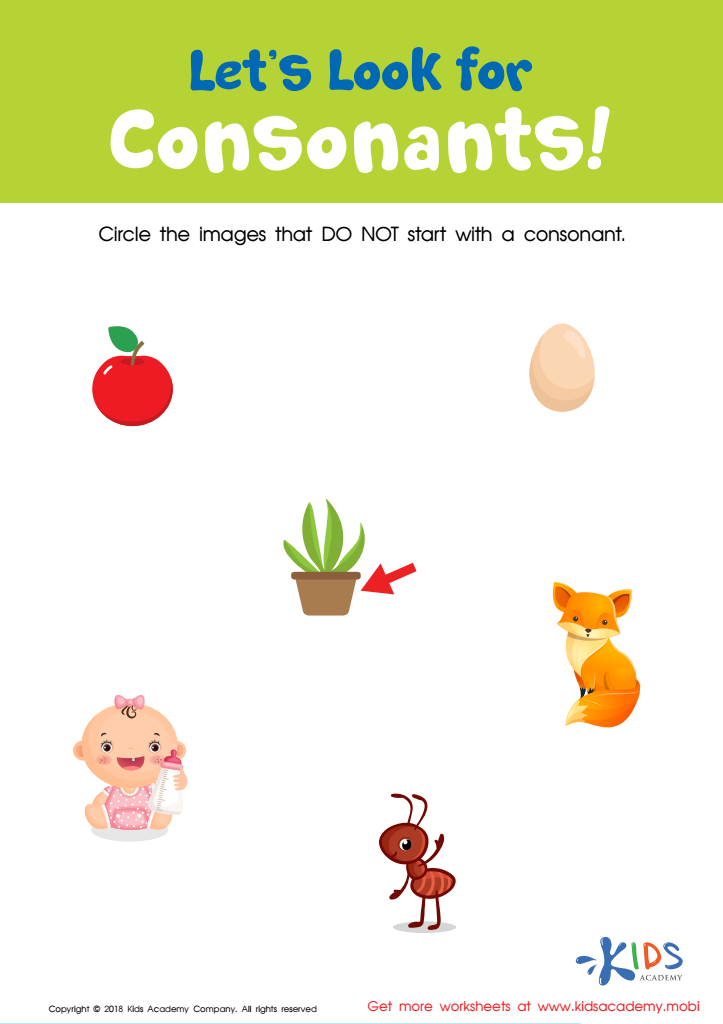
Let's Look for Consonants Worksheet
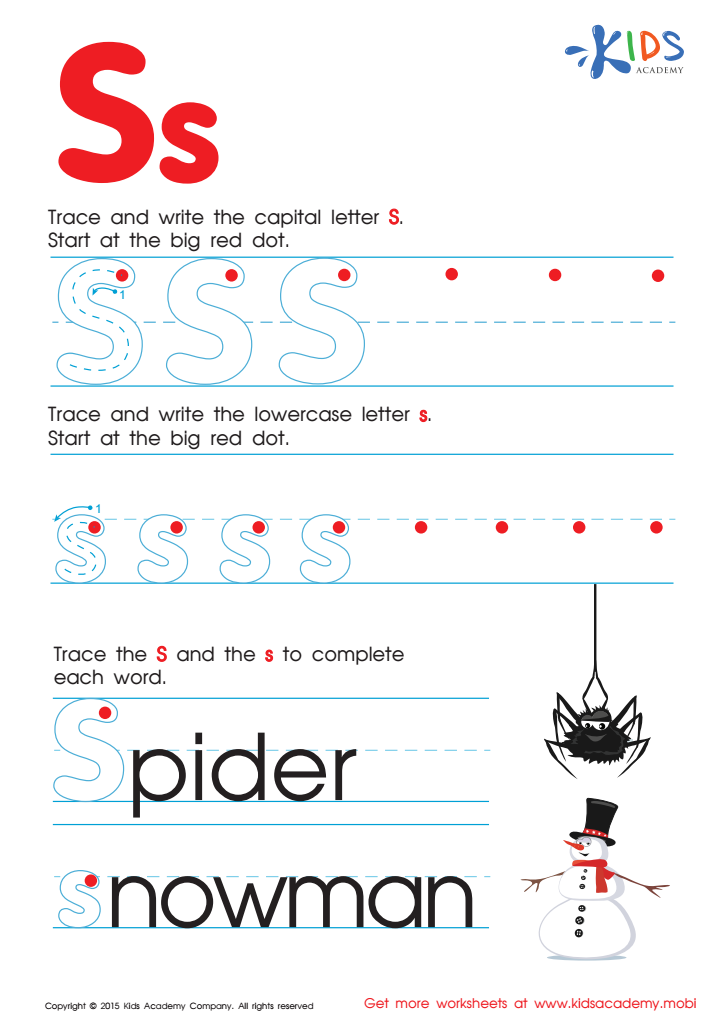
Letter S Tracing Page
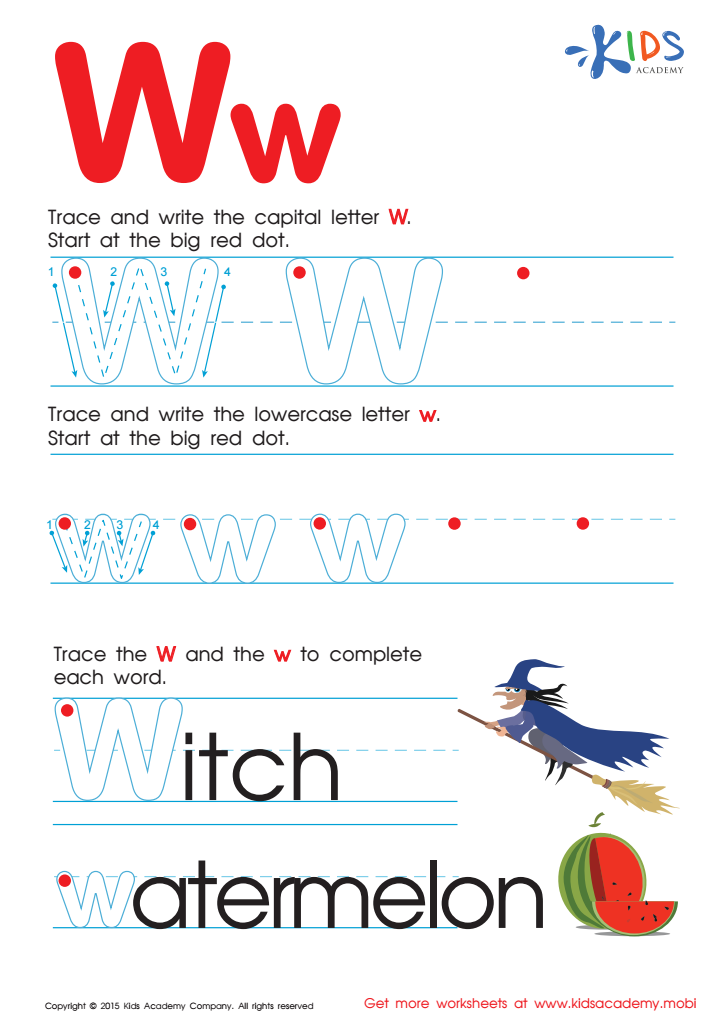
Letter W Tracing Page
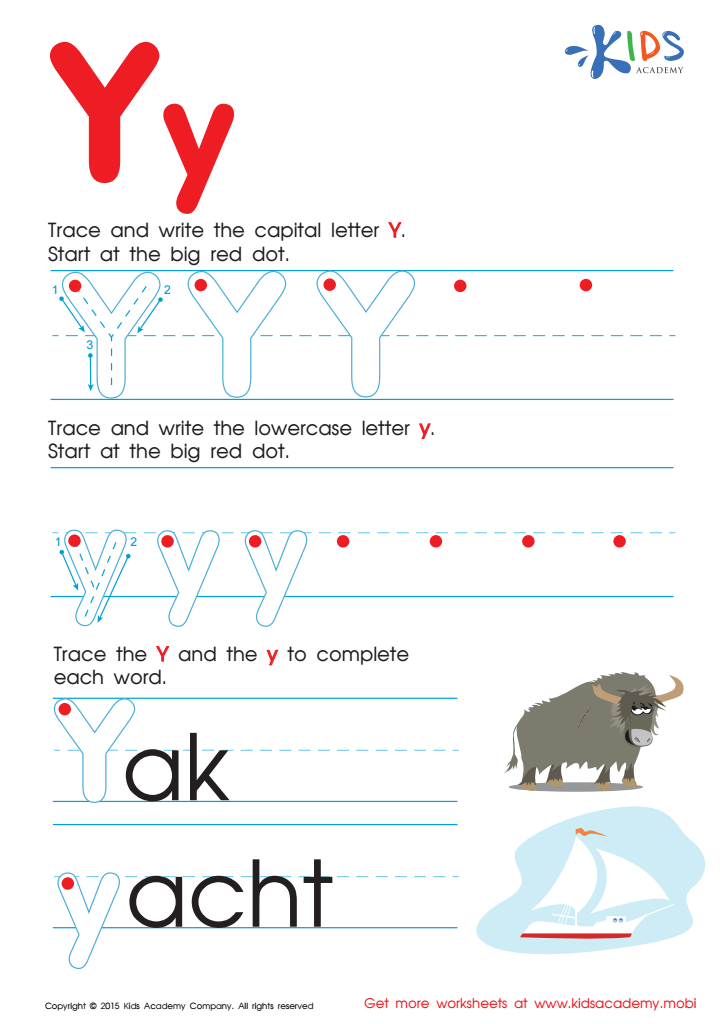
Letter Y Tracing Page
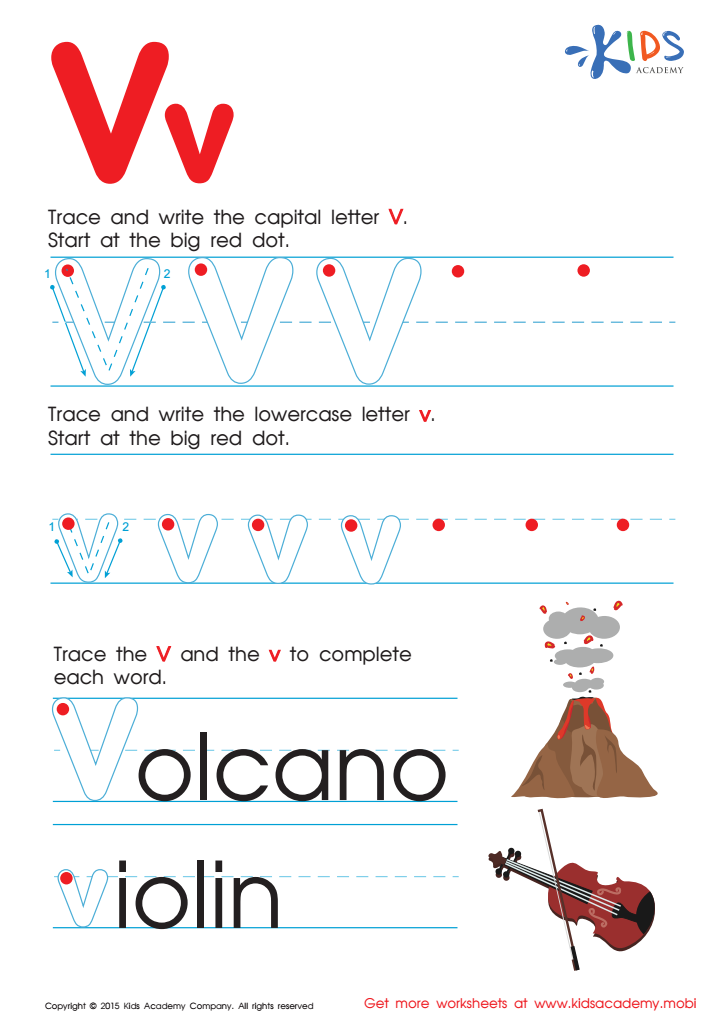
Letter V Tracing Page
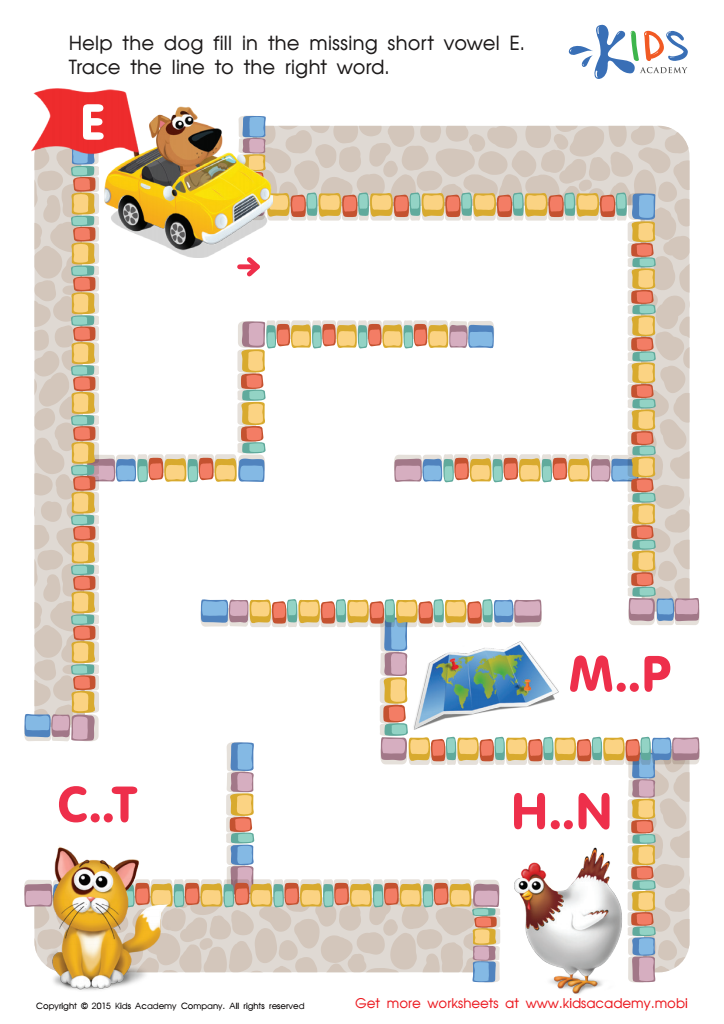
Short Vowel Sound E Worksheet
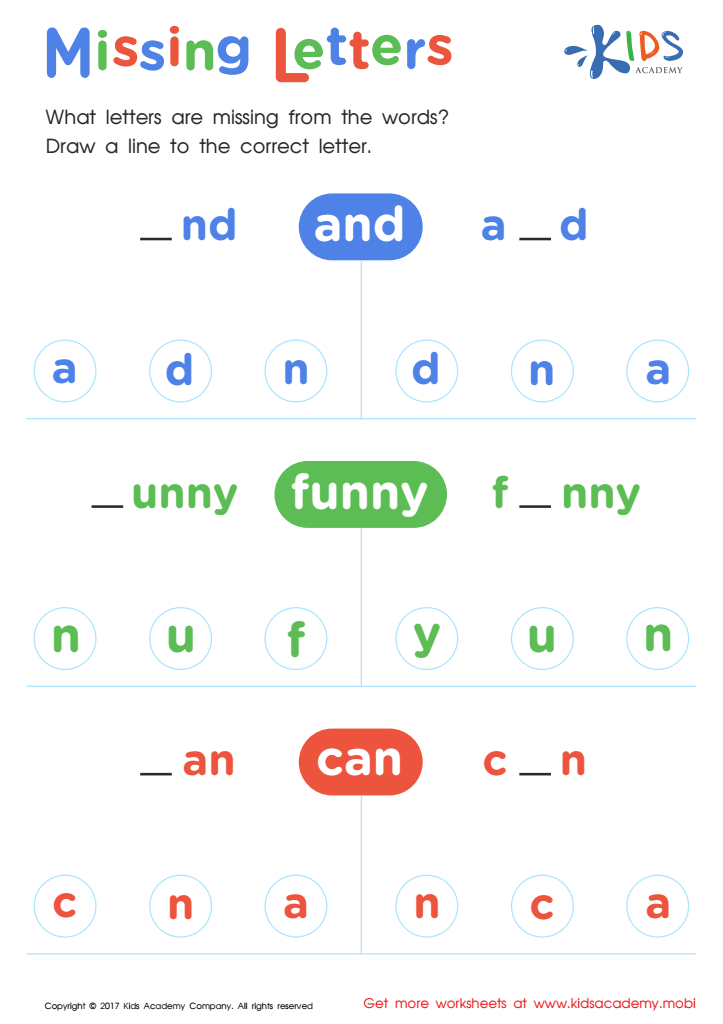
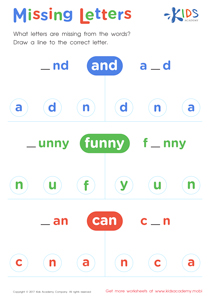
Missing Letters Worksheet
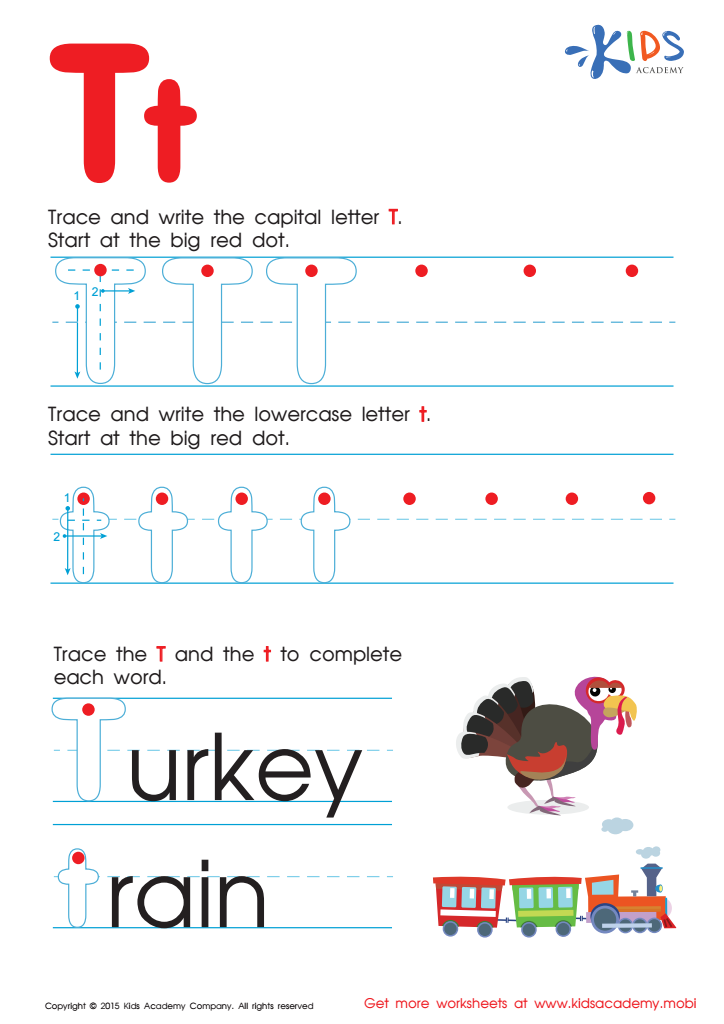
Letter T Tracing Page








Parents or teachers should care about extra challenge letter recognition for children ages 5-8 because early literacy skills serve as a foundation for future academic and personal success. This phase is critical as children are transitioning from recognizing individual letters to understanding their sounds, a key step in early reading development. Strengthening letter recognition through additional challenges aids in boosting children's phonemic awareness, which in turn improves their ability to decode new words.
Moreover, engaging in challenging letter recognition activities fosters cognitive development and builds confidence. Children learn to approach learning tasks with persistence, enhancing their problem-solving and critical-thinking skills. Early mastery in this area can prevent future struggles with reading and comprehension, setting a positive trajectory for more complex learning tasks.
Incorporating extra challenges can cater to different learning styles, making education inclusive and engaging. Varied, fun, and challenging tasks can keep children interested and motivated, transforming learning into an enjoyable experience. Parents and teachers who prioritize these activities help create a strong educational grounding. In essence, early and hands-on intervention in letter recognition can have far-reaching impacts on a child's overall cognitive abilities and attitudes toward learning.