Extra Challenge Comparing Numbers Worksheets for Ages 4-9
5 filtered results
-
From - To
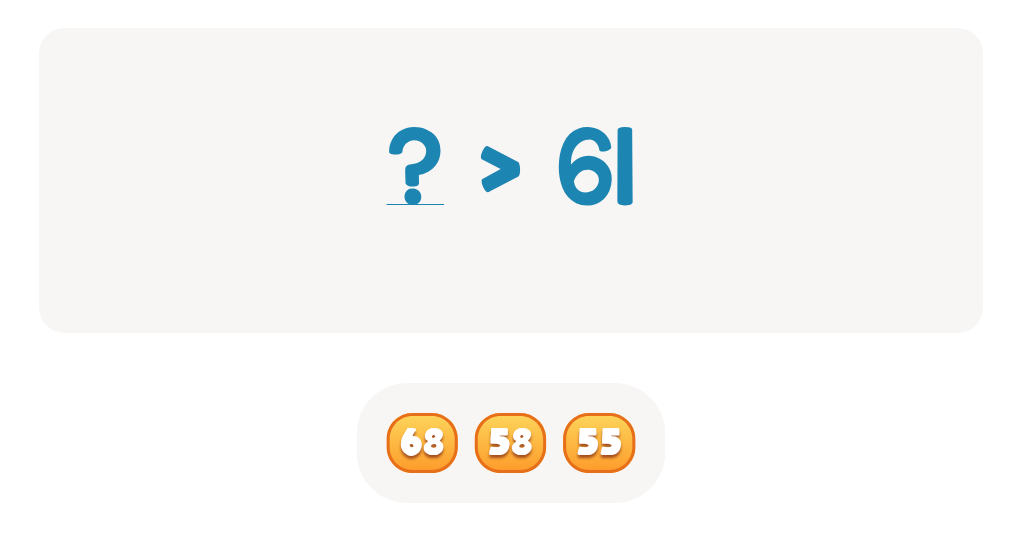
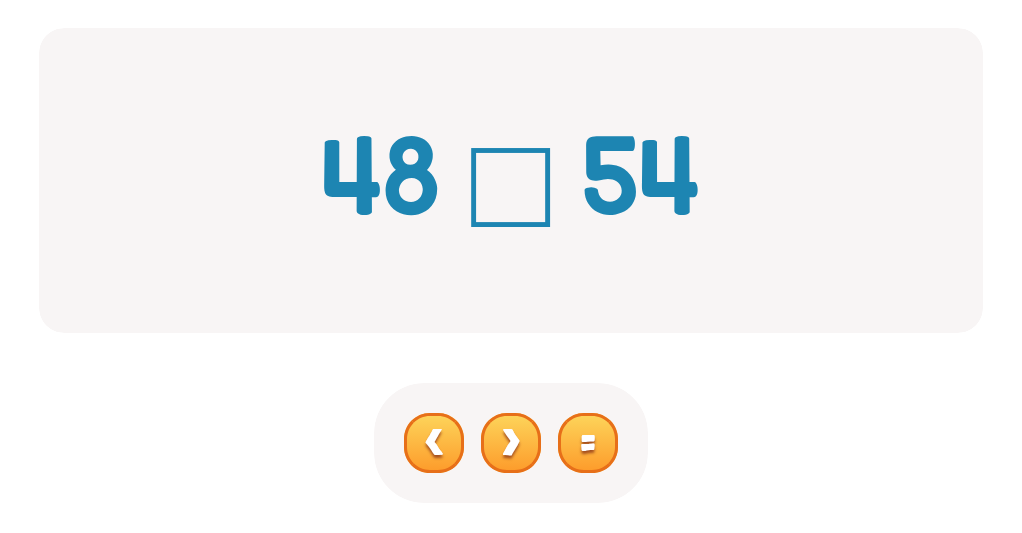
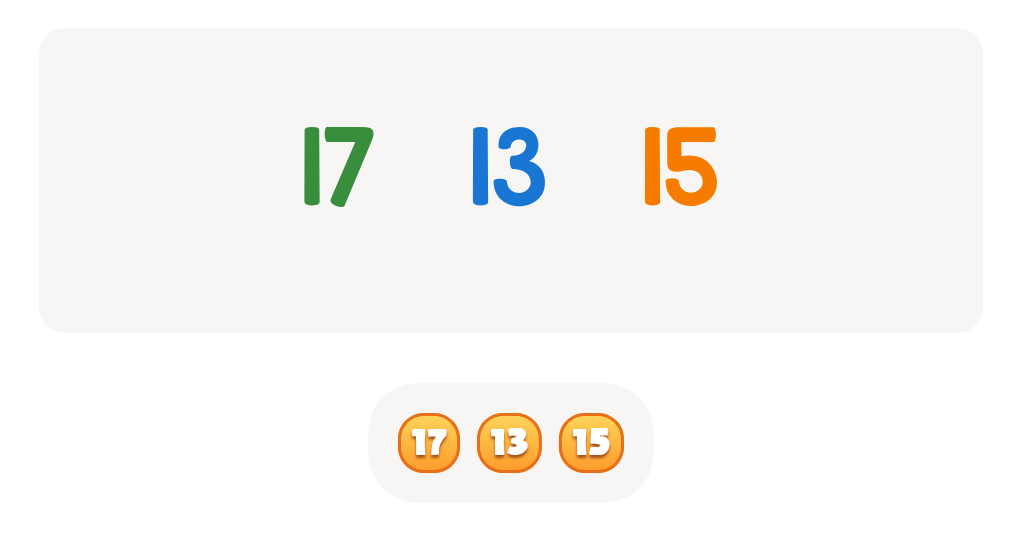
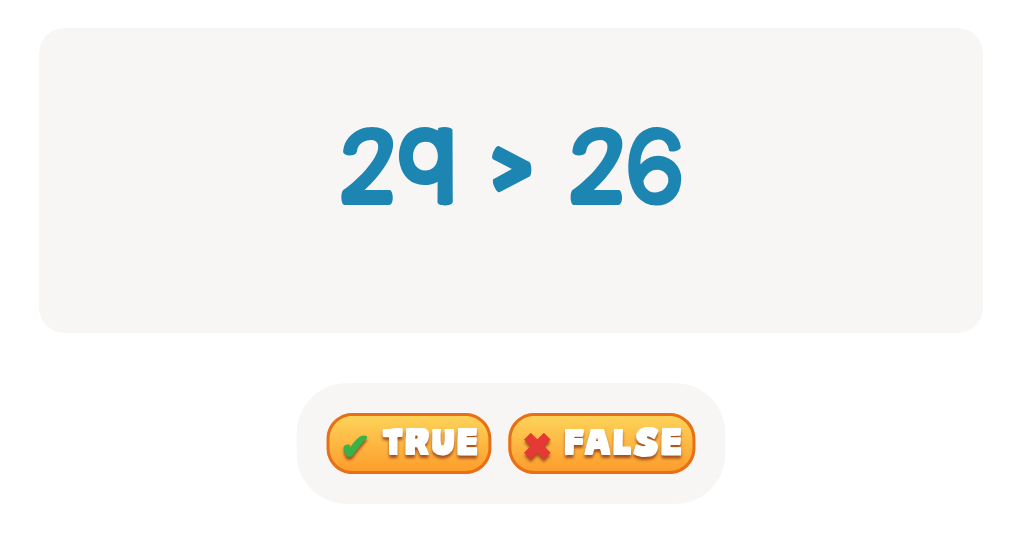
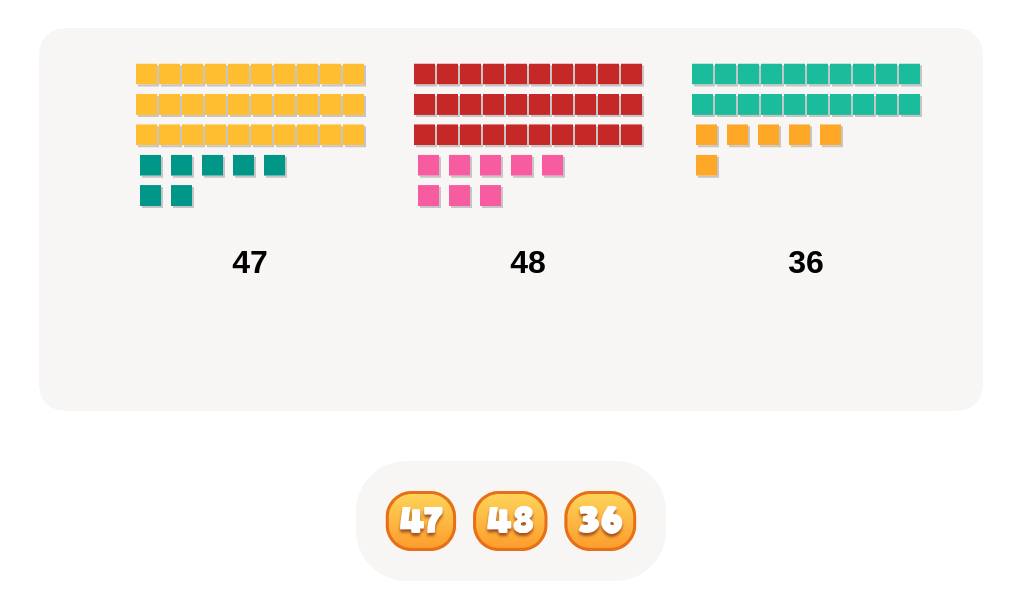
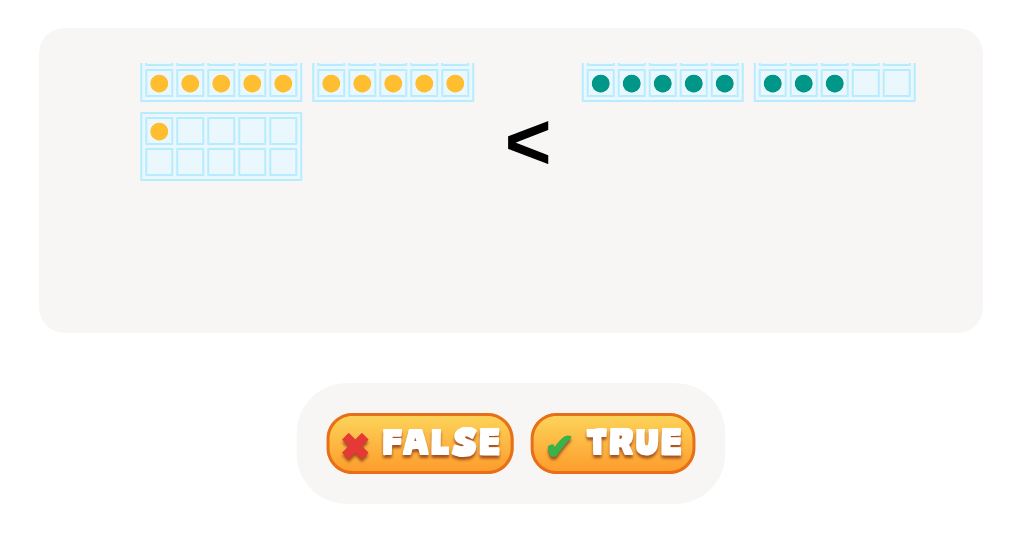
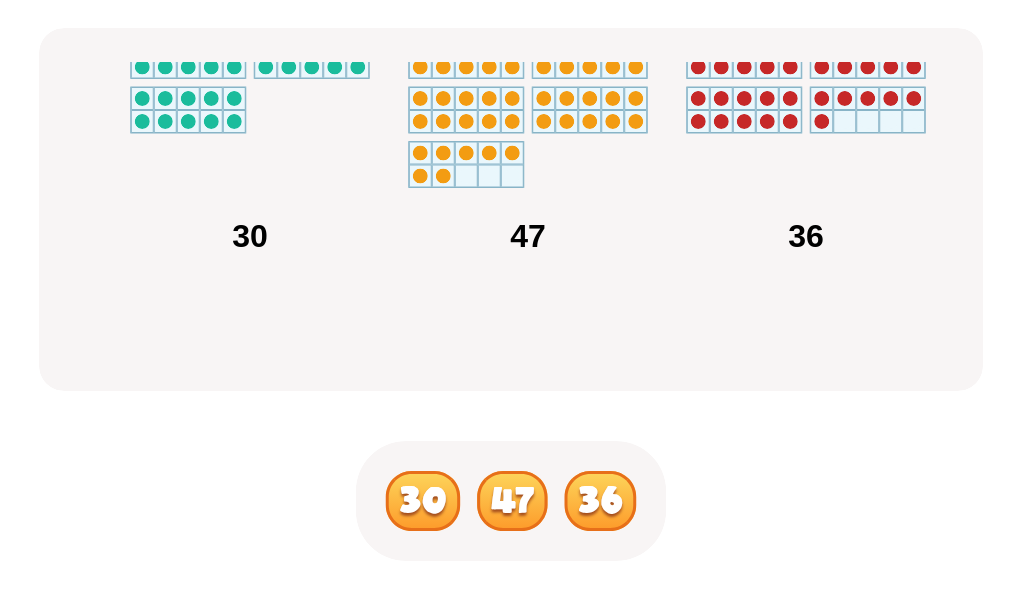
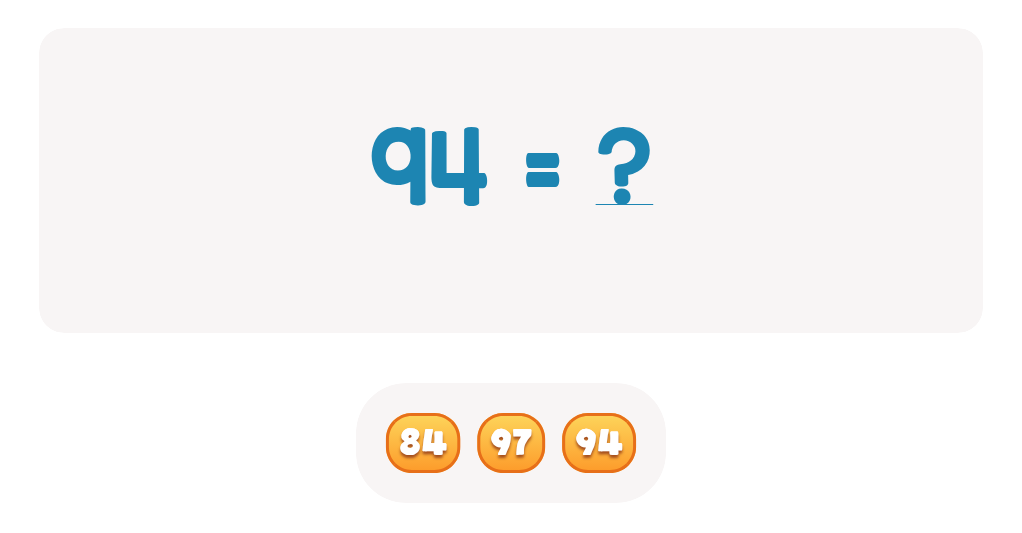
Elevate your child's math skills with our Extra Challenge Comparing Numbers Worksheets, perfect for ages 4-9. Tailored to spark critical thinking and sharpen numerical comparison skills, these engaging worksheets are designed to empower young learners. By providing a variety of fun exercises, such as greater than, less than, and equal to activities, children can confidently navigate number relationships. Set the foundation for success in math by introducing these challenging yet rewarding tasks. Perfect for parents and educators looking to supplement classroom learning, our worksheets not only reinforce basic concepts but also inspire a love for mathematics.
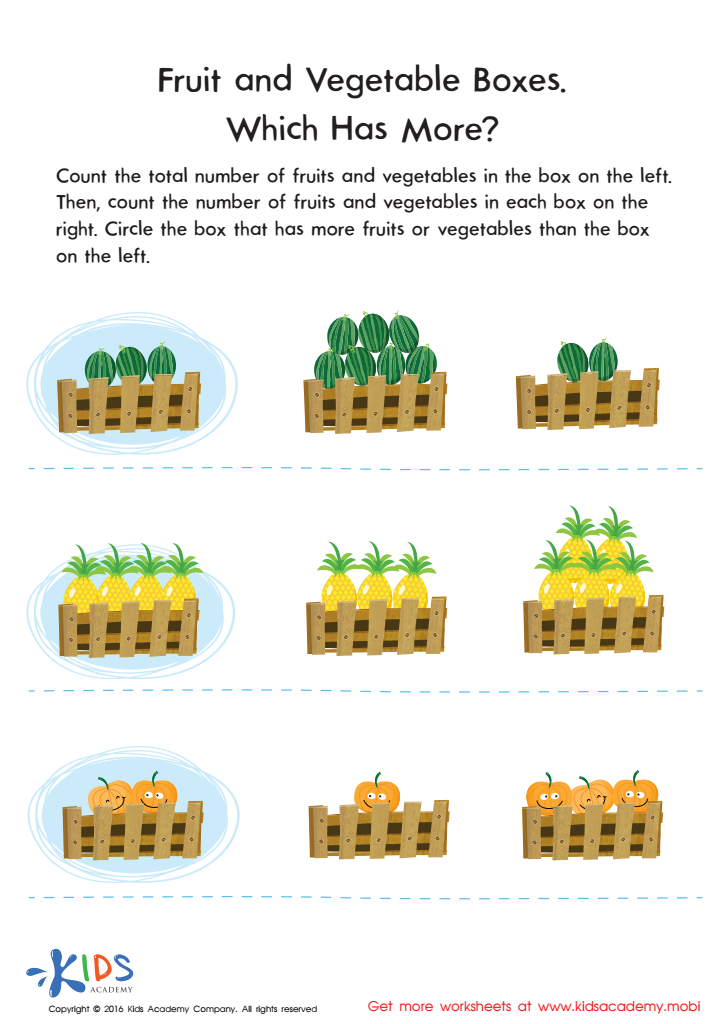
Which Has More? Size Worksheet
 Assign to My Students
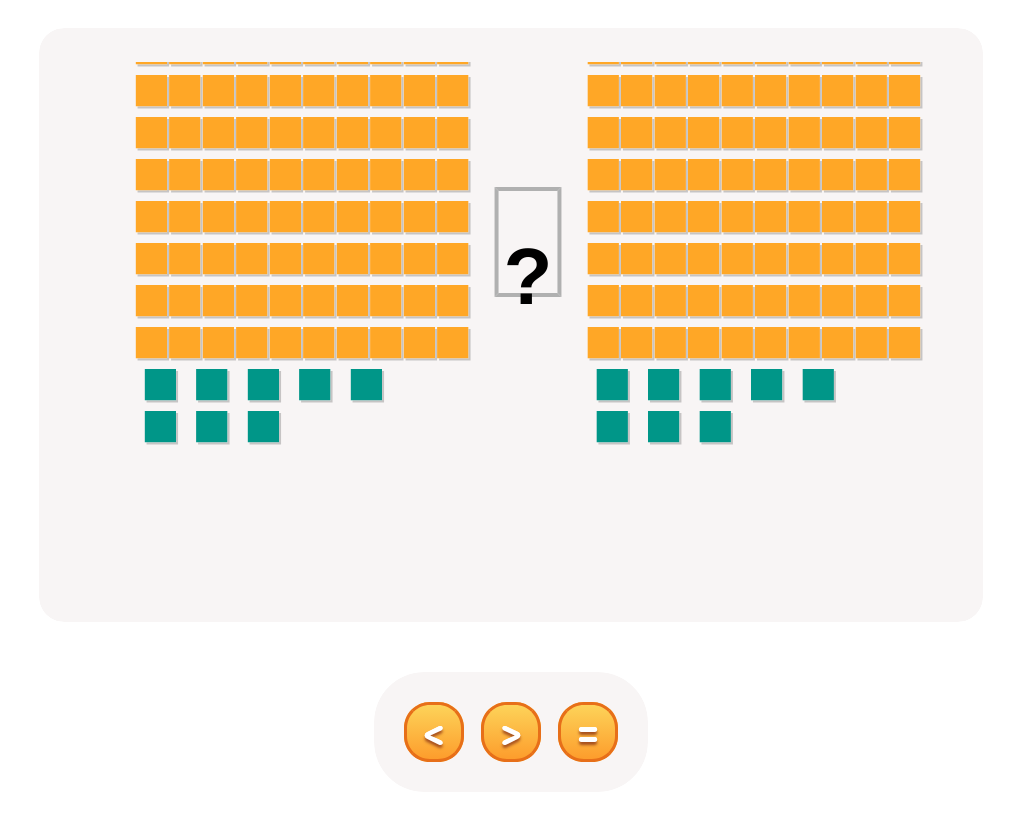

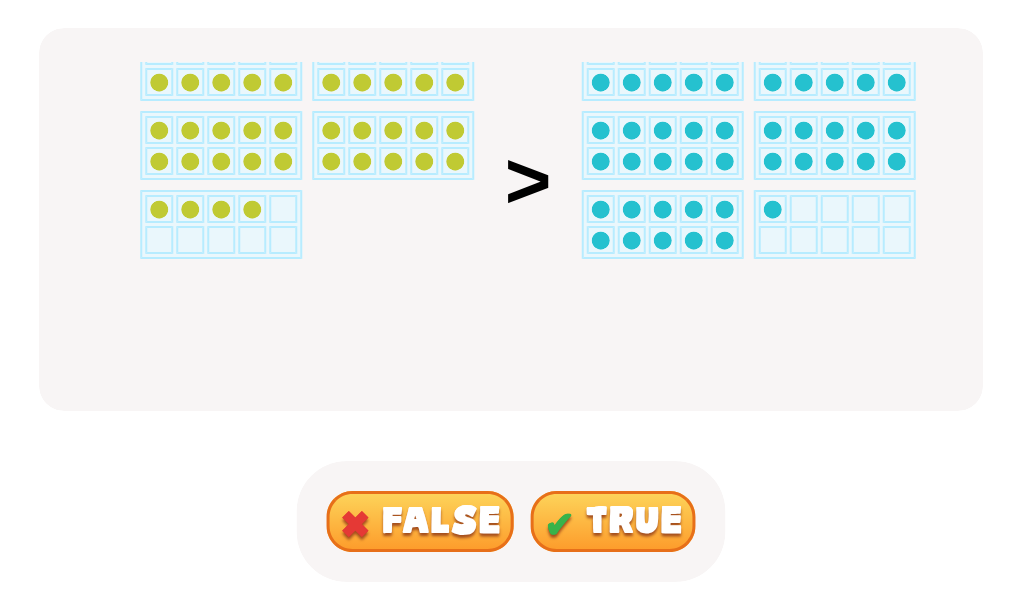
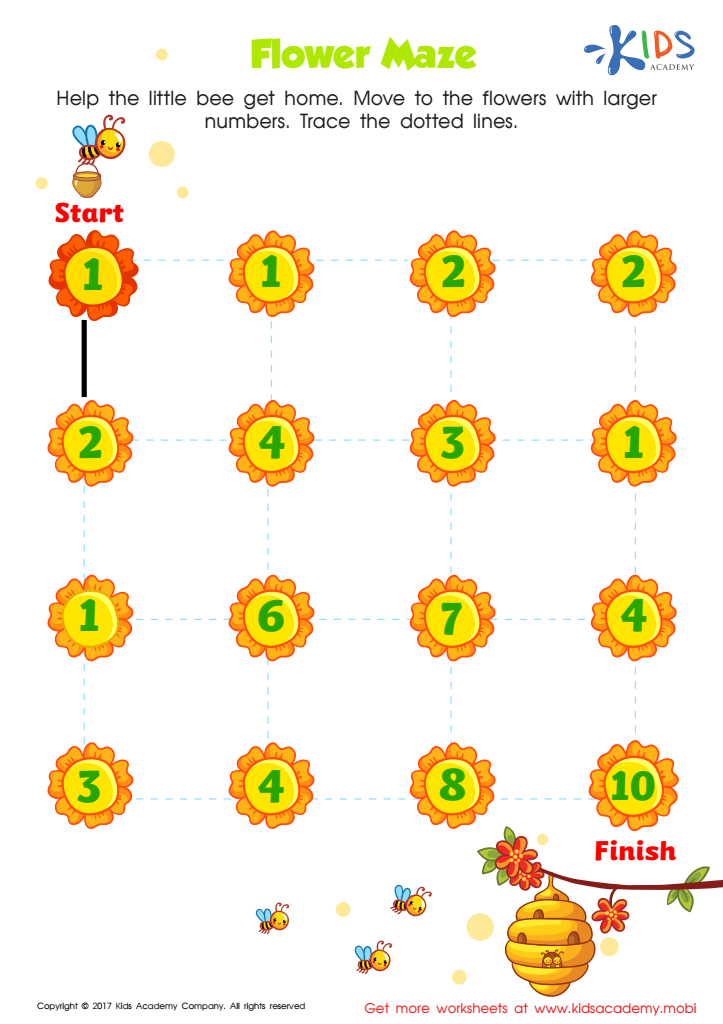
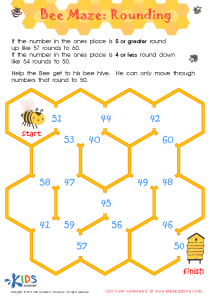
Number Maze For Kindergarten Printable
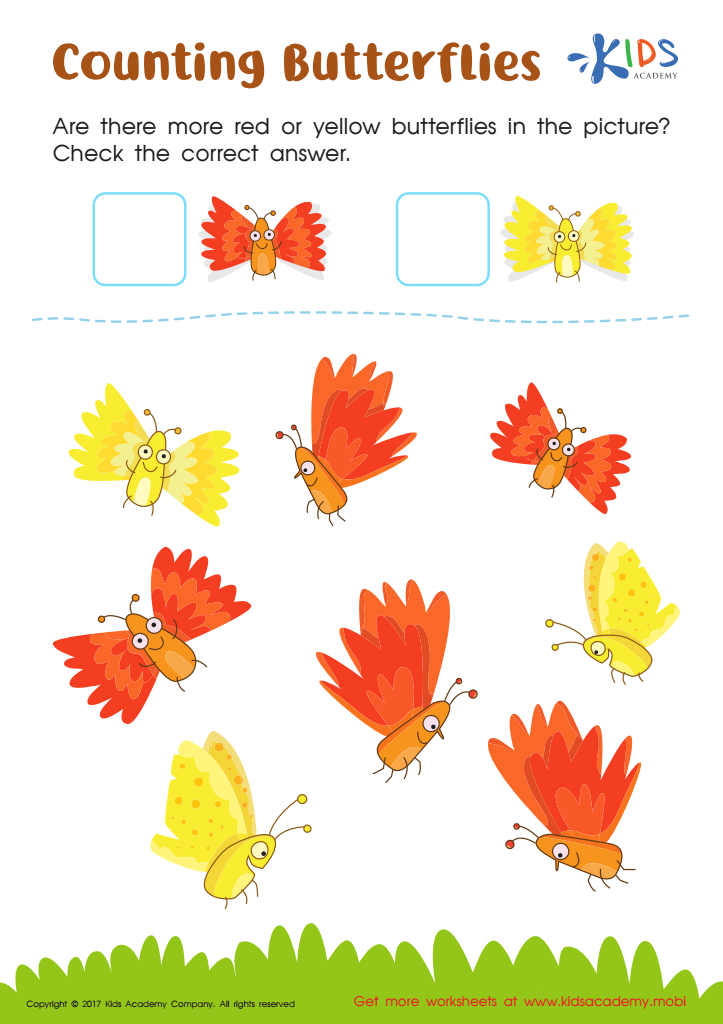
Counting Butterflies Worksheet
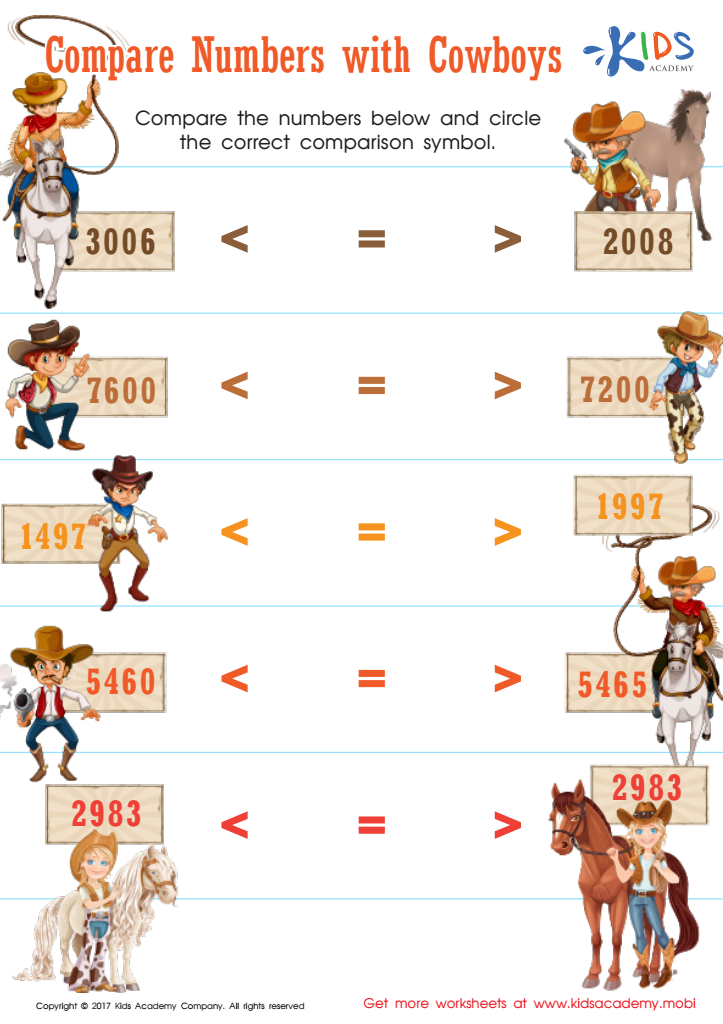
Compare Numbers Worksheet for 3rd Grade
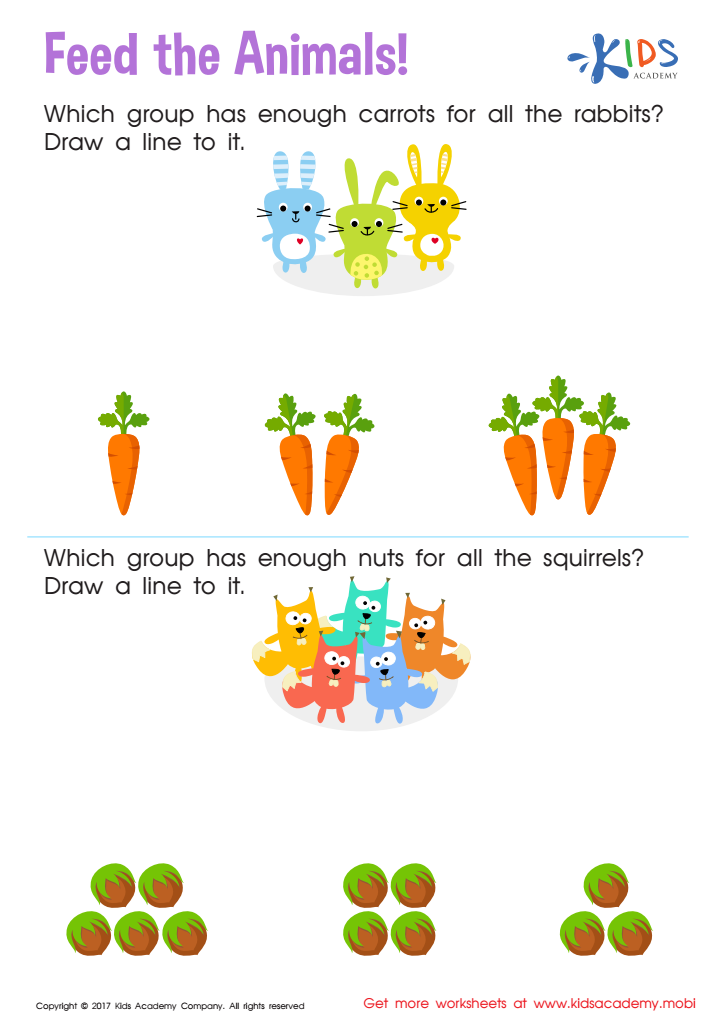
Count and Match: Feed the Animals Worksheet








Parents and teachers should care about Extra Challenge Comparing Numbers for ages 4-9 because this critical activity fosters early mathematical skills that are pivotal for future academic success. At this developmental stage, children’s brains are highly receptive to learning basic numerical concepts, which serve as building blocks for more complex mathematical reasoning. Engaging in such activities fortifies their understanding of quantities, numerical order, and the concept of greater than, less than, or equal to.
These foundational skills are not only essential for mathematics but also play a vital role in everyday decision-making and problem-solving. For young children, comparing numbers can boost cognitive development and enhance their ability to apply logic, fostering a disciplined approach to learning and thinking. Additionally, stimulating activities like these maintain a child’s natural curiosity and enthusiasm for learning. By making math fun and interactive, we help children develop a positive attitude towards learning and alleviate any math-related anxiety that may develop later.
Moreover, these activities prepare children for standard school curricula and assessments. Early familiarity with comparing numbers can ease transitions to more advanced topics, thereby setting the child up for continuous achievement in school. This foundational step, supported by both parents and teachers, can nurture a lifelong appreciation for mathematics.