Filters

31 filtered results

Clear all filters
Favorites
With answer key
Interactive

31 filtered results

Difficulty Level

Grade


Check out this FREE Trial Lesson on Building Vocabulary for age 4-9!

Archaeology and Paleontology

Favorites
With answer key
Interactive
  • 4-9
  • With answer key
  • Building Vocabulary
  • Extra Challenge
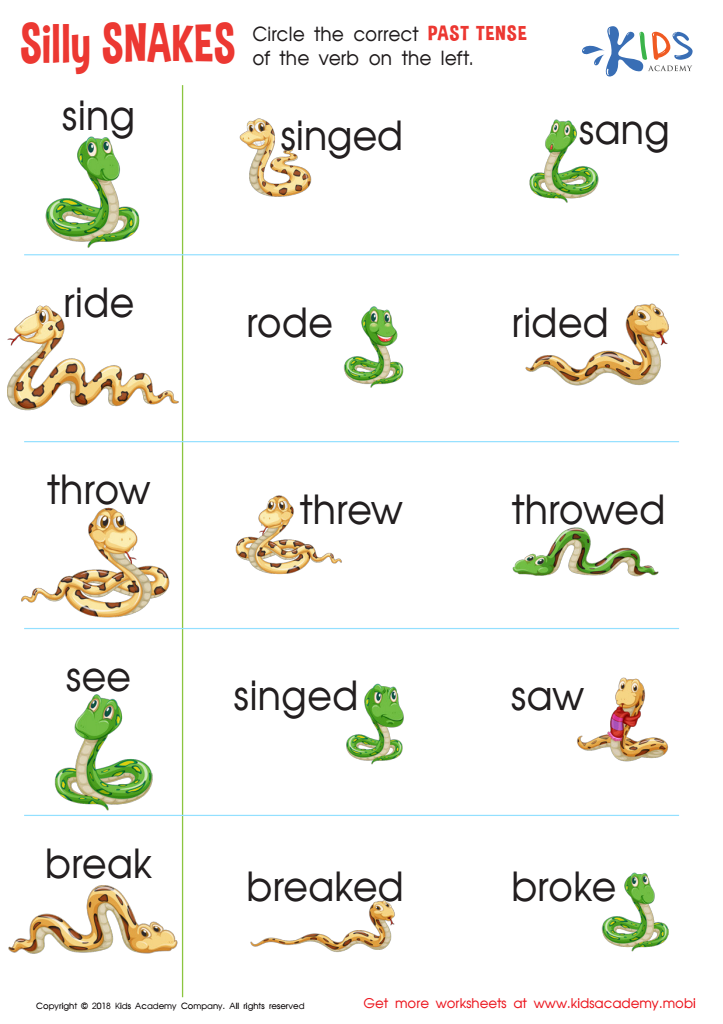
Silly Snakes Worksheet

Silly Snakes Worksheet

Kids will get a giggle out of these silly snakes! They're helping to find past tense verbs in this fun worksheet. Have your child look at each snake in the left column and read the word. Then, choose the correct past tense verb from the two options in each row.
Silly Snakes Worksheet
Worksheet
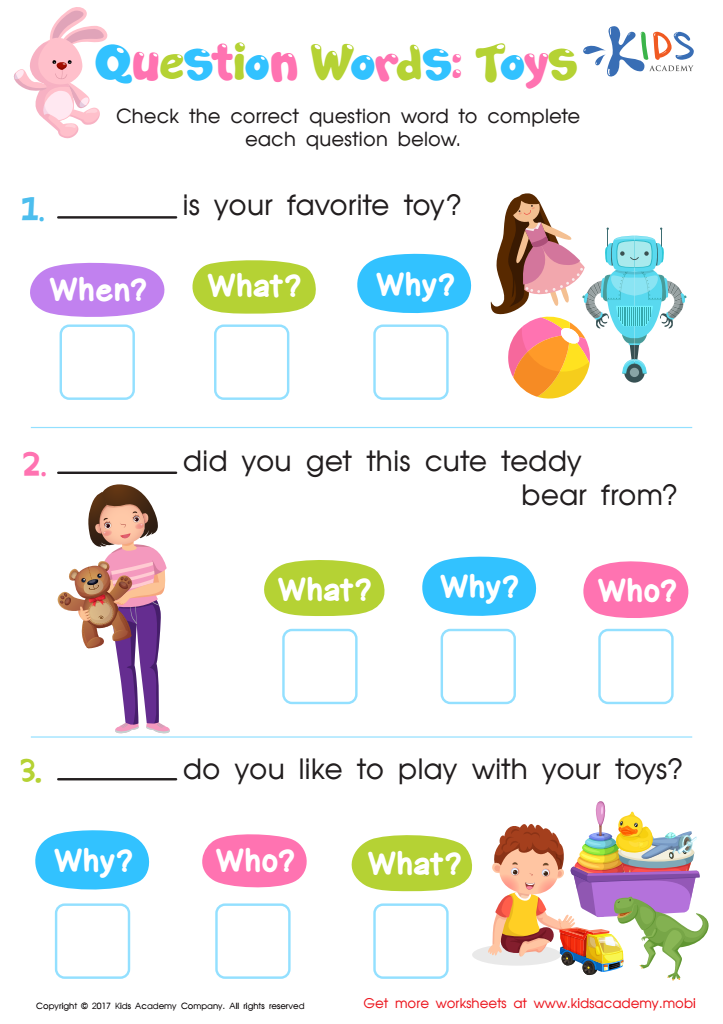
Question Words: Toys Worksheet

Question Words: Toys Worksheet

Let your kids enjoy learning to ask precise questions with this fun worksheet! Read each sentence fragment and look at the word bank, picking the correct word to complete the sentence. Check the box next to the correct word to use. It's that easy and lots of fun!
Question Words: Toys Worksheet
Worksheet
Archaeology Word Jumble Worksheet

Archaeology Word Jumble Worksheet

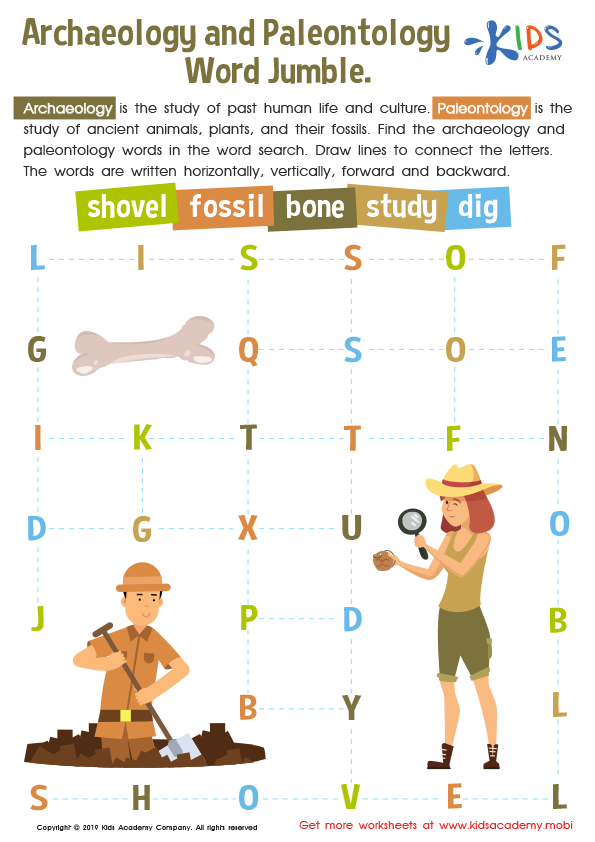
Kids will love this fun, colorful word search about archeology! Tracing the lines, they'll uncover terms related to the study of past life and cultures. As they explore, they'll learn about fossils and bones and discover new archeology words.
Archaeology Word Jumble Worksheet
Worksheet
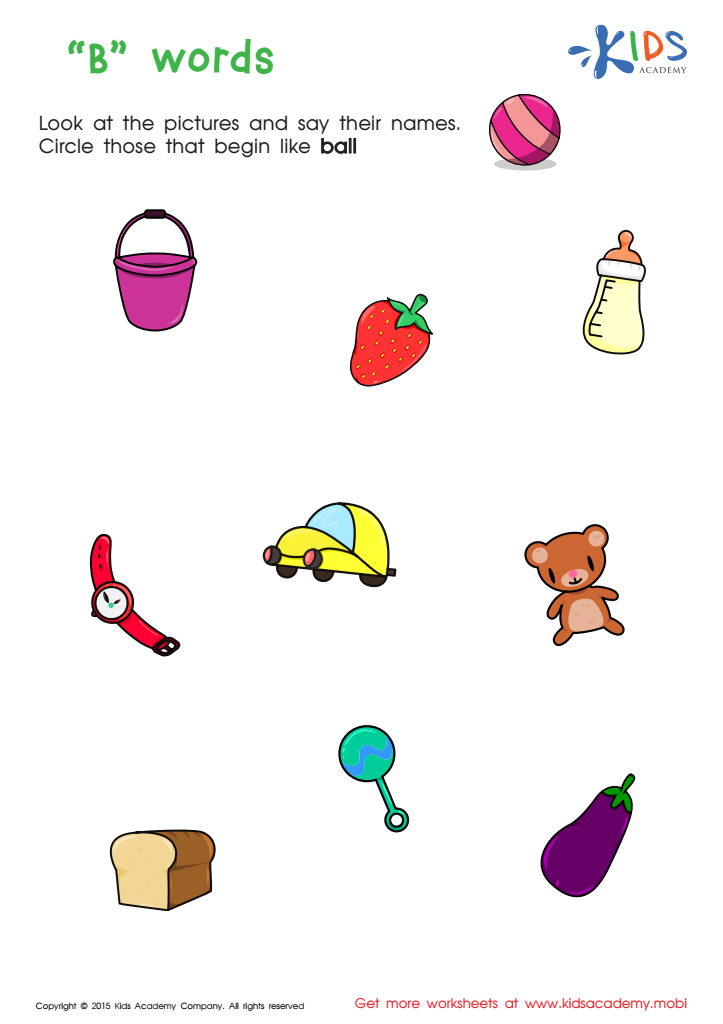
“B” Words Printable Worksheet

First Words Worksheet

Want to help your preschooler learn to read and write? Start with this 'B' words printable worksheet. It will help your child match pictures to the letters they know, sound out words, and build literacy. Once they understand the concept, they can start sounding out words and building reading skills.
First Words Worksheet
Worksheet
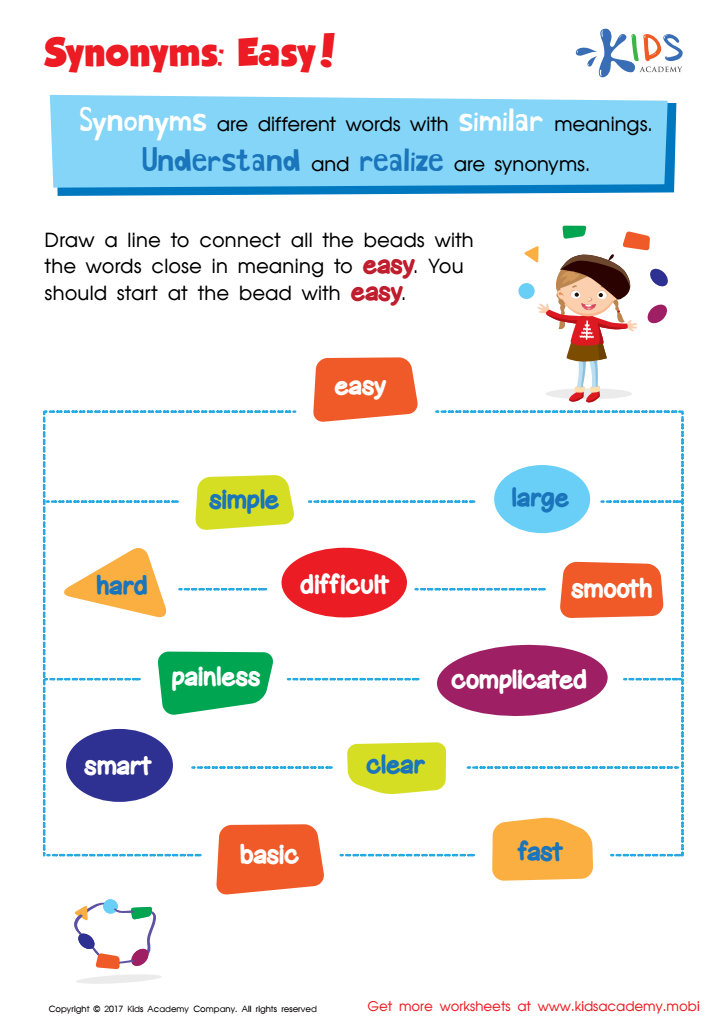
Free synonym worksheets for grade 3

Free Synonym Worksheet

Grade 3s can build their vocabulary with free synonym worksheets. Unlocking the door to better communication, these worksheets help children identify new and interesting words. A great example is finding synonyms for the word easy. Give your kid a boost today!
Free Synonym Worksheet
Worksheet
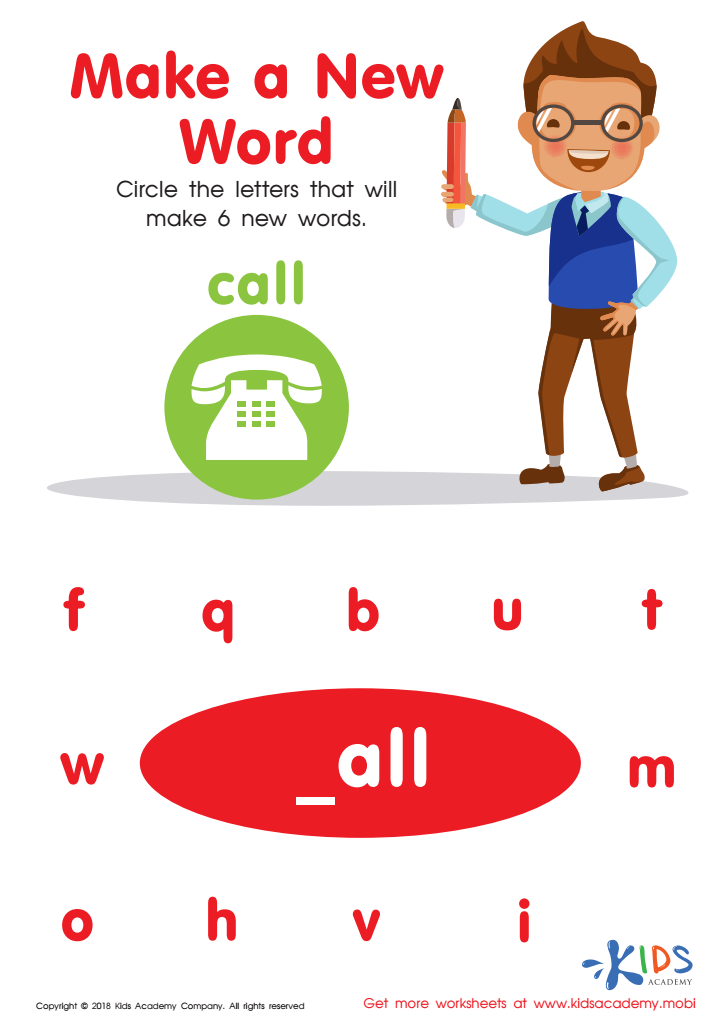
Make a New Word Worksheet

Make a New Word Worksheet

Young readers and writers can enhance their skills with this fun PDF worksheet. They'll trace letters to create new words and feel like super readers and writers after finding six words. They'll also practice building words with the "all" word family.
Make a New Word Worksheet
Worksheet
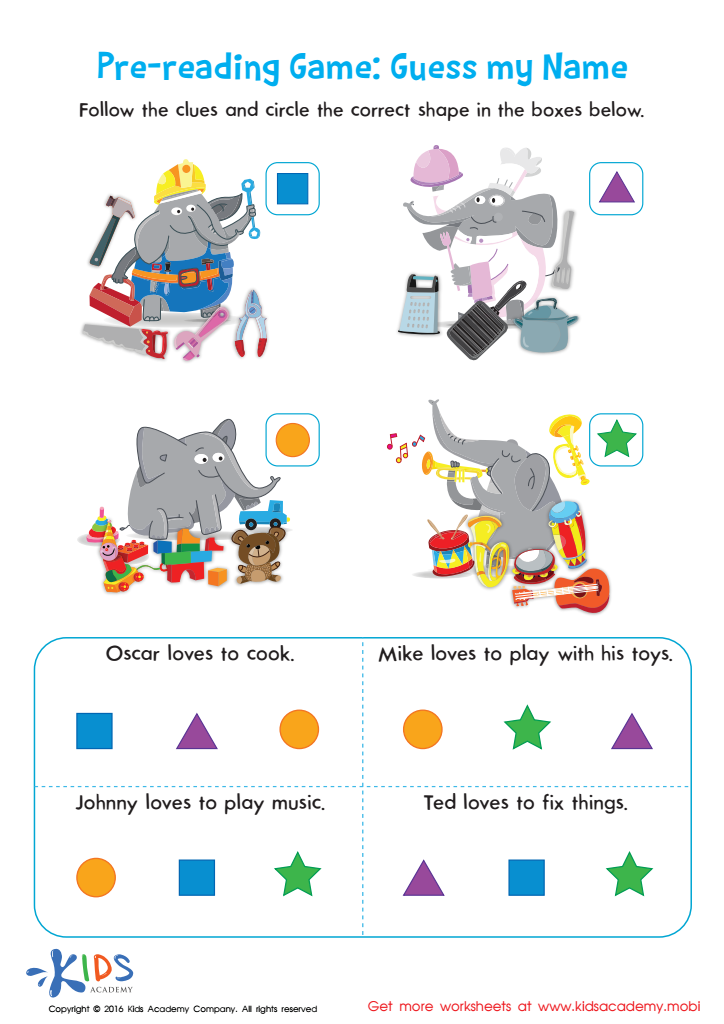
Pre reading worksheet guess my name

Pre Reading Worksheet Guess My Name

Guess My Name is a fun way to practice inference skills. Guess My Name is a fun pre-reading game to help your child practice drawing inferences from clues. With colorful illustrations, they'll use clues to match each elephant with its sentence and sharpen their inference skills.
Pre Reading Worksheet Guess My Name

Worksheet


Extra Challenge Building Vocabulary for children aged 4-9 is crucial for their development and success in various areas of learning. At this formative stage, expanding vocabulary lays the foundation for reading comprehension, effective communication, and critical thinking skills. A rich vocabulary enables children to express their thoughts and emotions clearly, enhancing their interactions with peers and adults, which boosts their self-confidence.

Furthermore, children with a strong vocabulary are better equipped to engage with written texts. They can decipher meanings of new words from context and grasp more complex ideas, fostering a love for reading that can last a lifetime. This early investment in vocabulary development not only influences academic performance but also facilitates social understanding and emotional intelligence.

Moreover, activities that challenge children to explore new words can be engaging and fun, turning learning into an enjoyable experience. Parents and teachers play a vital role in this process by providing enriching environments where vocabulary can flourish—through storytelling, discussions, games, and experiential learning.

In summary, prioritizing vocabulary development in early childhood education not only fosters literacy but also prepares children for future educational endeavors and life experiences, making it a key focus for parents and educators alike.