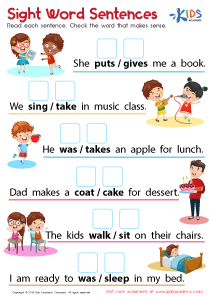
Extra Challenge Reading Non-Fiction Worksheets for Ages 5-6
6 filtered results
-
From - To
Discover our engaging Extra Challenge Reading Non-Fiction Worksheets designed specifically for young learners aged 5-6. These meticulously crafted worksheets aim to enhance reading comprehension skills while introducing fascinating real-world topics. Ideal for classrooms or home learning, each activity encourages critical thinking and fosters curiosity about the world around them. Children will explore diverse subjects, from animals and nature to space and everyday phenomena, all presented in an accessible format. Our worksheets not only promote literacy but also make learning enjoyable. Unlock your child's potential and support their reading journey with our fun, educational non-fiction challenges today!
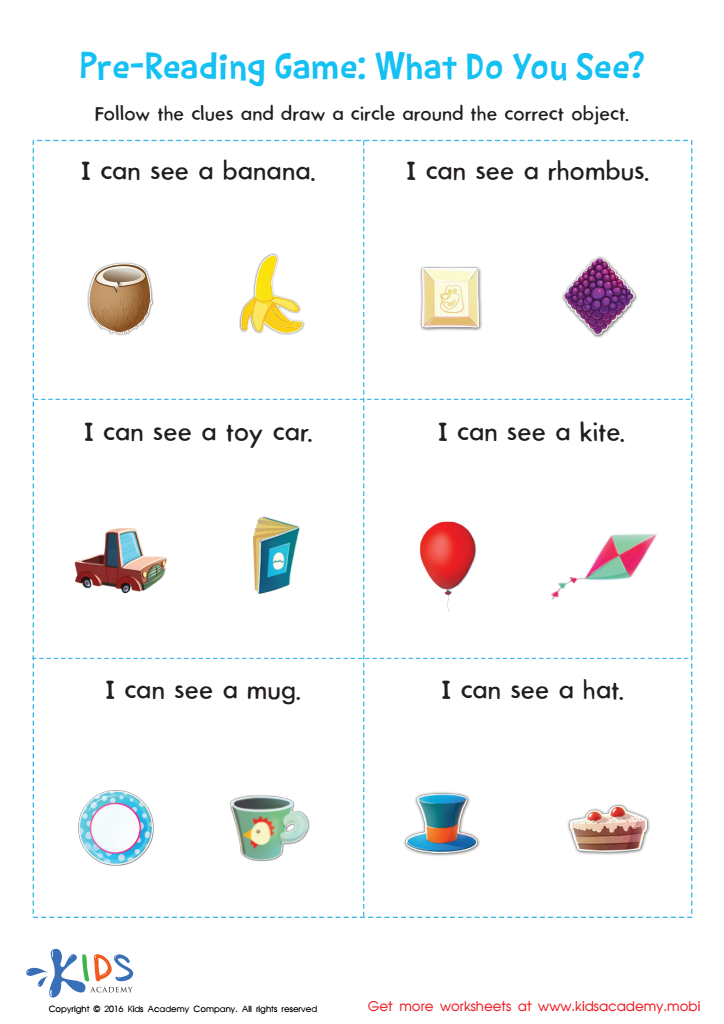
Pre–reading Worksheet: What Do You See?
 Assign to My Students
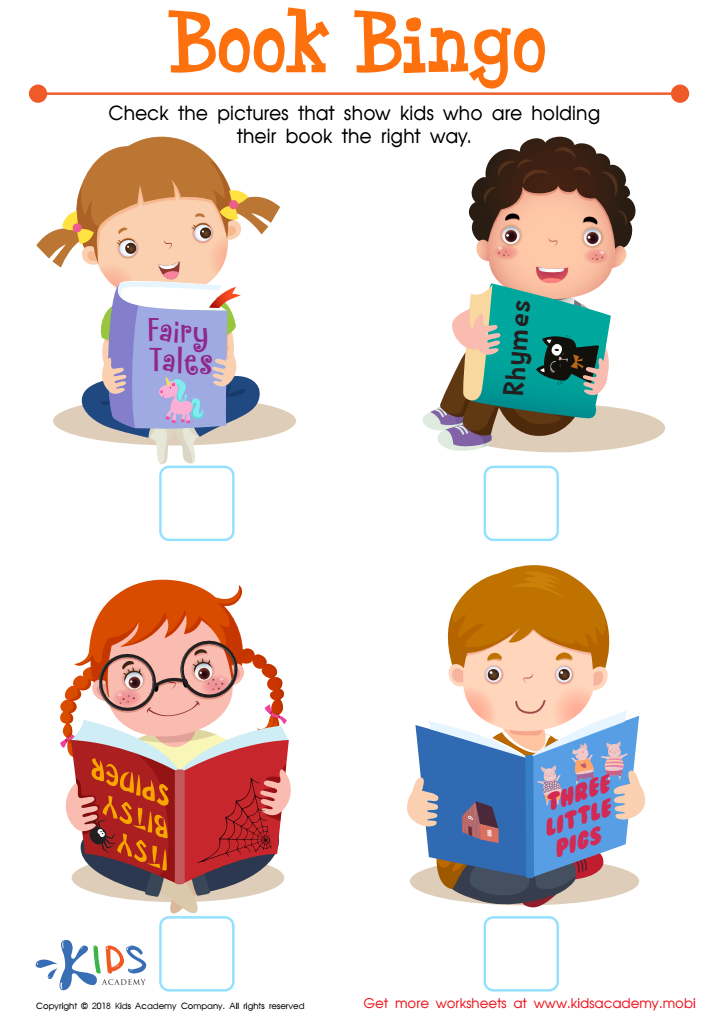
Book Bingo Worksheet
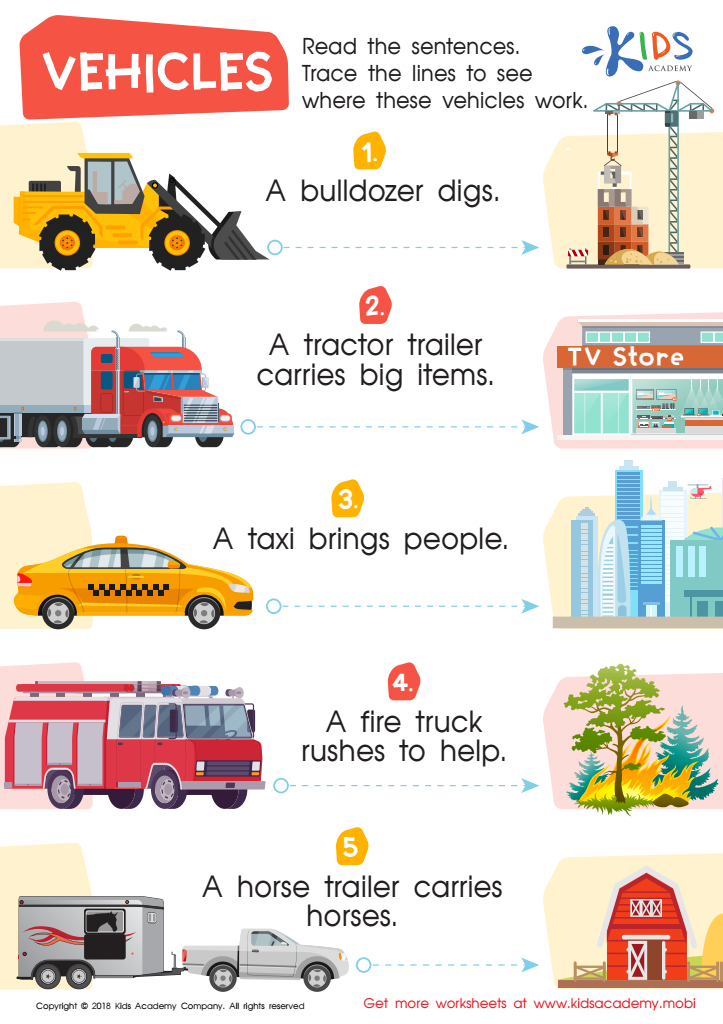
Vehicles Worksheet
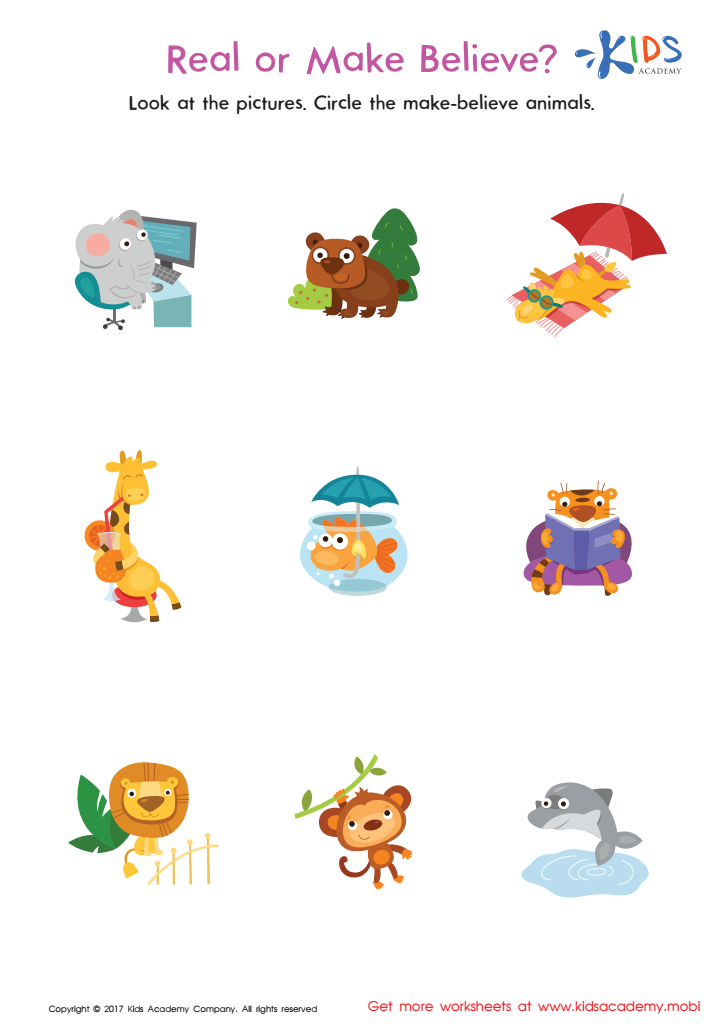
Fact or Make Believe Worksheet
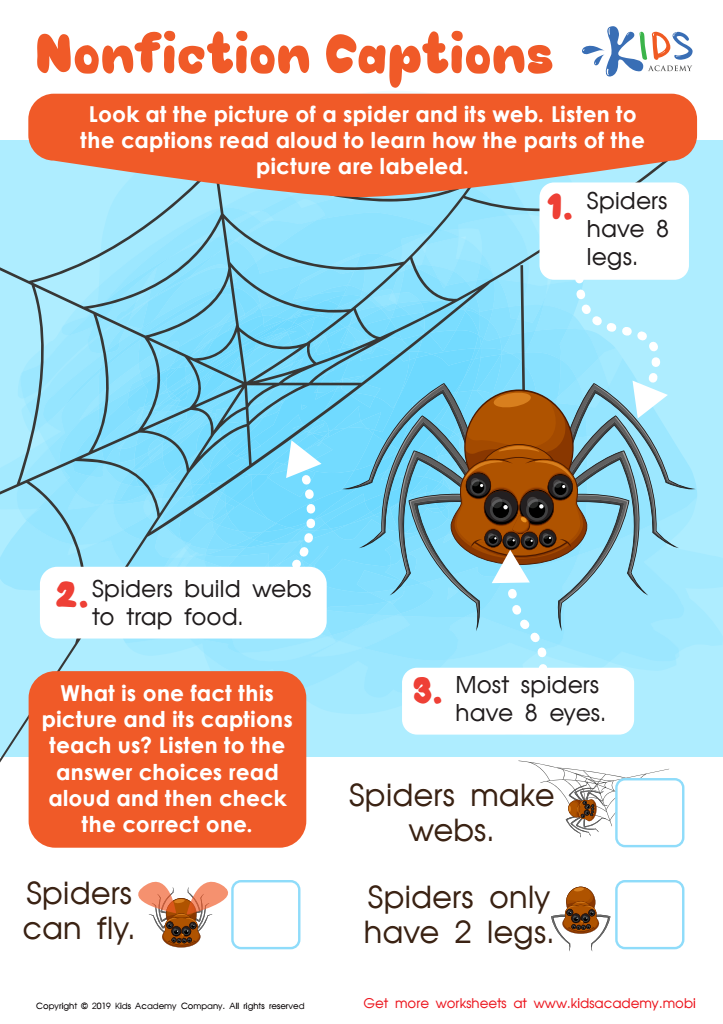
Nonfiction Captions Worksheet
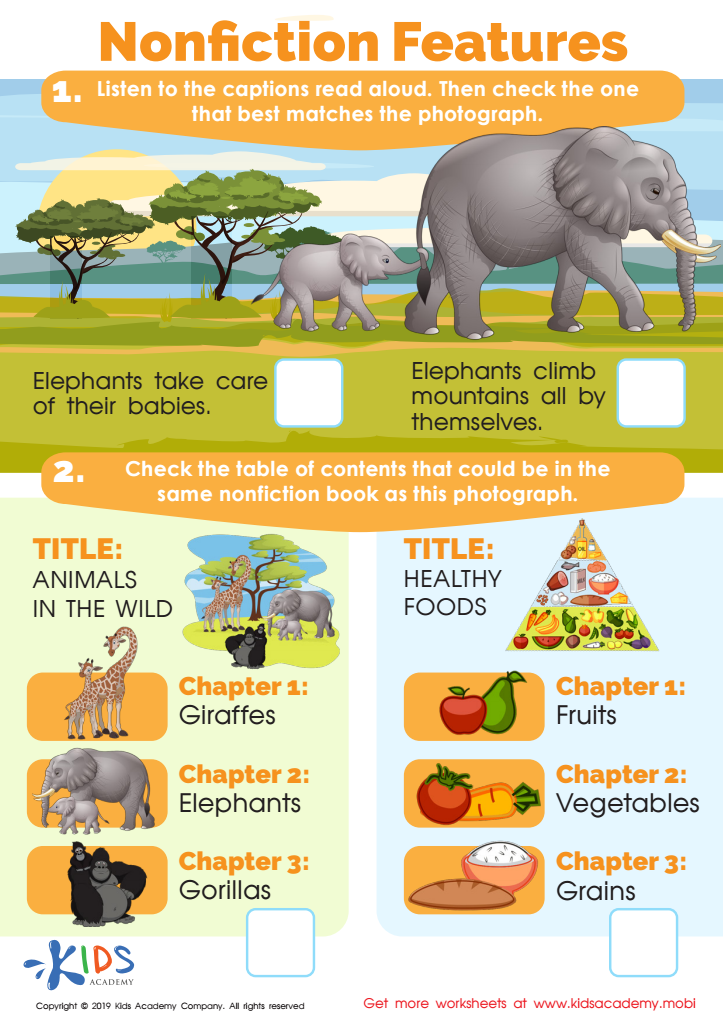
Nonfiction Features Worksheet








Extra Challenge Reading Non-Fiction for ages 5-6 is essential for several reasons. First, non-fiction introduces young readers to real-world concepts, fostering curiosity and promoting a love for learning. By exposing children to a variety of topics—from animals to geography—teachers and parents can stimulate discussions and enhance vocabulary, which is crucial at this developmental stage.
Second, reading non-fiction supports critical thinking skills. It challenges children to make connections between various subjects, analyze information, and differentiate between fact and opinion. These skills are foundational for their future learning.
Moreover, early exposure to non-fiction can build confidence in children as they encounter and comprehend more complex ideas. This can have a lasting impact on their academic journey, ensuring they are well-prepared for more rigorous content later on.
Finally, by incorporating extra challenge reading materials, educators and parents can cater to diverse learning paces, encouraging advanced readers to deepen their knowledge while supporting those who need additional help. Engaging with non-fiction not only enhances literacy skills but also empowers young learners to be inquisitive, informed, and active participants in their education—all essential traits for lifelong success.