Extra Challenge Measurement Worksheets for Ages 5-8 - Page 2
29 filtered results
-
From - To
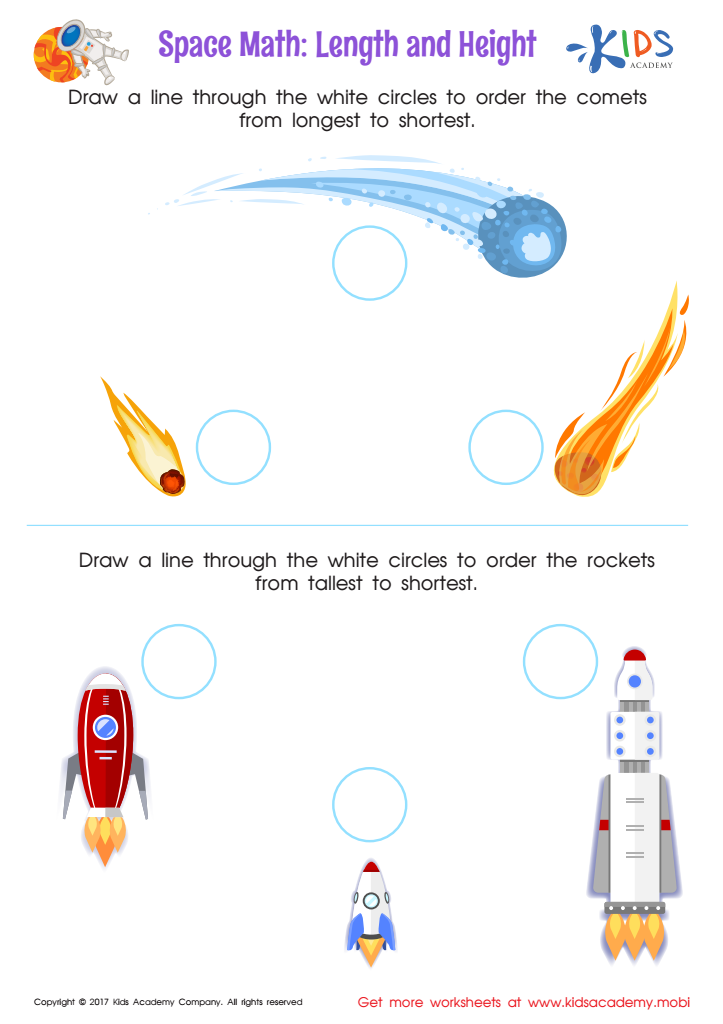
Space Math Worksheet
 Assign to My Students
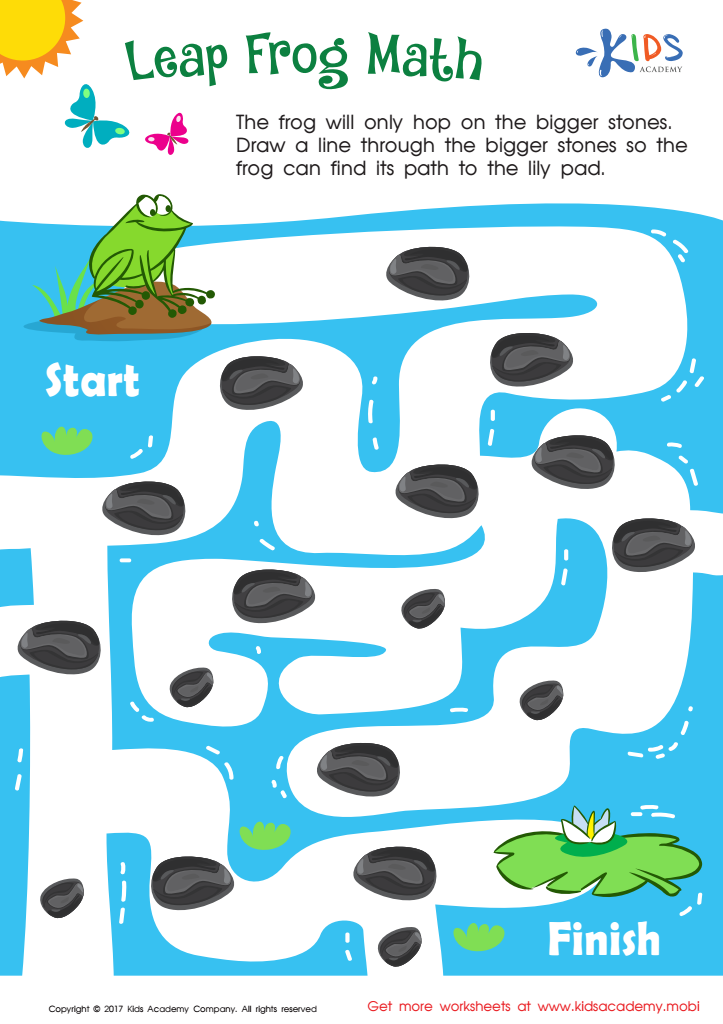
Math Puzzle Worksheet
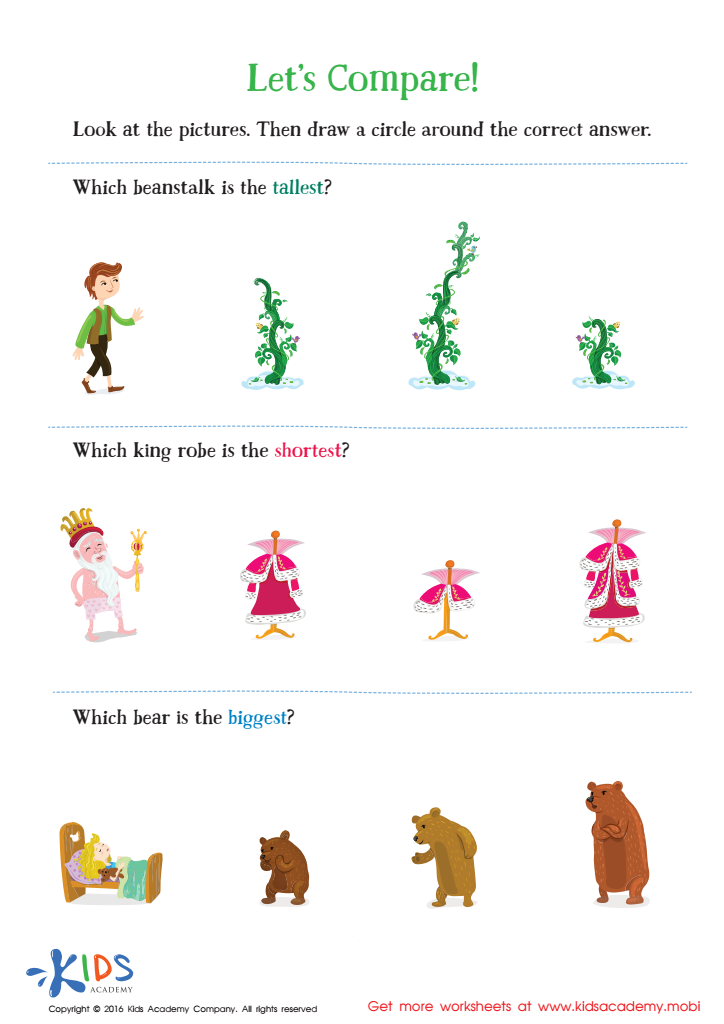
Fairy Tale Worksheet: Let's Compare
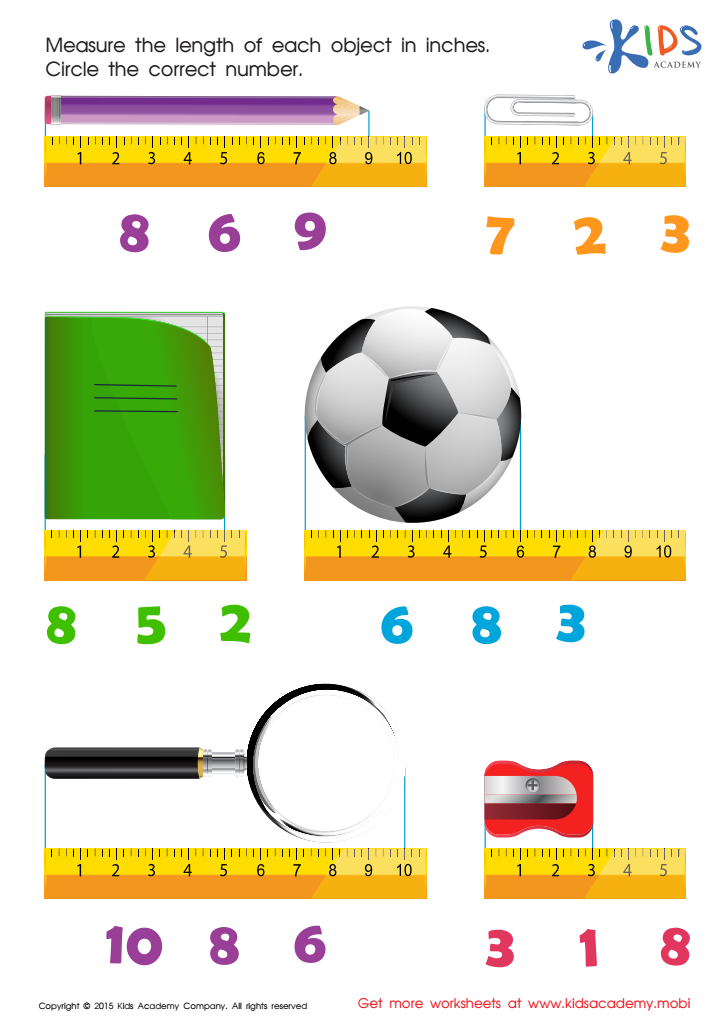
Learning measuring objects in inches Worksheet
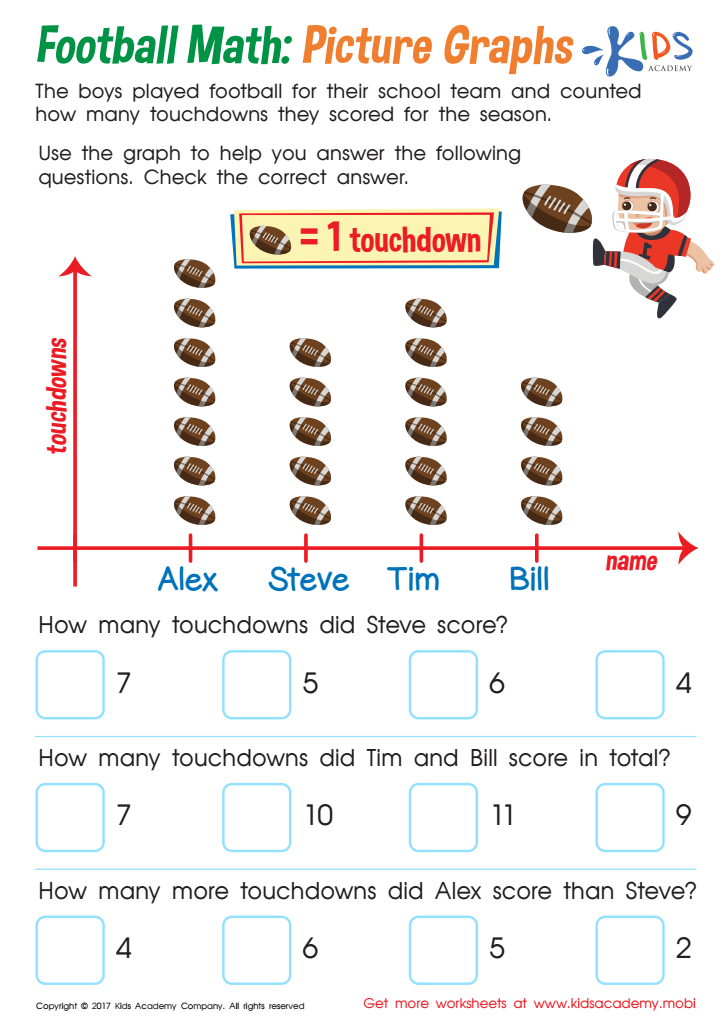
Football Math Worksheet








Extra Challenge Measurement (ECM) for ages 5-8 is crucial because it provides tailored growth opportunities that boost essential cognitive, social, and emotional skills during foundational learning years. Early childhood represents a phase of tremendous brain development; thus, engaging learners with carefully calibrated challenges fosters resilience, problem-solving, and perseverance. ECM helps identify varied ability levels among students, enabling personalized teaching approaches that prevent boredom for advanced learners while offering incremental tasks for those needing support.
For parents, ECM can showcase their child's unique strengths and areas for improvement, informing effective home support. Additionally, when teachers track ECM, they recognize diverse learning styles, making it easier to cultivate an inclusive environment where every child feels valued. Children's self-esteem and motivation often flourish when they successfully meet heightened expectations, paving the way for lifelong learning enthusiasm. Furthermore, ECM assessments guide parents and teachers in making proactive decisions about further enrichment activities, academic assistance, and early intervention if necessary.
Ultimately, ECM is not just about academic proficiency but also about nurturing well-rounded individuals equipped with the confidence and skills to navigate future challenges. Collaboration between parents and educators in this endeavor encourages consistent reinforcement of learning behaviors, fostering holistic development and preparing children for the ever-evolving demands of society.