Extra Challenge ABC Order Worksheets for Ages 6-8
10 filtered results
-
From - To
Discover our "Extra Challenge ABC Order Worksheets" specifically designed for children ages 6 to 8! These engaging worksheets provide an excellent opportunity for young learners to enhance their understanding of alphabetical order while reinforcing essential literacy skills. Each worksheet is crafted to challenge and motivate students, making learning both fun and effective. With various activities that range from sorting words to filling in missing letters, your child will develop confidence in their reading and writing abilities. Perfect for classroom or at-home use, these worksheets ensure that your child stays ahead in their learning journey. Unlock their potential today!
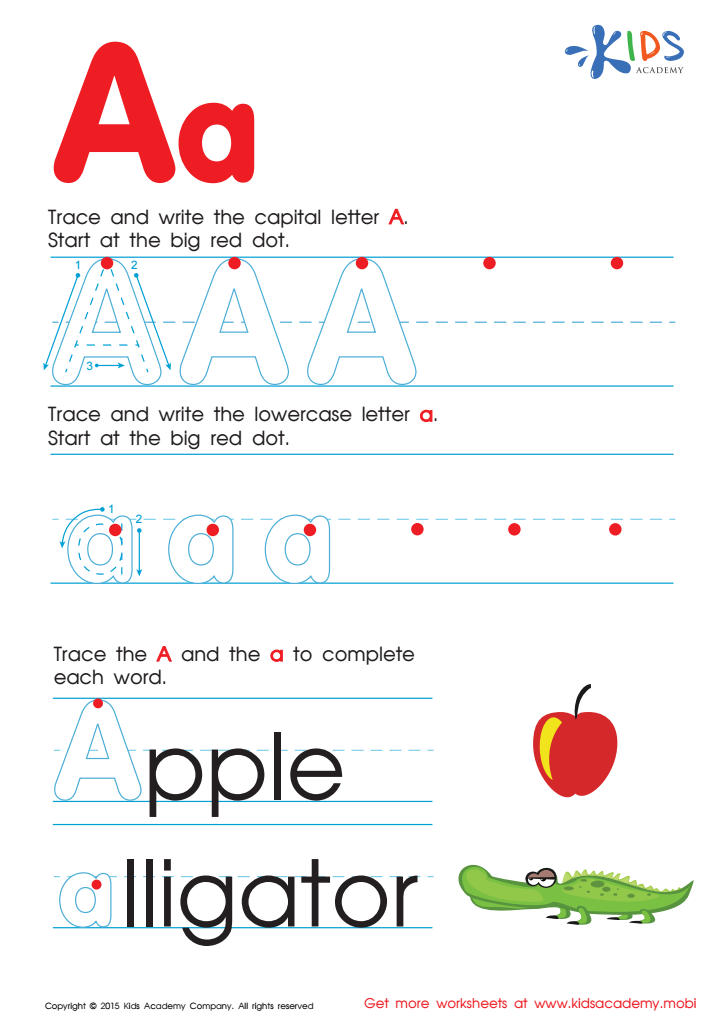
Letter A Tracing Page
 Assign to My Students




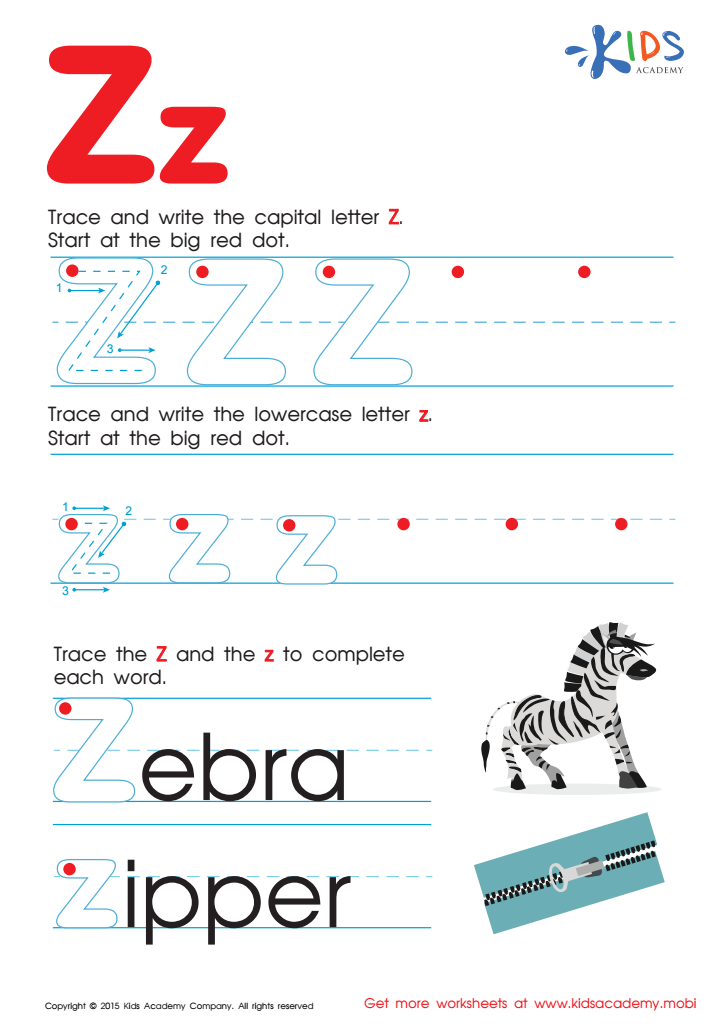
Letter Z Tracing Page
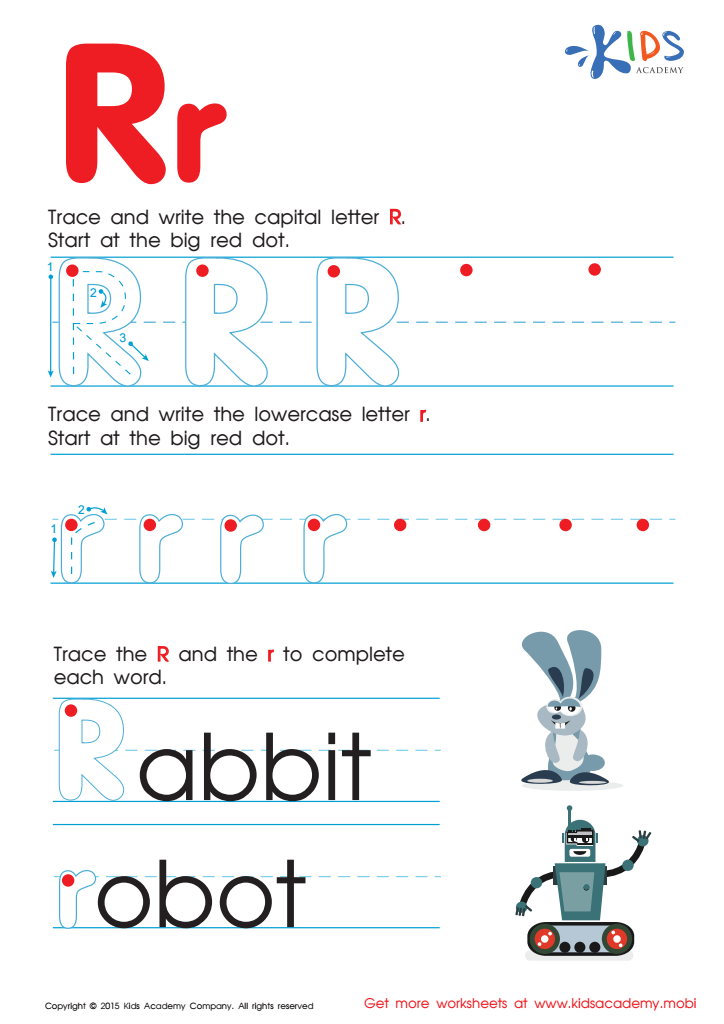
Letter R Tracing Page
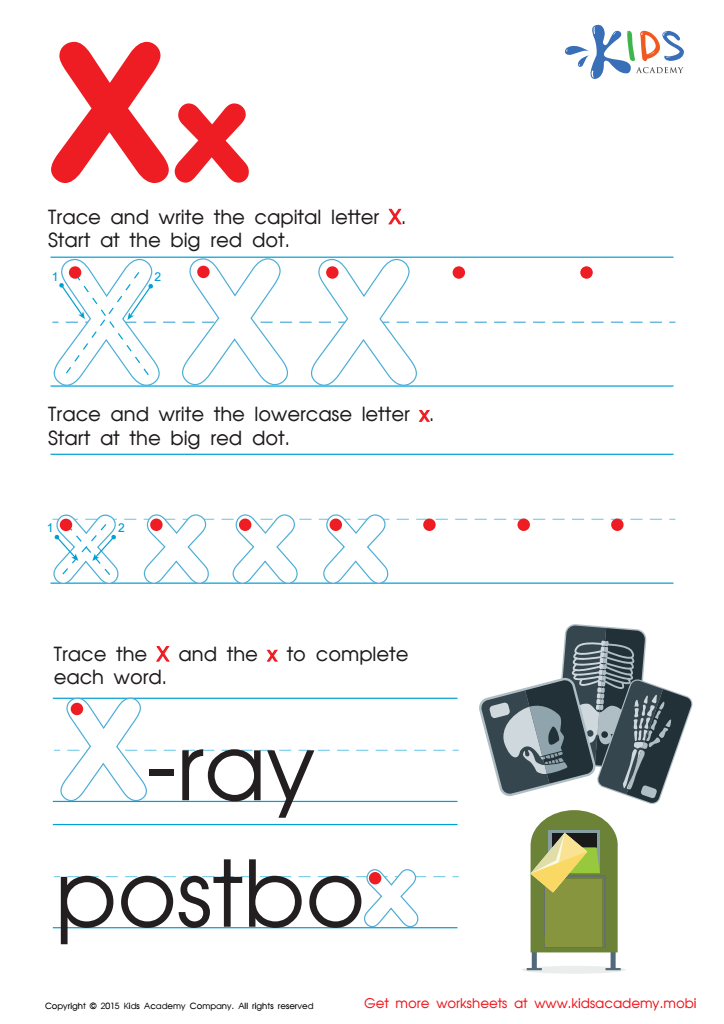
Letter X Tracing Page
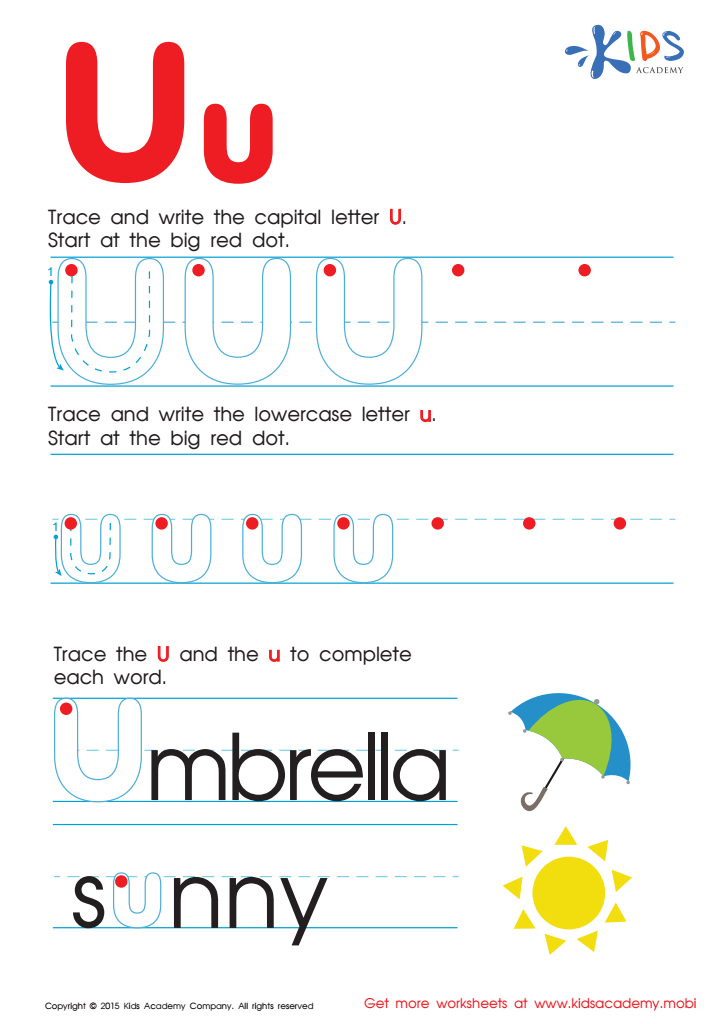
Letter U Tracing Page
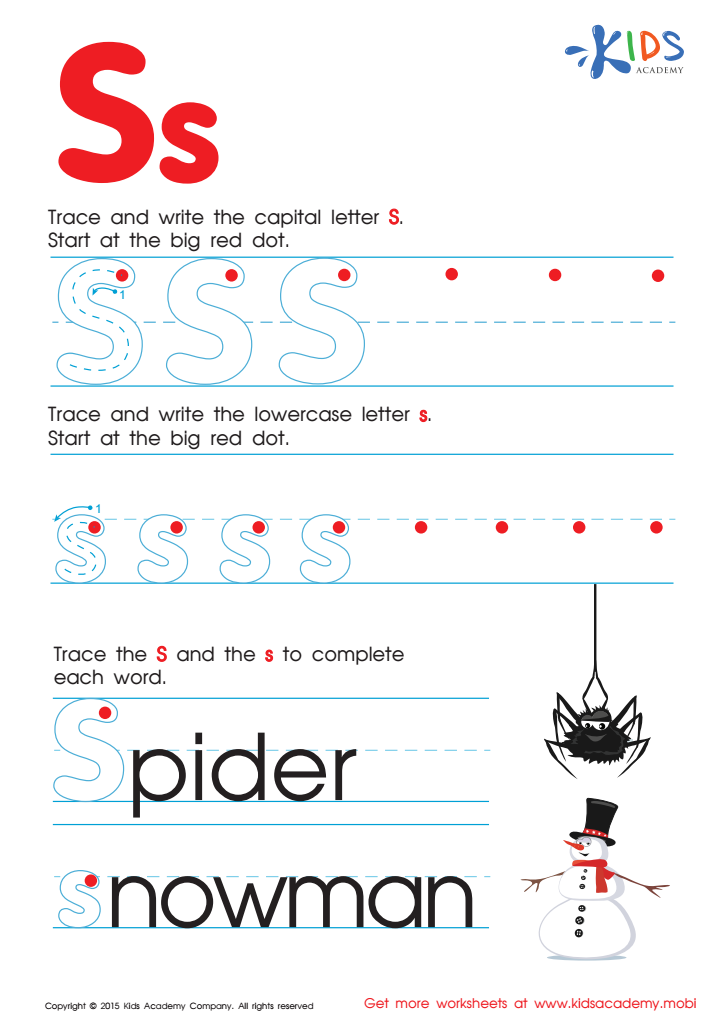
Letter S Tracing Page
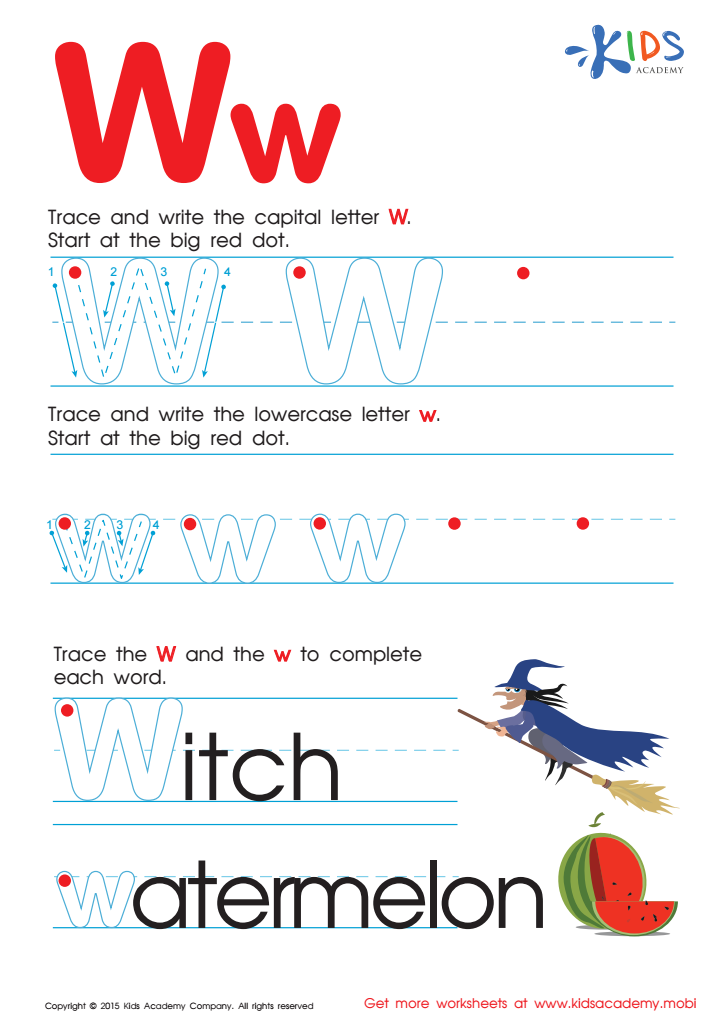
Letter W Tracing Page
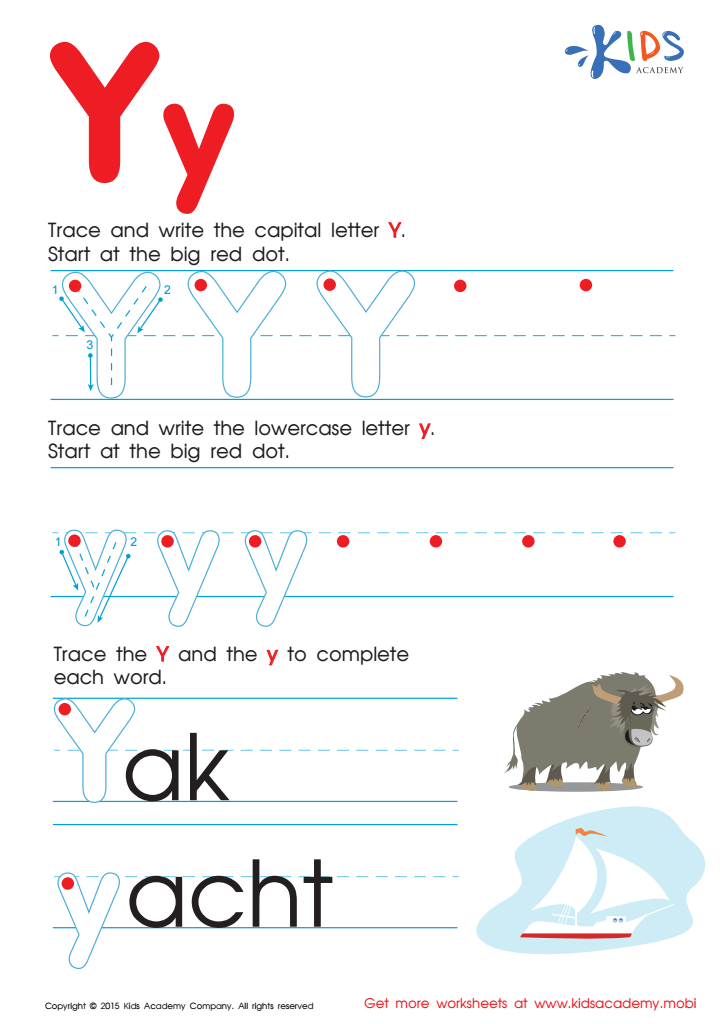
Letter Y Tracing Page
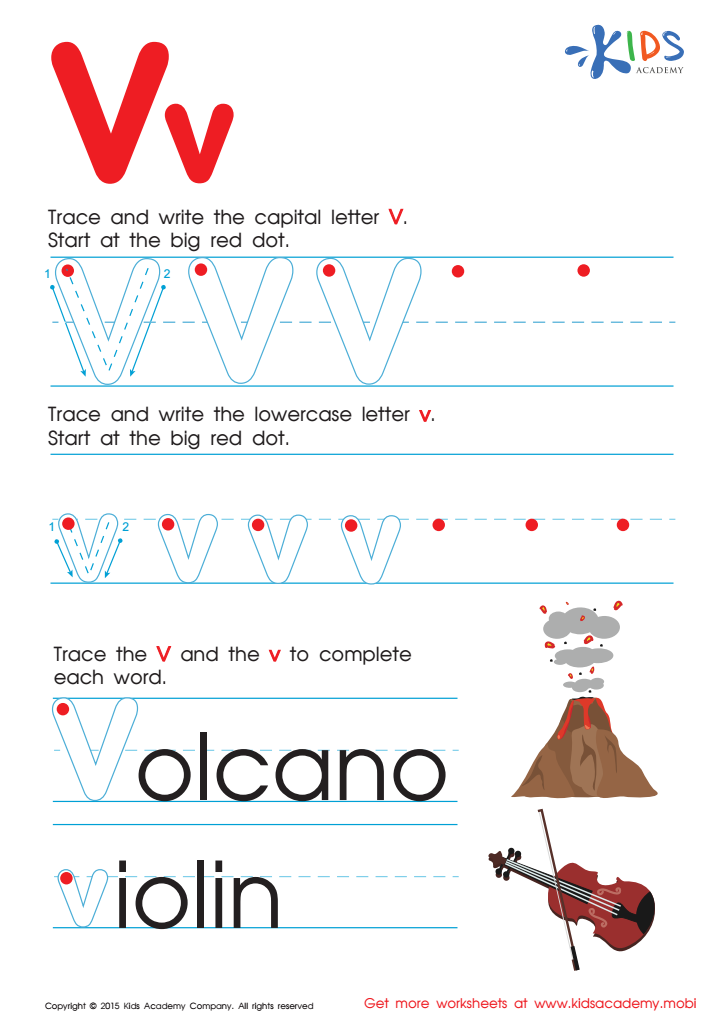
Letter V Tracing Page
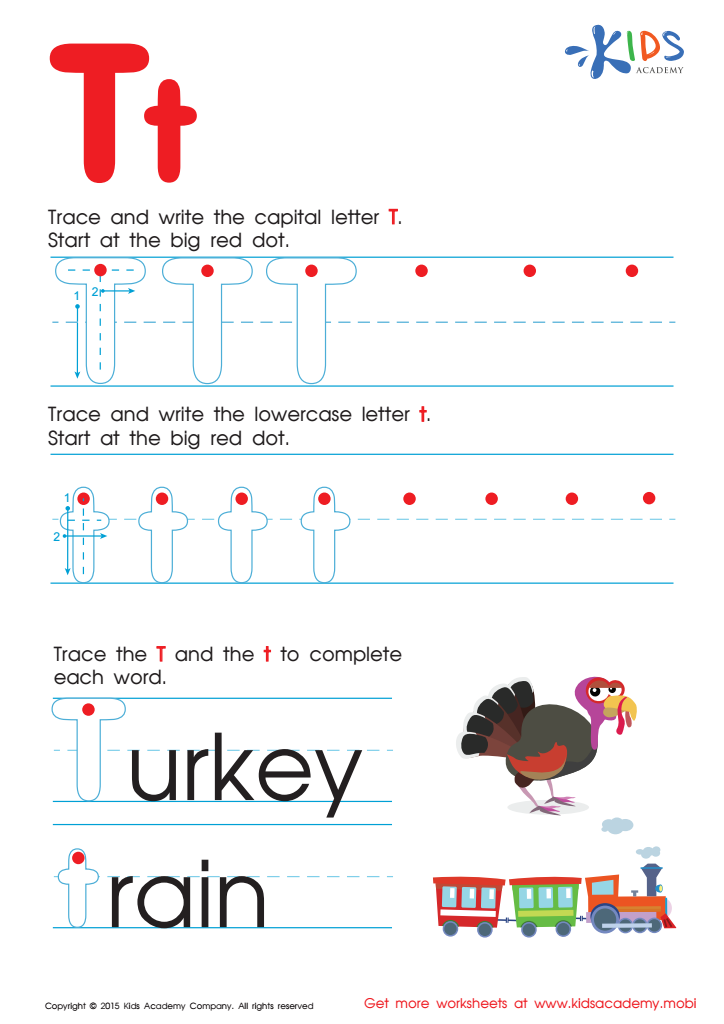
Letter T Tracing Page








Parents and teachers should care about "Extra Challenge ABC Order" activities for children ages 6-8 because they play a crucial role in developing essential literacy skills. Mastering the alphabet and understanding the order of letters is foundational for reading and writing development. This knowledge not only aids in phonetic awareness but also enhances vocabulary acquisition, making it easier for children to comprehend and organize information.
Engaging in such activities stimulates cognitive development, encouraging problem-solving and critical thinking as children arrange words and grasp their sequential relationship. Furthermore, creating a fun and interactive learning environment surrounding ABC order can foster a positive attitude towards learning, making educational tasks feel less daunting and more enjoyable.
Additionally, "Extra Challenge ABC Order" activities promote fine motor skills through writing and cutting letters or words, complemented by social skills when children work in pairs or small groups. This collaboration reinforces teamwork and communication skills while building friendships. As literacy skills are foundational for academic success and future learning, parents and teachers should prioritize these activities to ensure children develop confidence and proficiency in reading and writing, preparing them for more complex subjects in the years ahead.








