Extra Challenge Building Vocabulary Worksheets for Ages 6-8 - Page 2
27 filtered results
-
From - To
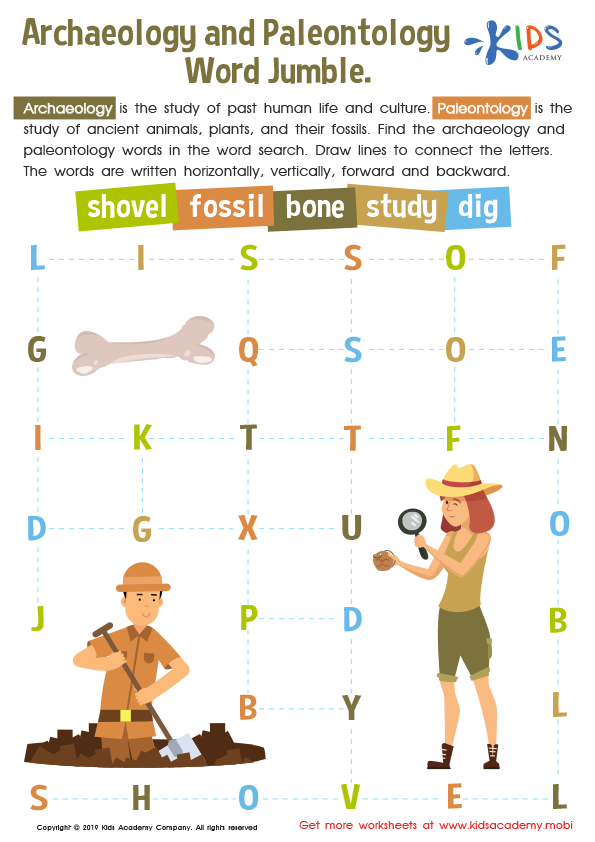
Archaeology and Paleontology Word Jumble Worksheet
 Assign to My Students











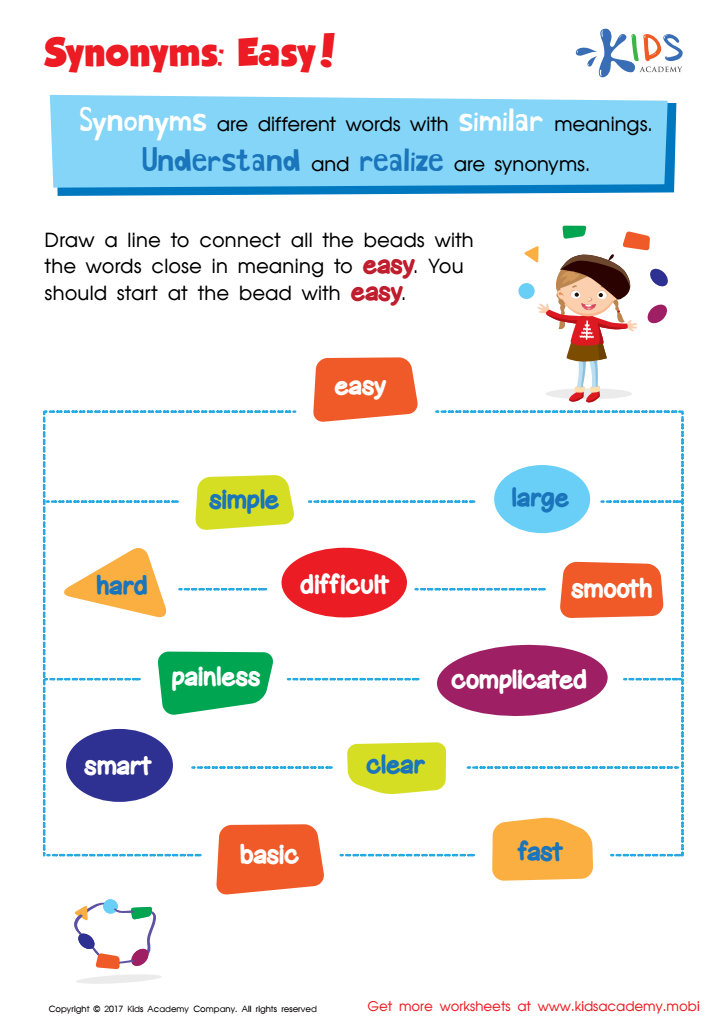
Free Synonym Worksheet
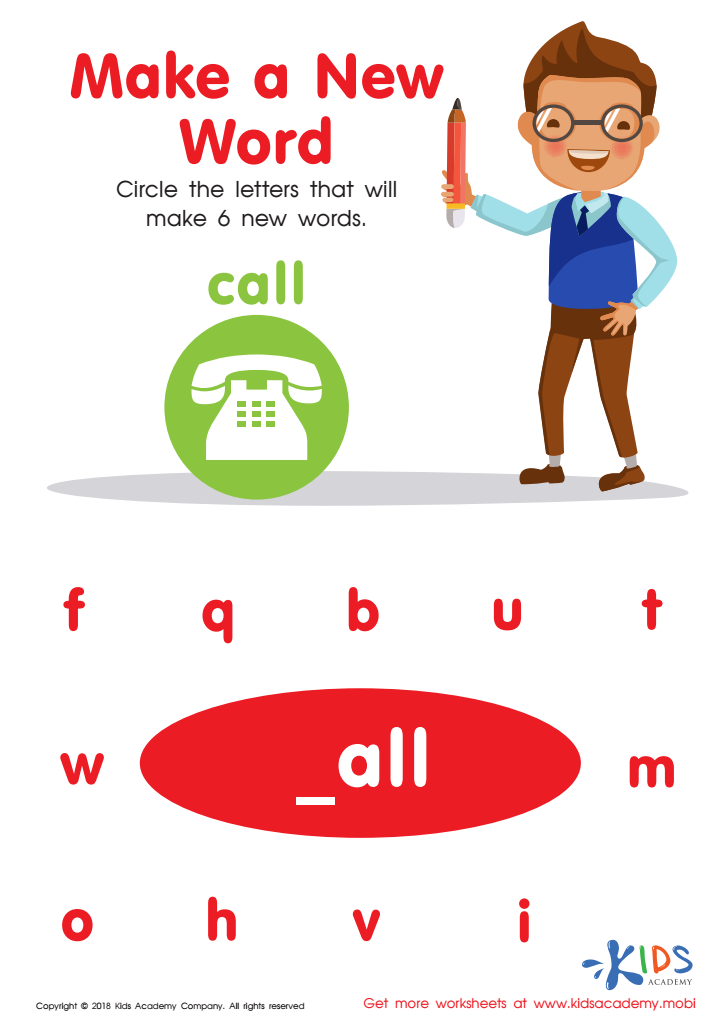
Make a New Word Worksheet








Building vocabulary for children aged 6-8 is crucial for several reasons. First, it lays the foundation for reading comprehension. Young children who possess a broad vocabulary can better understand the stories they read and relate to the material, fostering a love for reading. This comprehension is not just about understanding words, but about understanding complex ideas, making connections and predictions, and engaging with the text more deeply.
Second, a strong vocabulary enhances communication skills. When children have the words to express their thoughts and emotions clearly, they can communicate more effectively with peers and adults. This ability to articulate themselves improves social interactions and helps build strong relationships.
Moreover, a rich vocabulary contributes to academic success across all subjects. It aids in following instructions accurately, understanding new concepts, and participating actively in classroom discussions. Children with a robust vocabulary often show greater confidence in their learning abilities.
Finally, expanding vocabulary ensures long-term cognitive benefits. It stimulates brain development, improves memory, and nurtures critical thinking skills. By participating in Extra Challenge Building Vocabulary activities, parents and teachers can provide children with engaging ways to encounter and learn new words, thereby supporting their overall cognitive and social growth. Investing time in vocabulary enrichment during these formative years sets the stage for lifelong learning and development.