Extra Challenge Writing Worksheets for Ages 6-9 - Page 3
52 filtered results
-
From - To
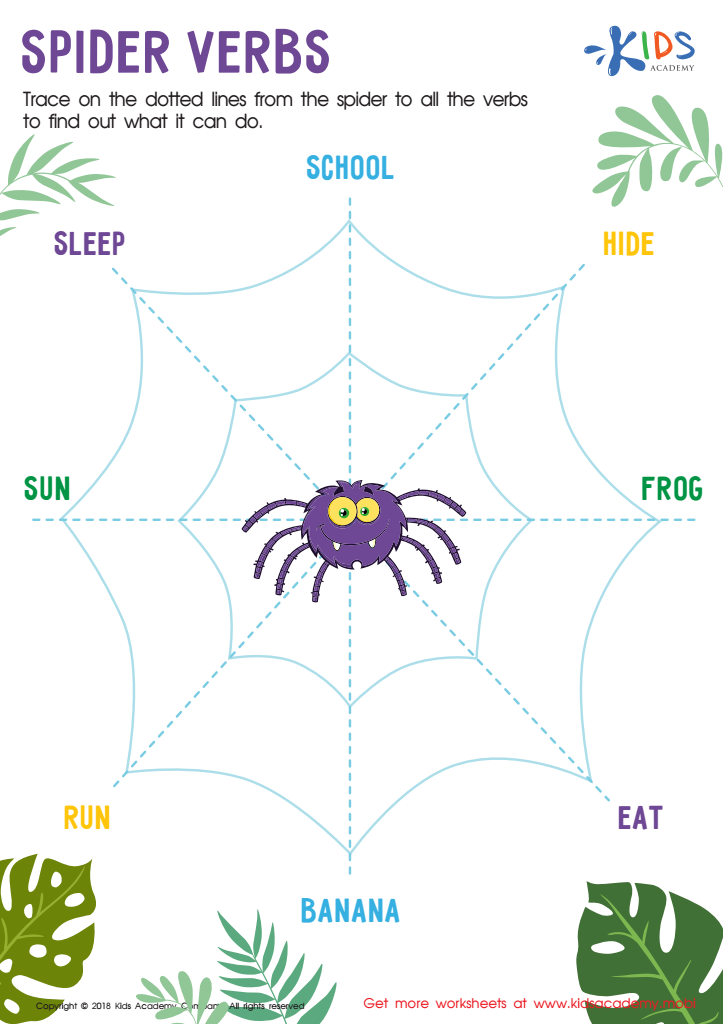
Spider Verbs Worksheet
 Assign to My Students
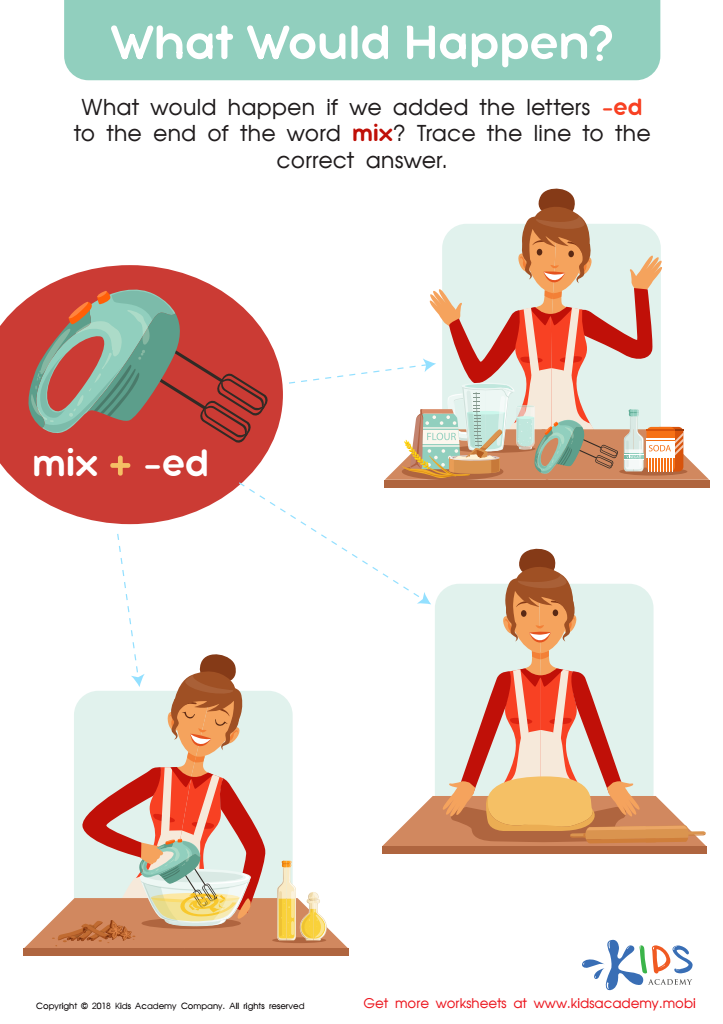
What Would Happen? Worksheet
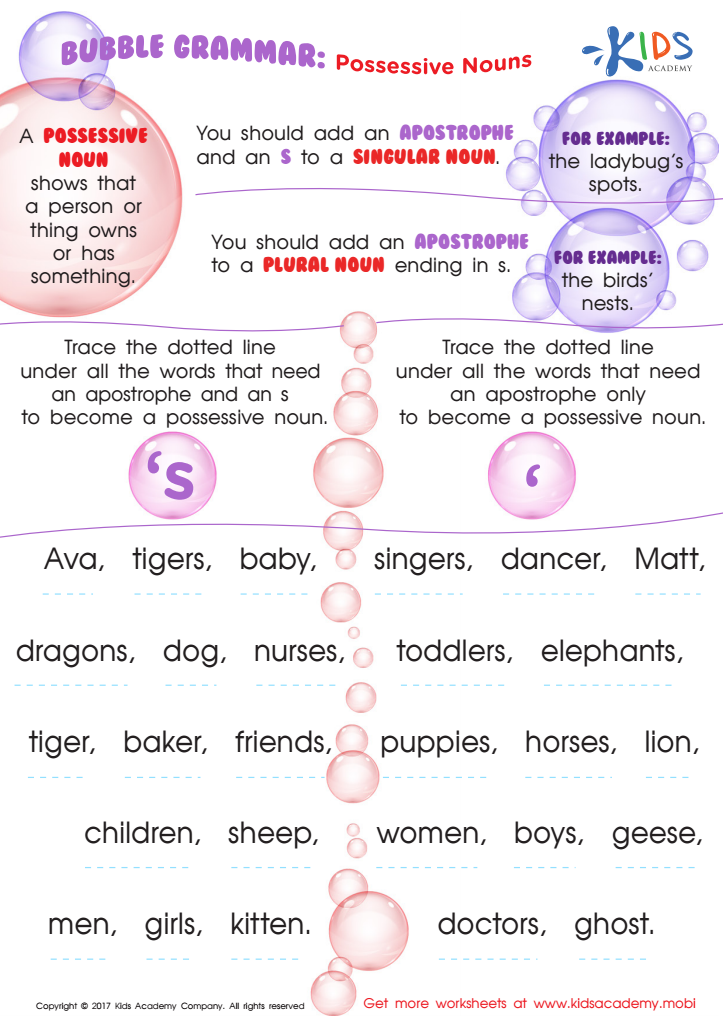
Possessive Nouns Worksheet for Grade 3 PDF
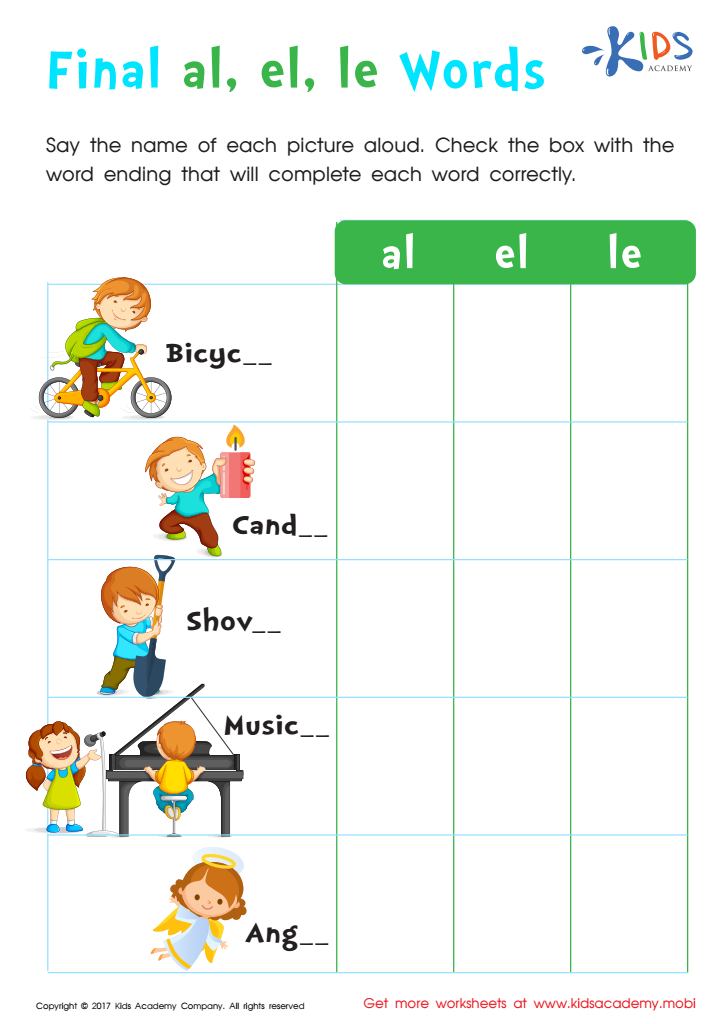
Spelling Words Ending with –le, –el and –al Worksheet


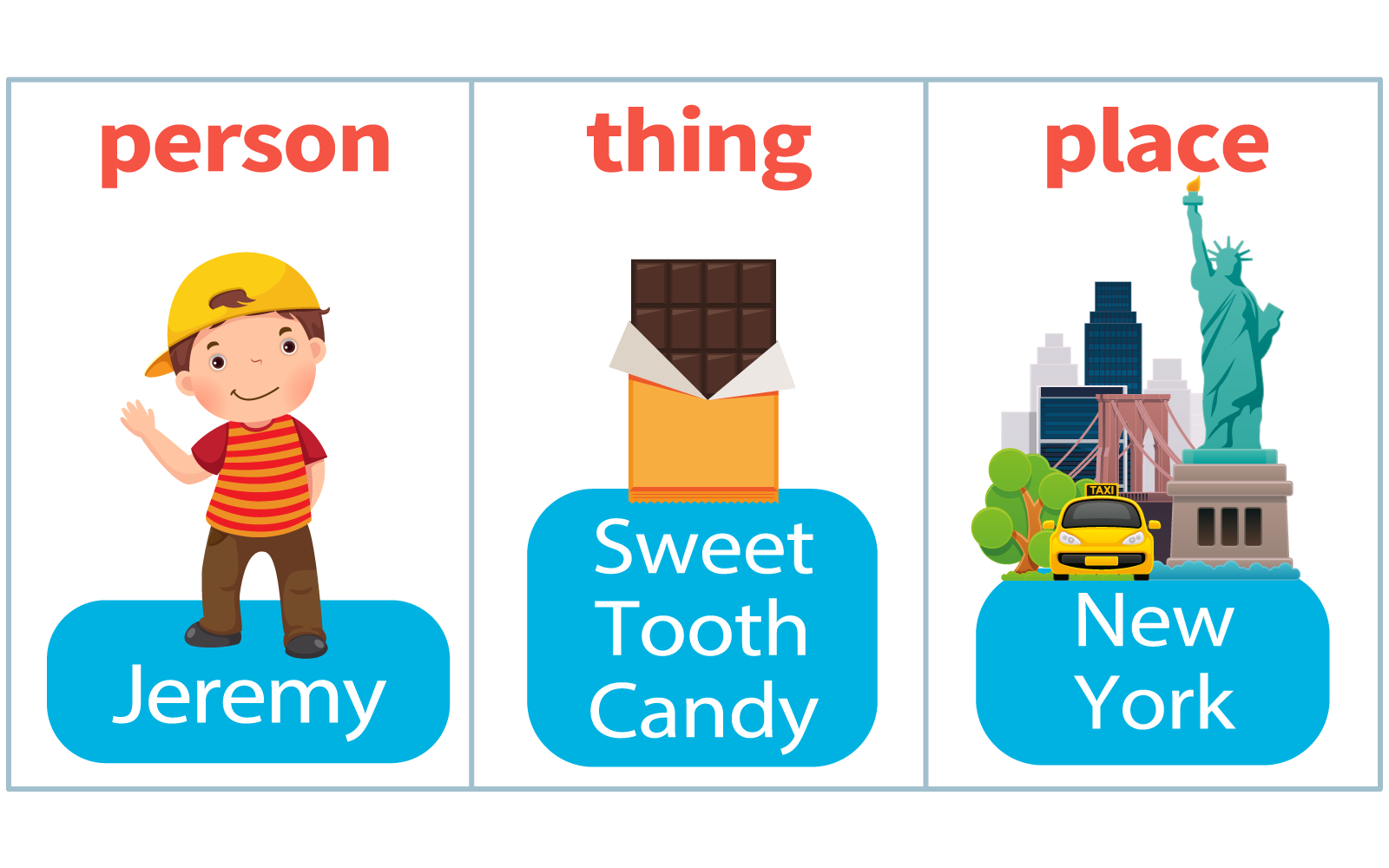




Extra Challenge Writing for ages 6-9 is essential for fostering essential literacy skills and encouraging creativity in young learners. During this developmental stage, children's ability to express themselves through writing significantly influences their overall academic success and self-confidence. Engaging in Extra Challenge Writing activities promotes critical thinking, expands vocabulary, and enhances grammar and sentence structure. It allows children to explore their thoughts and emotions in a safe environment, making writing a powerful tool for self-expression.
Moreover, Extra Challenge Writing nurtures a love for reading and storytelling by encouraging children to analyze and incorporate different styles and genres in their writing. When parents and teachers participate in this process, they demonstrate a commitment to cultivating these skills, actively guiding children in discovering their voices.
Furthermore, these writing exercises can aid in building resilience and perseverance as students face challenges in their writing prompt or subject matter. Ultimately, investing time in Extra Challenge Writing empowers young learners to become not just competent writers but confident communicators, setting a strong foundation for their academic journey and personal growth. Thus, both parents and teachers should prioritize these writing activities to enrich children's educational experience and ensure they thrive as successful individuals.