Normal Long And Short Vowel Worksheets for Ages 3-6
8 filtered results
-
From - To
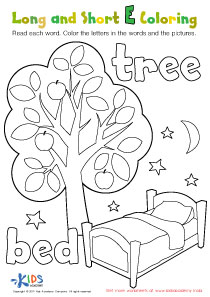
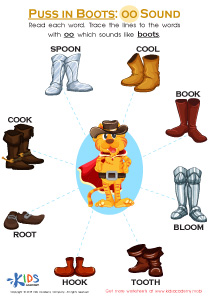
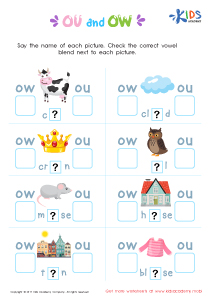
Explore our collection of Normal Long and Short Vowel Worksheets designed for ages 3-6. These engaging worksheets help young learners differentiate between long and short vowel sounds, critical for reading and spelling skills. Each printable worksheet features colorful images and simple activities to keep kids interested and motivated. Perfect for preschoolers, kindergarteners, and first graders, our worksheets provide a solid foundation in phonics and early literacy. Whether homeschooling or supplementing classroom learning, these resources are tailored to support your child’s language development in an interactive and fun way. Download and start learning today!
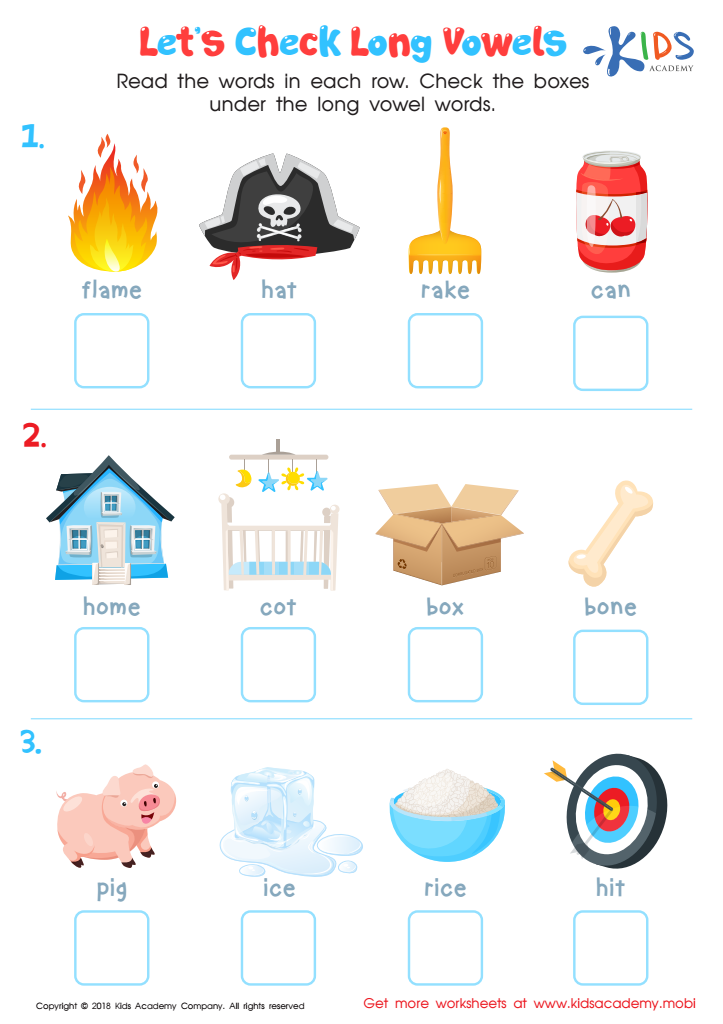
Let's Check Long Vowels: Assessment Worksheet
 Assign to My Students
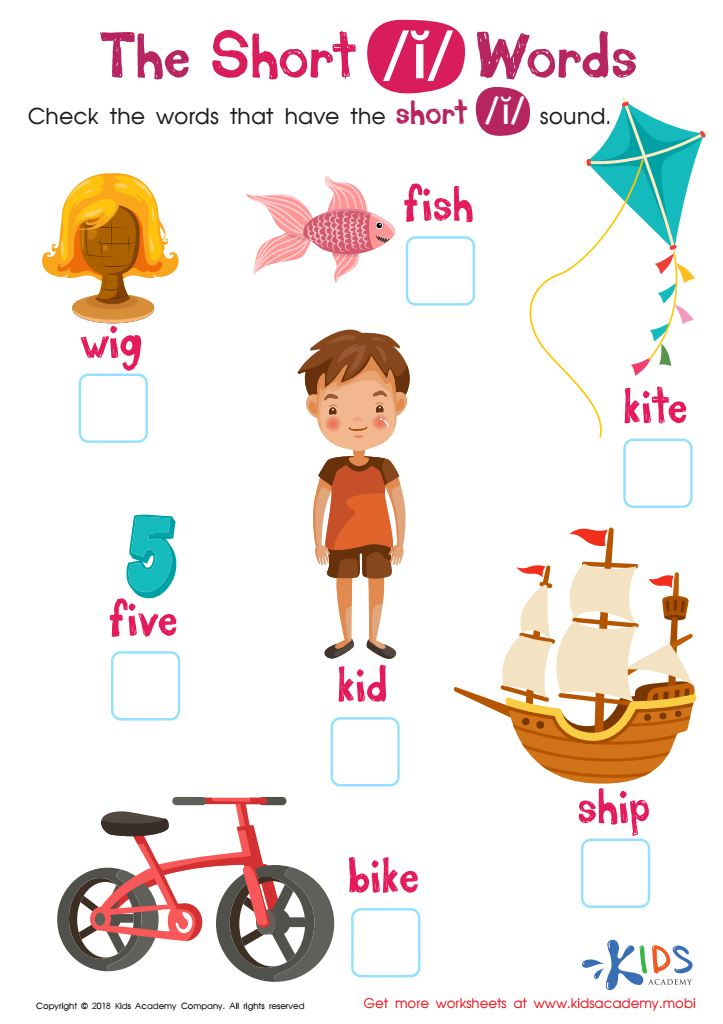
The Short I Words Reading Worksheet
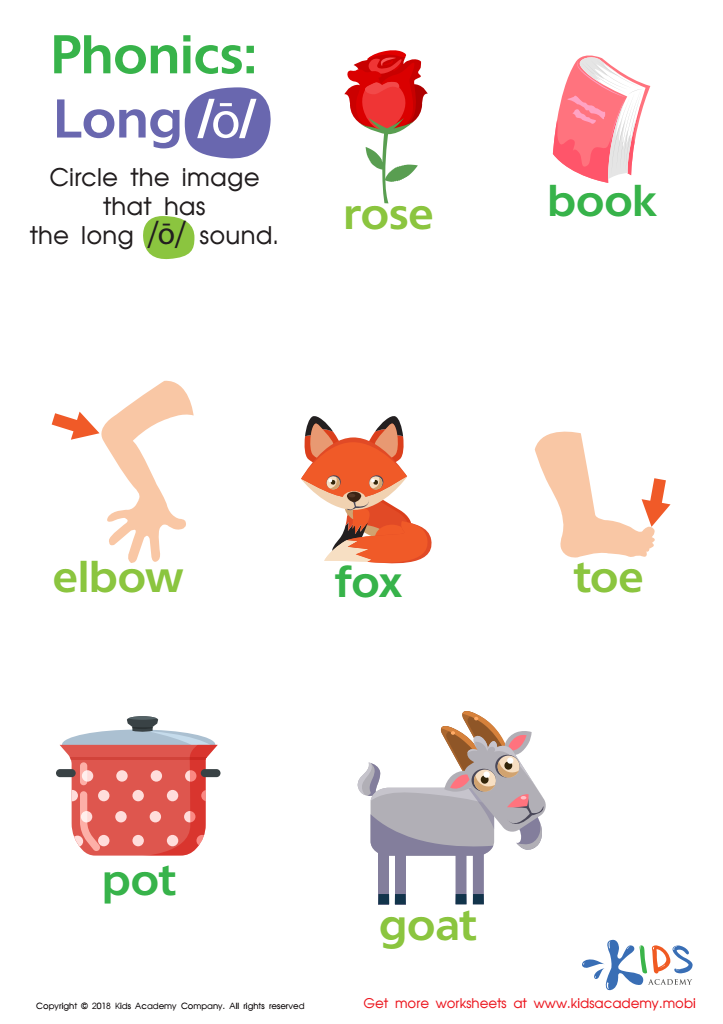
Phonics Long O Reading Worksheet
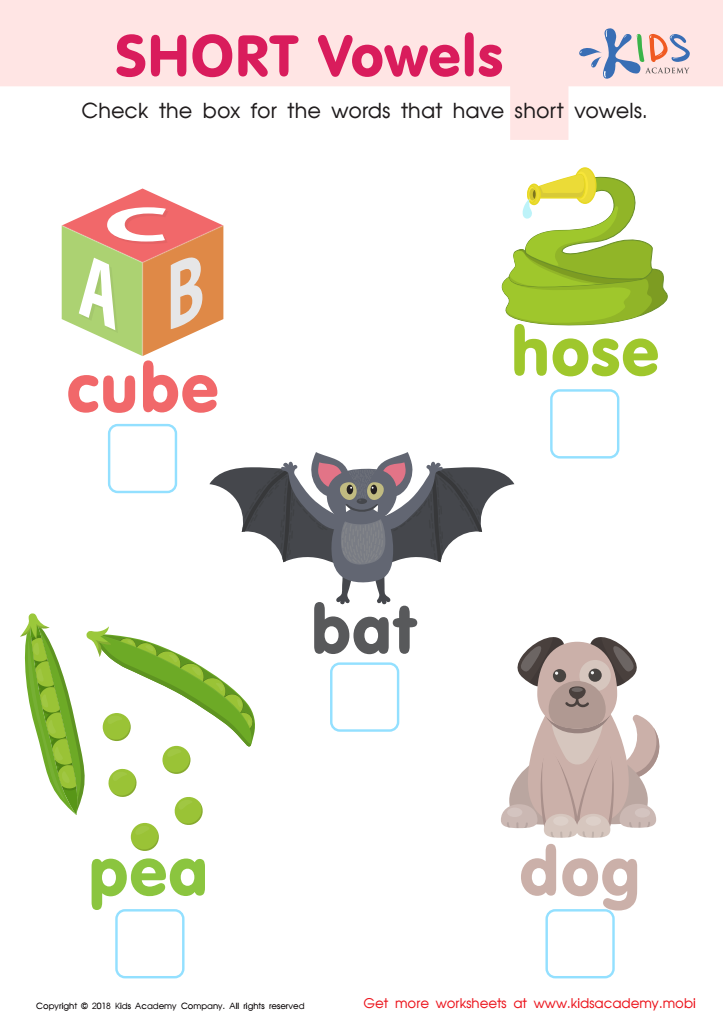
short vowels Worksheet
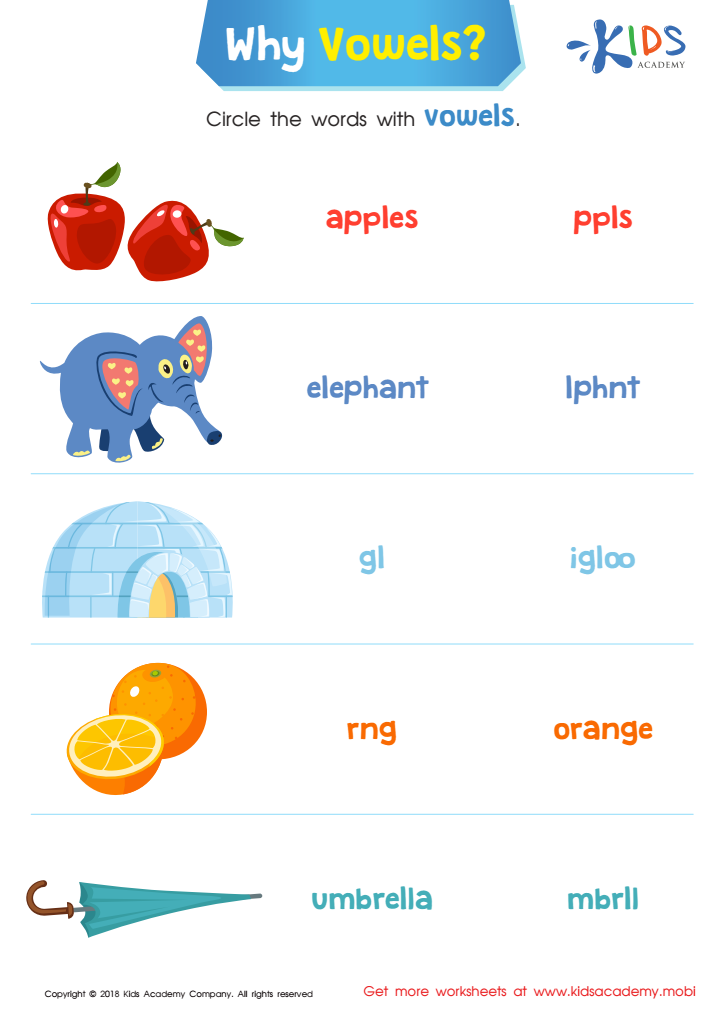
Why Vowels? Reading Worksheet
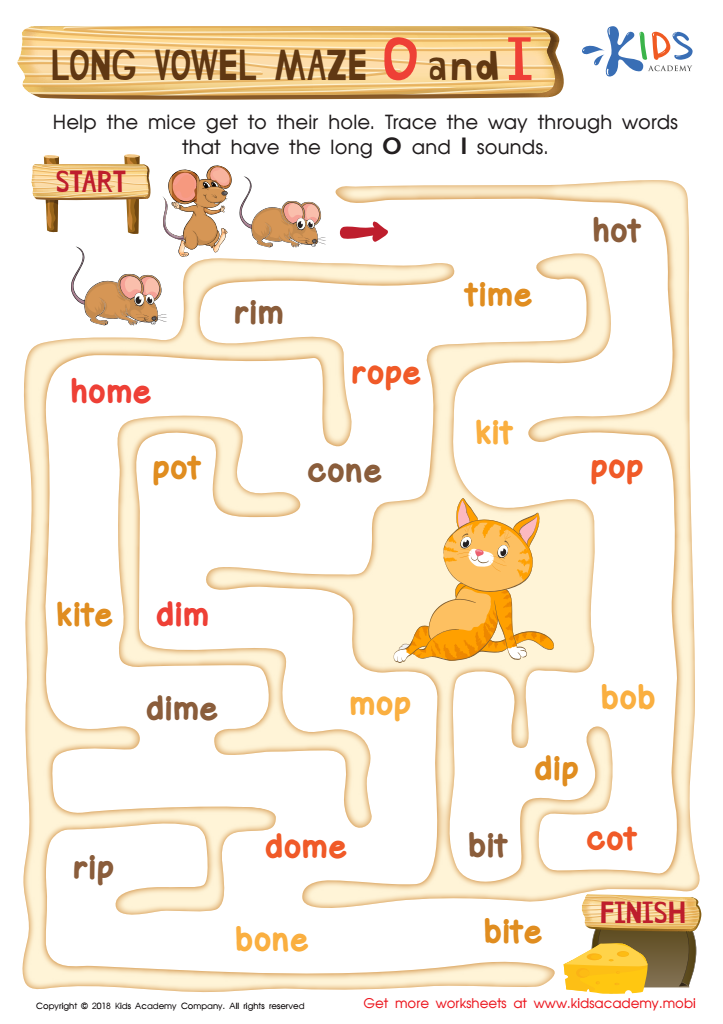
Long Vowel Maze /o/ and /i/ Worksheet
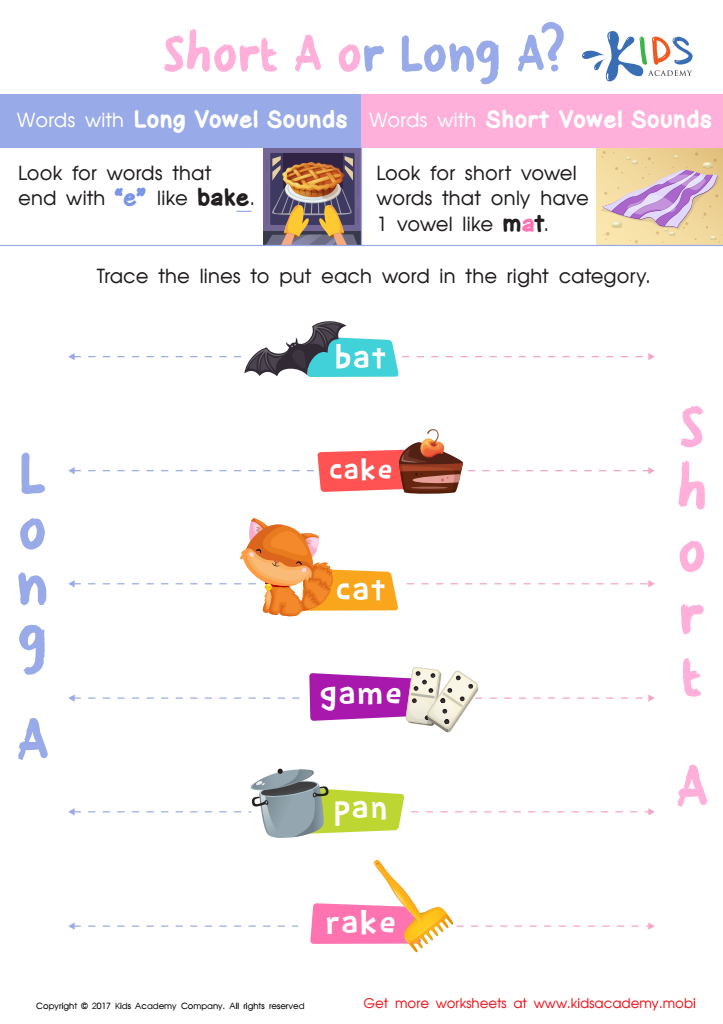
Short /a/ or Long /a/? Worksheet
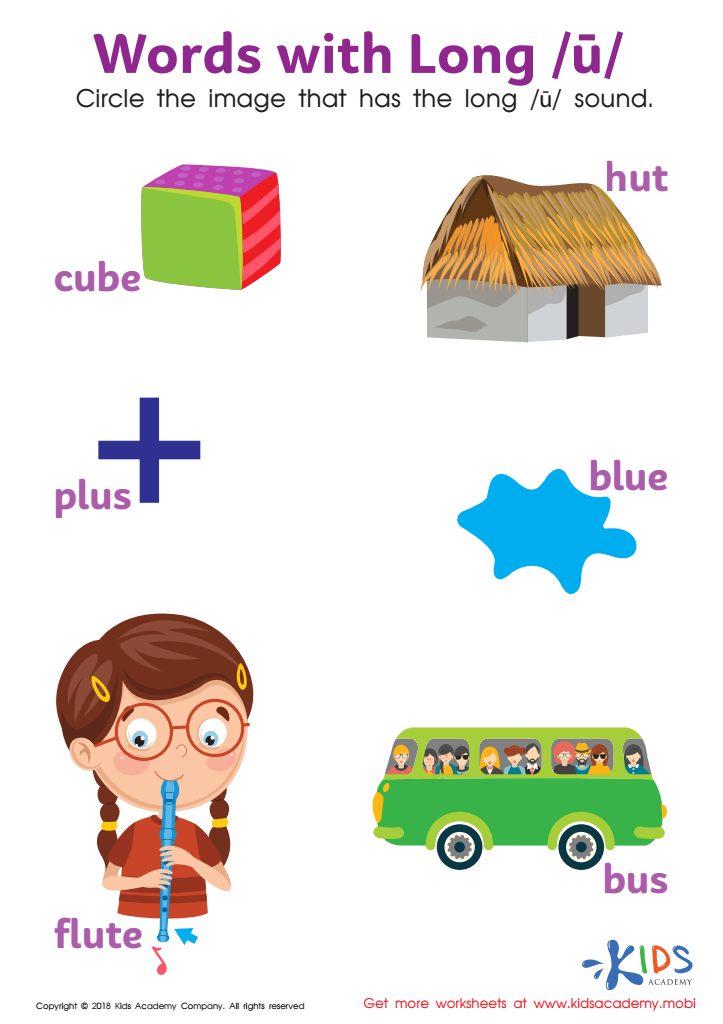
Words with Long U Reading Worksheet




Understanding normal long and short vowels is crucial for the language development of children aged 3-6. This period, known as the early childhood stage, is critical for laying the foundations for reading and writing skills. Vowels form the core sounds in many words, and recognizing their patterns helps children in decoding unfamiliar words quickly, which enhances their reading fluency.
Long and short vowels affect the meaning of words. For example, "cap" and "cape" or "mad" and "made" illustrate how vowel length can change word meanings entirely. Early comprehension of these differences enables children not only to spell and pronounce words correctly but also to understand context more effectively, contributing to their overall cognitive development and communication skills.
Moreover, phonetic awareness, including the distinction between long and short vowels, is predictive of later reading success. Children who grasp these fundamentals tend to progress faster in literacy, showing better academic performance in various subjects. It also provides a strong base for learning more complex aspects of phonics and spelling conventions.
Parents and teachers should therefore engage in activities like reading aloud, playing phonics games, or using educational tools to reinforce these concepts. Early and consistent interaction with vowel sounds equips children with the skills needed for lifelong learning and effective communication.