Normal Plants and Animals Worksheets for Ages 3-6 - Page 3
55 filtered results
-
From - To
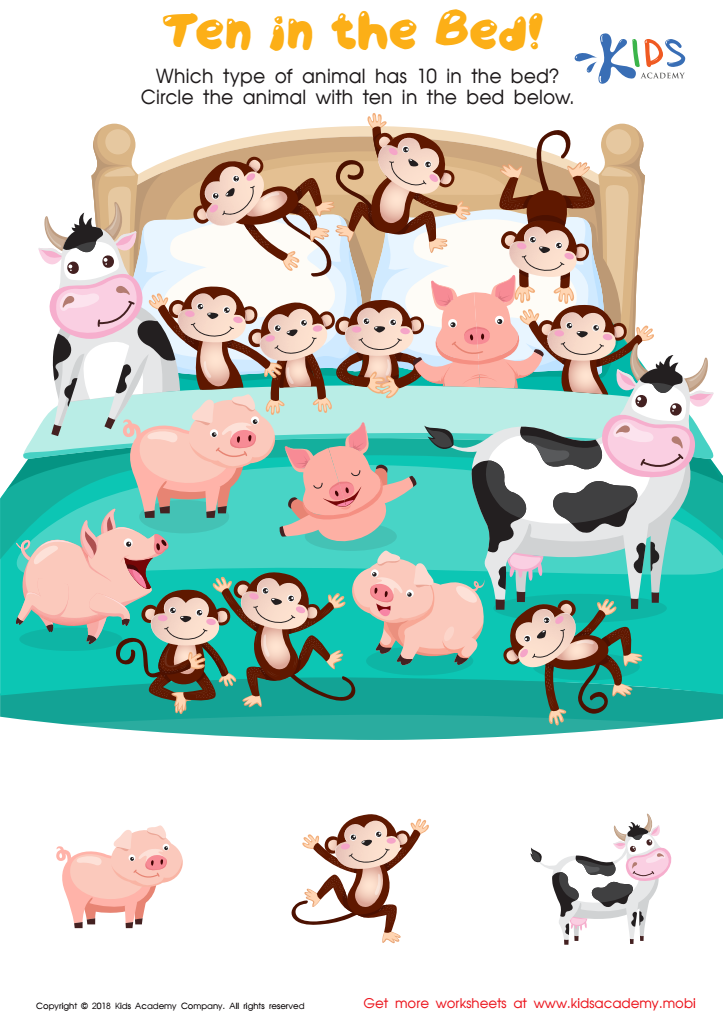
Ten in the Bed Worksheet
 Assign to My Students
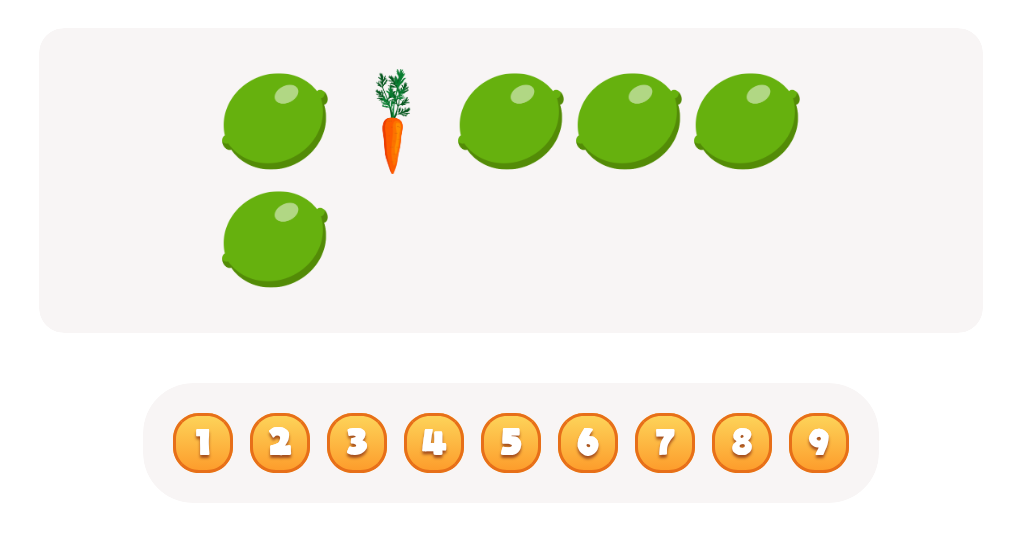

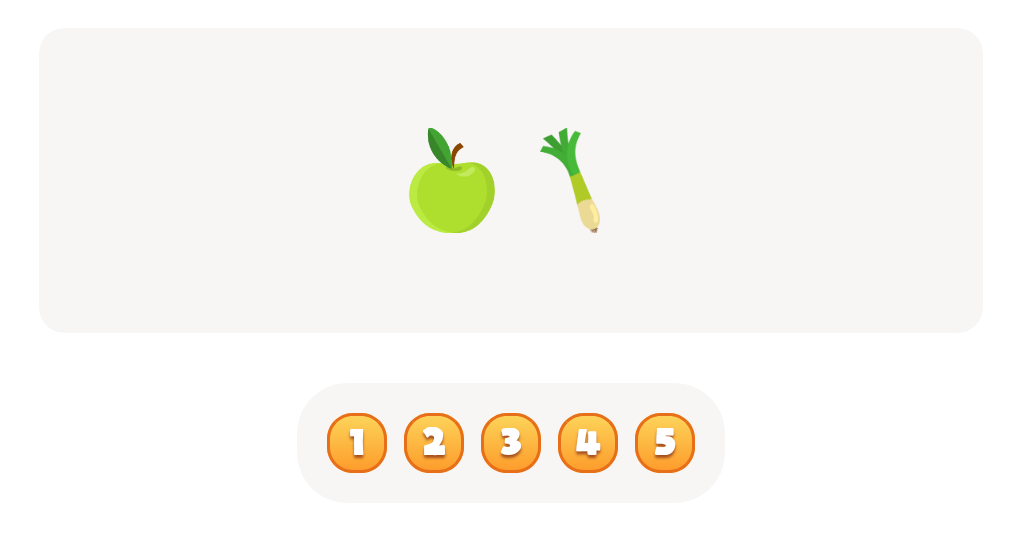
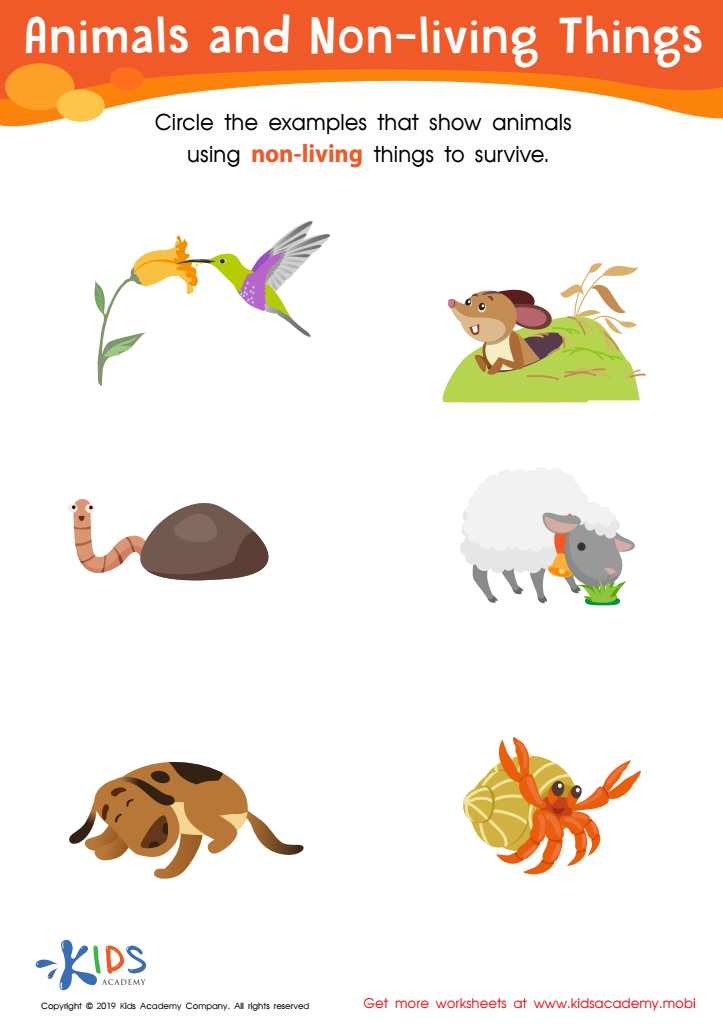
Animals and Non-Living Things Worksheet
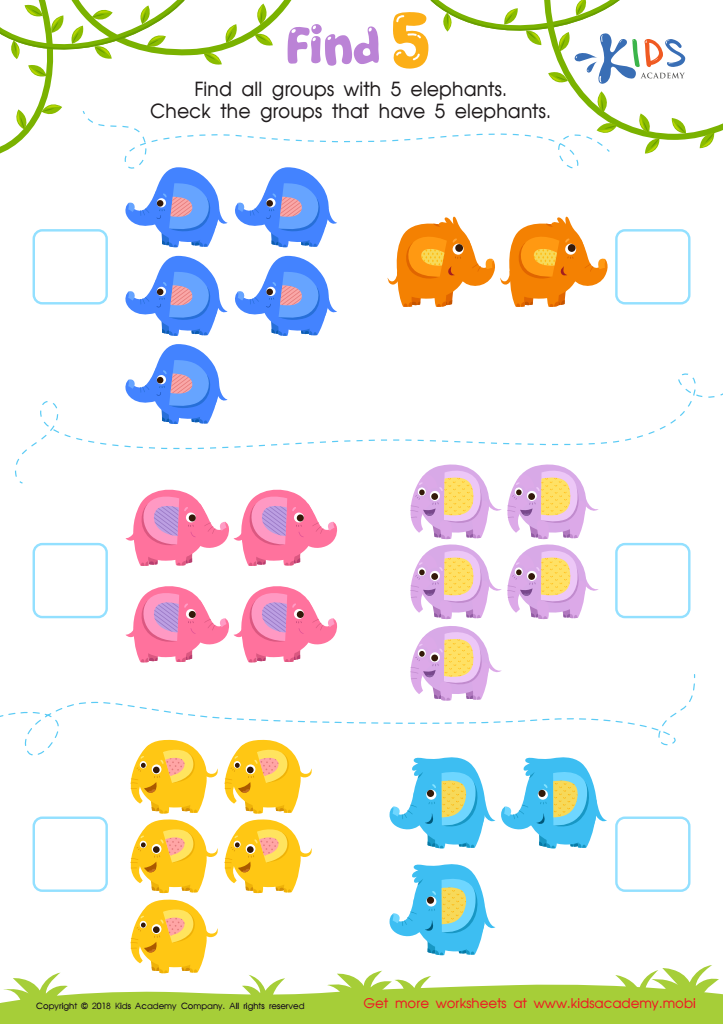
Find 5 Worksheet
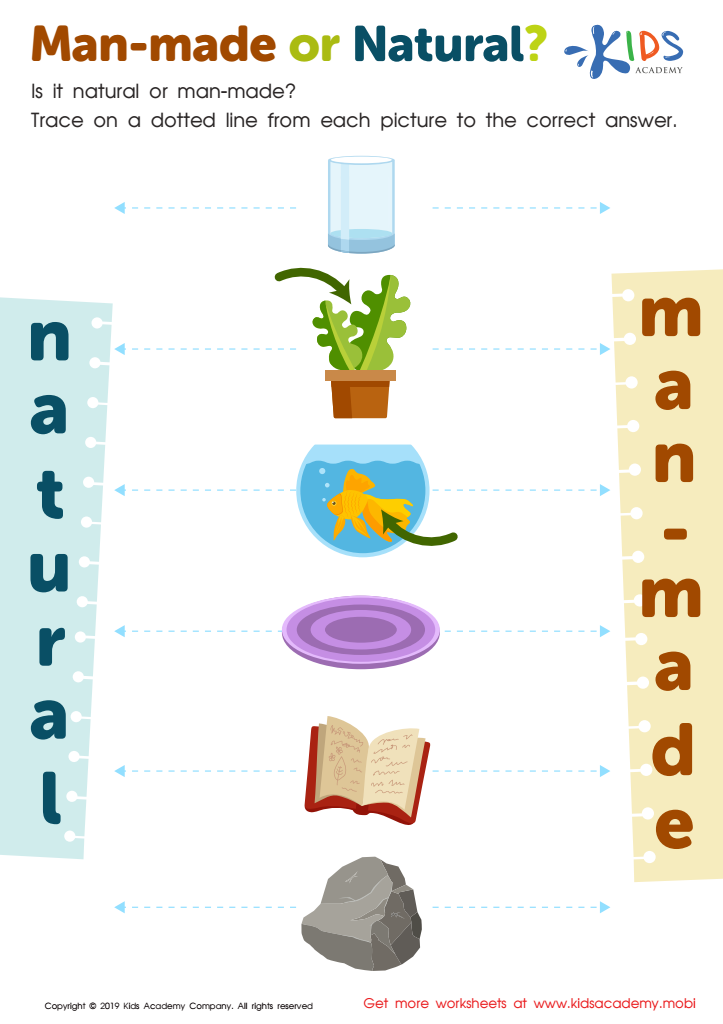
Man-Made or Natural? Worksheet
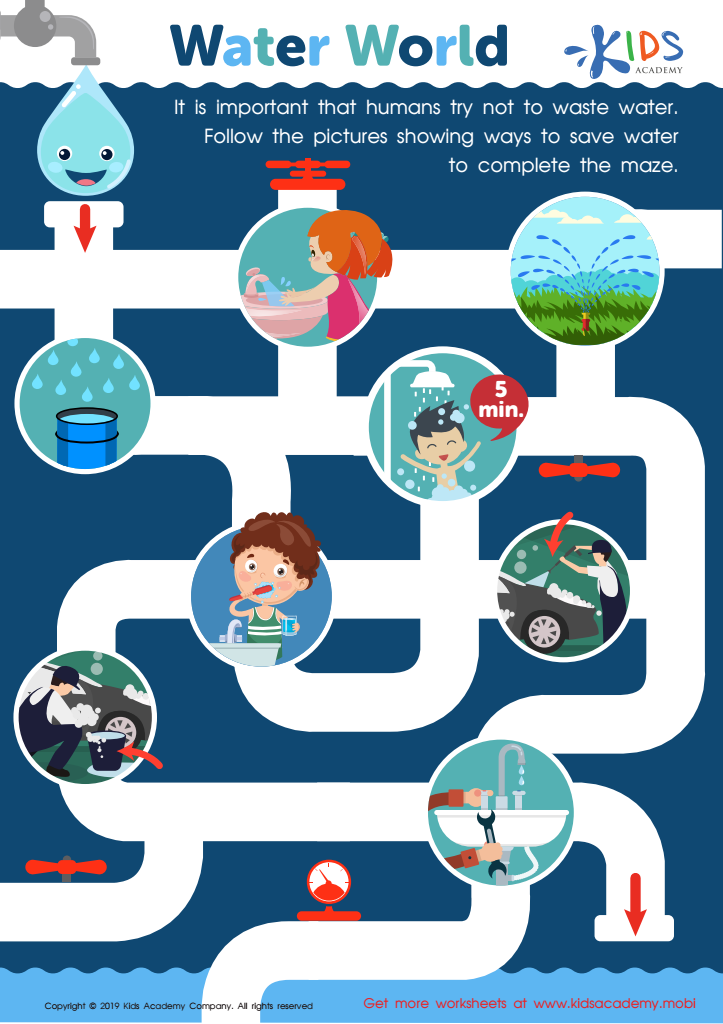
Water World Worksheet
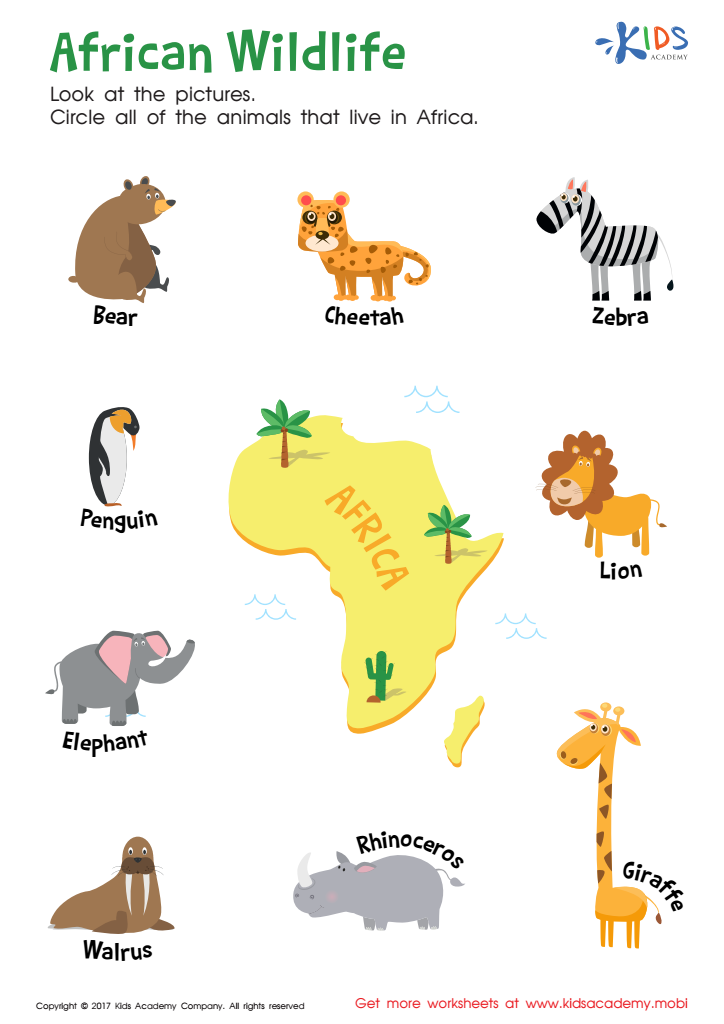
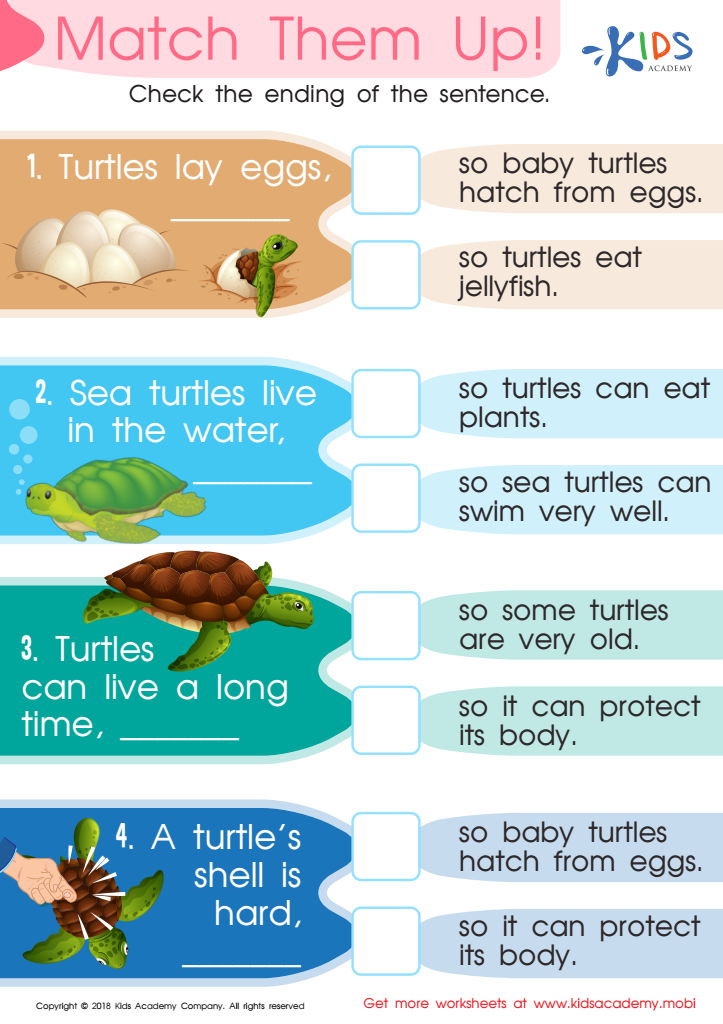
Match Them Up Worksheet








Understanding normal plants and animals is crucial for parents and teachers working with children ages 3-6, as this foundational knowledge fosters curiosity, connection to nature, and lifelong learning. At this age, children are naturally inquisitive, and exploring the characteristics of everyday plants and animals helps satisfy their curiosity. Learning about these living organisms encourages observational skills and critical thinking, as children begin to classify and compare different species.
Exposure to the natural world instills an appreciation for biodiversity and promotes environmental stewardship. Early education on plants leads to discussions about healthy eating, as children learn where fruits and vegetables come from. Similarly, understanding local animals helps children develop empathy toward living beings and an essential awareness of ecosystem balance.
Moreover, integrating normal plants and animals into early education can enhance emotional and social development. Activities like gardening or caring for classroom pets teach responsibility and teamwork while providing opportunities for hands-on experiences. In short, by emphasizing the importance of normal plants and animals, parents and teachers create enriching experiences that nurture children’s cognitive and emotional growth, setting the stage for a more environmentally-conscious and compassionate future.