Normal Numbers 0–10 Worksheets for Ages 3-7 - Page 2
34 filtered results
-
From - To
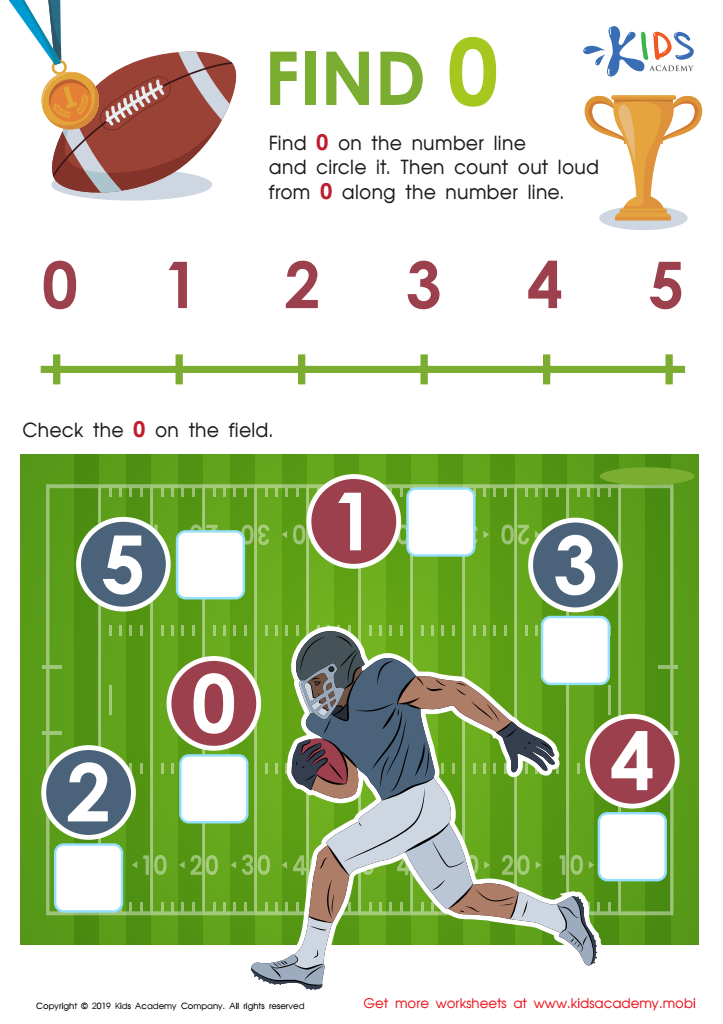
Find 0 Worksheet
 Assign to My Students
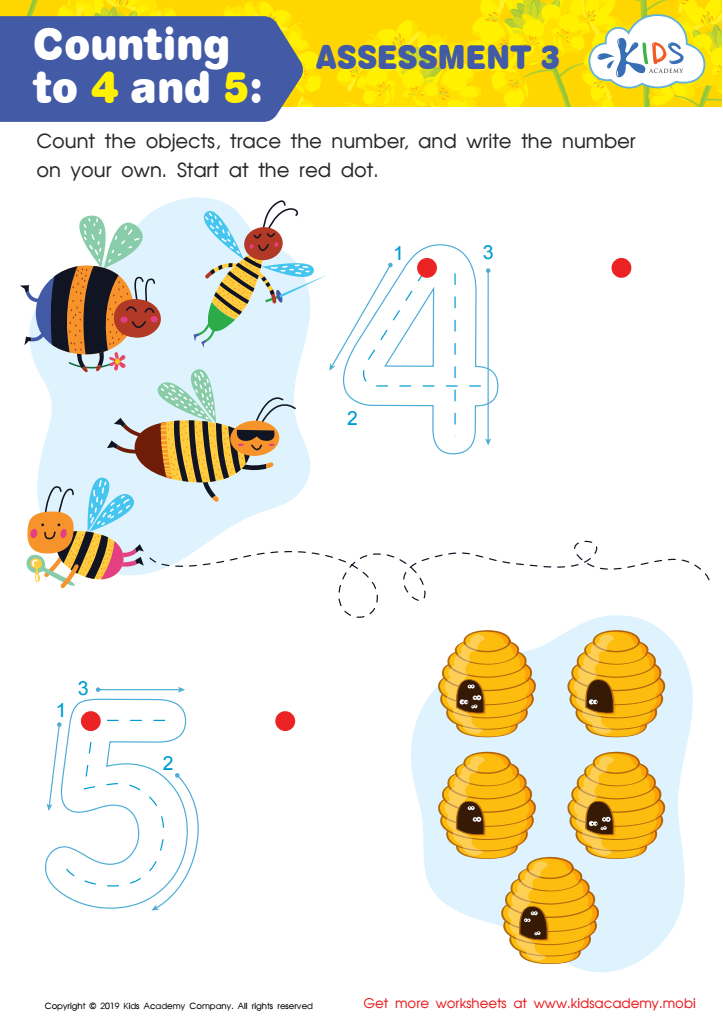
Counting to 4 and 5: Assessment 3 Worksheet
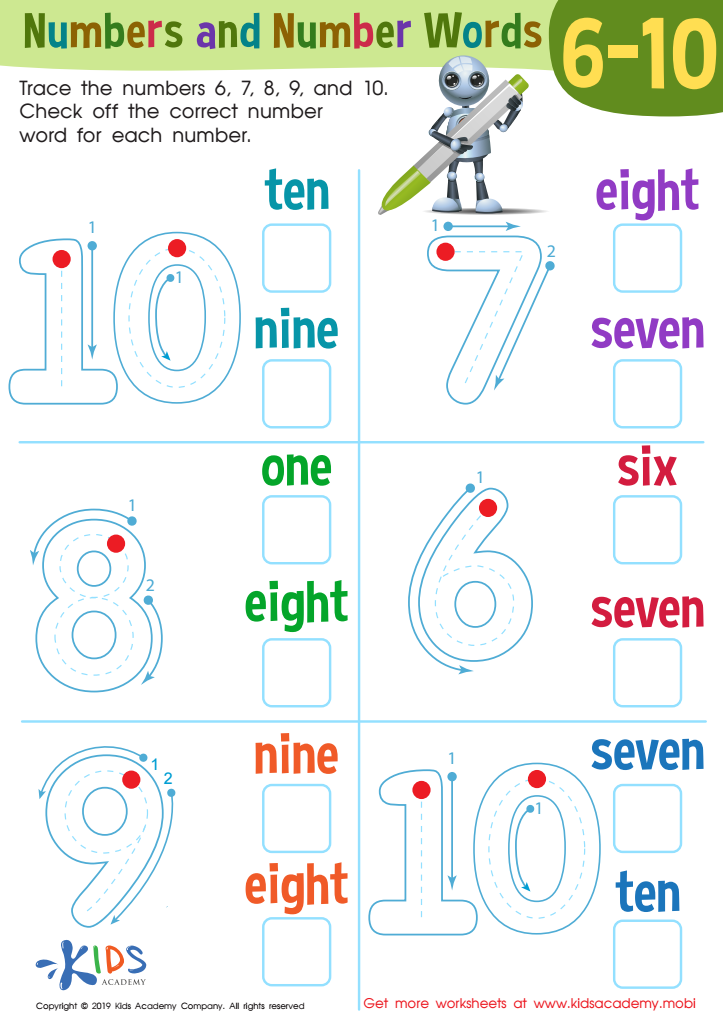
Numbers and Number Words 6–1 Worksheet
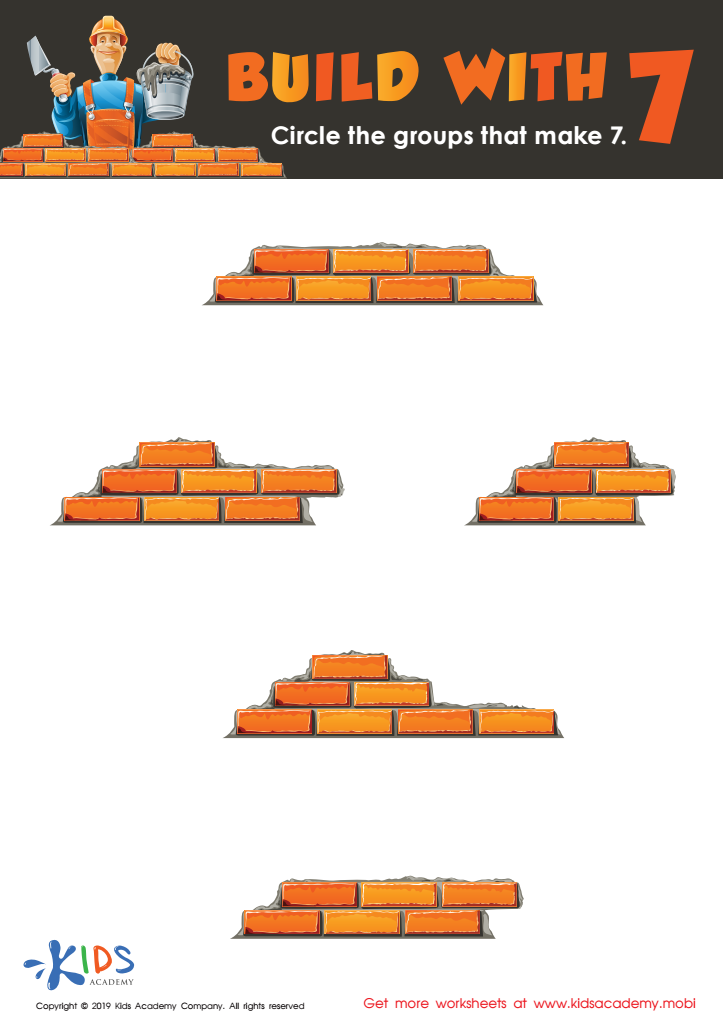
Build with 7 Worksheet
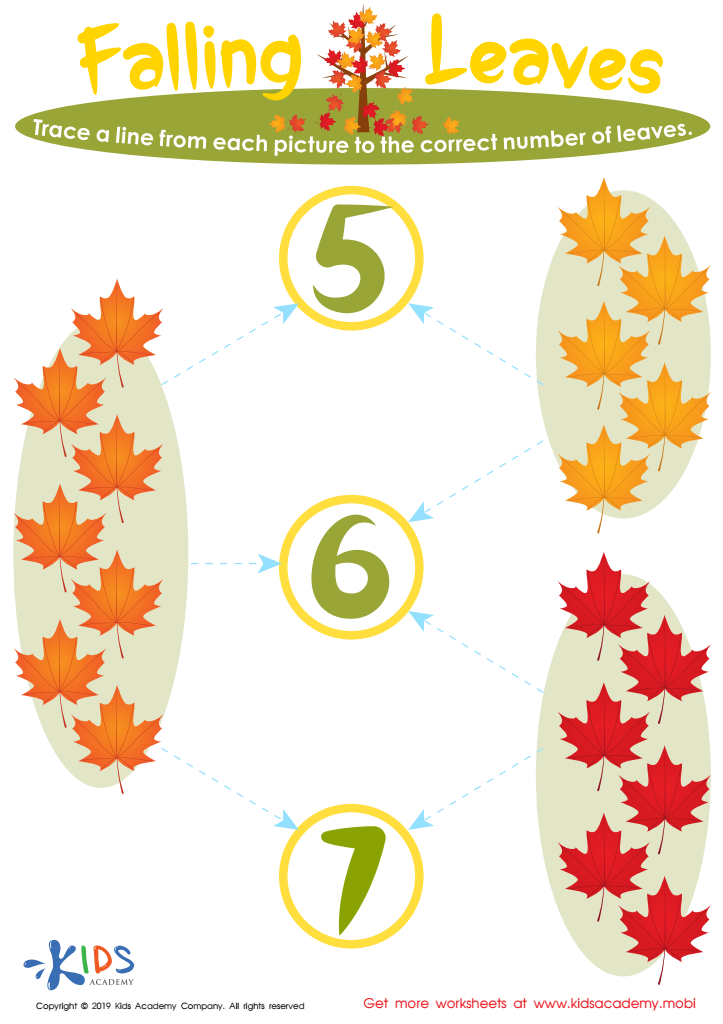
Falling Leaves Worksheet
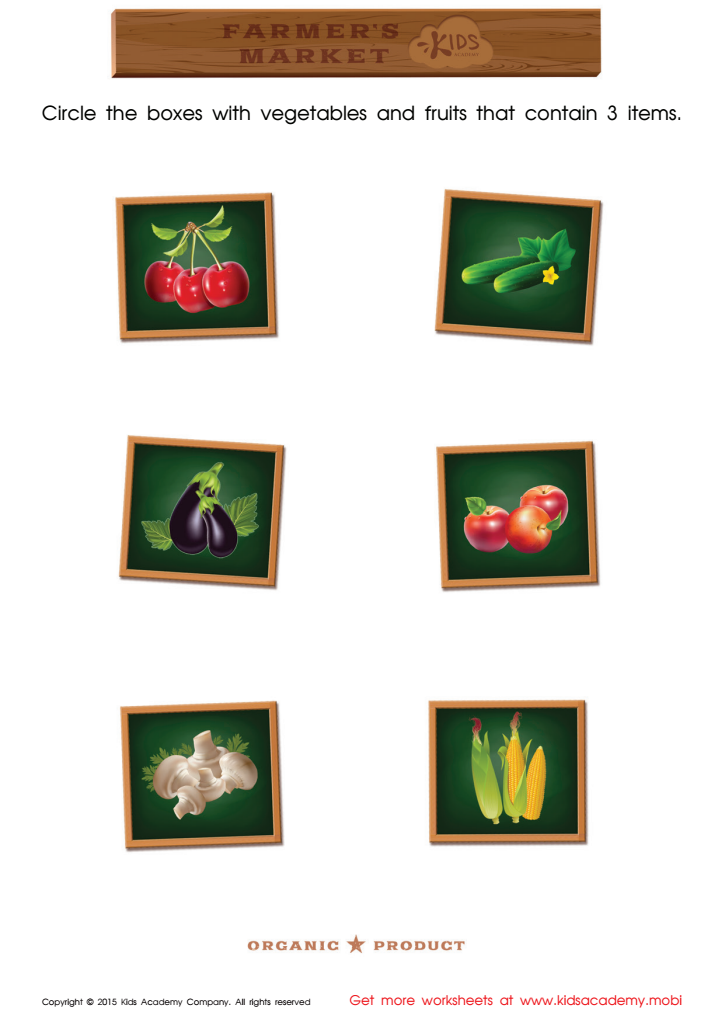
Count and Match Vegetables 1 – 5 Math Worksheet
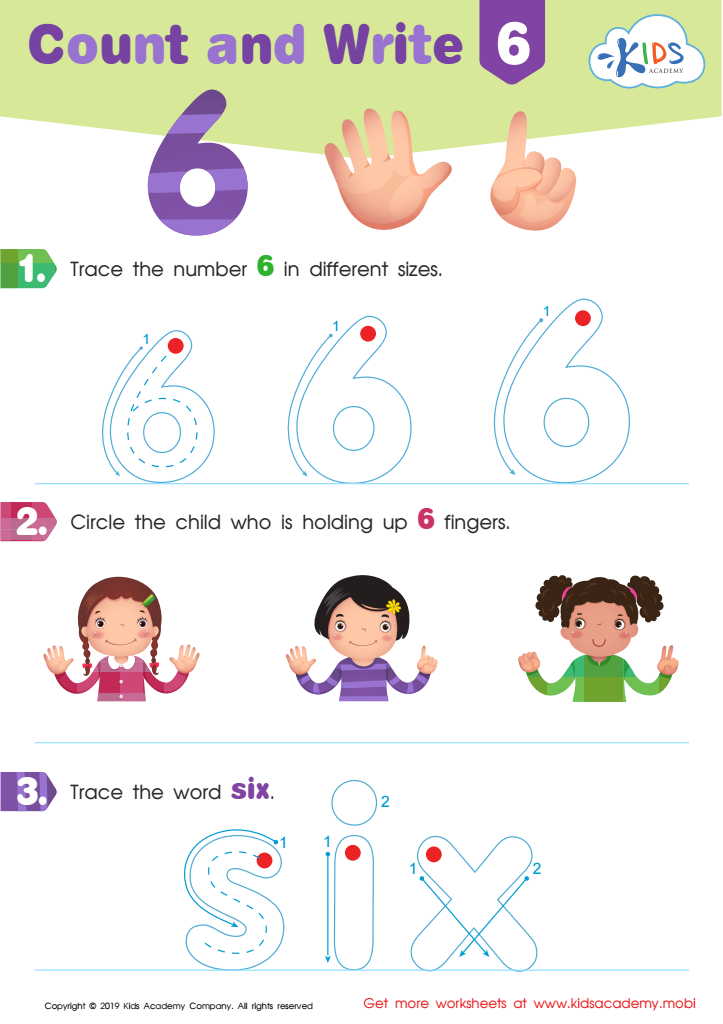
Count and Write 6 Worksheet
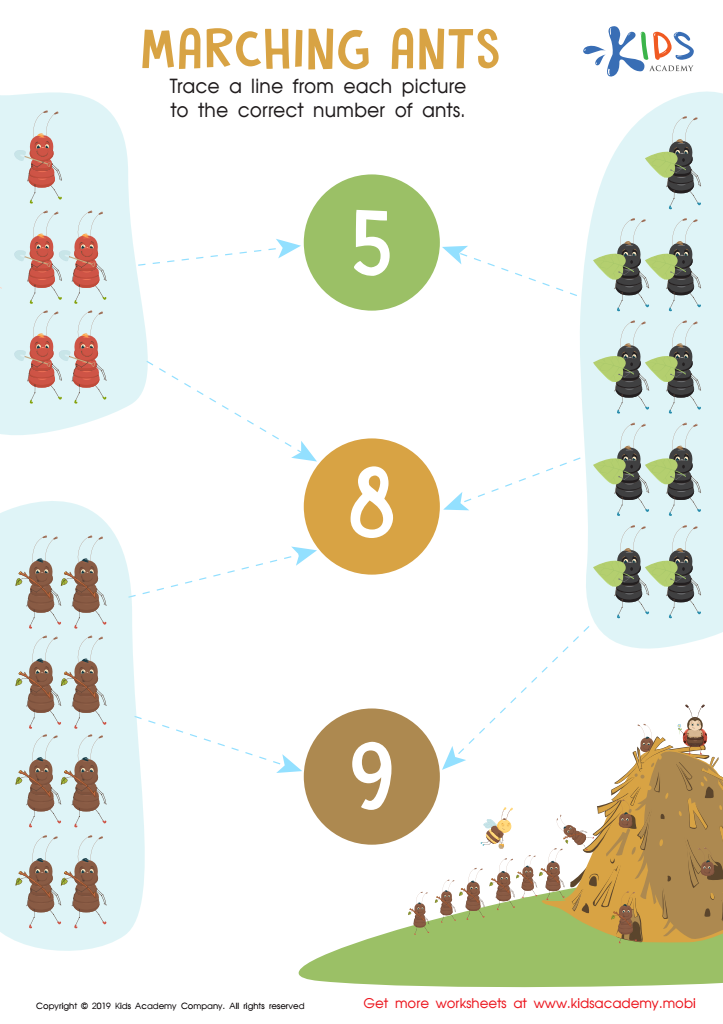
Marching Ants Worksheet
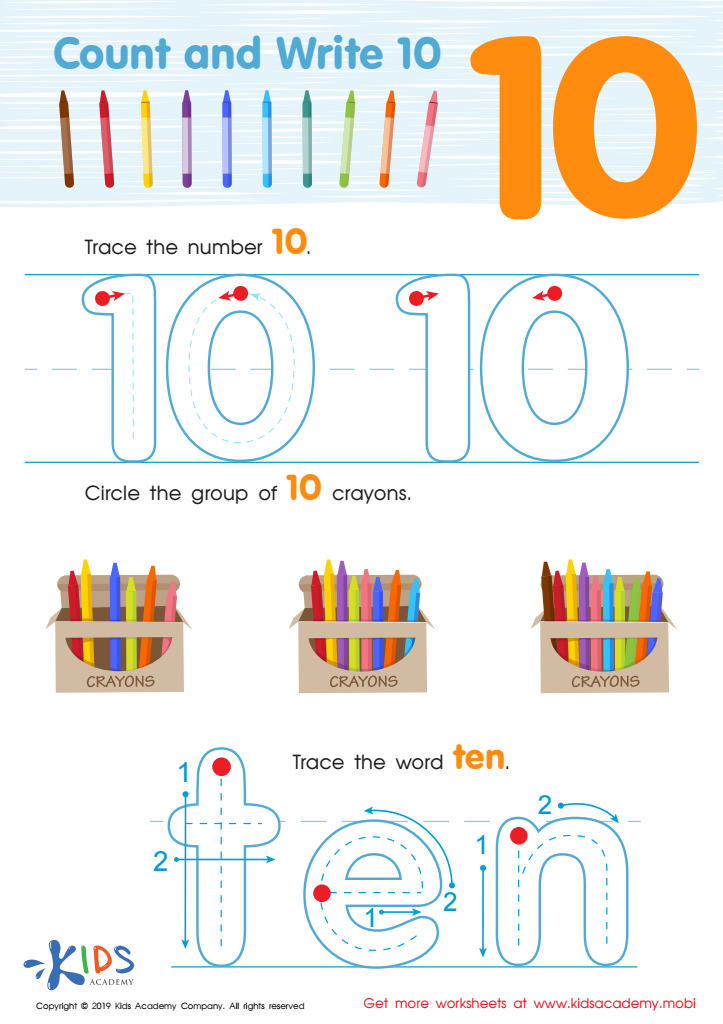
Count and Write 10 Worksheet
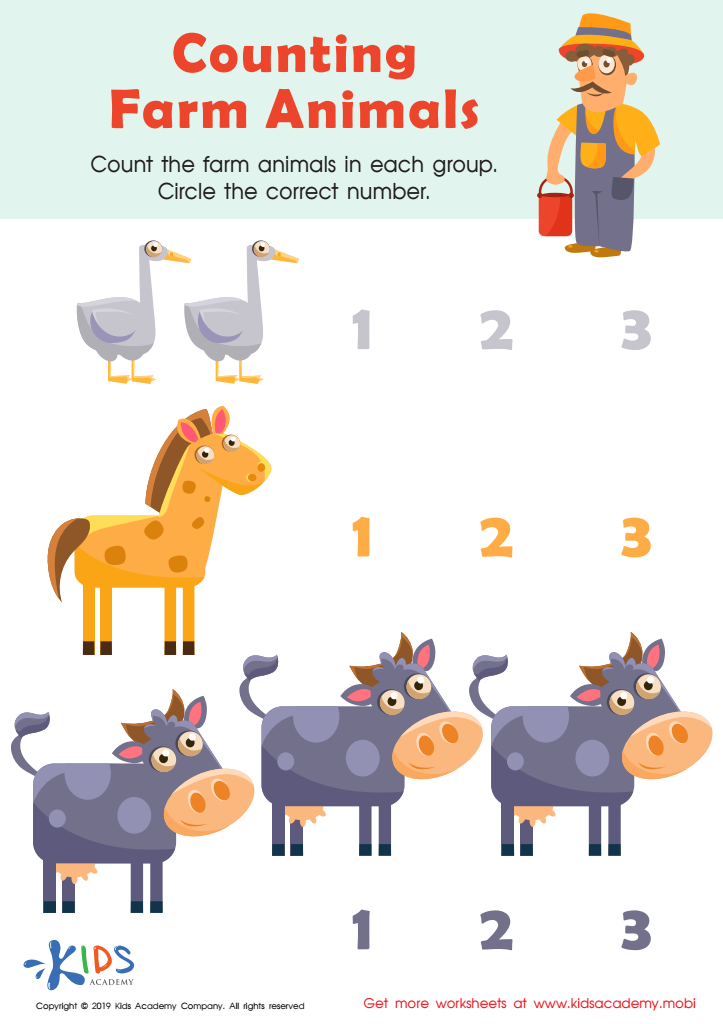
Counting Farm Animals Worksheet








Understanding and recognizing numbers 0–10 is fundamental for children aged 3-7, serving as the cornerstone for their future mathematical learning and cognitive development. Early numerical skills lay the groundwork for more complex concepts such as addition, subtraction, and problem-solving, crucial for academic success.
For parents and teachers, focusing on these numbers aids in developing numerical literacy and logical thinking. Introducing children to numbers 0–10 helps them understand quantity, sequence, and numerical relationships—key aspects that translate to real-life skills. For example, grasping that the number 3 represents three apples or toys helps bridge the gap between abstract concepts and tangible experiences.
Moreover, early mathematical competence is linked to better performance in other academic areas. Activities involving numbers can improve children’s fine motor skills and attention span as they interact with learning tools like counting blocks or number cards. Socially, engaging in counting games or group activities fosters cooperation and communication among peers.
In summary, by ensuring children have strong numerical foundations by the time they start school, parents and teachers empower them with essential skills needed for lifelong learning and adaptation in various environments. Early engagement with numbers isn’t just about academics; it prepares children for real-world interactions and problem-solving.