Normal Building Vocabulary Worksheets for Ages 3-7 - Page 6
132 filtered results
-
From - To
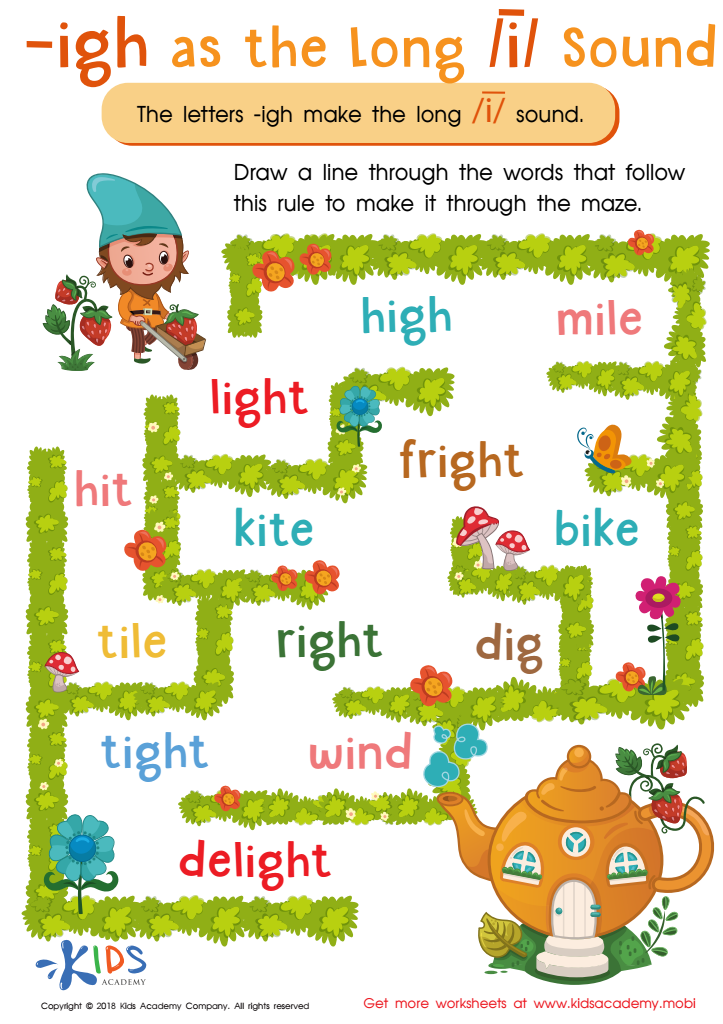
Reading: IGH as Long I Worksheet
 Assign to My Students











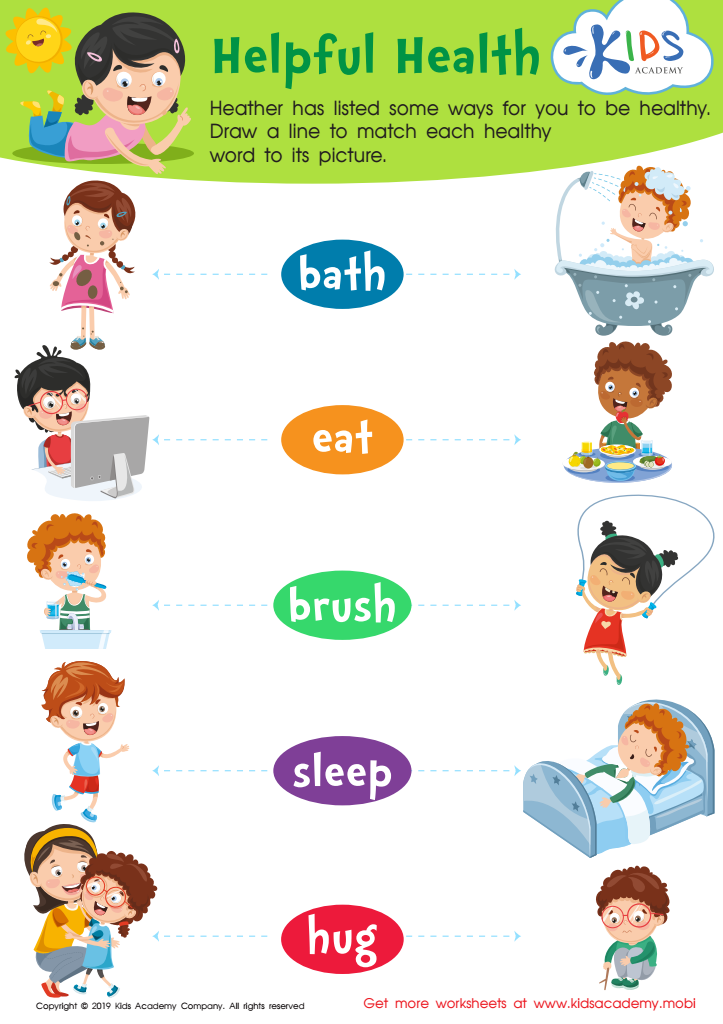
Helpful Health Worksheet
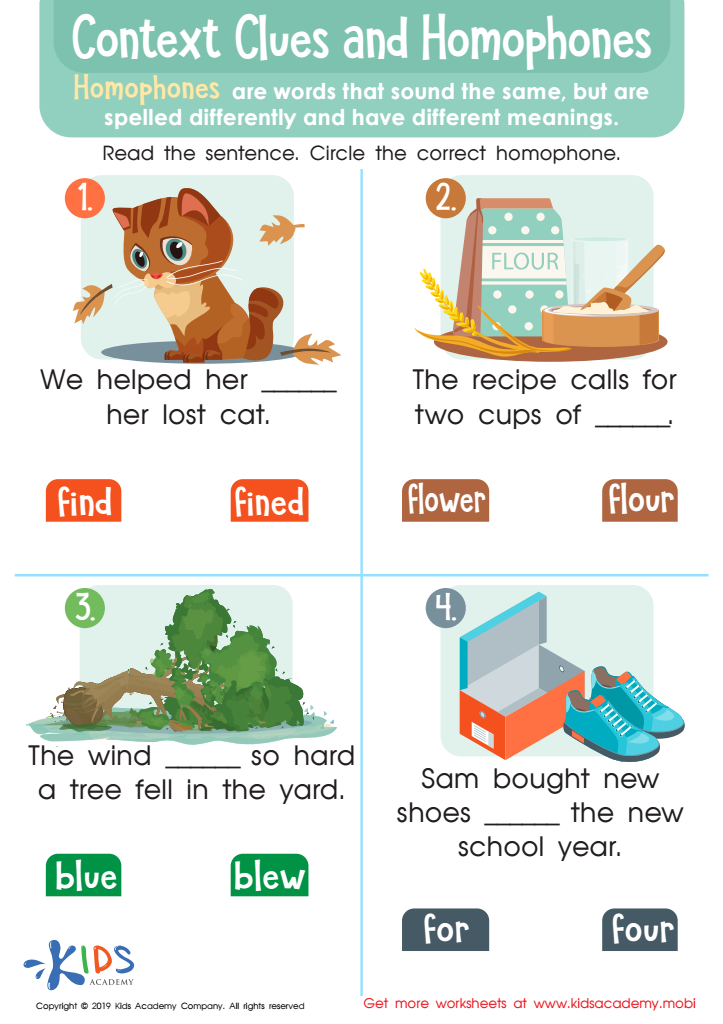
Context Clues and Homophones Worksheet
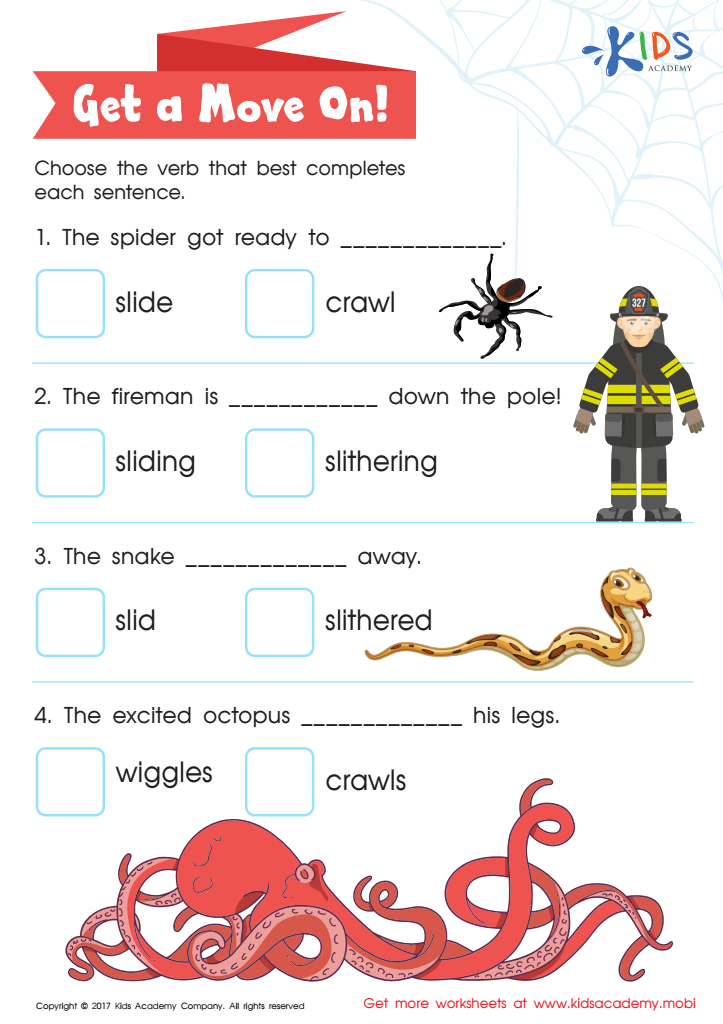
Verb Worksheet
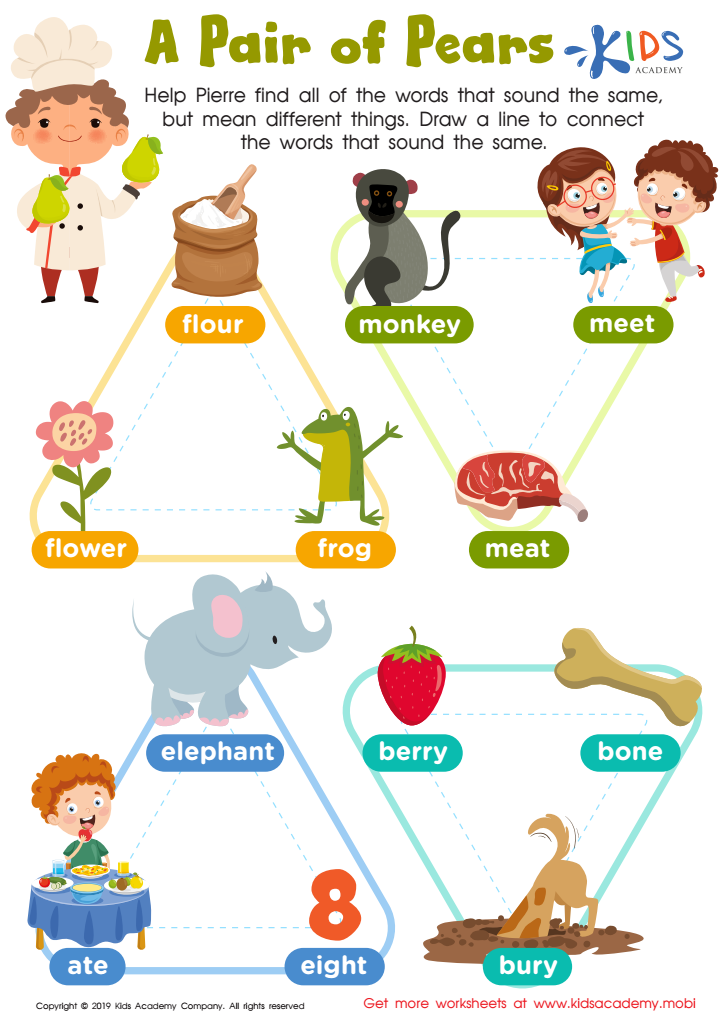
Pair Pears Worksheet
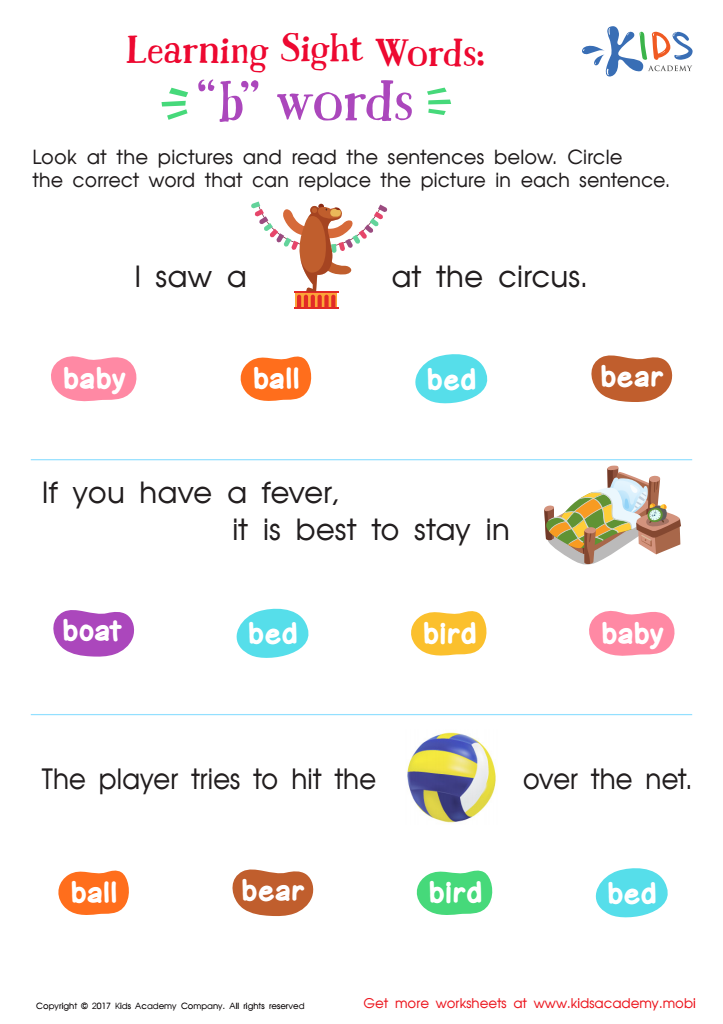
"B" Words Printable Sight Words Worksheet
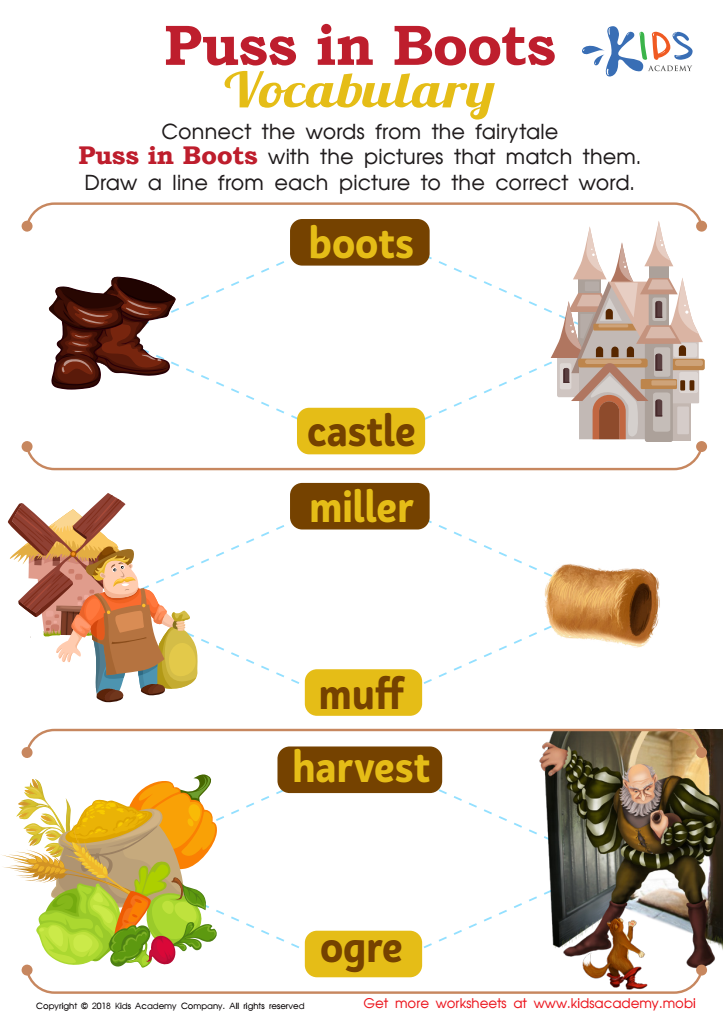
Puss in Boots Vocabulary Worksheet
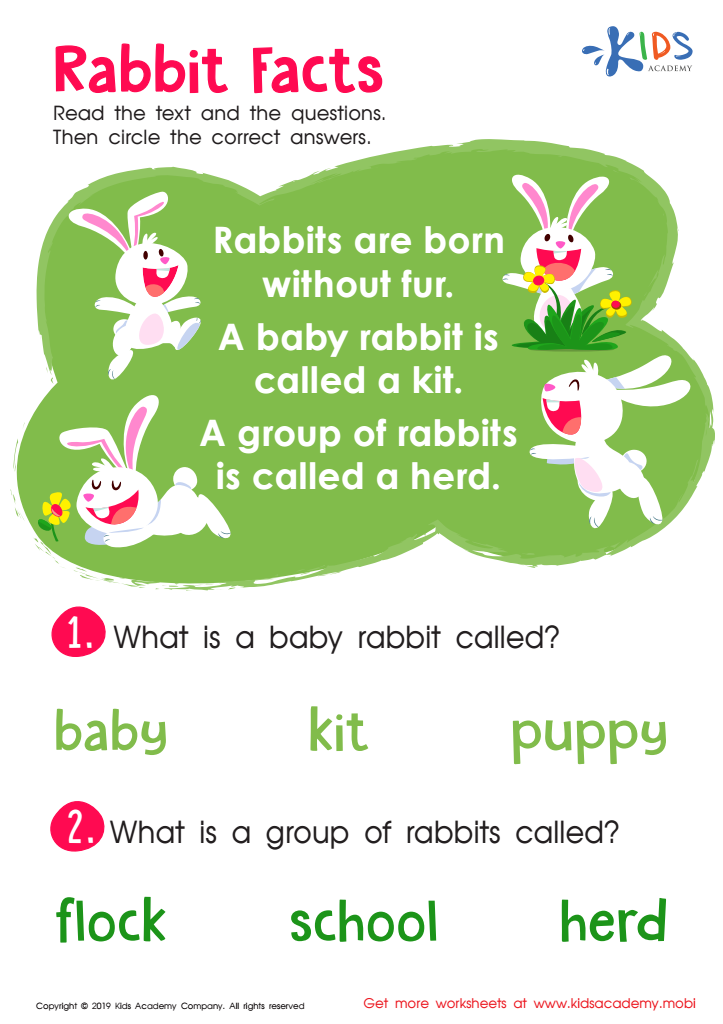
Rabbit Facts Worksheet
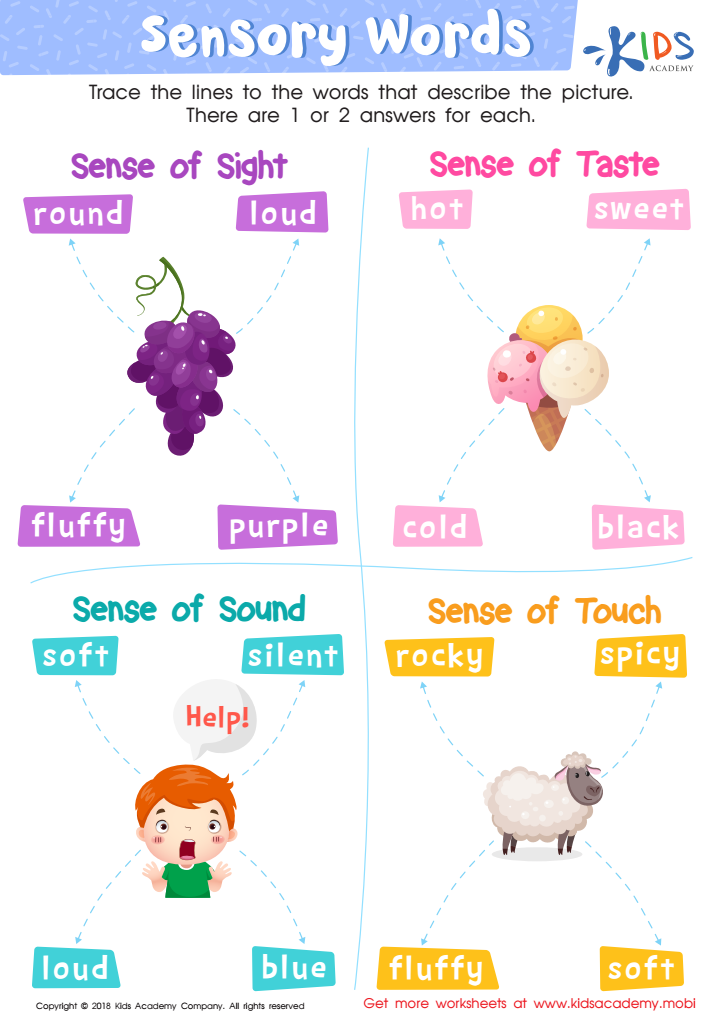
Sensory Words Worksheet
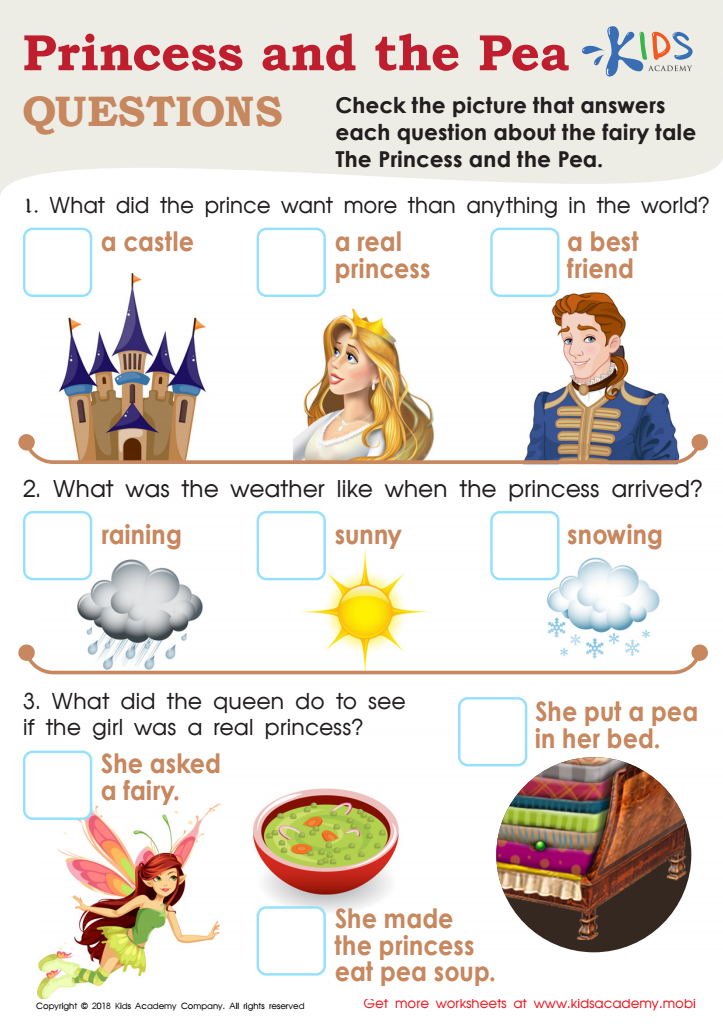
Princess and the Pea Questions Worksheet
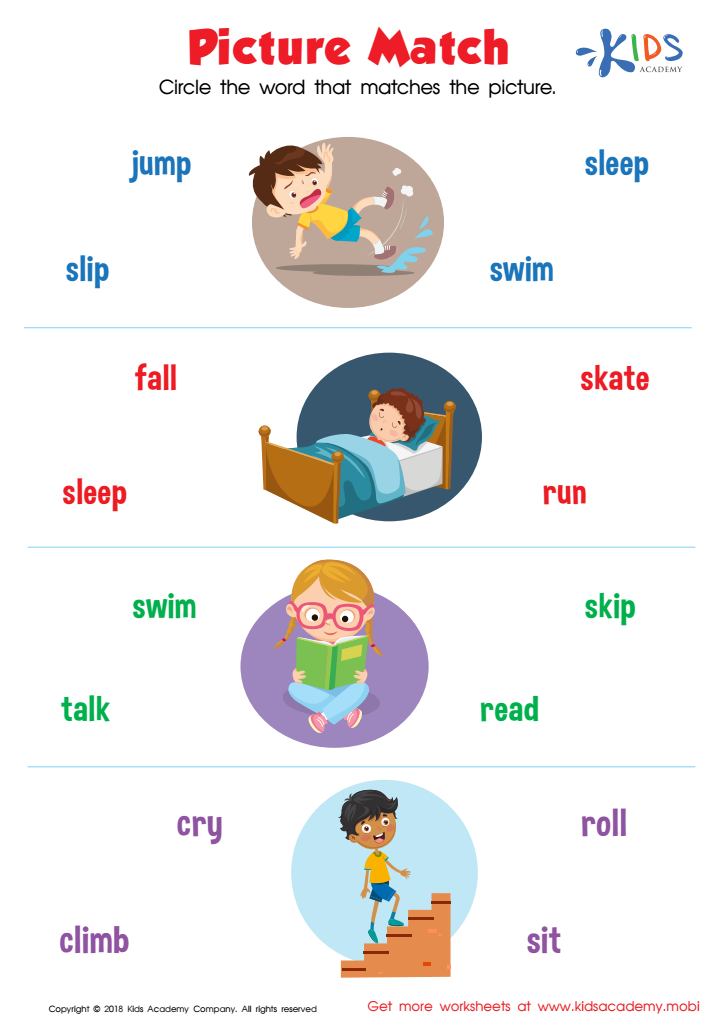
Picture Match Worksheet
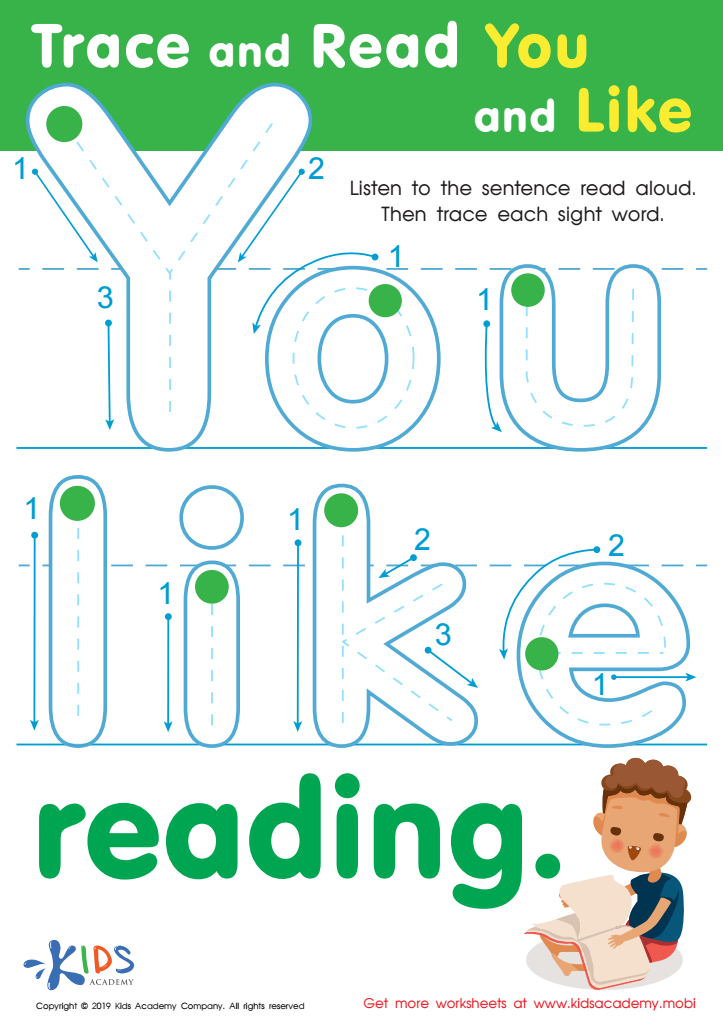
Trace Read You Like Worksheet








Building vocabulary in children aged 3-7 is crucial for their overall development and educational success. During these formative years, children are rapidly acquiring language skills, which are foundational for communication, literacy, and cognitive growth. When parents and teachers focus on vocabulary development, they provide children with the tools they need to express their thoughts, emotions, and ideas effectively.
A rich vocabulary enhances a child's reading and comprehension skills. The more words children know, the easier it is for them to understand stories and engage with texts, which leads to a love for reading. Additionally, strong vocabulary skills play a significant role in critical thinking; children learn to categorize, compare, and analyze concepts.
Furthermore, vocabulary building fosters social skills. Children with diverse word knowledge can better interact with peers, form friendships, and navigate social situations. This ability aids in their emotional and social development.
Ultimately, investing time in vocabulary development sets young learners on a path to academic achievement and lifelong learning. It empowers them to communicate confidently and enables parents and teachers to cultivate a rich, supportive learning environment. Thus, vocabulary building is a crucial area of focus for anyone involved in a child's early education.








