Normal Tracing Words Worksheets for Ages 3-7 - Page 2
34 filtered results
-
From - To
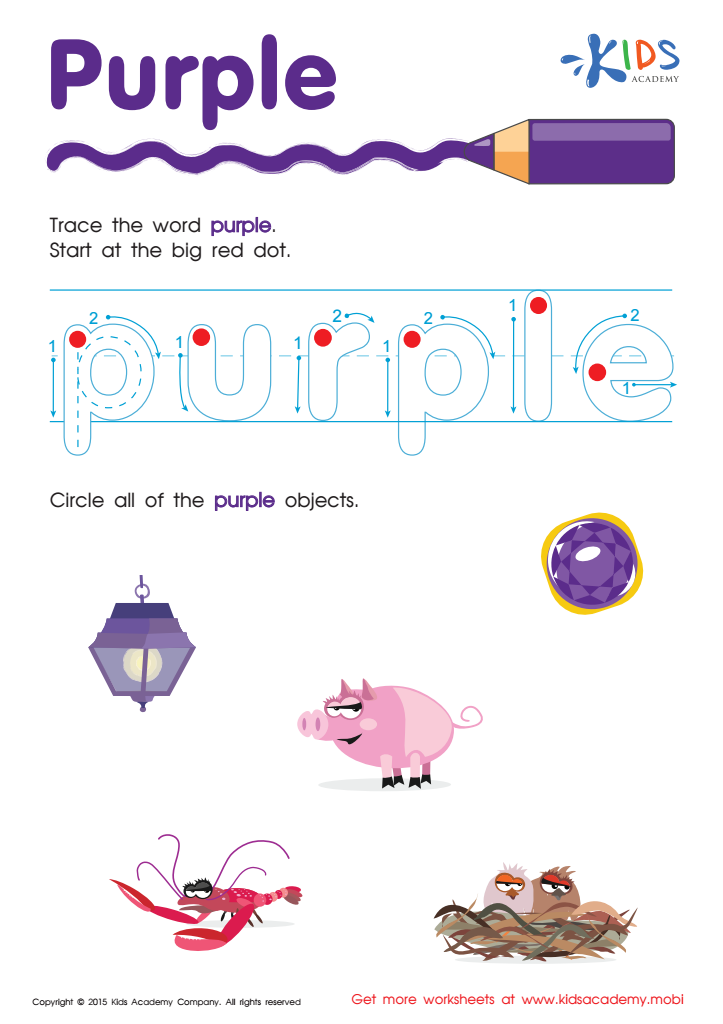
Purple Tracing Color Words Worksheet
 Assign to My Students
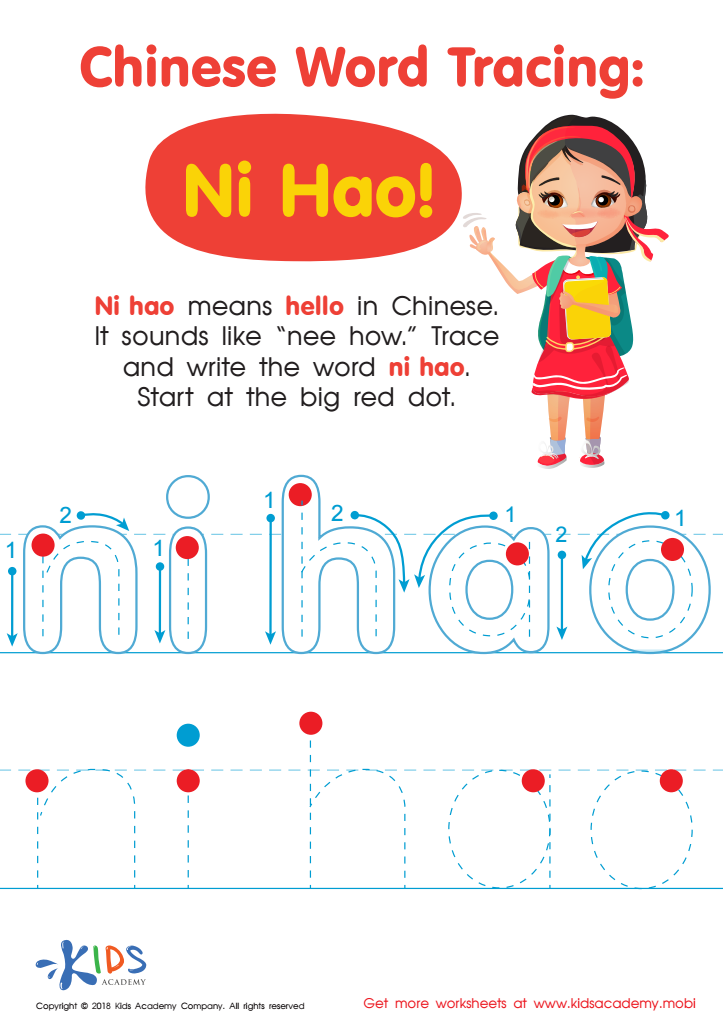
Chinese Word Tracing: Ni Hao Worksheet
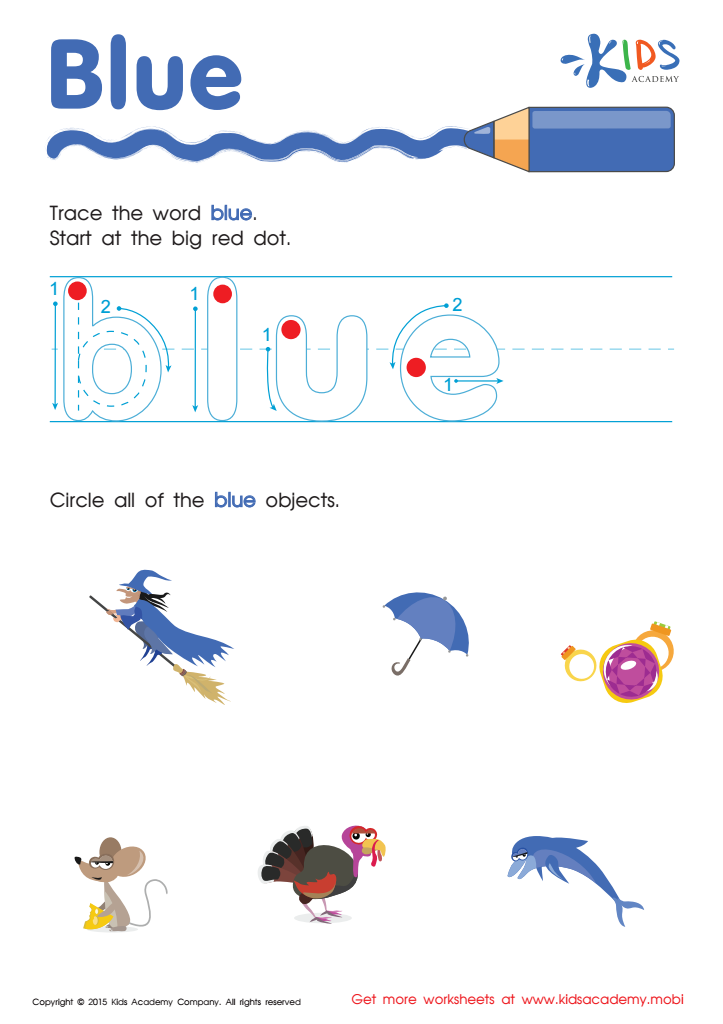
Blue Tracing Color Words Printable
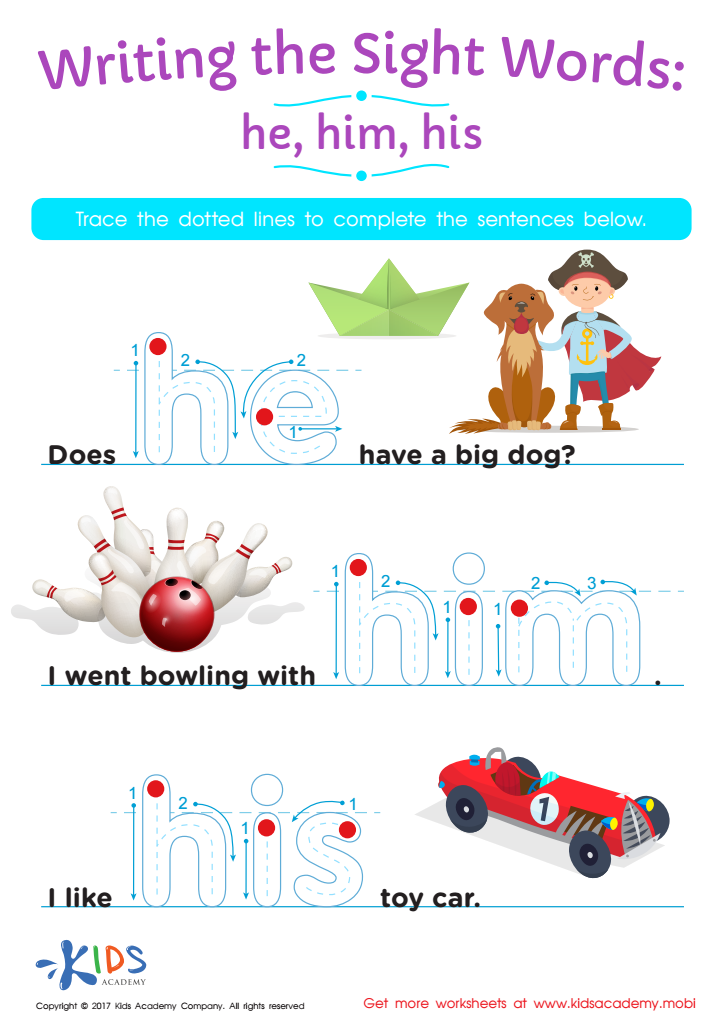
He, Him, His Printable Sight Words Worksheet
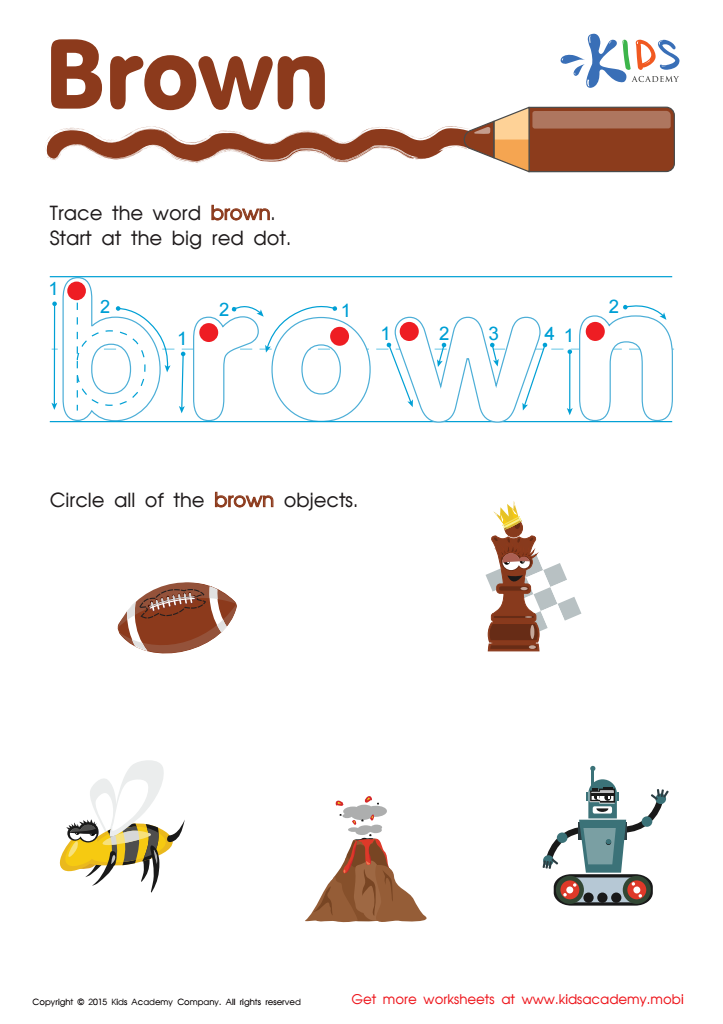
Brown Tracing Color Words Worksheet
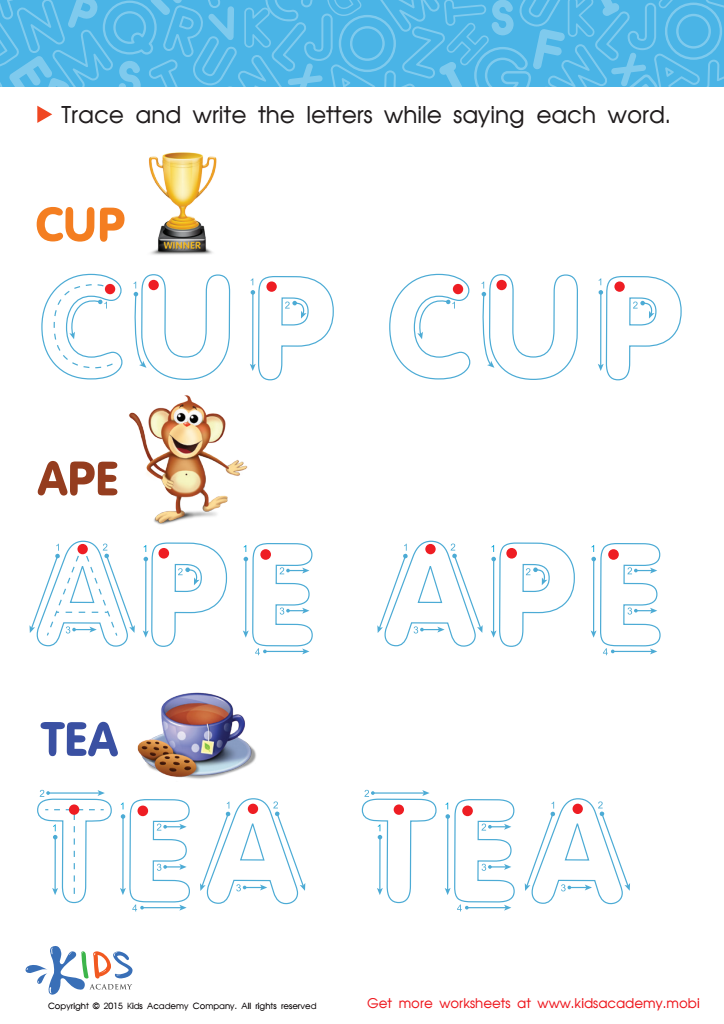
A Cup, an Ape and Tea Spelling Worksheet
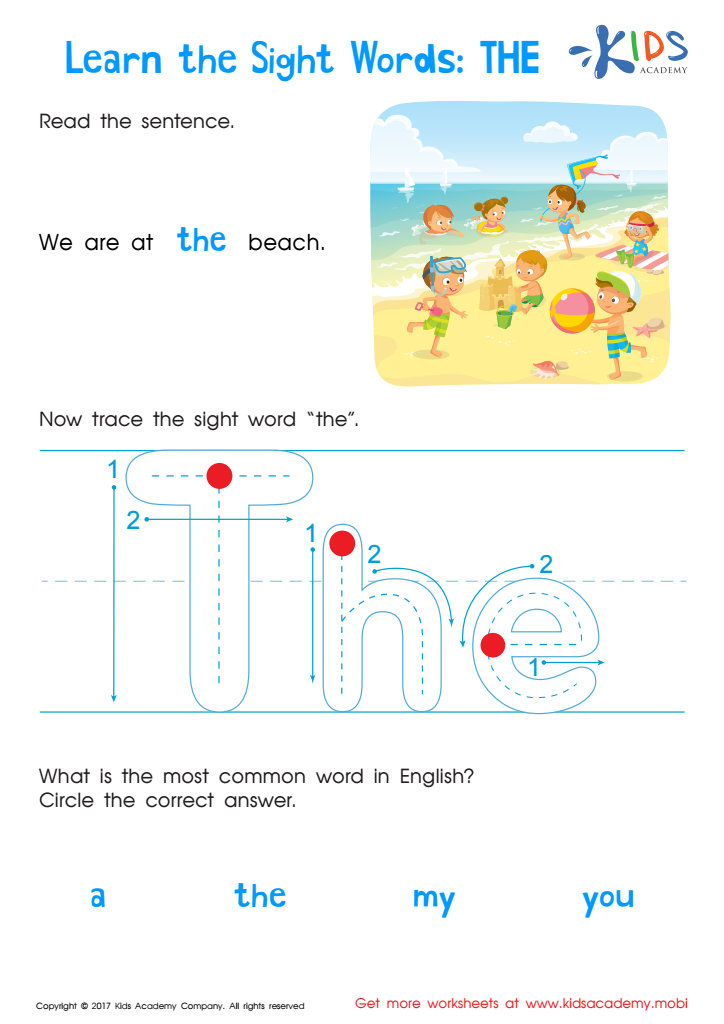
Sight Words: The Worksheet
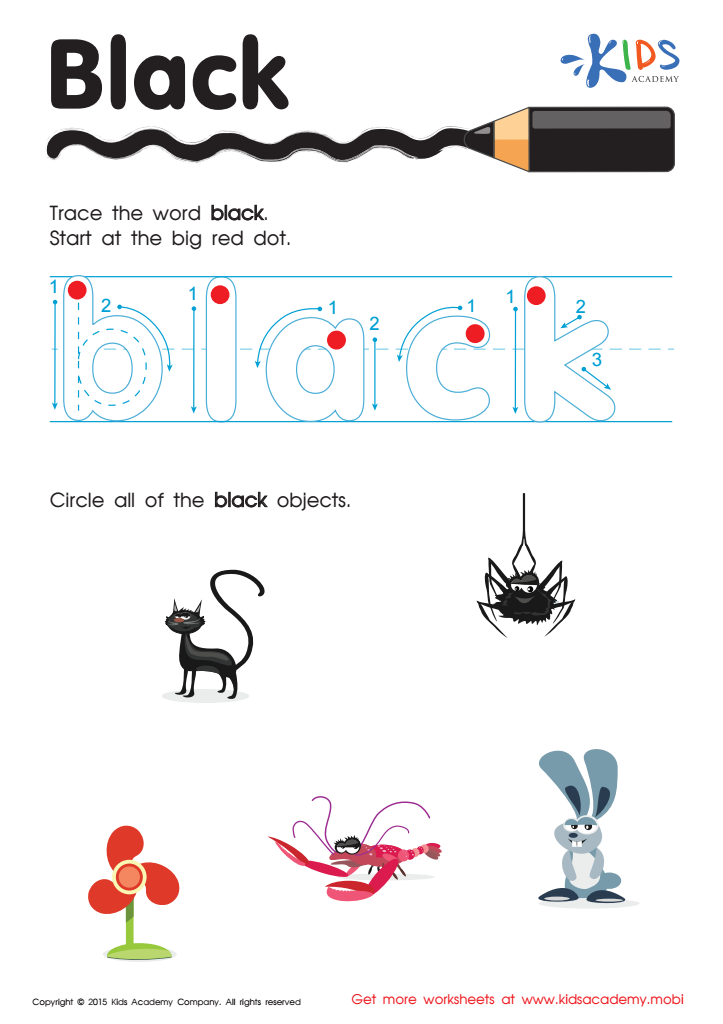
Black Tracing Color Words Printable
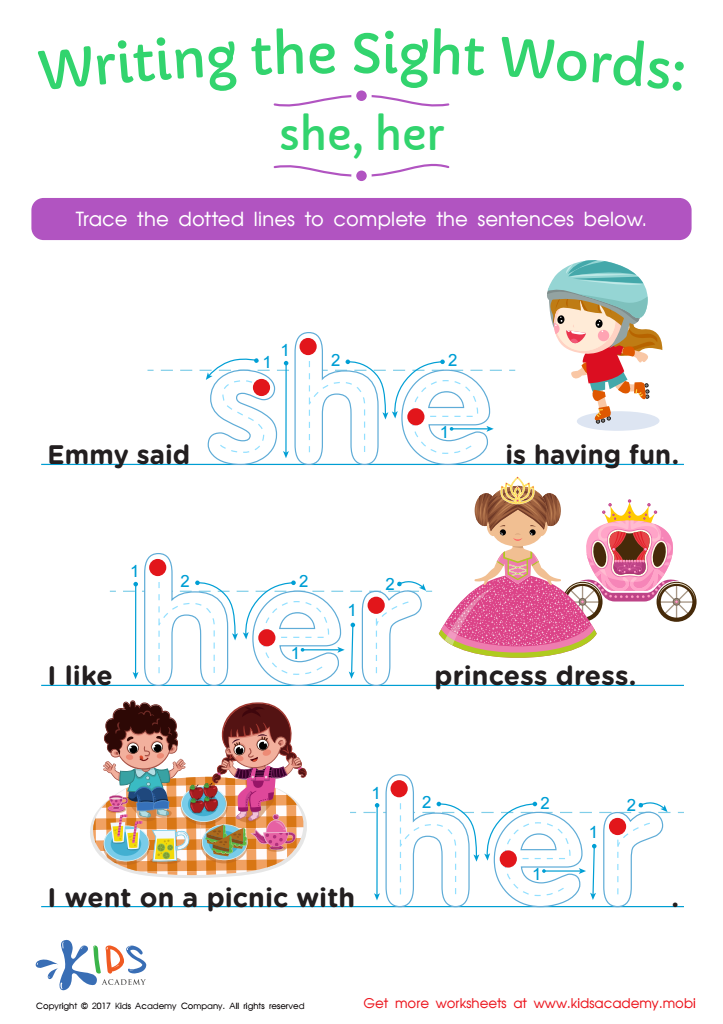
She, Her Printable Sight Words Worksheet
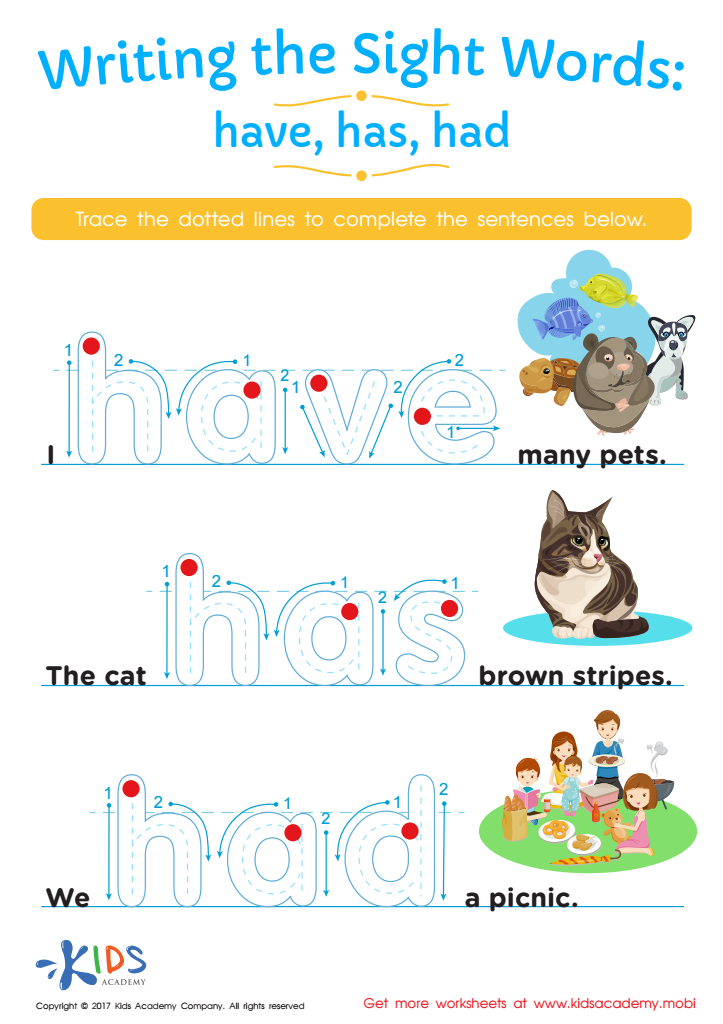
Have, Has, Had Worksheet Sight Words Worksheet








Parents and teachers play a crucial role in early childhood development, and one of the foundational skills they need to focus on is early literacy. Normal tracing words for ages 3-7 form a cornerstone in this endeavor. Tracing helps children learn proper letter formation, grip, and fine motor control, which are essential prerequisites for fluent handwriting skills.
First, tracing familiarizes young children with the alphabet in a tactile and visual manner, making it easier for them to recognize and remember letters and words. This recognition is a building block for reading and writing, skills that are critical for academic success. Second, the repetitive action of tracing reinforces memory and strengthens the neural pathways necessary for language development. Third, it develops fine motor skills by teaching children how to control the pressure and movement of their hands, crucial for writing legibly.
Moreover, completing tracing exercises builds self-confidence as children can see their progress. When parents and teachers make tracing enjoyable through fun and varied activities, it encourages a lifelong interest in reading and writing. Therefore, the importance of normal tracing words cannot be overstated; it's an interactive, multisensory approach that equips children with the foundational skills they need for effective communication and success in their educational journey.