Normal 2D Shapes Worksheets for Ages 4-8 - Page 2
33 filtered results
-
From - To
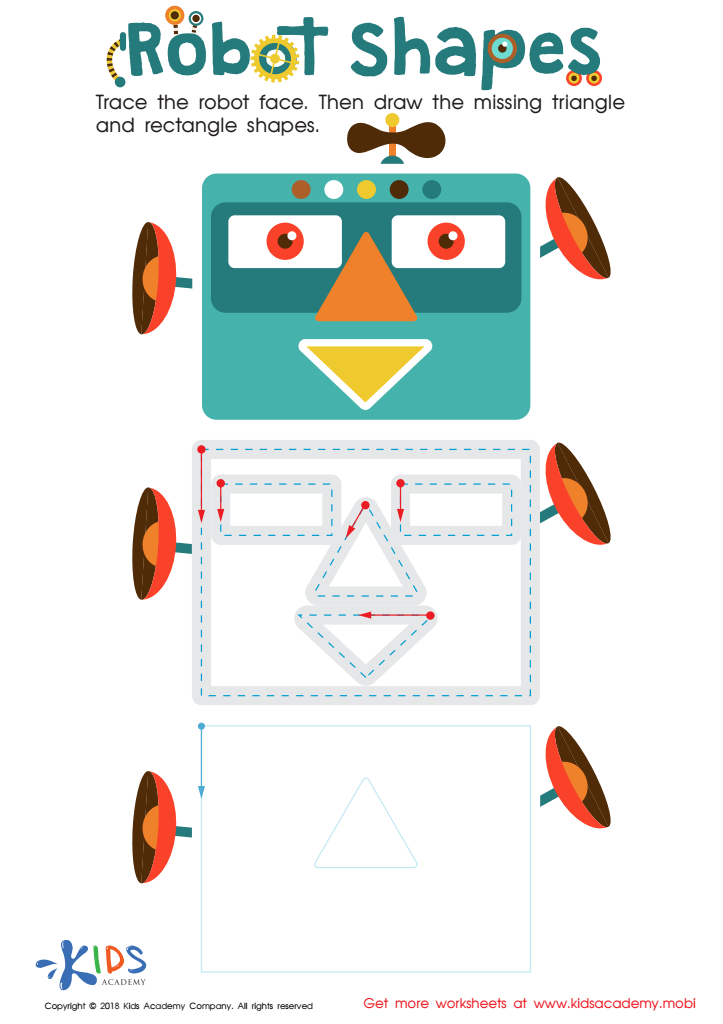
Robot Shapes Worksheet
 Assign to My Students


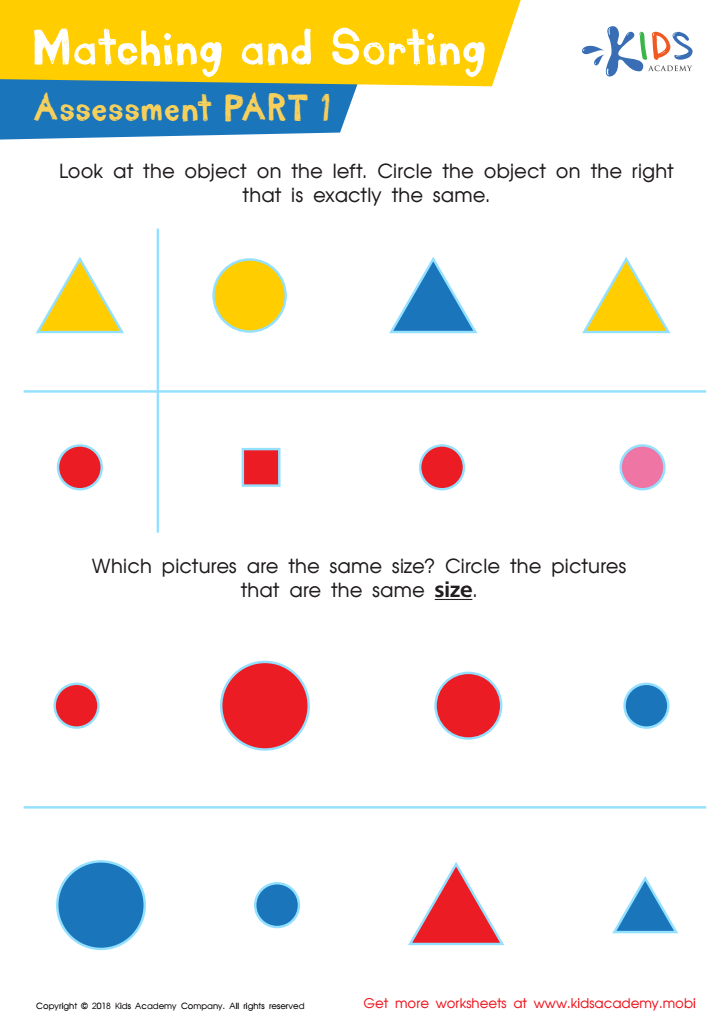
Matching and Sorting for Kindergarten: Assessment 1 Worksheet
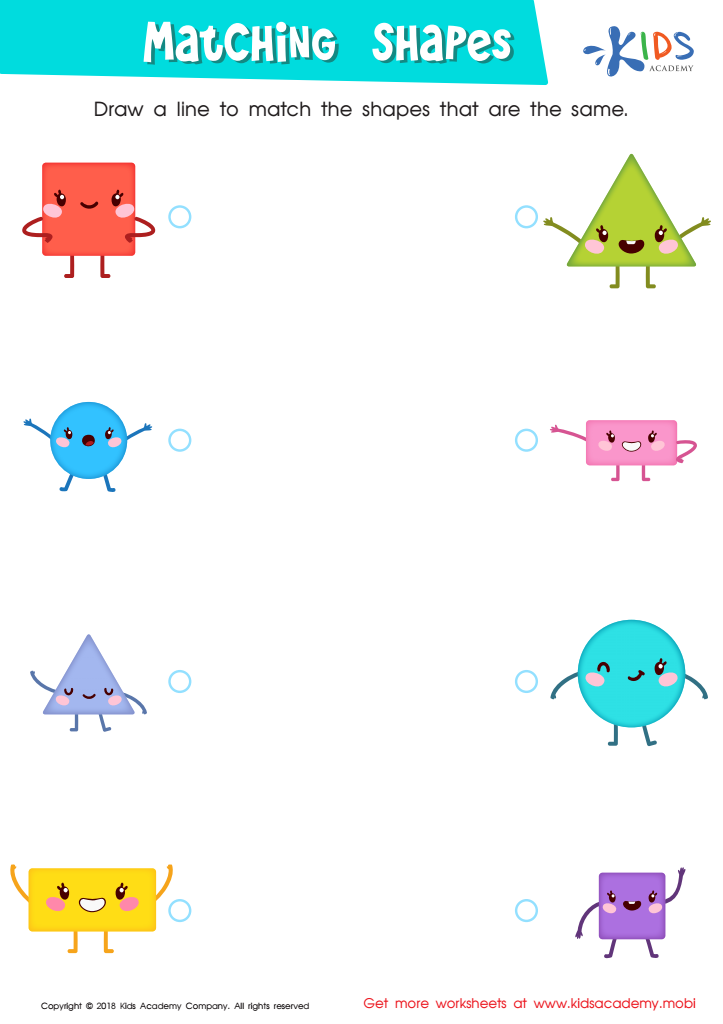
Matching Shapes Worksheet
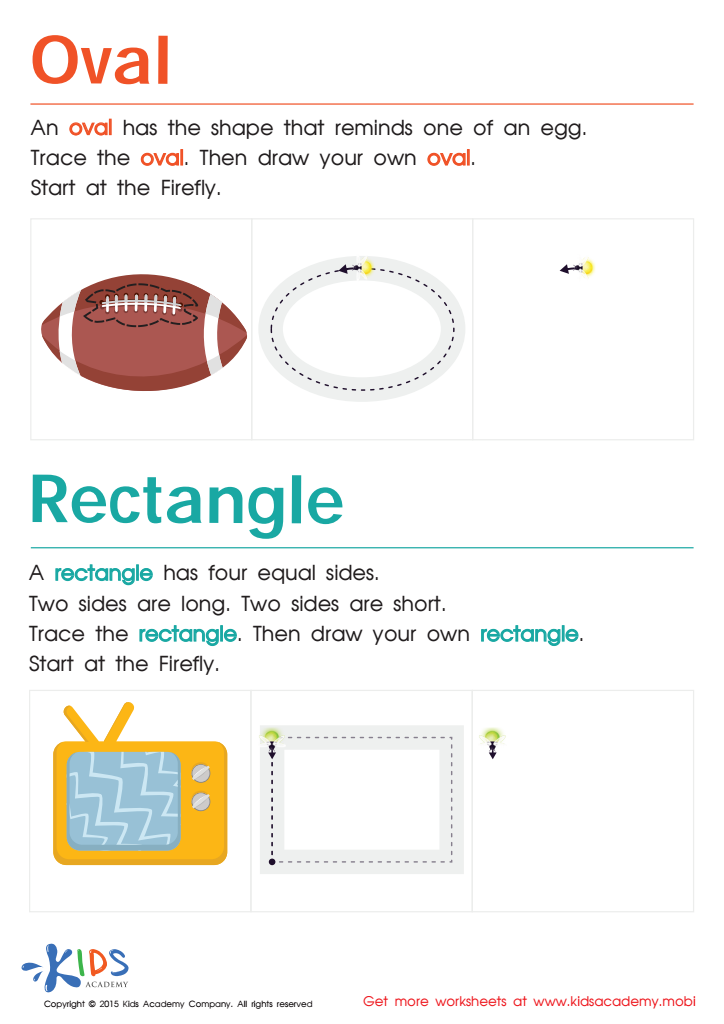
Easy Drawing of Ovals And Rectangles Worksheet
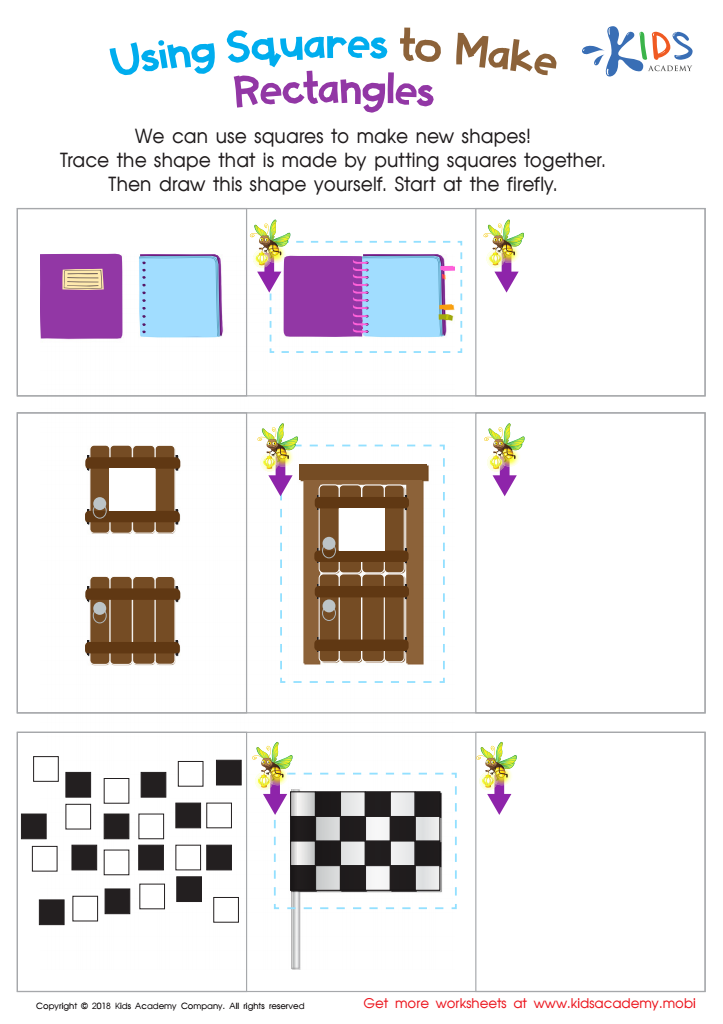
Using Squares to Make Rectangles Worksheet
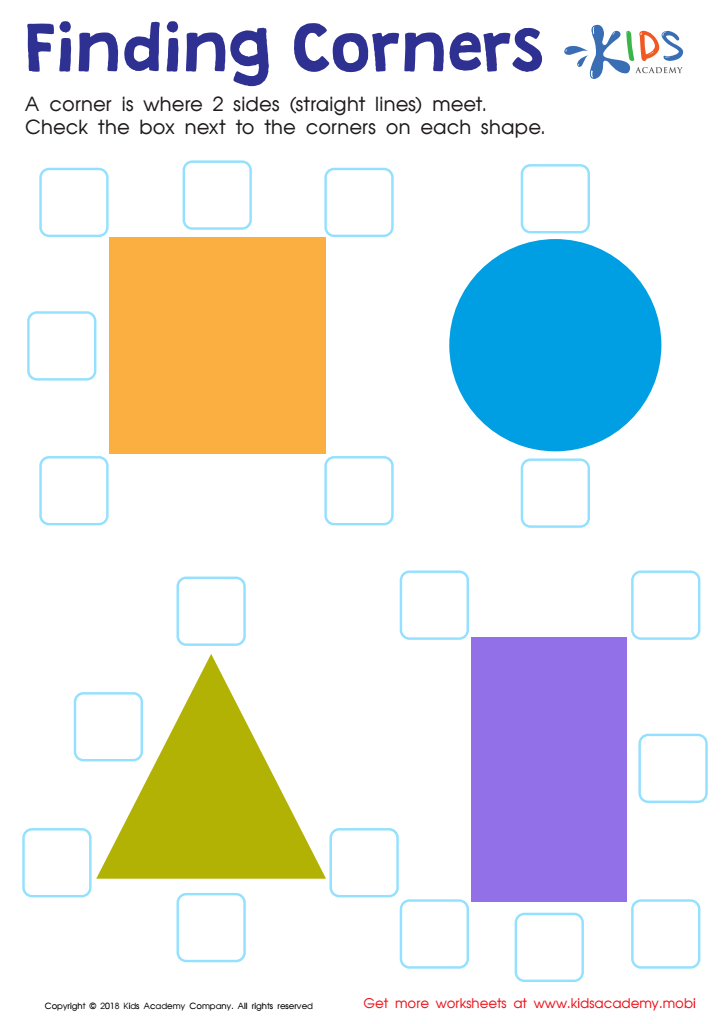
Finding Corners Worksheet
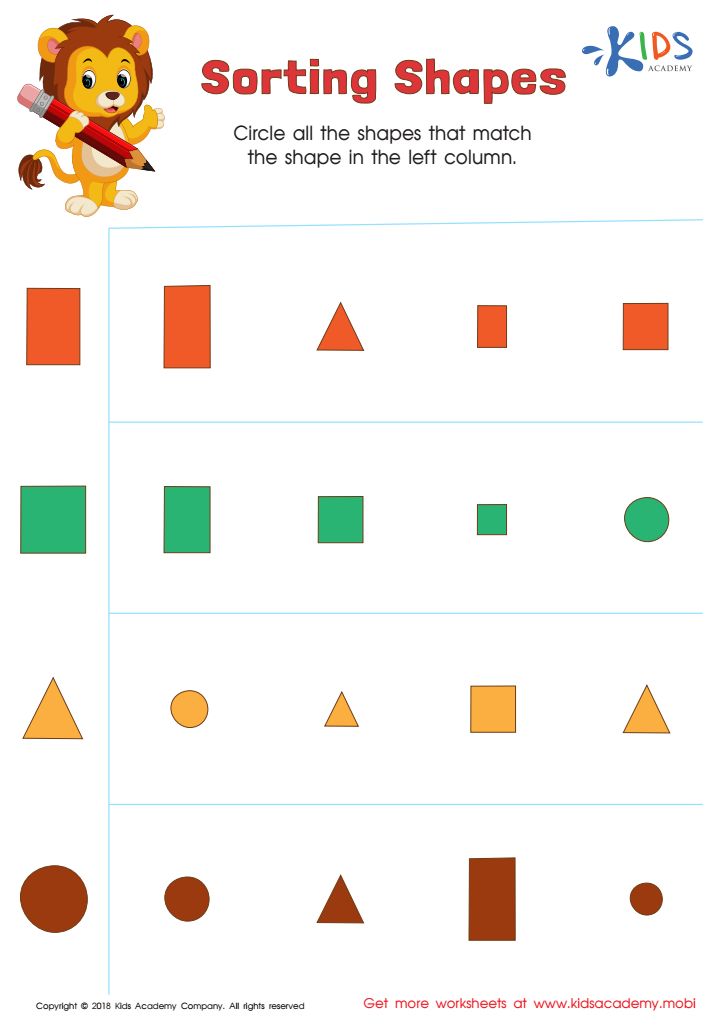
Sorting Shapes - Part 2 Worksheet
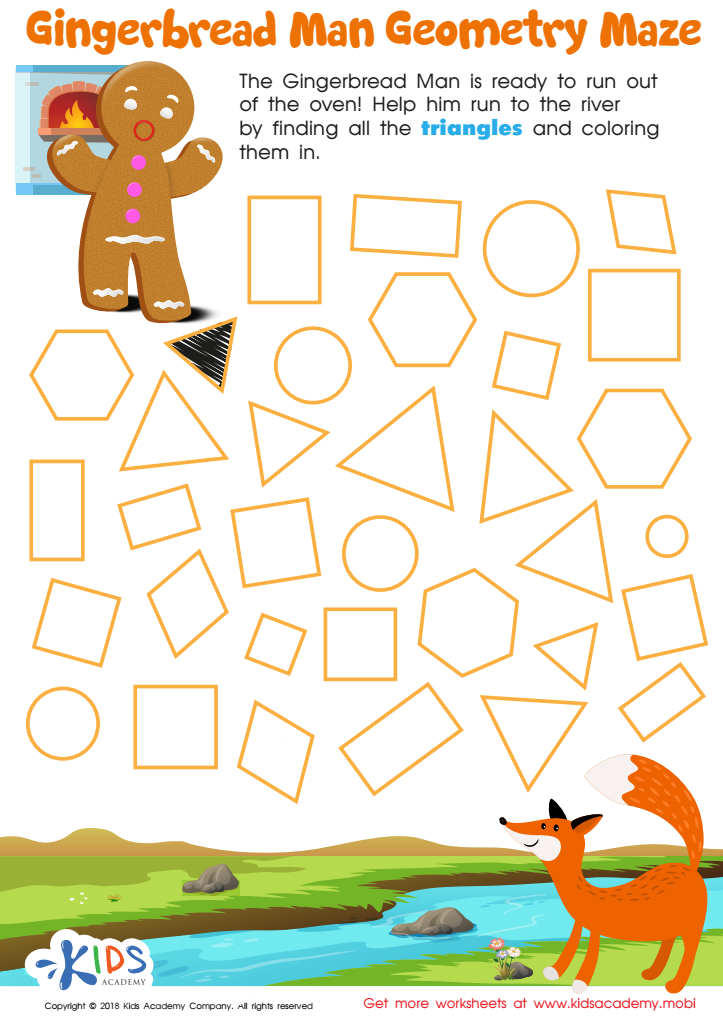
Gingerbread Man Geometry Maze Worksheet
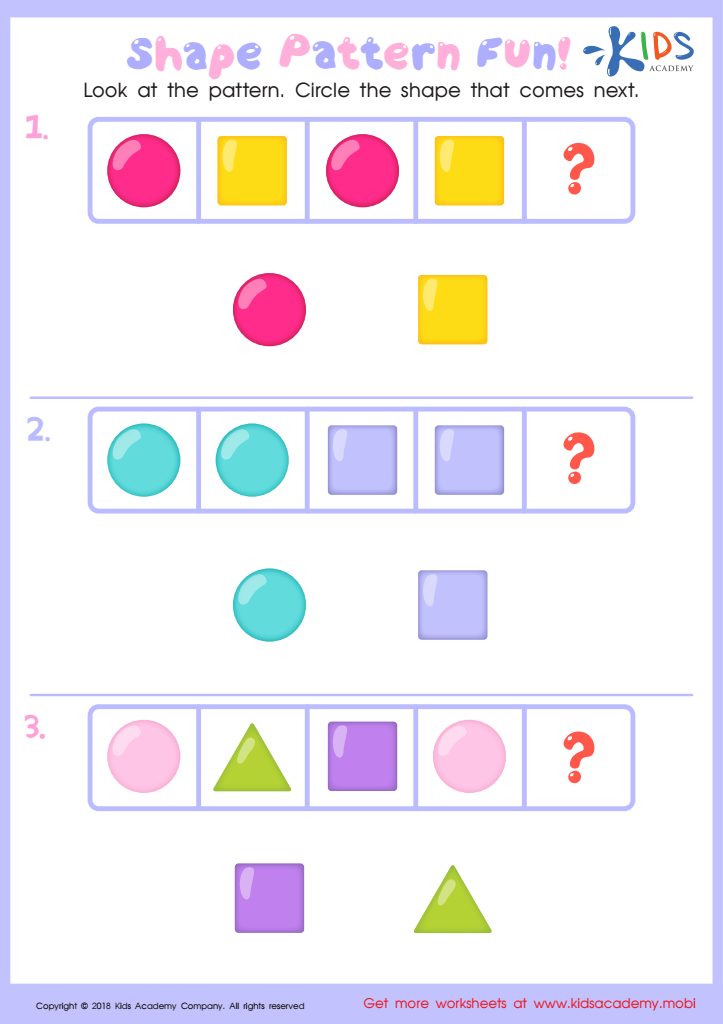
Shape Pattern Fun Worksheet








Understanding normal 2D shapes is crucial for children aged 4-8 as it lays a foundation for numerous essential skills. Firstly, recognizing and naming shapes—such as squares, rectangles, circles, and triangles—helps develop spatial awareness. This ability to comprehend and navigate their environment enhances problem-solving and reasoning skills, which are vital for later academic success.
Moreover, engaging with shapes fosters creativity and imagination. Activities such as drawing, building, or crafting with shapes stimulate artistic expression and encourage fine motor skills development. These hands-on experiences also build critical thinking as children learn to classify, compare, and manipulate shapes.
Additionally, learning about 2D shapes promotes mathematical literacy, establishing a basis for concepts like symmetry, area, and perimeter, introduced later on. This early exposure to geometry makes transitioning to more complex mathematical ideas more manageable and less intimidating.
Furthermore, coordination between vision and movement is enhanced during shape-oriented activities, which is beneficial for overall motor skill development. Therefore, parents and teachers should care about teaching normal 2D shapes, as it enriches children’s cognitive, creative, and physical growth while preparing them for future academic challenges. Investing in this fundamental knowledge creates well-rounded learners equipped for exploration and discovery.