Normal Reading Non-Fiction Worksheets for Ages 5-9 - Page 3
69 filtered results
-
From - To
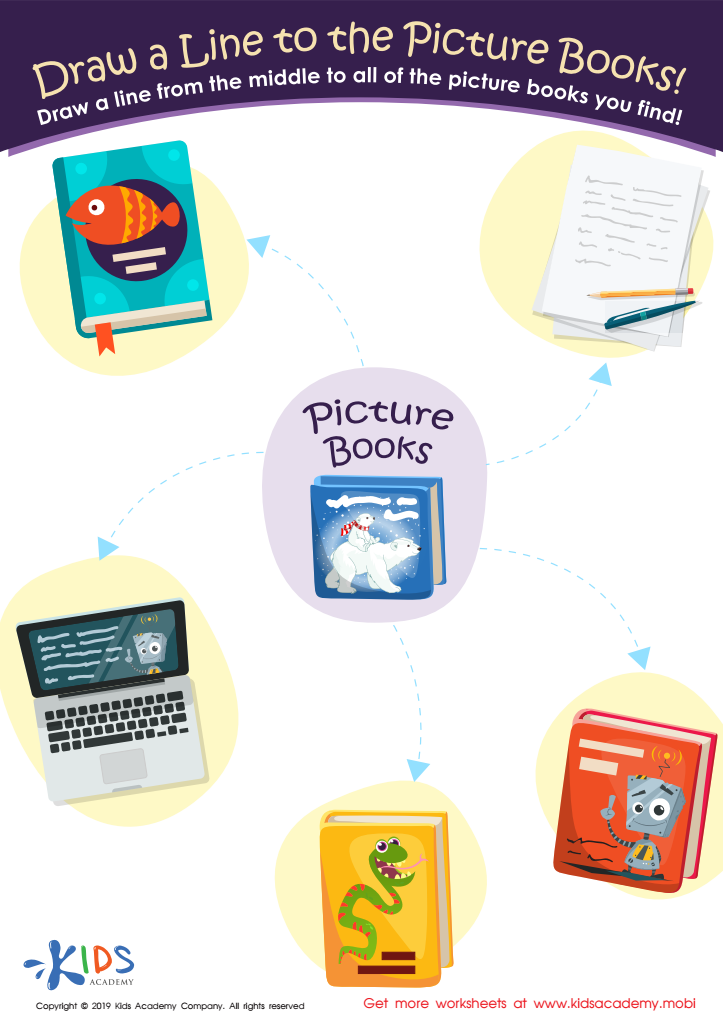
Draw a Line to the Picture Books Worksheet
 Assign to My Students
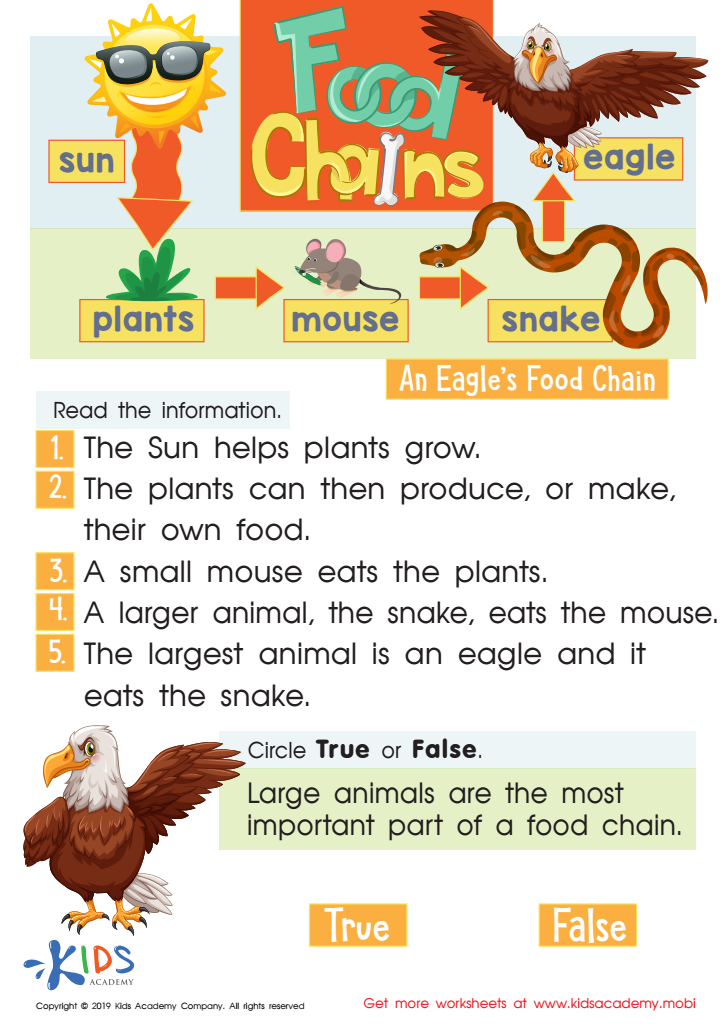
Food Chains Worksheet
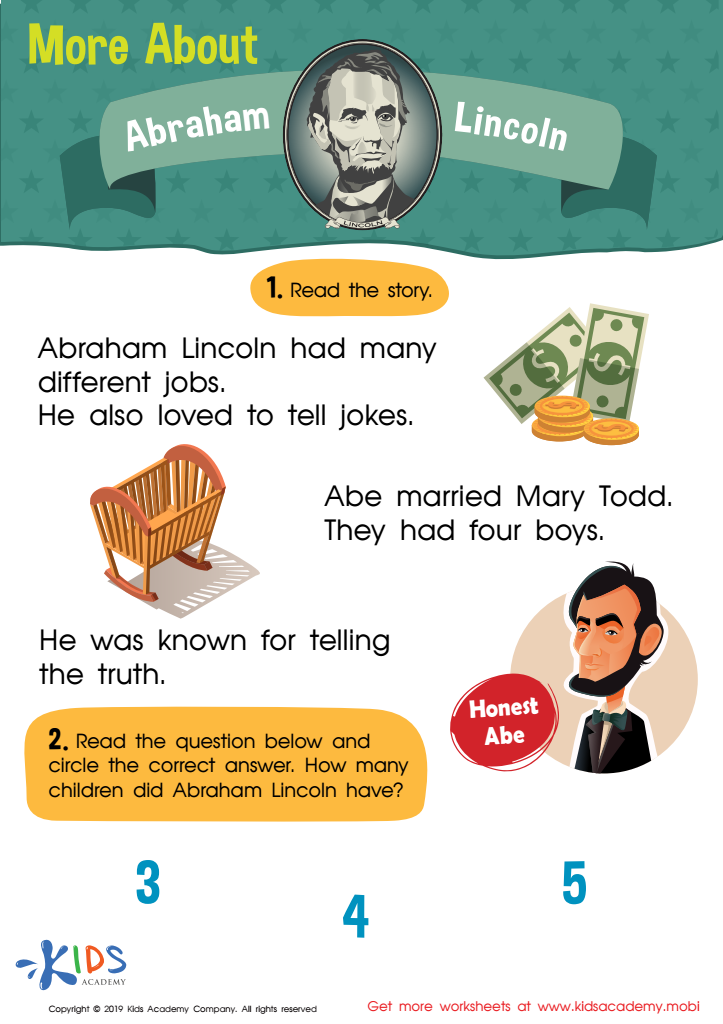
More About Abraham Lincoln Worksheet
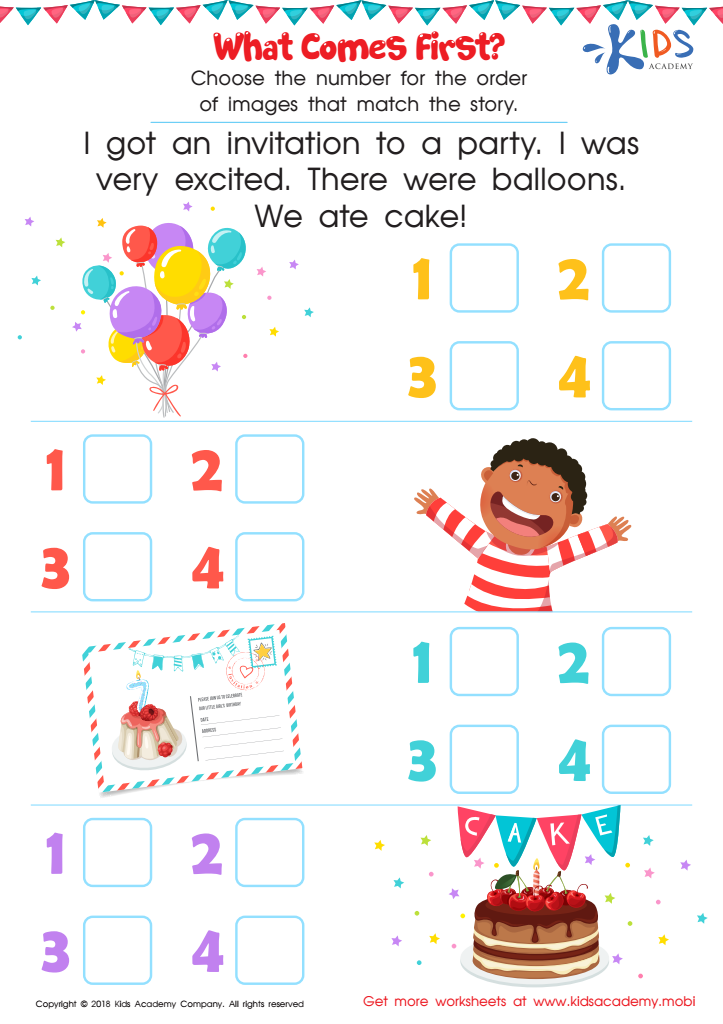
What Comes First Worksheet
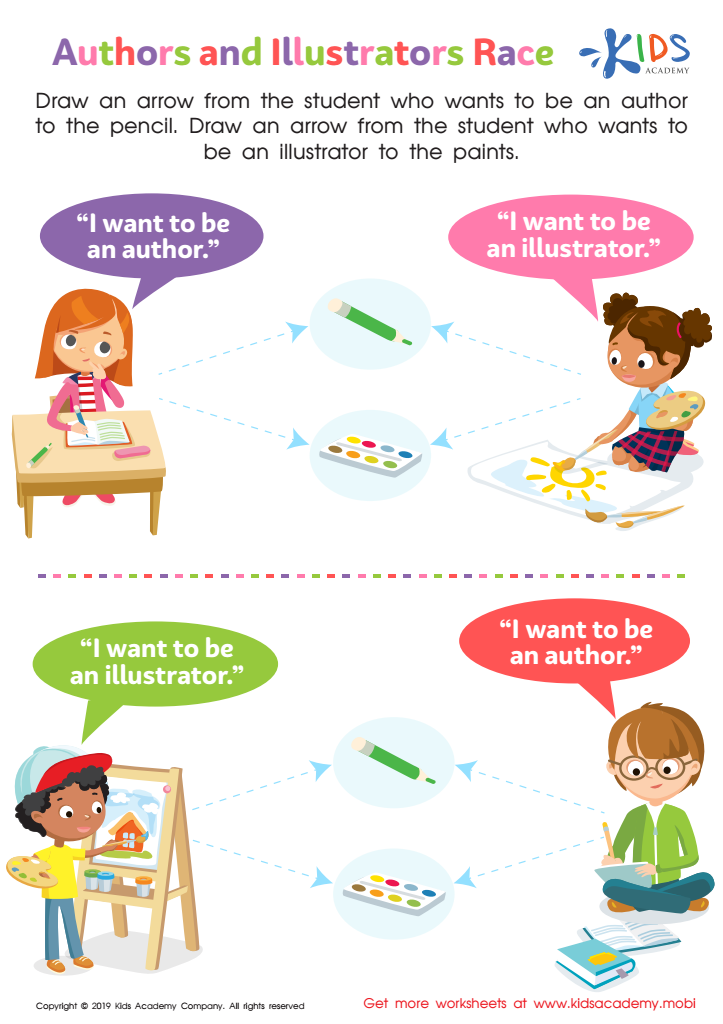
Authors and Illustrators Race Worksheet
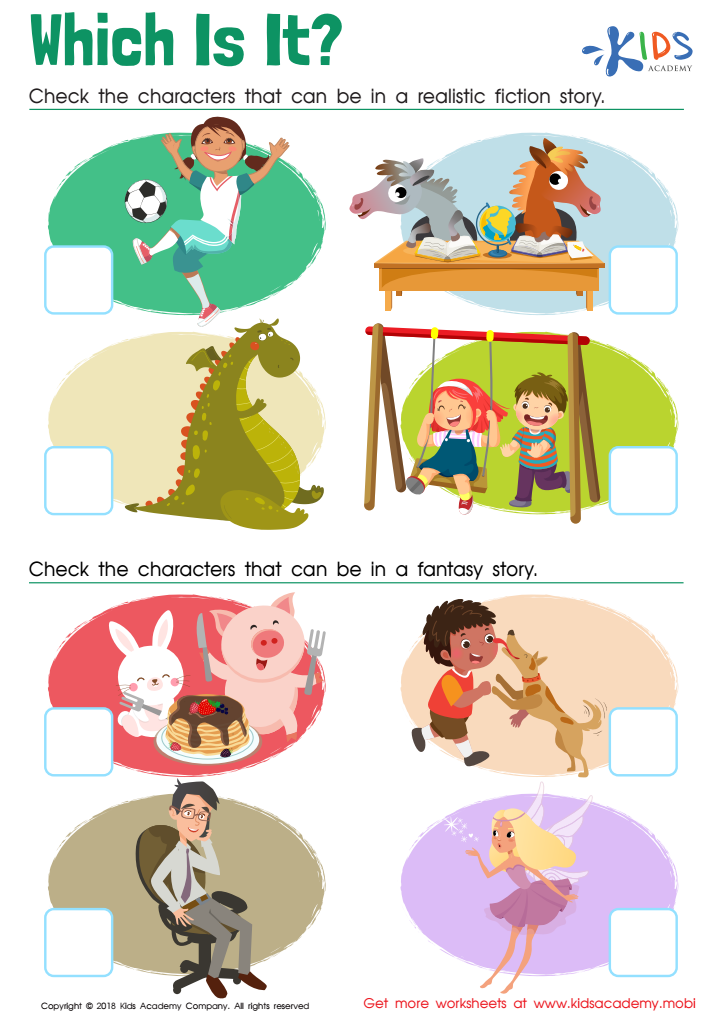
Which Is It? Worksheet
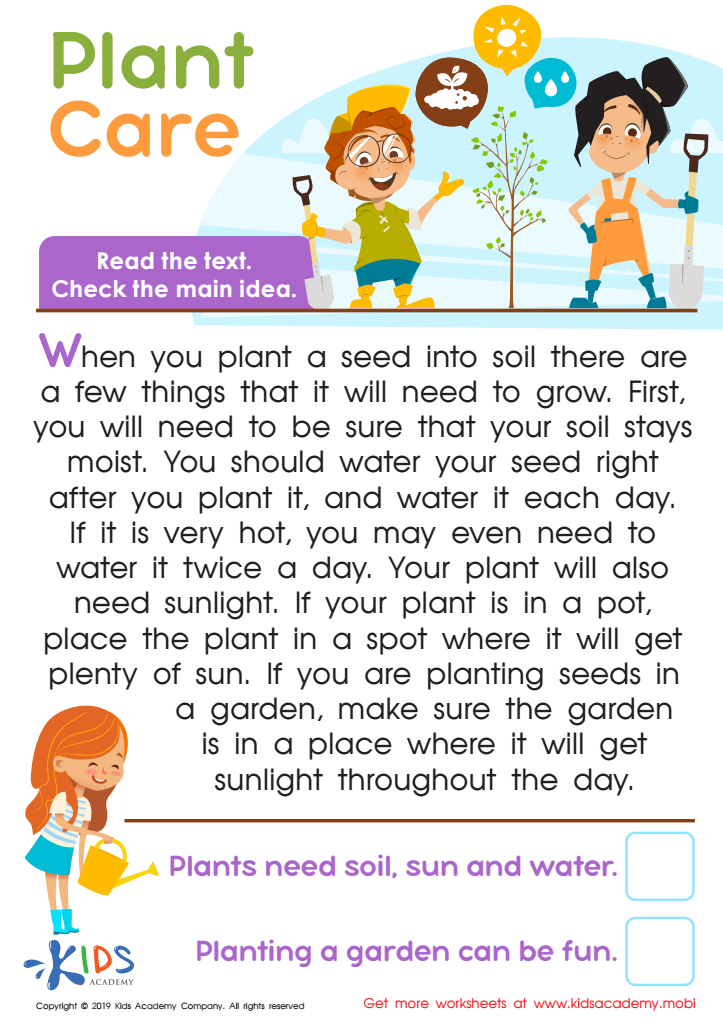
Plant Care Worksheet
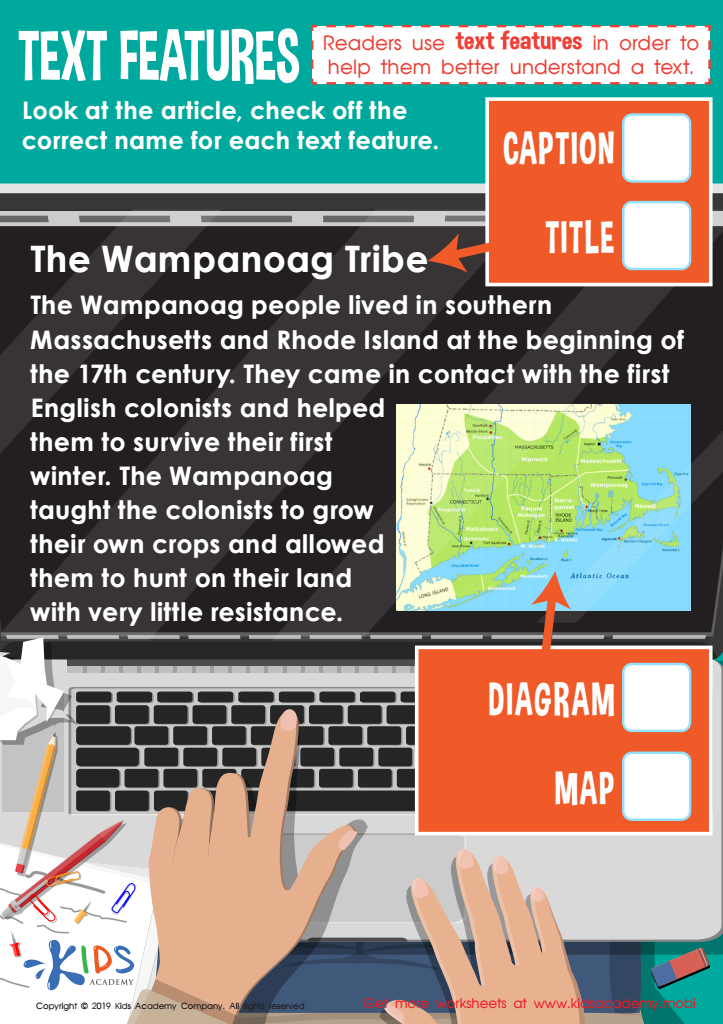
Text Features Worksheet
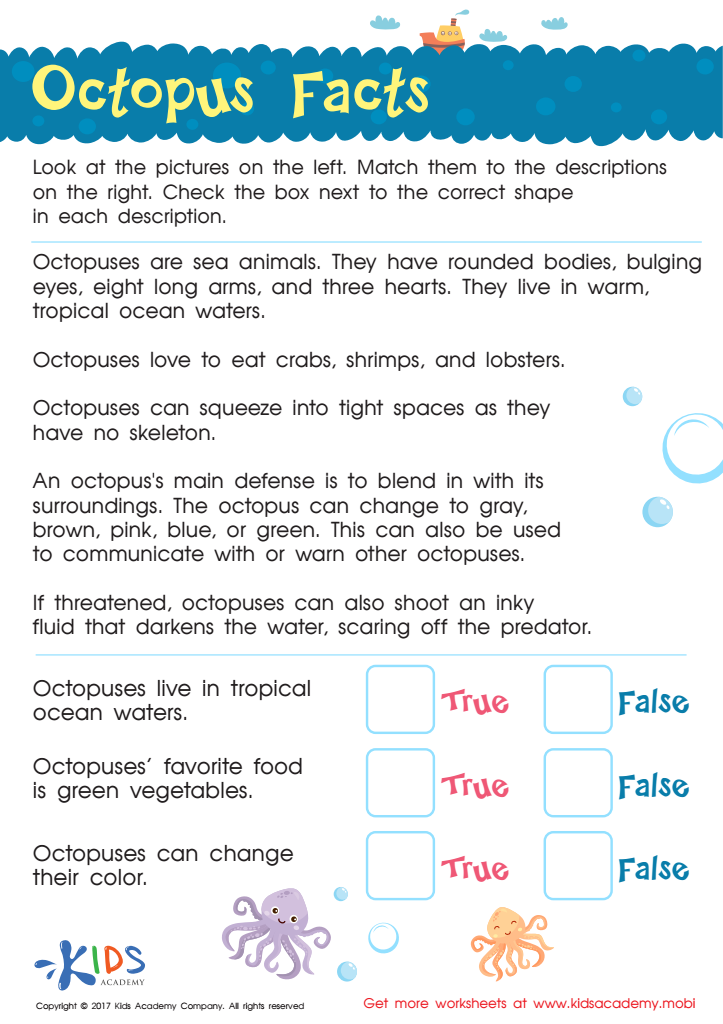
Octopus Facts Worksheet For Kids
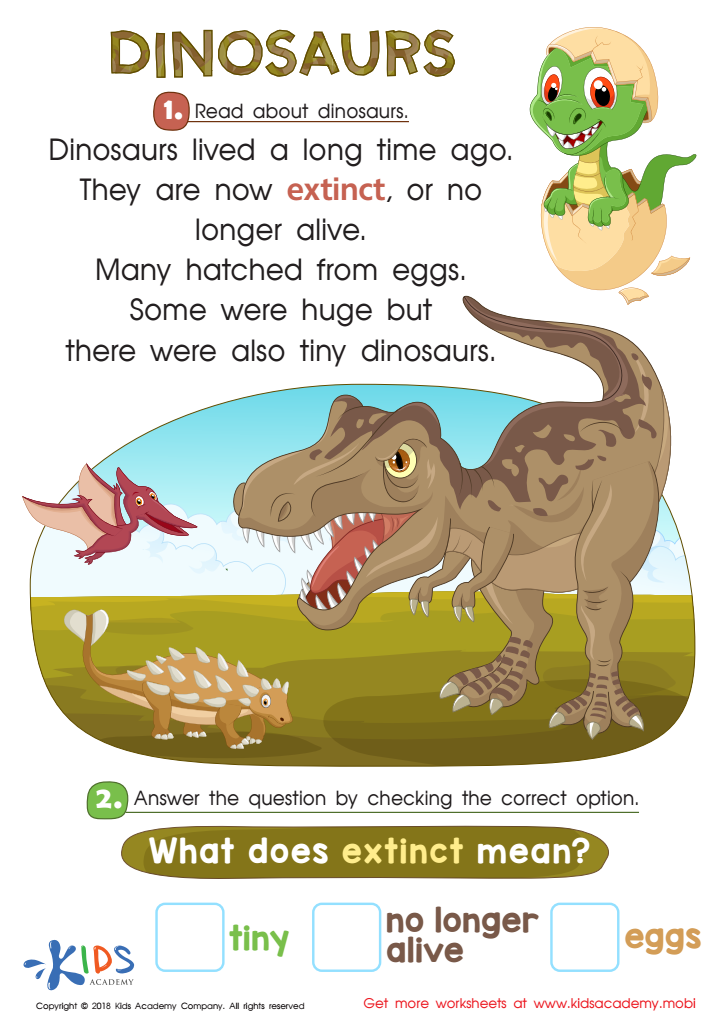
Dinosaurs Worksheet

Towns Worksheet
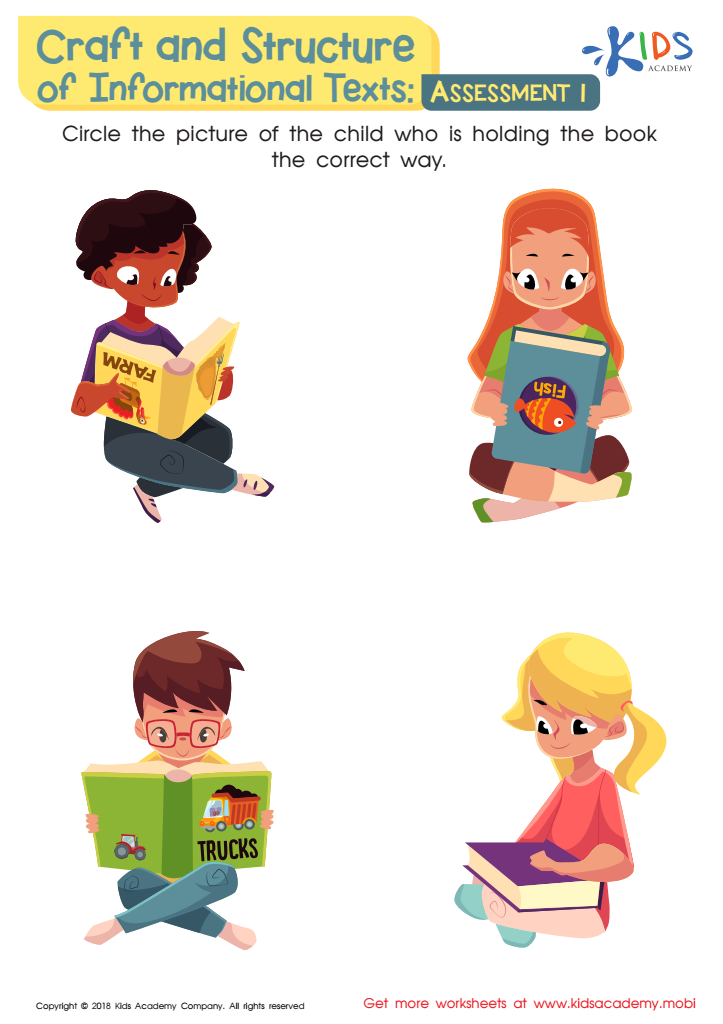
Craft and Structure of Informational Texts: Assessment 1 Worksheet
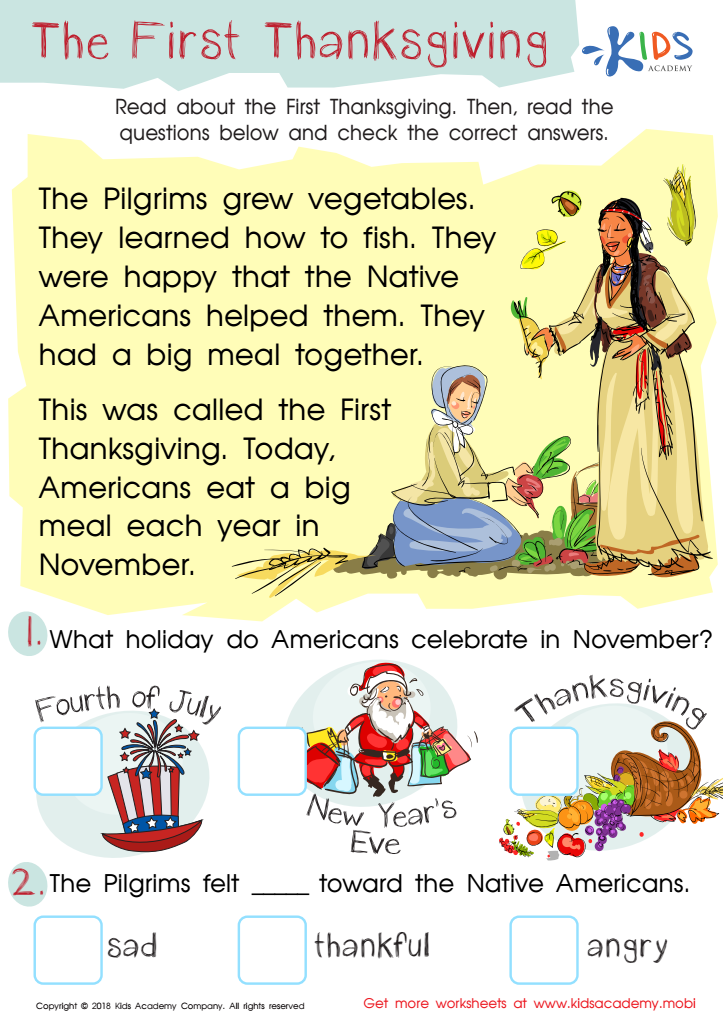
Assessment: First Thanksgiving Worksheet
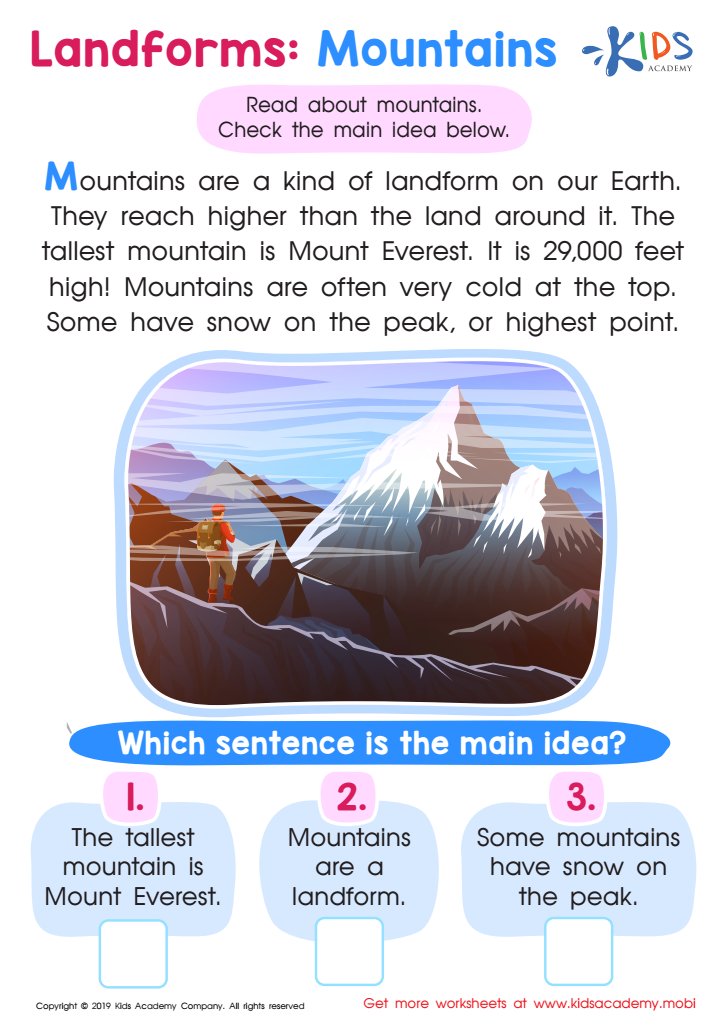
Landforms: Mountains Worksheet
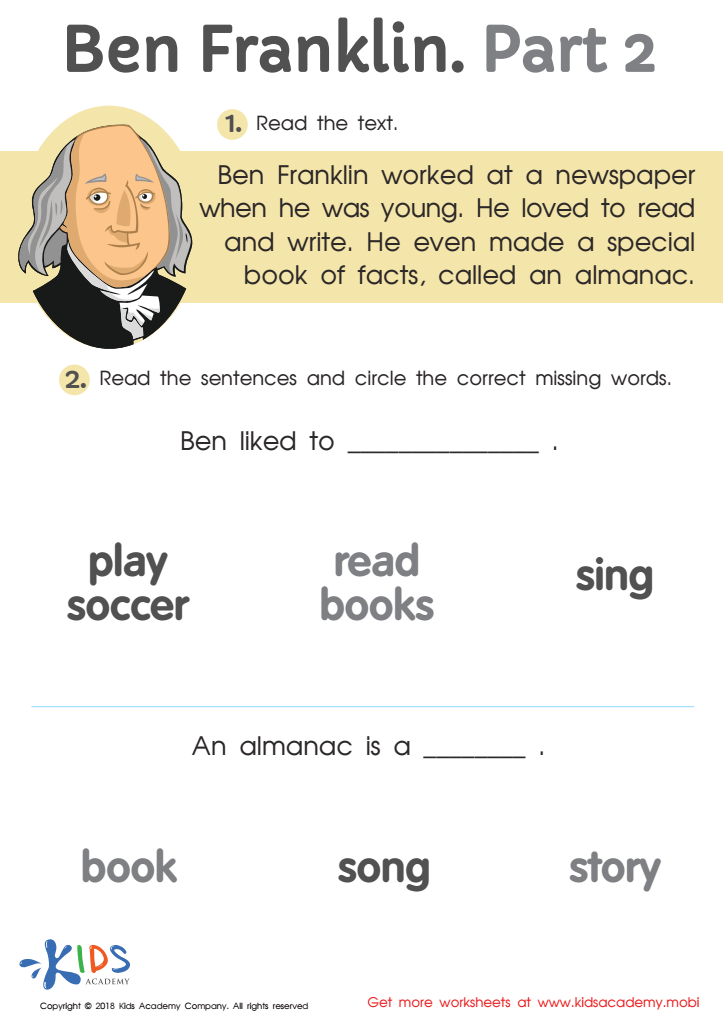
Ben Franklin Part 2 Worksheet
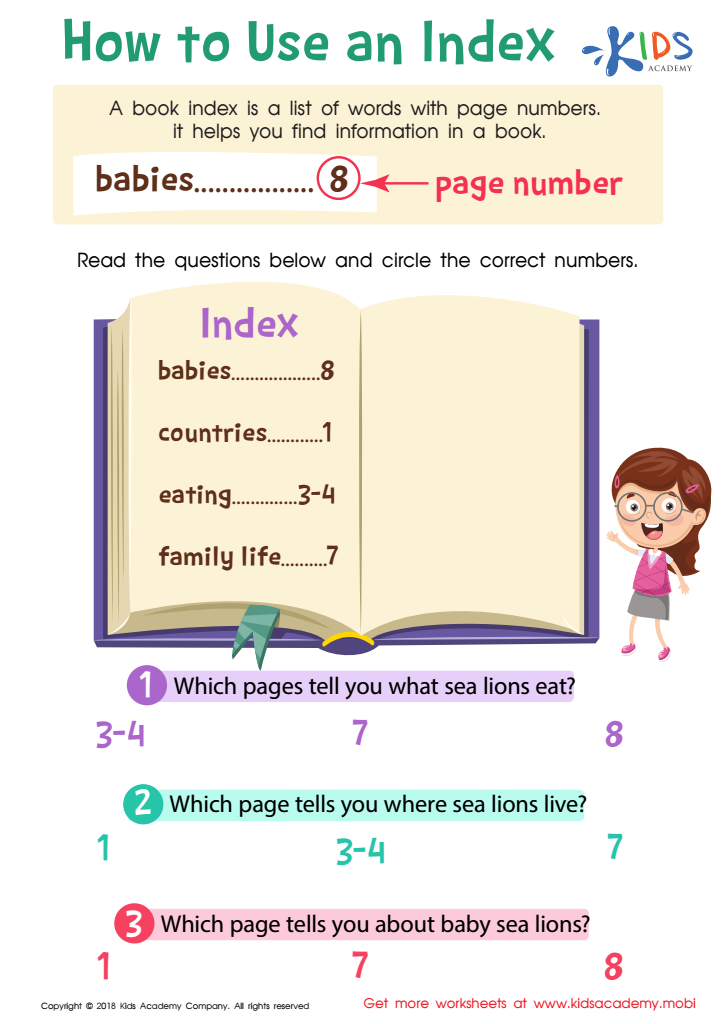
How Use Index Worksheet
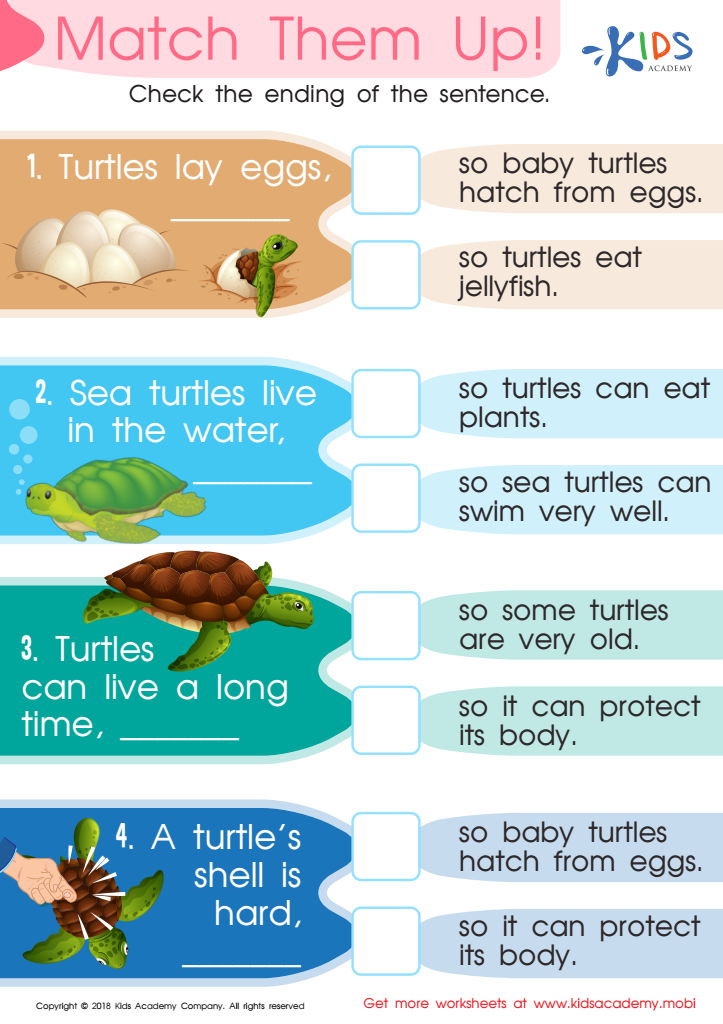
Match Them Up Worksheet
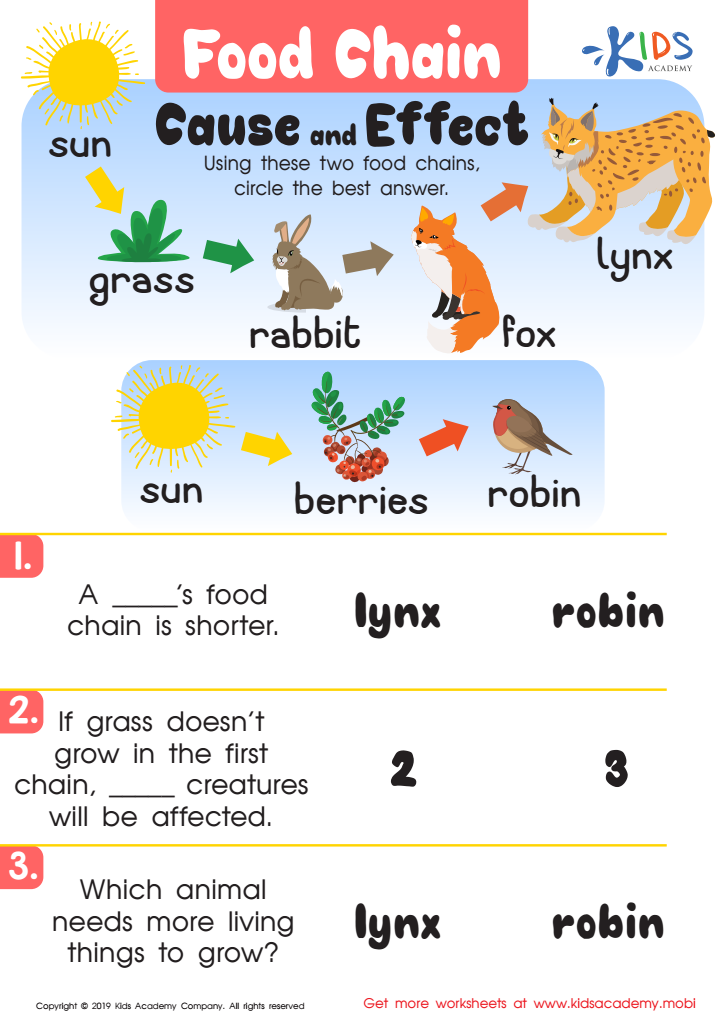
Food Chain Cause Worksheet
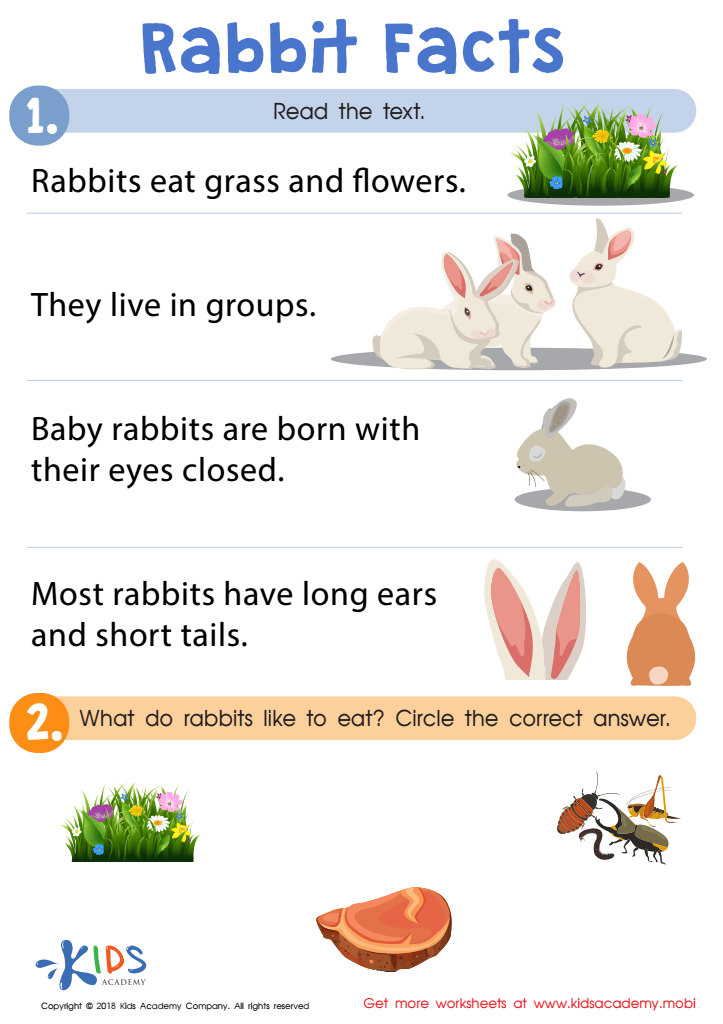
Rabbit Facts Worksheet
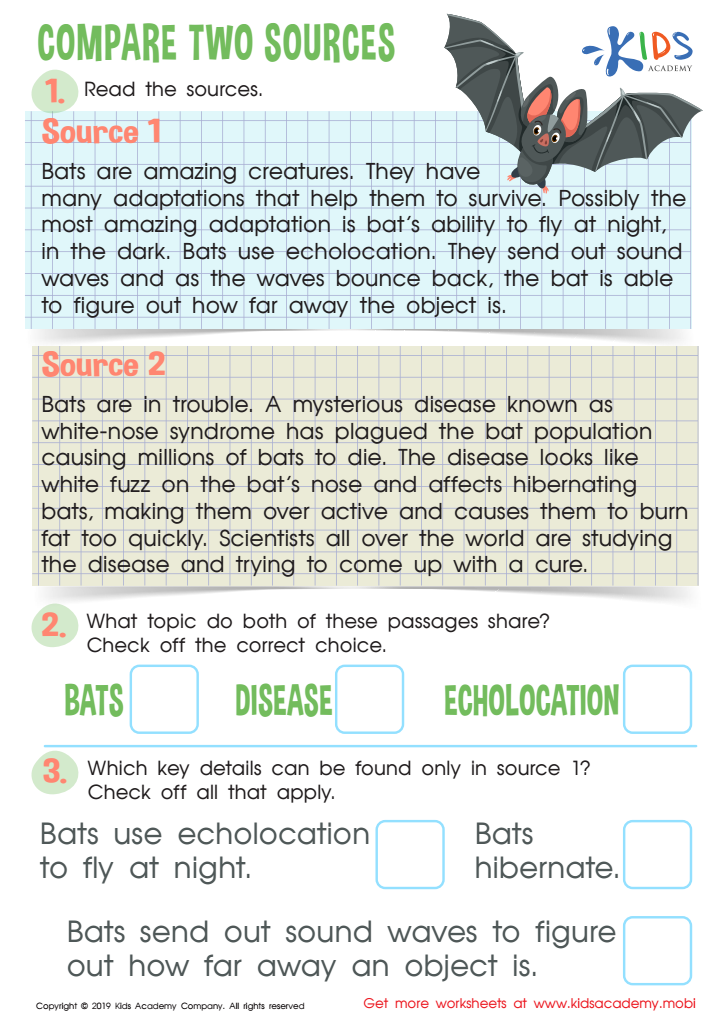
Compare Two Sources Worksheet
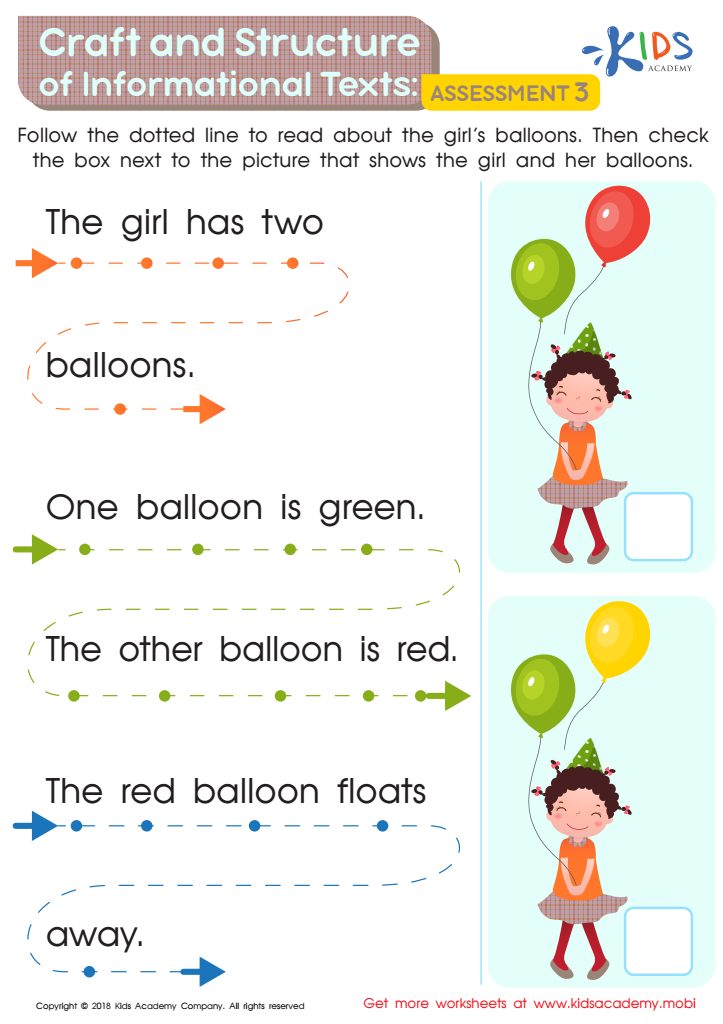
Craft and Structure of Informational Texts: Assessment 3 Worksheet







Parents and teachers should care about normal reading of non-fiction for ages 5-9, because it equips children with foundational skills critical for academic success and lifelong learning. Non-fiction texts offer factual information that expands young learners' knowledge about the world, aiding cognitive development and curiosity. Early exposure helps develop comprehension skills specific to non-fiction, such as understanding and interpreting informational text structures like charts, diagrams, and labels. This exposure also builds vocabulary by introducing them to subject-specific words not typically found in fiction.
Additionally, reading non-fiction from a young age fosters critical thinking as children learn to differentiate between facts and opinions, evaluate information, and comprehend complex ideas. It naturally encourages them to ask questions and build research skills as they seek to understand more about the topics they encounter.
Furthermore, varied reading experiences, including non-fiction, help kids discover their interests and passions, whether it be science, history, nature, or another field. It aligns well with the curriculum requirements and common core standards many educators adhere to, ensuring a well-rounded educational foundation. By nurturing an early appreciation for non-fiction, parents and teachers promote versatile, well-informed, and eager learners prepared for future academic challenges.