Normal The 5 Senses Worksheets for Ages 5-9
12 filtered results
-
From - To
Explore the world with our engaging "5 Senses Worksheets" designed for ages 5-9. These thoughtfully crafted activities allow children to discover and understand their senses—sight, sound, taste, touch, and smell. Each worksheet is tailored to captivate young minds through fun and informative exercises that reinforce learning in a playful manner. Ideal for both classroom and at-home use, these resources support kids in developing keen observational skills and a greater awareness of their environment. Ignite your child’s curiosity and foundational knowledge in the sciences with our interactive worksheets. Download now for an enriching educational experience!
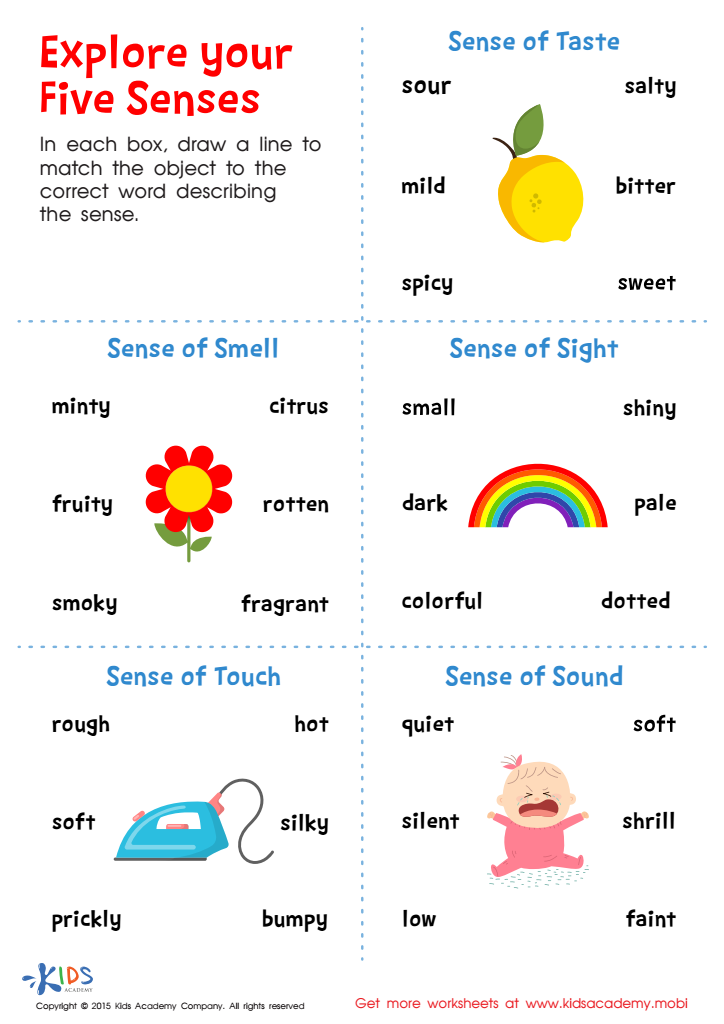
Explore Your Five Senses Printable
 Assign to My Students
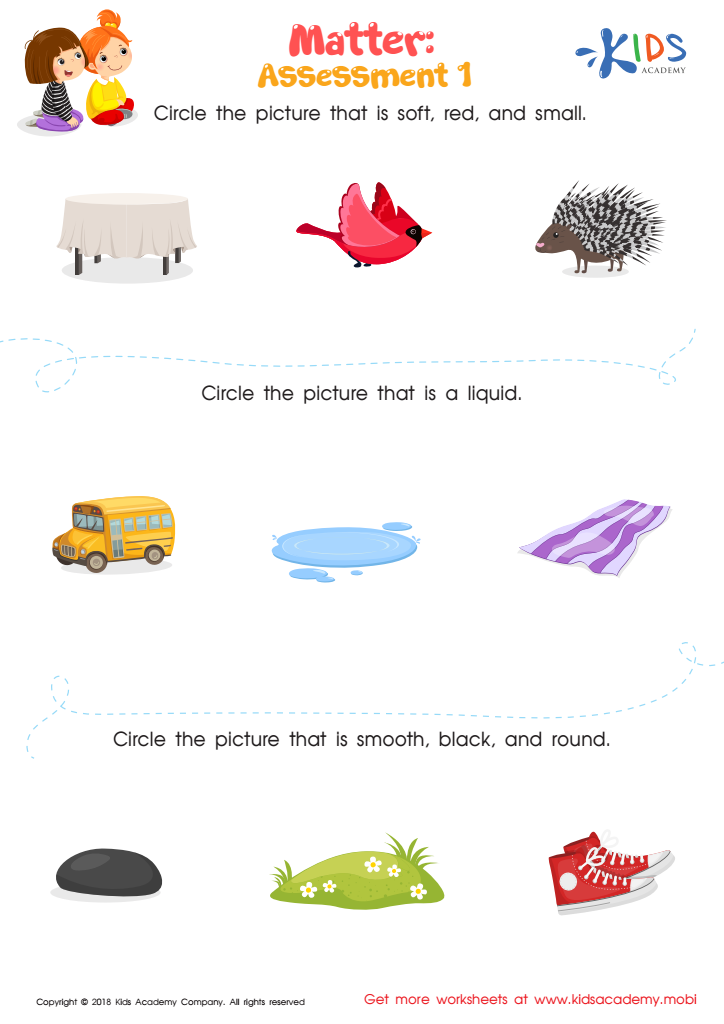
Matter: Assessment 1 Worksheet
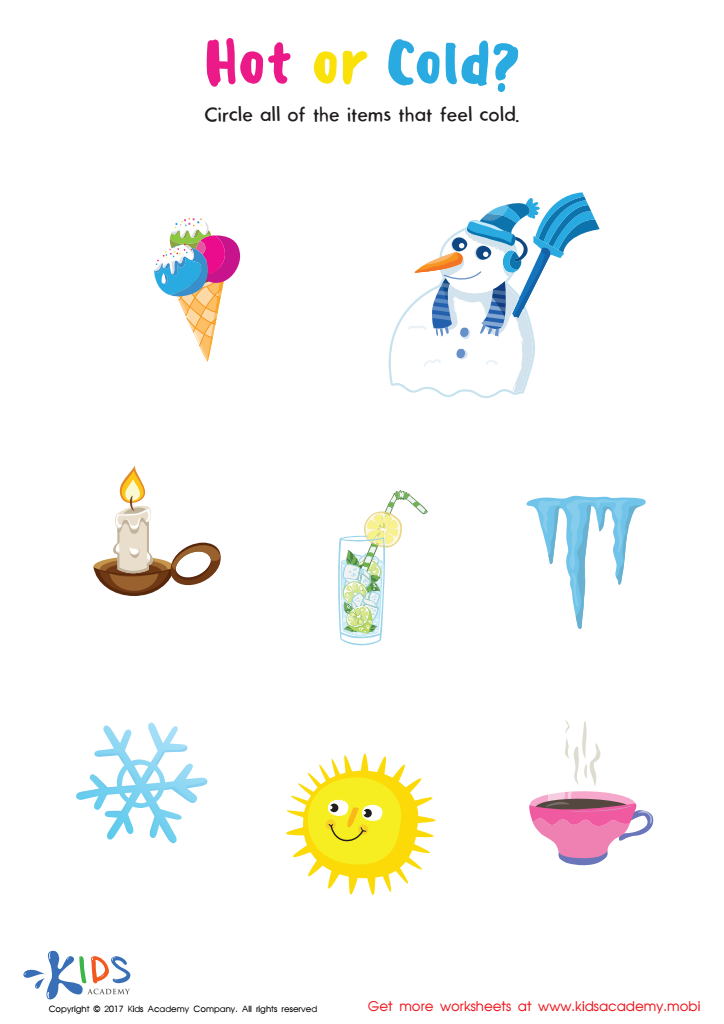
Hot or Cold Printable
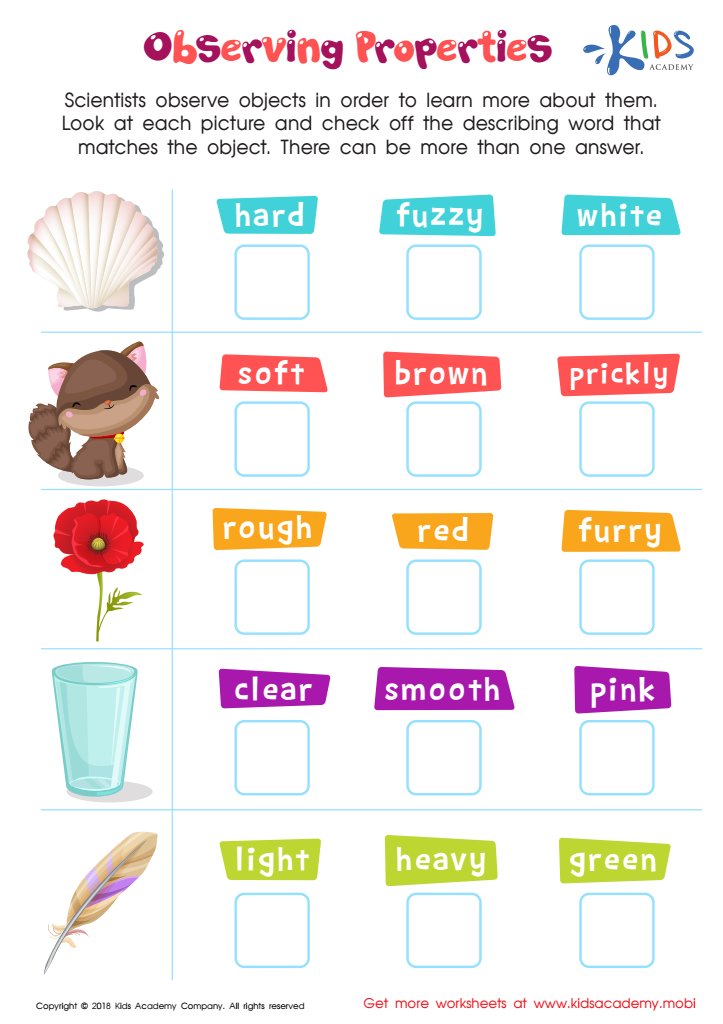
Observing Properties Worksheet
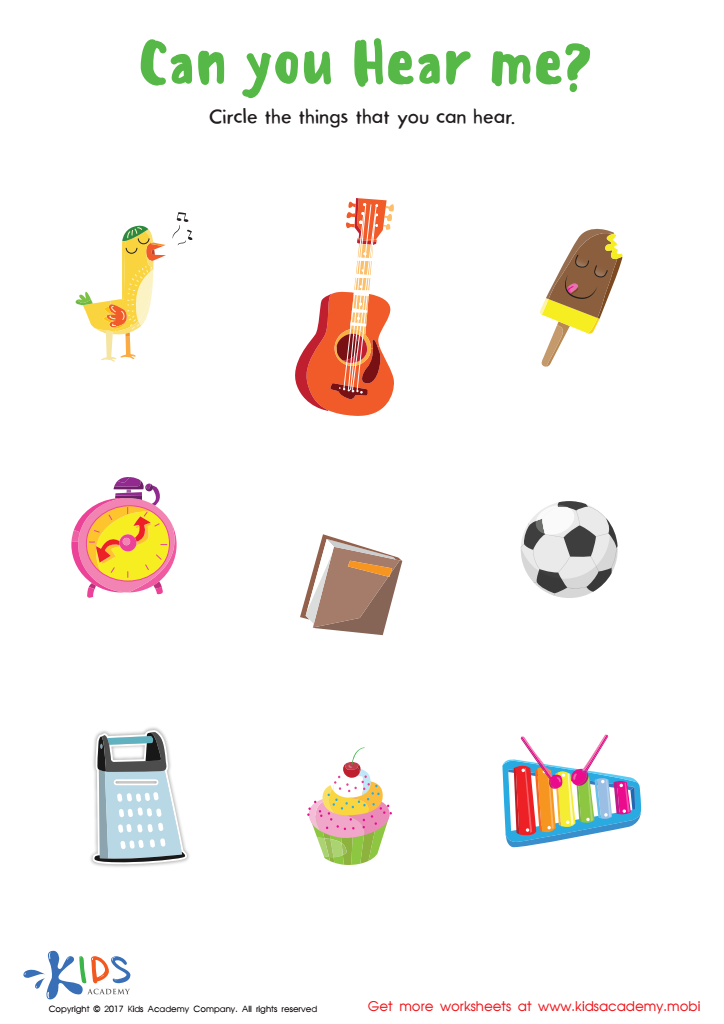
Can You Hear Me Worksheet
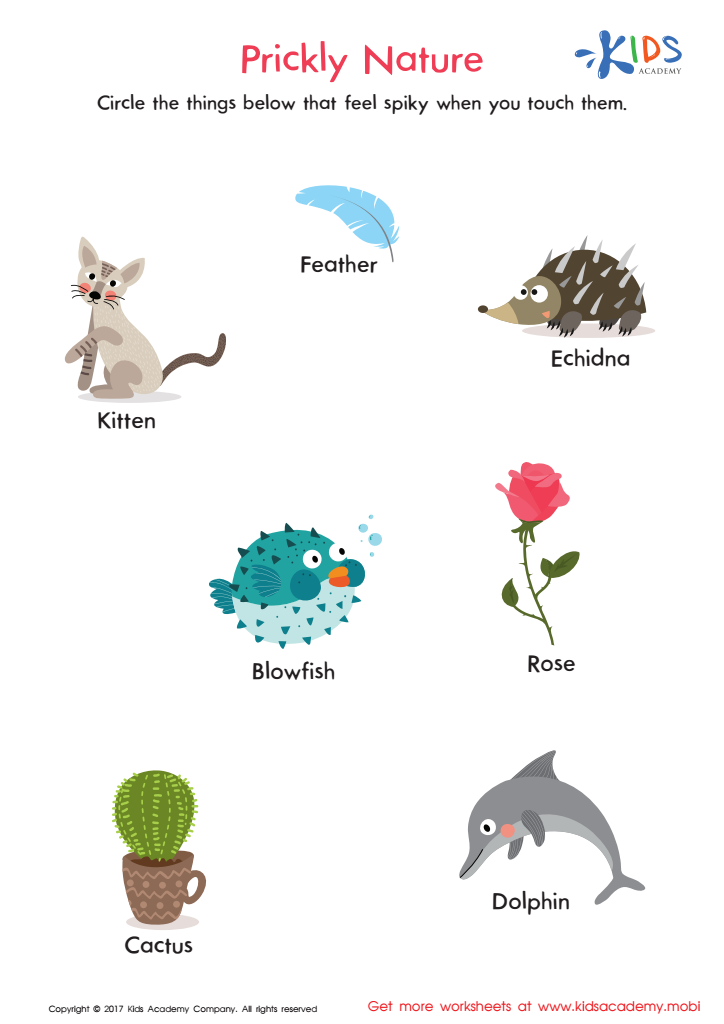
Prickly Nature Worksheet
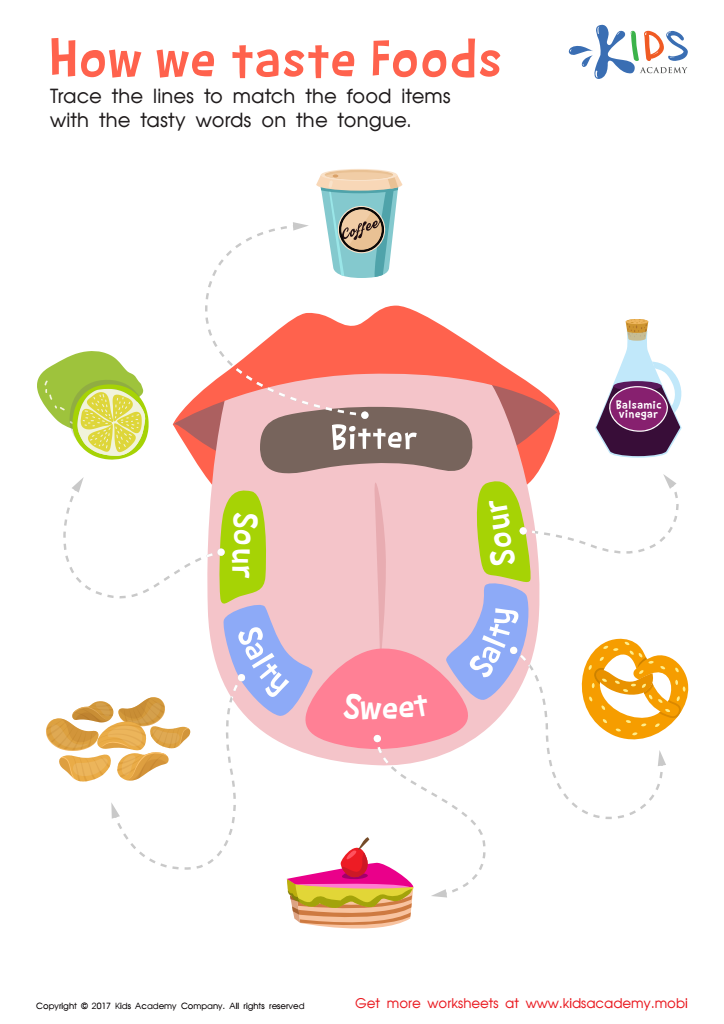
How We Taste Foods Worksheet
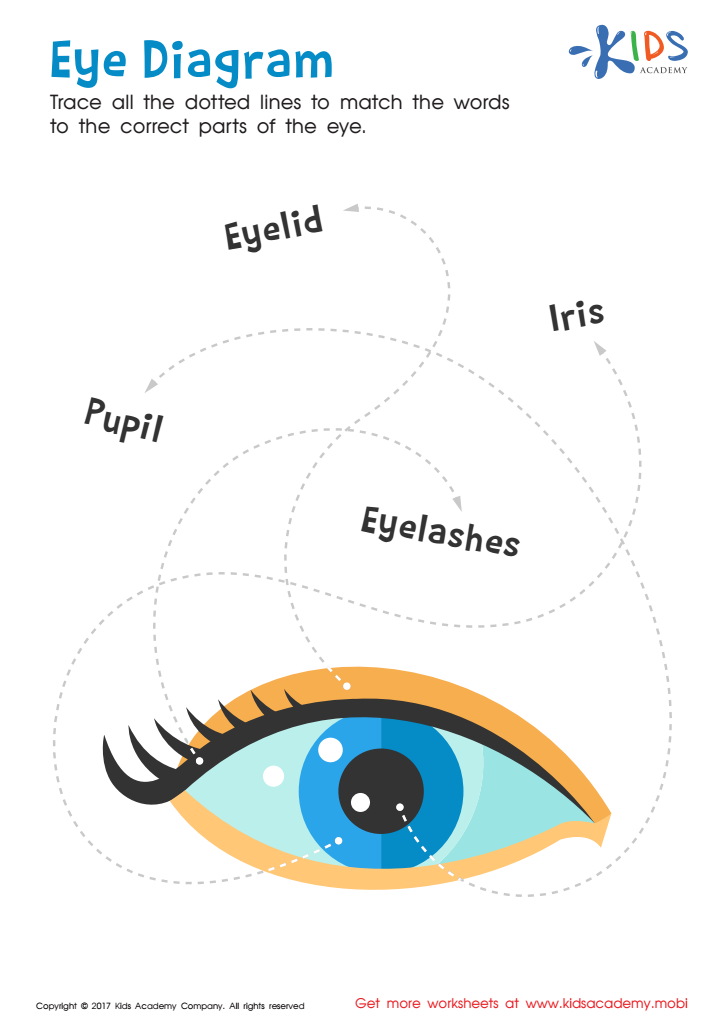
Eye Diagram Printable
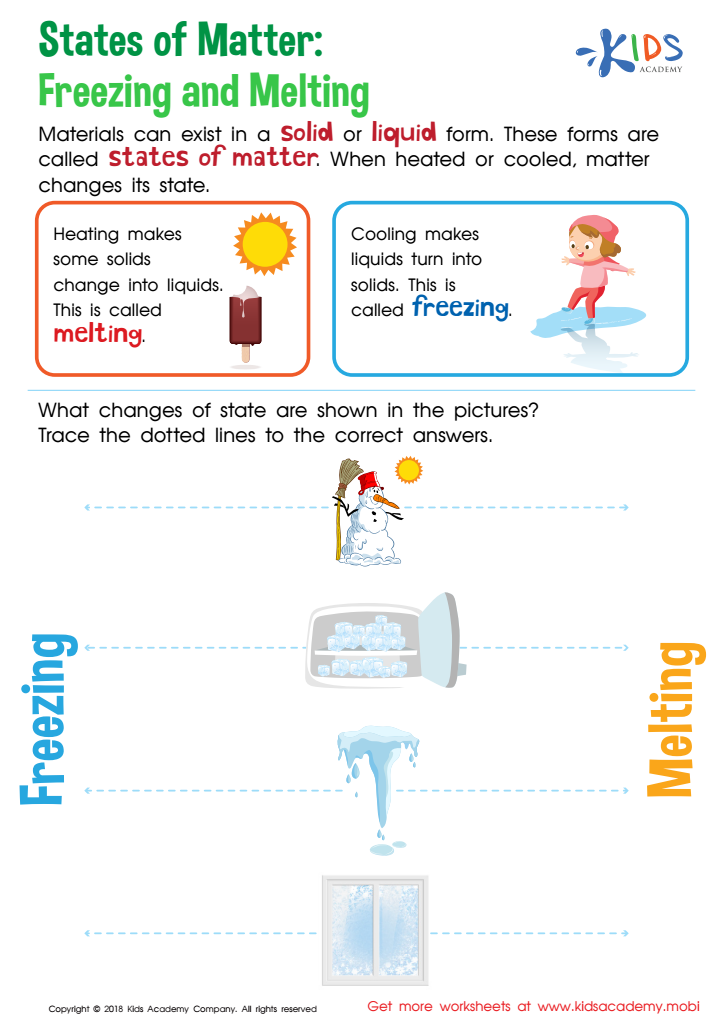
States of Matter: Freezing and Melting Worksheet
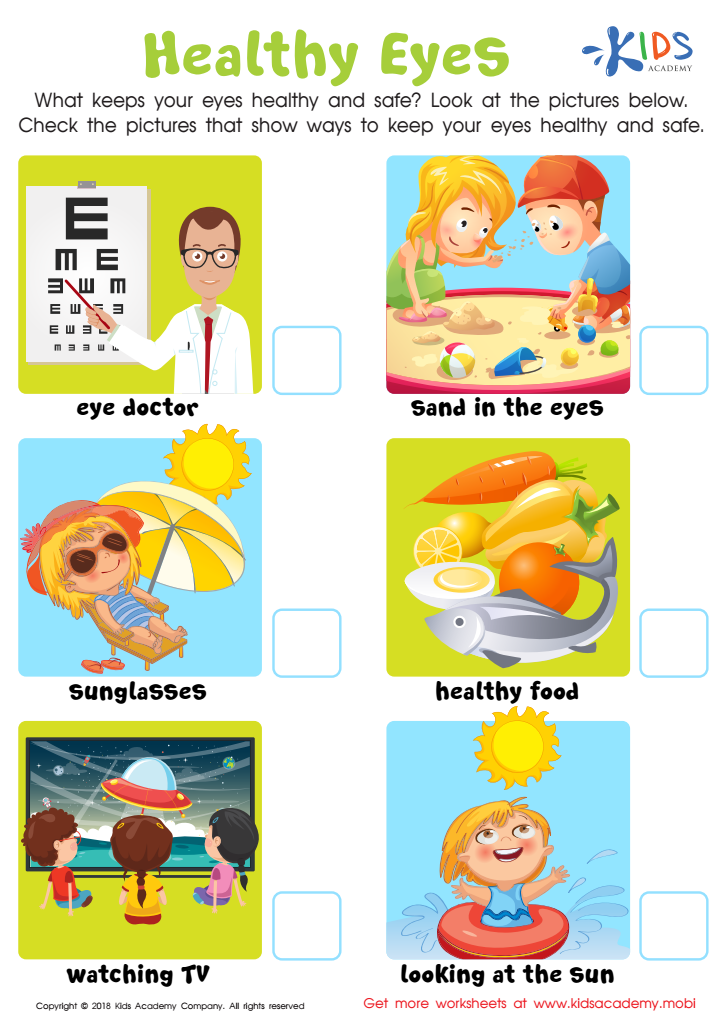
Healthy Eyes Worksheet
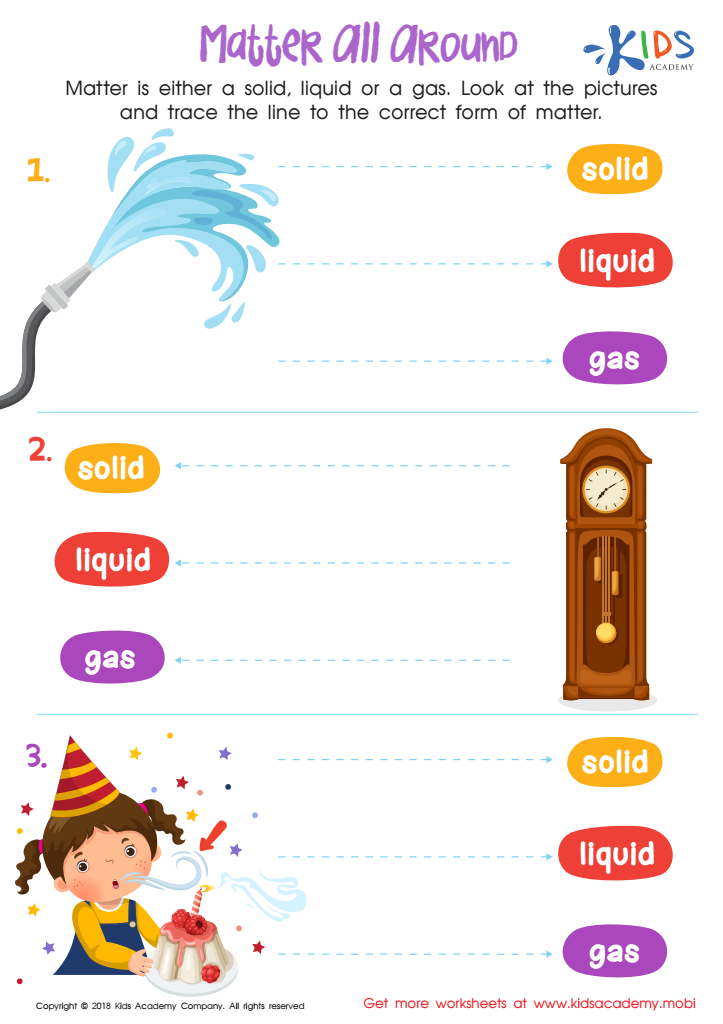
Matter all Around Worksheet
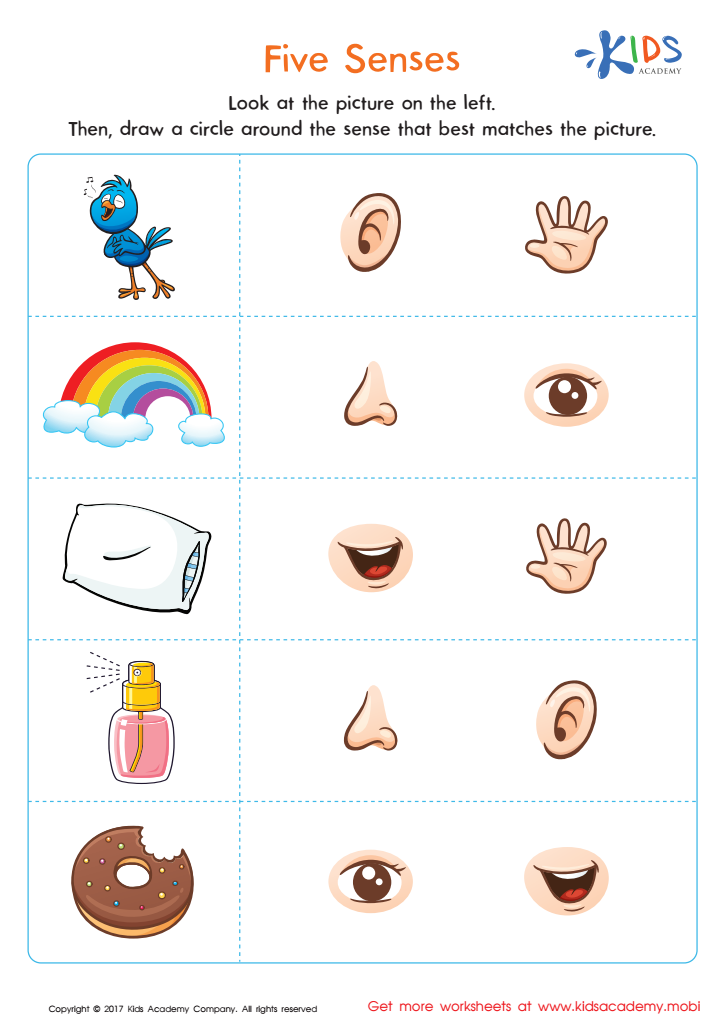
Five Senses Printable



Understanding the five senses — sight, hearing, taste, touch, and smell — is critical for young children aged 5-9 as it forms the foundation for their learning and interaction with the world. Parents and teachers should prioritize teaching this because the senses are the primary tools for discovery and exploration at this age. Sensory activities can enhance cognitive development, improve motor skills, and support language acquisition by providing concrete experiences to connect with words and concepts.
Kids use their senses to gather information, process it, and understand their environment, which is crucial for problem-solving and making decisions. Engaging senses like touch, vision, and hearing, for instance, can make abstract concepts more tangible. Moreover, sensory play can foster social skills, cooperation, and empathy by encouraging children to share experiences and appreciate perspectives outside their own.
Awareness of the sensory experiences also supports emotional regulation. For example, calming smells or textures can help children manage anxiety or energy levels. Sensory safety—ensuring children recognize and can protect their senses—is another aspect. Demonstrating the importance of wearing earmuffs to protect hearing at loud events or understanding not to touch harmful surfaces can instill lifelong habits.
In essence, grounding learning in sensory experiences makes children more connected and responsive to their world, facilitating richer and more effective education.







