Normal Reading Worksheets for Ages 6-8 - Page 14
315 filtered results
-
From - To
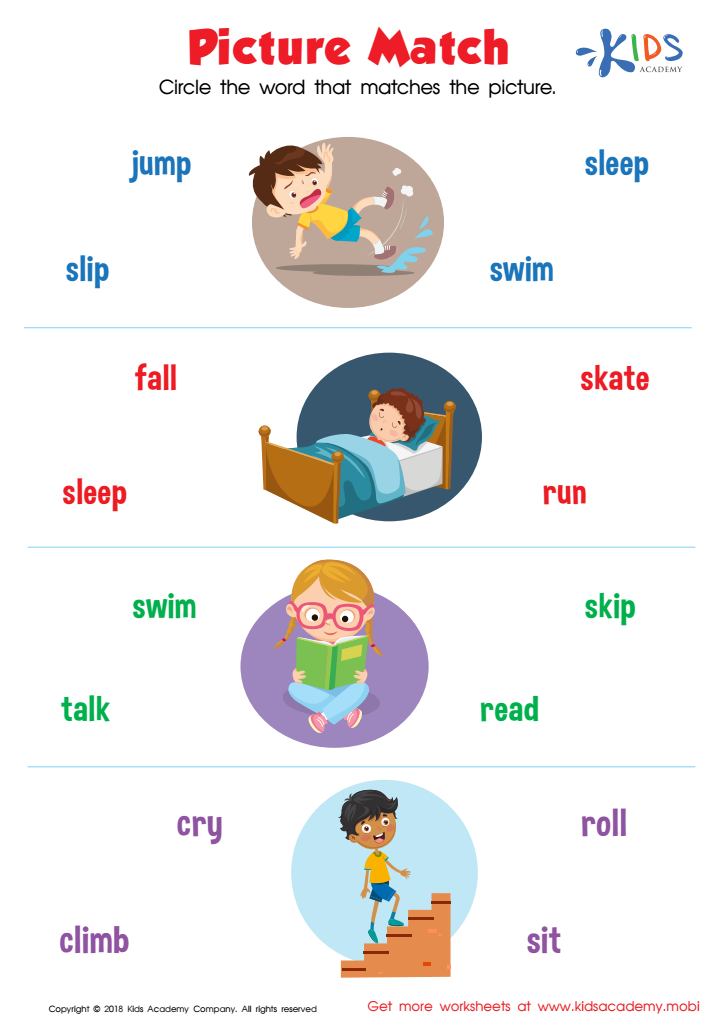
Picture Match Worksheet
 Assign to My Students
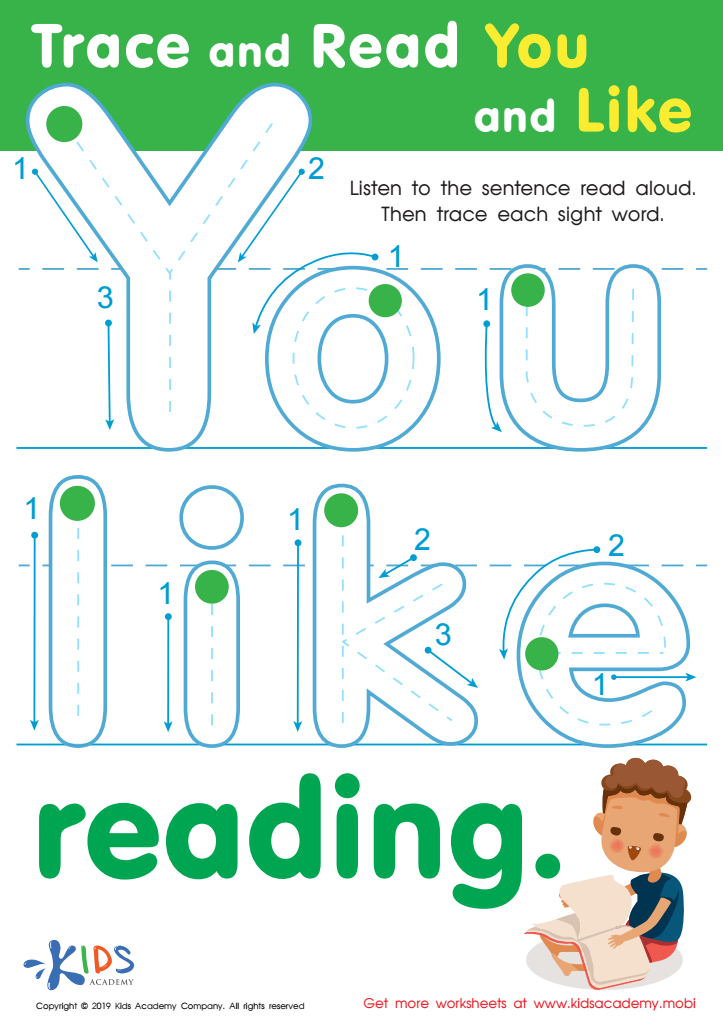
Trace Read You Like Worksheet
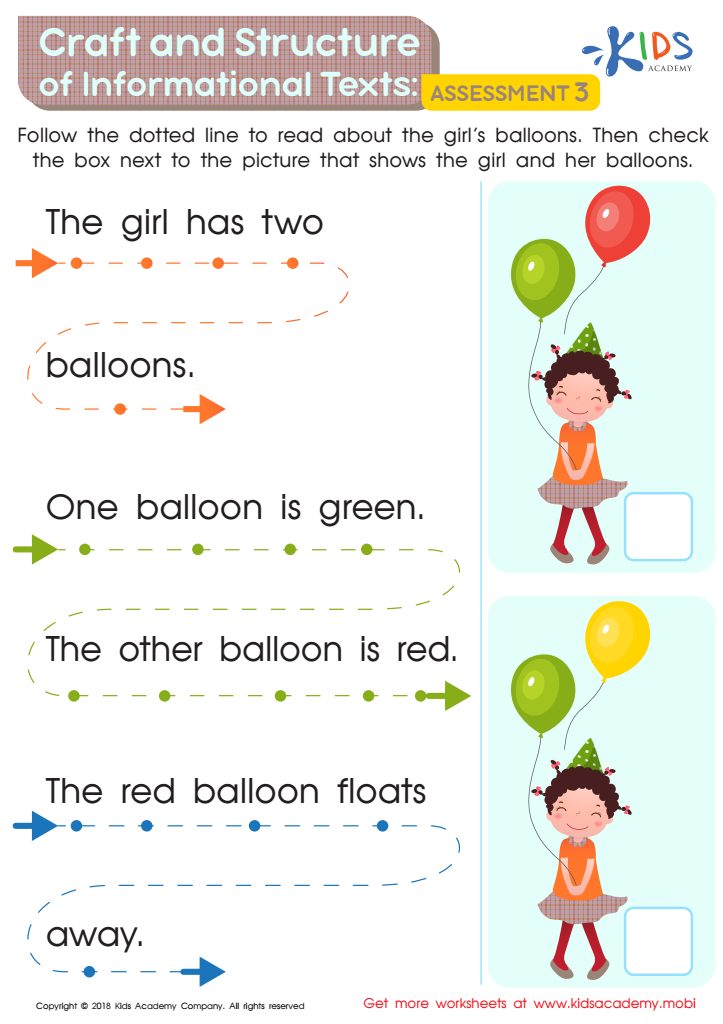
Craft and Structure of Informational Texts: Assessment 3 Worksheet







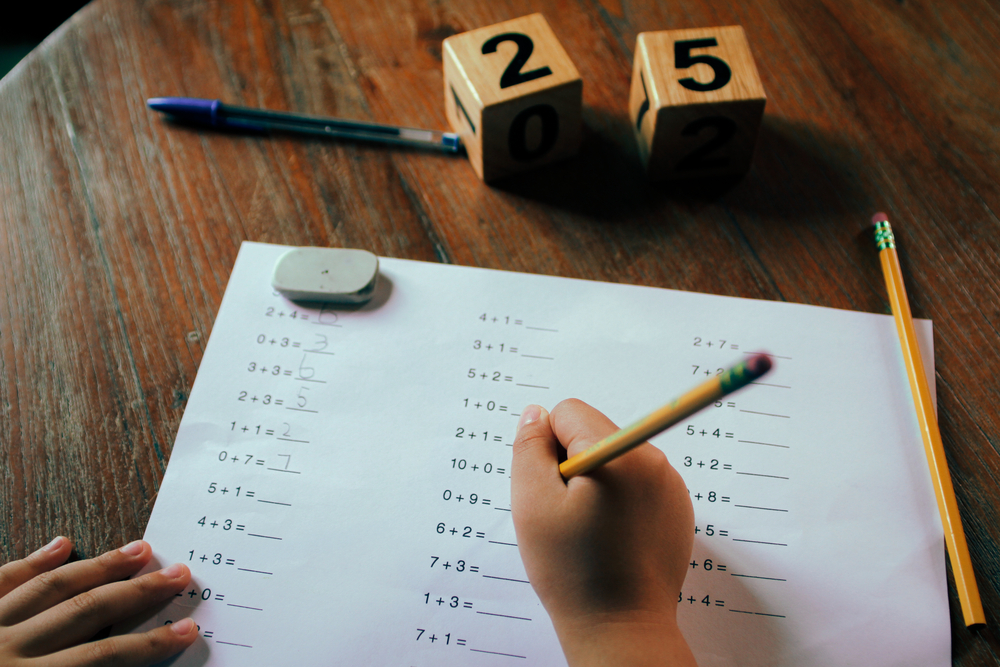
Normal reading development for ages 6-8 is crucial for children's overall academic success and lifelong learning. At this stage, children transition from learning to read to reading to learn, making it essential for parents and teachers to take an active interest in their reading skills.
Reading abilities correlate strongly with future educational achievement; children who read well are more likely to perform better in all subjects. Furthermore, reading fosters critical thinking, vocabulary expansion, and comprehension skills that are instrumental for effective communication.
By understanding what constitutes normal reading development, parents and teachers can identify potential reading difficulties early and intervene promptly. This early detection is key to preventing long-term setbacks and enhancing children's confidence and motivation.
Moreover, this period is often when children cultivate their love for reading, making it essential to create a supportive environment that encourages exploration of diverse texts. Engaging children in discussions about their reading can also foster a sense of connection and emotional intelligence.
Ultimately, attentiveness to the normal reading growth of children aged 6-8 supports their academic and social development, setting the foundation for lifelong educational engagement and success.








