Normal Reading Fiction Worksheets for Ages 6-8 - Page 5
99 filtered results
-
From - To
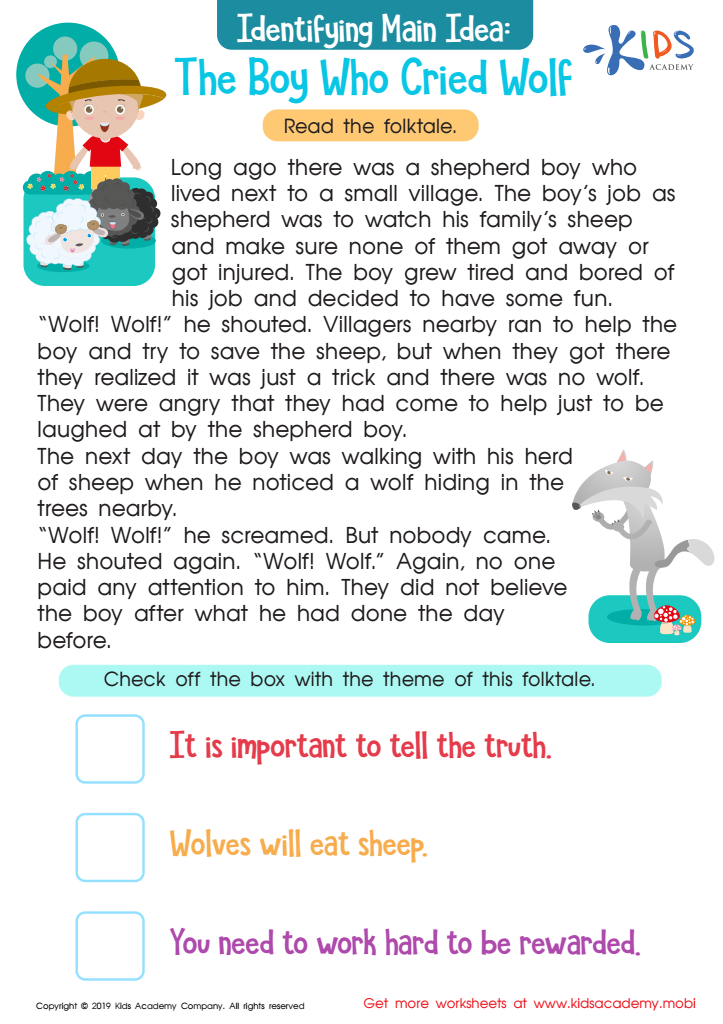
The Boy Who Cried Wolf Part 2 Worksheet
 Assign to My Students
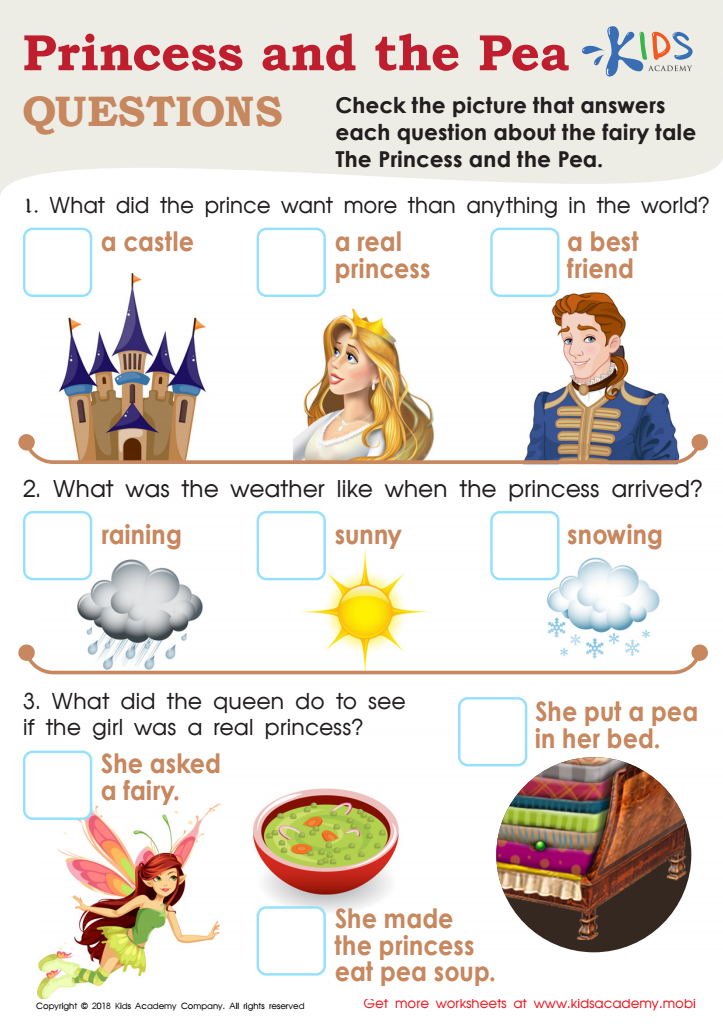
Princess and the Pea Questions Worksheet
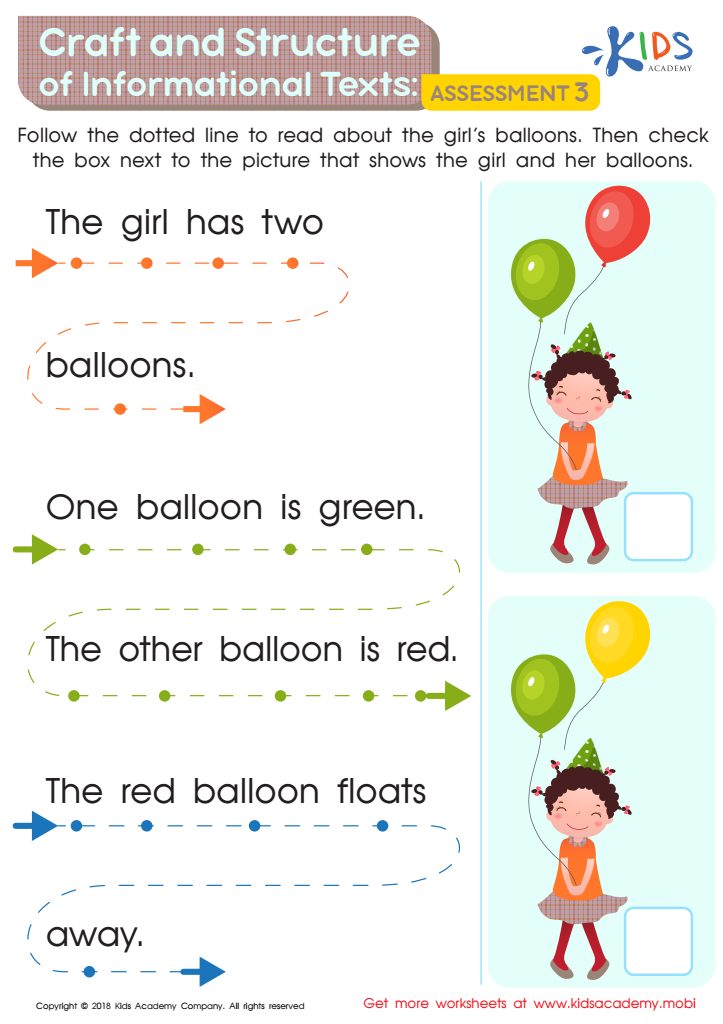
Craft and Structure of Informational Texts: Assessment 3 Worksheet








Parents and teachers should prioritize Normal Reading Fiction for ages 6-8 because it plays a critical role in a child's developmental journey. During these formative years, children engage in crucial literacy skills, including decoding, comprehension, and vocabulary building. Normal Reading Fiction offers relatable narratives that resonate with children's experiences and emotions, fostering a love for reading.
Storytelling captures children's imaginations, helping them develop empathy and social awareness as they explore diverse characters and settings. Familiar themes in these stories encourage discussion and critical thinking, facilitating moral and ethical development. Moreover, reading fiction enhances verbal communication skills; children learn to articulate thoughts and feelings, an essential ability for both academic success and personal relationships.
Exposure to fiction also stimulates creativity, as it encourages children to envision scenarios beyond their immediate reality. Furthermore, well-crafted stories at this age can provide a safe space to address complex themes such as friendship, family dynamics, and resilience, supporting emotional literacy.
In essence, Normal Reading Fiction is not just an enjoyable pastime; it is an essential tool for intellectual and emotional growth in young children. Fostering a reading habit in this age group can lead to lifelong benefits and a deeper appreciation for literature.







